
Jan
Blog
7 Reasons Why Tamarillo Trees Are a Garden Must-Have
Once you start growing a garden, you will keep finding more reasons to add more and more plants. That’s just the way it works.
You get excited when you pick your first homegrown tomato. Then, you want even more color and better snacks from your backyard. Next, you start looking for plants that grow back every year to make your garden feel like a real home. You want something that lasts, gives back, and looks great without too much fuss.
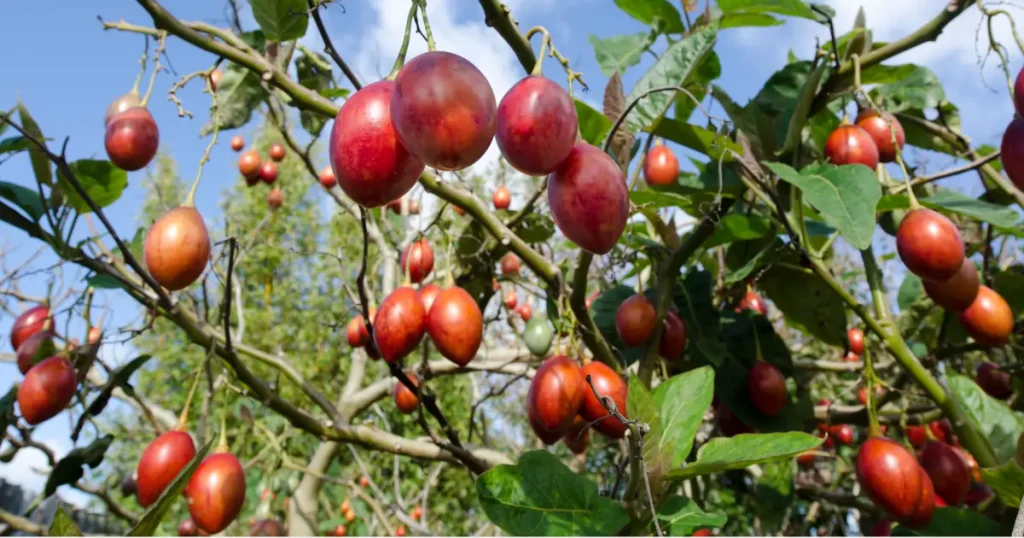
Finally, you realize that your garden can be more than just a few pots. It can be your own little fruit forest. So, you ask yourself: What is the next fun thing to plant? If you want a fast-growing tree that looks tropical and tastes amazing, you need to meet the Tamarillo tree. This “Tree Tomato” is exactly what your garden is missing, and I’m here to tell you why!
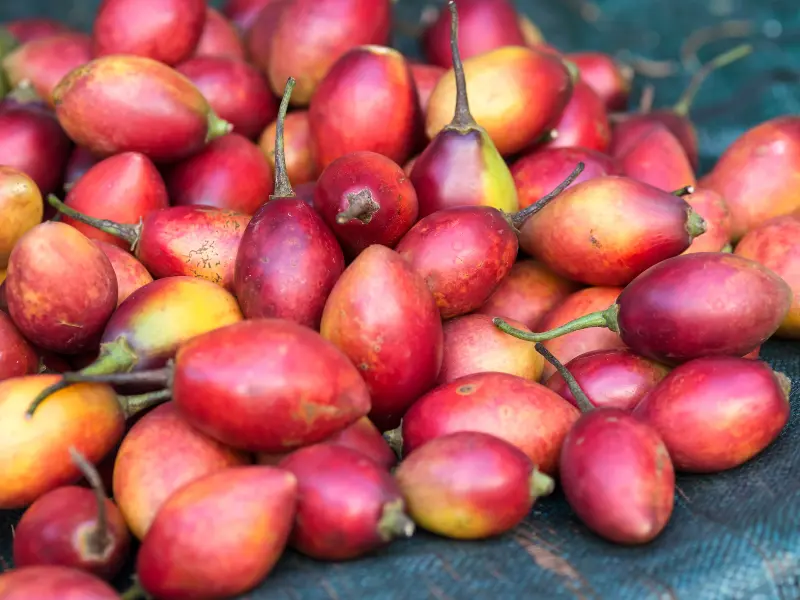
As a longtime gardener who has spent years testing exotic plants in various American climates, I can tell you that the Tamarillo tree, or Solanum betaceum, is a total game-changer. It is fast, it is beautiful, and the fruit tastes like a tropical vacation. Let’s dive into why this “Tree Tomato” deserves a spot in your home orchard.
Despite the name “Tree Tomato,” this is not just a tall tomato plant. It is a woody, perennial shrub in the nightshade family. Originally from the Andes in South America, it became a staple in New Zealand before making its way to the United States.
Unlike the vines of a standard tomato, the Tamarillo grows into a sturdy tree with massive, heart-shaped leaves that can reach over a foot long. It produces clusters of egg-shaped fruit that hang from the branches like ornaments. If you enjoy plants that look like they belong in a botanical garden but actually provide a harvest, this is your winner.
1. The Ultimate Edible Landscaping Tool
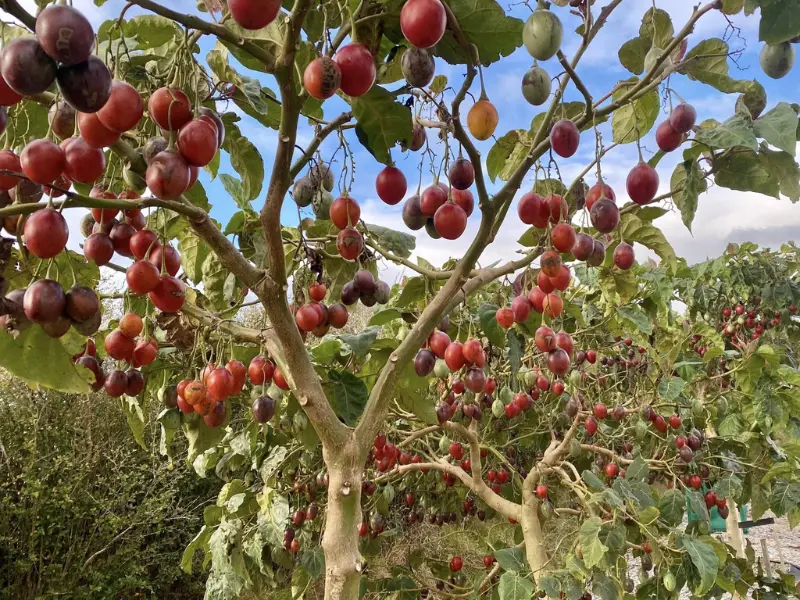
In the US, there is a massive trend toward “edible landscaping.” Why plant a non-fruiting hedge when you can plant something you can eat? The Tamarillo tree is a stunning ornamental plant. Its foliage is lush and tropical, providing a great backdrop for smaller flowers or herbs.
I remember a friend in Southern California who replaced her boring privacy screen with a row of Tamarillos. Not only did she get privacy within a year because of their rapid growth, but her neighbors were constantly stopping by to ask about the “exotic purple fruit” hanging over the fence. It adds a vertical element to your garden that standard vegetables simply cannot provide.
2. A Nutrient Powerhouse of the Tamarillo Tree
Health-conscious Americans are always looking for the next superfood. The Tamarillo fruit is packed with everything your body craves. It is incredibly high in Vitamin C, Vitamin A, and Vitamin E. [1]
Beyond vitamins, these fruits are rich in antioxidants called anthocyanins (especially the red variety). These are the same healthy compounds found in blueberries that help fight inflammation. If you are looking to boost your immune system or just want a low-calorie snack that actually tastes good, the Tamarillo is a much better choice than store-bought fruit that has been sitting in a shipping container for weeks.
3. Rapid Growth and Early Gratification
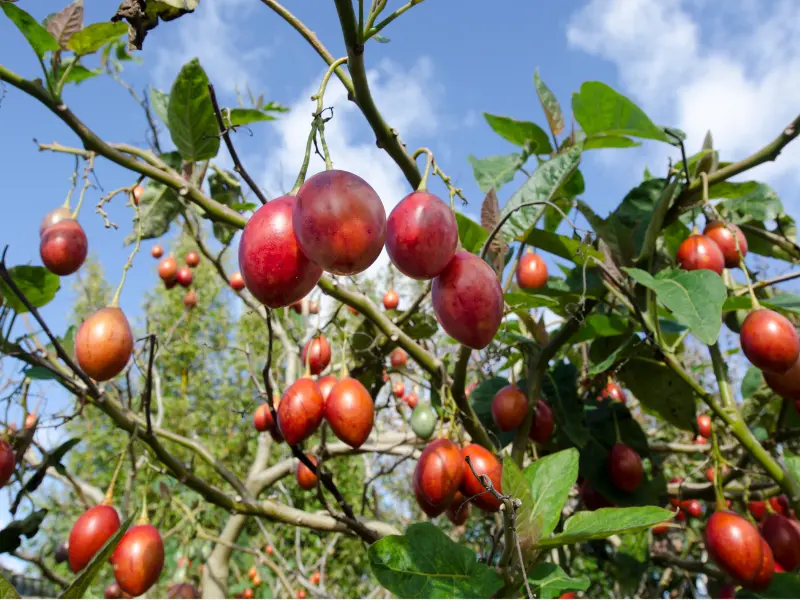
One of the biggest pain points for new gardeners is the wait. You plant a fruit tree and often have to wait three to five years to see a single harvest. The Tamarillo is different. These trees are famous for their “grow like a weed” mentality.
In the right conditions, a Tamarillo can reach heights of 6 to 10 feet in a single season. If you start with a healthy sapling or even grow from seed, you can often see your first blossoms and fruit within 18 to 24 months. For those of us who aren’t the most patient people, this quick turnaround is incredibly rewarding.
4. Perfect for Small Spaces and Containers
You don’t need a massive farm to grow these. In fact, Tamarillo trees are perfectly suited for large pots or containers. This is a huge advantage for urban gardeners or people living in apartments with sunny balconies.
Since they have a relatively shallow root system, a 15 or 20-gallon container is plenty of room for a Tamarillo to thrive. This also makes them portable. If you live in a cooler climate like the Pacific Northwest or the Northeast, you can keep your tree outside in the summer and simply wheel it into a greenhouse or a sunny sunroom when the first frost hits.
5. An Extended Harvest Season
Standard tomatoes usually give you a “big bang” of fruit in late summer, and then the plant dies off. The Tamarillo tree is a perennial. Once it starts fruiting, it can continue to produce for several years.
In warmer zones like Florida or parts of Arizona, the harvest can stretch out over several months. You won’t find yourself overwhelmed with 50 pounds of fruit in one week; instead, you get a steady supply of fresh fruit for your morning smoothies or salads over a much longer period.
6. A Unique Flavor Profile for Your Kitchen
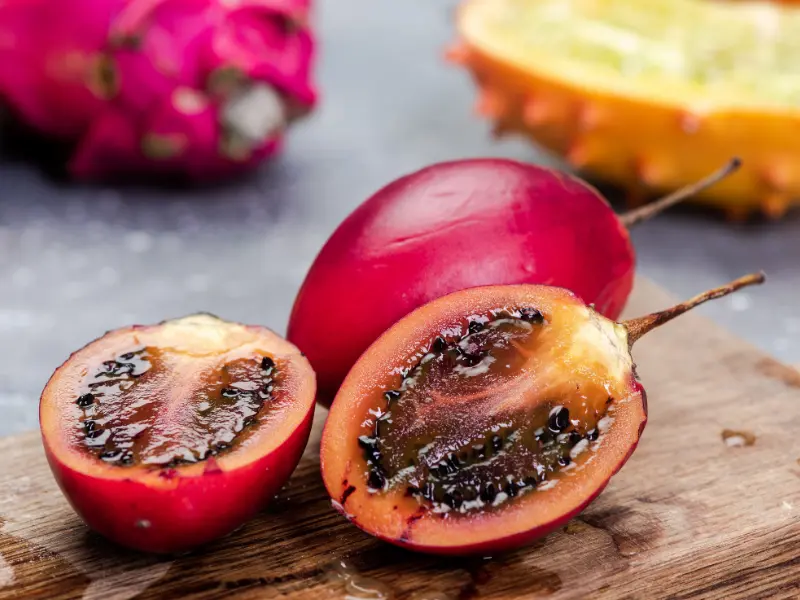
If you ask five different people what a Tamarillo tastes like, you might get five different answers. The most common description is a complex blend of tomato, passion fruit, and a hint of guava.
The red varieties tend to be a bit more tart and acidic, making them perfect for savory dishes like spicy salsas or meat glazes. The gold or yellow varieties are sweeter and milder, ideal for desserts, jams, or just eating raw with a little sugar sprinkled on top. Having this unique ingredient in your backyard allows you to experiment with recipes that your local grocery store simply cannot support.
7. Low Maintenance Once Established
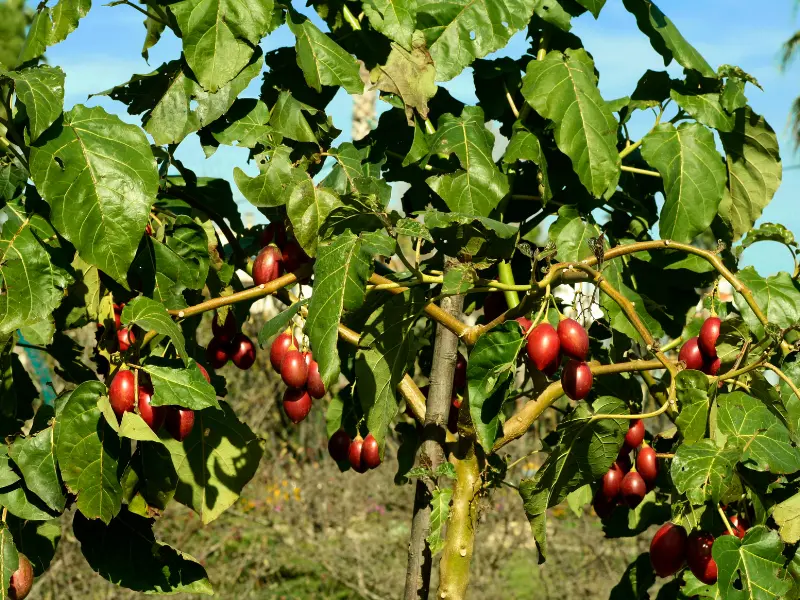
Many people worry that “exotic” means “difficult.” While the Tamarillo tree does have specific needs, it is actually quite hardy once it finds its groove. It doesn’t require the intense pruning or the complex trellising that many fruit trees need.
As long as you provide well-drained soil (they hate “wet feet”) and protection from strong winds (those big leaves can act like sails), they are quite happy. Use a balanced fertilizer during the growing season, and you will see them reward you with lush green growth and plenty of fruit clusters.
Frequently Asked Questions
Can I grow a Tamarillo tree if I live in a cold climate?
Yes, but you have to be smart about it. Tamarillos are sensitive to frost. If you live in a zone where the temperature drops below freezing, grow your tree in a container and bring it indoors for the winter. It will go dormant or slow down its growth until the spring.
How do you actually eat the fruit?
The easiest way is to cut the fruit in half and scoop out the pulp with a spoon, just like a kiwi or a passion fruit. Avoid eating the skin, as it can be quite bitter and tough.
Do I need two trees for pollination?
Most Tamarillo varieties are self-fertile, meaning you only need one tree to get fruit. However, having more than one tree or a garden full of bees can often help increase your overall yield.
What pests should I look out for?
The main culprits are aphids and whiteflies, which are common to any plant in the nightshade family. A simple organic neem oil spray or a blast of water from the hose is usually enough to keep them under control.
If you are ready to start, look for a reputable nursery that ships to your state, or find a source for organic seeds. Your future self and your kitchen will thank you.
References:
-
[1] FreshPlaza North America. “Tamarillos to give New Zealanders a health kick this season.” Available at FreshPlaza.
You may like:

How to Grow Wild Huckleberries: A Guide to “Purple Gold”
Have you ever spent a summer afternoon hiking through the Pacific Northwest or the Rocky [...]
Mar
5 Best Shade-Loving Perennials for a Lush, Vibrant Garden
The world of gardening often shines a spotlight on sun-drenched blossoms, but there is a [...]
Mar
7 Common Curry Leaf Plant Problems: Easy Fixes for a Thriving Plant
Is your curry leaf plant looking a bit sad lately? Maybe you woke up to [...]
Mar
Best Time to Plant Bougainvillea: Timing for Vibrant Blooms
If you’re looking for a hardy tropical vine that delivers a riot of neon color, [...]
Feb
How to Propagate Purple Passion Plants (Gynura aurantiaca)
Have you ever been mesmerized by the neon-purple glow and fuzzy, velvet-like leaves of a [...]
Feb
How to Grow Beauregard Sweet Potatoes: From Slips to a Bountiful Harvest
Are you ready to add a classic, heavy-hitting favorite to your vegetable patch? If you’ve [...]
Feb