
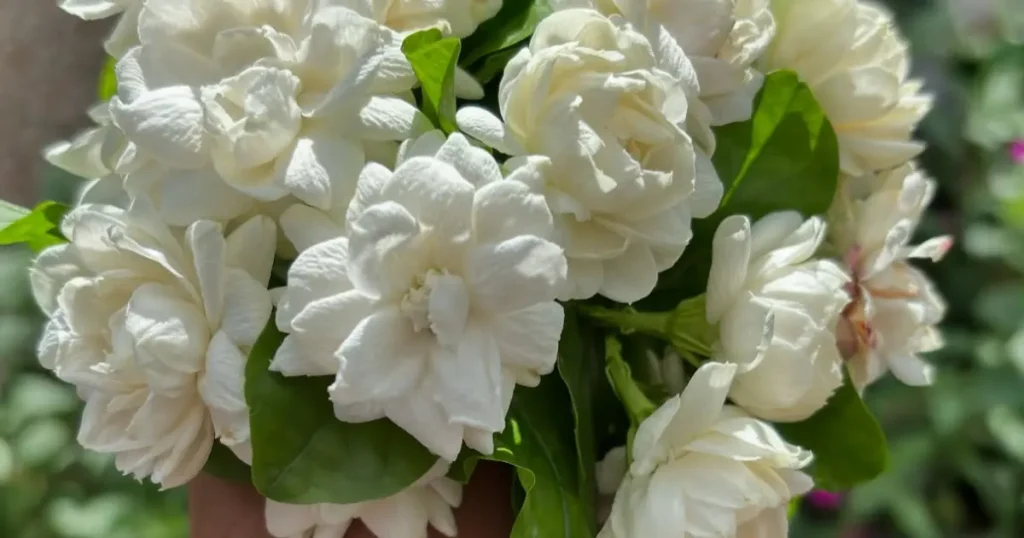
Mar
Guides
Grand Duke of Tuscany Jasmine: The Ultimate Guide to Growing a Fragrant Masterpiece
Have you ever caught a scent in the air so rich, creamy, and honey-sweet that you had to stop in your tracks just to find its source? If you’ve ever been lucky enough to stand downwind of a Grand Duke of Tuscany Jasmine in full bloom, you know exactly what that magic feels like. It isn’t just a smell; it’s an atmospheric shift that turns a simple backyard into a Mediterranean escape.
But let’s be real for a second, gardening isn’t always a walk in the park. Perhaps you’ve brought one of these beauties home only to watch those tight, rose-like buds drop before they ever had a chance to open. Or maybe your once-lush shrub is starting to look a bit “leggy” and tired, and you’re wondering where you went wrong.
What is Grand Duke Jasmine?
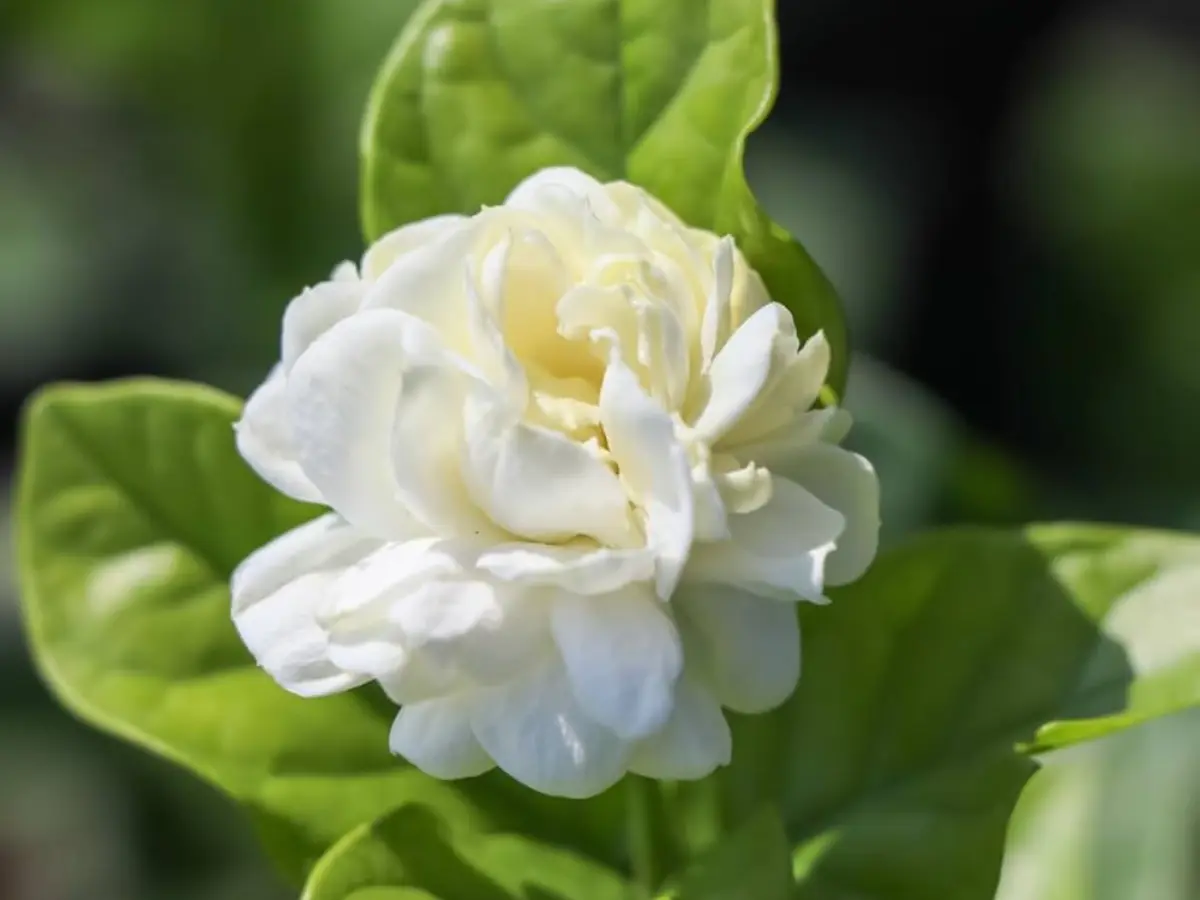
The Grand Duke of Tuscany (a regal variety of Jasminum sambac) is famous for having the most complex, multi-layered blooms of all jasmines. While it’s a sturdy plant, it doesn’t just want to “get by”, it wants to dominate your space with its fragrance. If you are looking for a plant that turns your balcony into a natural perfume factory and offers a touch of old-world elegance, the “Duke” is your perfect match.
In this guide, I’m breaking down everything I’ve learned about Grand Duke Jasmine care. We’ll cover the sunny spots it craves, the “Goldilocks” watering method, and the secret of pruning for maximum flower power. I’ll also share a few tricks from local growers I’ve visited who have kept these woody shrubs blooming for decades. Let’s make sure your Grand Duke doesn’t just survive, but truly reigns over your garden.
What Makes This Grand Duke Jasmine Different?
The Grand Duke of Tuscany, or Jasminum sambac ‘Grand Duke of Tuscany’, is a bit of an outlier in the jasmine family. Unlike its cousins that scramble up fences at lightning speed, the Duke is a slow-growing, woody evergreen shrub.
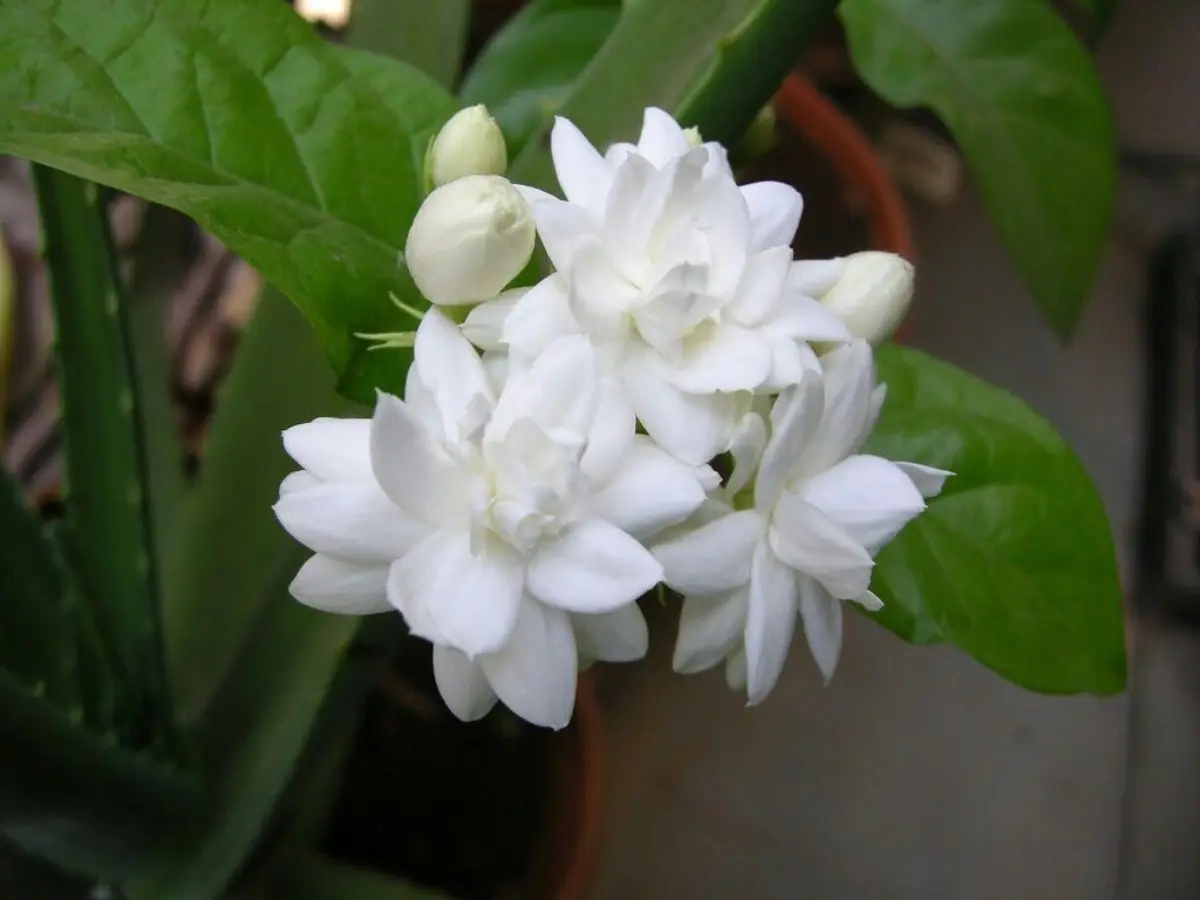
When you look at the flowers, you might mistake them for miniature white carnations or even tiny gardenias. They are incredibly dense, with layers upon layers of snowy petals. Because it grows more like a bush, it is the absolute “gold standard” for large terracotta pots on sun-drenched terraces or flanking a front door. The leaves are thick, dark green, and grow in clusters of three, providing a waxy, high-contrast backdrop that makes the white blossoms pop.
Why This Variety Is a “Must-Have”
If you talk to any jasmine enthusiast in the United States, they’ll tell you: nothing beats the Duke for three reasons. First, the intensity of the scent is unparalleled; one flower can perfume an entire room. Second, the flower shape is unique; these blooms stay on the plant much longer than single-petal varieties. Third, it is remarkably heat-tolerant, standing tall even when the summer sun is at its most intense.
Is It Safe for Pets?
As a fellow pet owner, I know this is always the first question. Good news: Jasminum sambac is generally considered non-toxic to dogs and cats. While I wouldn’t recommend letting your puppy use the leaves as a snack, having a Grand Duke on your porch is a safe way to enjoy a fragrant garden without the worry.
Ideal Growing Conditions
The Grand Duke is a sun-lover through and through. To get those heavy, wax-like flowers, you need to lean into its tropical roots.
-
Sunshine: This plant thrives in full sun to very light shade. If you keep it in a dim corner, it will get “sad”, the stems will become thin, and it will simply stop flowering. Aim for at least 6 to 8 hours of direct light to keep it happy.
-
Temperature: It loves the heat but is a bit of a “diva” when it comes to frost. It can handle temperatures down to about 40°F, but if you live somewhere with real winters, be ready to bring your Duke indoors to a bright, sunny window before the first frost hits.
Grand Duke Jasmine care
Watering
Watering a Grand Duke is a bit of a balancing act. It hates “wet feet” (soggy, drowning roots), but it also won’t tolerate bone-dry soil for long. The “finger test” is your best friend here: stick your finger an inch into the soil, if it feels dry, it’s time for a drink.
In the heat of summer, a potted Duke might need water every day. In the winter, growth slows down, so you can back off. Just remember: always use a pot with drainage holes. If the plant sits in a saucer of water, the roots will rot, and the plant will decline quickly.
Feeding
Since this plant puts so much energy into those dense, heavy flowers, it needs a good “multivitamin.” I recommend a high-phosphorus fertilizer (look for a higher middle number on the label) during the growing season. This encourages “bloom power” rather than just green leaves. A monthly feeding from spring through early fall will keep the flower production steady and the scent strong.
Choosing the Right Soil and Pot
The Duke prefers a rich, slightly acidic, well-draining soil. A high-quality indoor potting mix with a handful of perlite or coco coir mixed in is perfect. When it comes to potting, the Grand Duke actually likes to be a little bit “snug.” Don’t put a small plant in a massive pot; it will hold too much moisture. Move up one size at a time, preferably in the spring.
Pruning and Shaping
Because this is a slow grower, many gardeners are terrified to prune it. Don’t be! Pruning is actually the secret to a bushy, flower-filled plant.
Left to its own devices, the Duke can get a bit “leggy” (long, bare stems with few leaves). After a flush of flowers fades, don’t be afraid to trim the stems back by a few inches. This “pinching” forces the plant to branch out, meaning you’ll have two or three flower-bearing stems where there used to be just one. It’s like telling the plant, “Hey, let’s get busy and grow more flowers!”
Troubleshooting: Common Problems & Quick Fixes
-
The Mystery of the Dropping Buds: It’s heartbreaking to see perfect green buds fall off before they open. This is usually a sign of stress. Did you recently move the plant? Is it in a drafty spot? Did the soil get too dry? Keep the environment stable, and the buds will stay put.
-
Yellowing Leaves: If the leaves are turning yellow but the veins remain green, your plant might be “hungry” for iron. A dose of chelated iron or a fertilizer meant for acid-loving plants (like Azaleas) usually brings that deep green color back within a few weeks.
-
Dealing with Uninvited Pests: Keep an eye out for mealybugs (they look like tiny bits of white cotton) or spider mites. If you see them, a gentle spray of neem oil or insecticidal soap on a cloudy day will clear them right up.
Conclusion
The Grand Duke of Tuscany Jasmine is more than just a plant; it’s an heirloom experience. It rewards a little bit of attention and a lot of sunshine with a fragrance that most bottled perfumes can only dream of. By following these simple steps, plenty of light, consistent water, and a regular “haircut”, you’ll have a vibrant, blooming companion for years to come.
You may like:

Grand Duke of Tuscany Jasmine: The Ultimate Guide to Growing a Fragrant Masterpiece
Have you ever caught a scent in the air so rich, creamy, and honey-sweet that [...]
Mar
How to Grow Wild Huckleberries: A Guide to “Purple Gold”
Have you ever spent a summer afternoon hiking through the Pacific Northwest or the Rocky [...]
Mar
5 Best Shade-Loving Perennials for a Lush, Vibrant Garden
The world of gardening often shines a spotlight on sun-drenched blossoms, but there is a [...]
Mar
7 Common Curry Leaf Plant Problems: Easy Fixes for a Thriving Plant
Is your curry leaf plant looking a bit sad lately? Maybe you woke up to [...]
Mar
Best Time to Plant Bougainvillea: Timing for Vibrant Blooms
If you’re looking for a hardy tropical vine that delivers a riot of neon color, [...]
Feb
How to Propagate Purple Passion Plants (Gynura aurantiaca)
Have you ever been mesmerized by the neon-purple glow and fuzzy, velvet-like leaves of a [...]
Feb