
Apr
Guides
Yellow Dragon Fruit Plant Care: The Ultimate Guide for Healthy Growth
The yellow dragon fruit plant is a unique and rewarding addition to any home garden, especially if you love growing exotic fruits. Known for its bright yellow skin, sweet flavor, and climbing cactus form, this tropical plant thrives when given the right balance of sunlight, support, and care. Starting with proper planting techniques early on can make a big difference in how healthy and productive your plant becomes.
Are you struggling to keep your yellow dragon fruit plant thriving? You’re not alone. Many gardeners find it tricky to manage watering, sunlight, and structural support for this fast-growing cactus. But don’t worry, this ultimate guide will help you master the essentials of yellow dragon fruit plant care.
In this guide, we’ll walk you through everything you need to keep your yellow dragon fruit plant healthy, vigorous, and full of fruit.
What is a Yellow Dragon Fruit Plant?
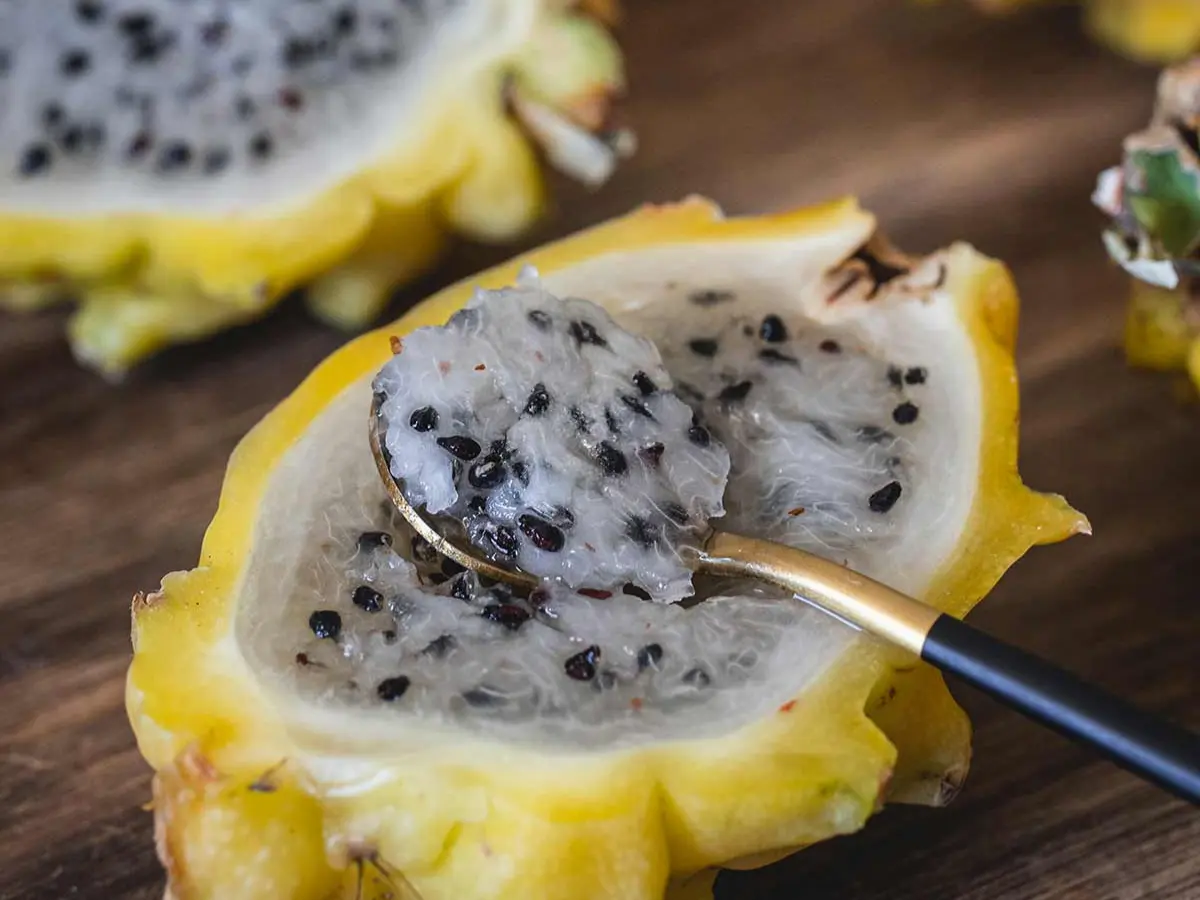
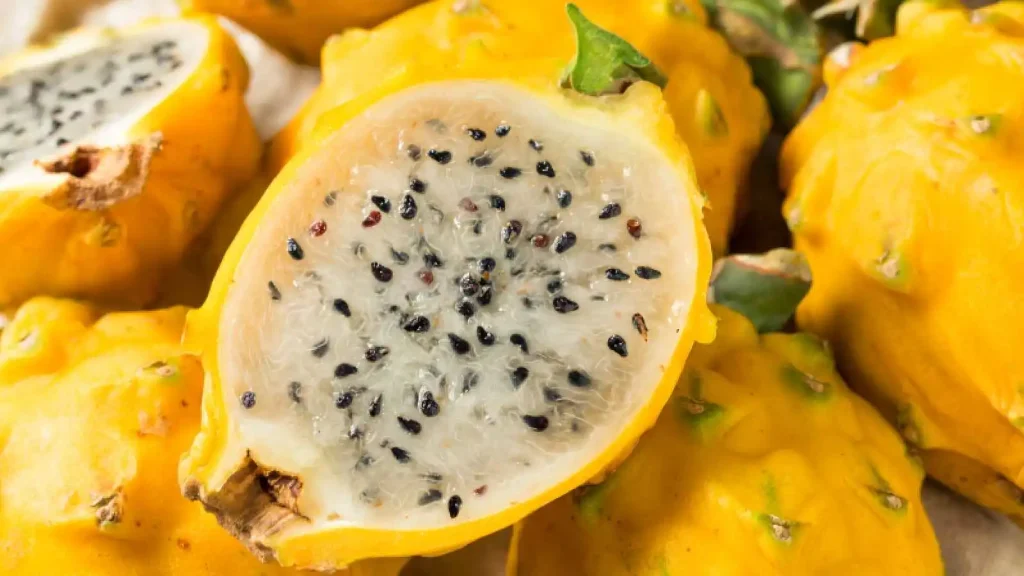
The Yellow Dragon Fruit, scientifically known as Selenicereus megalanthus, is a tropical climbing cactus native to South America. Unlike the more common red varieties, this plant produces bright yellow skin with white, juicy flesh that is often sweeter and more aromatic.
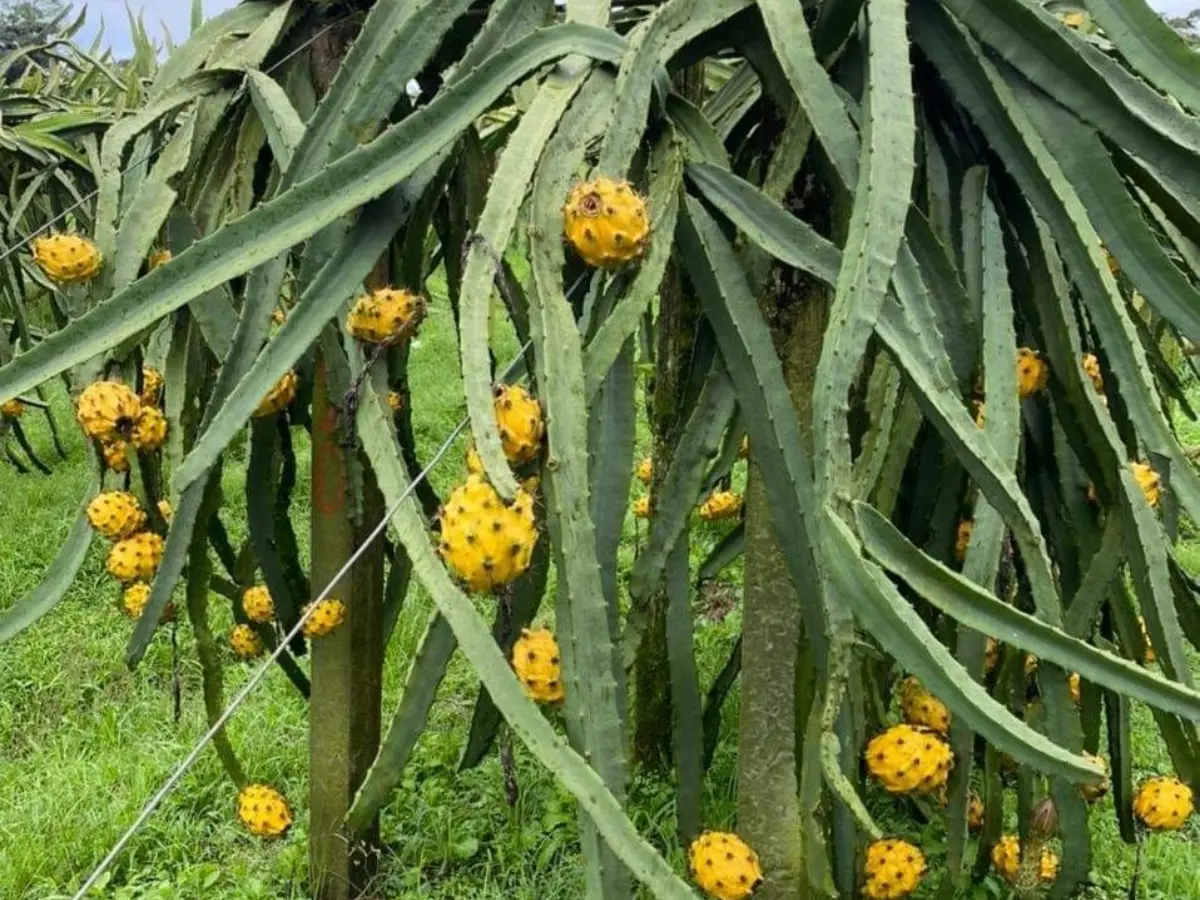
This fast-growing plant develops long, trailing stems that require support, such as a trellis or post.
Under the right conditions, the plant can grow several feet in a single season and become a highly productive fruiting cactus.
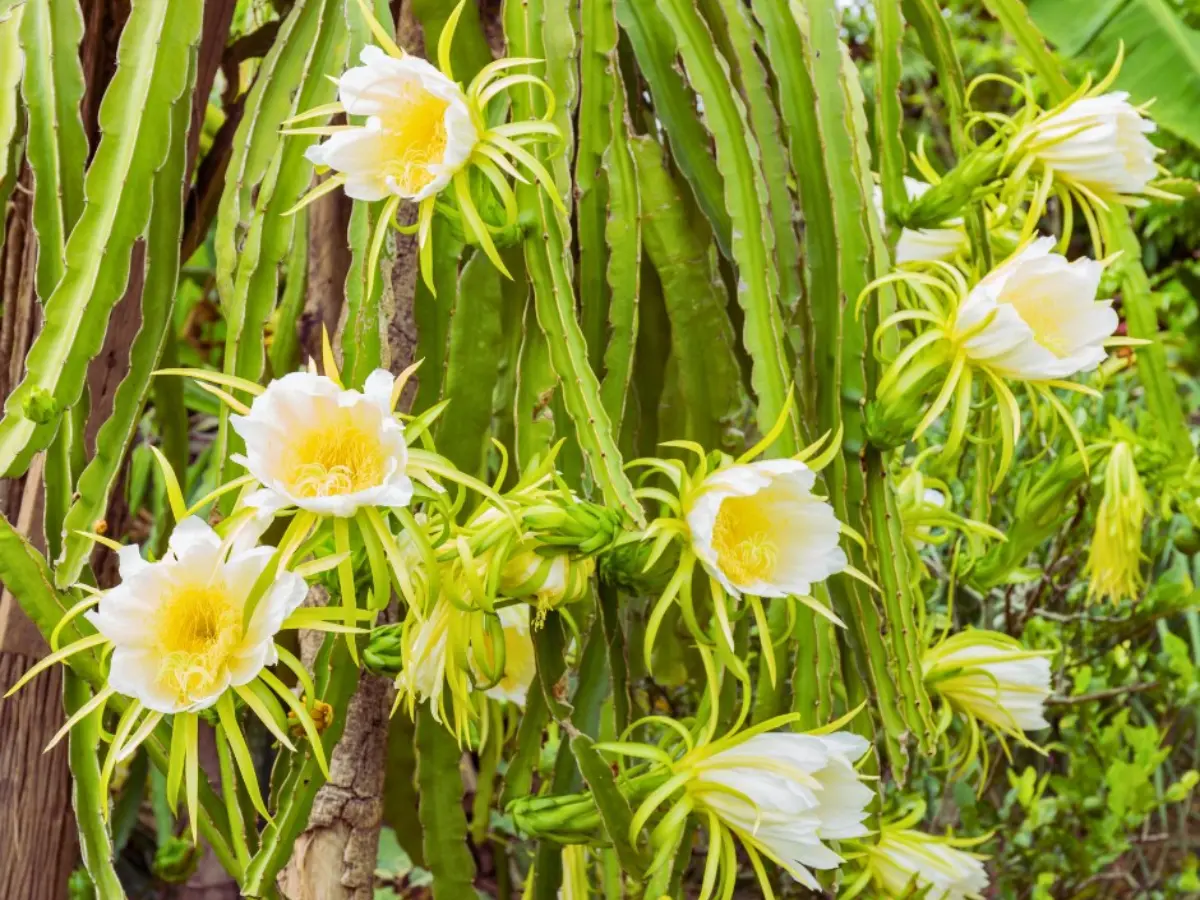
Even more impressive are its night-blooming flowers. These large, fragrant white blooms open after sunset and are often pollinated overnight. Not long after, they develop into bright yellow fruits filled with juicy, sweet flesh.
Why Should You Grow a Yellow Dragon Fruit Plant?
Growing a yellow dragon fruit plant offers both visual appeal and practical benefits. Its unique climbing form makes it an eye-catching feature in gardens or patios, while its fruit is prized for its sweetness and nutritional value.
Beyond its beauty, this plant is relatively low-maintenance once established, making it suitable for both beginners and experienced gardeners.
It produces some of the largest flowers in the cactus kingdom—massive, white, fragrant blooms that open only at night. It’s like having a secret garden that comes alive under the moonlight!
Beyond the sugar rush, the yellow dragon fruit is known for its exceptionally sweet taste. It can be eaten fresh, added to smoothies, fruit salads, or used as a topping for desserts. The fruit is also rich in antioxidants, vitamin C, and fiber. It supports digestion, boosts immunity, and helps keep the body hydrated.
Choosing the Right Location
Indoor vs. Outdoor Growing
If you live in a tropical or subtropical climate (USDA zones 9–11), your yellow dragon fruit will be happiest outdoors year-round, where it can sprawl and soak up the natural elements. However, if you live in a region with chilly winters, don’t worry—you can still join the fun!
Simply grow your plant in a large container with wheels. This allows you to keep it on a sunny patio during the summer and roll it into a greenhouse or indoors when the frost threatens. If growing indoors, the key is light; place your plant near a large, south-facing window where it can bask in the brightest rays available.
Sunlight Requirements
Sunlight is the fuel that creates those honey-sweet fruits. This plant craves full sun, ideally soaking up 6 to 8 hours of direct light every day.
While it is a tough cactus and can tolerate partial shade, a lack of light is the most common reason for a “lazy” plant that refuses to flower. However, there is a catch: if you live in an area with extreme desert heat (regularly over 100°F), your plant might appreciate some dappled afternoon shade or a bit of shade cloth to prevent the succulent stems from getting “sunburned” or turning a pale, sickly yellow.
Temperature and Humidity
The yellow dragon fruit is a true tropical soul. It performs best when temperatures stay comfortably between 65°F and 90°F (18°C to 32°C). Unlike some desert cacti, it is quite sensitive to the cold.
Growth will naturally slow down when temperatures dip, and you should take extra care to protect it once the thermometer hits 50°F (10°C). Anything near freezing (32°F) can cause permanent damage to the stems. Regarding humidity, it prefers a moderate, tropical feel, but it is surprisingly adaptable. If your indoor air is very dry during the winter, a quick misting or a nearby humidifier will make your plant feel right at home.
How to Plant Yellow Dragon Fruit
Planting your yellow dragon fruit plant correctly from the start is key to helping it grow strong, establish quickly, and produce healthy fruit. With the right timing, location, and setup, you’ll give your plant the best possible conditions to thrive.
When to Plant
The best time to plant yellow dragon fruit is in early spring, when temperatures begin to warm up. This allows the plant to take full advantage of the active growing season, which typically runs from spring through late summer.
Planting during this period gives your cactus plenty of time to develop roots, produce new growth, and adapt to its environment before cooler weather arrives.
How to Plant
-
Dig a hole that is about 2–3 times wider and slightly deeper than the root ball. This loosens the surrounding soil and encourages roots to expand more easily.
-
Place the plant in the hole so that it sits at the same depth as it was in its original container.
-
Backfill with soil and gently firm it around the base to remove air pockets. If you are planting multiple plants, space them at least 6–10 feet apart to allow enough room for their spreading growth habit.
-
Install a sturdy trellis, wooden post, or concrete stake right away to avoid disturbing the roots later.
-
As the plant grows, gently guide the stems upward and secure them loosely if needed. Training the plant early helps improve sunlight exposure, increase airflow, and encourage better flowering and fruiting
Taking the time to plant your yellow dragon fruit properly will set the stage for a healthy, productive plant that rewards you for years to come.
Caring for Your Yellow Dragon Fruit
Once your yellow dragon fruit is settled in its new home, it’s all about the “tender loving care” that turns a simple cactus into a fruit-bearing machine. Here is how to keep your plant happy, healthy, and thriving.
Watering
Watering is perhaps the most critical part of dragon fruit care. Unlike a typical desert cactus, this tropical variety likes a bit of moisture, but it hates “wet feet.” The golden rule? Water moderately and always check the soil first. Stick your finger about two inches into the soil; if it feels dry, it’s time for a drink. If it’s still damp, wait a few days. Overwatering is the number one mistake gardeners make, and it can lead to root rot faster than you’d think. During the hot summer months, you might water once or twice a week, but in the winter, you can often leave it alone for a few weeks at a time.
Feeding
To produce those honey-sweet fruits, your plant needs plenty of fuel! During the active growing season (Spring through early Fall), treat your plant to a balanced organic fertilizer every 4–6 weeks.
If you prefer a “set it and forget it” approach, slow-release granules work beautifully. For an extra boost, top-dress the soil with a layer of rich organic compost or worm castings twice a year. This doesn’t just feed the plant; it improves the soil structure so the roots can breathe easily.
Pruning and Training Like a Pro
Don’t be afraid to give your plant a haircut! Pruning is essential for two reasons: it keeps the plant manageable and, more importantly, it triggers fruit production. Start by removing any thin, weak, or overcrowded stems that are cluttering the center of the plant. You want to “train” one or two main healthy stems to climb straight up your support. Once they reach the top of your trellis, snip the tips to encourage them to branch out and hang down. Remember: fruit almost always grows on the “weeping” branches, so creating that umbrella shape is the secret to a big harvest!
Choosing the Right Trellis
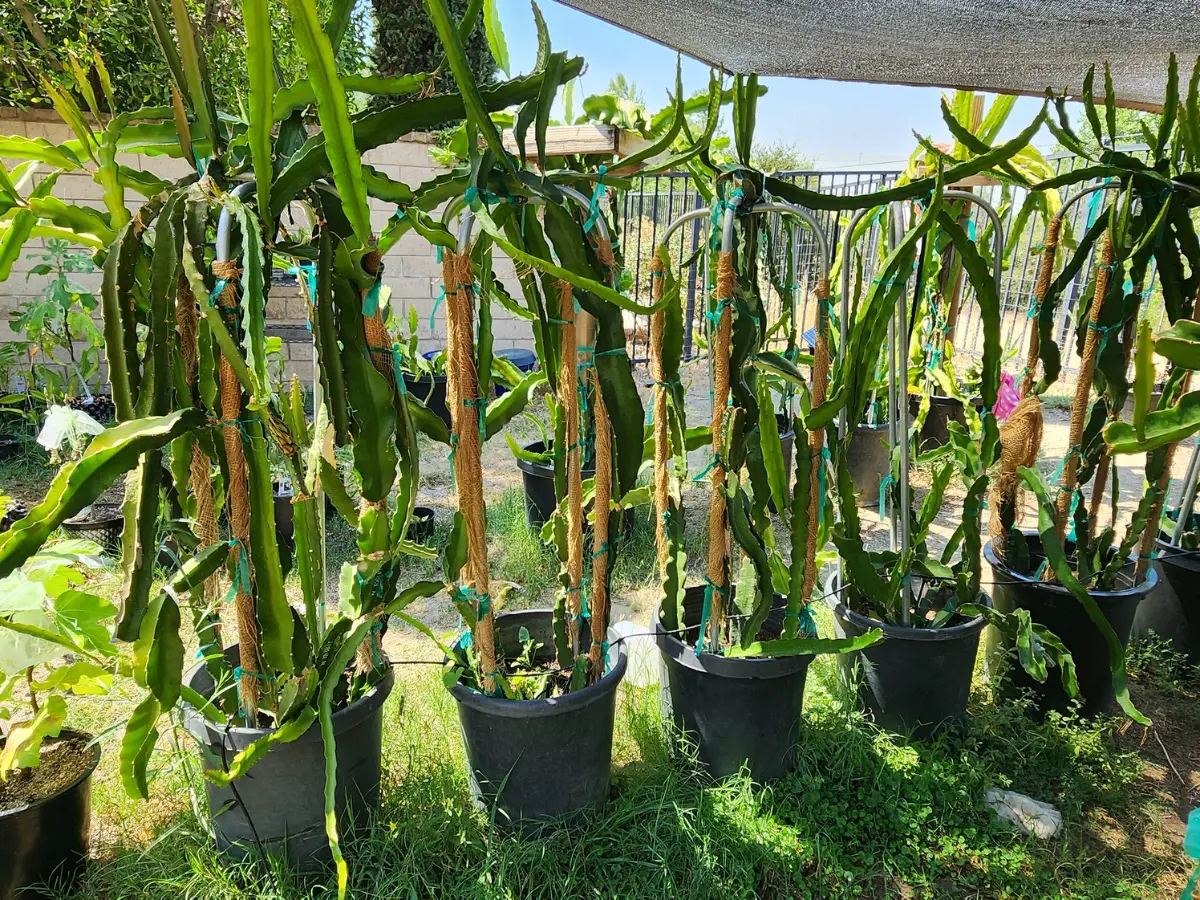
A mature yellow dragon fruit is surprisingly heavy; we’re talking hundreds of pounds of succulent weight! A flimsy plastic stake or a thin tomato cage simply won’t cut it.
You need a heavy-duty wooden or metal trellis, typically shaped like a large “T” or a sturdy “I” post with a square frame at the top. This structure acts as the skeleton for your plant, allowing the stems to climb high and then drape over the edges. This “weeping” habit ensures every branch gets enough airflow and sunlight, which is exactly what the plant needs to trigger those massive night-blooms.
Repotting
Yellow dragon fruits are fast growers! You’ll likely need to repot your plant every 1–2 years, or whenever you notice the roots starting to circle the bottom of the container.
When it’s time for a new home, choose a pot that is only 2–3 inches wider than the current one. Going too big too fast can hold too much water, which we want to avoid. Always ensure your new pot has plenty of large drainage holes to let excess water escape freely.
Propagation
The best part about growing dragon fruit? It is incredibly easy to start new plants from cuttings to give to friends or expand your own garden.
Simply snip a healthy, mature stem segment (about 6–12 inches long). Let the cutting sit in a shaded, dry spot for a day or two so the “wound” can callous over—this prevents rotting. Then, poke it into a pot of well-draining cactus mix. Keep the soil lightly moist but not wet, and in about 3–4 weeks, your new plant will have developed its own root system!
Harvesting and Storing
One of the most rewarding parts of growing this plant is harvesting its fruit. Yellow dragon fruit is ready to harvest when the skin turns bright yellow and slightly soft to the touch. Simply twist or cut the fruit from the plant.
For storage, keep fresh fruit in the refrigerator for up to one week. You can also freeze the pulp for longer use.
Common Problems and Solutions
-
Yellow Stems: Usually too much sun or too much water. Move it to a slightly shadier spot and check the soil.
-
Ants on Buds: Don’t panic! Ants love the sweet nectar that dragon fruit buds produce. They usually don’t hurt the plant, but they can bring aphids with them. A quick blast with a garden hose is usually enough to move them along.
-
Slow Growth: Be patient. The yellow variety is slower than the red ones. It’s spending time building up all that extra sugar for the fruit!
Conclusion
Caring for a yellow dragon fruit plant can be a rewarding experience, especially when you start harvesting your own sweet, tropical fruit. With the right balance of sunlight, watering, and proper support, your plant can thrive and produce abundantly.
Whether you’re growing it for its unique appearance or delicious fruit, this plant brings both beauty and function to your space. Follow these tips, and you’ll be well on your way to growing a healthy and productive plant.
Frequently Asked Questions (FAQs)
How often should I water my yellow dragon fruit plant?
Water when the top layer of soil feels dry. Avoid overwatering.
Can I grow yellow dragon fruit indoors?
Yes, as long as it receives plenty of sunlight, preferably near a bright window.
Why is my plant not producing fruit?
This may be due to insufficient sunlight, lack of nutrients, or improper pruning.
What is the best fertilizer?
A balanced fertilizer applied every 4–6 weeks during the growing season works best.
Can I grow dragon fruit from the seeds of a store-bought fruit? Yes! It’s a fun experiment, but keep in mind that seeds take much longer (5-7 years) to fruit compared to a cutting (1-2 years).
How do I know when the fruit is ripe? The fruit will turn a solid, bright yellow. Give it a gentle squeeze—it should feel like a ripe avocado (soft but not mushy).
My plant has small thorns. Will they hurt? The yellow variety does have small spines on the fruit itself. Most gardeners use a brush or gloves to “flick” them off before harvesting. The stems also have small thorns, so handle with care!
You may like:

Yellow Dragon Fruit Plant Care: The Ultimate Guide for Healthy Growth
The yellow dragon fruit plant is a unique and rewarding addition to any home garden, [...]
Apr
How to Identify Bocking 14 Comfrey: 5 Simple Visual Signs
If you’re growing comfrey for mulch, compost, or animal feed, knowing exactly which variety you [...]
Mar
Grand Duke of Tuscany Jasmine: The Ultimate Guide to Growing a Fragrant Masterpiece
Have you ever caught a scent in the air so rich, creamy, and honey-sweet that [...]
Mar
How to Grow Wild Huckleberries: A Guide to “Purple Gold”
Have you ever spent a summer afternoon hiking through the Pacific Northwest or the Rocky [...]
Mar
5 Best Shade-Loving Perennials for a Lush, Vibrant Garden
The world of gardening often shines a spotlight on sun-drenched blossoms, but there is a [...]
Mar
7 Common Curry Leaf Plant Problems: Easy Fixes for a Thriving Plant
Is your curry leaf plant looking a bit sad lately? Maybe you woke up to [...]
Mar