
Apr
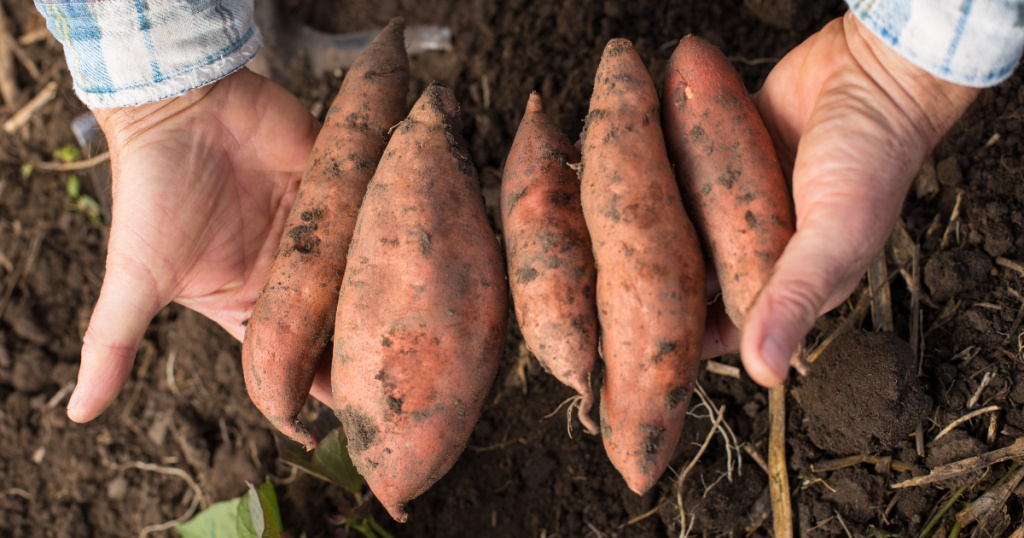
If you are a fan of sweet potatoes, then these tips for growing sweet potatoes to get them thriving are exactly what you need to transform your garden. While they are known for being resilient, there are several crucial things to consider when you decide to plant and grow your own sweet potatoes to ensure a bountiful harvest.
Many gardeners struggle with small yields or spindly vines because they treat sweet potatoes like regular white potatoes. It’s a warm-season crop that craves heat, specific nutrients, and a little bit of strategic neglect. If you want to transform your garden into a high-yielding sweet potato patch, you need to move beyond the basics.
Let’s dive into five pro-level tips that will help your plants thrive and fill your pantry this fall.
1. Start with High-Quality, Hardened Slips
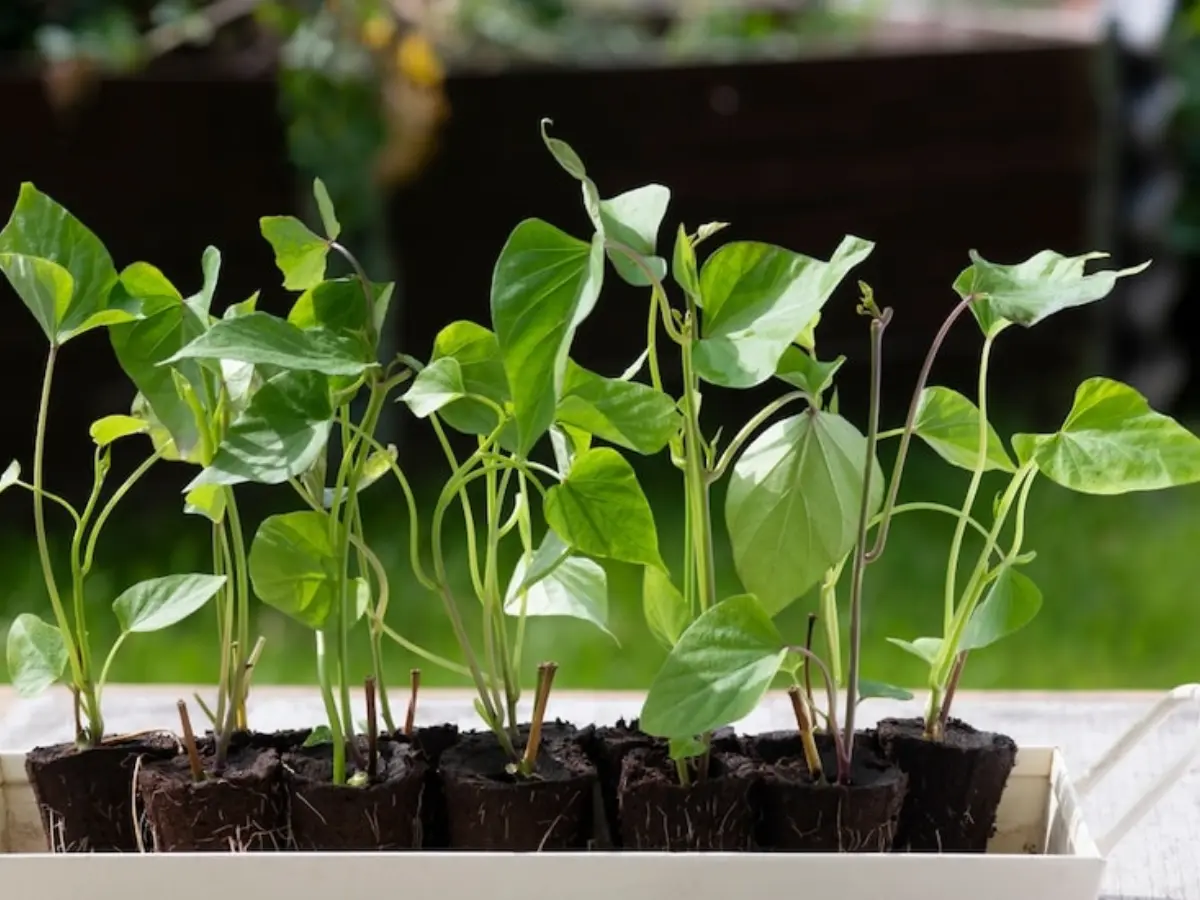
The biggest mistake most beginners make is trying to plant a sweet potato they bought at the grocery store. Most commercial potatoes are treated with sprout inhibitors to keep them fresh on the shelf. If you want a real harvest, you need dedicated sweet potato slips.
Think of a slip as a baby vine grown from a mother tuber. When you buy these online or from a local nursery, they often arrive looking a bit tired. Before they hit the soil, you must “harden them off.”
I remember my first year growing Beauregard sweet potatoes; I rushed them into the ground straight from the box. A late spring breeze practically withered them overnight. Now, I keep my slips in a jar of water in a shaded spot for a few days, gradually exposing them to more sunlight. This builds the “muscle” they need to survive the USDA Hardiness Zones’ unpredictable spring weather.
You may like:
- How to Grow Beauregard Sweet Potatoes: From Slips to a Bountiful Harvest
- How to Grow Okinawan Sweet Potatoes: From Slips to Potatoes
2. Optimize Soil Structure and Temperature
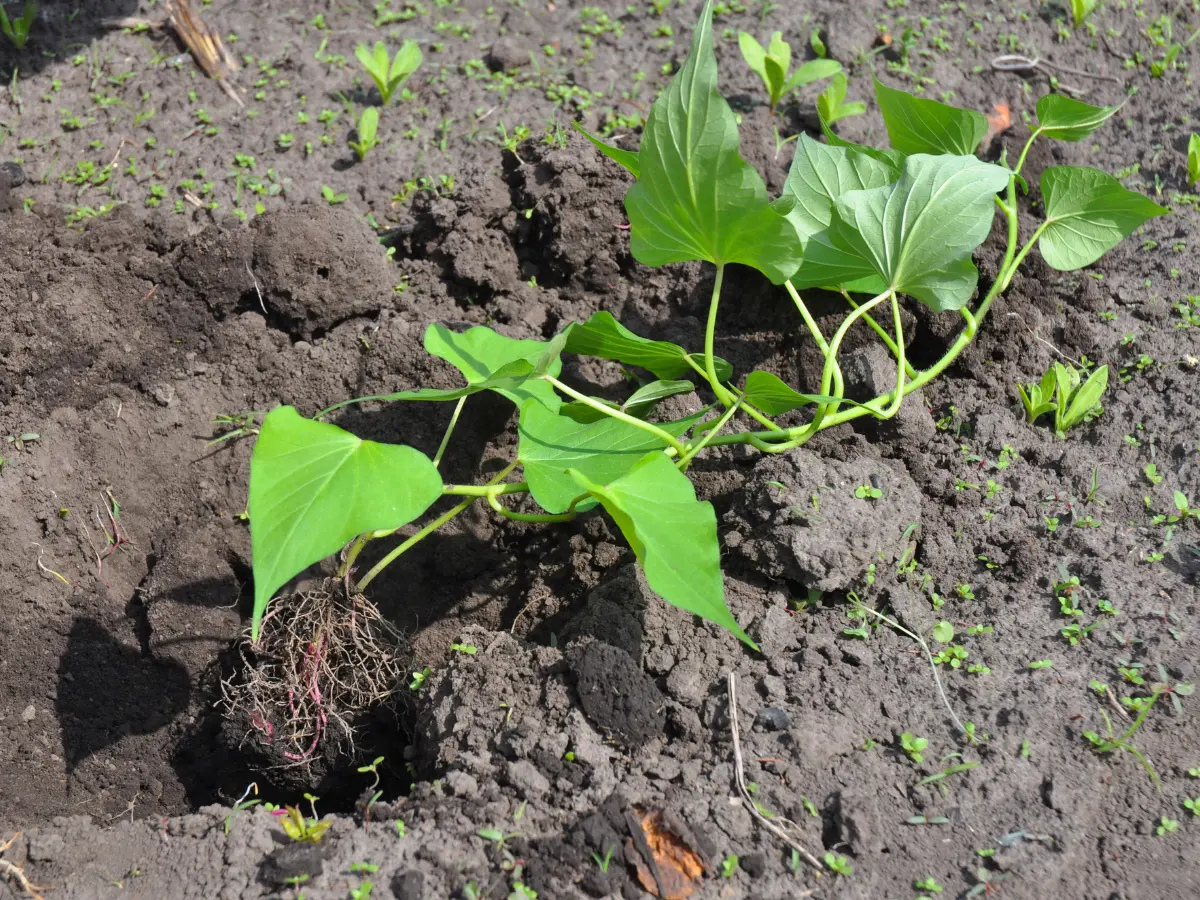
Sweet potatoes are underground architects. If the soil is too compacted or heavy with clay, the roots can’t expand. They need well-drained, sandy loam to reach their full potential.
-
The pH Sweet Spot: Aim for a soil pH between 5.5 and 6.5. If your soil is too alkaline, you might see scabby skin on your tubers.
-
The Heat Factor: These plants are sun-worshippers. They won’t even start growing until the soil temperature hits at least 65°F.
A great trick used by experienced growers in cooler states is using black plastic mulch or raised beds. This traps solar heat, warming the “feet” of your plants and giving them a head start. Remember, a sweet potato plant in cold soil is just a plant waiting to die.
3. Deep Watering (Without Drowning)
Watering is a balancing act. During the first 30 days, your slips are establishing their root development. They need consistent moisture to stay hydrated while those tiny white roots anchor into the earth.
However, once the vines start sprawling across your garden, you can back off. Overwatering late in the season is a silent killer. It leads to “root rot” or causes the tubers to crack, which ruins their storage life.
A good rule of thumb? If the soil feels dry two inches down, give them a deep soak at the base. Avoid overhead watering to keep the leaves dry and prevent fungal issues. As you get closer to harvest time, usually about two weeks before the first frost, stop watering entirely. This encourages the plant to toughen up the skins of the tubers.
4. Feed for Tubers, Not Just Leaves
It is tempting to throw a bunch of high-nitrogen fertilizer on your garden to see those beautiful green vines grow. But here is the catch: too much nitrogen tells the plant to grow a “jungle” on top and nothing underneath. You’ll end up with massive vines and tiny, disappointing potatoes.
Instead, focus on Potassium and Phosphorus. These are the “power-ups” for root tubers.
-
Potassium helps with the actual bulking of the potato.
-
Phosphorus ensures the energy transfer from the sun to the roots is efficient.
If you are looking for an organic boost, look for kelp meal or bone meal. These provide the nutrients needed for a heavy-duty harvest without the nitrogen spike that leads to “all leaf and no potato.”
5. Give Them Space to Breathe and Expand
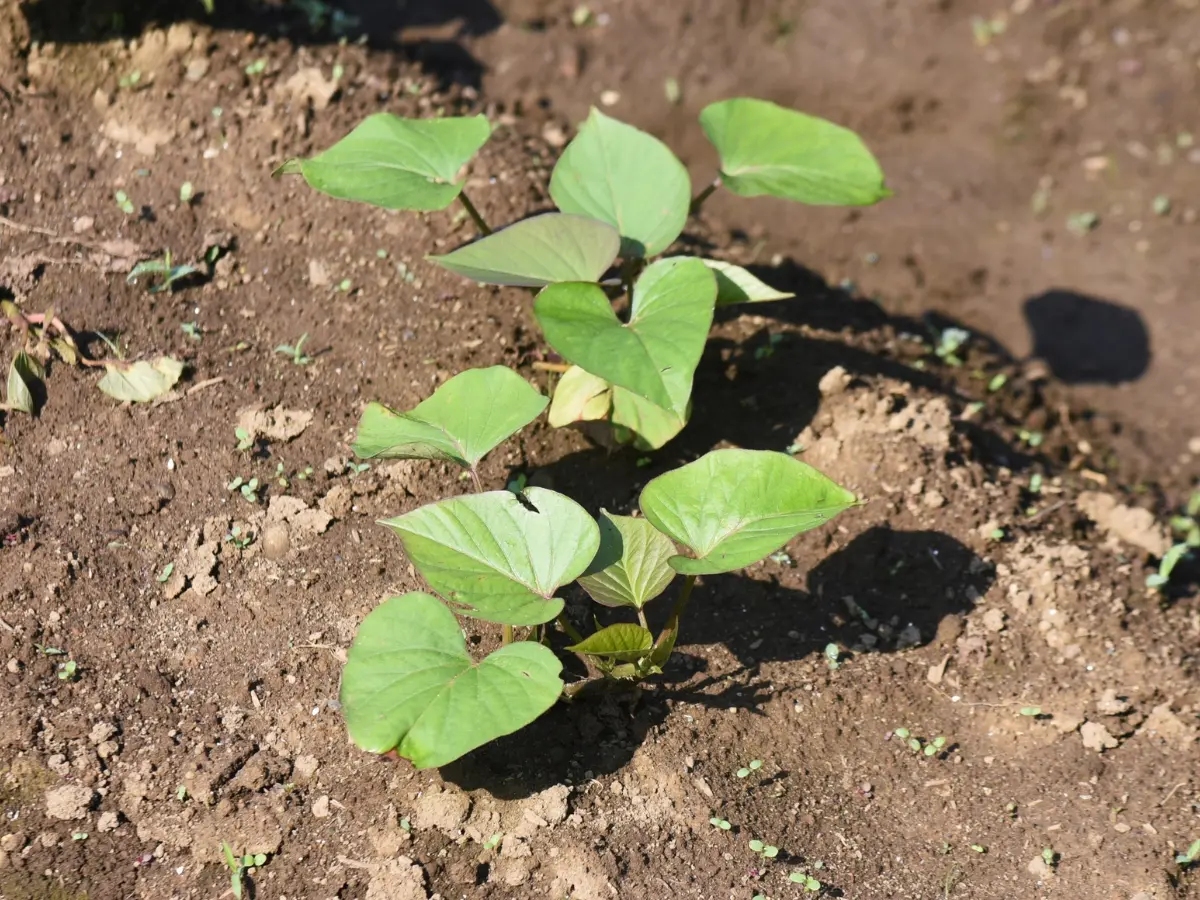
Spacing is often overlooked. It is easy to crowd slips because they look so small at planting time. However, each plant needs about 12 to 18 inches of space.
Why? Because sweet potatoes are competitive. If they are too close, they fight for the same pool of nutrients and water. Furthermore, keep an eye on the vines. Some gardeners like to “lift” the vines occasionally to prevent them from rooting at every joint. While some rooting is fine, if the plant puts all its energy into small “feeder roots” along the vine, it takes energy away from the main tuber cluster at the center.
Pro Tips: Don’t Skip the Curing Process
The work doesn’t end when you dig them up. If you eat a sweet potato right out of the ground, it will be starchy and bland. To get that signature sweetness, you must cure them.
Place your harvest in a warm, humid spot (around 80°F) for about 10 days. This process converts starches into sugars and heals any nicks or cuts from the shovel. After curing, move them to a cool, dark pantry. They will taste better every week they sit!
Frequently Asked Questions (FAQs)
How long does it take for sweet potatoes to grow?
Most varieties require 90 to 120 days of frost-free weather. If you have a short growing season, look for “early” varieties like Bush Porto Rico.
Can I grow sweet potatoes in containers?
Absolutely. Use a 15-to-20-gallon grow bag with high-quality potting mix. This is actually a great way to control soil temperature and drainage perfectly.
Why are my sweet potatoes small and spindly?
This is usually caused by two things: heavy, compacted soil or too much nitrogen fertilizer. Ensure your soil is loose and skip the high-nitrogen plant food.
When is the best time to plant in the US?
Wait until at least two to three weeks after the last spring frost. The air should be warm, and the soil should feel warm to the touch.
Conclusion
Growing sweet potatoes is incredibly rewarding. By choosing the right slips, managing your soil heat, and focusing on the right nutrients, you are setting yourself up for a massive harvest. Remember to be patient—these plants love the summer heat, and the best flavor comes to those who wait for the curing process.
Ready to start your garden? Check out our other guides on building the perfect raised bed or choosing the right organic fertilizers to keep your backyard abundance growing all year long. Happy planting!

5 Tips for Growing Sweet Potatoes to Get the Biggest Sweet Potato Harvest Ever
If you are a fan of sweet potatoes, then these tips for growing sweet potatoes [...]
Apr
Tamarillo Tree Guide: Flavor, Texture & How to Eat Tree Tomatoes
The humble tomato is a kitchen staple we all know and love, but it rarely [...]
Apr
5 Pro Tips to Grow Esperanza ‘Gold Star’ Indoors: A Golden Glow for Your Home
While most gardeners know this Texas Superstar – Esperanza ‘Gold Star’ as a rugged outdoor [...]
Apr
Mastering Esperanza Goldstar: Grow the Ultimate Yellow Bloom
Esperanza Goldstar is more than just a heat-tolerant shrub; for the American gardener battling the [...]
Apr
Yellow Dragon Fruit Plant Care: The Ultimate Guide for Healthy Growth
The yellow dragon fruit plant is a unique and rewarding addition to any home garden, [...]
Apr
How to Identify Bocking 14 Comfrey: 5 Simple Visual Signs
If you’re growing comfrey for mulch, compost, or animal feed, knowing exactly which variety you [...]
Mar