
Jan
Blog
Comfrey Companion Planting: What to Grow Next to Your Comfrey Patch?
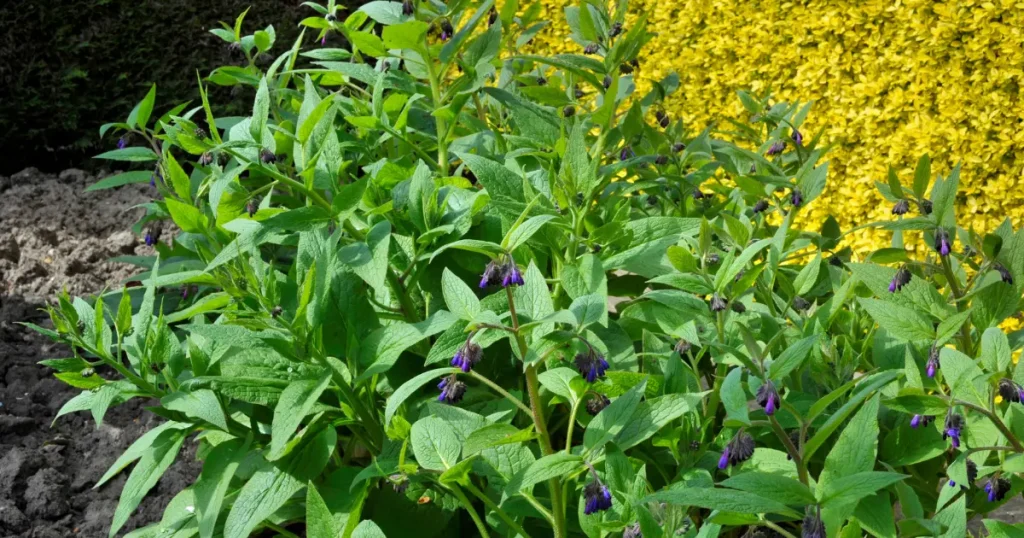
Have you ever looked at that lush, fast-growing patch of comfrey in the corner of your yard and wondered, “Is this plant helping my garden, or is it just taking over?” Maybe you’ve heard fellow gardeners rave about it being a “miracle plant,” but you’re worried its massive leaves might smother your delicate vegetables. Or perhaps you’re just tired of spending a fortune on organic bags of fertilizer and want a natural way to feed your soil.
If you are nodding your head, you are in the right place. As someone who has spent over a decade experimenting with permaculture guilds and organic orchards across the United States, I have learned that comfrey is like that one friend who is a bit loud and takes up space but always brings the best snacks to the party.
In this guide, we will discuss how to pair your comfrey, specifically the famous Symphytum officinale and its popular sterile hybrid, Bocking 14, with the right comfrey companion plants to create a balanced ecosystem.
Read more:
- Everything You Need to Know About Growing Bocking 14 Comfrey
- The Comprehensive Guide to Russian Comfrey Benefits
Why Comfrey is the Secret Weapon of American Gardeners
Before we dig into the “who’s who” of companion planting, we need to understand what comfrey actually does. In the world of sustainable gardening, we call it a dynamic accumulator.
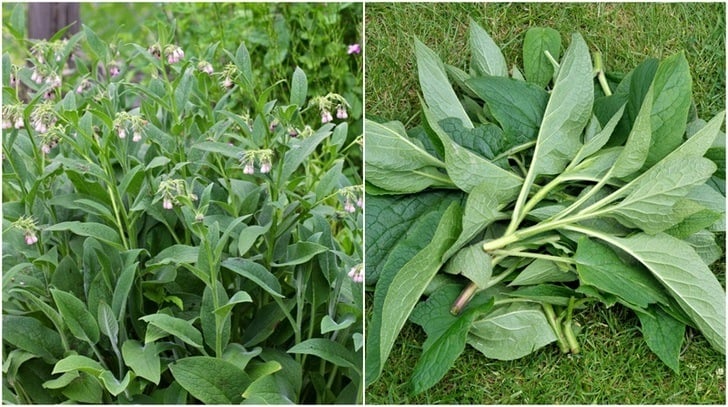
Think of comfrey as a biological miner. It has a massive taproot that can reach ten feet deep into the subsoil. It pulls up minerals like potassium, calcium, and magnesium that other plants simply cannot reach. These nutrients are then stored in its large, hairy leaves.
When you use the chop and drop method, literally cutting the leaves and letting them rot on the soil surface, you are delivering a high-quality organic fertilizer directly to the root zone of your target plants. It is free, it is fast, and it builds soil health like nothing else.
The Best Comfrey Companions Plants
1. Fruit Trees
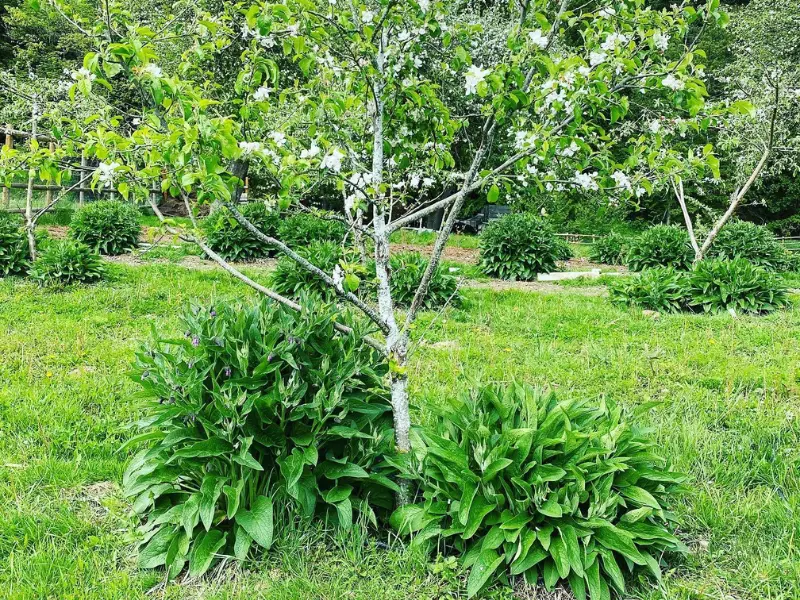
If you walk into any well-designed food forest in Oregon or Virginia, you will almost certainly see comfrey encircling the base of apple, pear, and peach trees.
Fruit trees are arguably the best comfrey companion plants. Because trees require significant amounts of potassium to produce sweet fruit, comfrey acts as a living fertilizer factory at their feet.
-
The Benefit: The wide leaves suppress grass (which competes with trees for nitrogen) and provide a nutrient-rich mulch.
-
Pro Tip: Plant your comfrey at the drip line of the tree. This ensures that when you chop the leaves, they land right where the tree’s feeder roots are waiting.
2. Berry Bushes
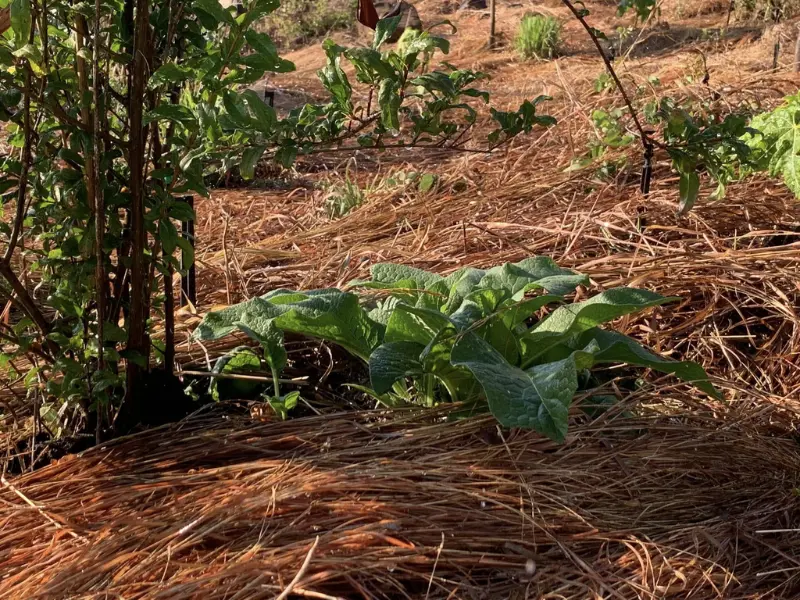
Berry bushes love the consistent moisture and steady nutrient release that a comfrey mulch provides. Since berries like blueberries often prefer slightly acidic soil and plenty of organic matter, the decomposing biomass of comfrey helps maintain that spongy, rich soil texture they crave.
3. Heavy Feeders
I often get asked, “Can I plant comfrey right next to my tomatoes?” The answer is yes, but with a catch.
Because comfrey is a vigorous perennial, you don’t want it to physically crowd out your annual tomatoes. Instead, grow a dedicated comfrey patch nearby. Use the leaves to make a “comfrey tea” (a liquid organic fertilizer) or tuck the leaves under your tomato mulch. The extra boost of potassium is exactly what a tomato plant needs to transition from growing leaves to growing heavy fruit.
4. Attracting Pollinators and Beneficial Insects
Comfrey isn’t just about what’s happening underground. Its bell-shaped flowers are a magnet for pollinators, especially bumblebees.
A huge part of choosing the right comfrey companion plants is considering the “helpers” in your garden. Comfrey flowers are a magnet for bumblebees. Once they are in your yard for the comfrey, they will stick around to pollinate your cucumbers and strawberries, significantly increasing your harvest.
Plants to Keep Away from Your Comfrey
While comfrey is a great neighbor to many, it can be a bully to others.
-
Small Leafy Greens: Avoid planting lettuce, spinach, or radishes directly underneath comfrey. The large leaves will shade them out completely, and the comfrey’s vigorous growth will win the competition for space every time.
-
Slow-Growing Herbs: Dainty herbs like thyme or oregano can easily be swallowed up by a healthy comfrey plant in a single season.
How to Manage Your Comfrey Like a Pro
A common fear among American gardeners is that comfrey will “escape” and take over the whole yard. This usually happens if you plant the wild variety that spreads via seeds.
To avoid this headache, always look for the Russian Comfrey (Bocking 14) variety. This hybrid is sterile, meaning it won’t drop seeds and pop up in random places. It only grows where you plant it. However, be careful where you dig, even a small piece of broken root can grow into a new plant. I once accidentally tilled a small patch of comfrey and ended up with twenty new plants the following spring!
Read more: How to Propagate Comfrey from Root Cuttings: Easy Guide for Beginners
Frequently Asked Questions
Does comfrey fix nitrogen in the soil like beans do?
Actually, no. While many people think “permaculture plant” equals “nitrogen fixer,” comfrey is a dynamic accumulator. It doesn’t pull nitrogen from the air; it mines minerals from deep in the ground. For a perfect pairing, plant a nitrogen-fixer like clover or peas near your comfrey to provide a complete nutrient profile.
How often can I harvest the leaves for mulch?
In most parts of the US, you can “chop and drop” comfrey 3 to 5 times a year. Just wait until the plant is about 2 feet tall, cut it down to about 2 inches above the ground, and it will grow back before you know it.
Is comfrey safe for my pets or livestock?
Many farmers use comfrey as supplemental feed for chickens and pigs because it is high in protein. However, it contains small amounts of pyrrolizidine alkaloids, which can be tough on the liver in very high doses. Most animals will eat it in moderation as part of a varied diet.
Can I grow comfrey in a container?
You can, but it won’t be as effective. The main “superpower” of comfrey is its deep taproot. In a pot, that root gets cramped, and the plant can’t mine those deep-sea minerals. If you have a small space, try a large, deep fabric pot.
Final Thoughts
Companion planting with comfrey is one of the easiest ways to move toward a “no-till” and sustainable gardening style. By simply placing this plant near your fruit trees or using its leaves as mulch for your vegetables, you are mimicking the way nature feeds itself.
It solves the problem of depleted soil, reduces your reliance on store-bought chemicals, and keeps your local bee population very happy.
You may like:

Best Time to Plant Bougainvillea: Timing for Vibrant Blooms
If you’re looking for a hardy tropical vine that delivers a riot of neon color, [...]
Feb
How to Propagate Purple Passion Plants (Gynura aurantiaca)
Have you ever been mesmerized by the neon-purple glow and fuzzy, velvet-like leaves of a [...]
Feb
How to Grow Beauregard Sweet Potatoes: From Slips to a Bountiful Harvest
Are you ready to add a classic, heavy-hitting favorite to your vegetable patch? If you’ve [...]
Feb
7 Expert Tips to Grow Lush Ivy Indoors: A Beginner’s Guide
Are you tired of seeing the same old Pothos vines in every corner of your [...]
Feb
7 Reasons Why Tamarillo Trees Are a Garden Must-Have
Once you start growing a garden, you will keep finding more reasons to add more [...]
Jan
Comfrey Companion Planting: What to Grow Next to Your Comfrey Patch?
Have you ever looked at that lush, fast-growing patch of comfrey in the corner of [...]
Jan