
Apr
Blog
Tamarillo Tree Guide: Flavor, Texture & How to Eat Tree Tomatoes
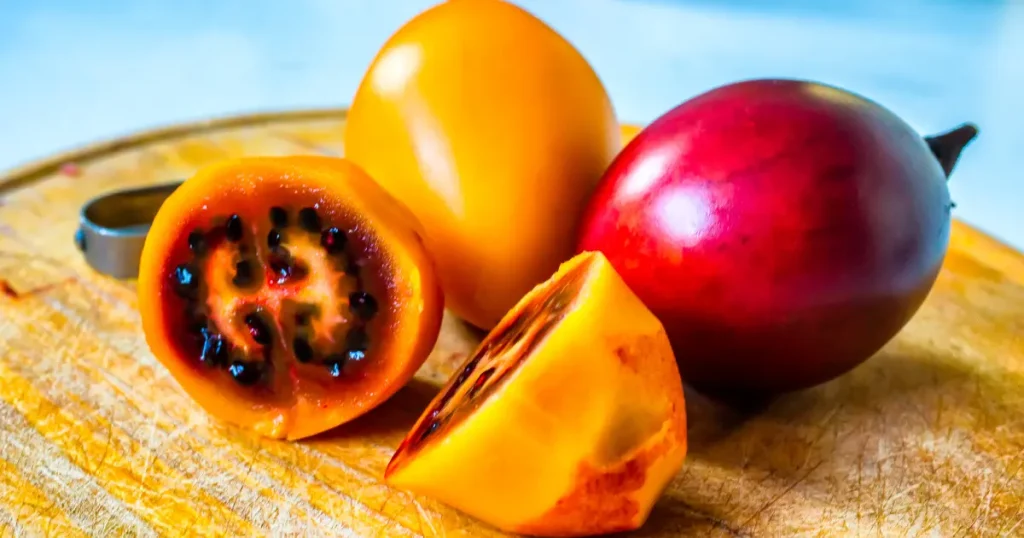
The humble tomato is a kitchen staple we all know and love, but it rarely feels “exotic.” Enter the Tamarillo Tree – or Tree Tomato – a fruit that looks like a vibrant heirloom tomato but refuses to play by the same rules. Despite its name, the Solanum betaceum offers a complex flavor profile so unique that “tamarillo-flavored” is truly the only way to describe it.
Hailing from the Andean highlands, this woody shrub produces a fruit that is far less famous than its garden cousin, yet twice as intriguing. If you have ever been puzzled by this egg-shaped mystery at the market, you are not alone. Let’s dive into the tangy, tropical world of the Tamarillo and discover how this “unknown” plant can become the most talked-about ingredient in your kitchen.
In this guide, we will break down the complex flavor profile, the unique texture, and the real-world culinary uses that make this Andean native a must-try.
What is a Tamarillo?
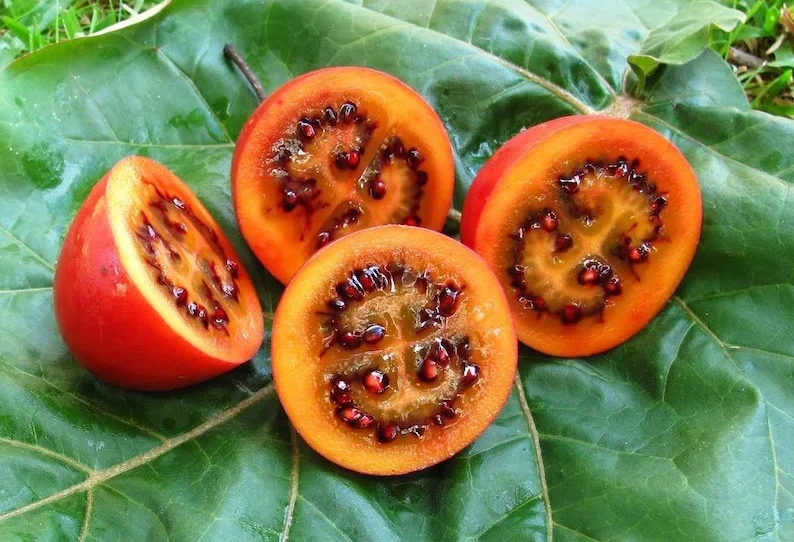
While the Tamarillo tree belongs to the same Solanaceae family as the garden tomato, potato, and eggplant, it does not grow on a vine. Instead, it grows on a fast-growing, woody shrub or small tree that can reach up to 15 feet.
Originally native to the Andes mountains in South America, specifically Peru, Chile, and Ecuador, this fruit traveled the world, becoming a staple in New Zealand (where the name “Tamarillo” was actually coined in the 1960s to make it sound more exotic than “tree tomato”).
If you are buying Tamarillos in the United States, they are often imported from New Zealand. The growers there have spent decades perfecting the red and gold varieties, ensuring that the fruit arriving in your grocery store is consistent in quality and packed with antioxidants like anthocyanins and Vitamin C.
Read more: 7 Reasons Why Tamarillo Trees Are a Garden Must-Have
Flavor and Texture Profile of Tamarillo Tree
The Flavor
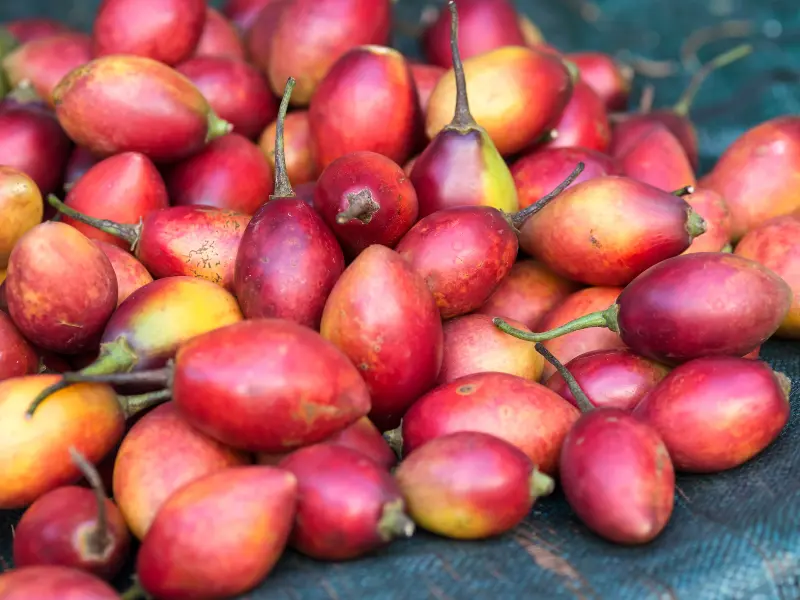
Imagine a fruit that cannot decide if it wants to be a tomato, a passion fruit, or a kiwifruit.
-
The Outer Pulp: This part is firm and has a mild, tangy flavor.
-
The Inner Seed Pulp: This is where the magic happens. It is succulent, jelly-like, and carries a tropical sweetness balanced by a sharp acidity.
When people ask me what it tastes like, I describe it as a “savory tropical experience.” It has the earthy depth of a sun-ripened tomato but the tart “zing” of a passion fruit.
Texture
The texture is a game of contrasts. The outer flesh is meaty, similar to a firm melon. The center is soft and filled with small, edible black seeds that add a slight crunch, much like the seeds in a kiwi or a dragon fruit.
Red vs. Gold Tamarillos
-
Red Tamarillo: This is the most common variety in the US. It has a bolder, more acidic, and tart flavor. It is the best choice for savory salsas or meat glazes.
-
Gold (Yellow) Tamarillo: These are generally sweeter and less acidic. If you are new to the fruit and want to eat it fresh with a bit of sugar, start with the gold variety.
Health Benefits of the Tamarillo Tree
Beyond the taste, the nutritional profile is impressive. In the world of health-conscious eating, the Tamarillo stands out for its high concentration of:
-
Vitamin A and C: Essential for immune support and skin health.
-
Antioxidants: The deep red pigment is a sign of high anthocyanin content, which helps fight oxidative stress.
-
Potassium: Great for heart health and managing blood pressure.
-
Low Calorie: With only about 30 to 40 calories per fruit, it is a guilt-free way to add a flavor punch to your diet.
How to Incorporate Tamarillo into Your Kitchen
Ready to move from observation to preparation? Here is how you actually use this fruit in a typical American kitchen.
Preparation 101: How to Peel and Deseed
Do not use a standard vegetable peeler; the skin is too tough. Instead, use the blanching method just like you would for peaches or standard tomatoes:
-
Cut a small “X” in the bottom of the fruit.
-
Drop it into boiling water for about 30 to 60 seconds.
-
Transfer to an ice bath. The skin will slip right off.
Sweet Applications
In New Zealand and Australia, Tamarillo is a favorite for desserts.
-
Sorbets and Poached Fruit: Poach peeled tamarillos in a syrup of honey, star anise, and cinnamon.
-
Tamarillo Jam: Because of its natural acidity and pectin, it makes an incredible, tangy spread that cuts through the richness of buttered toast.
Savory Applications
This is where the Tamarillo shines in the American South and Southwest culinary styles.
-
The Ultimate Salsa: Swap out half of your regular tomatoes for chopped tamarillo. The tartness pairs perfectly with cilantro, lime, and red onions.
-
Meat Glazes: Puree the fruit and simmer it with a bit of brown sugar and chipotle peppers. It makes a world-class glaze for grilled pork chops or roasted duck.
Raw Consumption
If you want to keep it simple, just cut the fruit in half (across the middle), sprinkle the inside with a little bit of stevia or sugar, and scoop out the pulp with a spoon, leaving the bitter skin behind. It is a perfect breakfast side.
Storing Tip: Keep them at room temperature until they are fully ripe, then move them to the crisper drawer of your refrigerator. They can stay fresh for up to two weeks when chilled.
Tamarillo vs. Traditional Tomato: Key Differences
|
Feature |
Garden Tomato |
Tamarillo (Tree Tomato) |
|
Growth Habit |
Vine (Herbaceous) |
Shrub/Tree (Woody) |
|
Skin |
Thin, Edible |
Thick, Bitter (Inedible) |
|
Flavor Profile |
Umami, Sweet |
Tangy, Tart, Tropical |
|
Main Use |
Salads, Sauces |
Desserts, Chutneys, Salsas |
Frequently Asked Questions (FAQs)
Can you eat the skin of a tamarillo?
Technically, yes, it is not toxic, but I highly recommend against it. The skin contains a high concentration of tannins, which makes it very bitter and tough, often ruining the flavor of the sweet pulp inside.
What does a tamarillo taste like?
It is a complex mix. Think of a cross between a tart plum and a tomato with the aromatic qualities of a passion fruit. The gold ones are sweeter, while the red ones are more savory and tart.
Are tamarillos good for weight loss?
Yes. They are very low in calories but high in fiber, which helps you feel full longer. They are a great alternative to high-sugar snacks when you want something flavorful but light.
How do I store cut tamarillo?
If you have leftover pulp or half a fruit, wrap it tightly in plastic wrap or place it in an airtight container. Keep it in the fridge and consume it within two days to maintain the best texture.
Is the Tamarillo Worth the Hype?
In my experience as a gardener and cook, the Tamarillo is absolutely worth the effort. It challenges your palate and brings a professional-level acidity to your cooking that standard tomatoes cannot match. Whether you are making a vibrant salsa for your next BBQ or a sophisticated poached dessert, this Andean gem is a conversation starter.
Next time you see those red “eggs” at the market, don’t walk past them. Grab a few, try the blanching method, and discover your new favorite tropical flavor.
For more tips on growing your own exotic fruits or finding unique ingredients, be sure to check out our other guides on sub-tropical gardening and Andean superfoods.

Tamarillo Tree Guide: Flavor, Texture & How to Eat Tree Tomatoes
The humble tomato is a kitchen staple we all know and love, but it rarely [...]
Apr
5 Pro Tips to Grow Esperanza ‘Gold Star’ Indoors: A Golden Glow for Your Home
While most gardeners know this Texas Superstar – Esperanza ‘Gold Star’ as a rugged outdoor [...]
Apr
Mastering Esperanza Goldstar: Grow the Ultimate Yellow Bloom
Esperanza Goldstar is more than just a heat-tolerant shrub; for the American gardener battling the [...]
Apr
Yellow Dragon Fruit Plant Care: The Ultimate Guide for Healthy Growth
The yellow dragon fruit plant is a unique and rewarding addition to any home garden, [...]
Apr
How to Identify Bocking 14 Comfrey: 5 Simple Visual Signs
If you’re growing comfrey for mulch, compost, or animal feed, knowing exactly which variety you [...]
Mar
Grand Duke of Tuscany Jasmine: The Ultimate Guide to Growing a Fragrant Masterpiece
Have you ever caught a scent in the air so rich, creamy, and honey-sweet that [...]
Mar