
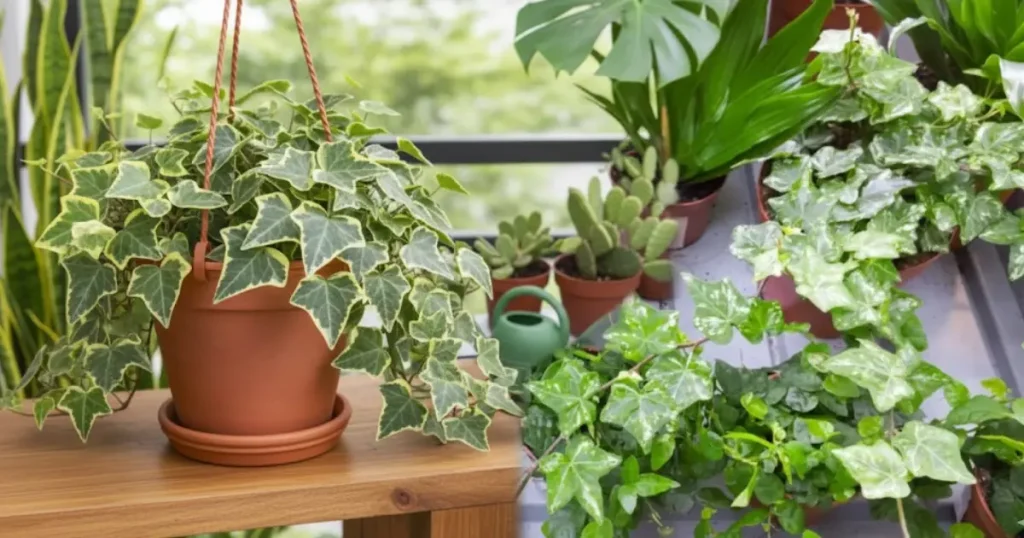
Feb
Blog
7 Expert Tips to Grow Lush Ivy Indoors: A Beginner’s Guide
Are you tired of seeing the same old Pothos vines in every corner of your home and looking for something with a bit more classic elegance? It is time to give Ivy a chance! With dozens of stunning cultivars and unique leaf patterns available, there is a perfect match for every interior style. While it is true that ivy indoors can be a bit more ‘fussy’ than the rugged vines you see climbing brick walls outdoors, it does not have to be a struggle. If you are dealing with dry winter air or tricky lighting, these seven essential care tips will help you master the art of growing lush, vibrant ivy that stays healthy year-round.
Read more: Swedish Ivy Care: How to Grow a Healthy, Thriving Plant
Here are my 7 tips to help your ivy indoors thrive, not just survive.
1. Finding the Sweet Spot for Sunlight
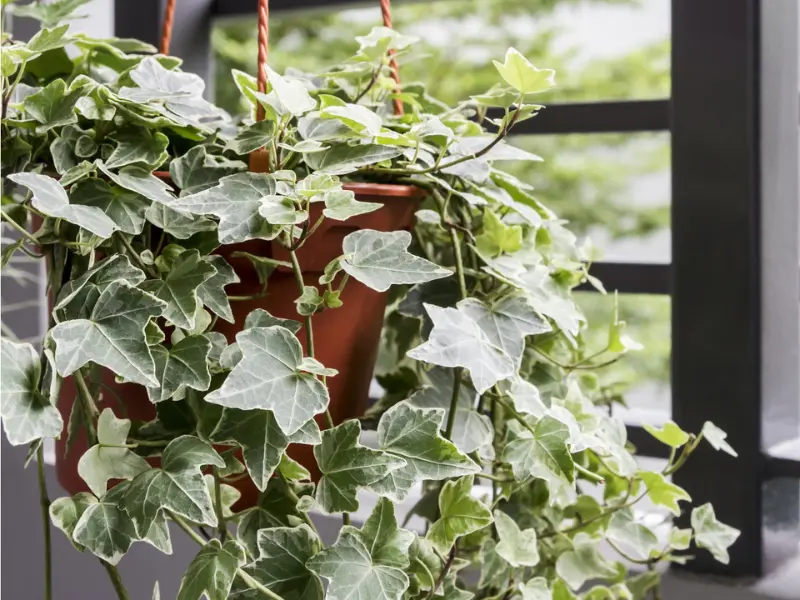
In the wild, ivy is a forest floor dweller, climbing up trees to find the light. Indoors, it craves bright, indirect light.
If you live in a place like Chicago or Seattle where winters are gray, your ivy will love a south-facing window. However, if you are in the scorching heat of Arizona or Florida, direct afternoon sun hitting the leaves through the glass can actually scorch them.
Pro Tip: If you have a variegated variety (those pretty ones with white or yellow edges), they need even more light than the solid green ones. If your “Goldchild” ivy starts turning solid green, it is telling you: “Hey, give me more light!”
2. Don’t Drown Your Ivy
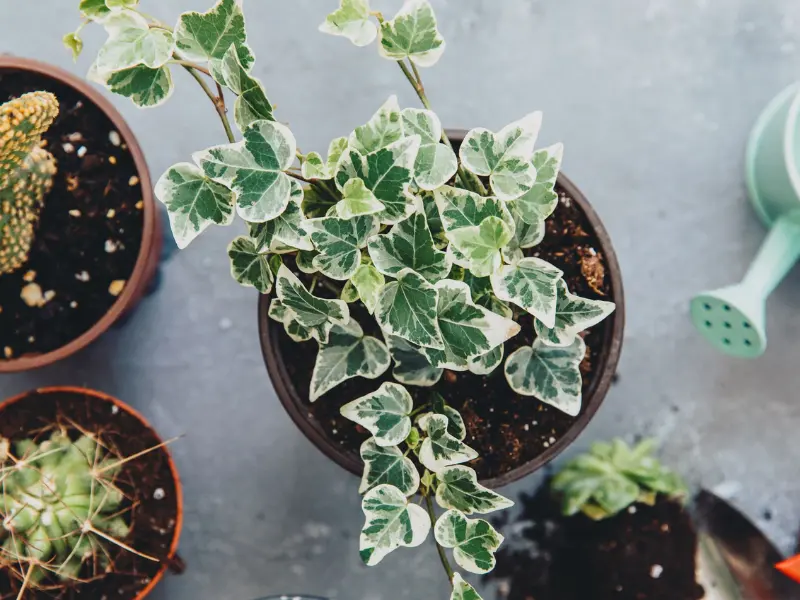
The biggest mistake I see new plant parents make is overwatering. Most people think “lush and green” equals “constantly wet soil.” In reality, ivy hates having “wet feet.”
Before you grab that watering can, do the finger test. Stick your finger about an inch into the potting soil. If it feels damp, wait a few days. Ivy prefers to dry out slightly between waterings. When you water, make sure your pot has drainage holes. If the water has nowhere to go, it sits at the bottom, leading to root rot, which is a silent killer for these vines.
3. Creating a Mini Rainforest (Humidity)
Our American homes, especially during the winter when the furnace is cranking, are incredibly dry. Ivy plants thrive in high humidity. This is usually why they start getting those “crispy” brown edges.
You don’t need to turn your living room into a sauna. A simple pebble tray (a tray filled with water and stones that the pot sits on) or a small humidifier nearby works wonders. I personally like to give my ivy a quick “shower” in the sink once every two weeks. It washes off the dust, which helps with photosynthesis and boosts moisture.
4. Keep Your Ivy Indoors Cool
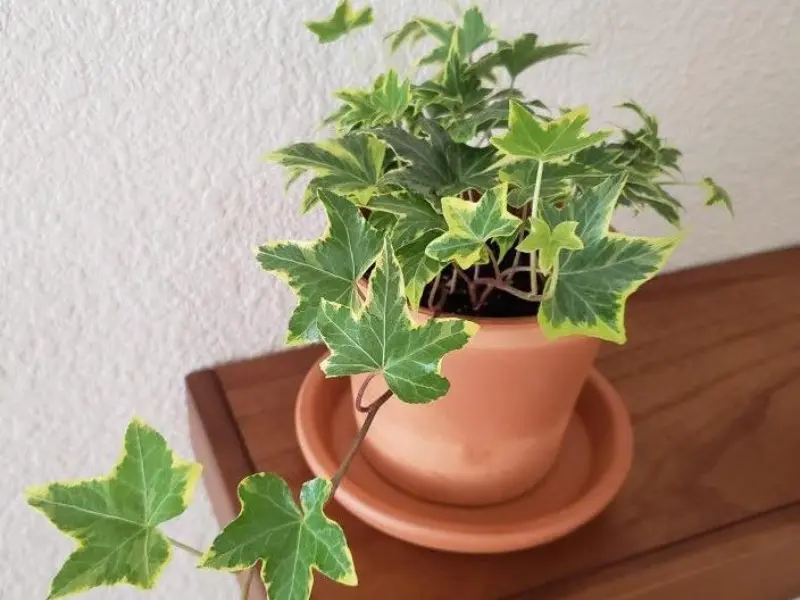
Unlike your tropical Monstera or Fiddle Leaf Fig, ivy actually prefers cooler temperatures. It loves the 50°F to 70°F range. This makes it the perfect plant for those drafty hallways or guest rooms that stay a bit chillier than the rest of the house. Just keep it away from direct heat vents or radiators, which will dry out the foliage faster than you can say “English Ivy.”
Read more: 5 Secret Tips to Keep Your Houseplants Alive When You’re on Vacation
5. Feeding for Foliage
During the growing season (Spring and Summer), your ivy is working hard to put out those beautiful new aerial roots and vines. Use a standard liquid indoor plant fertilizer about once a month.
However, when fall hits and the days grow shorter, the plant enters a semi-dormant state. Stop fertilizing during the winter. Think of it like this: you wouldn’t want a heavy steak dinner right before a long nap, and neither does your plant.
6. The “Pinch and Prune” Method
Do you want a long, thin vine or a thick, bushy plant? If you want that full, Pinterest-worthy look, you have to be brave with the scissors.
By pruning or “pinching back” the tips of the vines, you encourage the plant to send out new growth from the sides. If you have a vine that’s getting too “leggy” (lots of stem, very few leaves), snip it off! You can even take those cuttings, put them in a jar of water, and they will grow roots in a few weeks. Now you have a free gift for a friend.
You may like:
- Pruning Pampas Grass: When and How to Do It Right
- Pruning California Lilacs: When and How to Do It Right
- Glencoe Raspberry Care in Summer: The Ultimate Guide to Watering, Fertilizing, and Pruning in June
7. Watching Out Your Ivy Indoors for “Uninvited Guests.”
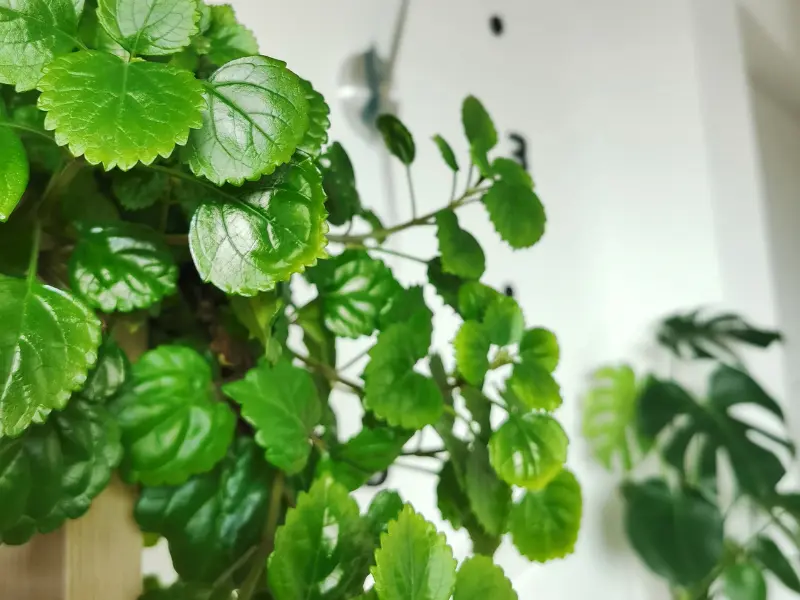
If there is one thing ivy is known for in the plant community, it is being a magnet for spider mites. These tiny pests love dry, indoor air.
Check the undersides of the leaves regularly. If you see tiny white webs or yellow speckling on the leaves, you might have an infestation. Don’t panic! A simple spray of Neem oil or insecticidal soap usually clears it right up. Keeping your plant’s humidity high (as mentioned in Tip 3) is the best way to prevent them from moving in to begin with.
Frequently Asked Questions (FAQs)
Is indoor ivy toxic to pets?
Yes, according to the ASPCA, English Ivy is toxic to both cats and dogs if ingested. It can cause vomiting and skin irritation. If you have curious pets, it is best to hang your ivy high up in a macrame planter where they can’t reach it.
Can ivy grow in low light?
It can survive in low light, but it won’t grow much, and it will lose its vibrant color. If your room is very dark, you might want to supplement with a small LED grow light.
Why are my ivy leaves turning yellow?
Yellow leaves are usually a sign of overwatering or poor drainage. Check the soil! If it’s soggy, let it dry out completely before watering again.
How fast does indoor ivy grow?
Once established in the right spot, ivy is a moderate grower. You can expect about 6 to 12 inches of new vine growth per year indoors.
Growing ivy indoors doesn’t have to be a struggle. By focusing on bright indirect light, allowing the soil to dry slightly, and keeping the air humid, you can enjoy these classic vines for years.
References:
-
ASPCA. (n.d.). English Ivy (Hedera helix) – Toxic and Non-Toxic Plants List. https://www.aspca.org/pet-care/aspca-poison-control/toxic-and-non-toxic-plants/english-ivy

How to Identify Bocking 14 Comfrey: 5 Simple Visual Signs
If you’re growing comfrey for mulch, compost, or animal feed, knowing exactly which variety you [...]
Mar
Grand Duke of Tuscany Jasmine: The Ultimate Guide to Growing a Fragrant Masterpiece
Have you ever caught a scent in the air so rich, creamy, and honey-sweet that [...]
Mar
How to Grow Wild Huckleberries: A Guide to “Purple Gold”
Have you ever spent a summer afternoon hiking through the Pacific Northwest or the Rocky [...]
Mar
5 Best Shade-Loving Perennials for a Lush, Vibrant Garden
The world of gardening often shines a spotlight on sun-drenched blossoms, but there is a [...]
Mar
7 Common Curry Leaf Plant Problems: Easy Fixes for a Thriving Plant
Is your curry leaf plant looking a bit sad lately? Maybe you woke up to [...]
Mar
Best Time to Plant Bougainvillea: Timing for Vibrant Blooms
If you’re looking for a hardy tropical vine that delivers a riot of neon color, [...]
Feb