
Feb
Guides
Best Time to Plant Bougainvillea: Timing for Vibrant Blooms
If you’re looking for a hardy tropical vine that delivers a riot of neon color, you’ve found your match. Bougainvillea plant is famously tough-as-nails—thorns and all—but even the most resilient beauty has a vulnerable side when it’s first starting out. While this vine puts on a spectacular show of vibrant bracts every spring, your success all depends on one critical factor: timing.
Planting too early in the chill or too late in the scorching heat can be the difference between a blooming masterpiece and a struggling stick. If you’ve been wondering exactly when to get your hands dirty to ensure those fresh new growths turn into a cascading wall of color, you’re in the right place. Let’s talk about when is the best time to plant Bougainvillea and how to plant so your tropical vine spectabilis thrives.
When is the Best Time to Plant Bougainvilleas?
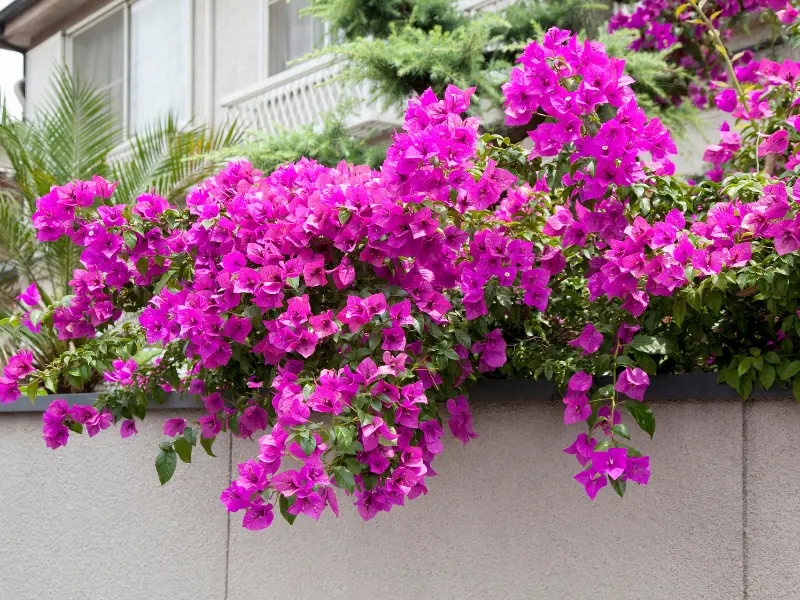
If you want the short answer: Late spring to early summer is the absolute best time to plant bougainvilleas.
Why? These plants are tropical natives from the Nyctaginaceae family. They crave heat. In the United States, specifically within USDA Hardiness Zones 9, 10, and 11, the soil usually hits the “sweet spot” around May or June.
At this time of year, the danger of a late-season frost has completely passed. More importantly, the soil temperature has warmed up to at least 60°F. Bougainvillea roots are notoriously fragile, and they hate “cold feet.” Planting in late spring gives the root ball several months of warm weather to settle in before the shorter days of winter arrive.
Regional Timing Across the US
Depending on where you live, “Spring” looks a little different:
-
Florida and the Gulf Coast: You can often start as early as late March or April. The humidity here actually helps the plant recover from transplant shock.
-
Arizona and Southern California: Aim for early spring (March) or wait until the peak monsoon humidity if you are in a desert climate. Avoid planting in the middle of a July heatwave unless you enjoy watering three times a day.
-
Texas: Late April is usually safe once the unpredictable Nor’easters have stopped blowing through.
Ideal Growing Conditions
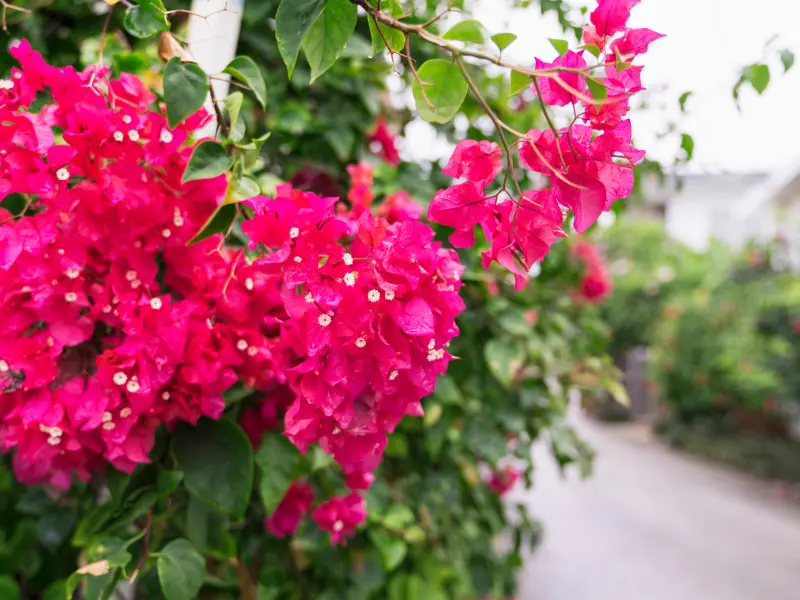
Before you dig that hole, you need to think like a bougainvillea plant. This isn’t a hydrangea or a rose; it has a very specific set of demands.
Sunlight Exposure
You cannot “shade” a bougainvillea into blooming. It needs at least 6 to 8 hours of full sun every single day. If you plant it under a large oak tree or on the north side of a tall house, it will grow long, thorny, green stems, but very few of those colorful bracts (the paper-like leaves that people mistake for flowers).
Soil Conditions
Many people think they need to “beef up” the soil with heavy compost and rich organic matter. Don’t do it. Bougainvillea plants actually prefer “lean” soil that drains quickly. They hate sitting in water. If your backyard has heavy clay, consider planting in a raised bed or a large pot to ensure the water moves away from the roots.
Best Temperature and Humidity
This tropical beauty thrives in heat and enjoys temperatures between 70 and 85 degrees Fahrenheit. While it is a sun-lover, it is extremely sensitive to the cold; anything below 40 degrees Fahrenheit can cause leaf drop or severe damage.
If you are planting in a pot, ensure you move it indoors or to a sheltered spot before the first frost hits your area.
They are surprisingly drought-tolerant and perform exceptionally well in the dry heat of places like Arizona or Southern California. You don’t need to worry about misting—in fact, keeping the foliage too wet in high-humidity areas like Florida can sometimes lead to leaf spot issues.
Air Circulation and Placement Tips
Bougainvilleas need plenty of “breathing room” to prevent fungal diseases and to encourage those iconic, vibrant bracts. They grow best in open, sunny areas where they can catch a steady breeze. Avoid cramped corners or spots tucked away in stagnant garden pockets where the air doesn’t move. For the best display of color, place your plant against a south-facing wall or on a free-standing trellis where air can circulate freely through its thorny branches.
How to Plant Bougainvillea Plants
-
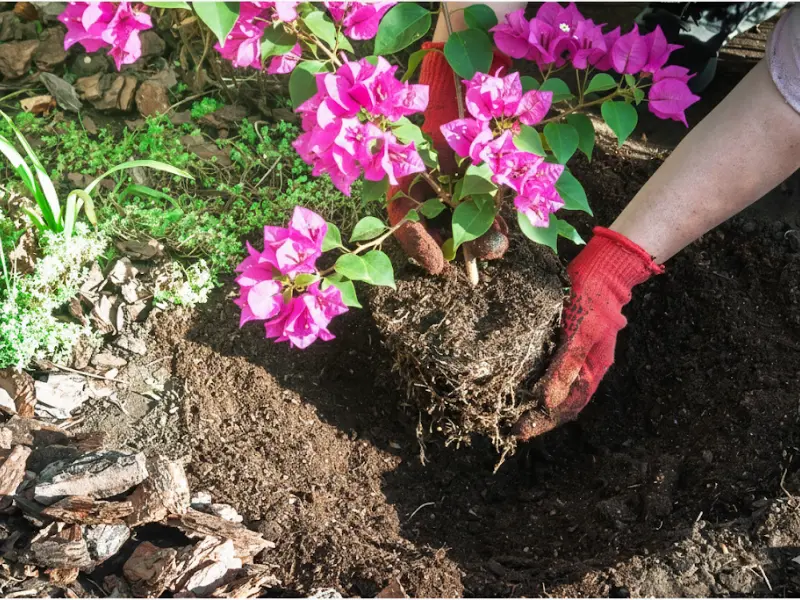
Dig the Hole: Make it twice as wide as the pot but no deeper.
-
The Gentle Touch: Carefully cut the plastic nursery pot away if you have to, rather than pulling the plant out by the stem.
-
Placement: Position your plant so the top of the root ball sits level with, or even a tiny bit higher than, the surrounding ground.
Once it’s positioned, backfill the hole with your native soil. If your soil is heavy clay, you can mix in a little sand or grit to help with that all-important drainage.
-
Support: If you are growing a climbing variety, install your trellis, pergola, or support wires now, before you finish filling in the dirt. If you wait until next month to hammer stakes into the ground, you risk slicing through the very roots that are trying to get established. Pro-tip: Lean the plant slightly toward its new support so it knows exactly where to go!
-
Watering: Give it a deep, slow soaking immediately after planting to help settle the soil and eliminate any large air pockets around the roots.
Common Mistakes to Avoid
-
Planting in Late Fall: In places like Houston or Charleston, it might feel warm in October, but a sudden frost in December can kill a young bougainvillea plant that hasn’t had time to harden off.
-
Overwatering: Once the plant is established, it is incredibly drought-tolerant. In fact, stressing the plant slightly by letting the soil dry out often triggers more vibrant blooming.
-
Too Much Fertilizer: High-nitrogen fertilizers will give you plenty of green leaves but zero color. Use a balanced fertilizer or one specifically labeled for bougainvilleas (often containing hibiscus-style nutrients) only once the plant shows new growth.
Frequently Asked Questions (FAQs)
Can I plant bougainvillea in the heat of summer?
Yes, you can, but it’s high maintenance. You will need to monitor the moisture levels daily and perhaps provide some temporary afternoon shade for the first two weeks until the plant adjusts to its new home.
Should I prune my bougainvillea plant immediately after planting?
No. Give the plant a few months to establish its root system. Pruning is a form of stress, and the plant already has enough to deal with after being moved from the nursery to your yard.
How long does it take for a newly planted bougainvillea to bloom?
If planted in late spring with plenty of sun, you should see your first flush of color within 4 to 8 weeks. However, the most spectacular displays usually happen in the second year.
Can bougainvilleas survive a freeze?
Established plants in Zone 9 might die back to the ground during a freeze, but often regrow from the roots in spring. However, a newly planted vine will likely not survive a hard freeze without significant protection like frost blankets and heavy mulching.
Conclusion
Timing your planting for the warm spring months is the single best thing you can do for your garden. By giving your bougainvillea the heat it loves and the drainage it needs, you’ll be rewarded with a riot of color that lasts for decades.
Read more:

Bougainvillea Plant Care Tips: 7 Secrets to Explosive Blooms!
Are you staring at a bougainvillea that is all lush green leaves but hasn’t shown [...]
Apr
5 Tips for Growing Sweet Potatoes to Get the Biggest Sweet Potato Harvest Ever
If you are a fan of sweet potatoes, then these tips for growing sweet potatoes [...]
Apr
Tamarillo Tree Guide: Flavor, Texture & How to Eat Tree Tomatoes
The humble tomato is a kitchen staple we all know and love, but it rarely [...]
Apr
5 Pro Tips to Grow Esperanza ‘Gold Star’ Indoors: A Golden Glow for Your Home
While most gardeners know this Texas Superstar – Esperanza ‘Gold Star’ as a rugged outdoor [...]
Apr
Mastering Esperanza Goldstar: Grow the Ultimate Yellow Bloom
Esperanza Goldstar is more than just a heat-tolerant shrub; for the American gardener battling the [...]
Apr
Yellow Dragon Fruit Plant Care: The Ultimate Guide for Healthy Growth
The yellow dragon fruit plant is a unique and rewarding addition to any home garden, [...]
Apr