
Mar
Blog
7 Common Curry Leaf Plant Problems: Easy Fixes for a Thriving Plant
Is your curry leaf plant looking a bit sad lately? Maybe you woke up to find a carpet of yellow leaves on the floor, or perhaps those once-vibrant green branches are now covered in strange white spots or sticky residue.
If you are feeling frustrated, you are not alone. I have been there too. A few years ago, I almost lost my favorite Murraya koenigii, that is the scientific name for this aromatic herb, because I didn’t realize the air in my North American home was too dry during the winter. It felt like I was failing a friend. But here is the good news: most curry leaf plant problems are actually a cry for help that you can answer with just a few simple adjustments.
In this guide, we will walk through the seven most common issues that American home gardeners face and, more importantly, exactly how to fix them so your plant can get back to being the star of your kitchen.
Read more:
- Top Reasons to Grow Your Own Curry Leaf Plant at Home
- Curry Leaf Plant Care: The Ultimate Guide for Healthy Growth
1. Yellowing Leaves (Chlorosis)
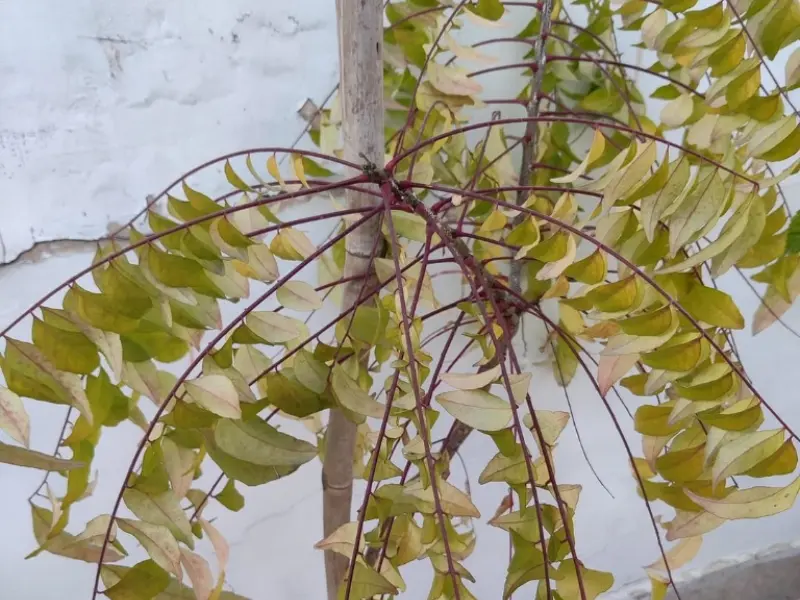
This is the number one question I get from fellow plant lovers. If your leaves are turning a pale lime green or bright yellow while the veins stay dark green, your plant is likely suffering from a nutrient deficiency.
Iron and Magnesium Deficiency
In the United States, many potting mixes lose their nutrients after a few months of watering. Curry leaf plants are heavy feeders, especially when it comes to magnesium. A quick and natural fix that I always keep in my gardening shed is Epsom salt.
The Fix: Dissolve one tablespoon of Epsom salt in a gallon of water and apply it once a month. This provides a magnesium boost that helps the plant produce chlorophyll again. If the new leaves are still yellow, you might need a chelated iron supplement to correct iron chlorosis.
Overwatering Issues
Before you grab the fertilizer, check the soil. Is it soggy? If the leaves are yellow and feel soft or mushy, you might be loving your plant to death with too much water. Curry leaves hate “wet feet.”
The Fix: Only water when the top inch of the soil feels dry to the touch. Ensure your pot has plenty of drainage holes. If the soil stays wet for days, you might need to repot using a well-draining potting mix specifically designed for citrus or Mediterranean herbs.
2. Leaves Falling Off (Defoliation)
Seeing your plant go bald overnight is terrifying, but it is often just a sign of environmental shock.
Stress from Temperature Changes
If you live in a USDA hardiness zone lower than 9 or 10, you likely move your plant indoors when the temperature drops. This sudden shift in light and humidity can cause the plant to drop its leaves as a defense mechanism.
The Fix: Transition your plant slowly. Bring it inside for a few hours a day before moving it permanently for the winter. Keep it away from cold drafts or heating vents, which can dry out the foliage too quickly.
Lack of Sunlight
The curry leaf plant is a tropical native that craves the sun. If it is sitting in a dark corner of your living room, it will shed leaves because it cannot support them without enough energy from photosynthesis.
The Fix: Place your plant in the brightest window you have, usually south-facing in the US. If your home doesn’t get at least 6 to 8 hours of direct light, consider using a simple LED grow light to bridge the gap during the darker months.
3. Pest Infestations: The Uninvited Guests
Pests love the aromatic oils of the curry leaf just as much as we do. The most common culprits are scale insects, mealybugs, and spider mites.
Scale Insects and Mealybugs
Have you noticed a sticky residue on your leaves or nearby furniture? That is “honeydew” left behind by scale insects. They look like tiny brown bumps on the stems, while mealybugs look like small tufts of white cotton.
The Fix: For a small infestation, use a cotton swab dipped in rubbing alcohol to dab the insects directly. For larger issues, organic neem oil is your best friend. It is a natural pesticide that is safe to use on edible herbs as long as you wash the leaves before cooking.
Spider Mites
If you see very fine webbing between the branches and tiny yellow stippling on the leaves, you have spider mites. These thrive in dry, indoor air.
The Fix: Give your plant a “shower” in the sink to wash away the mites. Increasing the humidity around the plant with a pebble tray or a humidifier will prevent them from coming back.
4. Brown Spots and Fungal Diseases
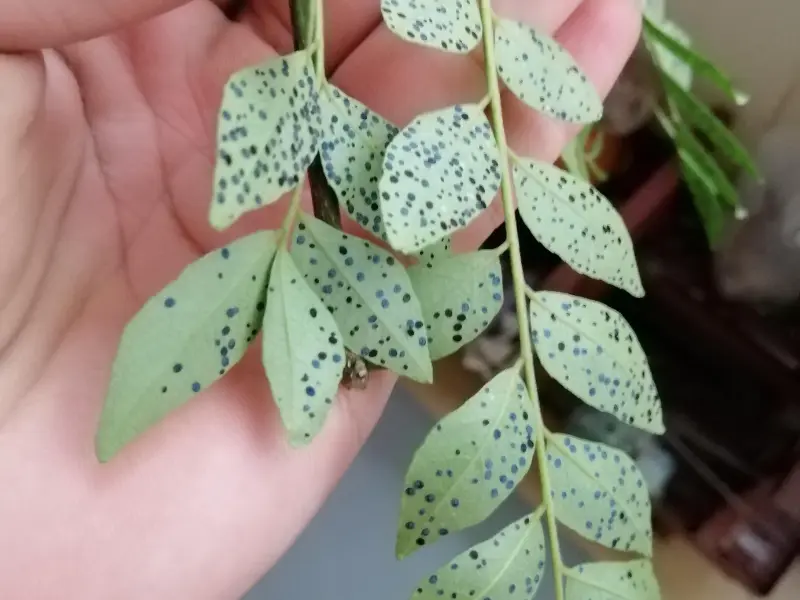
Brown spots can be unsightly, but they are usually a sign that the environment is a bit too damp or the air is stagnant.
Leaf Spot Disease
Fungal leaf spots often happen when water sits on the leaves for too long.
The Fix: Always water at the base of the plant, not over the leaves. If you notice infected leaves, prune them off and throw them in the trash, not the compost, to stop the spores from spreading. Improving air circulation by not crowding your plants together also helps tremendously.
Root Rot
This is the “silent killer.” If the plant looks wilted even though the soil is wet, the roots may be rotting underground.
The Fix: Remove the plant from its pot and inspect the roots. Healthy roots are firm and light-colored; rotted roots are black and slimy. Trim away the bad roots and repot in fresh, sterilized soil and a clean pot.
5. Slow Growth or Stunted Development
Is your plant stuck at the same height it was six months ago?
Pot-Bound Roots
Sometimes the plant simply runs out of room. If you see roots growing out of the drainage holes or circling the top of the soil, it is pot-bound.
The Fix: Move the plant to a pot that is 2 inches wider than the current one. Don’t go too big too fast, as excess soil can hold too much water and lead back to the root rot we discussed earlier.
The Need for Nitrogen
Plants need nitrogen to build those lush green branches we love to harvest.
The Fix: Use a balanced organic fertilizer or a high-nitrogen feed like blood meal during the growing season (spring and summer). Avoid fertilizing in the winter when the plant is resting.
6. Curling or Distorted Leaves
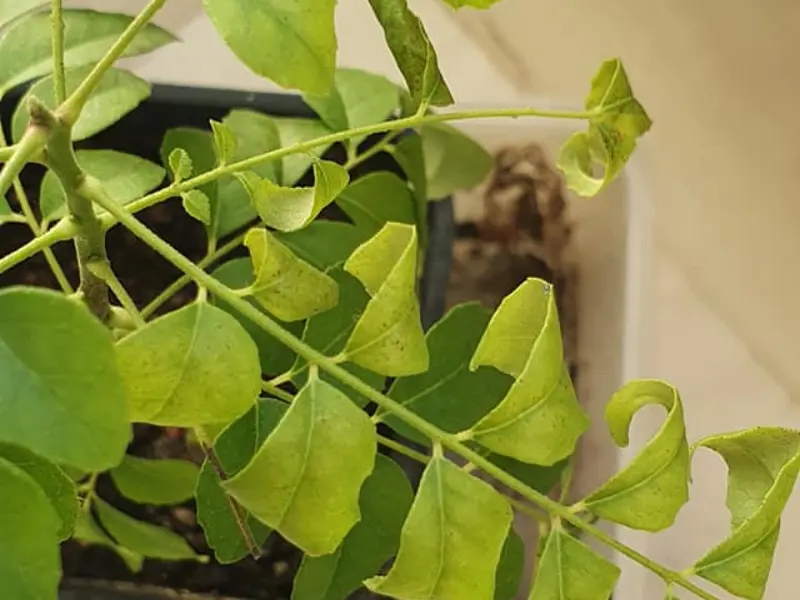
If your new growth looks twisted or curled, it is usually a sign that something is sucking the life out of the tender new shoots.
Aphid Attacks
Aphids are tiny green or black insects that cluster on the underside of new leaves. Their feeding causes the leaves to grow in a distorted, curled shape.
The Fix: A simple spray of water and a few drops of dish soap can usually knock them off. You can also introduce beneficial insects like ladybugs if you have an outdoor garden, as they love to snack on aphids.
7. White Powdery Substance on Leaves
If your plant looks like it has been dusted with flour, you are dealing with powdery mildew. This is a common fungal issue when the days are warm and the nights are cool and humid.
The Fix: You can make a DIY spray using one tablespoon of baking soda and a half-teaspoon of liquid soap mixed into a gallon of water. Spray the leaves thoroughly. This changes the pH on the leaf surface, making it impossible for the fungus to grow.
Frequently Asked Questions (FAQs)
Can I eat curry leaves that have white spots?
It is best to avoid eating leaves that are actively infected with fungus or covered in pest residue. Always treat the plant first and wait for healthy, clean new growth to emerge before harvesting for your recipes.
How often should I fertilize my curry leaf plant?
During the active growing season (April to September in most of the US), fertilize once a month. In the winter, stop fertilizing entirely to allow the plant to follow its natural dormancy cycle.
Why is my plant losing leaves in winter?
This is often a natural reaction to lower light levels and cooler temperatures. As long as the stems remain green and firm, the plant is likely just resting and will sprout new leaves once spring arrives.
Is Epsom salt really good for curry leaf plants?
Yes. Since curry leaf plants are closely related to citrus, they have a high demand for magnesium. Epsom salt provides this magnesium, which helps prevent the leaves from turning yellow and keeps the plant looking vibrant.
Taking care of a curry leaf plant can feel like a balancing act, but once you understand what the leaves are telling you, it becomes much easier. Remember to watch your watering, give it plenty of sunlight, and keep an eye out for those pesky hitchhikers like scale or mites.
If you found this guide helpful, you might also want to check out our article on how to prune your curry leaf plant for maximum growth, which will help you turn your recovered plant into a bushy, leaf-producing machine. Happy gardening!
You may like:

7 Common Curry Leaf Plant Problems: Easy Fixes for a Thriving Plant
Is your curry leaf plant looking a bit sad lately? Maybe you woke up to [...]
Mar
Best Time to Plant Bougainvillea: Timing for Vibrant Blooms
If you’re looking for a hardy tropical vine that delivers a riot of neon color, [...]
Feb
How to Propagate Purple Passion Plants (Gynura aurantiaca)
Have you ever been mesmerized by the neon-purple glow and fuzzy, velvet-like leaves of a [...]
Feb
How to Grow Beauregard Sweet Potatoes: From Slips to a Bountiful Harvest
Are you ready to add a classic, heavy-hitting favorite to your vegetable patch? If you’ve [...]
Feb
7 Expert Tips to Grow Lush Ivy Indoors: A Beginner’s Guide
Are you tired of seeing the same old Pothos vines in every corner of your [...]
Feb
7 Reasons Why Tamarillo Trees Are a Garden Must-Have
Once you start growing a garden, you will keep finding more reasons to add more [...]
Jan