
Oct
Guides
How to Propagate Christmas Cactus: Easy Methods for Thriving Holiday Plants
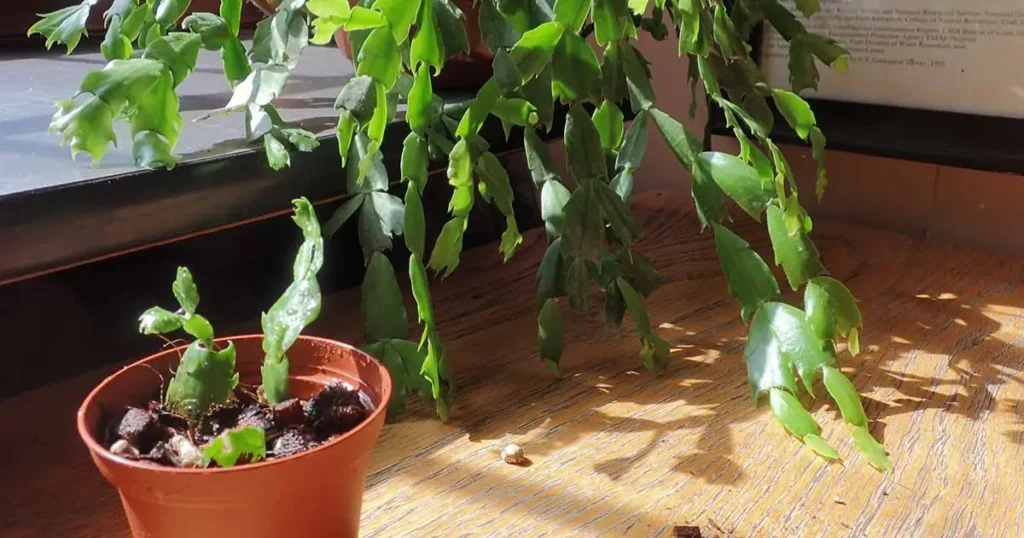
Have you ever wished you could have more of those beautiful, blooming Christmas cacti to brighten your home during the holidays? The good news is, you can! Propagating Christmas cactus (Schlumbergera bridgessii) is simple, rewarding, and a great way to share this festive favorite with family and friends.
Whether you’re a beginner or a seasoned plant lover, you can easily learn how to grow new plants from your existing Christmas cactus. With the right techniques, a few basic tools, and a little patience, you’ll soon have healthy, thriving plants that bloom year after year.
In this guide, we’ll walk you through everything you need to know about how to propagate Christmas cactus, from choosing the right cuttings to helping your new plants take root successfully.
Read more: How to Care for Christmas Cactus
Understanding Christmas Cactus
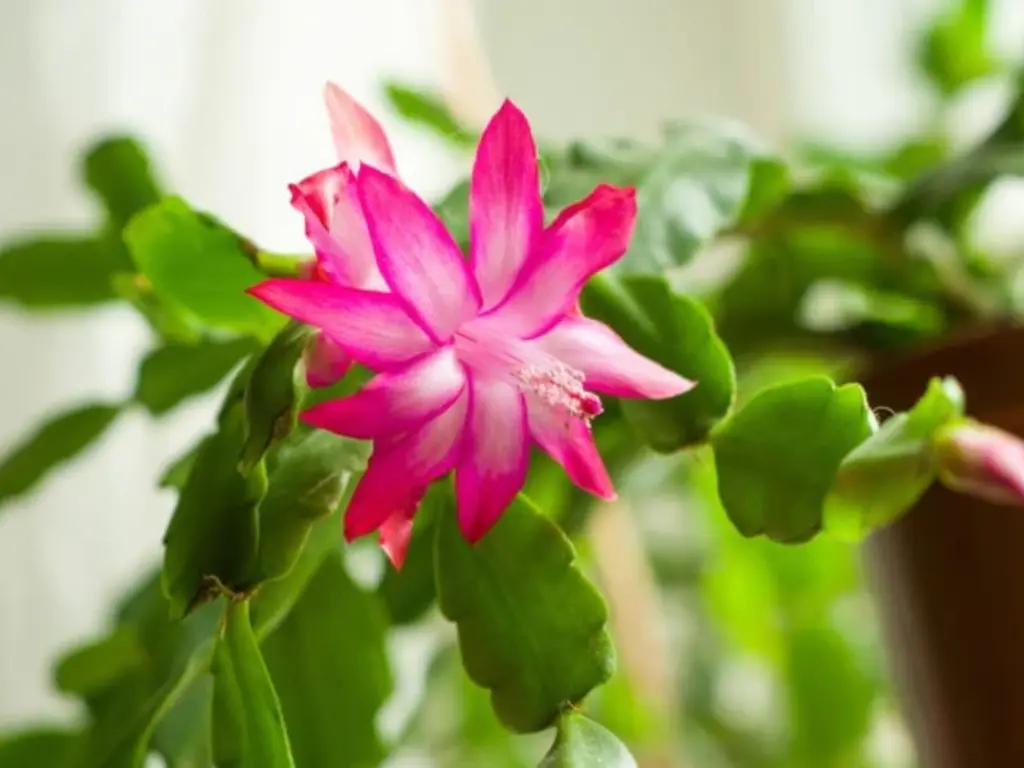
The Christmas cactus isn’t your typical desert cactus. Unlike prickly cacti, it’s a tropical succulent that grows naturally in the shaded rainforests of Brazil. It loves humidity, indirect light, and well-draining soil, these conditions quite different from what most cacti prefer.
This plant doesn’t have sharp spines, instead, it features flat, segmented stems that cascade gracefully as it grows. Each segment acts as a building block for new growth, making it perfect for propagation.
Another thing that makes it special? Its blooming cycle. With proper care and the right lighting, the Christmas cactus bursts into vibrant pink, red, or white flowers during winter, just in time for the holidays.
Understanding its natural rhythm helps you time your propagation correctly. The best time to propagate is after blooming, when the plant rests and focuses on new stem growth rather than producing flowers.
You may like:
- Christmas, Thanksgiving, or Easter? How to Tell Which Holiday Cactus You Have
- How to Get Christmas Cactus to Bloom: A Festive Guide for Stunning Flowers
Essential Tools and Materials
Before you start, gather your materials. Having everything ready will make the process smoother and more enjoyable.
You’ll need:
-
Sharp, clean scissors or pruning shears: To take clean stem cuttings without damaging the plant.
-
Small pots or containers: For rooting the new cuttings.
-
Well-draining potting mix: A mix of cactus soil and perlite or peat moss works best.
-
Rooting hormone (optional): To encourage faster root development.
-
Plastic bag or humidity dome: Helps maintain moisture during rooting.
-
A bright, warm spot with indirect sunlight.
How to Propagate Christmas Cactus
Now that your tools are ready, let’s look at the easiest and most effective methods for propagation.
Method 1: Propagation by Stem Cuttings
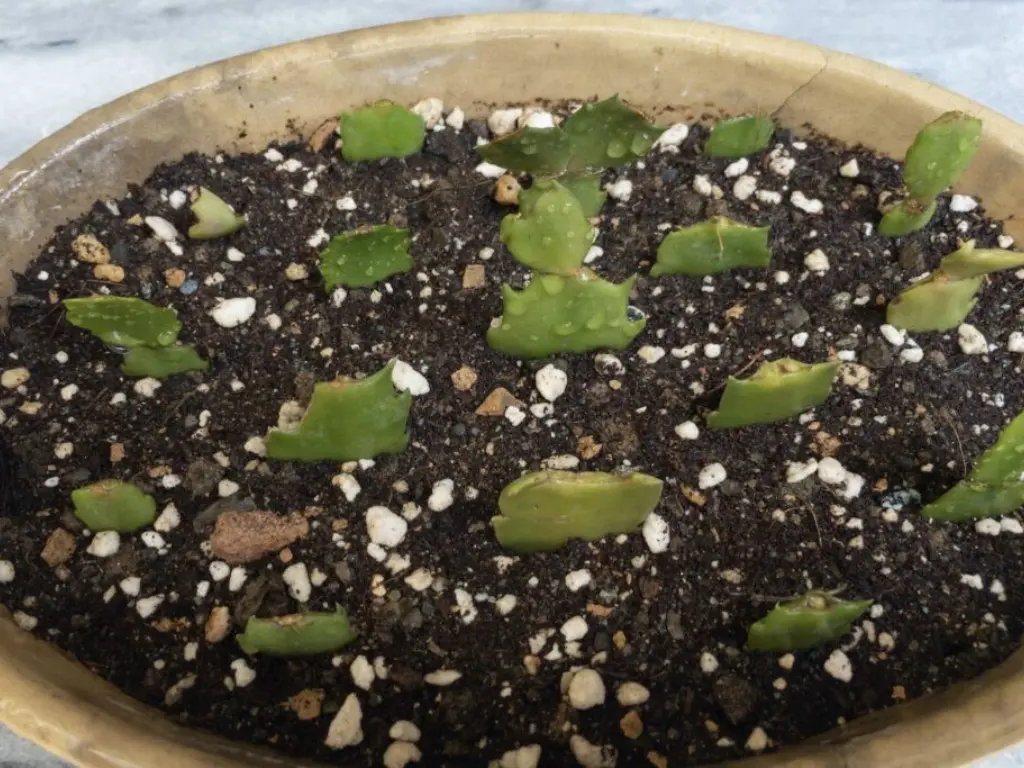
This is the most common and reliable method.
Step 1: Select Healthy Segments
Choose a healthy parent plant with strong, firm segments. Using clean scissors, cut off a section with 2-5 joined segments. Always cut just above a node (the natural joint).
Step 2: Let the Cuttings Dry
Lay the cuttings on a paper towel in a warm, dry place for 1-2 days. This allows the ends to callous over, preventing rot when planted.
Step 3: Plant the Cuttings
Fill your pot with well-draining soil and insert the calloused end about an inch deep. Firm the soil gently around it to keep it upright.
Step 4: Water and Cover
Water lightly, just enough to moisten the soil. Then cover the pot with a plastic bag or dome to maintain humidity. Keep it in a bright but indirect light location.
Within 3-6 weeks, you should see roots forming. Once the new growth appears, you can transplant your baby cactus into a larger pot!
Method 2: Propagation in Water
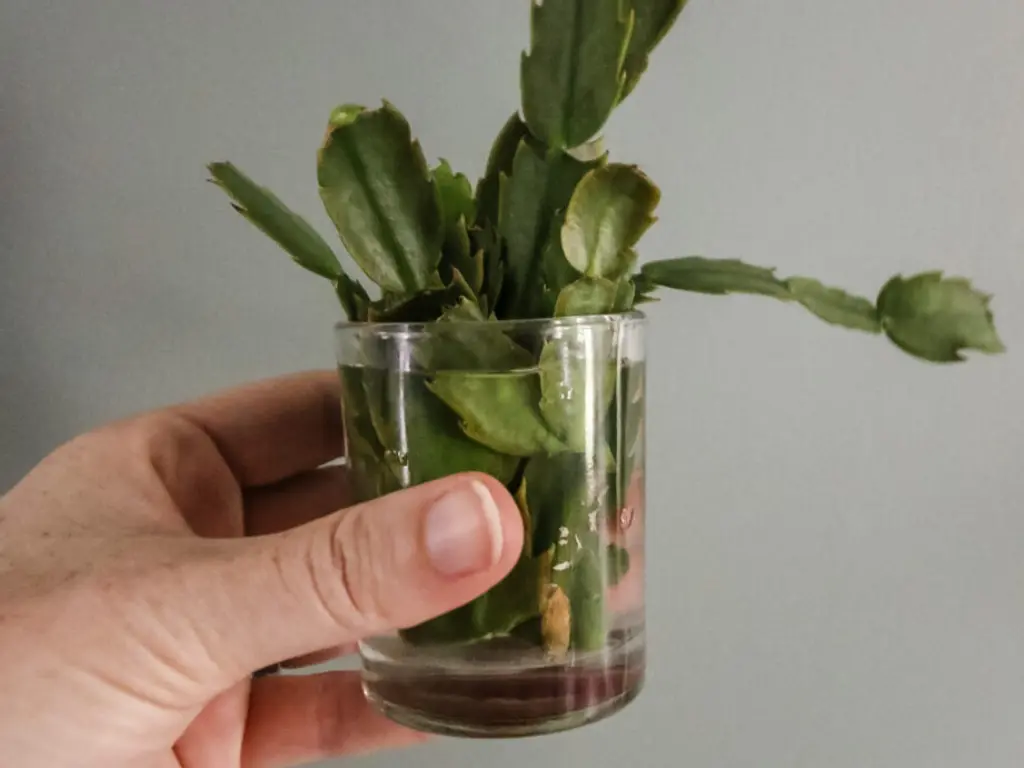
If you love watching roots develop, try this method!
Step 1: Place your stem cutting in a small glass of water, ensuring that only the bottom segment is submerged.
Step 2: Keep the glass in a bright spot away from direct sunlight.
Step 3: Change the water every few days to prevent bacteria growth.
Step 4: Once roots are about 1-2 inches long, carefully plant the cutting in potting soil.
This method is fun, visual, and works especially well in warm, humid environments.
Aftercare: Helping Your Cuttings Thrive
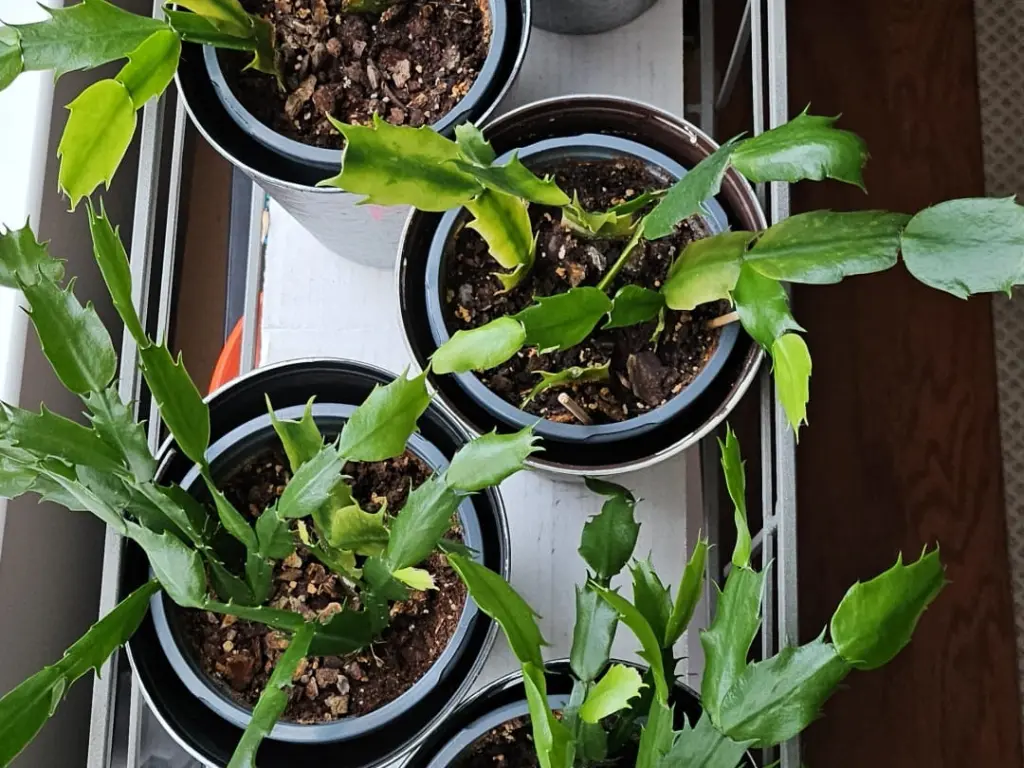
To keep them happy and healthy:
-
Water Wisely: Keep the soil slightly moist, not soggy. Check moisture by touching the top inch of soil — if it feels dry, it’s time to water.
-
Provide Gentle Light: Bright, indirect light is ideal. Too much direct sun can burn tender new growth.
-
Maintain Warmth and Humidity: Christmas cactus loves temperatures between 65–75°F (18–24°C) and a humid environment. Mist occasionally if your air is dry.
-
Feed Lightly: After 4–6 weeks, once new growth appears, begin fertilizing monthly with a diluted, balanced houseplant fertilizer.
-
Rotate the Pot: Every week or two, turn the pot slightly to encourage even growth on all sides.
Pro tip: If your young cactus looks limp after transplanting, don’t panic. It’s just adjusting to its new home. Keep the environment steady and it will perk up soon!
Common Mistakes to Avoid
Even though propagation is easy, small missteps can slow your progress. Avoid these common mistakes:
-
Skipping the drying step: Planting freshly cut segments can cause rot.
-
Overwatering: Always keep the soil slightly moist, not wet.
-
Too much direct sunlight: Can burn stems and slow rooting.
-
Ignoring humidity: Low humidity can cause cuttings to shrivel before roots form.
Frequently Asked Questions (FAQs)
Can I propagate Christmas cactus from a single segment?
You can, but it’s best to use at least two segments to ensure a stronger start.
Can I use regular potting soil?
It’s better to use a cactus or succulent mix with added perlite for drainage.
When is the best time to propagate?
After the blooming season, typically late winter to early spring, when the plant is resting and preparing for new growth.
How long does propagation take?
Typically 3–6 weeks, depending on warmth and humidity. You’ll know it’s working once new green tips appear.
Can I propagate right after flowering?
Yes, but wait until the blooms have completely faded so the plant isn’t stressed.
What if my cutting starts to rot?
Cut away the rotted part, let the end dry again for a day or two, and replant in fresh, dry soil.
Will my propagated cactus bloom in the first year?
Usually not, it spends its first year growing roots and stems. By the next holiday season, it’ll be ready to bloom beautifully!
Conclusion
Propagating your Christmas cactus is more than just a fun gardening project, it’s a way to multiply the joy this festive plant brings to your home. With just a few simple steps, you can grow new plants to share with loved ones or brighten every corner of your space.
Be patient, stay gentle with your cuttings, and watch as they grow into thriving, blooming holiday companions. Happy gardening and happy holidays!
You may like:

Best Time to Plant Bougainvillea: Timing for Vibrant Blooms
If you’re looking for a hardy tropical vine that delivers a riot of neon color, [...]
Feb
How to Propagate Purple Passion Plants (Gynura aurantiaca)
Have you ever been mesmerized by the neon-purple glow and fuzzy, velvet-like leaves of a [...]
Feb
How to Grow Beauregard Sweet Potatoes: From Slips to a Bountiful Harvest
Are you ready to add a classic, heavy-hitting favorite to your vegetable patch? If you’ve [...]
Feb
7 Expert Tips to Grow Lush Ivy Indoors: A Beginner’s Guide
Are you tired of seeing the same old Pothos vines in every corner of your [...]
Feb
7 Reasons Why Tamarillo Trees Are a Garden Must-Have
Once you start growing a garden, you will keep finding more reasons to add more [...]
Jan
Comfrey Companion Planting: What to Grow Next to Your Comfrey Patch?
Have you ever looked at that lush, fast-growing patch of comfrey in the corner of [...]
Jan