
Feb
Guides
How to Grow Beauregard Sweet Potatoes: From Slips to a Bountiful Harvest
Are you ready to add a classic, heavy-hitting favorite to your vegetable patch? If you’ve ever enjoyed a velvety, honey-sweet potato pie or a tray of crispy, oven-roasted wedges, chances are you’ve already fallen in love with the Beauregard sweet potato.
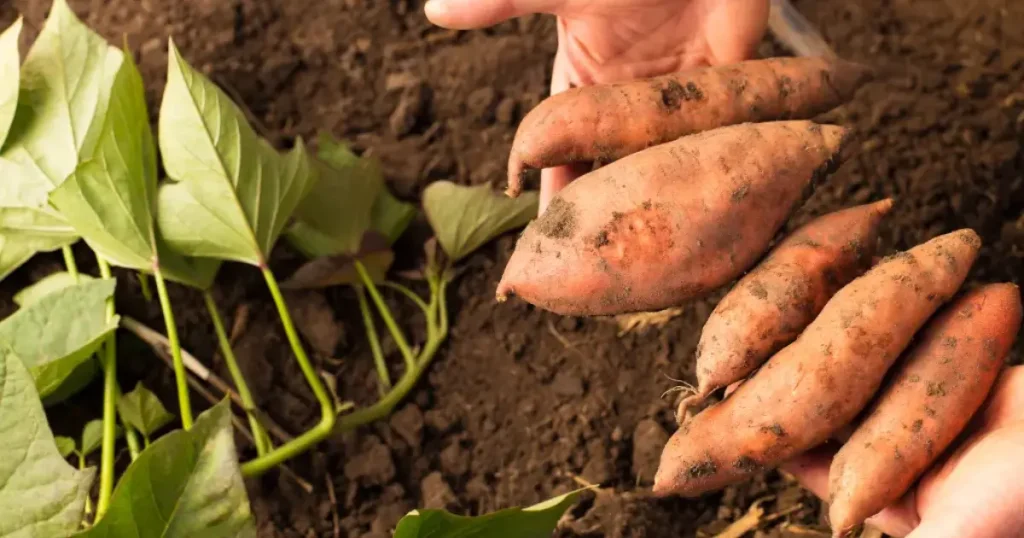
Known as the “gold standard” for home gardeners and commercial growers alike, these vibrant orange tubers are famous for their reliable high yields and incredible flavor. Whether you’re a seasoned green thumb or a beginner wondering if you can actually grow food in your backyard, the Beauregard potatoes are the perfect variety to start with. Let’s roll up our sleeves and walk through everything you need to know to bring this garden treasure to your table!
What Makes Beauregard Sweet Potatoes Special?
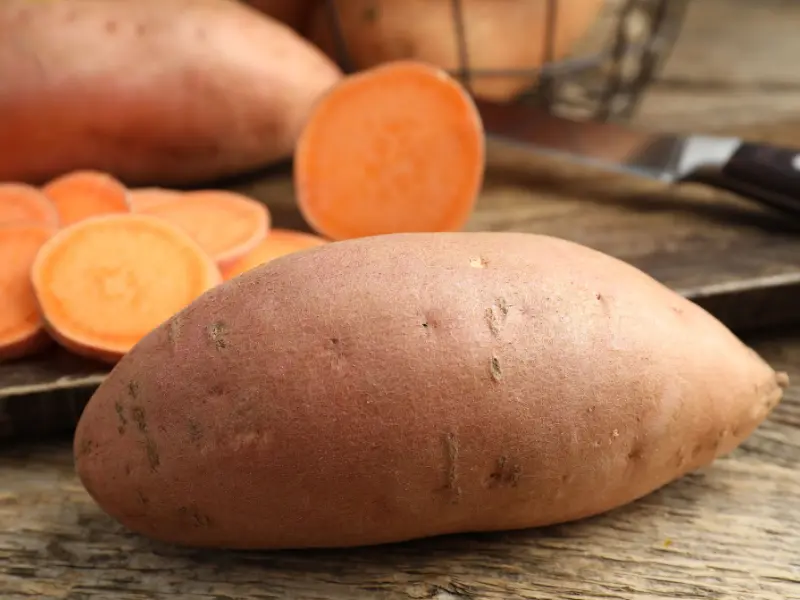
Developed by the geniuses at Louisiana State University in 1987, the Beauregard was bred specifically to solve the problems gardeners used to face with older varieties.
-
Reliability: They are remarkably resistant to soil rot and cracks, meaning more of what you plant actually makes it to your dinner plate.
-
Speed: While some varieties take forever to mature, Beauregards are “early birds,” often ready to harvest in just 90 to 100 days.
-
Nutrient Powerhouse: Underneath that beautiful copper skin lies a deep orange flesh packed with beta-carotene, fiber, and Vitamin A.
-
Texture: They have a smooth, creamy, stringless texture that makes them the absolute best choice for mashing, baking, or turning into fries.
Step 1: Choosing and Preparing Your Slips
Unlike Irish potatoes, where you plant a piece of the tuber itself, sweet potatoes are grown from slips. These are the green leafy sprouts that grow out of a mature sweet potato.
I always recommend buying certified organic slips from a local nursery to ensure they are disease-free. However, if you want to try a fun DIY project, you can sprout your own! Suspend an organic Beauregard potato in a jar of water using toothpicks. In a few weeks, you’ll have a forest of green sprouts ready to be snapped off and planted.
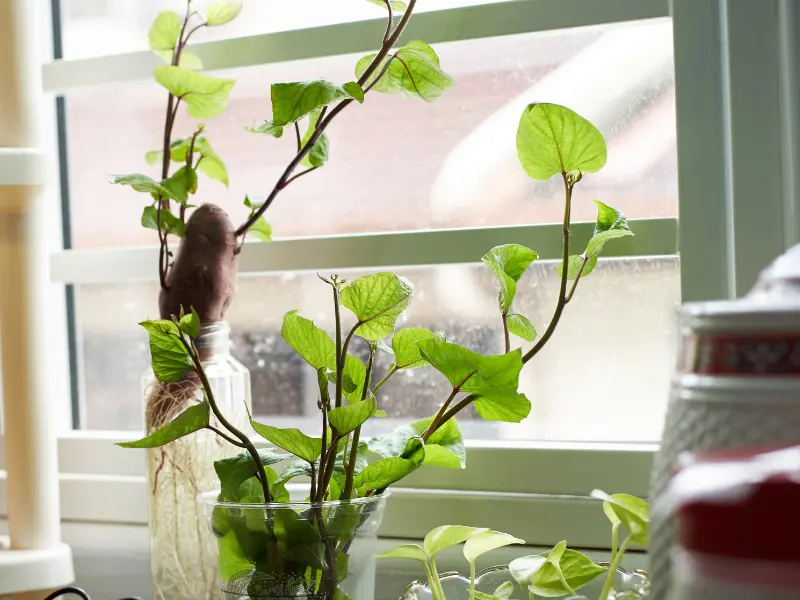
If you buy Beauregard Sweet Potato slips online, and your slips arrive by mail and look a little wilted, don’t panic! Just place their roots in a glass of water for a day, and they’ll perk right up.
» Click here to get your slips with healthy green leaves.
Step 2: Preparing Your Garden
Beauregards are a bit like us, they love a comfy bed and plenty of snacks!
-
The “Fluff” Factor: Sweet potatoes grow downward, so if your soil is hard like a brick, your potatoes will be tiny and twisted. Work your soil deeply (at least 12 inches) and mix in aged compost or well-rotted manure.
-
Mound for Success: I highly suggest planting in ridges or raised mounds. This does two things: it keeps the soil warm (which they love!) and ensures that excess water drains away from the roots.
-
Soil pH: Aim for a slightly acidic environment (pH 5.8 to 6.2). If you aren’t sure about your soil, a quick test kit from the hardware store can save you a lot of guesswork!
Read more:
- Start Your Garden Right on the First Day of Spring 2025: Must-Have Plants for a Thriving Garden
- How to Grow Okinawan Sweet Potatoes: From Slips to Potatoes
Step 3: Planting Beauregard Sweet Potato Slips
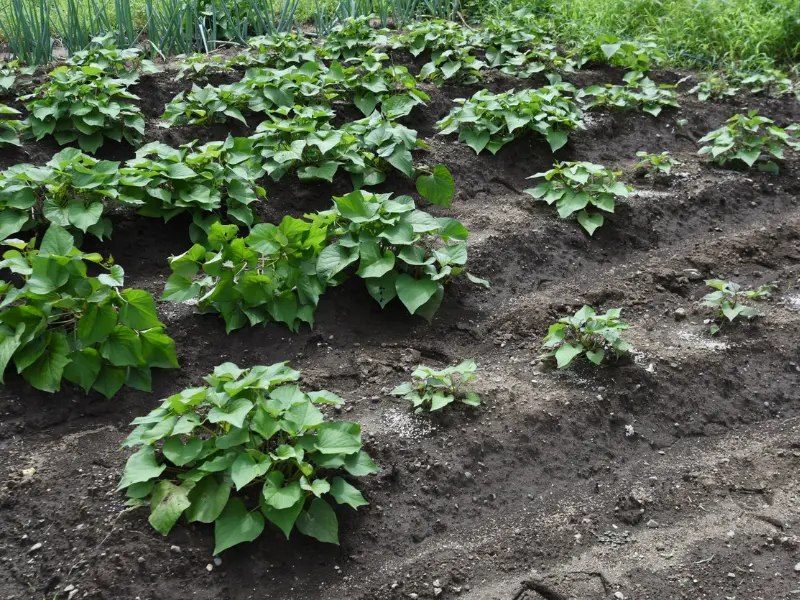
Wait until the soil has warmed up to at least 65°F. For most of the US, this is about 2 to 3 weeks after the last spring frost. If you plant too early, the cold soil will stunt the root system and leave the plant vulnerable to root rot.
-
Dig a Hole: Make a hole deep enough to cover the slip up to its top two leaves.
-
Space Them Out: Give them elbow room! Plant slips 12 to 18 inches apart in rows that are 3 feet apart. These vines are “marathon runners” and will quickly spread to cover the ground.
-
The “Tuck-In”: Press the soil firmly around the slip and water it immediately. This eliminates air pockets and helps the tiny roots get established.
Step 4: Care and Maintenance
Once the plants take off, they are relatively low maintenance, but there are a few traps to avoid.
Watering
While sweet potatoes are somewhat drought-tolerant, consistent moisture is the key to big tubers. Give them about an inch of water per week. However, stop watering about two weeks before you plan to harvest. This prevents the skin from cracking.
Fertilizing
Here is a common mistake: using high-nitrogen fertilizer (like the stuff you use for your lawn). Nitrogen grows beautiful, lush green leaves, but it leaves you with tiny, pathetic roots. Instead, use a fertilizer high in potassium and phosphorus to encourage tuber development.
Vine Management
It’s tempting to trim those long, beautiful vines, but try to resist! The leaves are the “solar panels” that feed the growing potatoes underground.
Managing common pests
Keep an eye out for the sweet potato weevil or wireworms. The best defense is crop rotation. Don’t plant your sweet potatoes in the same spot where you grew them (or tomatoes/peppers) last year.
Step 5: Harvesting Beauregard Sweet Potatoes
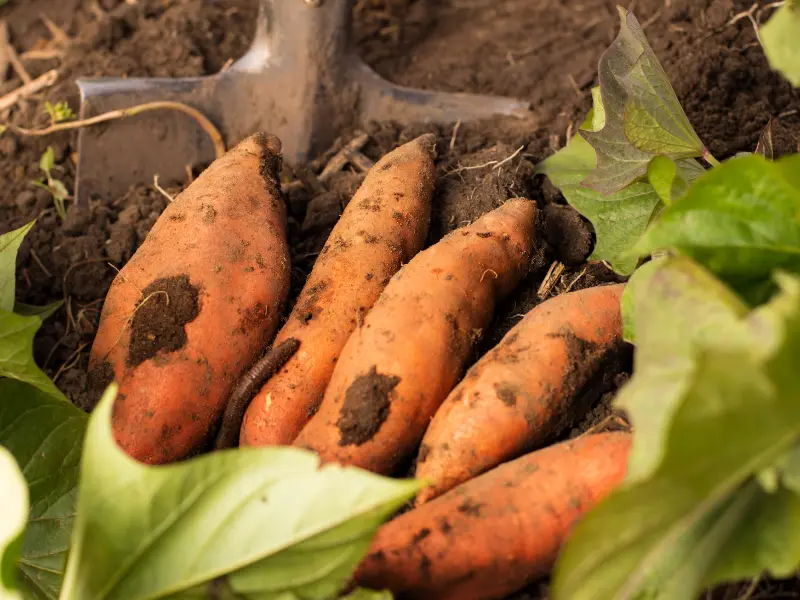
The moment of truth usually arrives in late summer or early fall.
When to dig: Watch the leaves. When they start to turn slightly yellow, it’s a sign the plant is shifting its energy to the roots. You want to get them out of the ground before the first frost, as cold soil can ruin the flavor and storage life.
The Gentle Touch: Use a garden fork (not a shovel!) to gently lift the soil starting about 12 inches away from the center of the plant. Sweet potato skins are very soft when they first come out of the ground; treat them like “bruise-prone” fruit!
Step 6: How to Cure Beauregard Potatoes
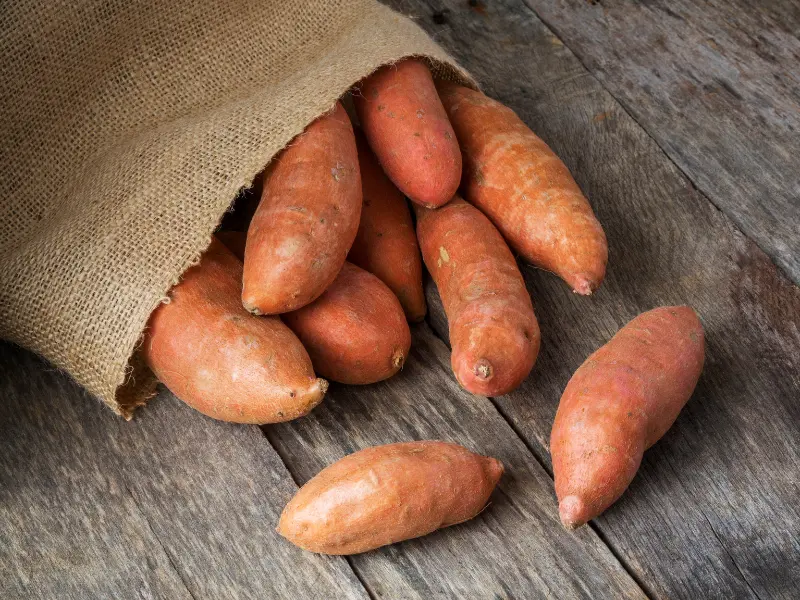
If you eat a Beauregard the day you dig it up, you might be disappointed; it won’t be very sweet! To unlock that sugary goodness, you must cure them.
-
Place your unwashed potatoes in a warm (80-85°F), humid spot for about 10 to 14 days. A garage or a shaded porch works great.
-
This “toughness” of the skin for storage triggers the conversion of starches into sugars. After curing, store them in a cool, dark place (but never the refrigerator, which turns the center hard and bitter).
Frequently Asked Questions (FAQs)
1. Why are my sweet potatoes so small?
Usually, this is due to “heavy” soil or planting too late. Beauregard potatoes need at least 90 days of warm weather to reach a good size.
2. Can I eat the leaves?
Yes! They are a “secret” garden delicacy. Sauté them with a little garlic and lemon, and they taste like a milder, sweeter version of spinach.
3. What about pests?
Keep an eye out for deer (who love the vines!) and wireworms. Using organic neem oil or floating row covers can help protect your crop.
4. How long does it take for Beauregard sweet potatoes to mature? Usually, you are looking at 90 to 110 days. If you live in the North, keep an eye on the forecast and try to get them out of the ground before the first hard freeze.
5. Can I grow Beauregard slips from store-bought potatoes? It’s risky. Many grocery store potatoes are treated with a sprout inhibitor to keep them from growing in the bin. It’s always better to buy certified disease-free slips from a supplier.
6. How many potatoes can I expect per plant? With good soil and sun, a single Beauregard plant can produce 4 to 6 large potatoes. If you plant a dozen slips, you’ll have plenty to share with neighbors!
7. What is the best fertilizer for sweet potatoes? Look for a 5-10-10 or a 6-12-12 NPK ratio. The goal is to keep the nitrogen low and the phosphorus/potassium high.
Conclusion
Growing Beauregard sweet potatoes from slips is one of the most rewarding projects you can take on in your home garden. There is nothing quite like the “treasure hunt” of digging through the soil in October and finding those huge, copper-colored roots. By starting with quality slips, managing your soil drainage, and being patient with the curing process, you’ll have a harvest that lasts well into the winter.

How to Identify Bocking 14 Comfrey: 5 Simple Visual Signs
If you’re growing comfrey for mulch, compost, or animal feed, knowing exactly which variety you [...]
Mar
Grand Duke of Tuscany Jasmine: The Ultimate Guide to Growing a Fragrant Masterpiece
Have you ever caught a scent in the air so rich, creamy, and honey-sweet that [...]
Mar
How to Grow Wild Huckleberries: A Guide to “Purple Gold”
Have you ever spent a summer afternoon hiking through the Pacific Northwest or the Rocky [...]
Mar
5 Best Shade-Loving Perennials for a Lush, Vibrant Garden
The world of gardening often shines a spotlight on sun-drenched blossoms, but there is a [...]
Mar
7 Common Curry Leaf Plant Problems: Easy Fixes for a Thriving Plant
Is your curry leaf plant looking a bit sad lately? Maybe you woke up to [...]
Mar
Best Time to Plant Bougainvillea: Timing for Vibrant Blooms
If you’re looking for a hardy tropical vine that delivers a riot of neon color, [...]
Feb