
Feb
Guides
How to Propagate Purple Passion Plants (Gynura aurantiaca)
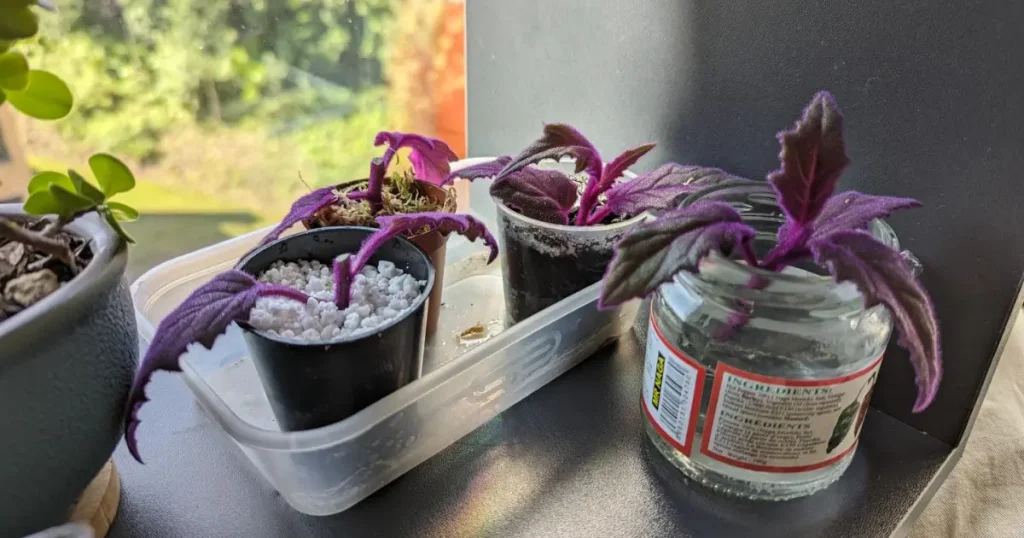
Have you ever been mesmerized by the neon-purple glow and fuzzy, velvet-like leaves of a Purple Passion Plant (Gynura aurantiaca) and wished you could fill every corner of your home with its striking color? The good news is you absolutely can!
Propagating Purple Passion plants is incredibly easy, rewarding, and one of the best ways to keep this fast-growing beauty looking its best. Whether you’re a beginner looking for your first “win” or a seasoned plant parent, you’ll love how quickly these purple passion plant cuttings spring to life.
In this guide, we’ll walk you through everything you need to know about how to propagate Purple Passion Plants, from snipping the perfect cutting to ensuring your new plants grow into a lush, violet masterpiece.
Understanding the Purple Passion Plant
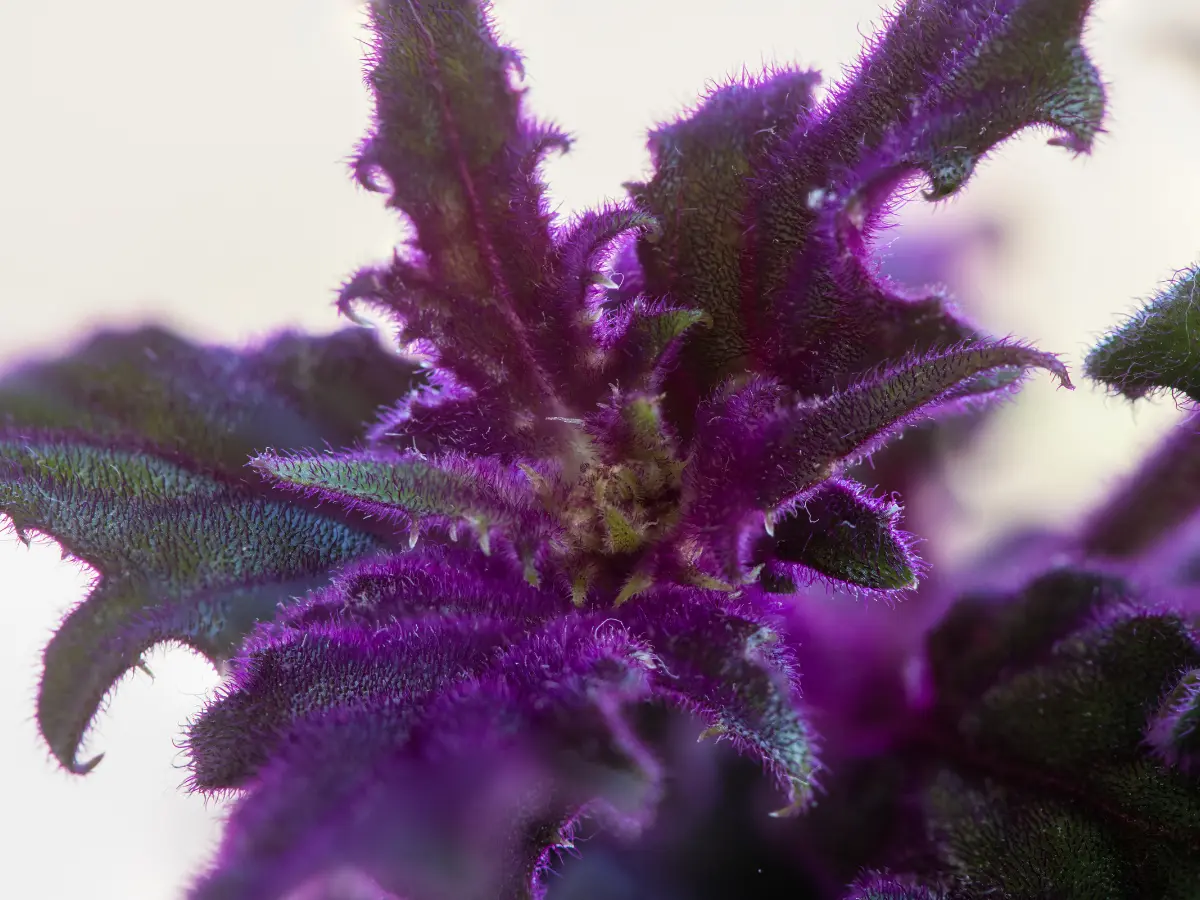
The Purple Passion Plant, or Gynura aurantiaca, is a showstopper known for its deep green leaves covered in tiny, iridescent purple hairs. It’s a fast grower that loves to vine and trail, making it perfect for hanging baskets or shelf displays.
Because these plants can become “leggy” or lose their vibrant color as they age, propagation isn’t just a way to get more plants; it’s a way to rejuvenate your collection. These plants naturally want to grow, and with just a little help from you, they’ll root in record time!
The best time to propagate is during the spring or summer, when the plant is in its peak growing phase, and the light is bright.
During this window, the plant is naturally pumping out growth hormones. The air is warmer, the light is stronger, and the plant is eager to survive.
I remember trying to save a dying Purple Passion plant in the middle of a Colorado winter once. It was a struggle against dry air and low light. If you must do it in winter, just make sure you have a warm spot and maybe a grow light to mimic those summer sunbeams.
Read more: Grow and Care for Purple Passion Plants Like a Pro
What You Will Need Before You Cut
Before you start snipping away, gather your supplies. You do not need a degree in botany, but having the right tools makes a huge difference.
You’ll need:
-
Sharp, clean scissors or snips: To ensure clean cuts that heal quickly.
-
Small jars or glasses: For water propagation.
-
Pots with drainage holes: For soil propagation.
-
Lightweight potting mix: A mix of peat moss and perlite is ideal.
-
Rooting hormone (optional): To give the soil purple passion plant cuttings an extra boost.
-
A bright, warm spot: Indirect sunlight is the secret ingredient!
How to Propagate Purple Passion Plants
There are two simple ways to propagate this purple beauty: water cuttings or soil cuttings. Both are highly effective, so pick the one that feels most fun for you!
Method 1: Propagation in Water
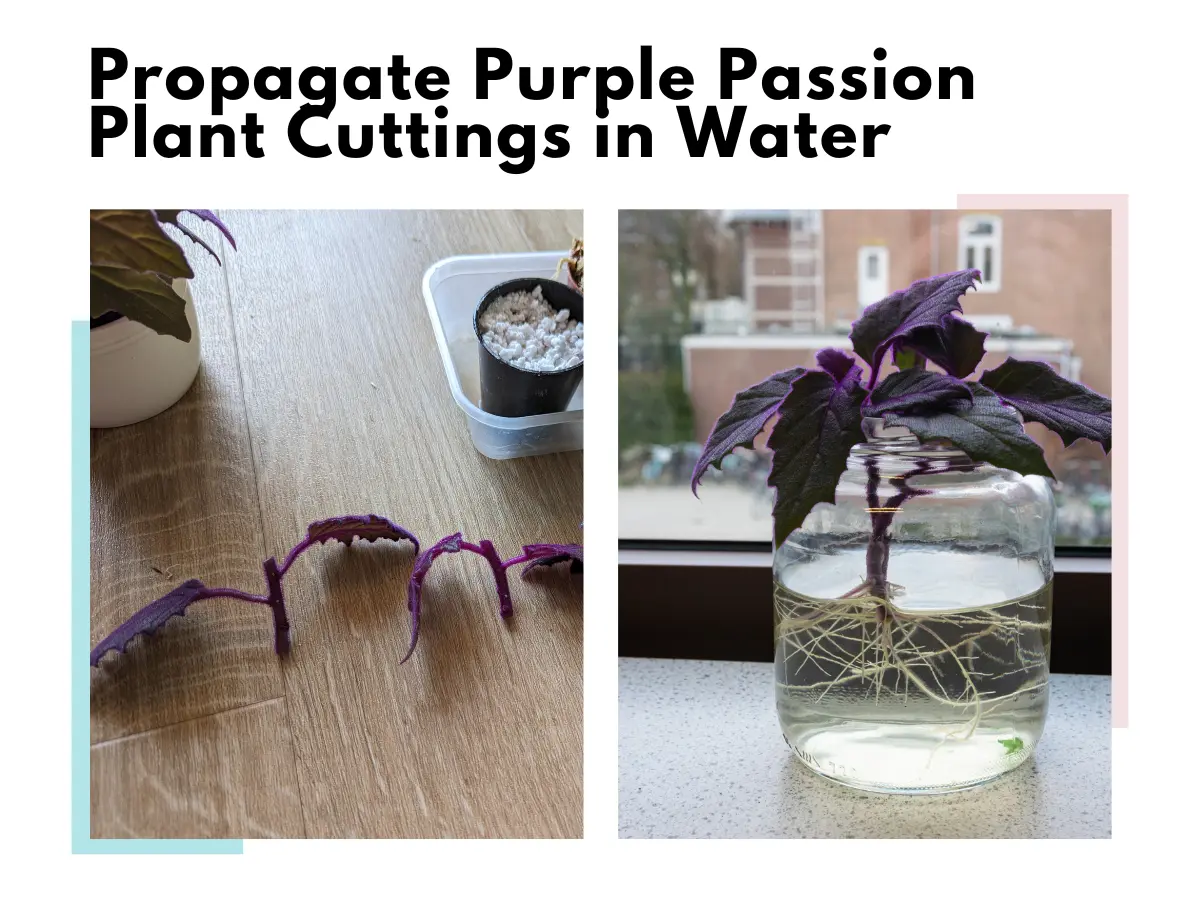
Most people start with water propagation because it is so satisfying to watch the roots grow. It is like having a front row seat to a science experiment.
Step 1: Select Healthy Stems: Look for a healthy stem and find the nodes. Nodes are the little bumps where the leaves meet the stem. This is where the magic happens because that is where the roots will emerge. Cut a piece about 4 to 6 inches long, making sure you have at least two or three nodes on the cutting.
Step 2: Remove Lower Leaves: Gently strip off the bottom leaves. You do not want any foliage sitting below the water line because they will just rot and create a bacterial mess. Leave a couple of leaves at the top so the cutting can still photosynthesize.
Step 3: Place in Water: Place the cutting in a glass of filtered or dechlorinated water. Put it in a spot that gets bright indirect light. Avoid direct hot sun, which can cook the cutting in the glass. Change the water every few days to keep it fresh and oxygenated.
Within two to three weeks, you should see tiny white roots. Once those roots are about an inch long, it is time to move your new Purple Passion plant into its permanent home in a well-draining potting mix.
Method 2: Propagation in Soil
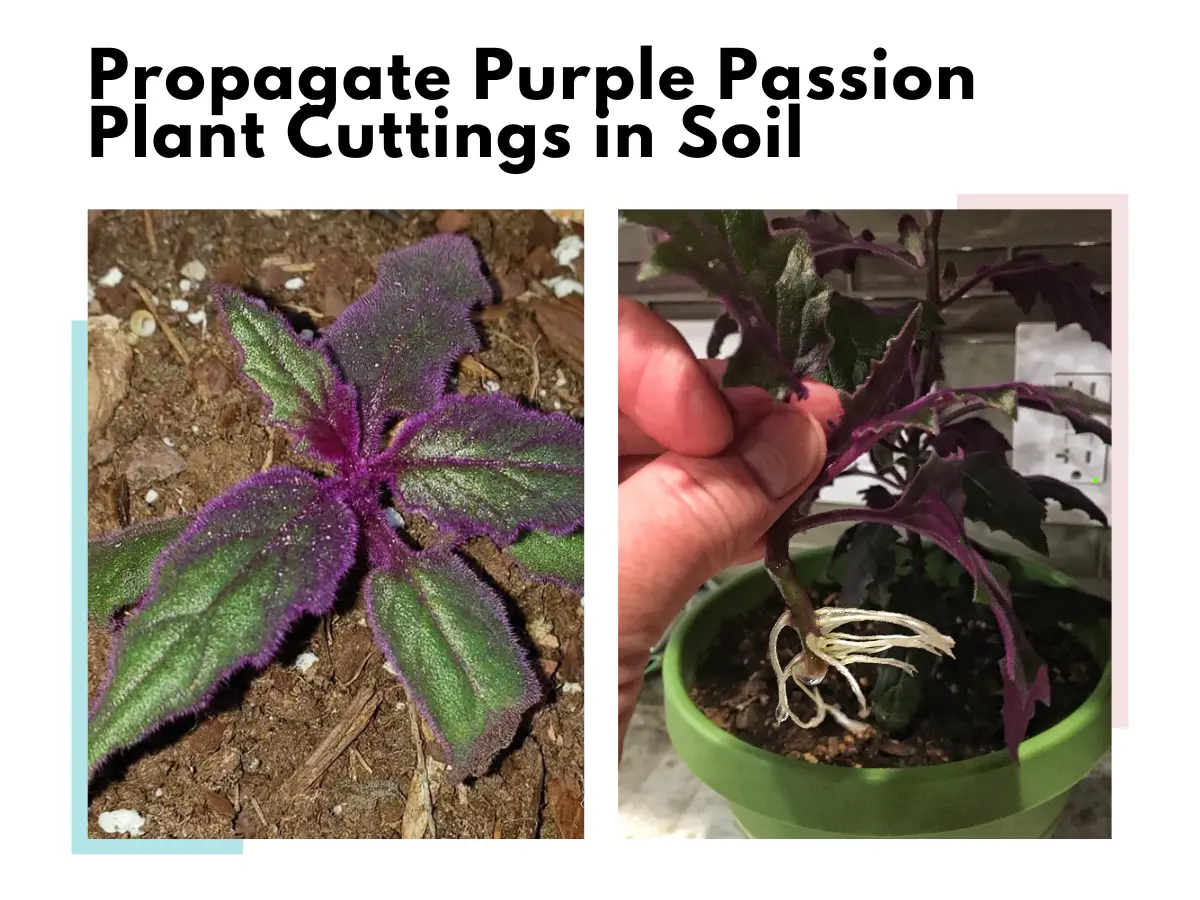
If you want to skip the middleman, you can go straight into the soil. This method is great because the roots that grow in soil are often stronger than water roots, leading to less transplant shock later on.
Step 1: Dip and Plant: Follow the same cutting process as above. This time, dip the bottom of the stem into some rooting hormone. Poke a hole in your moist potting mix with a pencil, insert the cutting, and gently firm the soil around it.
Step 2: The Mini Greenhouse: Trick Purple Passion plants love humidity, especially when they are trying to grow roots. Here is a pro tip: place a clear plastic bag over the pot to create a mini greenhouse. This traps moisture and keeps the cutting from wilting. Just make sure to poke a few holes for airflow so it does not get moldy.
Step 3: Monitor Moisture: Keep the soil damp but never soggy. If the soil stays too wet, you will end up with root rot, which is the number one killer of these velvet plants.
If you want to skip the middle step, planting directly into soil works beautifully for Gynura.
How to Care for Your New Purple Passion Plants
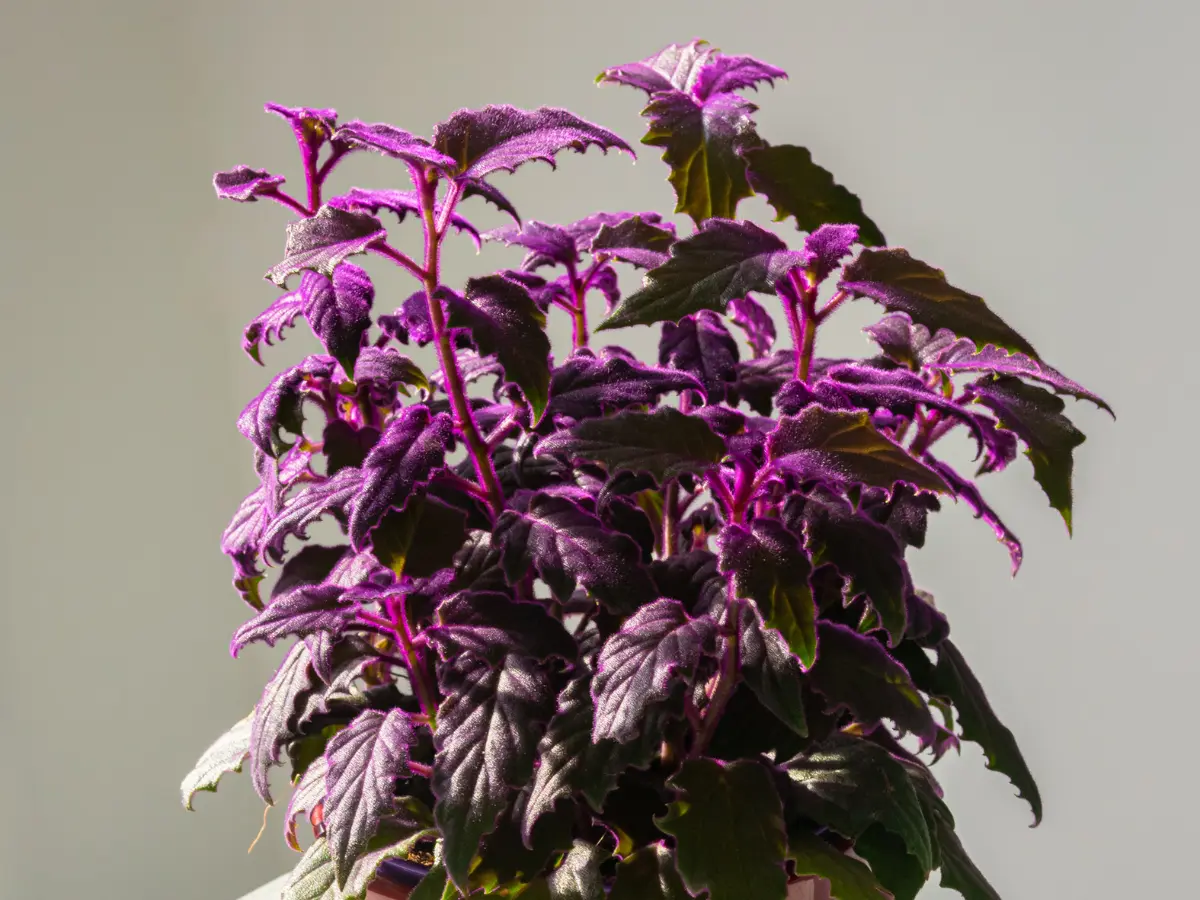
Once your purple passion plant cuttings are established, they need a little extra love to become the bushy, lush plants you see on Instagram.
Light is the most important factor for that signature purple color. If the plant stays in too much shade, it will turn a dull green. If it gets too much direct afternoon sun, those soft purple hairs might actually burn. Find that sweet spot of bright, filtered light.
As the plant grows, do not be afraid to pinch off the tips. This encourages the plant to branch out rather than just growing one long, skinny vine. It feels counterintuitive to cut a plant you just worked so hard to grow, but trust me, it leads to a much fuller and more beautiful plant in the long run.
Pro tip: If your new cuttings look a little “sad” or wilted for the first day or two after planting, don’t panic! They are just adjusting to their new home. Keep them out of direct sun, and they’ll perk up beautifully once the roots settle in.
Common Mistakes to Avoid
It happens to the best of us. You follow the steps, and two days later, your cutting looks like a limp noodle. Most of the time, this is due to one of three things:
-
Extreme Temperature Changes: Keep your purple passion plant cuttings away from drafty windows or air conditioning vents.
-
Lack of Humidity: If your home is very dry, that mini greenhouse bag trick is a lifesaver.
-
Poor Drainage: If the stem feels mushy at the bottom, it is rotting. You will need to take a fresh cutting and start over with cleaner water or better-draining soil.
The Purple Passion plant is a member of the Asteraceae family, and like its cousins, it is a resilient grower if you give it what it needs. It is a bit of a “diva” when it comes to water, but once you find the rhythm, it is a joy to have in your indoor garden.
Frequently Asked Questions (FAQs)
Why are the roots turning brown? This usually means the water is stagnant or the soil is too wet. Change your water more often or improve drainage.
Can I propagate Purple Passion plants from a single leaf? No, unfortunately, a leaf alone will not work. You must have a piece of the stem that includes at least one node. The node contains the specialized cells needed to sprout new roots and stems.
How long does it take for roots to appear? In ideal conditions, you will see roots in 14 to 21 days. If it is cooler or darker, it might take up to a month. Be patient and keep an eye on the nodes.
Should I use distilled water or tap water? While these plants are not as sensitive as some others, using distilled or dechlorinated water is always a safer bet. If you use tap water, let it sit out overnight to allow the chlorine to evaporate.
Why do my purple passion cuttings look sad right after potting? This is called transplant shock. The plant is moving from a water environment to a soil environment and needs time to adjust. Keep the humidity high and avoid fertilizing for a few weeks until it settles in.
Is the Purple Passion plant safe for pets? This is a huge relief for many plant parents: yes, the Purple Passion plant is non-toxic to cats and dogs. According to the ASPCA, it is a safe choice for your home. However, it is still a good idea to keep it out of reach so your pets do not give it a haircut themselves, which could lead to a mild stomach upset or damage your beautiful velvet leaves.
Conclusion
Propagation Purple Passion plant is the best way to ensure you always have that stunning velvet foliage in your home. Whether you choose the visual route of water propagation or the direct soil method, the process is simple and incredibly satisfying.
Remember to keep your tools clean, focus on the nodes, and give your new babies plenty of bright, indirect light. Before you know it, you will have enough plants to fill your home and even share some with your fellow plant lovers.
Be patient, give them plenty of light, and soon you’ll have a lush collection of purple-hued beauties to keep or share with friends.
Happy gardening, and may your Purple Passions stay fuzzy and vibrant!
You may like:
- How to Propagate Comfrey from Root Cuttings: Easy Guide for Beginners
- How to Propagate Vinca Minor: Simple Steps for a Lush, Spreading Ground Cover
- How to Propagate Christmas Cactus: Easy Methods for Thriving Holiday Plants
- How to Propagate Begonias: Easy Methods for Thriving Plants
References:
- ASPCA Poison Control Database: Purple Passion Vine Safety Guide https://www.aspca.org/pet-care/aspca-poison-control/toxic-and-non-toxic-plants/purple-passion-vine

Bougainvillea Plant Care Tips: 7 Secrets to Explosive Blooms!
Are you staring at a bougainvillea that is all lush green leaves but hasn’t shown [...]
Apr
5 Tips for Growing Sweet Potatoes to Get the Biggest Sweet Potato Harvest Ever
If you are a fan of sweet potatoes, then these tips for growing sweet potatoes [...]
Apr
Tamarillo Tree Guide: Flavor, Texture & How to Eat Tree Tomatoes
The humble tomato is a kitchen staple we all know and love, but it rarely [...]
Apr
5 Pro Tips to Grow Esperanza ‘Gold Star’ Indoors: A Golden Glow for Your Home
While most gardeners know this Texas Superstar – Esperanza ‘Gold Star’ as a rugged outdoor [...]
Apr
Mastering Esperanza Goldstar: Grow the Ultimate Yellow Bloom
Esperanza Goldstar is more than just a heat-tolerant shrub; for the American gardener battling the [...]
Apr
Yellow Dragon Fruit Plant Care: The Ultimate Guide for Healthy Growth
The yellow dragon fruit plant is a unique and rewarding addition to any home garden, [...]
Apr