
May
Blog
5 Tips for Growing Carolina Reaper Peppers to Get the Spiciest Harvest Ever
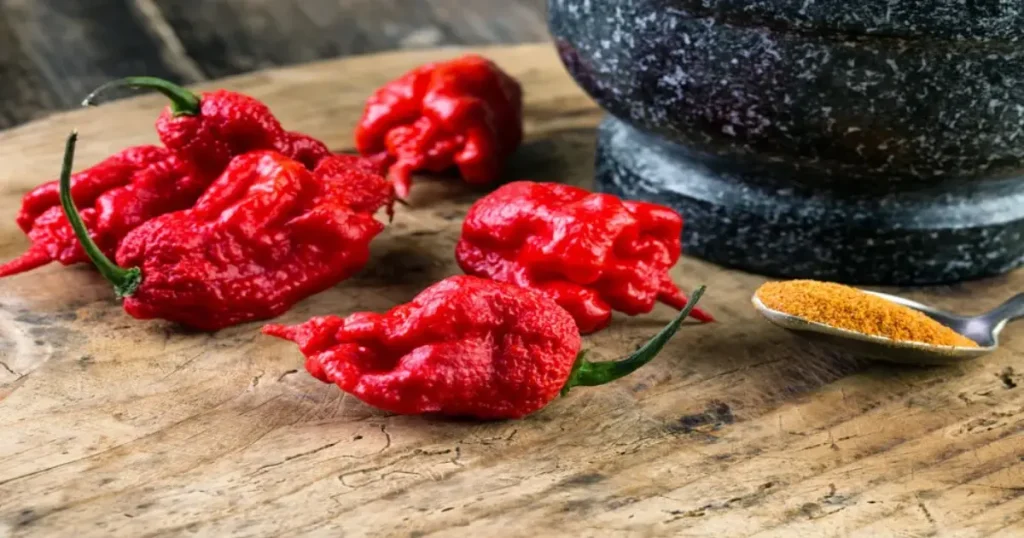
Holding the record for one of the world’s hottest peppers, the Reaper isn’t just a plant; it’s a test of patience and precision. While they are notoriously finicky, understanding their “diva” personality is the key to a bountiful, tongue-scorching harvest. If you are a thrill-seeker who loves a serious culinary challenge, then these tips for growing Carolina Reapers are exactly what you need to bring the heat to your backyard.
Many gardeners end up with stunted plants or heatless pods because they treat Reapers like bell peppers. They are a tropical species that demands intense heat, a very long growing season, and a specific watering rhythm. If you want to transform your garden into a literal “hot spot,” you need to move beyond the basics.
Let’s dive into five pro-level tips that will help your Reapers thrive and pack a world-record punch.
1. Master the “Slow Start” with Bottom Heat
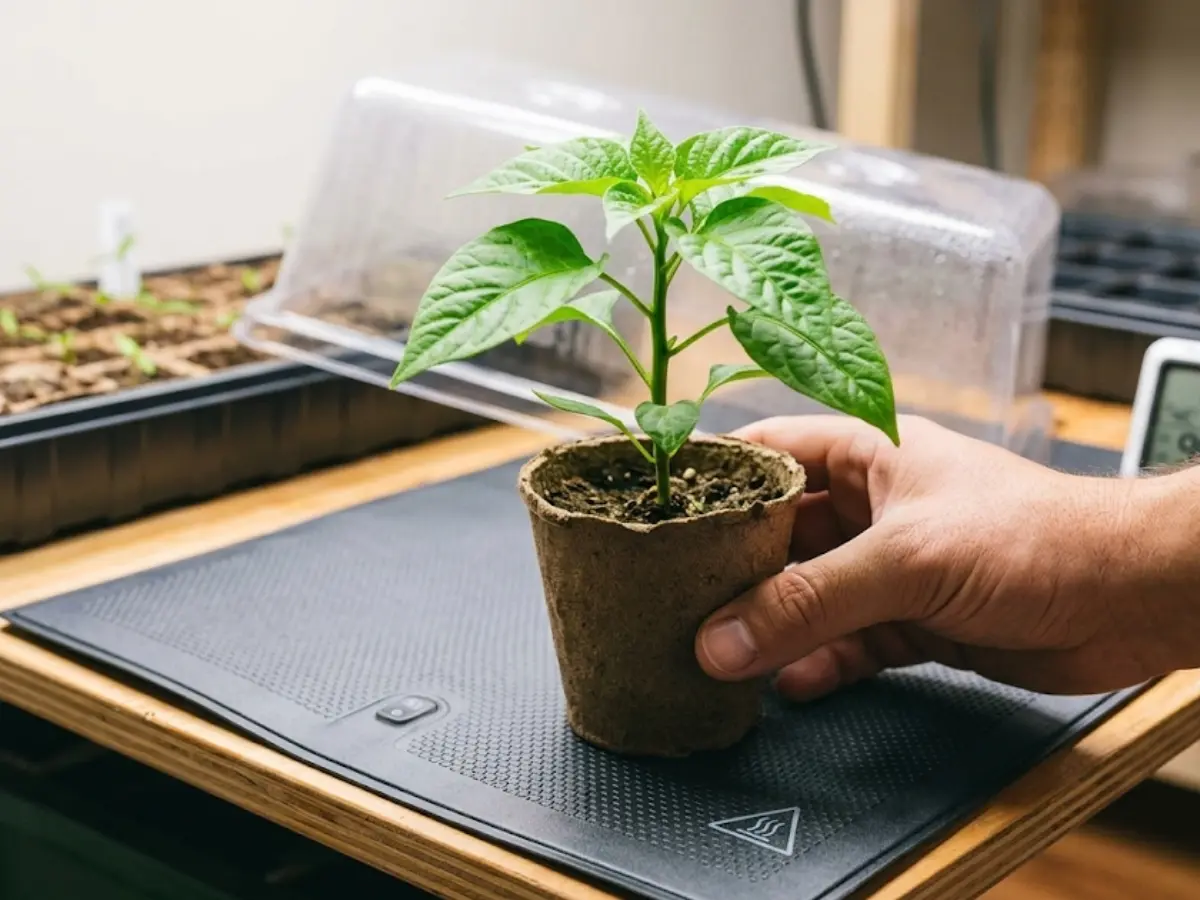
The biggest mistake beginners make is losing patience during germination. Unlike jalapeños, which pop up in a week, Carolina Reaper pepper seeds can take up to 21–30 ngày to sprout. They are notorious “sleepyheads.”
Think of the seed as a tiny engine that needs a jumpstart. To get them moving, you must use a seedling heat mat. Reapers crave a consistent soil temperature between 80°F and 85°F to germinate. Without that steady warmth, the seeds often rot in cold, damp soil before they ever see the sun.
I remember my first year; I spent a fortune on rare seeds and weeks hovering over windowsill trays, only to end up with zero sprouts and a lot of frustration. Now, I recommend skipping the “germination gamble” entirely.
By purchasing established seedlings, you’re not just buying a plant; you’re buying a 2-month head start and a guaranteed “strong heart” for your garden. Professional growers have already done the hard work of nursing them through their most vulnerable stage, so you can focus on the fun part: watching the fruit grow.
2. Don’t Rush the “Great Outdoors”
Sweet potatoes love heat, but Carolina Reapers are even more sensitive to the cold. A single night where temperatures drop below 50°F can “shock” a Reaper, causing it to drop its flowers or stop growing for weeks.
-
The Hardening Process: Because these plants spend so much time indoors getting a head start, they are “soft.” You must transition them to sunlight and wind over 10–14 days.
-
The 60°F Rule: Do not transplant them into the ground until nighttime temperatures are consistently above 60°F.
A great trick for those in shorter-season climates is using dark 5-gallon buckets or black fabric grow bags. These containers absorb solar heat much better than the ground, keeping the roots toasty even when the air gets a bit crisp.
You may like:
- 5 Tips for Growing Sweet Potatoes to Get the Biggest Sweet Potato Harvest Ever
- How to Grow Beauregard Sweet Potatoes: From Slips to a Bountiful Harvest
- How to Grow Okinawan Sweet Potatoes: From Slips to Potatoes
3. The “Stress Secret” for Maximum Heat
It sounds counterintuitive, but if you want the spiciest peppers possible, you have to be a little “mean” to your plants once they start producing fruit. This is called controlled water stress.
The heat in a pepper comes from capsaicin, which the plant produces as a defense mechanism. If the plant is too “comfortable” (perfectly watered and pampered), it has no reason to defend itself.
-
The Technique: Once your peppers have reached their full size but are still green, wait for the leaves to show the very first signs of wilting before you water them.
-
The Result: This slight stress signals the plant to pump more capsaicin into the pods, turning up the heat dial from “hot” to “nuclear.”
4. Calcium is Your Best Friend When Growing Carolina Reaper Peppers
There is nothing more heartbreaking than seeing a beautiful, gnarled Reaper pod develop “Blossom End Rot”, that nasty black spot on the bottom. This isn’t a disease; it’s a nutritional deficiency.
Reapers are heavy calcium lifters. Because they take so long to grow, they often exhaust the available calcium in the soil.
-
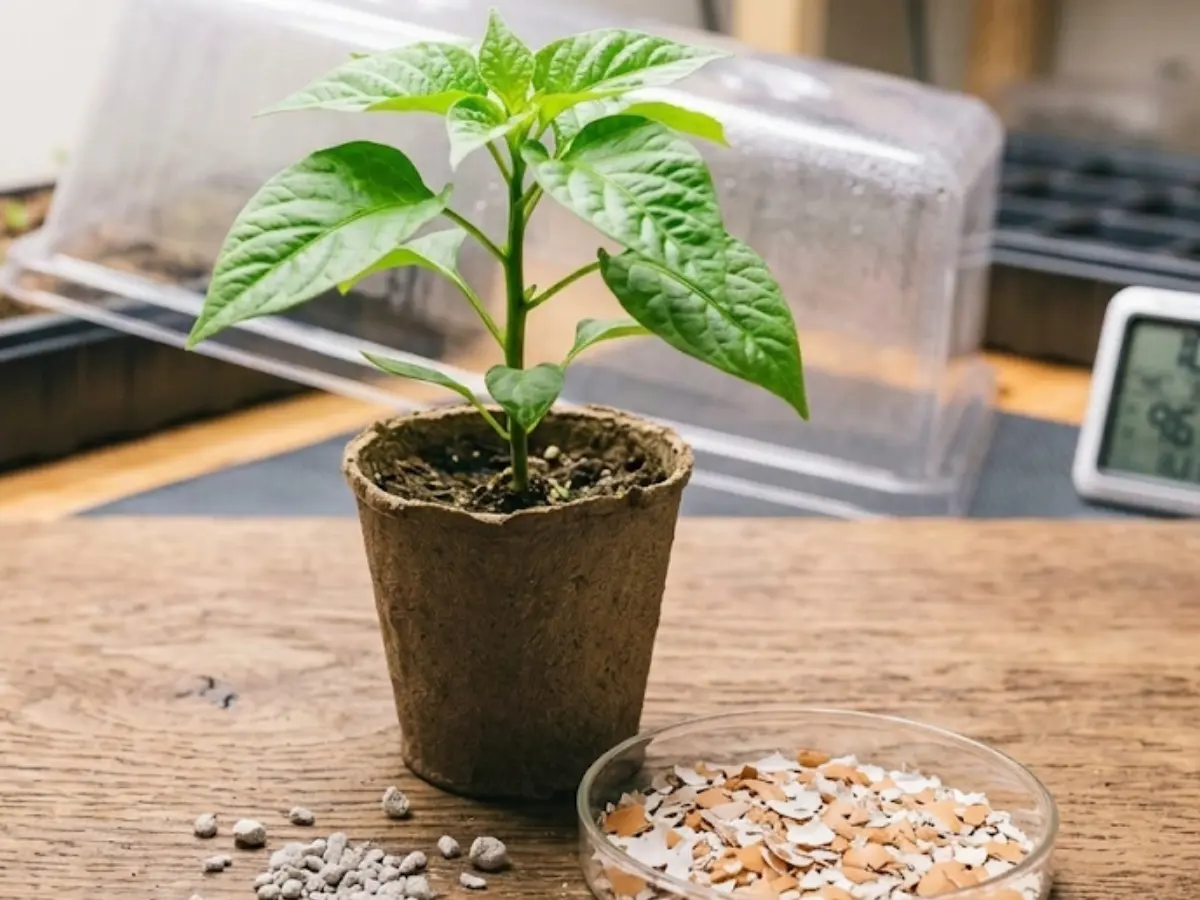
The Fix: When transplanting, add a handful of bone meal or crushed eggshells to the hole.
-
Pro Tip: If you see curling leaves or dropping buds during the height of summer, use a liquid calcium foliar spray. This ensures the energy transfer is efficient and prevents the pods from rotting before they can turn that warning-label red.
5. Give Them Time to Turn Red Carolina Reaper Peppers
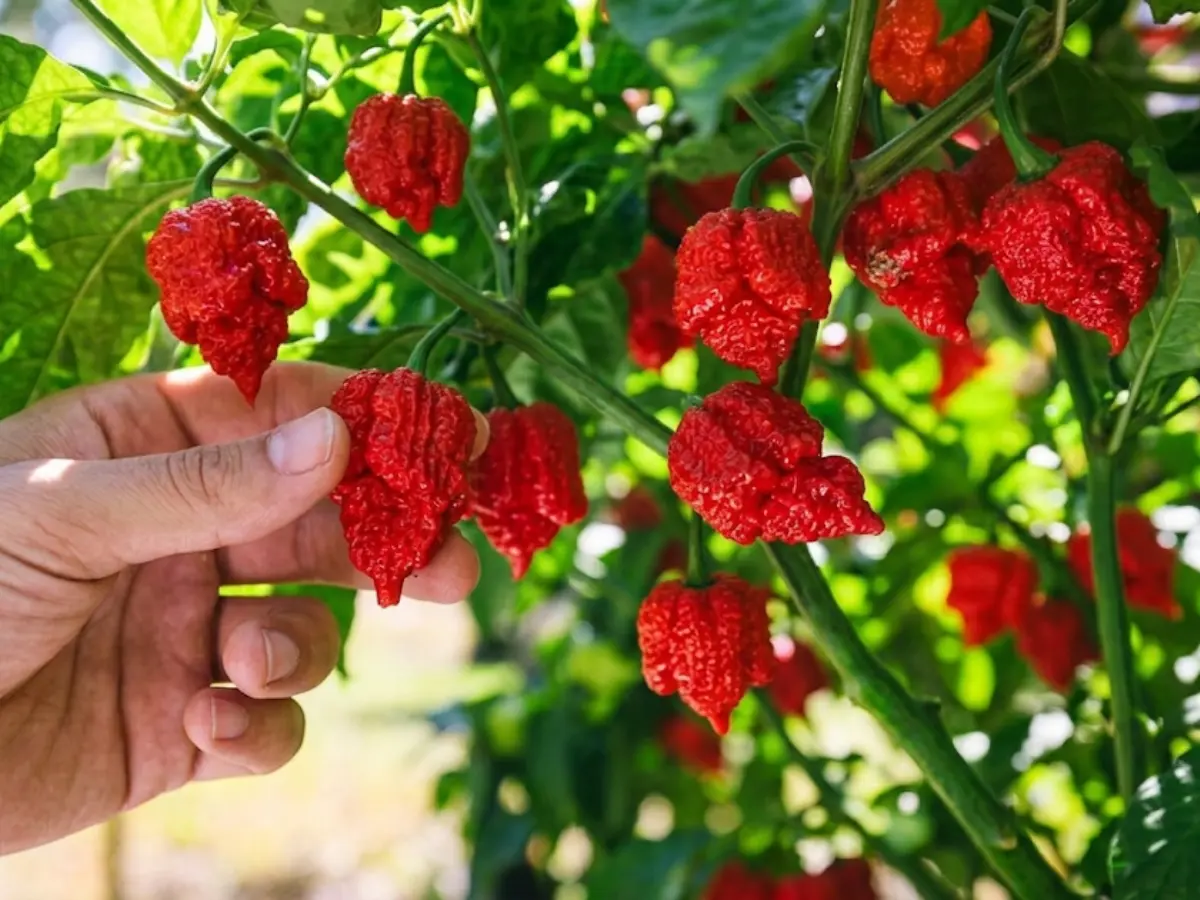
Patience is the final ingredient. A Carolina Reaper can stay green for what feels like an eternity. However, the flavor and the record-breaking heat only fully develop when they turn their characteristic vibrant, waxy red.
Why wait? Because a green Reaper is bitter and lacks the fruity, smoky undertones that make the heat bearable (barely!). Keep an eye on the “tail”—that signature scorpion-like stinger. Once the pod is fully red and the skin looks slightly wrinkled, it’s at its peak potency.
Safety Note: Always wear gloves when harvesting! The oils on the skin of a Reaper can cause “Hotsy Hands” or severe irritation if you touch your face. Treat them with the respect a world champion deserves.
Frequently Asked Questions (FAQs)
How long does it take for seedlings to harvest? By starting with a seedling, you save about 8 to 10 weeks of wait time! Generally, it takes about 90 days from transplanting to reach a full red harvest.
Can I grow them in pots? Absolutely. In fact, Reapers often do better in 5-gallon grow bags because you can control the soil temperature and drainage perfectly.
Why are my flowers falling off? This is usually “Blossom Drop,” caused by extreme heat (over 95°F) or a sudden shift in humidity. Keep the soil moist and provide some afternoon shade during intense heatwaves to help them recover.
When is the best time to plant in the US? Wait until two to three weeks after the last spring frost. The soil should feel warm (above 65°F). Since our seedlings already have a 2-month head start, planting them in late May or early June gives them the perfect summer window to explode with growth.
Should I prune my Reaper plants? Yes, practice some “tough love.” When your seedling is 6–8 inches tall, “top” it by snipping the main stem. This forces the plant to grow bushy and strong, creating a sturdy frame that can hold the weight of a massive harvest without snapping.
How do I get more flowers and fruit? If you see all leaves and no flowers, back off the Nitrogen. Switch to a Phosphorus-rich “bloom” fertilizer. Pro tip: Gently shake the plant or tap the stems daily. This mimics the wind and helps the flowers self-pollinate so they actually turn into peppers.
Conclusion
Growing Carolina Reapers is incredibly rewarding for any gardener looking to push their limits. By mastering the heat, strategically stressing the plants, and being patient with the ripening process, you are setting yourself up for a legendary harvest. Just remember: handle with care, and maybe keep a gallon of milk nearby when it’s time for the taste test!

Growing Garlic in Containers This Fall: A Complete Guide for Beginners
If you’ve ever wanted to pop fresh, aromatic garlic cloves straight from your own patio [...]
Sep
Growing Camellia Sinensis (Tea Plants) in Containers: A Complete Guide for Beginners
If you’ve ever wanted to sip a steaming, homegrown cup of fresh green, black, or [...]
Aug
6 Best Shrubs to Plant in August You Must Try
Have you ever walked through a nursery late in the summer, admired the vibrant shrubs [...]
Aug
Growing Everbearing Strawberries in Containers: A Complete Guide for Beginners
Want to grow sweet, fresh strawberries but do not have a large garden? Everbearing strawberries [...]
Aug
Growing Egyptian Walking Onions in Containers: A Complete Guide for Beginners
If you’re looking for a hardy, no-fuss perennial onion that keeps on giving year after [...]
Jul
Growing Carolina Reaper Peppers in Pots: A Complete Guide for Beginners
If you’ve ever wanted to add some serious, record-breaking heat to your home cooking, you’ve [...]
May