
Dec
Blog
7 Vegetables to Plant in December for a Bountiful Winter Harvest
Winter gardening is a challenge many new gardeners shy away from. But if you’re among those who feel the winter months bring nothing but barren soil and lost growing opportunities, it’s time to rethink your approach. Imagine stepping into your backyard in mid-February, plucking fresh, crisp vegetables from your garden that you’ve been growing all winter long. Doesn’t that sound appealing? The key to achieving this winter bounty is understanding which vegetables to plant in December, a month that offers the perfect conditions for growing hardy crops that will flourish even in the coldest temperatures.
In this article, we’ll explore seven vegetables that are perfect for planting in December. We’ll also discuss practical tips on preparing your garden for winter, why these vegetables are ideal for this time of year, and how to protect your garden from frost.
Why You Should Plant Vegetables in December
When winter rolls in, many gardeners think it’s time to pack away their gardening tools until spring. However, planting in December is not only possible but can be incredibly rewarding. December presents a unique opportunity to grow certain vegetables that thrive in cold temperatures. The soil is still workable, and some cold-hardy crops actually taste better after being exposed to frost.
Planting in December can help you:
-
Extend your growing season: By planting in the winter months, you set yourself up for an early spring harvest.
-
Save money: Growing your own vegetables means less need to buy expensive produce during the off-season.
-
Enjoy fresh produce: With a little effort, you can have fresh vegetables even during the colder months, offering more variety in your winter meals.
But, what vegetables can you plant now? Let’s dive into the top seven vegetables to plant in December, especially for gardeners in the US.
Top 7 Vegetables to Plant in December
1. Garlic
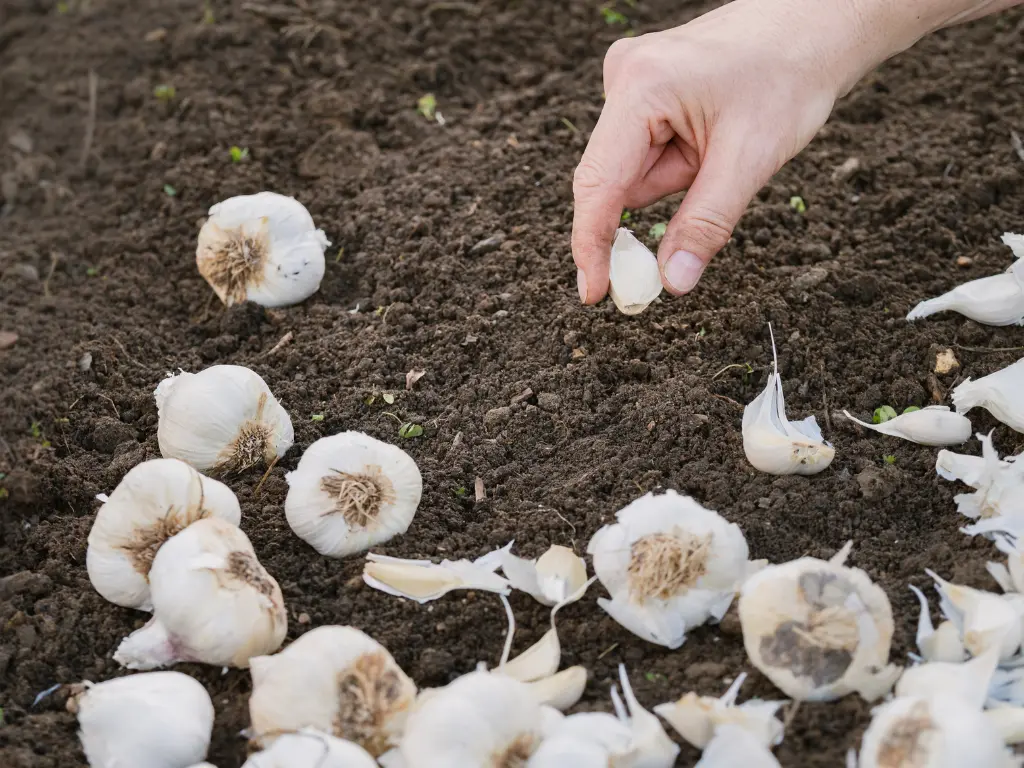
December is the ideal time to plant garlic for a spring harvest. Garlic is a hardy bulb that survives cold winters and begins sprouting in early spring. Planting garlic in December will allow it to establish roots over the winter and start growing as soon as the weather warms up. Garlic grows best in well-drained, fertile soil.
Tip: Make sure to plant garlic cloves with the pointy end facing up for best results.
Read more:
- When and How to Plant Garlic in Fall for Best Results
- Best Types of Garlic You Must Grow Once in Your Garden
- Avoid These 10 Garlic Planting Mistakes for Bigger, Healthier Bulbs
2. Kale
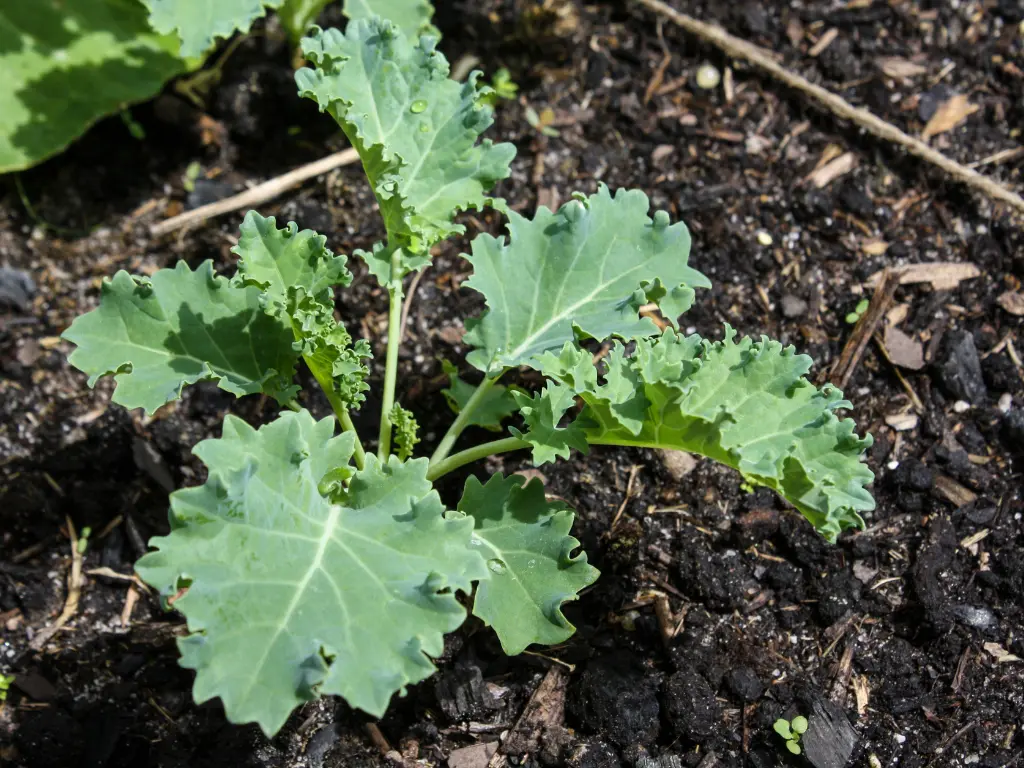
Kale is a true cold-weather vegetable. This leafy green is packed with nutrients and is perfect for planting in December. It can survive freezing temperatures, and the frost actually enhances its flavor, making it even sweeter. To grow kale in December, you’ll need well-drained soil and plenty of sunlight. It’s perfect for colder zones and can be harvested throughout the winter and early spring.
Tip: Protect your kale from harsh winds by using row covers or cold frames.
You may like: Guide to Breeding Your Own Red Leaf Kale: A Step-by-Step Journey
3. Spinach
Spinach is another vegetable that thrives in cool weather. By planting spinach in December, you’ll be able to harvest fresh greens in early spring. Spinach grows well in soil that’s rich in organic matter and requires moderate sunlight. Even during frosty nights, spinach is frost-tolerant and will keep growing slowly in the winter.
Tip: Use mulching to keep the soil temperature steady and protect the roots from freezing.
4. Carrots
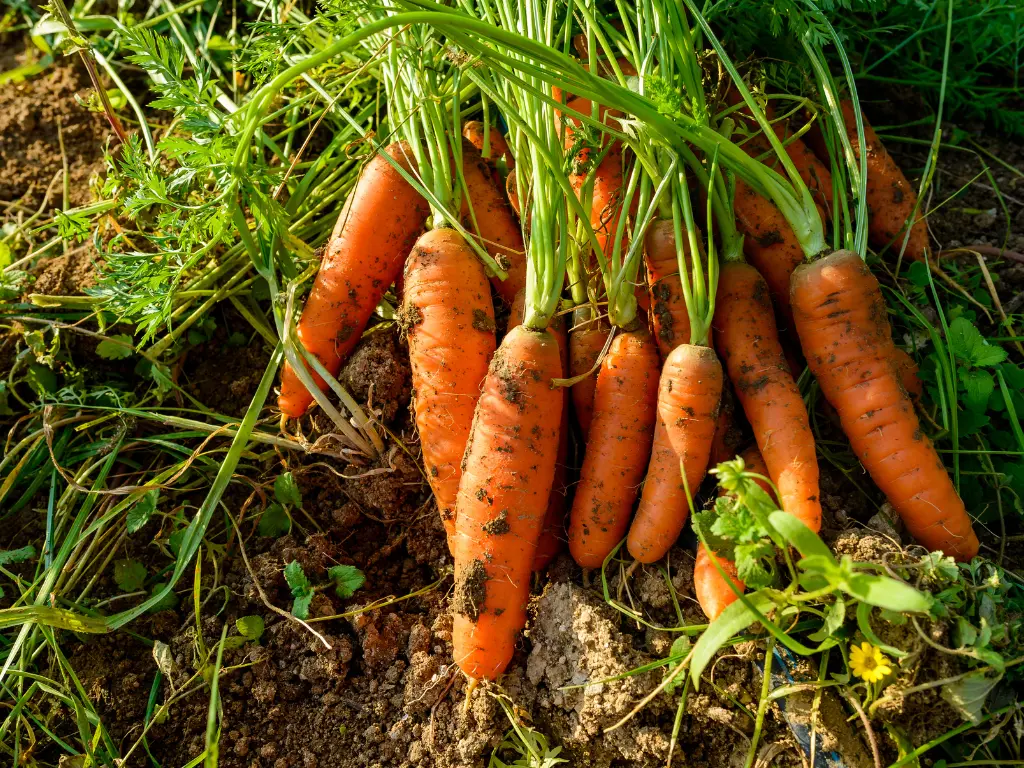
Carrots are a winter wonder, particularly when planted in December. These root vegetables can withstand light frost and actually benefit from it, becoming sweeter as the cold temperatures break down the starches in the roots. Carrots can be grown in well-draining, loose soil, and you’ll need to thin them out as they grow for optimal root development.
Tip: Make sure to space your carrots properly to avoid overcrowding, which can stunt their growth.
You may like: How to Grow Yacon Tubers: The Sweet, Giant Root from South America
5. Broccoli
Broccoli is a great winter vegetable that performs well when planted in December. While it may take a bit longer to mature than other vegetables, it thrives in the cool weather of winter. Broccoli grows best in soil that’s rich in compost, and the colder weather slows down the growing process, leading to a higher concentration of nutrients.
Tip: Protect broccoli with cloches or row covers to shield it from frost and pests.
6. Peas
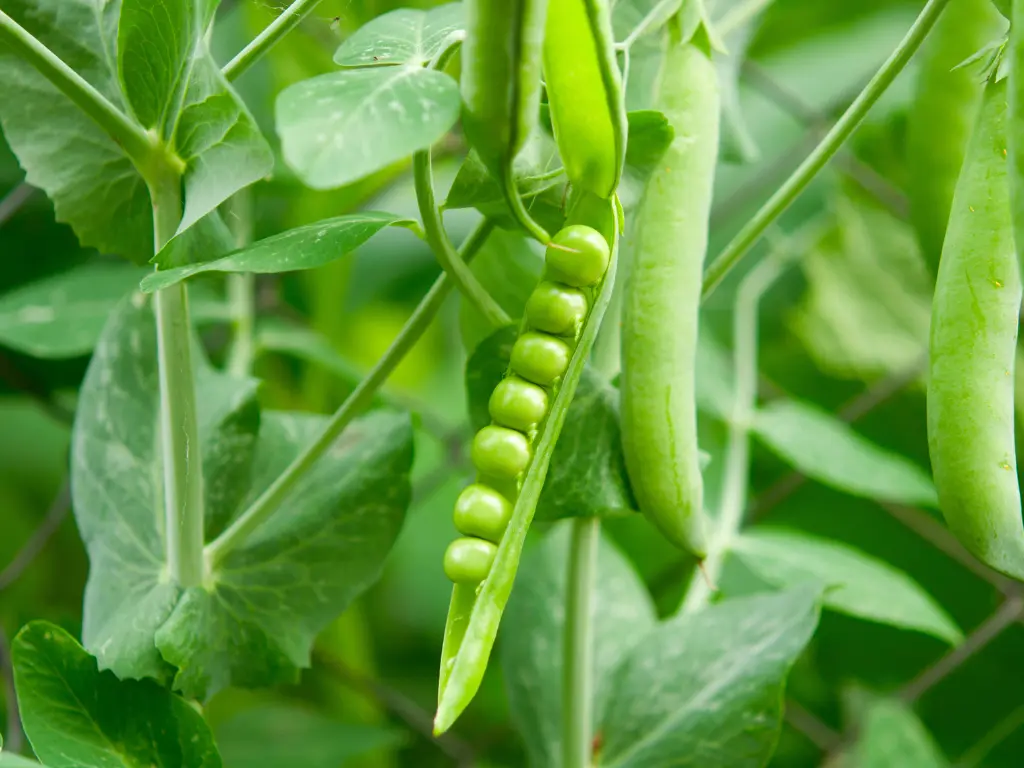
Peas are a great vegetable to plant in December, especially if you’re looking to harvest early in the spring. They thrive in cool temperatures and will grow steadily through the winter if properly protected. These climbing plants can be grown on trellises or in raised beds. Peas will start sprouting as the temperatures warm in spring.
Tip: Use a support structure like a trellis to help your peas grow vertically, saving space in your garden.
7. Swiss Chard
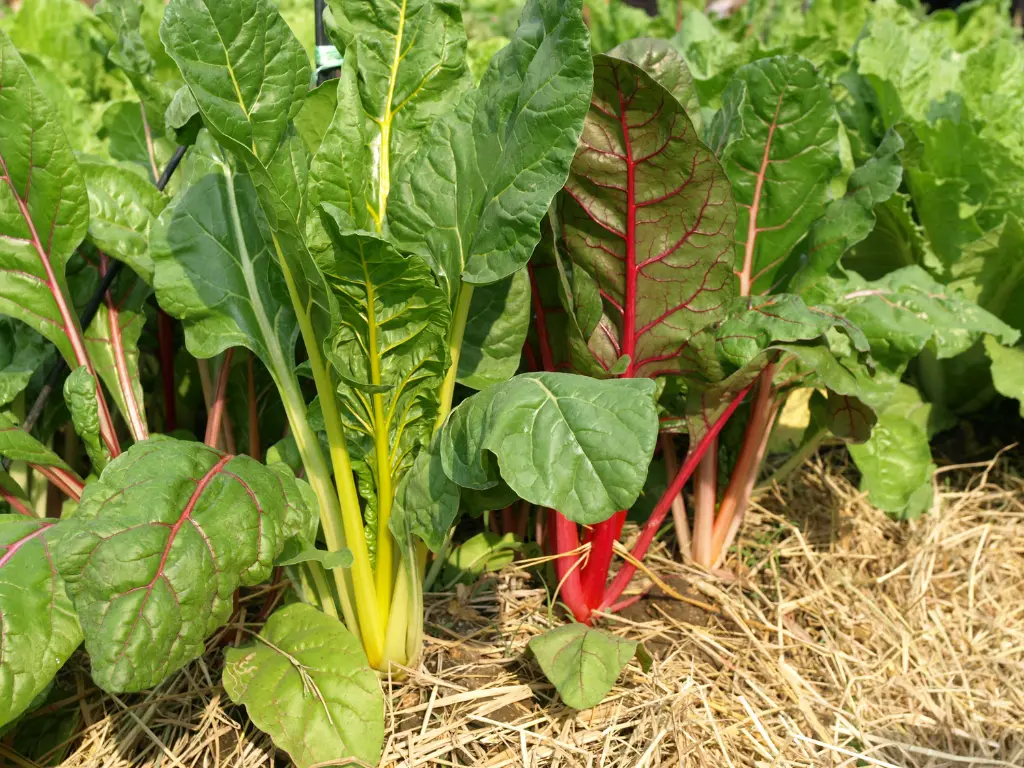
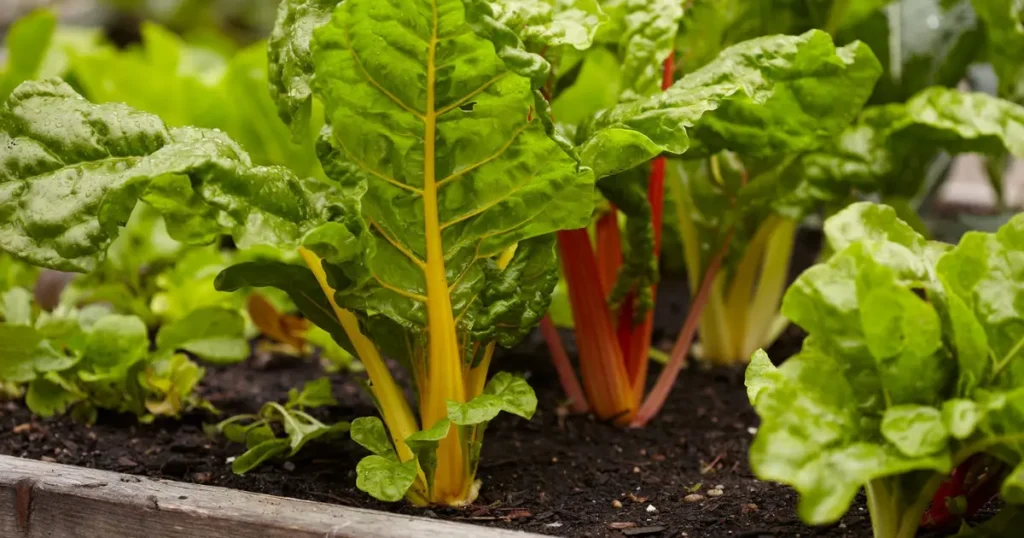
Swiss chard is a versatile and hardy vegetable that can survive frost and even snow. Its leaves can be harvested all winter long, making it a great addition to your winter garden. Swiss chard prefers nutrient-rich soil and can be planted in rows for easy harvesting. It’s also relatively low-maintenance and grows quickly in the colder months.
Tip: Use a row cover or cold frame to protect your Swiss chard from extreme cold spells.
Preparing Your Garden for December Planting
Before you plant these vegetables, there are a few steps you’ll want to follow to ensure your garden is ready for winter planting.
-
Prepare the soil: Ensure that the soil is loose and well-draining. Add compost or organic matter to improve fertility and drainage, particularly for root vegetables like carrots and garlic.
-
Choose a sunny location: Even in winter, vegetables need sunlight. Pick a spot in your garden that gets at least 6 hours of sunlight a day.
-
Consider raised beds or containers: In colder climates, raised beds or containers can warm up faster in the winter sun and offer better drainage.
-
Use cold frames or row covers: Protect your plants from frost and wind by covering them with cold frames or row covers. These will help trap heat and protect delicate plants from the harsh winter elements.
Overcoming Common Winter Gardening Challenges
Gardening in December is not without its challenges. While the winter months provide some advantages, there are a few obstacles you’ll need to address:
-
Cold temperatures: Some plants, especially those not listed above, might not survive freezing temperatures. Be sure to select frost-tolerant vegetables for winter gardening.
-
Limited sunlight: Shorter days and lower sunlight levels can slow down plant growth. To combat this, choose vegetables that thrive in low-light conditions, or consider adding supplemental grow lights if you’re gardening indoors.
-
Slower growth: Vegetables planted in December will generally grow more slowly than in warmer months. Patience is key, but the wait will be worth it when you harvest your crops in early spring.
Conclusion
Gardening in December can seem daunting, but with the right knowledge and preparation, you can enjoy a productive winter garden that provides fresh vegetables throughout the colder months. By planting hardy vegetables like kale, spinach, carrots, and garlic, you can extend your growing season and even get a head start on spring produce. With a little attention to detail, such as using cold frames, row covers, and mulching, your winter garden can thrive.
So, what are you waiting for? Grab your gardening gloves and start planting these winter vegetables now to enjoy a fresh, homegrown harvest when spring arrives.
Frequently Asked Questions
Q1: Can I really grow vegetables in winter?
Yes, many vegetables are cold-hardy and can grow in winter, especially if protected with row covers or cold frames.
Q2: How do I protect my plants from frost during winter gardening?
You can use row covers, cold frames, or cloches to shield your plants from frost and cold temperatures.
Q3: What vegetables grow best in the winter?
Cold-weather crops like kale, spinach, broccoli, and garlic thrive in winter conditions and are ideal for planting in December.
Q4: How do I prepare my garden for winter planting?
Make sure your soil is rich in compost, select a sunny location, and consider using raised beds or containers for better drainage and warmth.

Best Time to Plant Bougainvillea: Timing for Vibrant Blooms
If you’re looking for a hardy tropical vine that delivers a riot of neon color, [...]
Feb
How to Propagate Purple Passion Plants (Gynura aurantiaca)
Have you ever been mesmerized by the neon-purple glow and fuzzy, velvet-like leaves of a [...]
Feb
How to Grow Beauregard Sweet Potatoes: From Slips to a Bountiful Harvest
Are you ready to add a classic, heavy-hitting favorite to your vegetable patch? If you’ve [...]
Feb
7 Expert Tips to Grow Lush Ivy Indoors: A Beginner’s Guide
Are you tired of seeing the same old Pothos vines in every corner of your [...]
Feb
7 Reasons Why Tamarillo Trees Are a Garden Must-Have
Once you start growing a garden, you will keep finding more reasons to add more [...]
Jan
Comfrey Companion Planting: What to Grow Next to Your Comfrey Patch?
Have you ever looked at that lush, fast-growing patch of comfrey in the corner of [...]
Jan