
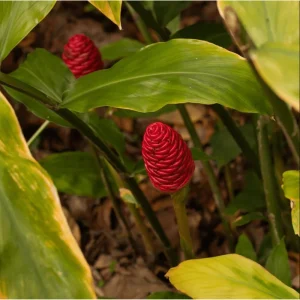
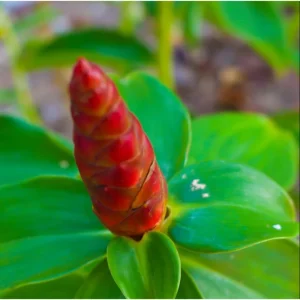
15 Shampoo Ginger Rhizomes – Live Awapuhi Roots for Planting – Zingiber Zerumbet Bare Root Plant
Original price was: $49.99.$39.99Current price is: $39.99.
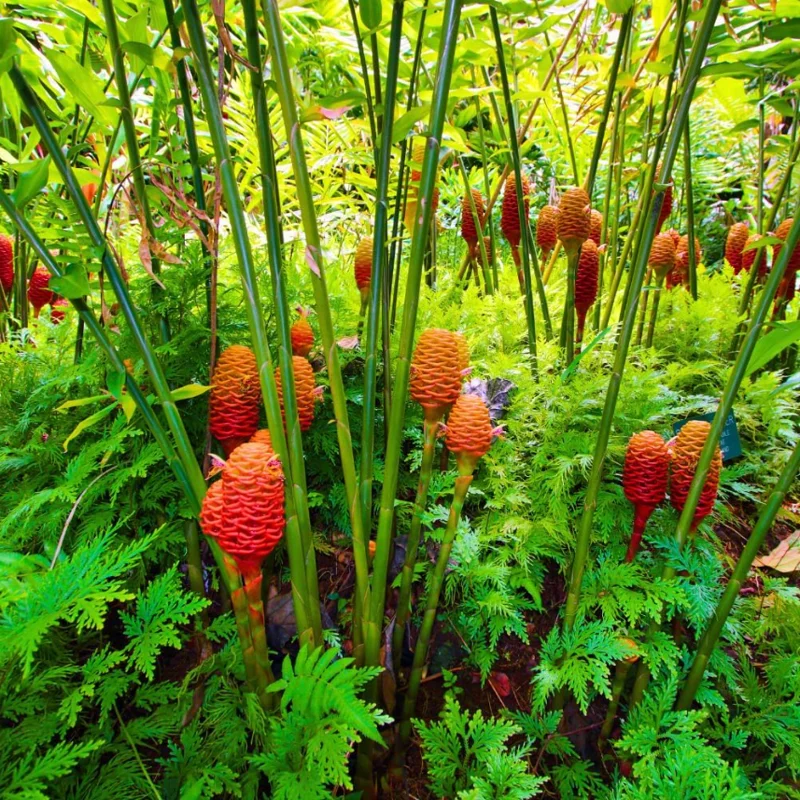
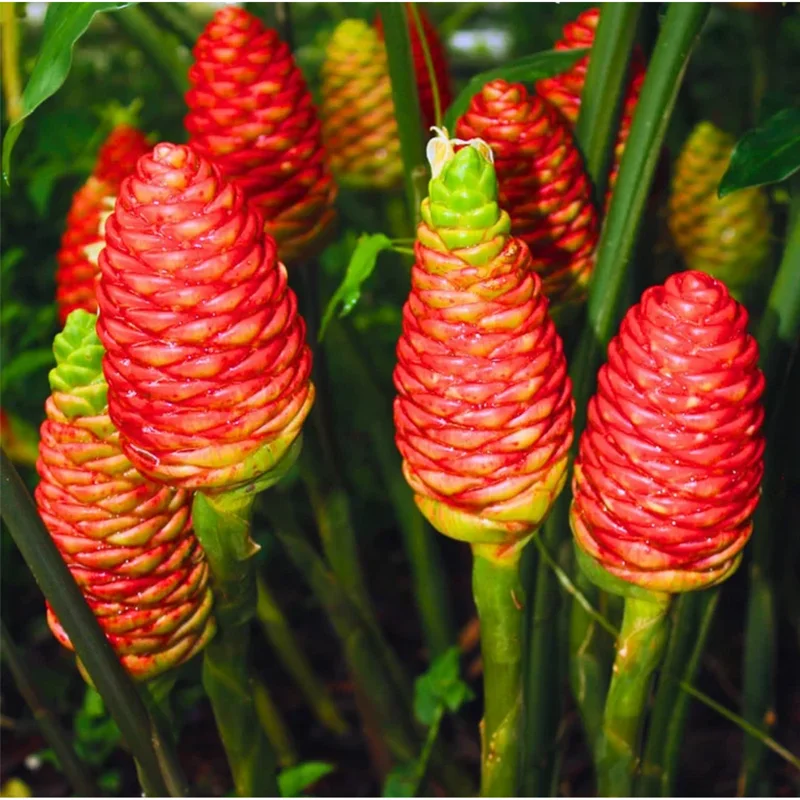
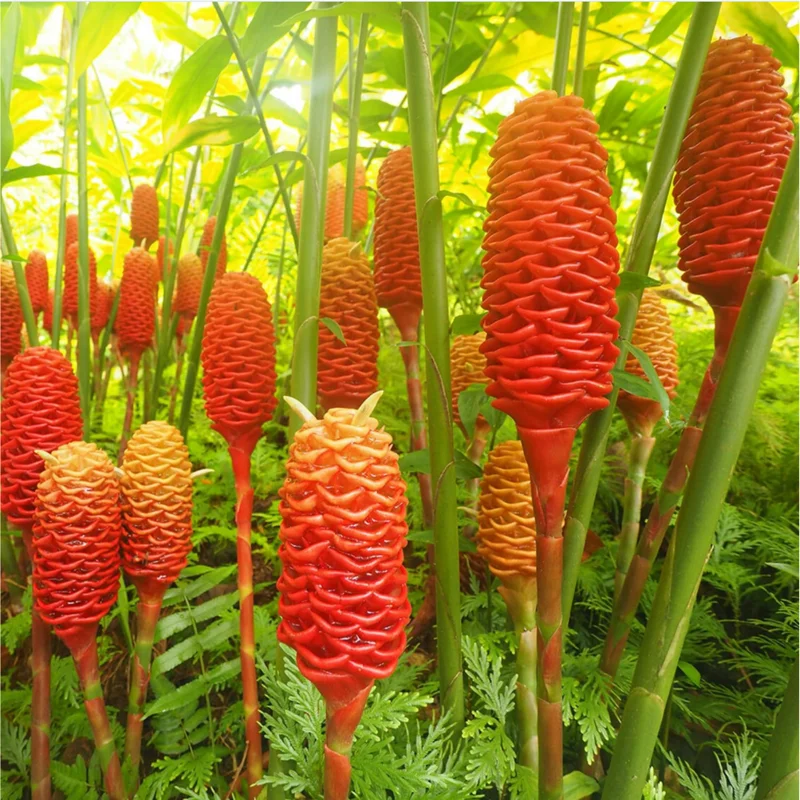
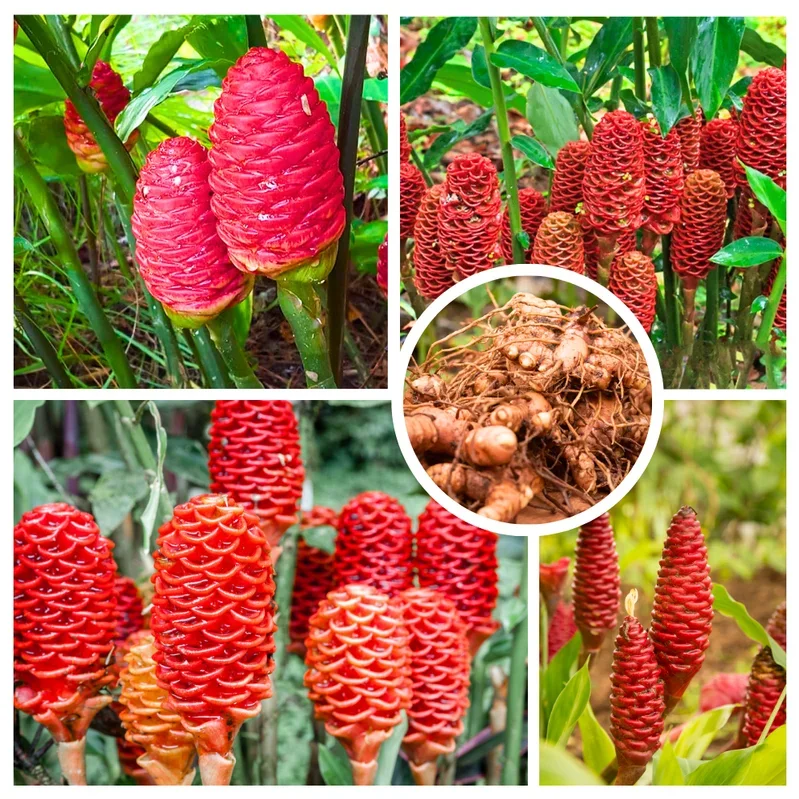
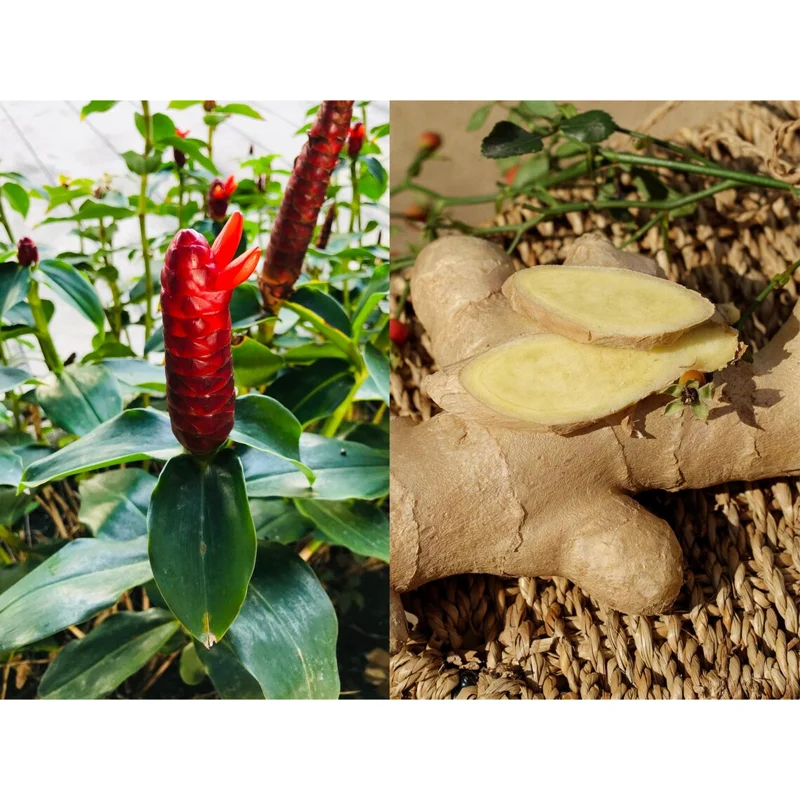
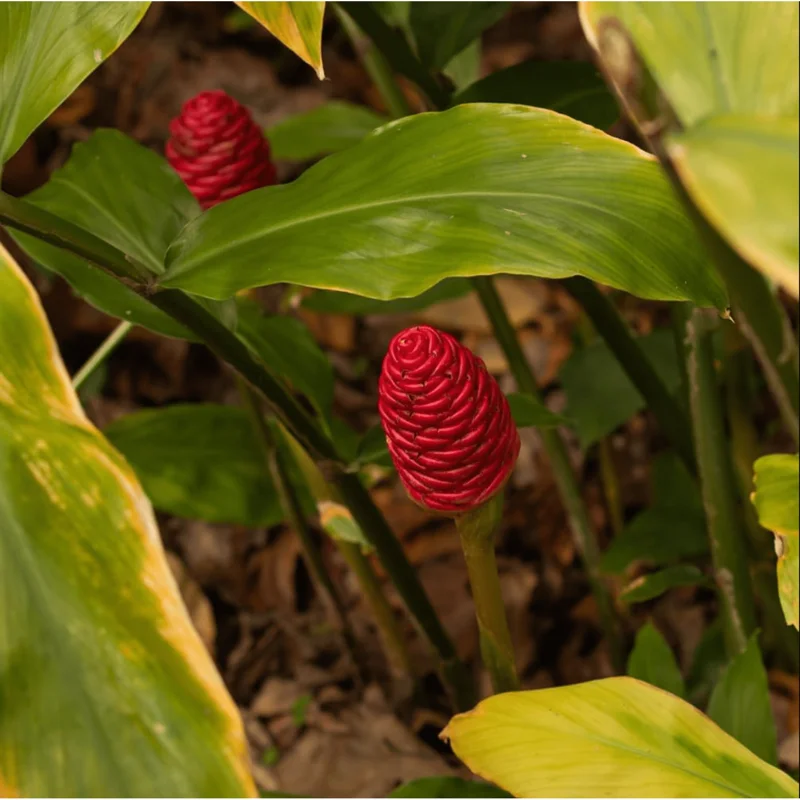
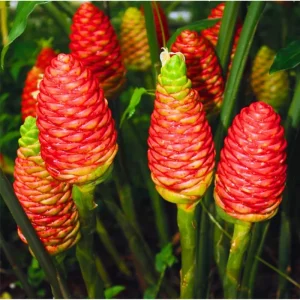
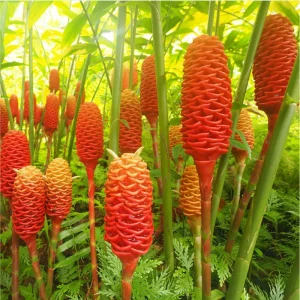
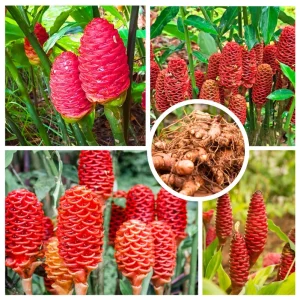
Cultivate your own source of natural hair care with 15 shampoo ginger rhizomes. These live awapuhi roots, scientifically known as zingiber zerumbet, produce fragrant, cone-like flowers with a slimy liquid used as a natural shampoo and conditioner. Perfect for tropical to subtropical climates, these bare roots are ready for planting ginger and offer both ornamental and practical benefits.
Estimated arrival
Apr 01
Apr 06 - Apr 08
Apr 11 - Apr 15

Reasonable Price
We offer reasonable price

Support 24/7
Contact us 24 hrs a day

100% Money Back
You've 30 days to Return

Payment Secure
100% secure payment
Overview
Discover the wonders of the shampoo ginger rhizomes, an extraordinary perennial plant known for its unique red, pinecone-like inflorescences. This listing provides 15 shampoo ginger rhizomes for you to plant and cultivate your own supply of this remarkable botanical. Scientifically named Zingiber zerumbet, it is commonly known as Awapuhi, Pinecone Ginger, or Wild Ginger. Originating from tropical regions, this live plant offers both ornamental beauty and practical uses. The distinctive flowers produce a fragrant, mucilaginous liquid that has been traditionally used as a natural hair shampoo and conditioner, making it a truly unique addition to any garden or indoor space where climates permit. Beyond its cosmetic applications, the rhizomes themselves have been recognized for medicinal properties and can even add a bitter, flavorful note to cooking. When you choose to cultivate these awapuhi roots, you are embracing a plant with rich cultural history and diverse benefits.
Known for its striking appearance and valuable uses, zingiber zerumbet is a must-have for plant enthusiasts and those seeking natural alternatives. These bare-root rhizomes are ready for immediate planting upon arrival, ensuring a fresh start for your new ginger plants. Whether you’re an experienced gardener or just beginning your journey into growing unique botanicals, these shampoo ginger rhizomes provide an exciting and rewarding experience. Imagine harvesting your own natural shampoo right from your garden!
Key Benefits
Growing shampoo ginger rhizomes offers a multitude of advantages, transforming your garden or home into a source of natural beauty and utility. These benefits extend from aesthetic appeal to practical applications and plant health:
- Natural Hair Care Source: The primary allure of Awapuhi is its ability to produce a fragrant, conditioning liquid from its mature flowers, perfect for a natural, chemical-free hair wash. This makes the plant an excellent choice for those interested in a natural shampoo plant.
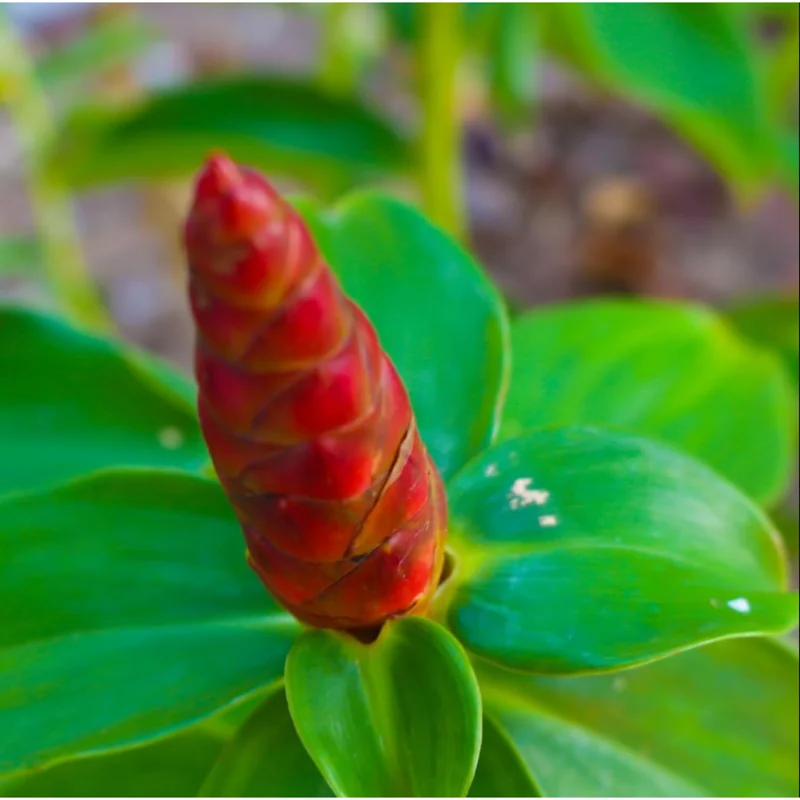
- Ornamental Value: With its lush green foliage and distinctive red, cone-shaped flowers, Zingiber zerumbet adds a unique tropical flair and visual interest to any garden or landscape.
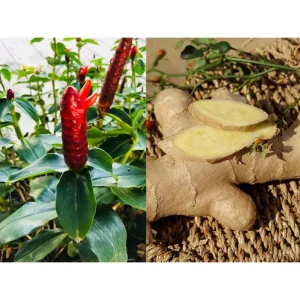
- Medicinal Properties: Traditionally, the rhizomes have been used in various cultures for their potential medicinal benefits, adding another layer of value to this versatile plant.
- Culinary Potential: While primarily known for its shampoo-like properties, the rhizomes can also be used sparingly in cooking to impart a unique, bitter flavor, offering culinary diversity.
- Easy to Grow: Once established in the right conditions, these awapuhi roots are relatively low-maintenance, thriving with moderate watering and warm temperatures.
- Fragrant Blooms: The mature pinecone-like flowers not only provide a functional liquid but also emit a pleasant, subtle fragrance, enhancing your garden’s aroma.
- Unique Conversation Starter: Owning and growing a plant that produces its own shampoo is undeniably a fascinating feature that will intrigue guests and garden visitors.
Plant Care & Growing Tips
Successful planting ginger, especially shampoo ginger rhizomes, requires attention to a few key environmental factors to ensure robust growth and abundant blooms. These plants thrive in conditions that mimic their native tropical and subtropical habitats. When you receive your 15 shampoo ginger rhizomes, it’s essential to prepare them for their new home. Plant them in rich, fertile, and most importantly, well-draining soil. Ginger plants are susceptible to rot if their roots sit in waterlogged conditions, so excellent drainage is paramount. Incorporating organic matter such as compost can significantly improve soil structure and fertility.
For sunlight, zingiber zerumbet prefers full sun to partial shade. In hotter climates, some afternoon shade can protect the leaves from scorching, while in cooler regions, more direct sun will encourage vigorous growth and flowering. The ideal temperature range for these plants is above 68°F, making them suitable for USDA zones where temperatures remain consistently warm. During active growth, moderate and regular watering is crucial to keep the soil consistently moist but never soggy. As winter approaches or during dormant periods, reduce watering significantly. Fertilize during the growing season with a balanced, slow-release fertilizer to support lush foliage and flower production. Watch for common pests like spider mites or mealybugs, and address them promptly with organic insecticidal soaps. Proper care will ensure your awapuhi roots flourish and produce their prized shampoo-like liquid.
Size & Details
This offering includes 15 shampoo ginger rhizomes, carefully selected for their viability and readiness for planting. Each rhizome is shipped bare root, meaning it will arrive without soil or a pot, allowing for easier transport and immediate planting in your chosen location. The size of individual rhizomes can vary but are typically robust enough to establish quickly. Once planted, Zingiber zerumbet is a moderately fast-growing perennial that can reach heights of 3 to 7 feet, with a spread of 2 to 4 feet, creating a striking presence in your garden. The distinctive red ‘pinecone’ inflorescences typically emerge in late summer to early fall, producing the sought-after liquid for natural hair care. Expect the plant to establish well within its first growing season, with mature blooms developing in subsequent years. The lush foliage provides a tropical backdrop even before the unique flowers appear, enhancing your landscape with its vibrant green.
Frequently Asked Questions
- Q: How big do these shampoo ginger rhizomes get once planted? A: Once established, shampoo ginger rhizomes can grow quite large, typically reaching heights of 3 to 7 feet tall with a spread of 2 to 4 feet. They form dense clumps over time, making them a significant presence in the garden.
- Q: Is this an indoor or outdoor plant? A: Zingiber zerumbet thrives outdoors in warm, tropical, and subtropical climates (USDA zones 9-11). In cooler regions, it can be grown in containers and brought indoors during colder months, or treated as an annual.
- Q: How much sunlight does the awapuhi plant need? A: The awapuhi roots prefer full sun to partial shade. In areas with intense summer heat, providing some afternoon shade can prevent leaf scorching and maintain plant health.
- Q: Is this plant easy to care for, especially for beginners? A: Yes, once established in the correct climate and soil conditions, shampoo ginger rhizomes are relatively easy to care for. They require consistent moisture during their active growing season and good drainage.
- Q: What condition will the shampoo ginger rhizomes arrive in? A: Your order of 15 shampoo ginger rhizomes will arrive fresh and healthy, shipped bare root. This means they will be without soil or a pot, ready for you to plant upon arrival.
- Q: When is the best time to plant these ginger rhizomes? A: The best time for planting ginger rhizomes is in the spring after all danger of frost has passed and soil temperatures have warmed up, ideally above 68°F. This allows them ample time to establish before the growing season.
- Q: Will the natural shampoo plant survive winter in my zone? A: Shampoo ginger rhizomes are hardy in USDA Zones 9-11. In zones below 9, they will not survive winter outdoors unless brought inside or heavily mulched to protect them from freezing temperatures.
- Q: How long until the shampoo ginger produces flowers with the liquid? A: Under ideal conditions, zingiber zerumbet typically starts producing its characteristic pinecone-like flowers in late summer to early fall, often in its second year of growth after planting.
- Q: Can I use the liquid from the flowers as a natural shampoo? A: Absolutely! The clear, fragrant, slimy liquid that collects in the mature red ‘pinecones’ is traditionally and effectively used as a natural shampoo and conditioner, rich in moisturizing properties. This is a key benefit of growing this natural shampoo plant.
- Q: What type of soil is best for planting ginger rhizomes? A: For optimal growth, plant your awapuhi roots in rich, fertile, and very well-draining soil. Amend heavy soils with sand, perlite, or organic compost to improve drainage and prevent rot.
Be the first to review “15 Shampoo Ginger Rhizomes – Live Awapuhi Roots for Planting – Zingiber Zerumbet Bare Root Plant”
-
USDA Hardiness Zone
USDA Zones 9-11 -
Soil Type
Rich, fertile, well-draining soil -
Sunlight Exposure
Full sun to partial shade -
Expected Planting Period
Spring to early summer
People Also Viewd
Sold 128 products
Original price was: $27.00.$24.00Current price is: $24.00.
Sold 127 products
Original price was: $89.99.$64.99Current price is: $64.99.
Sold 126 products
Original price was: $3,536.00.$23.99Current price is: $23.99.

Sold 125 products
Original price was: $86.99.$66.99Current price is: $66.99.
Sold 116 products
Original price was: $27.99.$16.99Current price is: $16.99.
Flower Bulbs
3 Cranesbill Wild Geranium Organic Maculatums Bare Roots | Wildflower for Outdoor Garden
Sold 114 products
Original price was: $21.99.$6.99Current price is: $6.99.
Sold 114 products
Original price was: $28.99.$17.99Current price is: $17.99.

Sold 109 products
Original price was: $63.99.$28.99Current price is: $28.99.RELATED posts
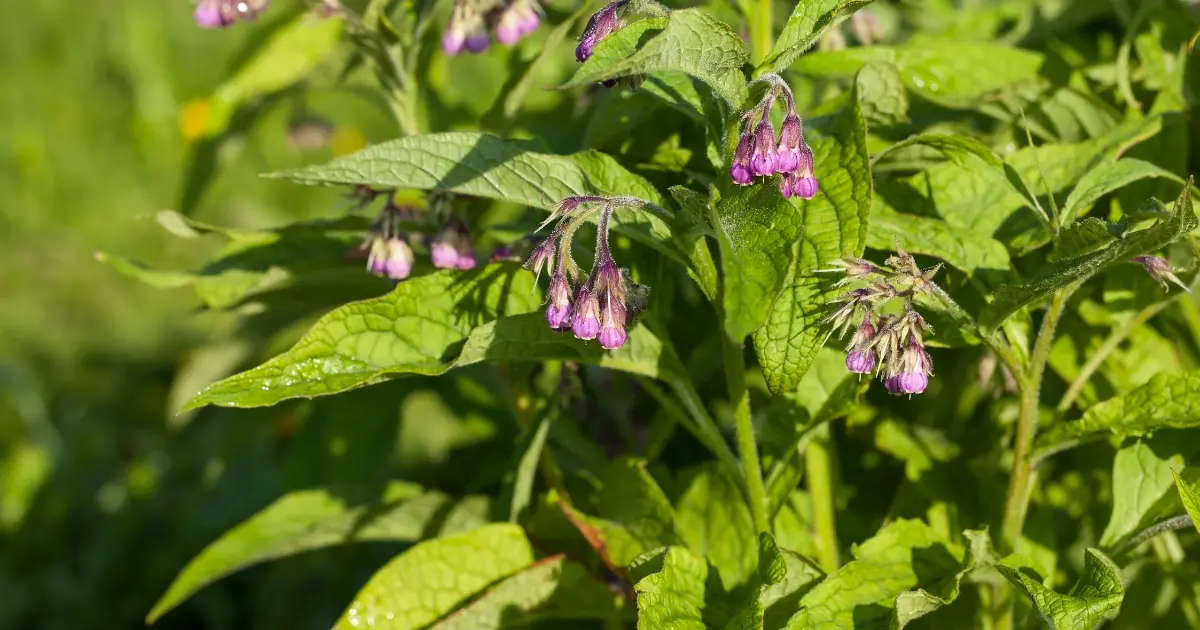
How to Identify Bocking 14 Comfrey: 5 Simple Visual Signs
If you’re growing comfrey for mulch, compost, or animal feed, knowing exactly which variety you [...]
Mar
Grand Duke of Tuscany Jasmine: The Ultimate Guide to Growing a Fragrant Masterpiece
Have you ever caught a scent in the air so rich, creamy, and honey-sweet that [...]
Mar
How to Grow Wild Huckleberries: A Guide to “Purple Gold”
Have you ever spent a summer afternoon hiking through the Pacific Northwest or the Rocky [...]
Mar
5 Best Shade-Loving Perennials for a Lush, Vibrant Garden
The world of gardening often shines a spotlight on sun-drenched blossoms, but there is a [...]
Mar

7 Common Curry Leaf Plant Problems: Easy Fixes for a Thriving Plant
Is your curry leaf plant looking a bit sad lately? Maybe you woke up to [...]
Mar
Best Time to Plant Bougainvillea: Timing for Vibrant Blooms
If you’re looking for a hardy tropical vine that delivers a riot of neon color, [...]
Feb
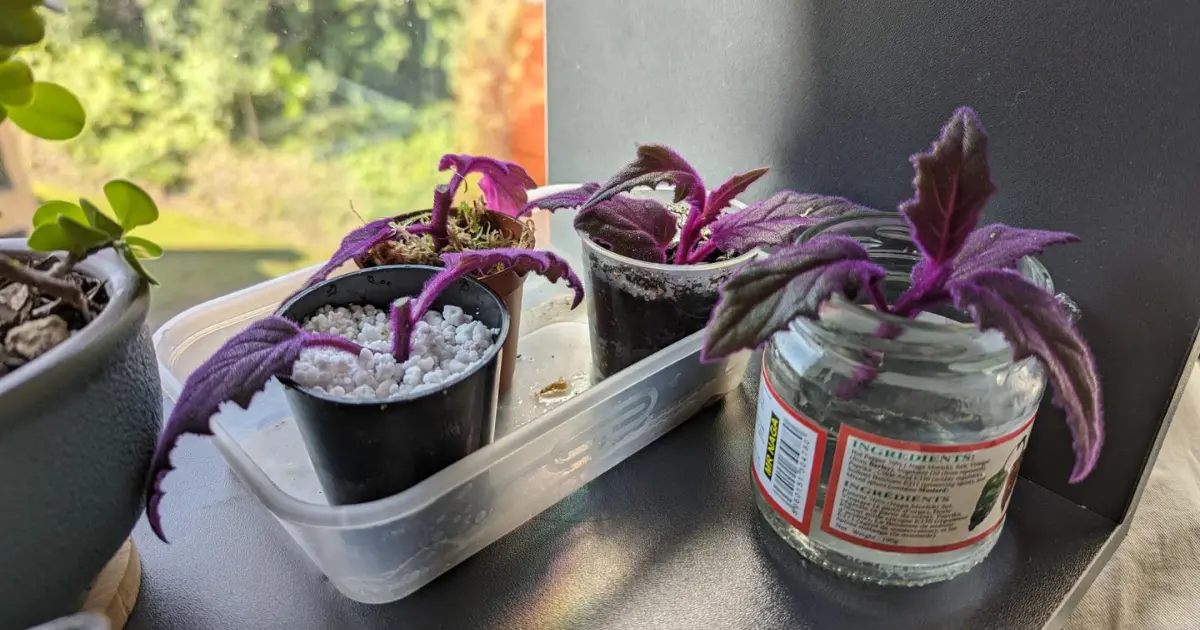
How to Propagate Purple Passion Plants (Gynura aurantiaca)
Have you ever been mesmerized by the neon-purple glow and fuzzy, velvet-like leaves of a [...]
Feb
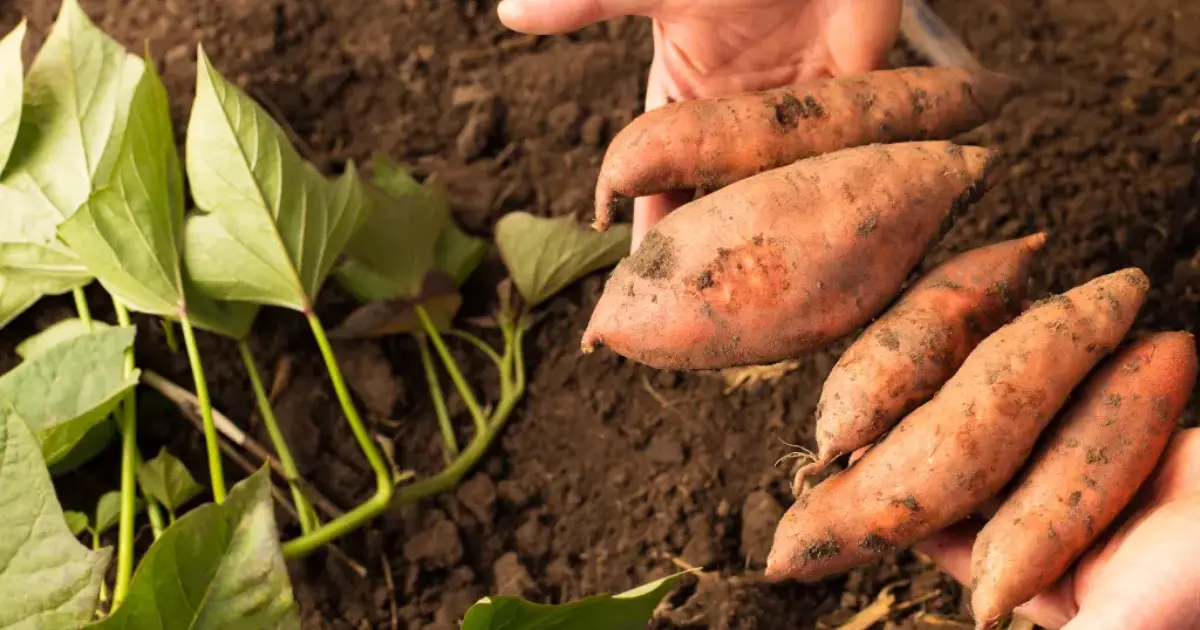
How to Grow Beauregard Sweet Potatoes: From Slips to a Bountiful Harvest
Are you ready to add a classic, heavy-hitting favorite to your vegetable patch? If you’ve [...]
Feb


Reviews
There are no reviews yet.