
2 American Hackberry Trees Live Plant – 1-2ft Tall Bare Root – Deciduous Shade Tree
Original price was: $76.98.$38.49Current price is: $38.49.
Enhance your landscape with a set of 2 American Hackberry trees. These 1-2ft tall dormant bare root plants are known for their exceptional hardiness and adaptability, thriving in various conditions to provide excellent shade. Perfect for attracting wildlife and establishing quickly.
Estimated arrival
Mar 26
Mar 31 - Apr 02
Apr 05 - Apr 09

Reasonable Price
We offer reasonable price

Support 24/7
Contact us 24 hrs a day

100% Money Back
You've 30 days to Return

Payment Secure
100% secure payment
Overview
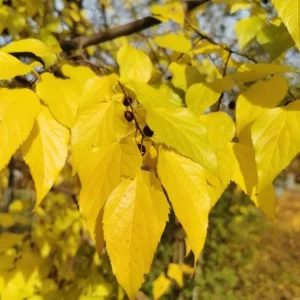
Introduce robust, native beauty to your garden with this set of 2 American Hackberry trees (Celtis occidentalis). These live bare root plants, measuring 1-2 feet tall, are an excellent choice for those seeking a durable and adaptable shade tree. Known for their strong growth and resilience, American Hackberry trees are well-suited for a variety of landscapes, from urban yards to naturalized areas and wildlife habitats. As dormant starter trees, they establish quickly once planted, making them a fantastic addition for both novice and experienced gardeners. Their ability to tolerate diverse growing conditions ensures a successful planting experience and a long-lasting, beneficial presence in your outdoor space.
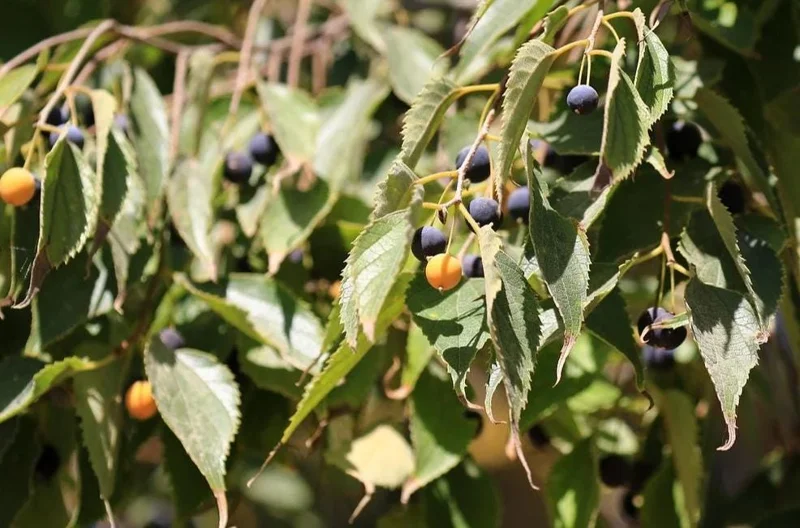
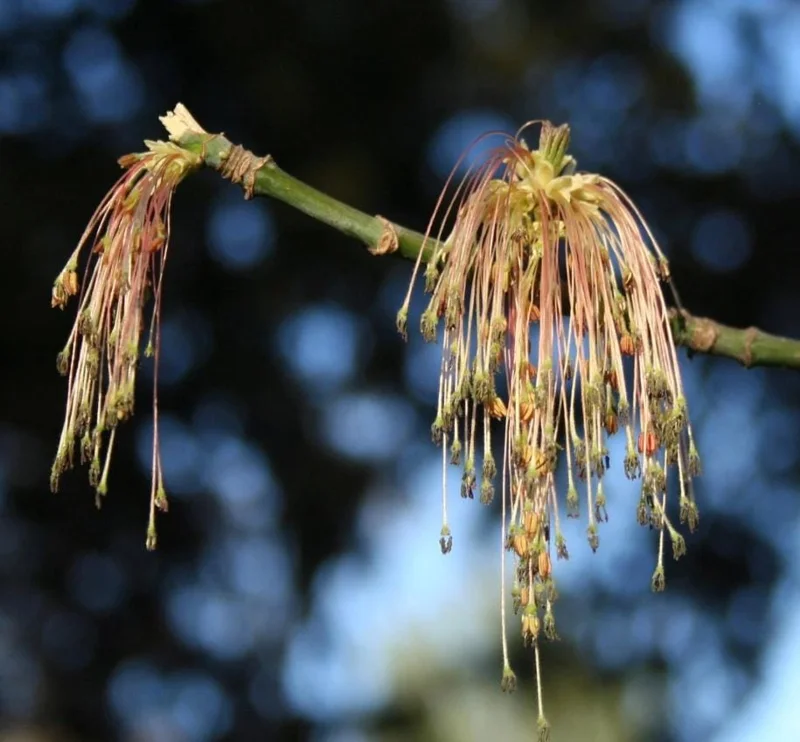
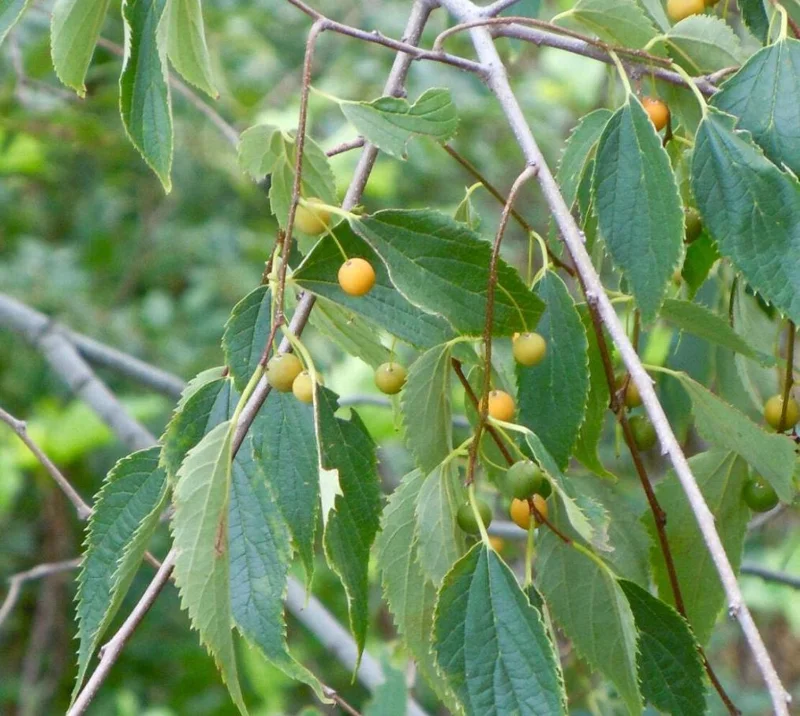
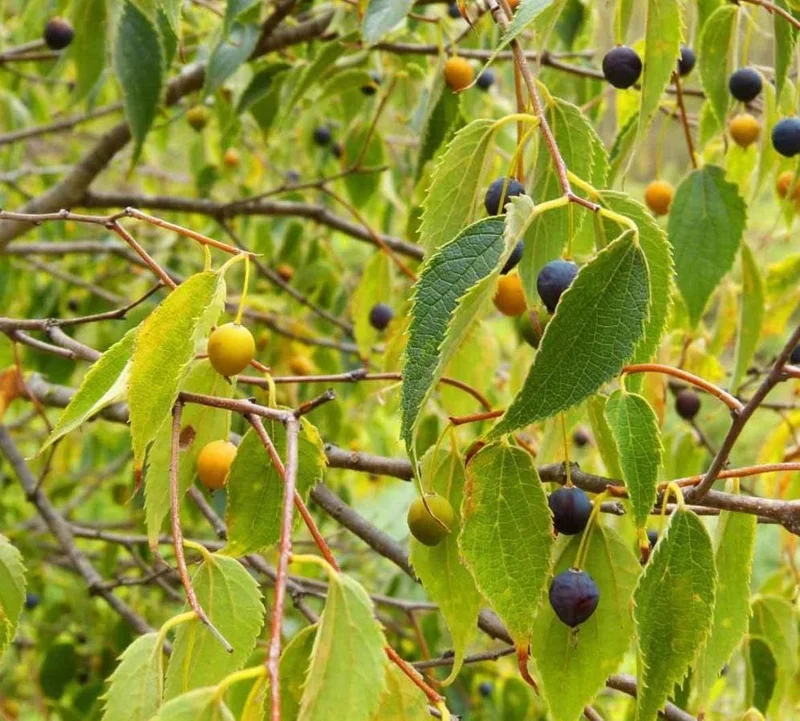
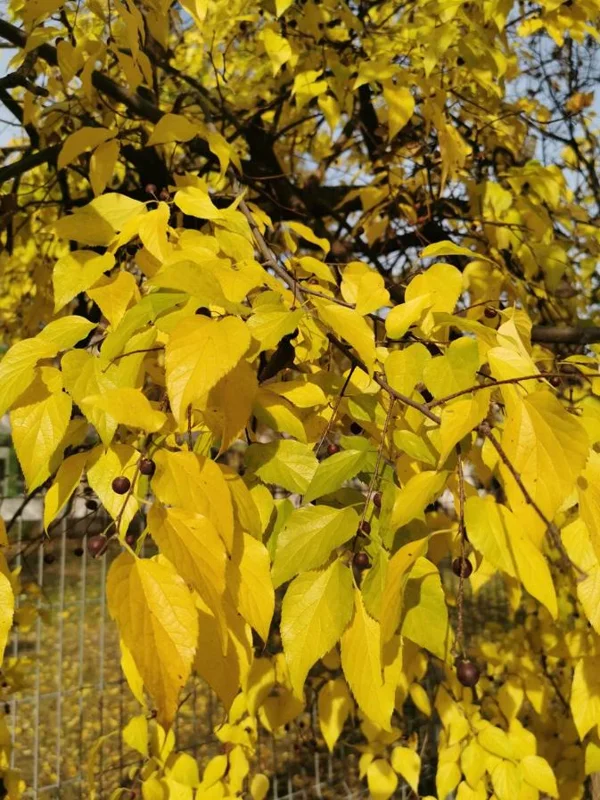
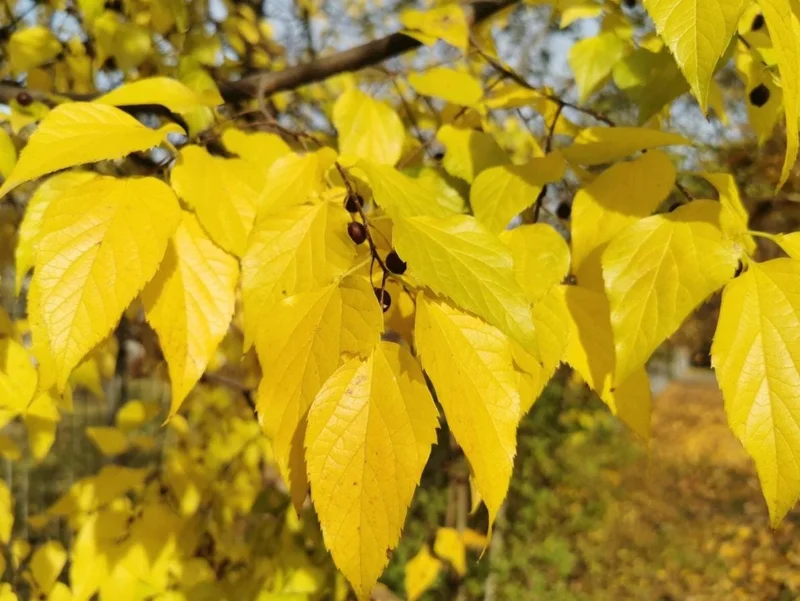
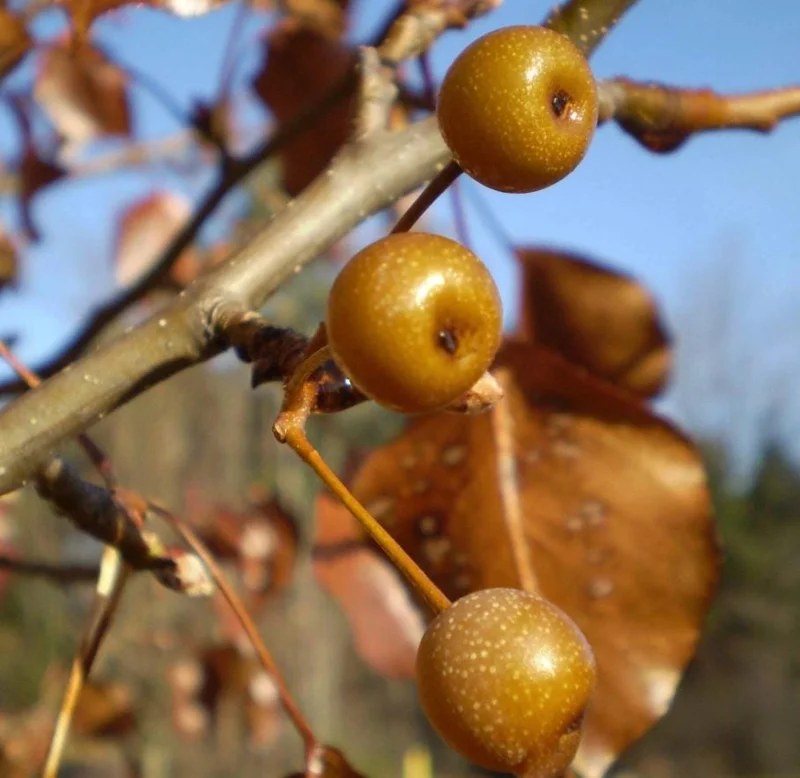
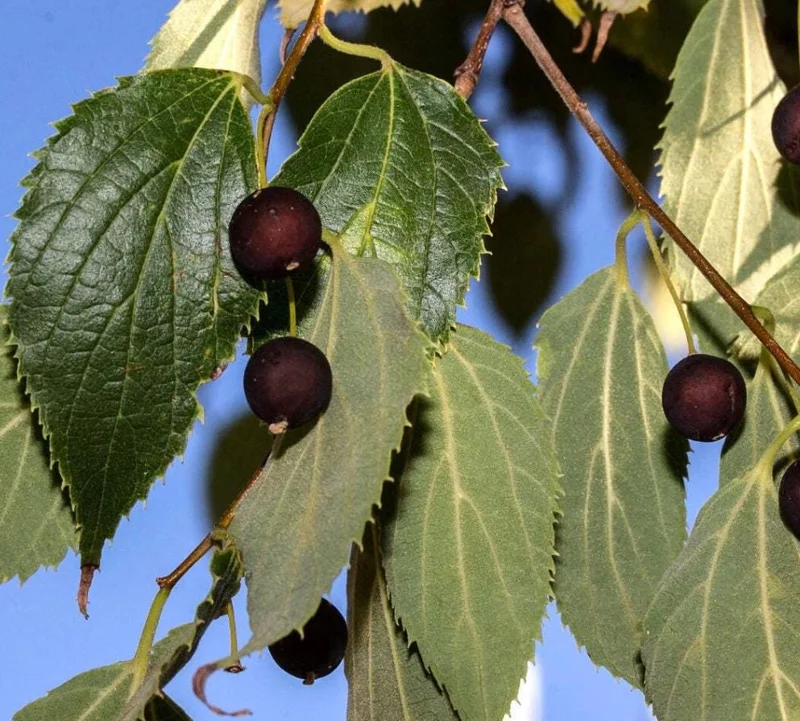
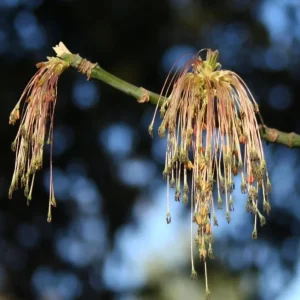
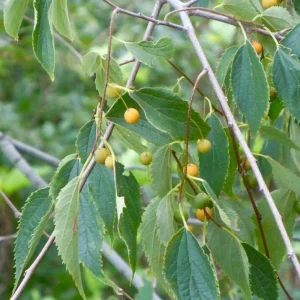
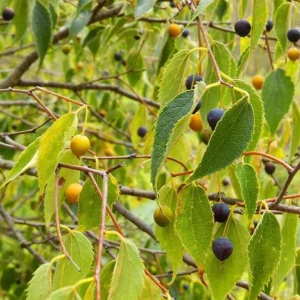
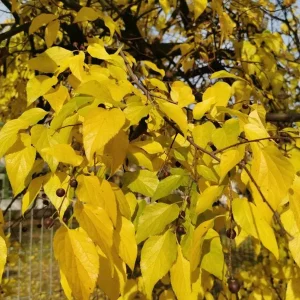
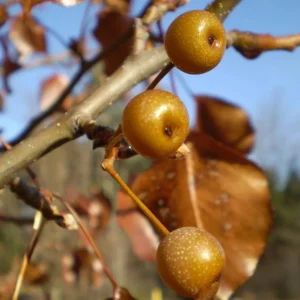
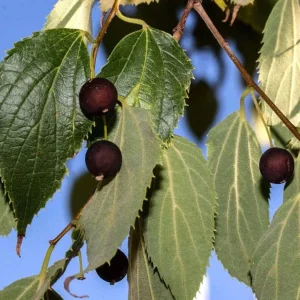
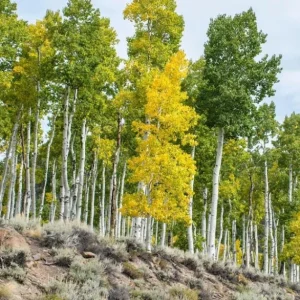
The Celtis occidentalis, commonly referred to as the American Hackberry, is a large deciduous shade tree highly prized for its exceptional durability. This species stands out for its tolerance to heat, wind, drought, and various soil types, making it a reliable choice for challenging environments. In the spring, it produces subtle flowers that give way to dark purple, berry-like fruits, a natural magnet for birds and other wildlife. Over time, the tree develops a wide, spreading canopy, providing ample shade and contributing significantly to the aesthetic and ecological value of your property. These native trees for wildlife also offer an excellent opportunity to support local ecosystems.
Key Benefits
Opting for American Hackberry trees brings a multitude of advantages to your landscape, blending aesthetic appeal with practical ecological benefits. Their inherent hardiness ensures they can withstand various environmental stresses, providing a reliable and long-term solution for shade and wildlife support. This makes them a smart investment for any gardener looking for a low-maintenance yet impactful addition.
- Exceptional Hardiness: These trees are incredibly tough, tolerating a wide range of conditions including heat, wind, drought, and various soil types, making them ideal for many climates and locations. This resilience contributes to straightforward hackberry tree care.
- Provides Excellent Shade: As they mature, American Hackberry trees develop a broad, dense canopy, offering substantial shade that can help cool your home and outdoor living spaces during warmer months.
- Attracts Wildlife: The small, dark purple berries produced in spring are a favorite food source for many bird species and other wildlife, enhancing biodiversity in your garden.
- Fast Establishment: Shipped as dormant bare root plants, these starter trees are designed to establish quickly once planted, allowing for rapid growth and development.
- Low Maintenance: Once established, Celtis occidentalis requires minimal care, making it a great choice for busy individuals or those new to gardening.
- Versatile Landscaping: Perfect for shade planting, windbreaks, natural landscaping projects, and creating wildlife habitats, adding value to any property.
- Native Species: Being a native species, it integrates seamlessly into local ecosystems and supports regional flora and fauna.
Plant Care & Growing Tips
Proper hackberry tree care begins with understanding their basic needs. American Hackberry trees are remarkably adaptable, making them relatively easy to grow. They thrive in full sun to partial shade, meaning they need at least 4-6 hours of direct sunlight per day for optimal growth, but can tolerate some afternoon shade, especially in hotter climates. When planting, ensure the soil is well-drained. While hackberries are tolerant of various soil types, they prefer moist, well-draining soil. Avoid areas where water tends to collect, as consistently waterlogged conditions can be detrimental to their root health.
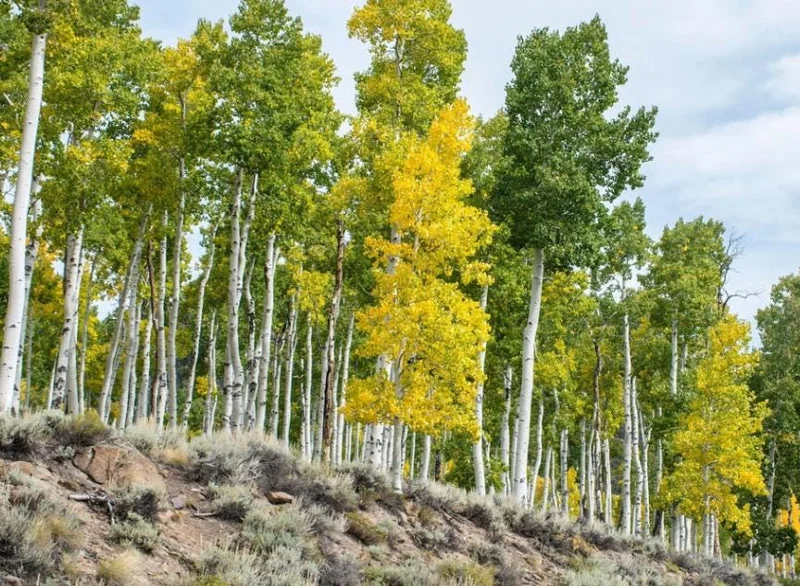
For watering, young American Hackberry trees will need regular moisture to help establish their root systems. Water deeply and consistently during their first growing season, especially during dry spells. Once established, they are quite drought-tolerant and will only require supplemental watering during prolonged periods of extreme dryness. These trees are hardy in USDA Zones 3–9, indicating a wide range of temperature tolerance, from very cold winters to hot summers. Fertilization is not typically required annually for established trees; however, a balanced slow-release fertilizer can be applied in early spring to young trees or those in poor soil to encourage healthy growth. Protect young trees from excessive wind and ensure they have adequate space to grow, as mature Celtis occidentalis can reach heights of 40–60 feet tall.
Size & Details
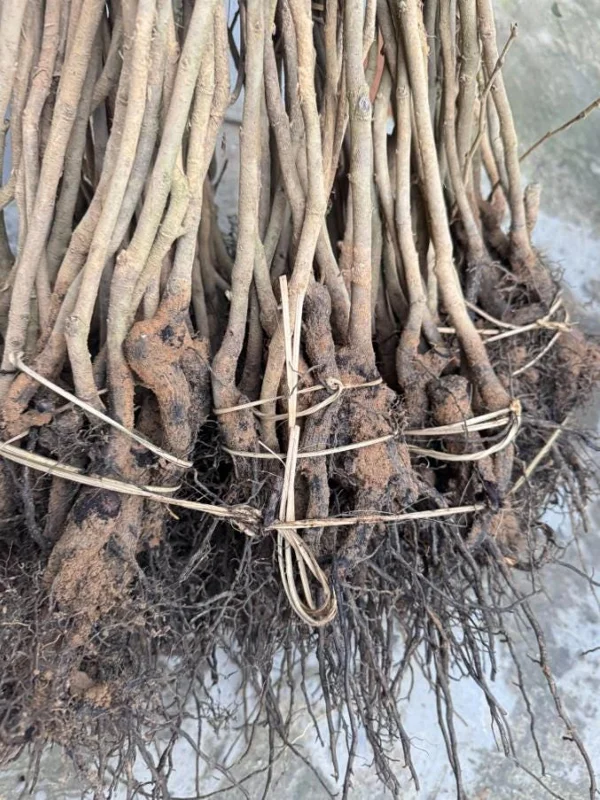
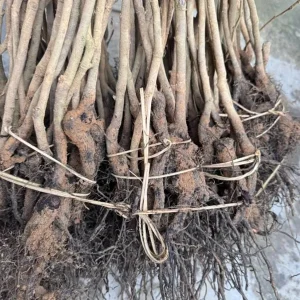
This offering includes two live American Hackberry trees. Each plant measures 1–2 feet tall at the time of shipment, providing a substantial starter size for immediate impact. They are shipped as dormant bare root plants, which means they arrive without soil or a pot, allowing for safer delivery and easier transplanting. This method encourages quick establishment in their new environment. These deciduous shade tree specimens are known for their relatively fast growth rate, especially once established, quickly developing into a prominent feature in your landscape. With proper care, they can grow to be large, majestic trees, reaching a mature height of 40-60 feet with a significant canopy spread, making them ideal for creating natural windbreaks or extensive shade areas. The robust nature of these plants ensures they will be a long-lasting addition to your garden.
Frequently Asked Questions
- Q: How big will these American Hackberry trees get? A: Mature American Hackberry trees can reach an impressive height of 40–60 feet tall with a broad canopy, making them excellent choices for large shade areas.
- Q: What condition will the trees arrive in? A: The trees are shipped as dormant bare root starter plants, meaning they arrive without soil or a pot. This is a common and effective method for shipping deciduous trees, ensuring safe delivery and good establishment.
- Q: How much sunlight do American Hackberry trees need? A: These trees thrive in full sun to partial shade, ideally receiving at least 4-6 hours of direct sunlight daily for optimal growth.
- Q: Is this an indoor or outdoor plant? A: American Hackberry trees are large outdoor deciduous shade trees, not suitable for indoor cultivation. They are meant for permanent landscape planting.
- Q: What kind of soil is best for Celtis occidentalis? A: While tolerant of various soil types, Celtis occidentalis prefers well-drained soil. They can adapt to both moist and drier conditions once established.
- Q: Are these trees good for attracting wildlife? A: Yes, American Hackberry trees are excellent native trees for wildlife. Their small, dark purple berries are a significant food source for birds and other small animals.
- Q: When is the best time to plant these bare root trees? A: Bare root trees are typically best planted in early spring before they break dormancy, or in late fall after they have gone dormant.
- Q: How quickly do American Hackberry trees grow? A: Once established, American Hackberry trees have a moderate to fast growth rate, allowing them to quickly develop into substantial shade trees.
- Q: Are they drought-tolerant? A: Yes, hackberry trees are known for their drought tolerance once established, making them a hardy choice for various climates. This contributes to easy hackberry tree care.
- Q: What USDA zones are suitable for these trees? A: These trees are hardy in USDA Zones 3–9, indicating a wide range of climates where they can successfully grow.
Be the first to review “2 American Hackberry Trees Live Plant – 1-2ft Tall Bare Root – Deciduous Shade Tree”
-
USDA Hardiness Zone
USDA Zones 3–9 -
Soil Type
Well-drained soil, adaptable to various types -
Sunlight Exposure
Full sun to partial shade -
Expected Planting Period
Early spring or late fall
People Also Viewd


Sold 128 products
Original price was: $27.00.$24.00Current price is: $24.00.

Sold 126 products
Original price was: $89.99.$64.99Current price is: $64.99.

Sold 125 products
Original price was: $3,536.00.$23.99Current price is: $23.99.

Sold 125 products
Original price was: $86.99.$66.99Current price is: $66.99.
Sold 116 products
Original price was: $27.99.$16.99Current price is: $16.99.

Flower Bulbs
3 Cranesbill Wild Geranium Organic Maculatums Bare Roots | Wildflower for Outdoor Garden
Sold 114 products
Original price was: $21.99.$6.99Current price is: $6.99.

Sold 114 products
Original price was: $28.99.$17.99Current price is: $17.99.
Sold 109 products
Original price was: $63.99.$28.99Current price is: $28.99.RELATED posts
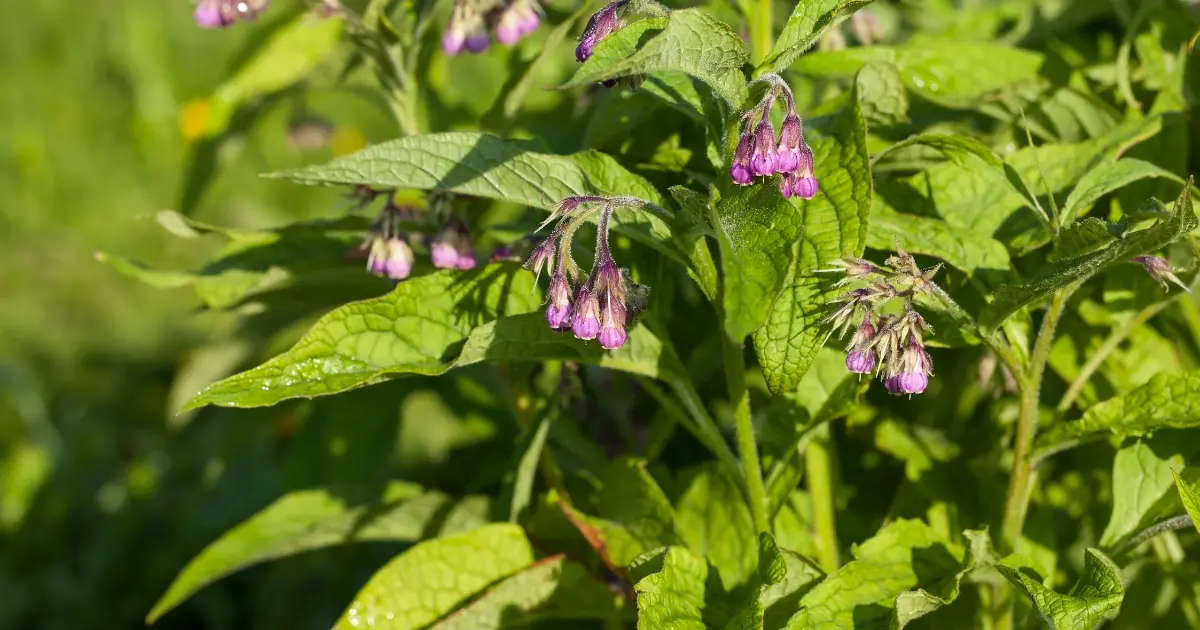
How to Identify Bocking 14 Comfrey: 5 Simple Visual Signs
If you’re growing comfrey for mulch, compost, or animal feed, knowing exactly which variety you [...]
Mar
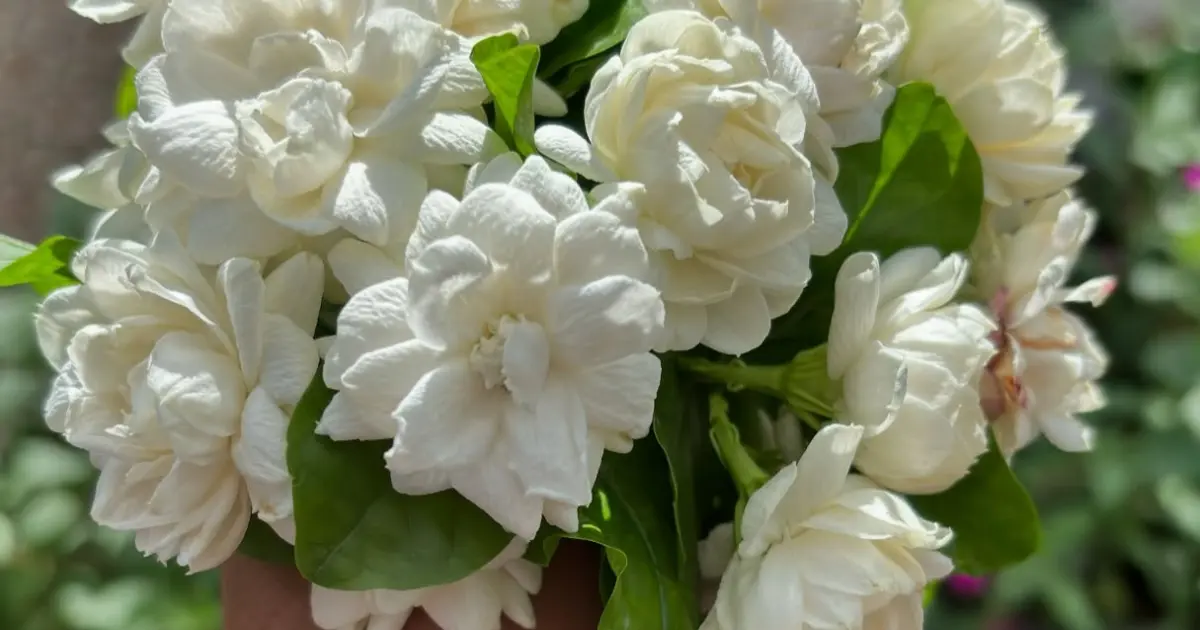
Grand Duke of Tuscany Jasmine: The Ultimate Guide to Growing a Fragrant Masterpiece
Have you ever caught a scent in the air so rich, creamy, and honey-sweet that [...]
Mar
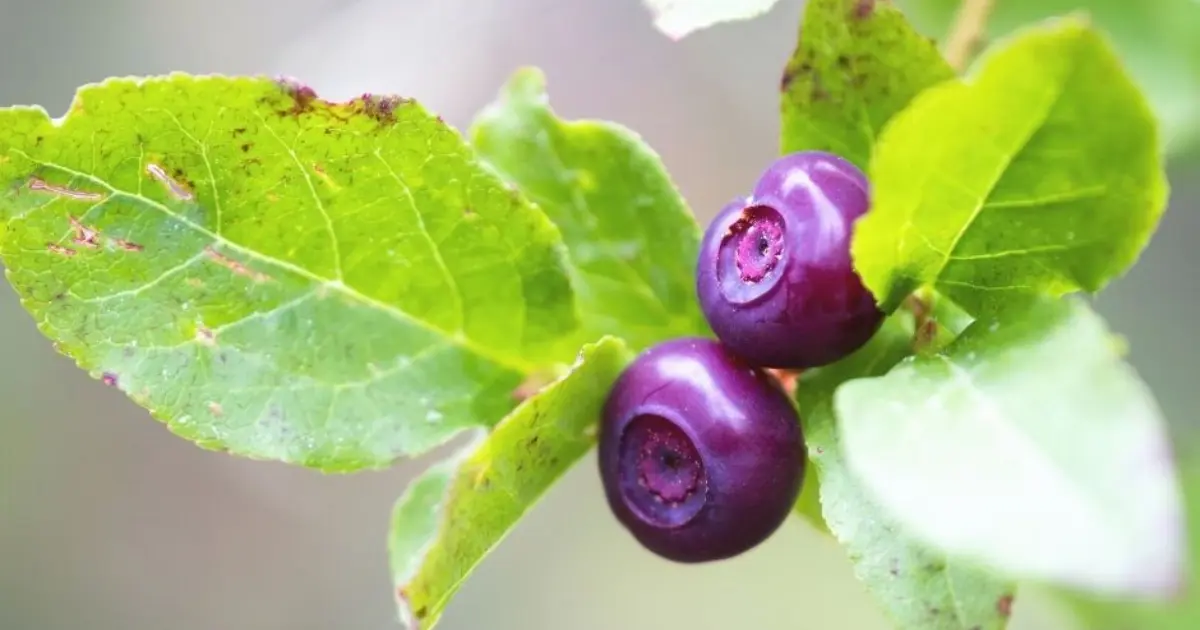
How to Grow Wild Huckleberries: A Guide to “Purple Gold”
Have you ever spent a summer afternoon hiking through the Pacific Northwest or the Rocky [...]
Mar
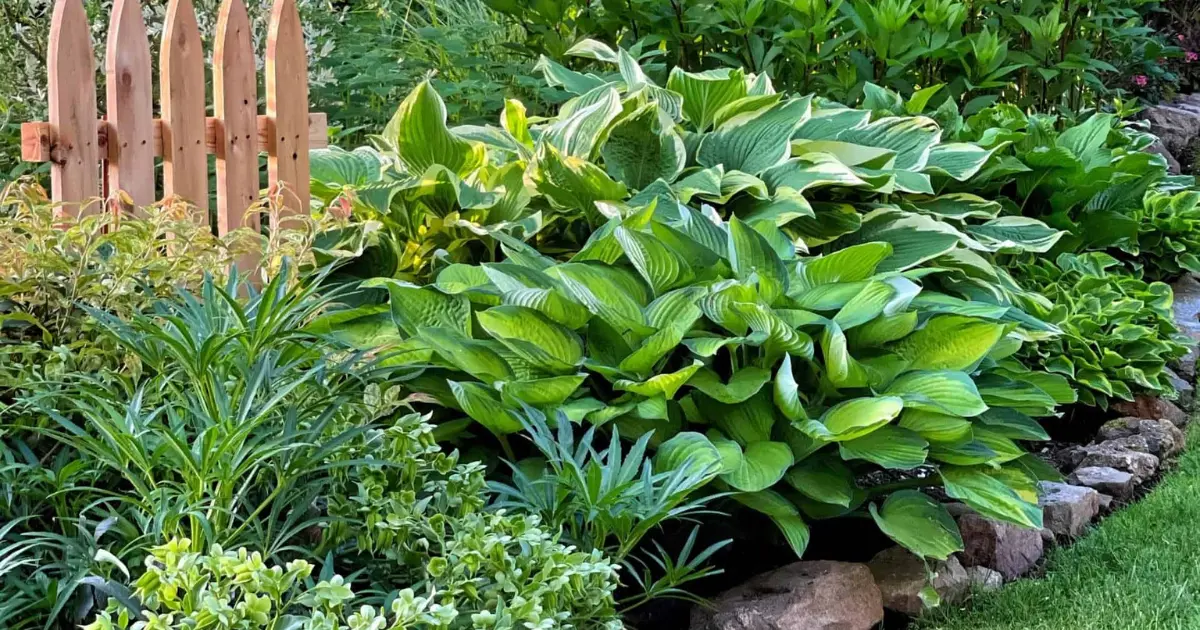
5 Best Shade-Loving Perennials for a Lush, Vibrant Garden
The world of gardening often shines a spotlight on sun-drenched blossoms, but there is a [...]
Mar
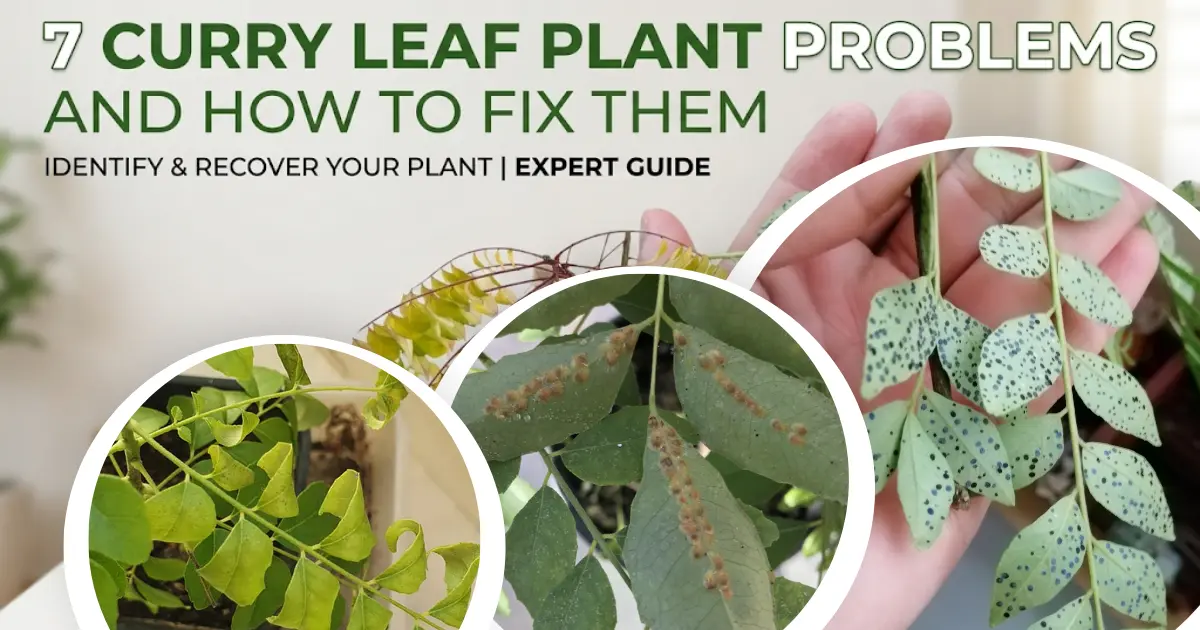
7 Common Curry Leaf Plant Problems: Easy Fixes for a Thriving Plant
Is your curry leaf plant looking a bit sad lately? Maybe you woke up to [...]
Mar
Best Time to Plant Bougainvillea: Timing for Vibrant Blooms
If you’re looking for a hardy tropical vine that delivers a riot of neon color, [...]
Feb
How to Propagate Purple Passion Plants (Gynura aurantiaca)
Have you ever been mesmerized by the neon-purple glow and fuzzy, velvet-like leaves of a [...]
Feb
How to Grow Beauregard Sweet Potatoes: From Slips to a Bountiful Harvest
Are you ready to add a classic, heavy-hitting favorite to your vegetable patch? If you’ve [...]
Feb
Reviews
There are no reviews yet.