
25 White Jerusalem Artichoke Seeds Sunchokes for Planting
Original price was: $24.96.$14.96Current price is: $14.96.
Cultivate your own delicious and versatile white Jerusalem Artichoke plants with this pack of 25 white Jerusalem Artichoke seeds. Also known as Sunchokes or Sunroot, these heirloom seeds offer a unique root vegetable for your garden.
Estimated arrival
Apr 01
Apr 06 - Apr 08
Apr 11 - Apr 15

Reasonable Price
We offer reasonable price

Support 24/7
Contact us 24 hrs a day

100% Money Back
You've 30 days to Return

Payment Secure
100% secure payment
Overview
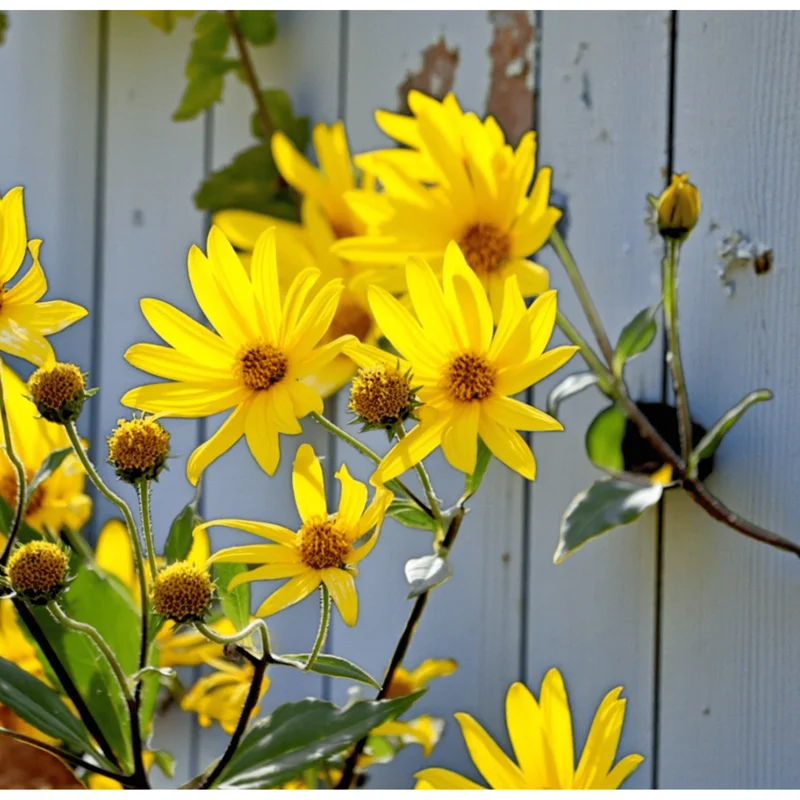
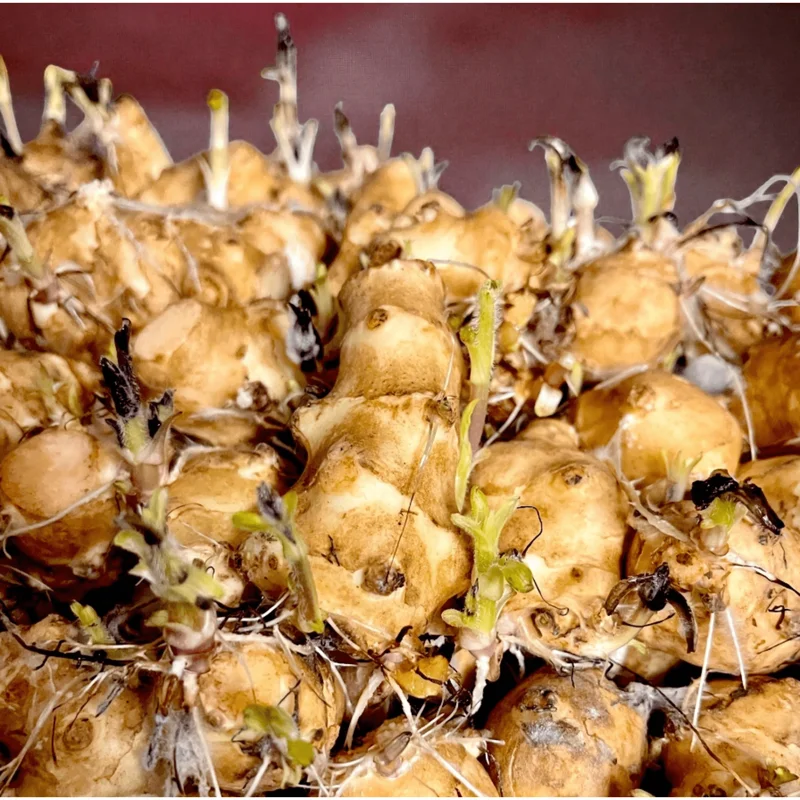
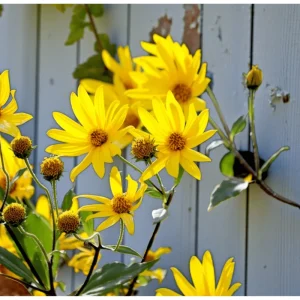
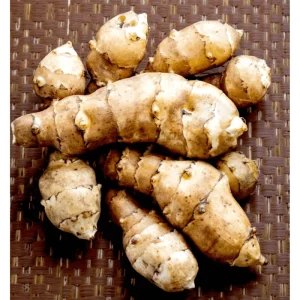
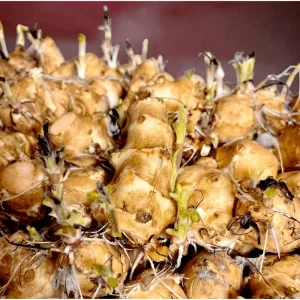
Embark on a rewarding gardening journey with our premium white Jerusalem Artichoke seeds. Commonly known as Sunchokes or Sunroot (Helianthus tuberosus), these easy-to-grow seeds allow you to cultivate a robust crop of this unique and nutritious root vegetable directly from your garden. Unlike tubers, these are pure seeds, providing a fresh start for your plants. The Jerusalem Artichoke is a versatile perennial sunflower species, cherished for its edible tubers that offer a crisp, nutty flavor often compared to water chestnuts. With this pack of 25 seeds, you’re set to establish a thriving patch of these beneficial plants, enjoying their beautiful sunflower-like blooms in late summer and autumn, followed by a delicious harvest.
Growing Jerusalem Artichoke plants from seed is a fulfilling experience, offering a sustainable way to enjoy this delightful vegetable. These plants are known for their hardiness and ability to adapt to various soil conditions, making them an excellent choice for both novice and experienced gardeners. Whether you’re looking to expand your edible garden or simply enjoy the ornamental beauty of their tall stalks and bright yellow flowers, these Helianthus Tuberosus seeds are an excellent choice. Discover the satisfaction of harvesting your own Sunchokes, perfect for roasting, soups, salads, or simply enjoying raw.
Key Benefits
Growing Jerusalem Artichoke plants offers numerous advantages, from their culinary versatility to their ease of cultivation. These benefits make them a valuable addition to any home garden:
- Nutrient-Rich Harvest: The tubers of Jerusalem Artichokes are a fantastic source of inulin, a dietary fiber known for its prebiotic properties, supporting gut health. They also contain essential vitamins and minerals, contributing to a healthy diet.
- Easy to Grow from Seed: Our 25 white Jerusalem Artichoke seeds are straightforward to plant and cultivate, making them ideal for gardeners of all skill levels. They establish quickly and require minimal fuss once germinated.
- Perennial Growth: Once established, Jerusalem Artichokes are perennial, meaning they will return year after year, providing a continuous supply of tubers with little effort. This makes them a highly sustainable crop.
- Versatile Culinary Uses: The crisp, nutty tubers can be enjoyed raw in salads, roasted, mashed, sautéed, or added to soups and stews. Their unique flavor profile adds depth to a variety of dishes.
- Ornamental Value: Beyond their edible tubers, Jerusalem Artichoke plants produce attractive, sunflower-like yellow blooms in late summer and fall, adding beauty to your garden landscape.
- Soil Improvement: These plants are known to improve soil structure over time, contributing to a healthier garden ecosystem. Their deep roots can help break up compacted soil.
- Wildlife Friendly: The flowers can attract pollinators like bees and butterflies, contributing to biodiversity in your garden, while the tall stalks provide shelter for beneficial insects.
Plant Care & Growing Tips
Successfully planting Jerusalem Artichokes from seed requires attention to a few key details, ensuring a healthy and productive crop. Start your white Jerusalem Artichoke seeds indoors 6–8 weeks before the average last frost date in your area, or sow them directly outdoors after all danger of frost has passed and soil temperatures have warmed consistently. A good indicator is when nighttime temperatures remain above 50°F (10°C). Prepare your garden bed by choosing a sunny location that receives at least 6-8 hours of direct sunlight daily. These plants thrive in full sun, which promotes vigorous growth and abundant tuber production.
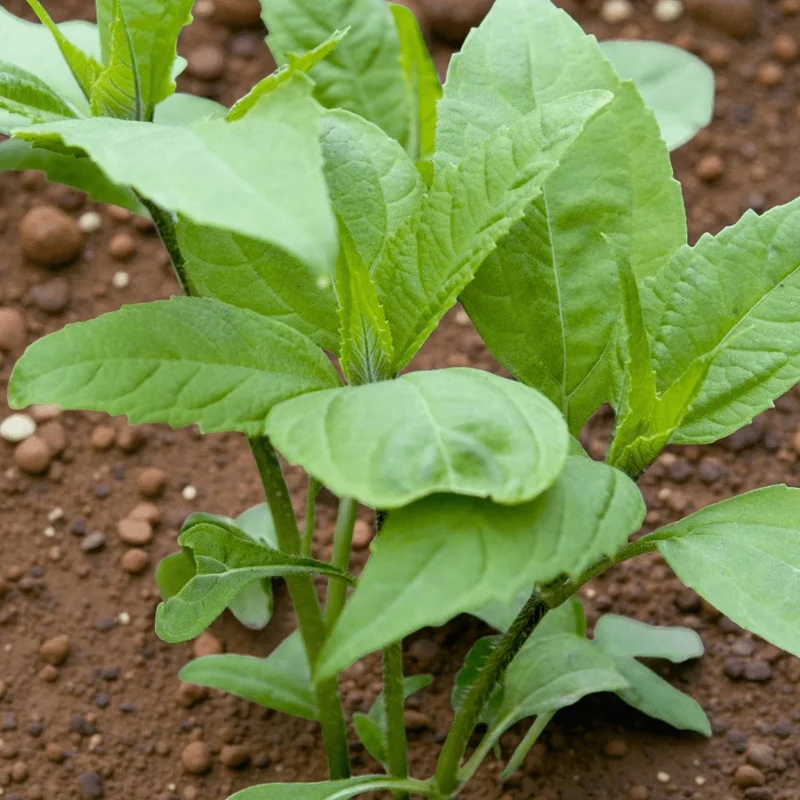
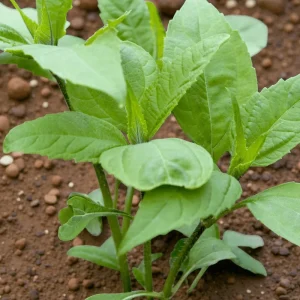
The ideal soil for Jerusalem Artichoke plants is well-drained, loose, and fertile, enriched with plenty of organic matter like compost. Avoid heavy, waterlogged soils, as this can lead to rot. Sow seeds approximately ¼ inch deep and gently cover them with soil. Maintain consistent moisture without making the soil soggy during germination and early growth. Once seedlings are large enough to handle, thin or transplant them to be 12–18 inches apart within rows, with rows spaced 30–36 inches apart. Regular watering is crucial, especially during dry spells, to encourage robust growth of the Helianthus Tuberosus seeds. While these plants are relatively low-maintenance, a balanced organic fertilizer can be applied periodically during the growing season to support healthy development. Watch out for common garden pests like aphids, and address them with organic pest control methods if necessary. Harvesting typically occurs after the first frost, which sweetens the tubers.
Size & Details
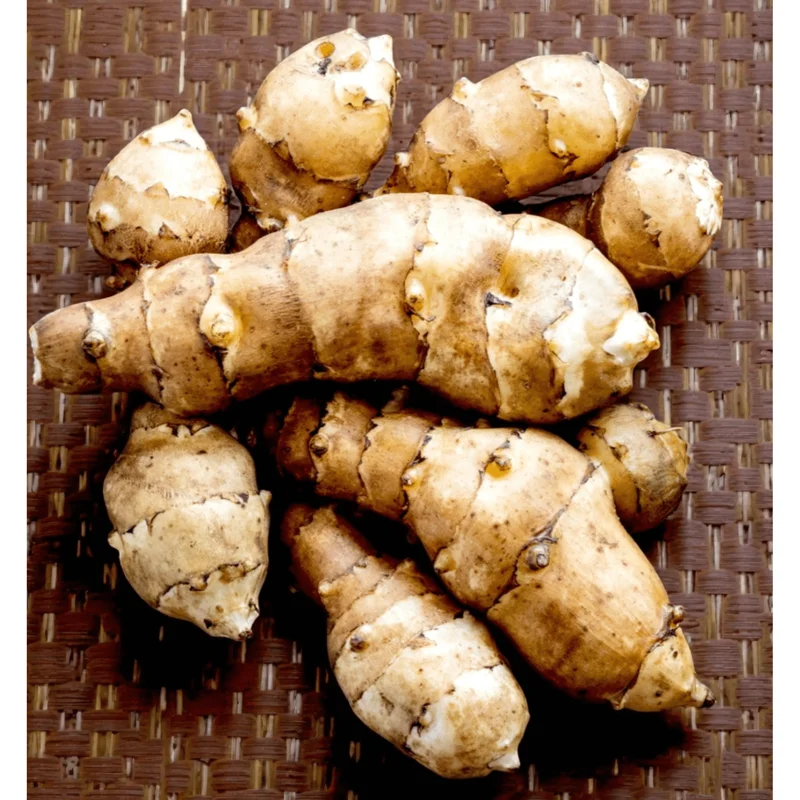
This product includes 25 white Jerusalem Artichoke seeds, carefully selected for optimal germination and growth. Each seed is ready to be sown, offering the potential for numerous healthy Jerusalem Artichoke plants. When mature, these plants can reach impressive heights of 5-10 feet (1.5-3 meters) tall, producing beautiful sunflower-like blooms. The edible tubers, known as Sunchokes, will vary in size but typically range from 2-4 inches long and 1-2 inches in diameter. The growth rate is moderate to fast, with plants typically reaching maturity and producing harvestable tubers within one growing season after successful germination.
These Helianthus Tuberosus seeds are shipped in a protective packet to ensure their viability upon arrival. Expect vigorous growth and a bountiful harvest, provided they are given the right growing conditions. They are suitable for various garden settings, from large vegetable patches to perennial borders, offering both food and ornamental value. The long-term benefit of planting Jerusalem Artichokes is their perennial nature, allowing for continuous harvests year after year from the same planting area, making them a sustainable choice for your home garden.
Frequently Asked Questions
- Q: How big do these Jerusalem Artichoke plants get? A: Jerusalem Artichoke plants can grow quite tall, typically reaching heights of 5 to 10 feet (1.5 to 3 meters) at maturity. They produce a robust stalk with attractive yellow flowers at the top.
- Q: Is this an indoor or outdoor plant? A: These white Jerusalem Artichoke seeds are intended for outdoor planting. They thrive in full sun conditions in garden beds and are not typically grown as indoor houseplants due to their size and light requirements.
- Q: How much sunlight do Jerusalem Artichoke plants need? A: For optimal growth and tuber production, Jerusalem Artichoke plants require full sun, meaning at least 6-8 hours of direct sunlight per day. Choose a sunny spot in your garden.
- Q: Are these 25 white Jerusalem Artichoke seeds easy to care for? A: Yes, planting Jerusalem Artichokes from seed is generally considered easy. They are hardy plants that tolerate a range of conditions once established, making them suitable for beginner gardeners.
- Q: What condition will the seeds arrive in? A: The 25 white Jerusalem Artichoke seeds will arrive in a sealed, protective packet, ensuring their freshness and viability for planting. They are ready to be sown upon arrival.
- Q: How long until the Jerusalem Artichoke plants produce tubers? A: After successfully germinating your Helianthus Tuberosus seeds, the plants will typically produce harvestable tubers within one full growing season, usually in late fall after the first frost.
- Q: What’s the best time for planting Jerusalem Artichokes from seed? A: The best time to plant white Jerusalem Artichoke seeds is in spring, after all danger of frost has passed and the soil has warmed. You can also start them indoors 6-8 weeks before the last frost.
- Q: What USDA hardiness zone are these plants suitable for? A: Jerusalem Artichoke plants are very hardy and generally thrive in USDA hardiness zones 3-9, tolerating a wide range of climates.
- Q: Can I grow Sunchokes from these seeds for culinary use? A: Absolutely! These white Jerusalem Artichoke seeds are specifically for growing plants that produce edible Sunchoke tubers, perfect for various culinary applications.
- Q: Do I need to fertilize my Jerusalem Artichoke plants? A: While Jerusalem Artichoke plants are not heavy feeders, an application of a balanced organic fertilizer during the growing season can promote healthier growth and better tuber development.
Be the first to review “25 White Jerusalem Artichoke Seeds Sunchokes for Planting”
-
USDA Hardiness Zone
USDA zones 3-9 -
Soil Type
Well-draining, loose, fertile soil -
Sunlight Exposure
Full sun -
Expected Planting Period
Spring to early summer
People Also Viewd


Sold 128 products
Original price was: $27.00.$24.00Current price is: $24.00.

Sold 127 products
Original price was: $89.99.$64.99Current price is: $64.99.

Sold 126 products
Original price was: $3,536.00.$23.99Current price is: $23.99.

Sold 125 products
Original price was: $86.99.$66.99Current price is: $66.99.
Sold 116 products
Original price was: $27.99.$16.99Current price is: $16.99.

Flower Bulbs
3 Cranesbill Wild Geranium Organic Maculatums Bare Roots | Wildflower for Outdoor Garden
Sold 114 products
Original price was: $21.99.$6.99Current price is: $6.99.

Sold 114 products
Original price was: $28.99.$17.99Current price is: $17.99.

Sold 109 products
Original price was: $63.99.$28.99Current price is: $28.99.RELATED posts
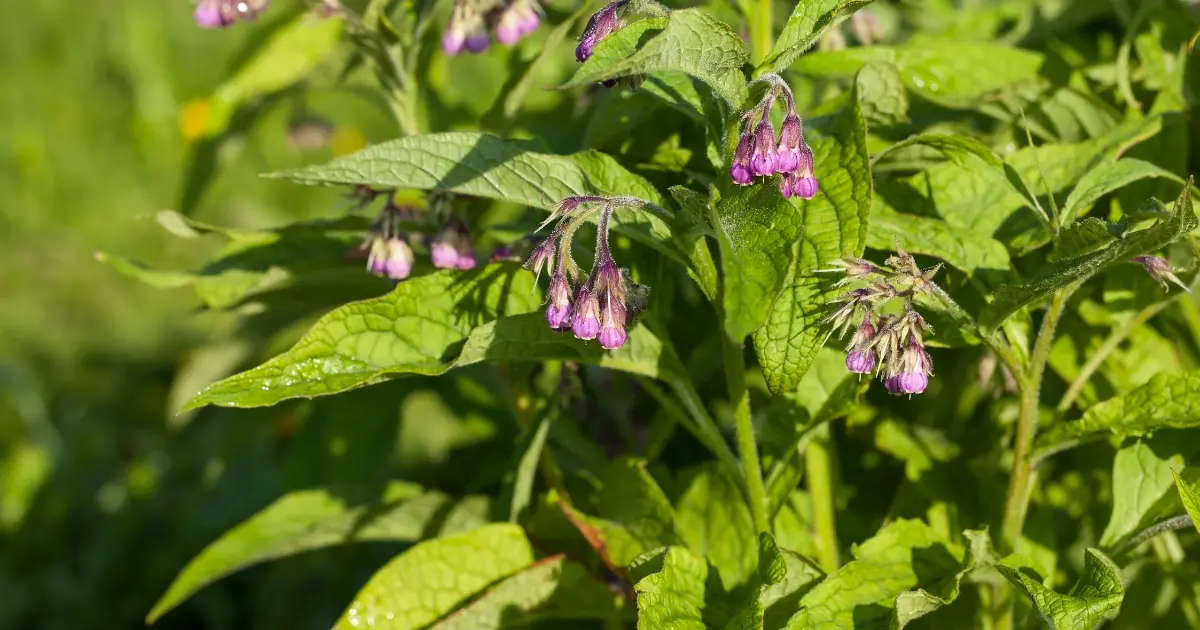
How to Identify Bocking 14 Comfrey: 5 Simple Visual Signs
If you’re growing comfrey for mulch, compost, or animal feed, knowing exactly which variety you [...]
Mar
Grand Duke of Tuscany Jasmine: The Ultimate Guide to Growing a Fragrant Masterpiece
Have you ever caught a scent in the air so rich, creamy, and honey-sweet that [...]
Mar
How to Grow Wild Huckleberries: A Guide to “Purple Gold”
Have you ever spent a summer afternoon hiking through the Pacific Northwest or the Rocky [...]
Mar
5 Best Shade-Loving Perennials for a Lush, Vibrant Garden
The world of gardening often shines a spotlight on sun-drenched blossoms, but there is a [...]
Mar

7 Common Curry Leaf Plant Problems: Easy Fixes for a Thriving Plant
Is your curry leaf plant looking a bit sad lately? Maybe you woke up to [...]
Mar
Best Time to Plant Bougainvillea: Timing for Vibrant Blooms
If you’re looking for a hardy tropical vine that delivers a riot of neon color, [...]
Feb
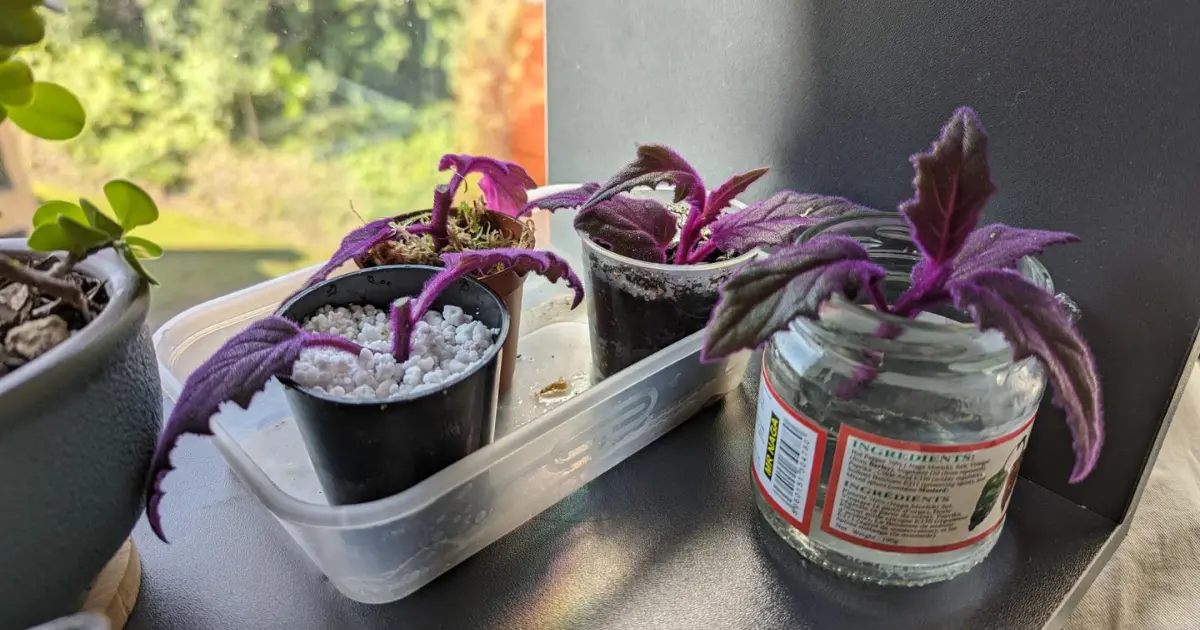
How to Propagate Purple Passion Plants (Gynura aurantiaca)
Have you ever been mesmerized by the neon-purple glow and fuzzy, velvet-like leaves of a [...]
Feb
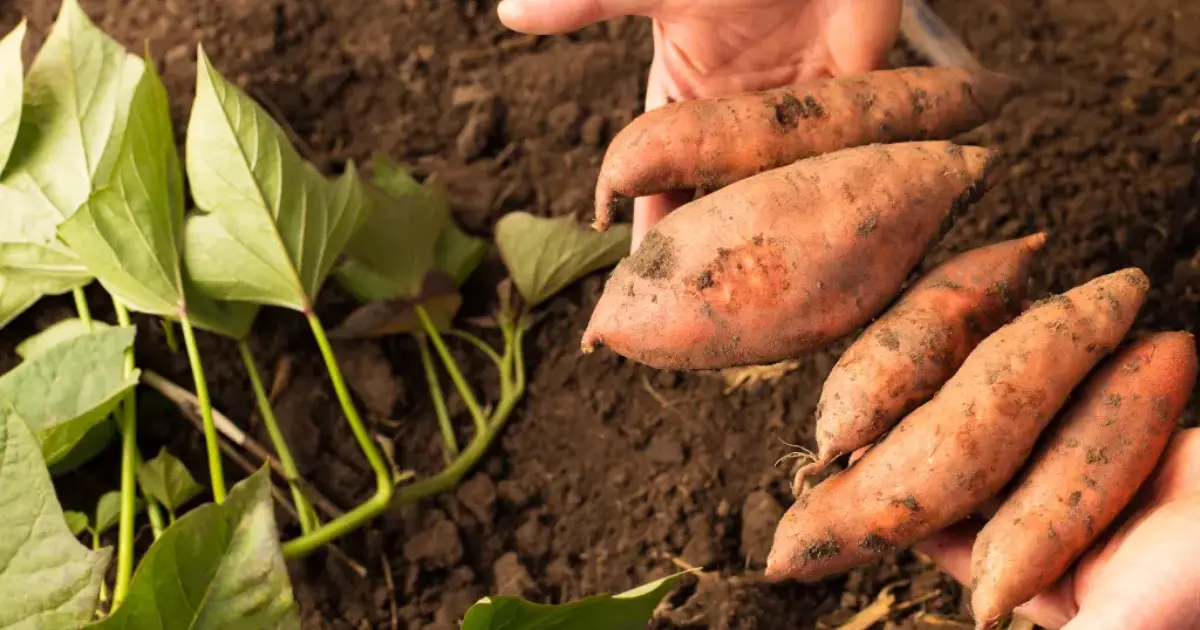
How to Grow Beauregard Sweet Potatoes: From Slips to a Bountiful Harvest
Are you ready to add a classic, heavy-hitting favorite to your vegetable patch? If you’ve [...]
Feb



Reviews
There are no reviews yet.