
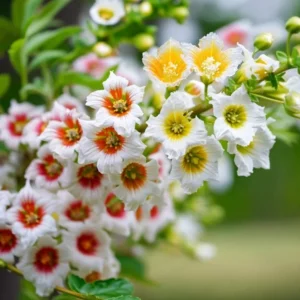
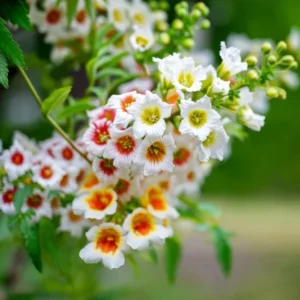
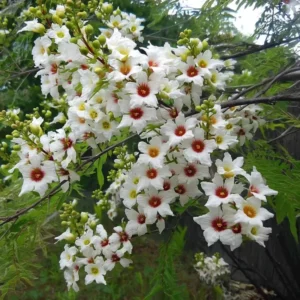
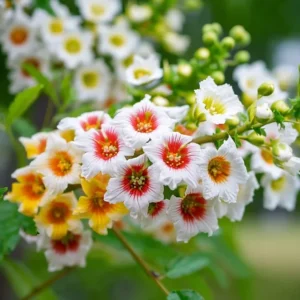
5 Seeds Yellow Horn Seeds for Planting, Xanthoceras Sorbifolium Plant, Easy to Grow for Garden
Original price was: $35.99.$15.99Current price is: $15.99.
Grow your own Yellow Horn (Xanthoceras sorbifolium), also known as Chinese Flowering Chestnut. These seeds produce a hardy shrub or small tree with beautiful spring blossoms and edible, nut-like seeds. Easy to grow for edible landscaping.
Estimated arrival
Mar 19
Mar 24 - Mar 26
Mar 29 - Apr 02

Reasonable Price
We offer reasonable price

Support 24/7
Contact us 24 hrs a day

100% Money Back
You've 30 days to Return

Payment Secure
100% secure payment
Grow Your Own Yellow Horn Tree
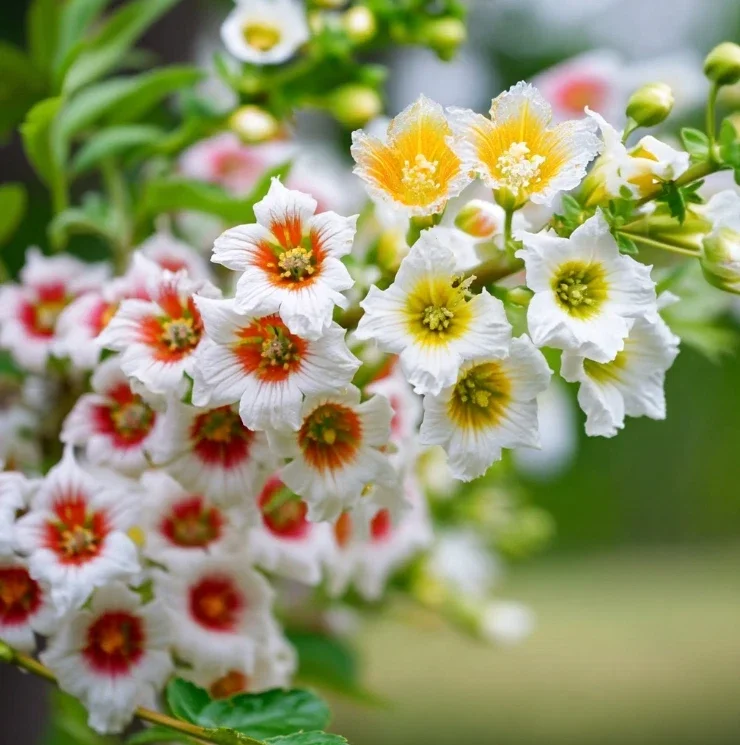
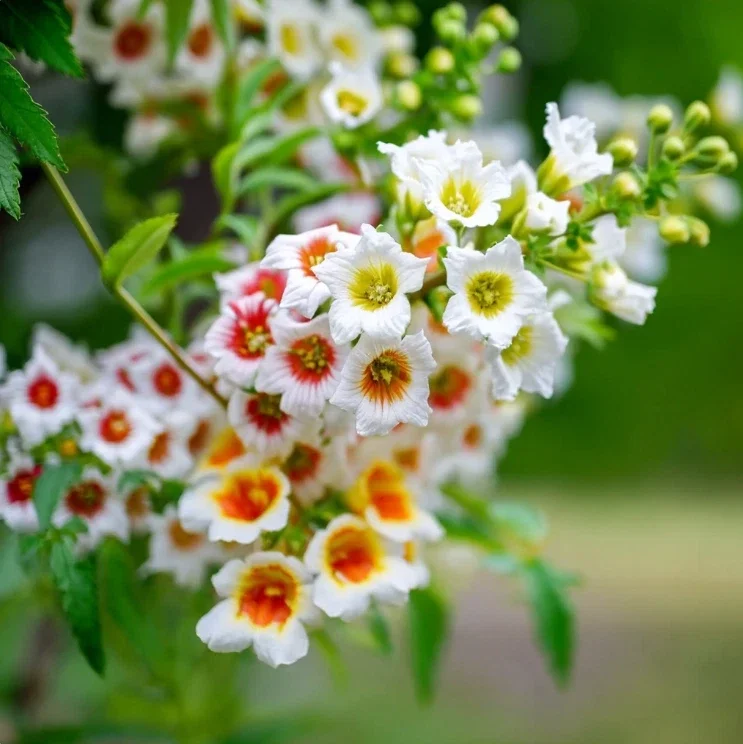
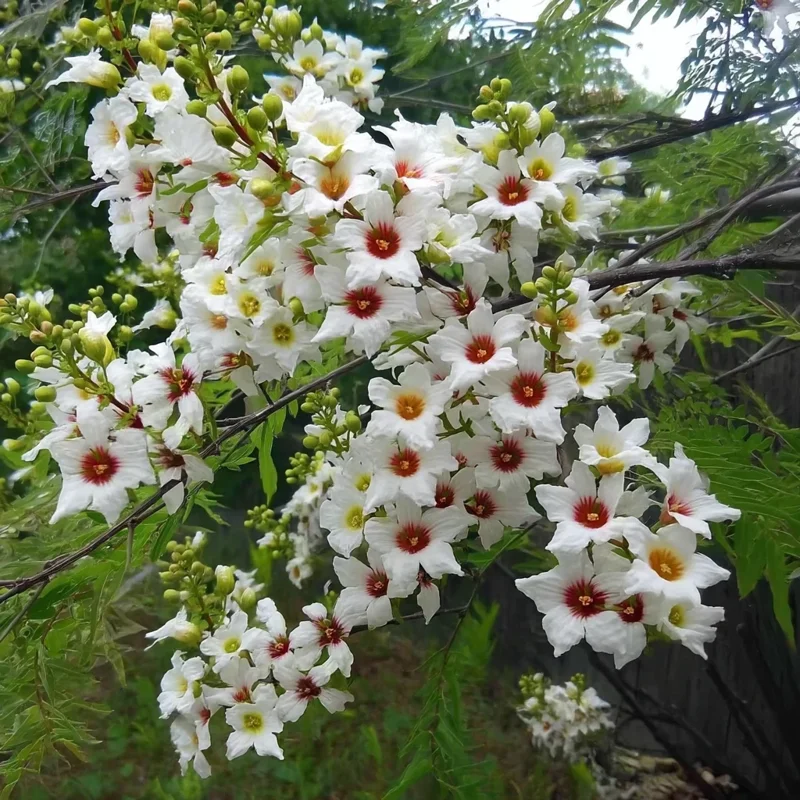
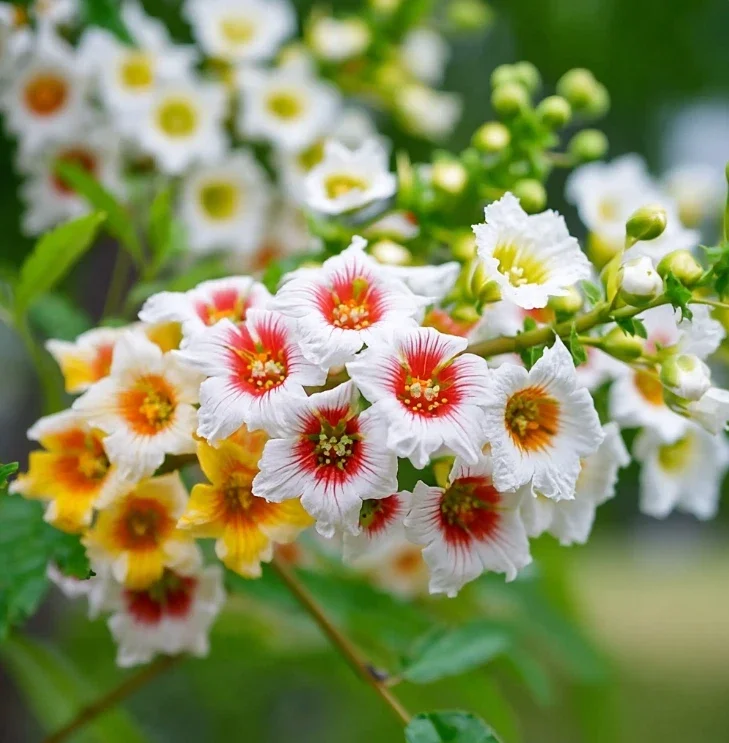
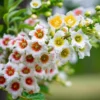
Discover the beauty and versatility of the Yellow Horn (Xanthoceras sorbifolium), also known as the Chinese Flowering Chestnut. This rare and hardy deciduous shrub or small tree is prized for its ornamental spring blossoms and edible, nut-like seeds. Adding a Yellow Horn to your garden provides both aesthetic appeal and potential food production. Imagine clusters of white flowers with red or yellow centers, bringing elegant color and fragrance to your garden each spring. The Yellow Horn seeds will allow you to cultivate this unique plant.
Growing to a height of 8–20 feet, the Xanthoceras sorbifolium thrives in diverse climates and is valued for both its beauty and productivity. The Yellow Horn‘s seeds are rich in oil and can be roasted or used similarly to chestnuts, making it an attractive choice for edible landscaping. This plant is not only visually appealing but also offers a sustainable food source.
Planting and Care for Yellow Horn Seeds
To ensure successful germination, scarify the Yellow Horn seeds or soak them in warm water for 24 hours before planting. Sow the seeds indoors 8–10 weeks before the last frost or directly outdoors in the spring. Plant the seeds 1 inch deep in well-drained soil and keep the soil moist until germination, which may take 20–30 days. Once the seedlings are strong enough, transplant them, spacing them 10–15 feet apart to allow for mature growth.
The Xanthoceras sorbifolium prefers full sun and well-drained, sandy or loamy soil. Once established, it is drought-tolerant and requires minimal maintenance. Water young plants regularly, then reduce watering as the roots develop. Prune lightly to shape the plant or remove any dead branches. This cold-hardy and resilient plant adapts well to various garden or landscape settings and can produce nuts in 3–5 years. Enjoy the benefits of growing your own Yellow Horn.
Benefits of Growing Yellow Horn
- Ornamental Value: Beautiful spring blossoms add color and fragrance to your garden.
- Edible Seeds: Nut-like seeds can be roasted or used like chestnuts.
- Hardy and Resilient: Adapts well to diverse climates and soil types.
- Low Maintenance: Drought-tolerant once established, requiring minimal care.
- Edible Landscaping: Combines beauty with food production.
Frequently Asked Questions About Yellow Horn Seeds
- How long does it take for Yellow Horn seeds to germinate? Germination typically takes 20-30 days after sowing, provided the seeds are scarified or soaked and kept in moist, well-drained soil.
- What is the best soil type for Xanthoceras Sorbifolium? Yellow Horn prefers well-drained, sandy or loamy soil. Good drainage is crucial for healthy growth.
- How much sunlight does a Yellow Horn plant need? This plant thrives in full sun, requiring at least 6 hours of direct sunlight per day for optimal growth and flowering.
- When is the best time to plant Yellow Horn seeds? You can sow seeds indoors 8-10 weeks before the last frost or directly outdoors in the spring after the danger of frost has passed.
- How long does it take for a Yellow Horn tree to produce nuts? A Yellow Horn tree typically starts producing nuts in 3-5 years after planting, depending on growing conditions and care.
Be the first to review “5 Seeds Yellow Horn Seeds for Planting, Xanthoceras Sorbifolium Plant, Easy to Grow for Garden”
People Also Viewd
Sold 128 products
Original price was: $27.00.$24.00Current price is: $24.00.
Sold 126 products
Original price was: $89.99.$64.99Current price is: $64.99.

Sold 125 products
Original price was: $86.99.$66.99Current price is: $66.99.
Sold 124 products
Original price was: $3,536.00.$23.99Current price is: $23.99.
Sold 116 products
Original price was: $27.99.$16.99Current price is: $16.99.
Flower Bulbs
3 Cranesbill Wild Geranium Organic Maculatums Bare Roots | Wildflower for Outdoor Garden
Sold 114 products
Original price was: $21.99.$6.99Current price is: $6.99.
Sold 114 products
Original price was: $28.99.$17.99Current price is: $17.99.

Sold 109 products
Original price was: $63.99.$28.99Current price is: $28.99.RELATED posts
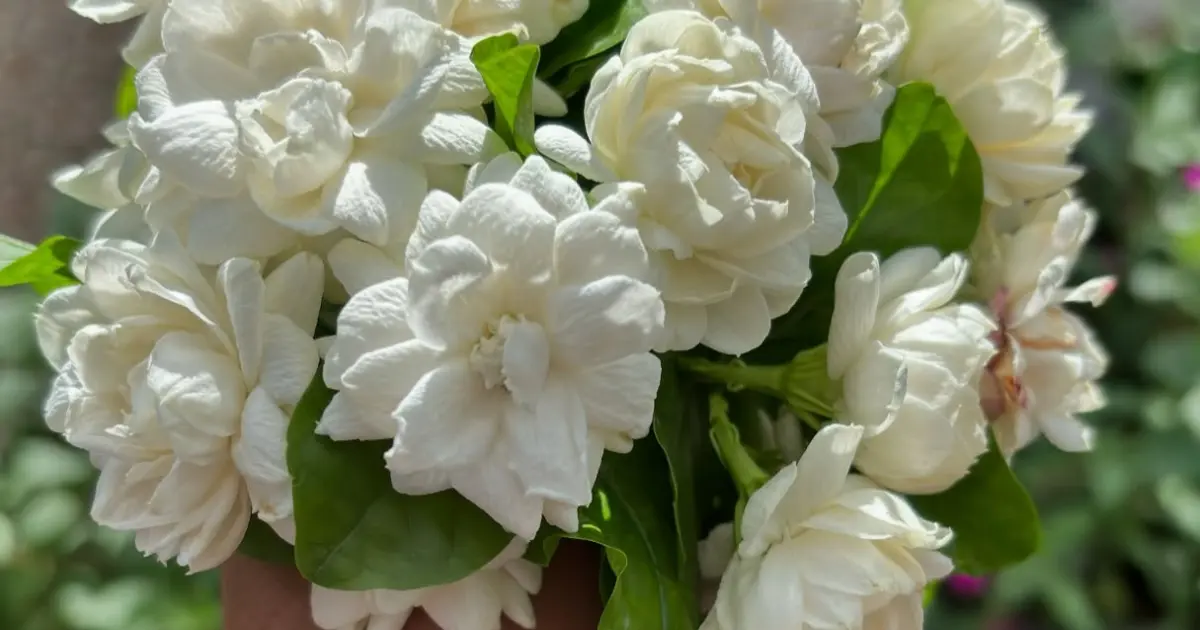
Grand Duke of Tuscany Jasmine: The Ultimate Guide to Growing a Fragrant Masterpiece
Have you ever caught a scent in the air so rich, creamy, and honey-sweet that [...]
Mar
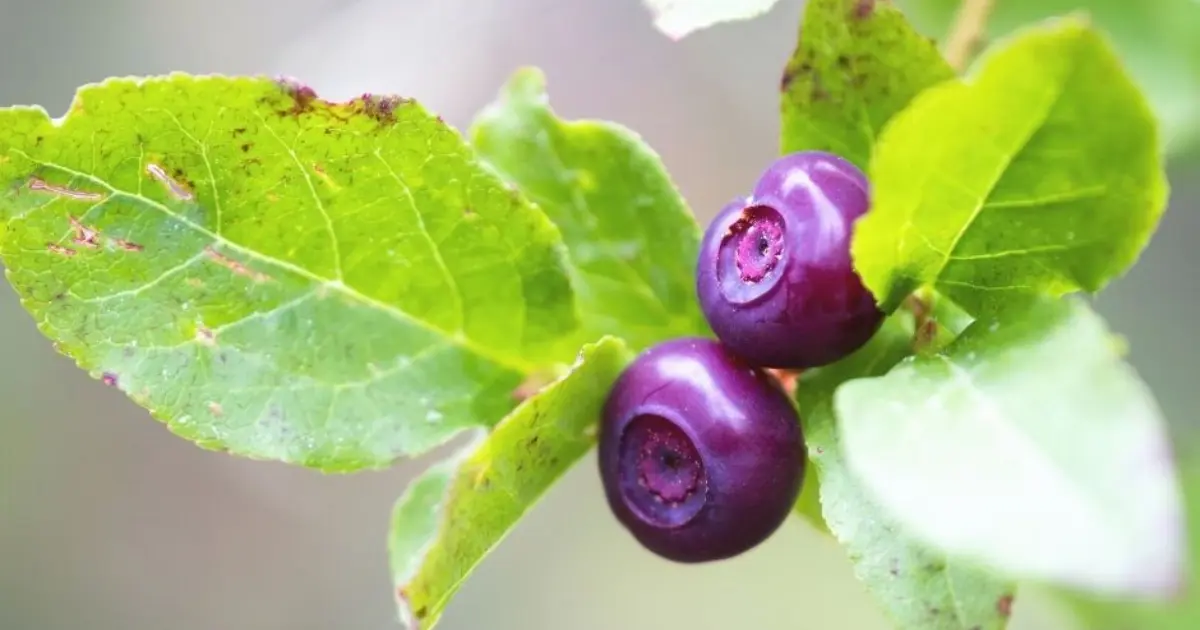
How to Grow Wild Huckleberries: A Guide to “Purple Gold”
Have you ever spent a summer afternoon hiking through the Pacific Northwest or the Rocky [...]
Mar
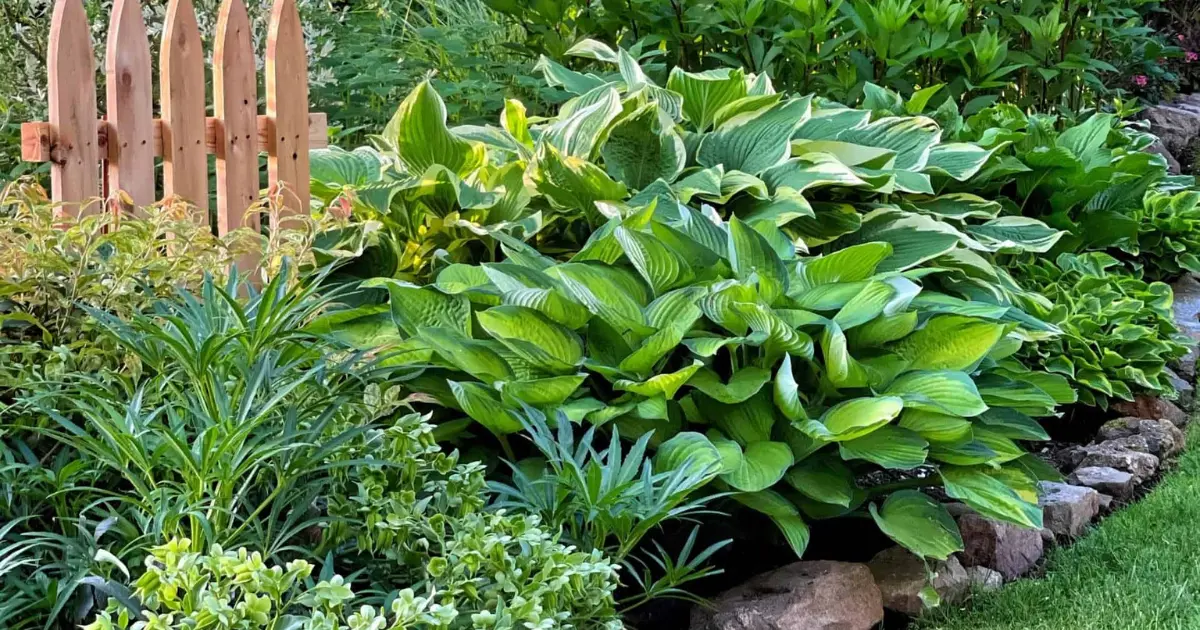
5 Best Shade-Loving Perennials for a Lush, Vibrant Garden
The world of gardening often shines a spotlight on sun-drenched blossoms, but there is a [...]
Mar

7 Common Curry Leaf Plant Problems: Easy Fixes for a Thriving Plant
Is your curry leaf plant looking a bit sad lately? Maybe you woke up to [...]
Mar
Best Time to Plant Bougainvillea: Timing for Vibrant Blooms
If you’re looking for a hardy tropical vine that delivers a riot of neon color, [...]
Feb
How to Propagate Purple Passion Plants (Gynura aurantiaca)
Have you ever been mesmerized by the neon-purple glow and fuzzy, velvet-like leaves of a [...]
Feb
How to Grow Beauregard Sweet Potatoes: From Slips to a Bountiful Harvest
Are you ready to add a classic, heavy-hitting favorite to your vegetable patch? If you’ve [...]
Feb
7 Expert Tips to Grow Lush Ivy Indoors: A Beginner’s Guide
Are you tired of seeing the same old Pothos vines in every corner of your [...]
Feb
Reviews
There are no reviews yet.