
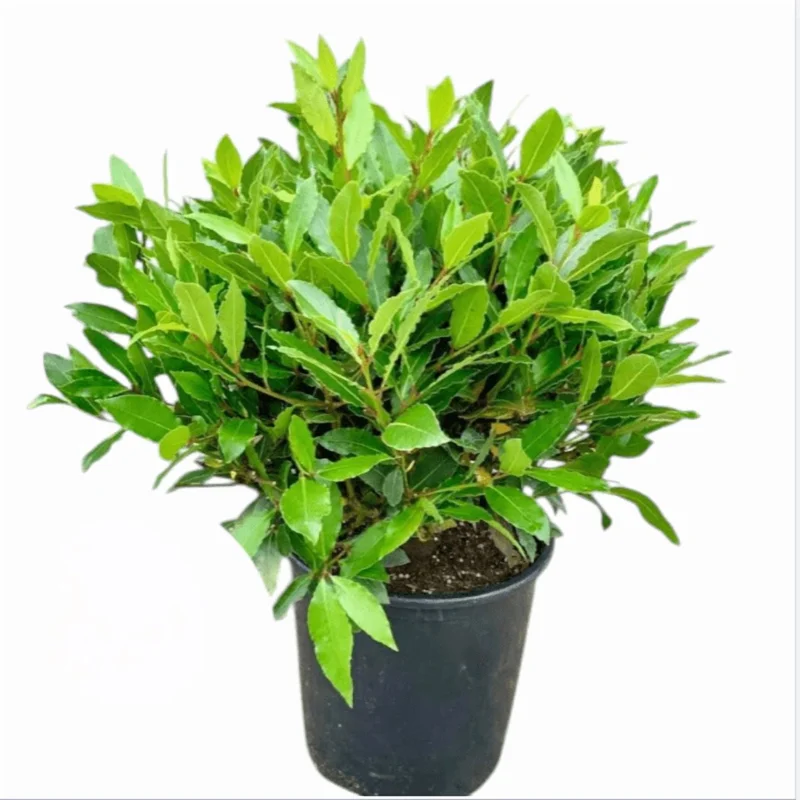
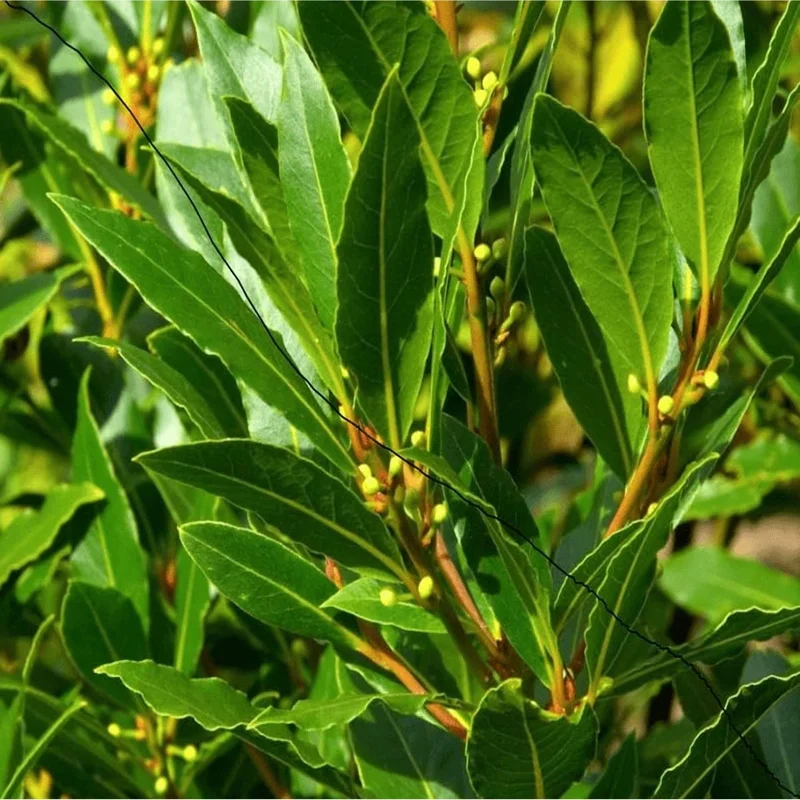
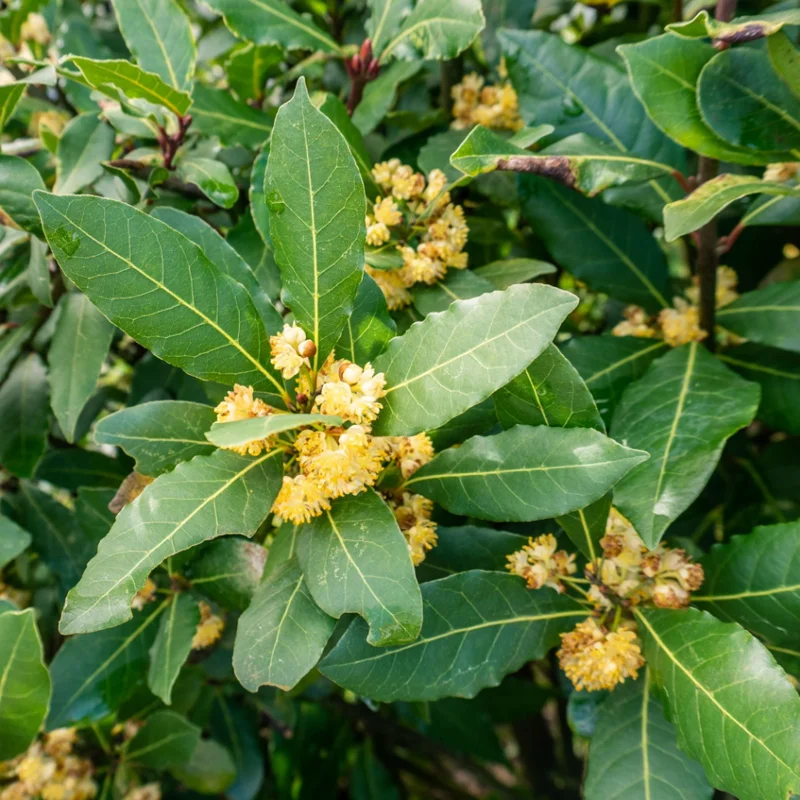
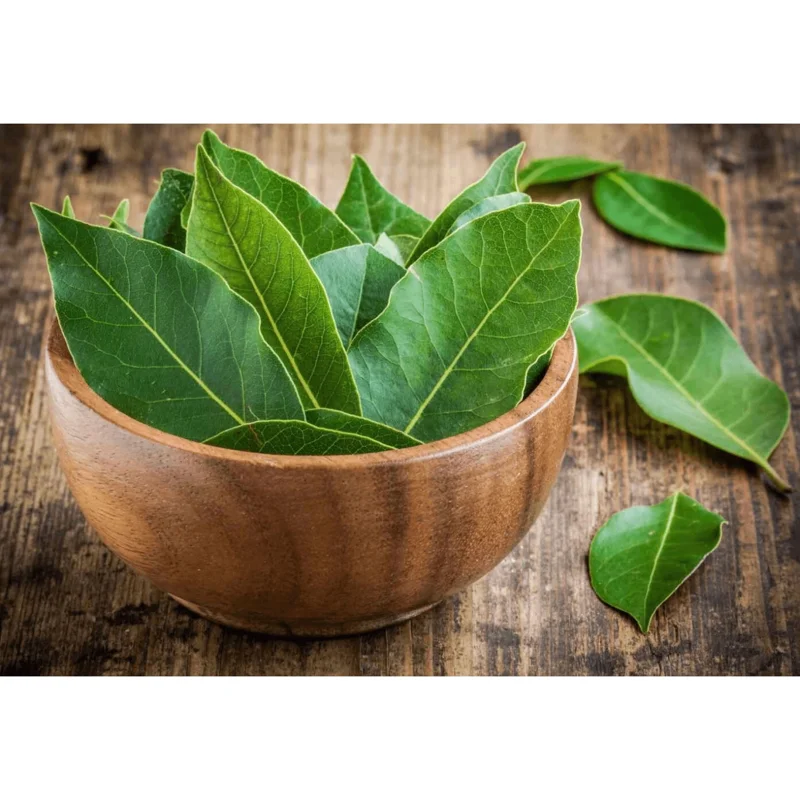
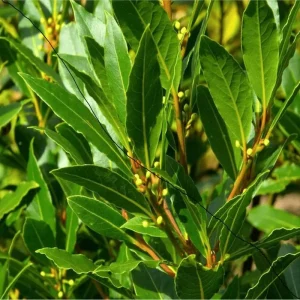
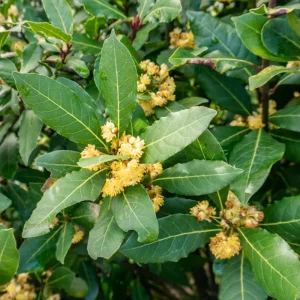
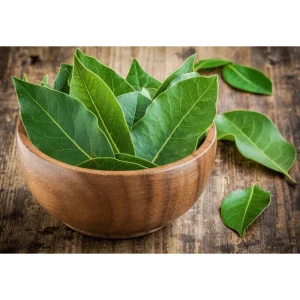
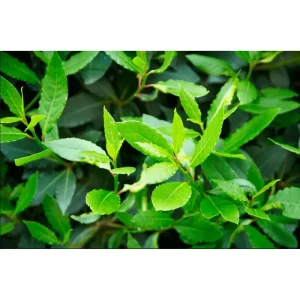
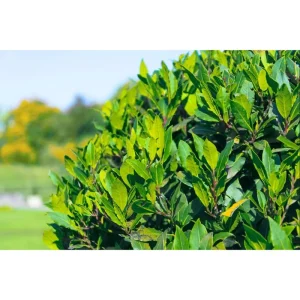

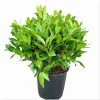
Bay Laurel Live Starter Plants – Sweet Bay Leaf Tree, Laurus Nobilis, 4-8 Inch Tall, 2 Pack
Original price was: $48.99.$38.99Current price is: $38.99.
Cultivate your own culinary herbs with these bay laurel live starter plants. This 2-pack of sweet bay leaf tree specimens, also known as Laurus Nobilis plant, offers aromatic leaves for cooking and a beautiful evergreen addition to your garden or patio.
Estimated arrival
Apr 02
Apr 07 - Apr 09
Apr 12 - Apr 16

Reasonable Price
We offer reasonable price

Support 24/7
Contact us 24 hrs a day

100% Money Back
You've 30 days to Return

Payment Secure
100% secure payment
Overview
Introduce the timeless elegance and culinary versatility of bay laurel live starter plants into your home or garden. This offering includes a convenient 2-pack of young, vibrant specimens, ready to thrive in your care. Known scientifically as Laurus Nobilis plant, these aromatic evergreens are cherished for their glossy green leaves, which are a staple in kitchens worldwide. Often referred to as the sweet bay leaf tree, this plant brings a touch of Mediterranean charm and a wealth of flavor to your culinary endeavors. Whether you’re a seasoned gardener or just starting, these starter plants provide an excellent foundation for growing your own bay leaves, adding depth to soups, stews, and sauces directly from your garden.
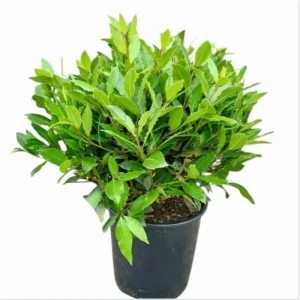
Each plant is carefully nurtured to ensure a healthy start, standing approximately 4-8 inches tall. The Bay Laurel is a slow-growing tree or shrub that can be cultivated in pots, making it suitable for patios, balconies, or even indoors in colder climates. Its robust nature and attractive foliage make it a popular choice for ornamental purposes as well. Beyond its culinary uses, the bay laurel live starter plants are a symbol of victory and honor, adding a rich historical and cultural dimension to your plant collection.
Key Benefits
Owning a bay laurel live starter plant provides numerous advantages, from culinary convenience to aesthetic appeal. These plants are more than just a source of fresh bay leaves; they are a delightful addition to any plant enthusiast’s collection.
- Fresh Culinary Leaves: Enjoy an endless supply of fresh bay leaves for cooking. The aromatic leaves of the sweet bay leaf tree are far more potent and flavorful than dried alternatives, enhancing a wide variety of dishes from savory stews to delicate custards.
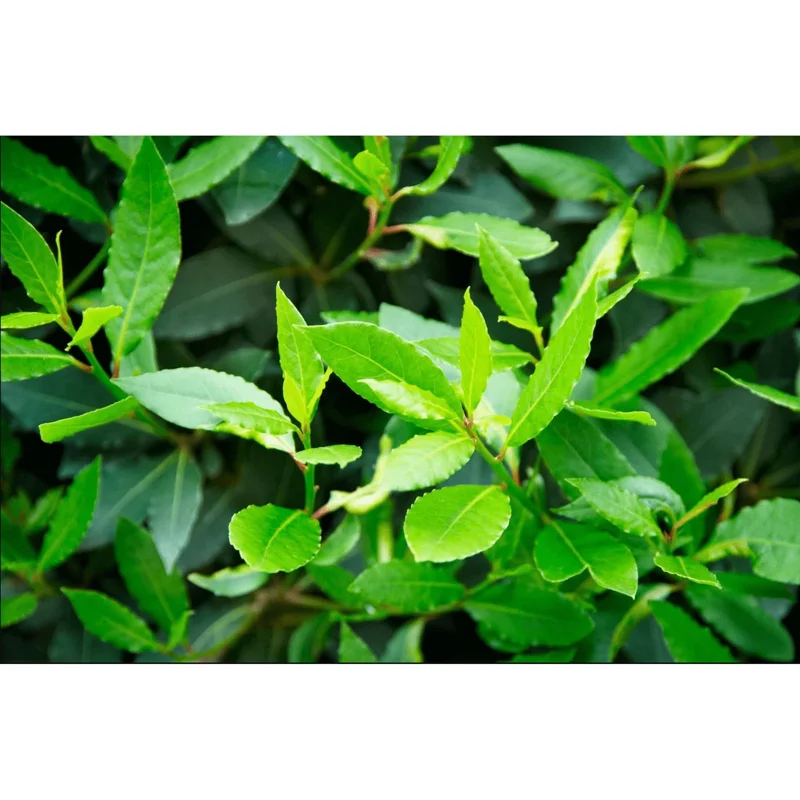
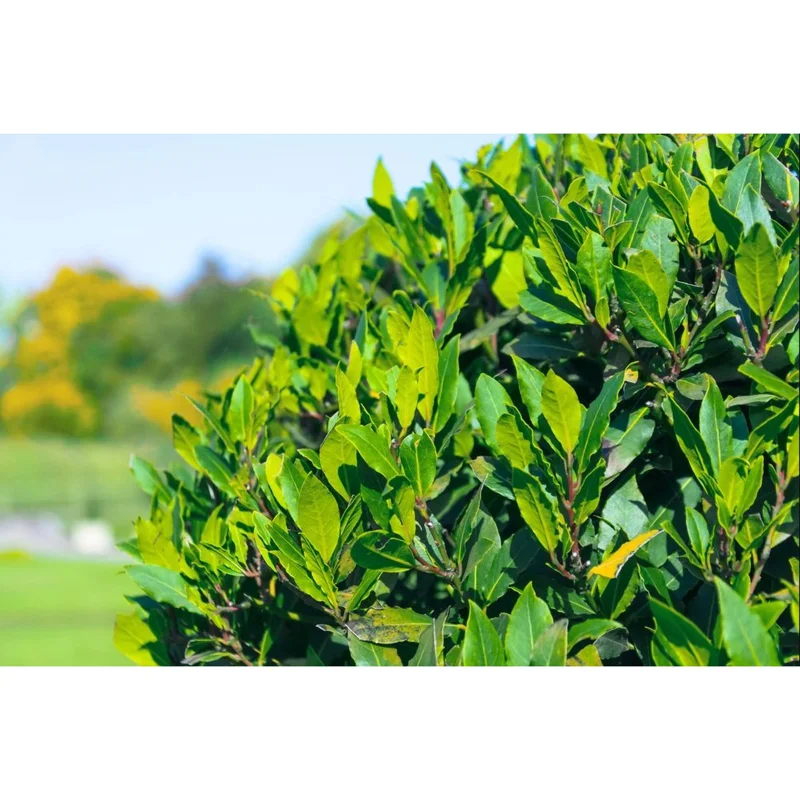
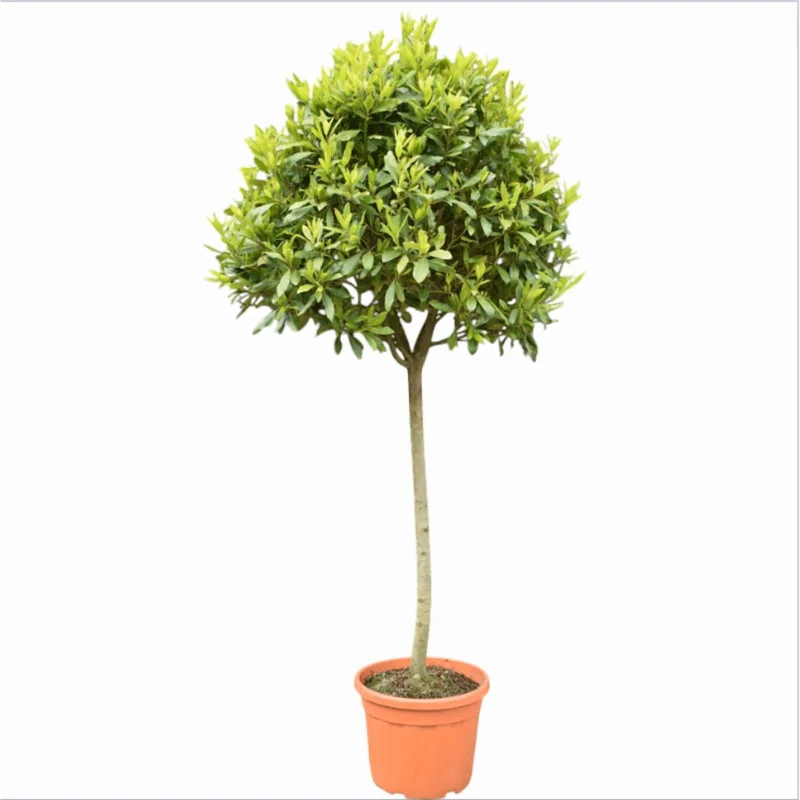
- Evergreen Beauty: The glossy, dark green foliage of the Laurus Nobilis plant provides year-round visual interest. It can be pruned into various shapes, including decorative topiary, making it a versatile ornamental plant for both indoor and outdoor settings.
- Aromatic Presence: Beyond the kitchen, the leaves release a subtle, pleasant aroma when brushed, adding a natural fragrance to your living space or garden. This natural scent can be quite refreshing.
- Low Maintenance: Once established, the bay leaf tree plant is relatively low-maintenance, tolerant of various conditions and requiring minimal intervention. This makes it an ideal choice for busy gardeners or those new to plant care.
- Container Friendly: Its slow growth rate and adaptability make it an excellent candidate for container gardening. This allows for easy placement and mobility, bringing the plant indoors during colder months, which is crucial for growing bay laurel in many regions.
- Pest Resistant: Bay Laurel is generally resilient against common garden pests, contributing to its ease of care and ensuring a healthier plant with less effort.
- Historical Significance: The Bay Laurel holds a rich history, symbolizing victory and peace, adding a unique cultural element to your garden.
Plant Care & Growing Tips
Caring for your bay laurel live starter plants is a rewarding experience that ensures a steady supply of fresh, aromatic leaves. These plants are relatively hardy but thrive best with consistent care tailored to their Mediterranean origins.
Sunlight: Laurus Nobilis plant requires at least 6–8 hours of direct sunlight daily to flourish. When grown outdoors, choose a location that receives full sun. If kept indoors, place it near a south-facing window or provide supplemental grow lights to ensure it gets adequate light. Insufficient light can lead to leggy growth and fewer leaves.
Soil: The sweet bay leaf tree thrives in well-draining, sandy, or loamy soil with a pH between 6.0 and 7.0. Good drainage is crucial to prevent root rot. When potting, use a high-quality potting mix amended with sand or perlite to improve drainage. For outdoor planting, ensure your garden soil is not heavy clay; amend with organic matter if necessary to create an ideal environment for growing bay laurel.
Watering: Water regularly during the first year until the plant is established. This means keeping the soil consistently moist but not waterlogged. Once mature, allow the top 1–2 inches of soil to dry before watering again. Overwatering is a common issue, so always check soil moisture before adding more water. Reduce watering frequency in cooler months, especially if the plant is dormant.
Temperature & Humidity: Bay Laurel prefers mild to warm temperatures, ideally between 60°F and 75°F (15°C-24°C). It is generally hardy in USDA zones 8-10. If you live in a colder climate, it’s best to grow your bay leaf tree plant in a container so it can be moved indoors before the first frost. While it tolerates average humidity, very dry indoor environments might benefit from occasional misting.
Fertilization: Fertilize your Bay Laurel sparingly during the growing season (spring and summer) with a balanced, slow-release fertilizer. Avoid over-fertilizing, which can burn the roots. A liquid feed at half strength once a month is also suitable. Do not fertilize during fall and winter when the plant’s growth slows.
Pruning: Prune in late spring or early summer to maintain shape, size, and encourage bushier growth. You can also harvest leaves as needed throughout the year. Regular pruning helps create a more robust and productive bay laurel live starter plant.
Size & Details
This offering includes two individual bay laurel live starter plants, each standing approximately 4-8 inches tall from the base of the plant to the tip of its tallest leaf. These young plants are carefully selected to ensure vigorous growth and strong root systems, preparing them for successful establishment in your chosen environment. They are typically shipped without a pot to minimize shipping costs and environmental impact, with roots carefully wrapped to retain moisture during transit. Upon arrival, prompt planting in a suitable container or garden bed is recommended.
The sweet bay leaf tree is a slow-growing evergreen that can eventually reach heights of 10-20 feet in ideal outdoor conditions, though it is easily kept smaller through pruning, especially when grown in containers. When grown indoors, expect a more compact size, typically 3-6 feet tall. These starter plants offer a head start on cultivating your own bay leaf tree plant, providing fresh leaves for many years to come. With proper care, you can expect these plants to mature and produce abundant aromatic foliage.
Frequently Asked Questions
- Q: How big will my bay laurel live starter plants get? A: In optimal outdoor conditions, a bay laurel live starter plant can grow into a tree of 10-20 feet tall. However, when grown in a container, its size can be easily managed through pruning, typically staying within 3-6 feet tall, making it perfect for patios or indoor spaces.
- Q: Is this an indoor or outdoor plant? A: The sweet bay leaf tree is versatile. It can thrive outdoors in USDA zones 8-10. In colder climates, it’s best grown in a pot and brought indoors during winter to protect it from frost.
- Q: How much sunlight does the Laurus Nobilis plant need? A: Your Laurus Nobilis plant requires at least 6-8 hours of direct sunlight each day. If growing indoors, place it in the brightest spot available, ideally a south-facing window, or use a supplemental grow light.
- Q: Is this plant easy to care for? A: Yes, once established, the bay leaf tree plant is considered relatively low-maintenance. It primarily needs consistent sunlight, well-draining soil, and proper watering to thrive, making growing bay laurel accessible for many gardeners.
- Q: What condition will the plants arrive in? A: Your bay laurel live starter plants will arrive as healthy young specimens, typically 4-8 inches tall, with their roots carefully wrapped to maintain moisture during transit. We recommend planting them as soon as possible after arrival.
- Q: Can I use the leaves for cooking right away? A: While the leaves are aromatic, it’s best to allow your sweet bay leaf tree to establish itself for a few weeks to a month after planting before harvesting heavily. You can snip a few leaves for immediate use, but regular harvesting should begin once the plant shows strong new growth.
- Q: What kind of soil is best for growing bay laurel? A: The best soil for growing bay laurel is well-draining, sandy, or loamy soil with a pH between 6.0 and 7.0. Ensure good drainage to prevent root rot, especially when potting.
- Q: How often should I water my bay leaf tree plant? A: Water regularly during the first year to help establish the plant. Once mature, allow the top 1-2 inches of soil to dry out completely before watering again. Overwatering is more detrimental than slight underwatering for this plant.
- Q: Is this a single plant or a pack? A: This listing is for a pack of two bay laurel live starter plants, providing you with a pair of these wonderful aromatic herbs.
- Q: What is the ideal temperature range for Laurus Nobilis? A: Laurus Nobilis plant prefers temperatures between 60°F and 75°F (15°C-24°C). It can tolerate slightly cooler temperatures but must be protected from freezing.
Be the first to review “Bay Laurel Live Starter Plants – Sweet Bay Leaf Tree, Laurus Nobilis, 4-8 Inch Tall, 2 Pack”
-
USDA Hardiness Zone
USDA zones 8-10 (outdoors), or year-round indoors -
Soil Type
Well-draining, sandy or loamy soil (pH 6.0-7.0) -
Sunlight Exposure
Full sun (6-8 hours daily) -
Expected Planting Period
Year-round indoors, spring to early summer outdoors
People Also Viewd
Sold 128 products
Original price was: $89.99.$64.99Current price is: $64.99.
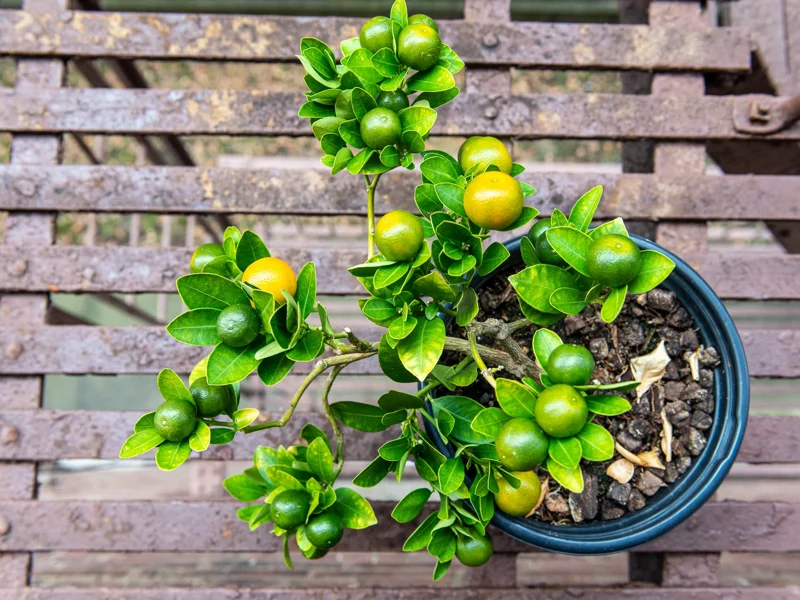
Sold 128 products
Original price was: $27.00.$24.00Current price is: $24.00.
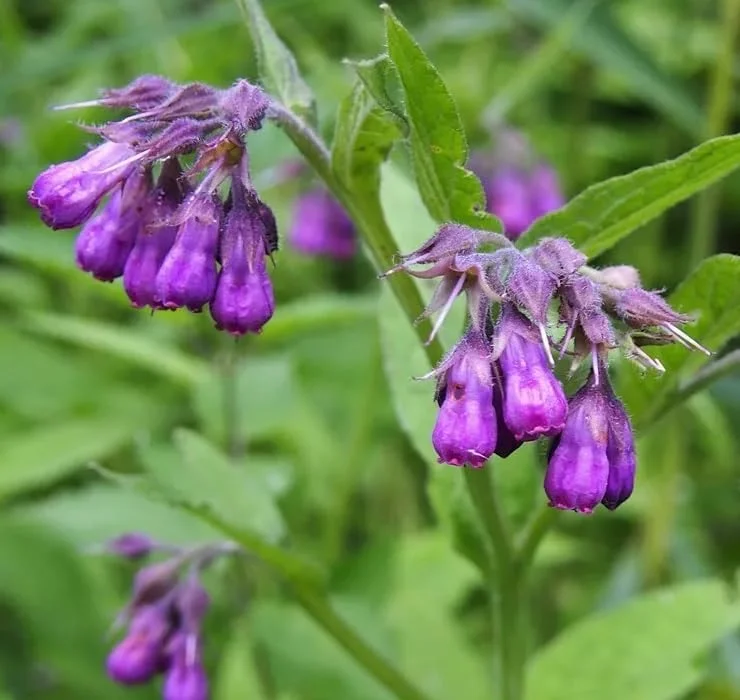
Sold 126 products
Original price was: $3,536.00.$23.99Current price is: $23.99.

Sold 125 products
Original price was: $86.99.$66.99Current price is: $66.99.
Sold 116 products
Original price was: $27.99.$16.99Current price is: $16.99.
Sold 114 products
Original price was: $28.99.$17.99Current price is: $17.99.
Flower Bulbs
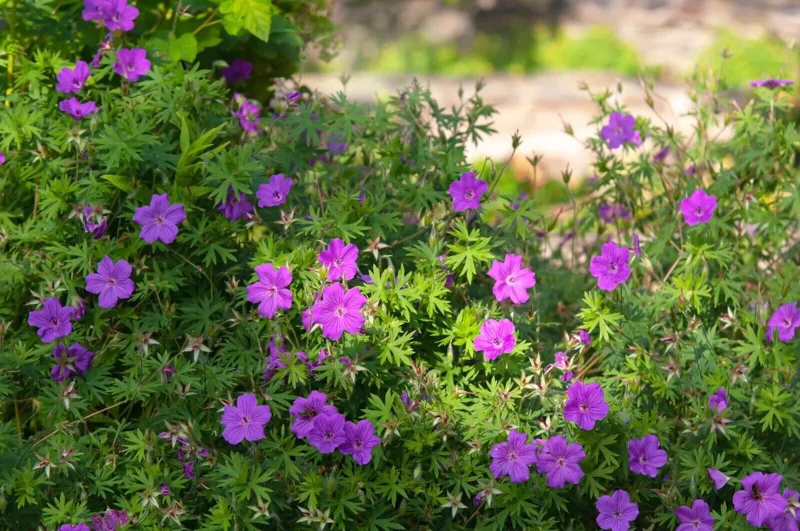
3 Cranesbill Wild Geranium Organic Maculatums Bare Roots | Wildflower for Outdoor Garden
Sold 114 products
Original price was: $21.99.$6.99Current price is: $6.99.
Sold 109 products
Original price was: $63.99.$28.99Current price is: $28.99.RELATED posts
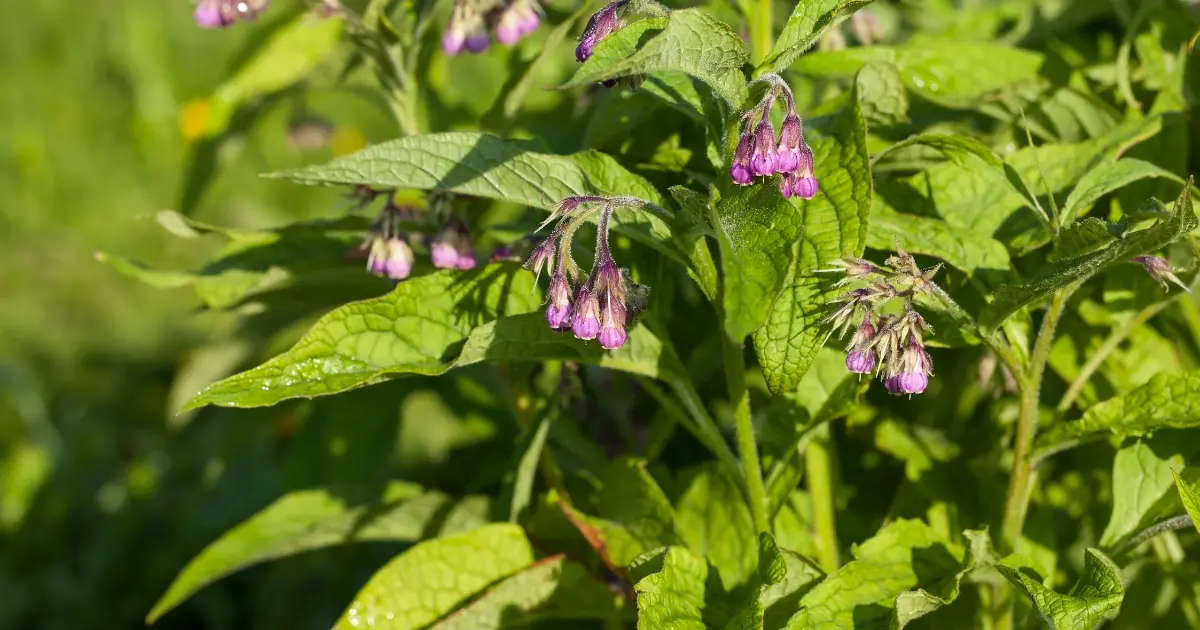
How to Identify Bocking 14 Comfrey: 5 Simple Visual Signs
If you’re growing comfrey for mulch, compost, or animal feed, knowing exactly which variety you [...]
Mar
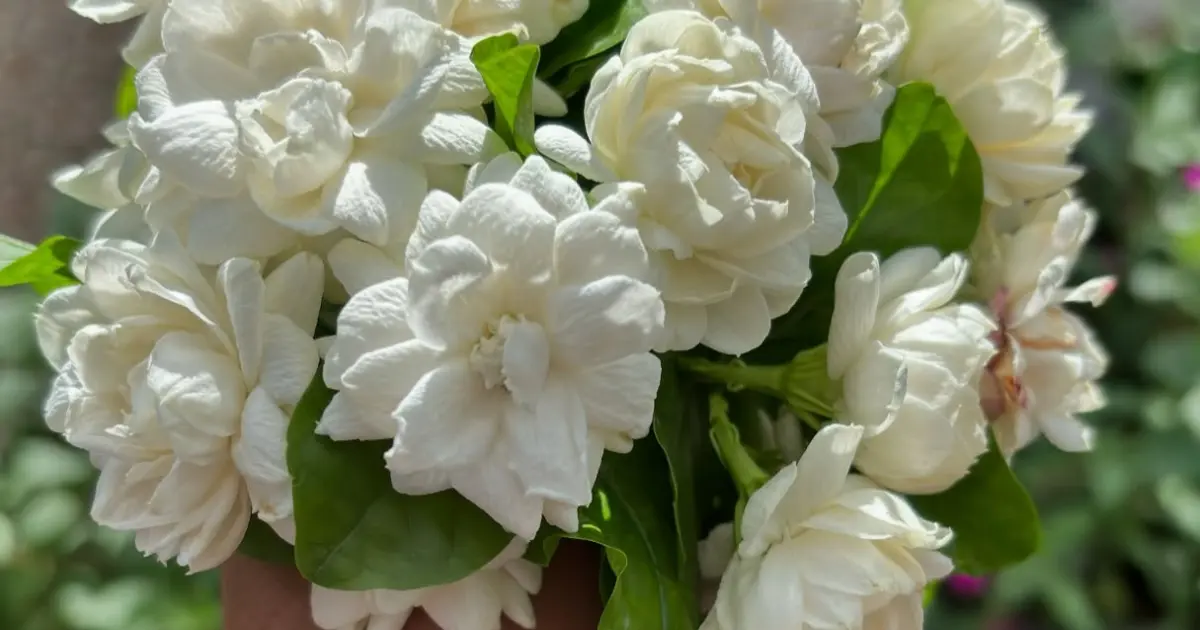
Grand Duke of Tuscany Jasmine: The Ultimate Guide to Growing a Fragrant Masterpiece
Have you ever caught a scent in the air so rich, creamy, and honey-sweet that [...]
Mar
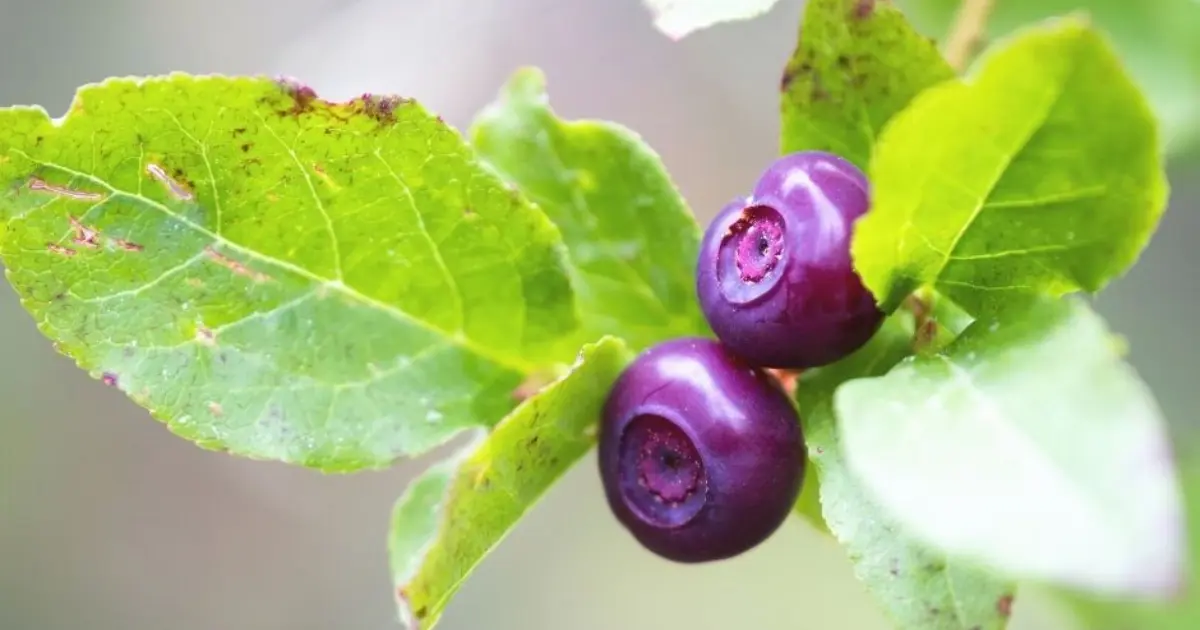
How to Grow Wild Huckleberries: A Guide to “Purple Gold”
Have you ever spent a summer afternoon hiking through the Pacific Northwest or the Rocky [...]
Mar
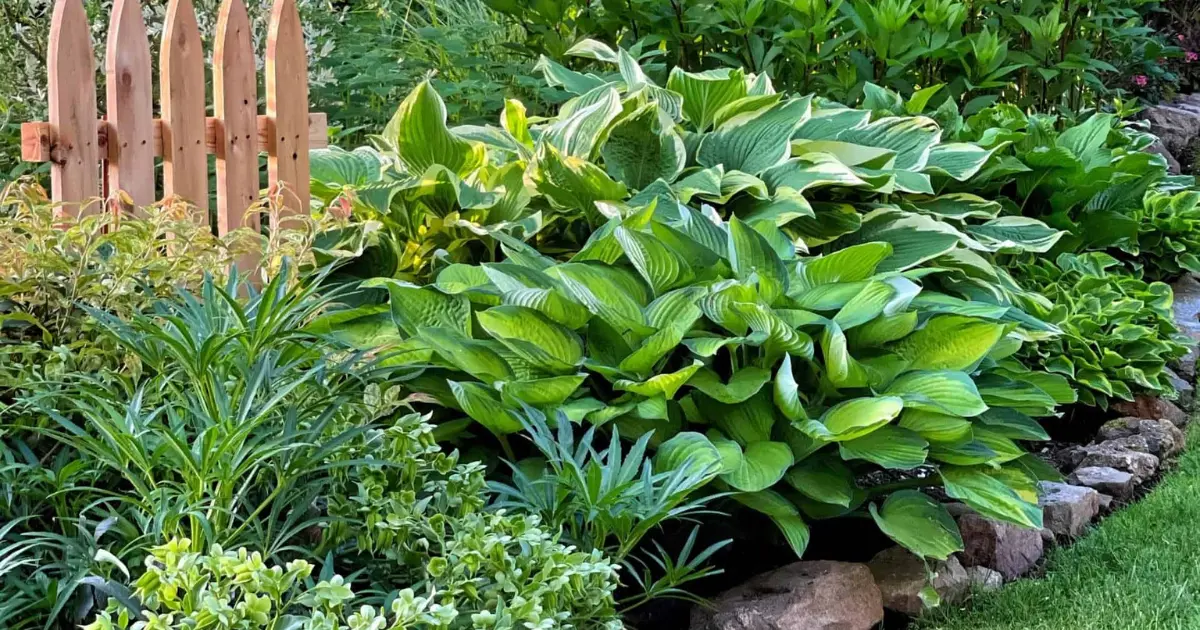
5 Best Shade-Loving Perennials for a Lush, Vibrant Garden
The world of gardening often shines a spotlight on sun-drenched blossoms, but there is a [...]
Mar

7 Common Curry Leaf Plant Problems: Easy Fixes for a Thriving Plant
Is your curry leaf plant looking a bit sad lately? Maybe you woke up to [...]
Mar
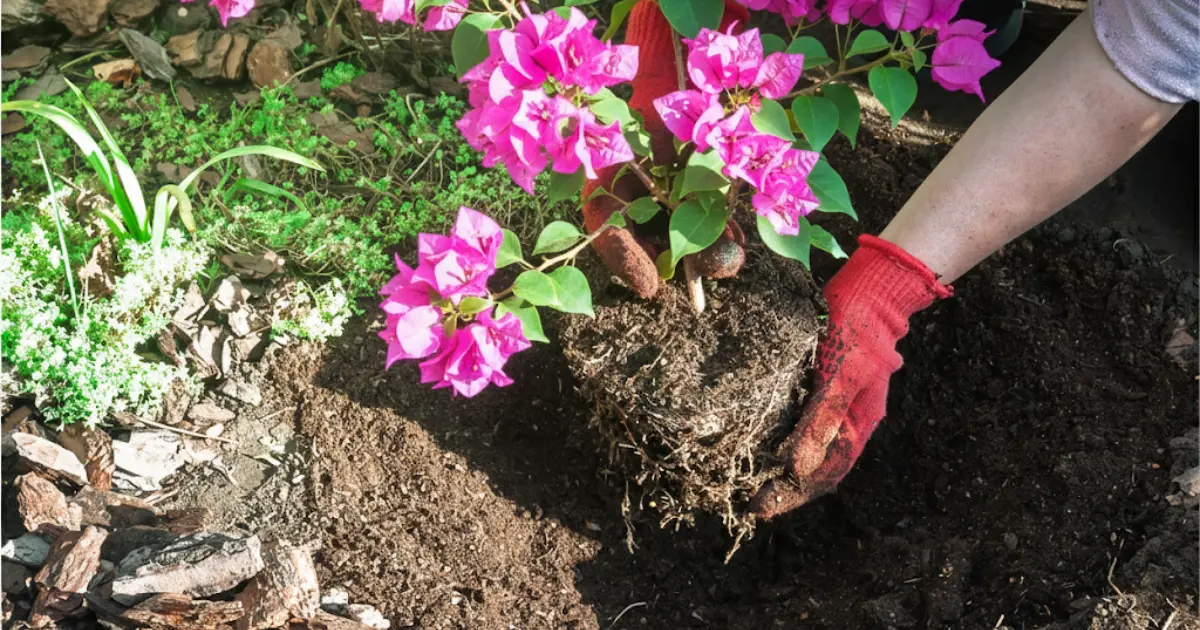
Best Time to Plant Bougainvillea: Timing for Vibrant Blooms
If you’re looking for a hardy tropical vine that delivers a riot of neon color, [...]
Feb
How to Propagate Purple Passion Plants (Gynura aurantiaca)
Have you ever been mesmerized by the neon-purple glow and fuzzy, velvet-like leaves of a [...]
Feb
How to Grow Beauregard Sweet Potatoes: From Slips to a Bountiful Harvest
Are you ready to add a classic, heavy-hitting favorite to your vegetable patch? If you’ve [...]
Feb
Reviews
There are no reviews yet.