
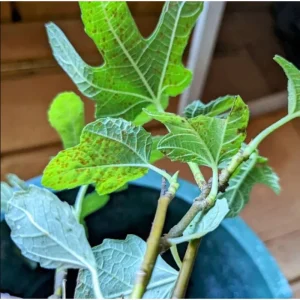
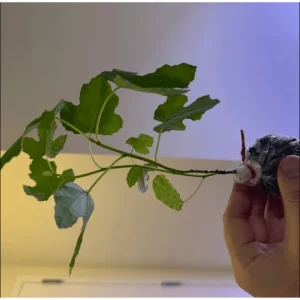
Black Mission Fig Tree Live Plant – Ficus Carica – 4-8 Inch Tall – Sweet Fruit
Original price was: $44.99.$34.99Current price is: $34.99.
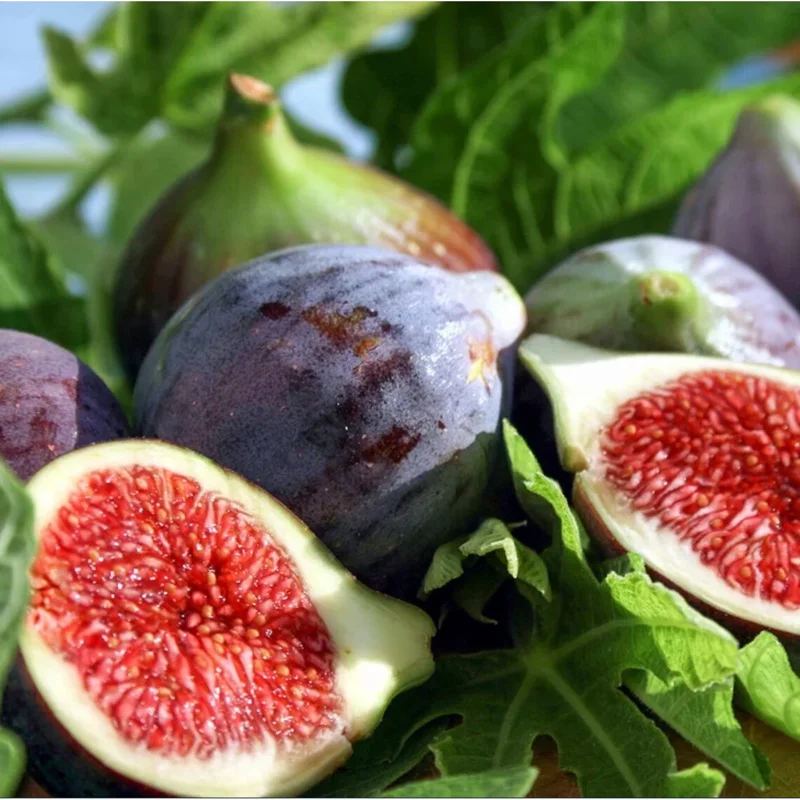
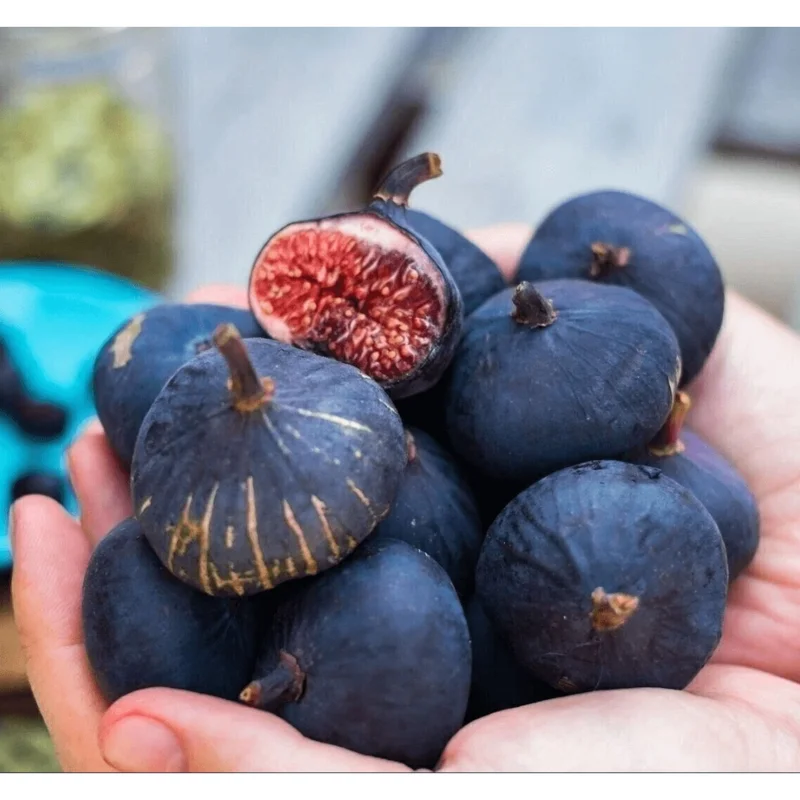
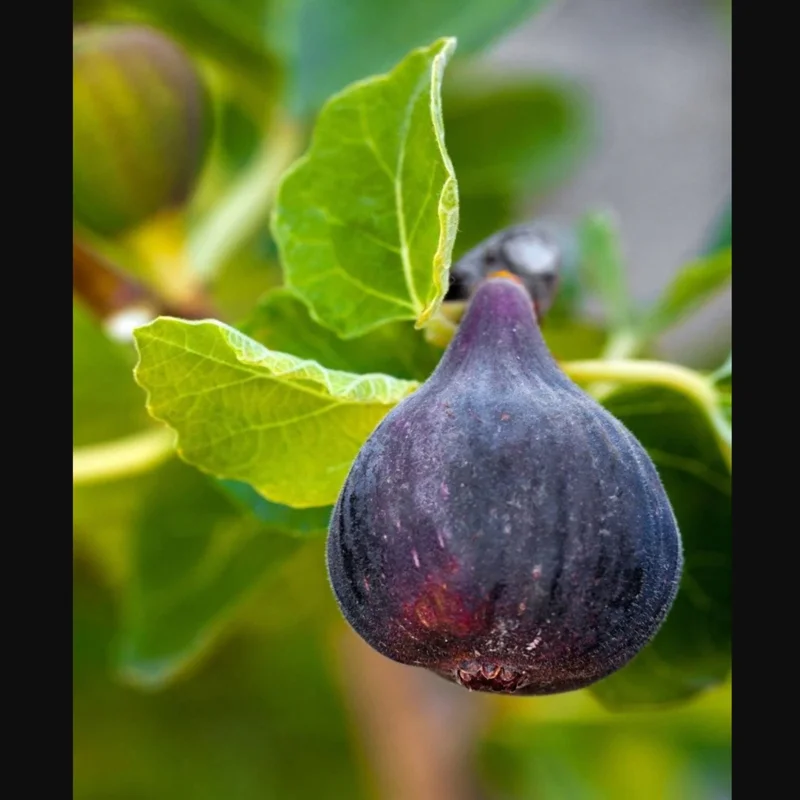
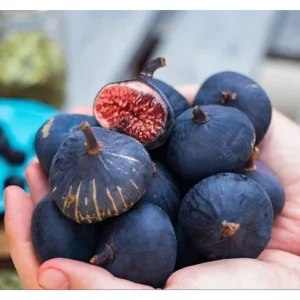
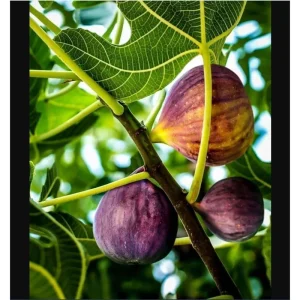
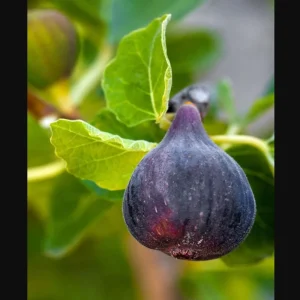
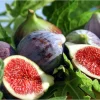
Cultivate your own delicious fruit with the Black Mission Fig Tree. This easy-to-grow Ficus carica plant is known for its sweet, dark, berry-flavored figs, producing two crops per year. Ideal for USDA zones 7-10, it thrives in full sun and can be grown in containers or in-ground, making it a versatile choice for any gardener seeking a rewarding fruit tree.
Estimated arrival
Mar 31
Apr 05 - Apr 07
Apr 10 - Apr 14

Reasonable Price
We offer reasonable price

Support 24/7
Contact us 24 hrs a day

100% Money Back
You've 30 days to Return

Payment Secure
100% secure payment
Overview
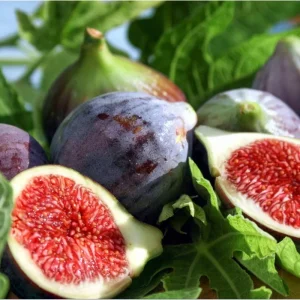
Bring the joy of fresh, homegrown fruit to your garden with the Black Mission Fig Tree. This highly sought-after variety of Ficus carica plant is celebrated for its exceptionally sweet, dark purple figs with a rich, berry-flavored pulp. Originating from Spain, the Black Mission Fig has become a favorite among gardeners for its vigorous growth and reliable production of two distinct crops each year: an early ‘Breba’ crop on old wood, followed by a main crop on new growth. Whether you’re an experienced horticulturist or a budding gardener, this resilient and easy-to-care-for fruit tree offers a rewarding experience and an abundance of delicious fruit for snacking, baking, or preserving.
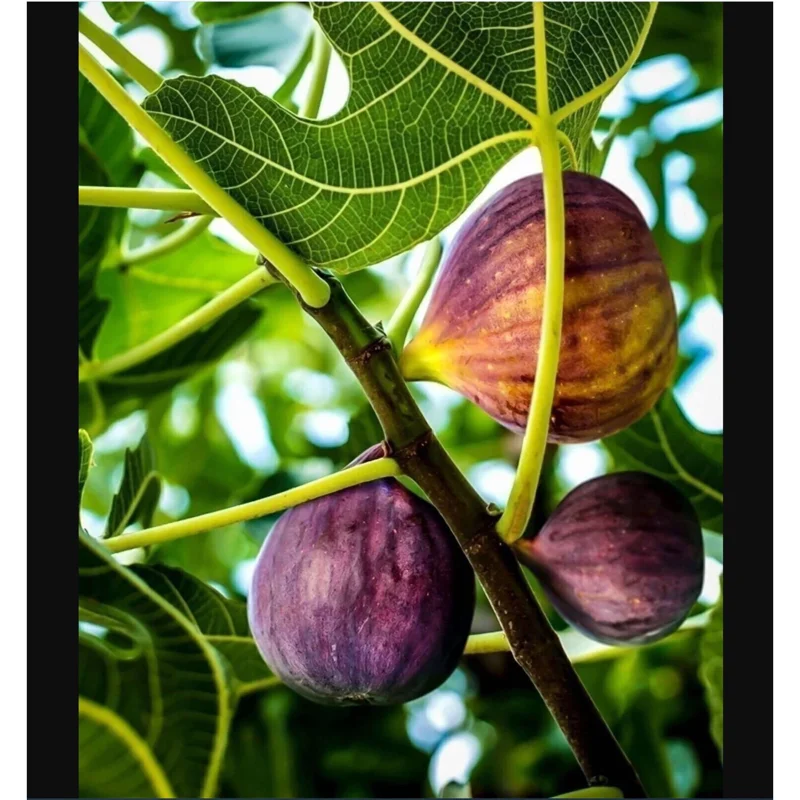
The Black Mission Fig Tree is a versatile plant that adapts well to various growing conditions. It can be a stunning addition to an edible landscape, a productive specimen in a dedicated orchard, or even a thriving plant in a large container on a patio or balcony. Its broad, lobed leaves provide an attractive tropical aesthetic, making it an ornamental asset even when not in fruit. Enjoy the satisfaction of harvesting your own sweet figs, knowing they are fresh, organic, and cultivated with your own hands.
Key Benefits
Choosing to grow fig trees like the Black Mission offers numerous advantages for both your garden and your palate. This robust plant provides a continuous supply of delectable fruit and enhances your outdoor space:
- Abundant & Delicious Fruit: Enjoy two crops of sweet, dark, berry-flavored figs annually, perfect for fresh eating, jams, or desserts. The rich flavor of the Black Mission Fig Tree is truly unparalleled.
- Easy to Grow: Known for its resilience and adaptability, this fig tree is suitable for gardeners of all skill levels. It requires minimal fuss once established, making fig tree care straightforward.
- Versatile Planting Options: Thrives equally well when planted directly in the ground or cultivated in a large container, offering flexibility for different garden sizes and climates.
- Ornamental Appeal: Beyond its fruit, the large, distinctive leaves of the Ficus carica plant add a beautiful, lush, and somewhat tropical aesthetic to any garden or patio.
- Drought Tolerant: Once mature and established, the Black Mission Fig demonstrates good drought tolerance, reducing the need for constant watering compared to many other fruit trees.
- Health Benefits: Figs are a good source of dietary fiber, potassium, and other essential nutrients, contributing to a healthy lifestyle.
- Pollinator Friendly: While figs are self-pollinating, their presence can attract beneficial insects to your garden ecosystem.
Plant Care & Growing Tips
Successful cultivation of your Black Mission Fig Tree involves understanding its basic needs for sunlight, soil, and water. This guide will help you ensure your Ficus carica plant thrives and produces bountiful harvests. For optimal fruit production, the Black Mission Fig requires full sun exposure, meaning at least 6-8 hours of direct sunlight daily. In hotter climates, some afternoon shade can be beneficial to prevent leaf scorch, but generally, more sun equals more and sweeter fruit. When considering where to grow fig trees, choose a location with ample sunlight.
Well-drained, slightly acidic to neutral soil (pH 6.0-7.0) is ideal for the Black Mission Fig Tree. While tolerant of various soil types, rich, loamy soil amended with organic matter will promote the best growth. Ensure the planting site or container has excellent drainage to prevent root rot. Regular watering is crucial during the establishment phase and throughout fruiting, especially for container-grown plants. Once established, in-ground trees become more drought-tolerant, but consistent moisture will lead to larger, juicier figs. In USDA zones 7-10, the tree is hardy outdoors, but in colder regions, container growing allows you to move the plant indoors during winter to protect it from freezing temperatures, simplifying overall fig tree care.
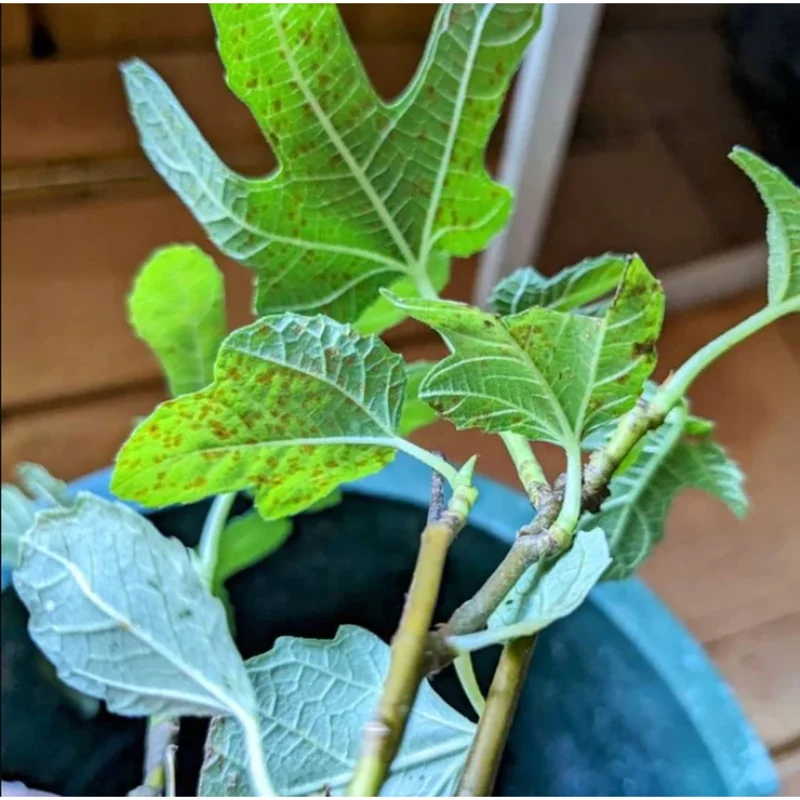
Fertilize your fig tree in early spring with a balanced, slow-release fertilizer or an organic compost. Avoid excessive nitrogen, which can promote leafy growth at the expense of fruit production. Pruning is best done in late winter or early spring while the tree is dormant. Remove any dead, damaged, or crossing branches and thin out the canopy to improve air circulation and sunlight penetration. This helps maintain the tree’s shape and encourages better fruit development. Watch out for common pests like spider mites or fig rust; good air circulation and appropriate organic treatments can help manage these issues effectively.
Size & Details
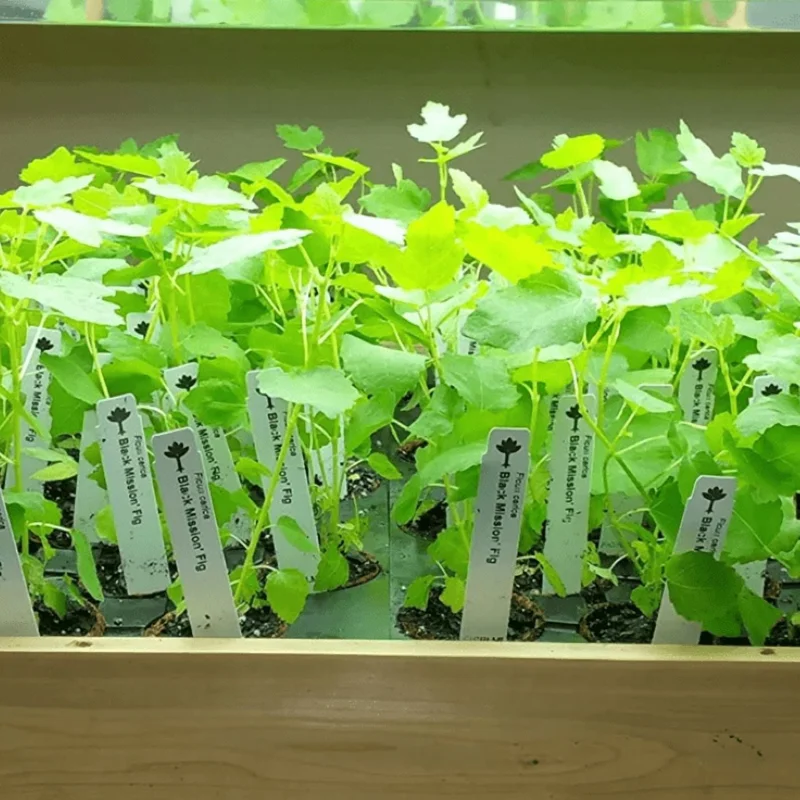
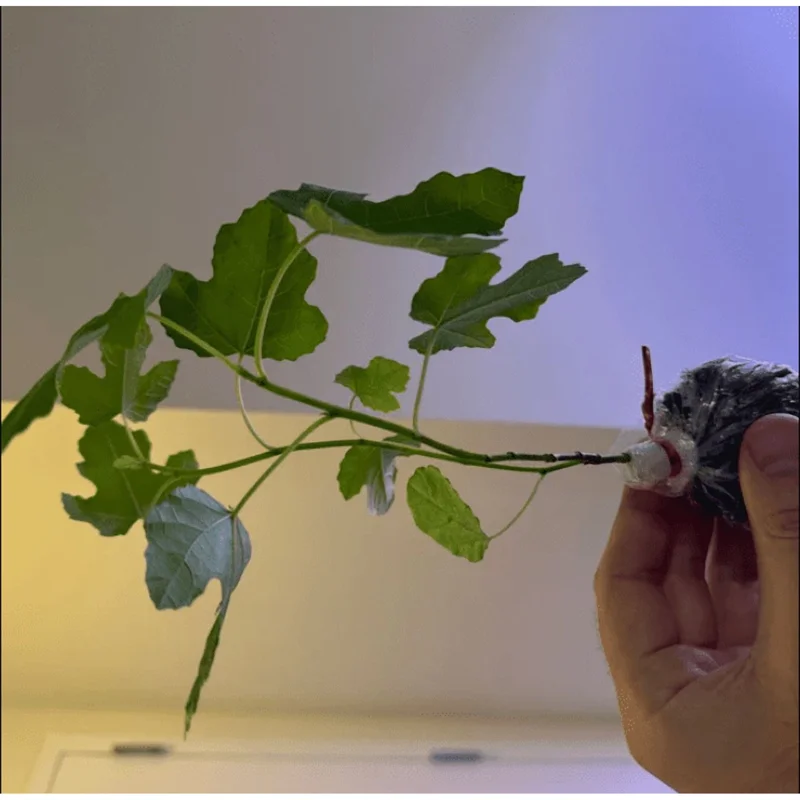
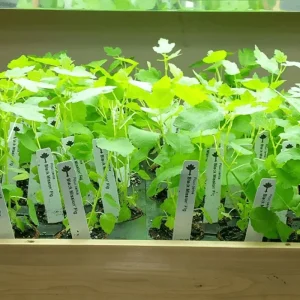
This offering is for a Black Mission Fig Tree live starter plant, typically measuring 4-8 inches tall from the base of the root system to the top of the plant. The plant will arrive healthy and ready for planting, carefully packaged to ensure its safe journey. It is shipped as a young, actively growing specimen, often without a ship pot to minimize transit stress and material waste, allowing for easier transplanting upon arrival. The plant’s mature size can vary depending on growing conditions and pruning practices. In the ground, it can reach heights of 10-30 feet with a similar spread, while container-grown plants can be maintained at a more manageable 6-10 feet with regular pruning.
Expect your Ficus carica plant to begin producing fruit within 1-3 years of planting, with increasing yields as it matures. The ‘Breba’ crop typically ripens in early summer, followed by the main crop from late summer into fall. The exact timing and quantity of fruit will depend on your local climate and care regimen. This vigorous grower will establish quickly, providing you with a long-lasting source of delicious figs for many years to come.
Frequently Asked Questions
- Q: How big does this plant get? A: In-ground, the Black Mission Fig Tree can grow 10-30 feet tall and wide. If grown in a container, its size can be kept more compact, typically 6-10 feet, with proper pruning and pot size management.
- Q: Is this an indoor or outdoor plant? A: The Black Mission Fig Tree is primarily an outdoor plant suitable for USDA zones 7-10. In colder zones, it can be grown outdoors in a container and moved indoors to a protected, unheated space during winter.
- Q: How much sunlight does it need? A: This fig tree thrives in full sun, requiring at least 6-8 hours of direct sunlight per day for optimal growth and fruit production. More sun generally leads to sweeter and more abundant figs.
- Q: Is this plant easy to care for? A: Yes, the Black Mission Fig Tree is considered easy to care for, making it an excellent choice for both beginner and experienced gardeners. It’s known for its robust nature and adaptability, simplifying fig tree care.
- Q: What condition will it arrive in? A: Your Black Mission Fig Tree starter plant will arrive healthy, live, and ready for planting. It is carefully packaged to ensure minimal stress during transit, often shipped without a traditional pot to protect the roots.
- Q: How long until it produces fruit? A: You can typically expect your Ficus carica plant to start bearing fruit within 1-3 years after planting, with yields increasing significantly as the tree matures.
- Q: What is the best way to ensure sweet figs? A: To ensure the sweetest figs, provide your tree with plenty of full sun, consistent watering, and well-drained soil. Adequate sunlight is key to developing high sugar content in the fruit.
- Q: Can I grow this fig tree in a pot? A: Absolutely! The Black Mission Fig Tree is an excellent candidate for container growing, especially in regions outside its hardiness zones. Use a large pot (15-25 gallons) with good drainage.
- Q: What are the main uses for Black Mission Figs? A: These sweet figs are perfect for fresh eating, drying, making jams and preserves, or incorporating into various desserts and savory dishes. Many people enjoy learning how to grow fig trees specifically for these culinary uses.
- Q: Is it shipped with a pot? A: As indicated, this specific offering is typically for a plant shipped without a traditional nursery pot to ensure safe and efficient transit. The roots will be carefully protected for planting upon arrival.
Be the first to review “Black Mission Fig Tree Live Plant – Ficus Carica – 4-8 Inch Tall – Sweet Fruit”
-
USDA Hardiness Zone
USDA zones 7-10 -
Soil Type
Well-drained, slightly acidic to neutral soil -
Sunlight Exposure
Full sun (6-8+ hours daily) -
Expected Planting Period
Spring to early summer
People Also Viewd


Sold 128 products
Original price was: $27.00.$24.00Current price is: $24.00.

Sold 127 products
Original price was: $89.99.$64.99Current price is: $64.99.

Sold 126 products
Original price was: $3,536.00.$23.99Current price is: $23.99.

Sold 125 products
Original price was: $86.99.$66.99Current price is: $66.99.
Sold 116 products
Original price was: $27.99.$16.99Current price is: $16.99.

Sold 114 products
Original price was: $28.99.$17.99Current price is: $17.99.

Flower Bulbs
3 Cranesbill Wild Geranium Organic Maculatums Bare Roots | Wildflower for Outdoor Garden
Sold 114 products
Original price was: $21.99.$6.99Current price is: $6.99.

Sold 109 products
Original price was: $63.99.$28.99Current price is: $28.99.RELATED posts
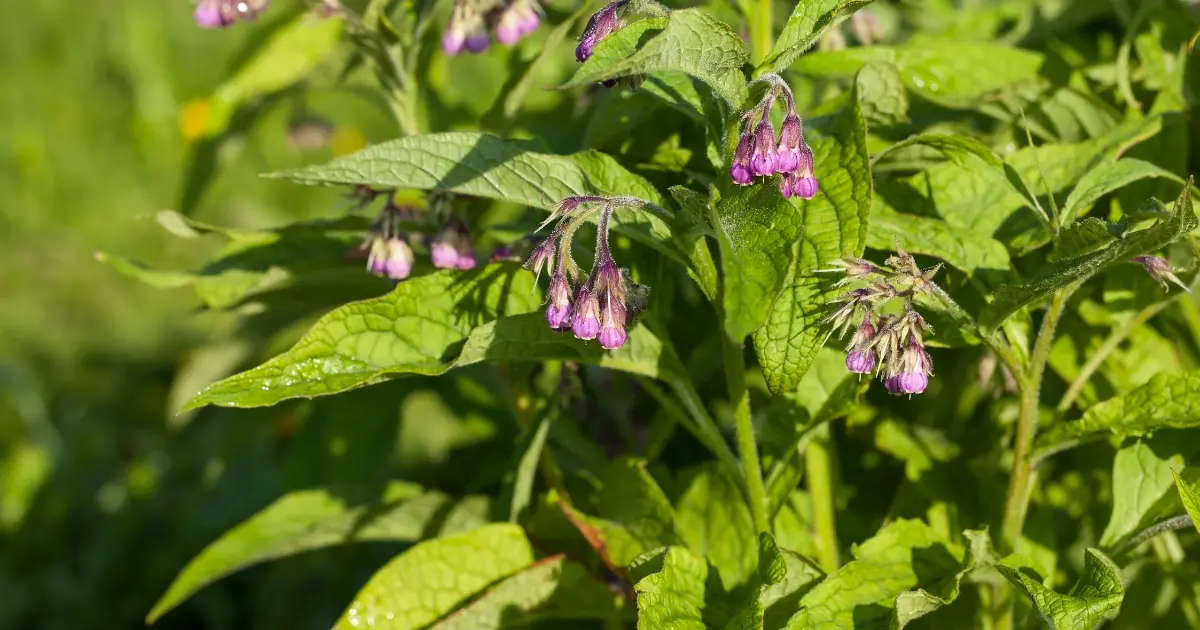
How to Identify Bocking 14 Comfrey: 5 Simple Visual Signs
If you’re growing comfrey for mulch, compost, or animal feed, knowing exactly which variety you [...]
Mar
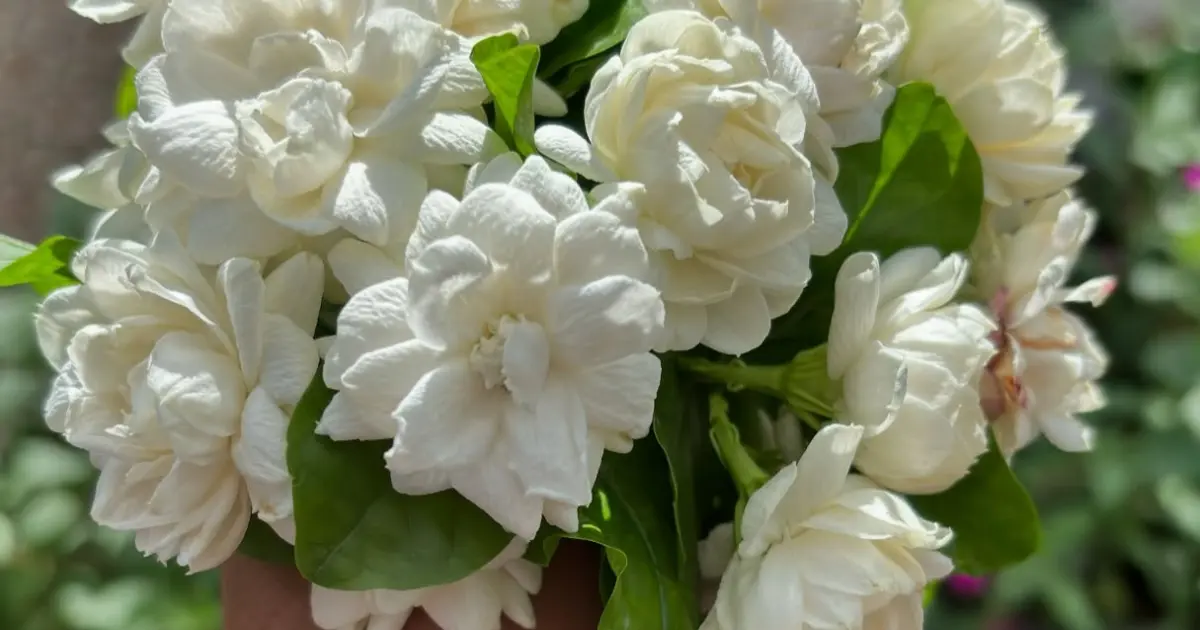
Grand Duke of Tuscany Jasmine: The Ultimate Guide to Growing a Fragrant Masterpiece
Have you ever caught a scent in the air so rich, creamy, and honey-sweet that [...]
Mar
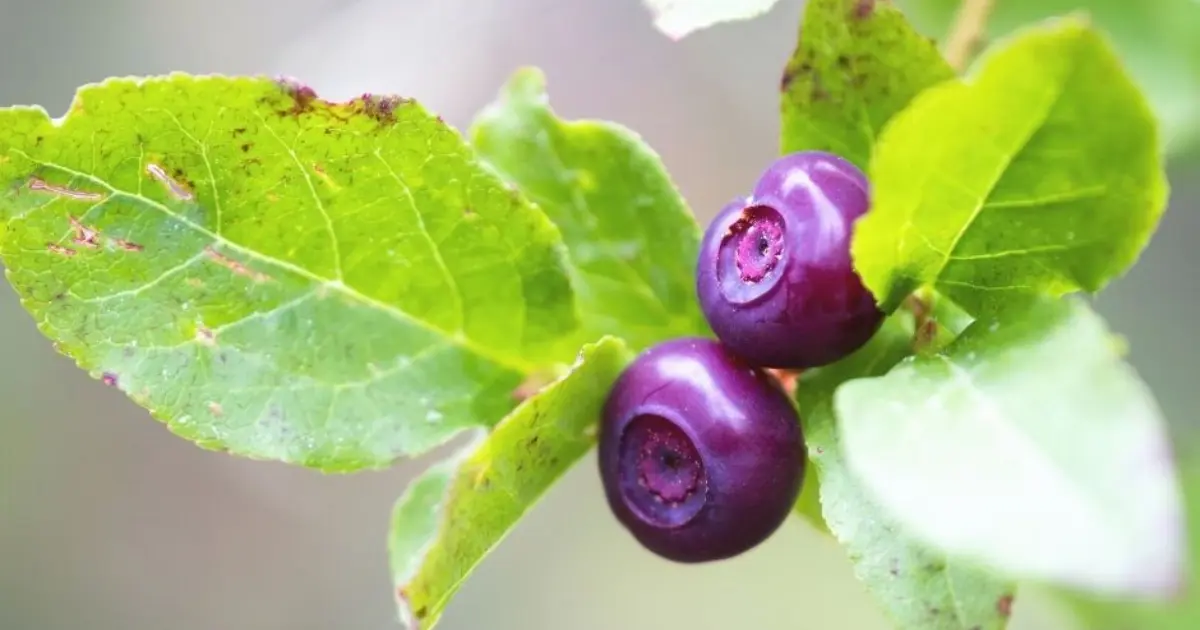
How to Grow Wild Huckleberries: A Guide to “Purple Gold”
Have you ever spent a summer afternoon hiking through the Pacific Northwest or the Rocky [...]
Mar
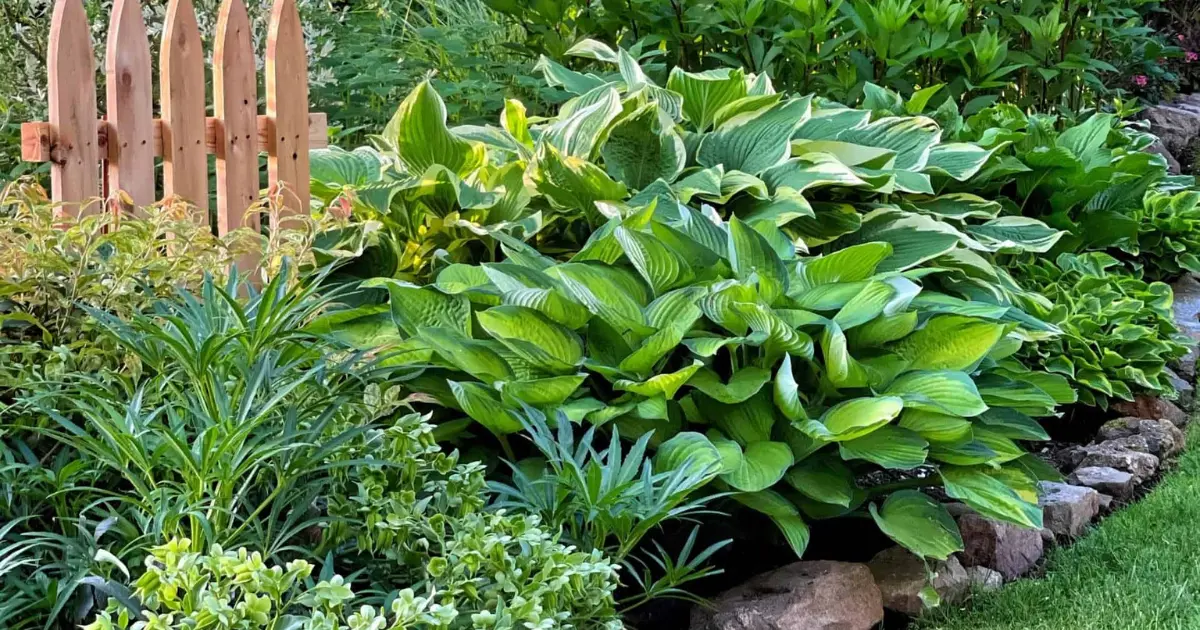
5 Best Shade-Loving Perennials for a Lush, Vibrant Garden
The world of gardening often shines a spotlight on sun-drenched blossoms, but there is a [...]
Mar

7 Common Curry Leaf Plant Problems: Easy Fixes for a Thriving Plant
Is your curry leaf plant looking a bit sad lately? Maybe you woke up to [...]
Mar

Best Time to Plant Bougainvillea: Timing for Vibrant Blooms
If you’re looking for a hardy tropical vine that delivers a riot of neon color, [...]
Feb
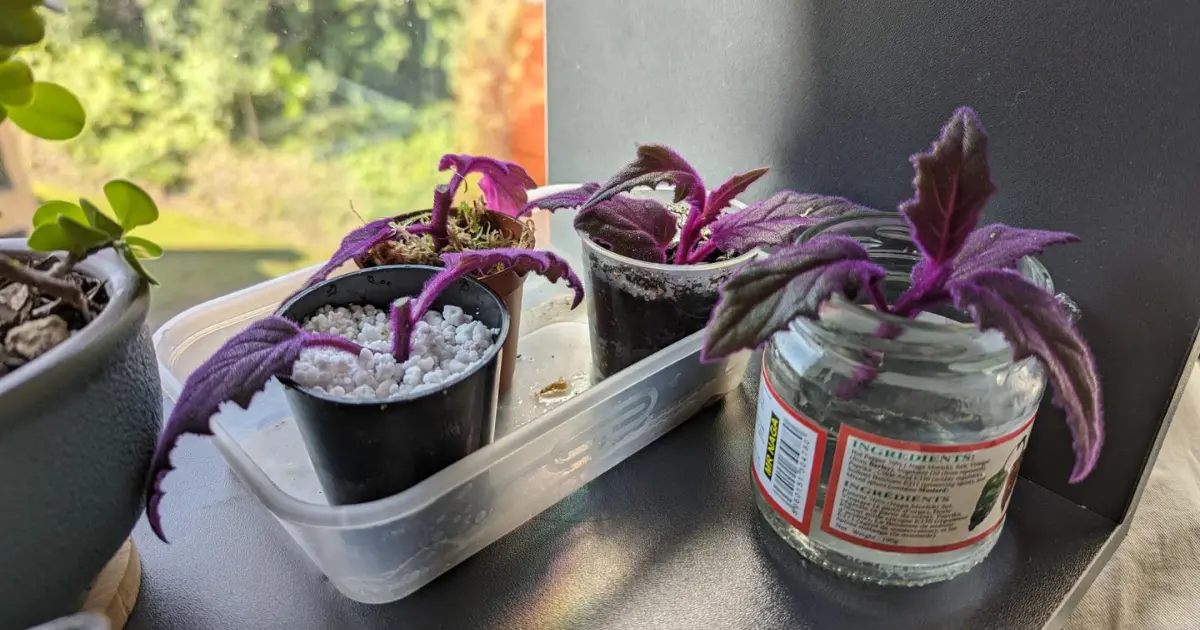
How to Propagate Purple Passion Plants (Gynura aurantiaca)
Have you ever been mesmerized by the neon-purple glow and fuzzy, velvet-like leaves of a [...]
Feb
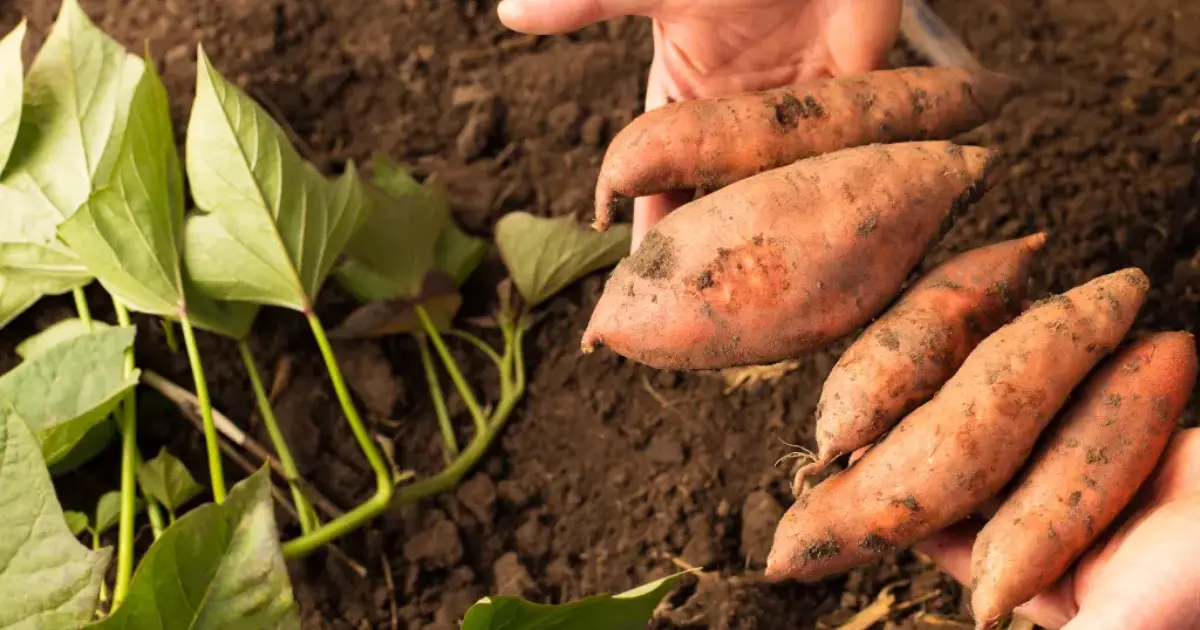
How to Grow Beauregard Sweet Potatoes: From Slips to a Bountiful Harvest
Are you ready to add a classic, heavy-hitting favorite to your vegetable patch? If you’ve [...]
Feb
Reviews
There are no reviews yet.