
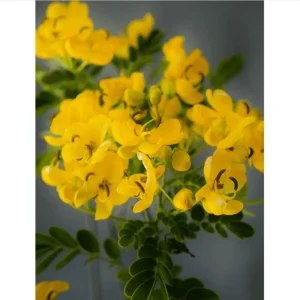
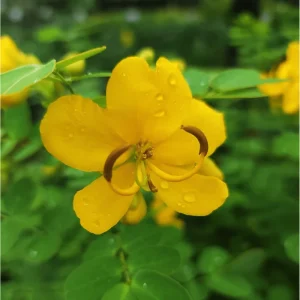
Cassia Bicapsularis Live Plant – Christmas Winter Senna Shrub, 4-6 Inch Tall
Original price was: $34.99.$24.99Current price is: $24.99.
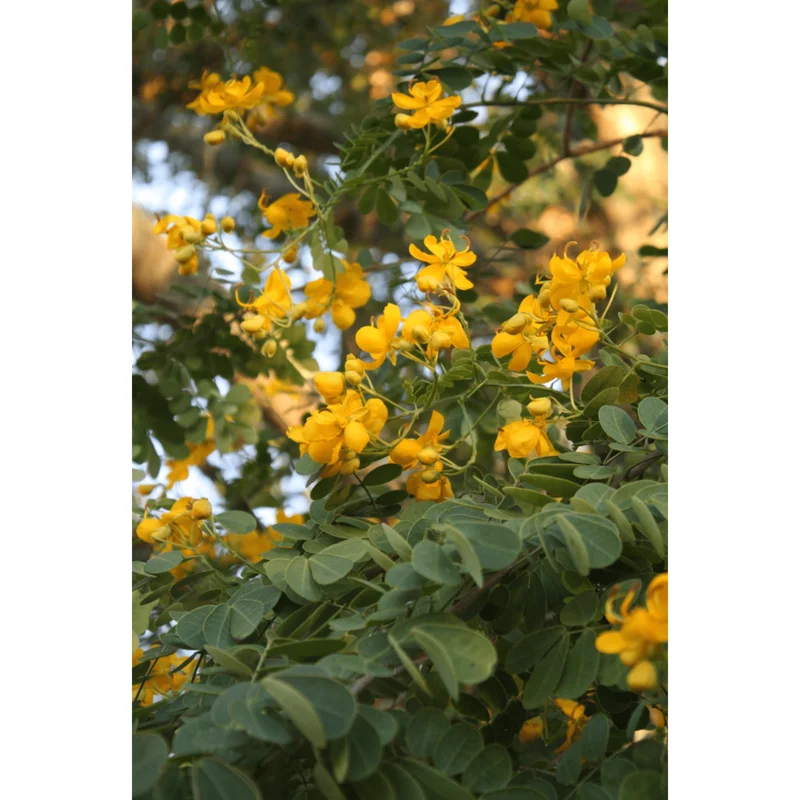
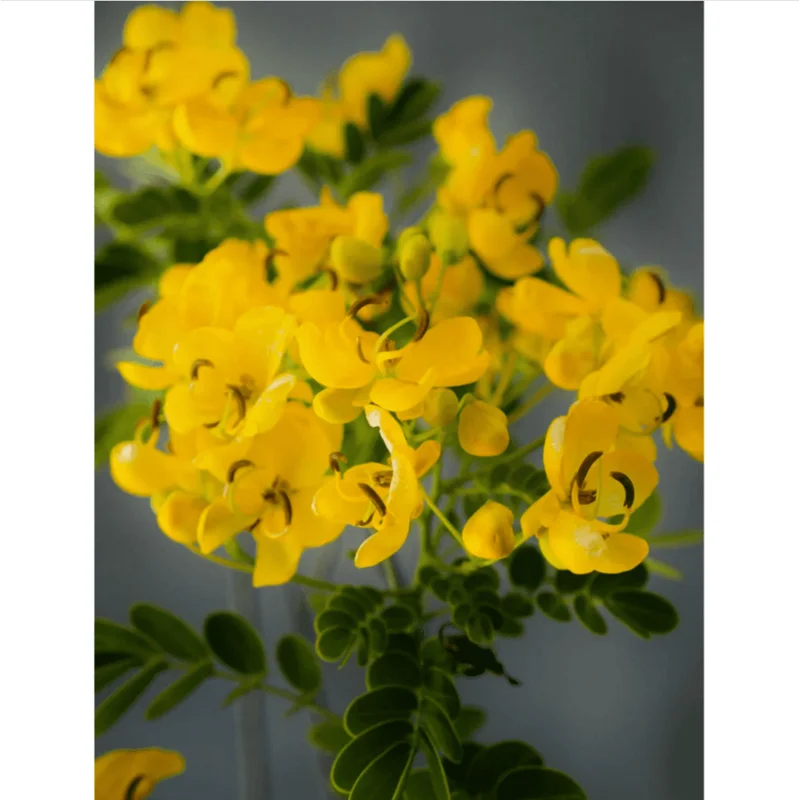
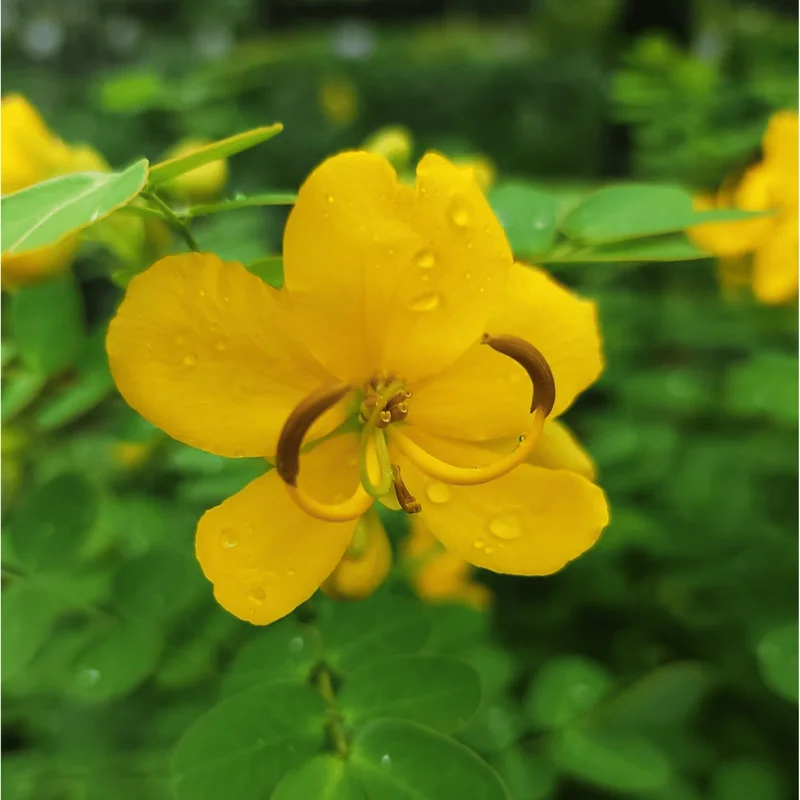
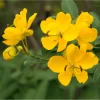
Bring vibrant color to your garden with the cassia bicapsularis live plant. This beautiful christmas winter cassia is a fast-growing shrub featuring bright yellow flowers that attract butterflies. Ideal for outdoor planting, it grows 4 to 6 inches tall.
Estimated arrival
Mar 31
Apr 05 - Apr 07
Apr 10 - Apr 14

Reasonable Price
We offer reasonable price

Support 24/7
Contact us 24 hrs a day

100% Money Back
You've 30 days to Return

Payment Secure
100% secure payment
Overview
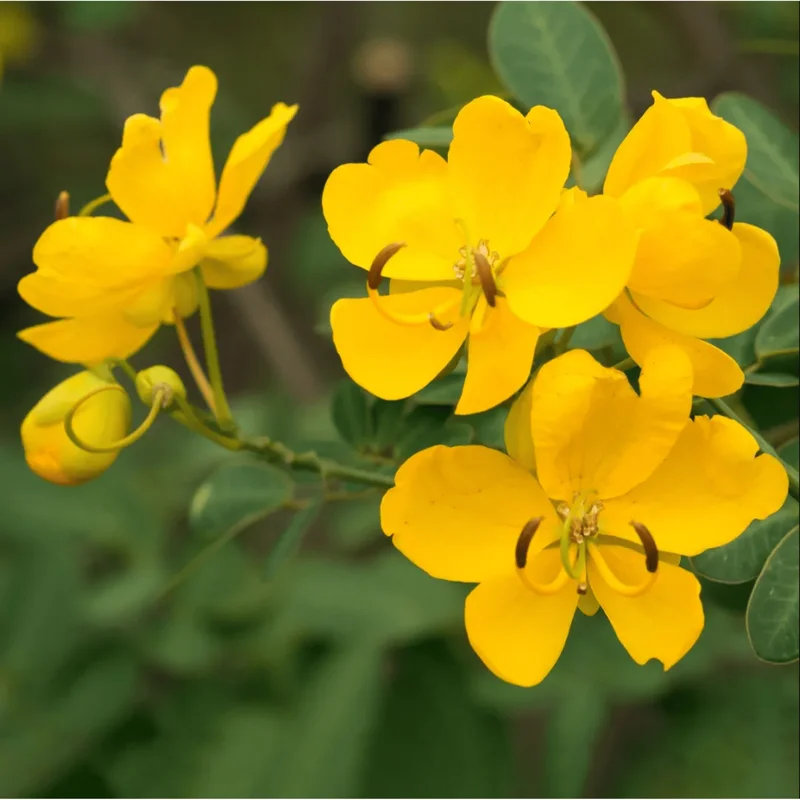
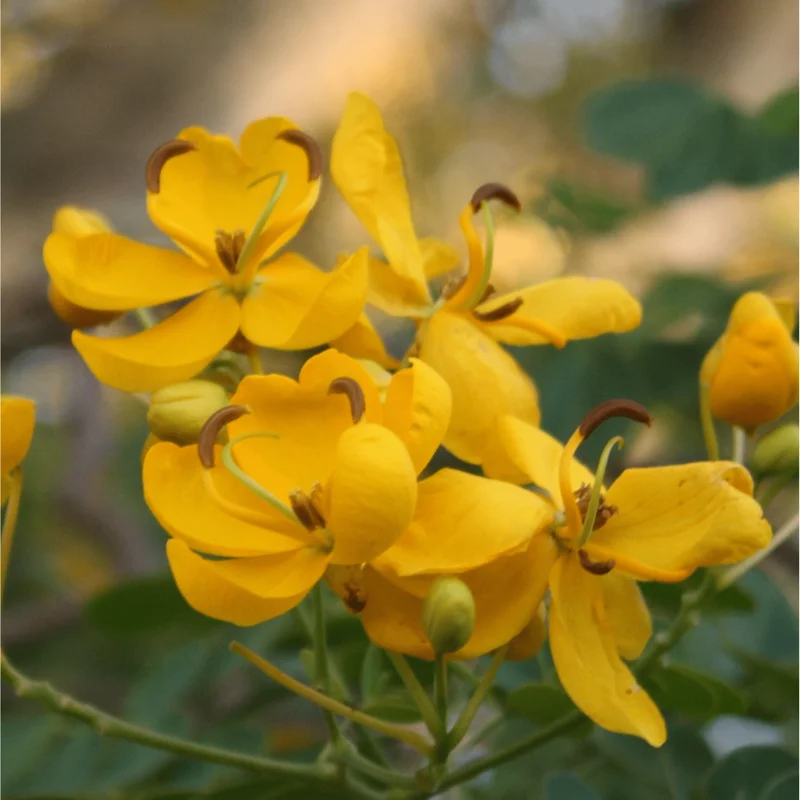
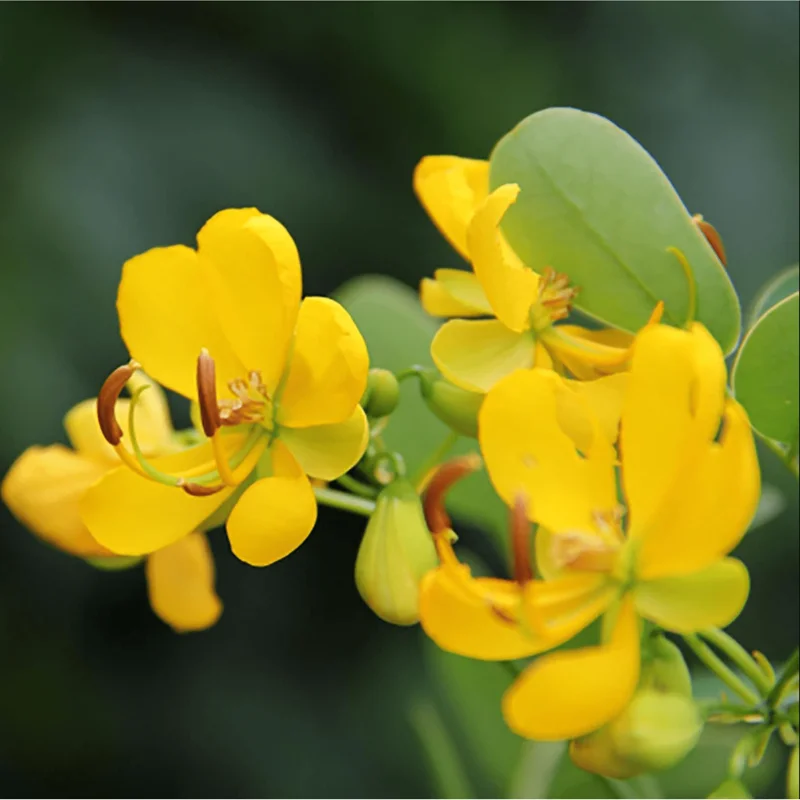
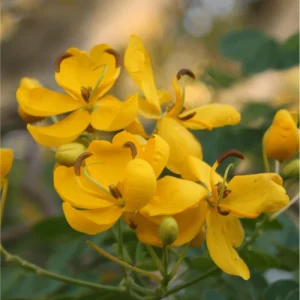
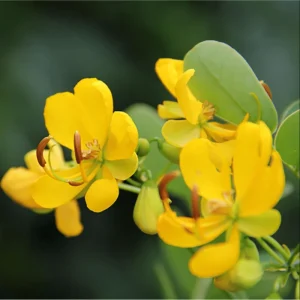
Introduce a burst of sunshine to your garden with the stunning cassia bicapsularis live plant. Also widely known as Winter Cassia, Christmas Senna, or butterfly bush plant, this tropical shrub is celebrated for its spectacular display of vibrant yellow blooms that appear in autumn and continue through winter. Scientifically named Senna bicapsularis, this fast-growing specimen is a favorite among gardeners looking to extend their flowering season and attract pollinators. Its cheerful flowers create a stunning visual impact, making it a focal point in any landscape. This particular offering provides a healthy, robust starter plant, ready to establish itself in your outdoor space and begin its journey towards becoming a magnificent, mature shrub.
Key Benefits
The cassia bicapsularis live plant offers numerous advantages, making it a highly desirable addition to various garden styles and personal preferences. Its distinctive features contribute not only to aesthetic appeal but also to ecological well-being.
-
Vibrant Winter Blooms: Unlike many plants that fade as the seasons change, the christmas winter cassia comes alive with brilliant yellow flowers in autumn and winter, providing much-needed color during cooler months. These prolific blooms create a dazzling spectacle, brightening up even the dullest winter days.
-
Attracts Pollinators: As a true butterfly bush plant, it serves as an excellent host and nectar source for various butterfly species, as well as bees and other beneficial insects. Planting this shrub actively contributes to local biodiversity and supports pollinator populations, enhancing the health of your garden ecosystem.
-
Fast-Growing & Resilient: This shrub is known for its rapid growth rate, quickly establishing itself and providing significant impact in a relatively short period. Once established, the senna bicapsularis shrub is remarkably resilient and adaptable, making it a rewarding choice for both novice and experienced gardeners.
-
Low Maintenance: Despite its exotic appearance, the yellow flowering plant requires relatively low maintenance once mature. It is drought-tolerant and generally resistant to common pests and diseases, allowing you to enjoy its beauty with minimal effort.
-
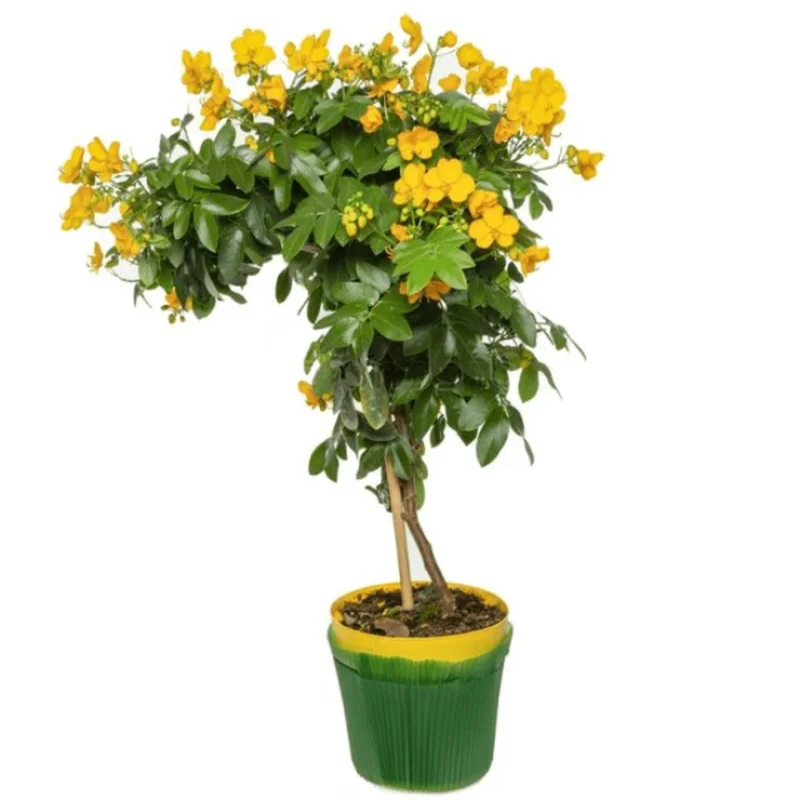
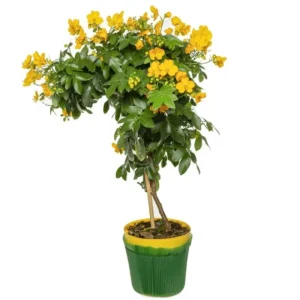
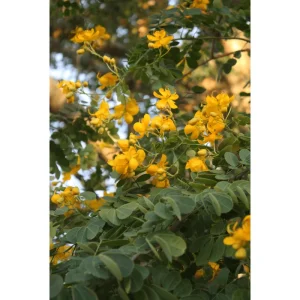
Architectural Interest: With its graceful form and profusion of flowers, the cassia bicapsularis live plant adds significant architectural interest to garden beds, borders, or as a stand-alone specimen. Its dense foliage provides a lush backdrop for its striking blooms.
Plant Care & Growing Tips
To ensure your cassia bicapsularis live plant thrives, understanding its specific care requirements is crucial. This tropical shrub, also known as christmas winter cassia, prefers conditions that mimic its native habitat. For optimal growth and prolific flowering, choose a location that receives full sun, meaning at least 6 hours of direct sunlight daily. Adequate sunlight is paramount for the development of its vibrant yellow flowers. In regions with intense summer heat, some afternoon shade can be beneficial to prevent leaf scorch, but generally, more sun equals more blooms.
The ideal soil for this yellow flowering plant is well-drained, sandy or loamy, with a pH between 6.0 and 7.5. Good drainage is critical to prevent root rot. If you have heavy clay soil, amend it generously with organic matter like compost or sand to improve aeration and drainage. During its first year, consistent moisture is important; keep the soil evenly moist but never waterlogged. Once established, the senna bicapsularis shrub becomes quite drought-tolerant, requiring less frequent watering. Water deeply when the top few inches of soil feel dry to the touch, especially during dry spells. Fertilization is generally not heavily required; a balanced, slow-release fertilizer in spring can encourage vigorous growth and blooming, but avoid over-fertilizing, which can lead to excessive foliage at the expense of flowers. This plant is typically hardy in USDA zones 9-11, where it can be grown as a perennial. In cooler zones, it can be grown in containers and brought indoors for winter, or treated as an annual.
Size & Details
This offering includes two healthy cassia bicapsularis live plant starter plants, each measuring approximately 4 to 6 inches tall upon arrival. These young plants are carefully nurtured to ensure they are robust and ready for transplanting into your garden or a larger container. As a fast-growing shrub, you can expect significant development in its first season. When mature, the christmas winter cassia can reach heights of 6 to 10 feet with a similar spread, forming a dense, rounded bush. These plants are shipped without a pot, with their root system carefully protected to minimize stress during transit. They establish quickly when planted in appropriate conditions, typically showing their first vibrant yellow flowers in the autumn of their first or second year, depending on planting time and growing conditions. The mature senna bicapsularis shrub provides a substantial presence in the landscape, offering both beauty and ecological benefits.
Frequently Asked Questions
-
Q: How big does this cassia bicapsularis live plant get? A: When mature, the cassia bicapsularis live plant typically grows to a height of 6 to 10 feet with a similar spread, forming a substantial shrub. Its size can be managed with pruning.
-
Q: Is this an indoor or outdoor plant? A: The christmas winter cassia is primarily an outdoor plant, thriving in full sun. In USDA zones 9-11, it can be grown as a perennial. In colder climates, it can be grown in a container and overwintered indoors.
-
Q: How much sunlight does the yellow flowering plant need? A: This plant requires full sun, meaning at least 6 hours of direct sunlight per day, for optimal growth and abundant flowering. Less sun may result in fewer blooms.
-
Q: Is this butterfly bush plant easy to care for? A: Yes, once established, the butterfly bush plant is relatively easy to care for. It is drought-tolerant and generally low maintenance, making it suitable for gardeners of various skill levels.
-
Q: What condition will the plants arrive in? A: The plants are shipped as live starter plants, typically 4 to 6 inches tall, with their root systems carefully protected and without a pot to ensure they arrive in the best possible condition for planting.
-
Q: How long until the senna bicapsularis shrub blooms? A: Depending on when they are planted and growing conditions, these shrubs can begin to produce their vibrant yellow flowers in the autumn of their first or second year.
-
Q: What type of soil is best for the cassia bicapsularis live plant? A: The cassia bicapsularis live plant prefers well-drained, sandy or loamy soil with a pH between 6.0 and 7.5. Good drainage is essential to prevent root issues.
-
Q: Will it survive winter in my zone? A: This shrub is hardy in USDA zones 9-11 as a perennial. In colder zones, it will need protection from frost or can be grown as an annual or overwintered indoors.
-
Q: Does this plant attract any pests? A: The christmas winter cassia is generally pest-resistant. While no plant is entirely immune, it typically does not suffer from severe pest infestations.
-
Q: Can I prune the yellow flowering plant? A: Yes, you can prune the yellow flowering plant to maintain its shape, size, and encourage bushier growth. The best time for major pruning is after the flowering season.
Be the first to review “Cassia Bicapsularis Live Plant – Christmas Winter Senna Shrub, 4-6 Inch Tall”
-
USDA Hardiness Zone
USDA zones 9–11 -
Soil Type
Well-drained sandy or loamy soil -
Sunlight Exposure
Full sun -
Expected Planting Period
Spring to early summer
People Also Viewd
Sold 128 products
Original price was: $27.00.$24.00Current price is: $24.00.
Sold 127 products
Original price was: $89.99.$64.99Current price is: $64.99.
Sold 126 products
Original price was: $3,536.00.$23.99Current price is: $23.99.

Sold 125 products
Original price was: $86.99.$66.99Current price is: $66.99.
Sold 116 products
Original price was: $27.99.$16.99Current price is: $16.99.
Flower Bulbs
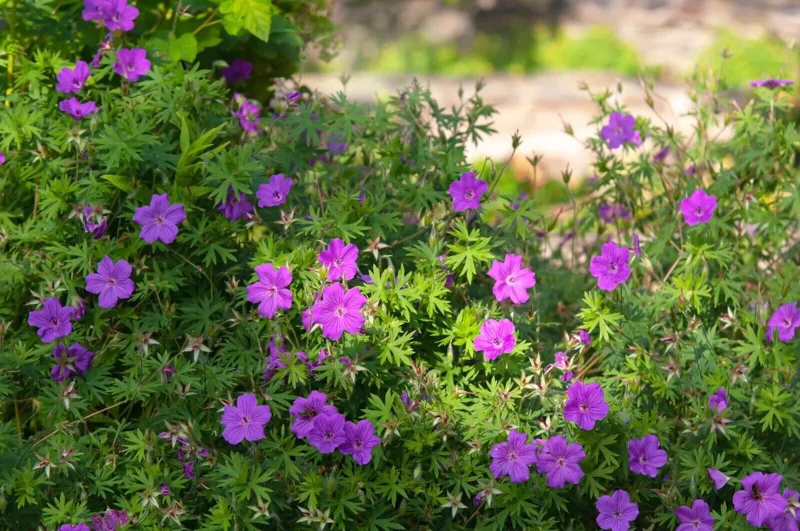
3 Cranesbill Wild Geranium Organic Maculatums Bare Roots | Wildflower for Outdoor Garden
Sold 114 products
Original price was: $21.99.$6.99Current price is: $6.99.
Sold 114 products
Original price was: $28.99.$17.99Current price is: $17.99.
Sold 109 products
Original price was: $63.99.$28.99Current price is: $28.99.RELATED posts
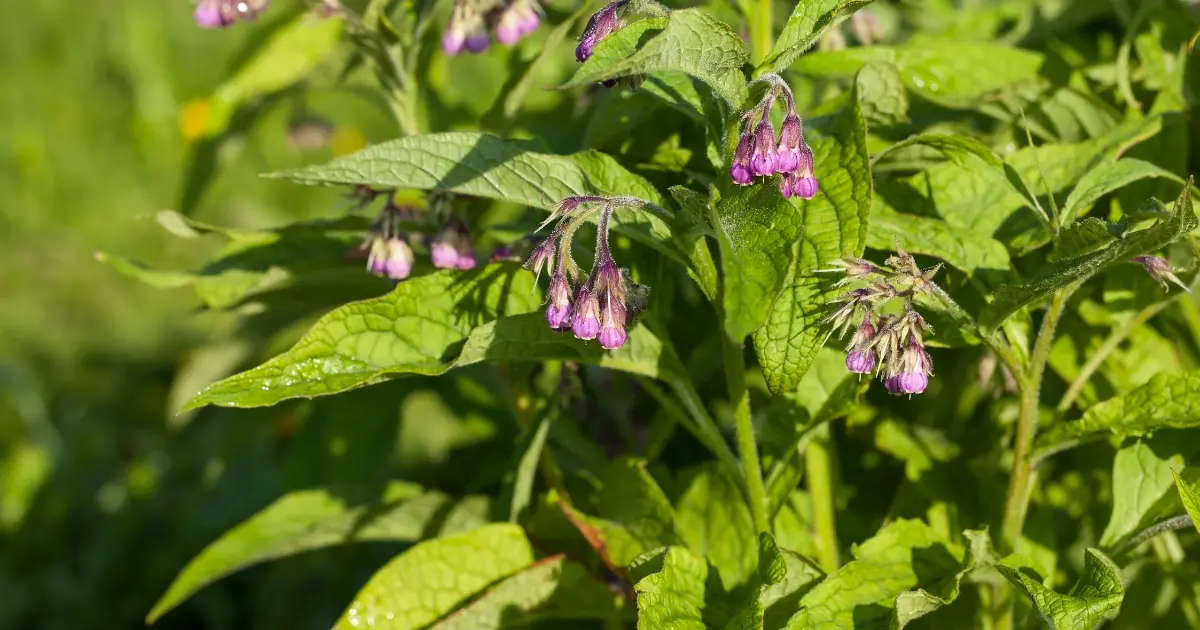
How to Identify Bocking 14 Comfrey: 5 Simple Visual Signs
If you’re growing comfrey for mulch, compost, or animal feed, knowing exactly which variety you [...]
Mar
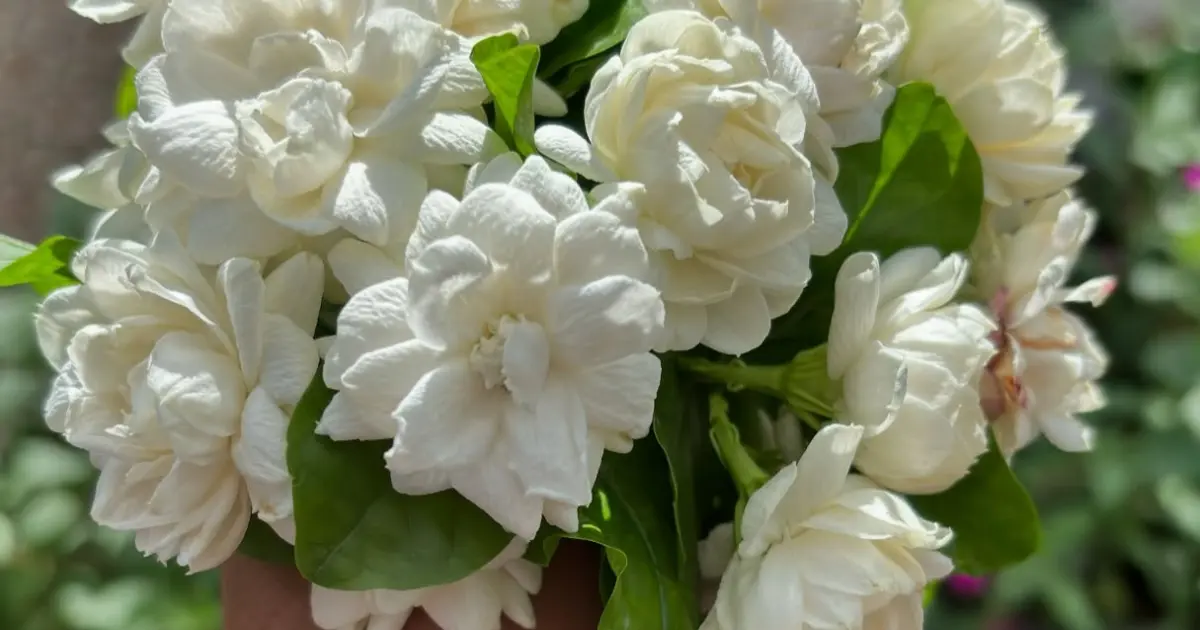
Grand Duke of Tuscany Jasmine: The Ultimate Guide to Growing a Fragrant Masterpiece
Have you ever caught a scent in the air so rich, creamy, and honey-sweet that [...]
Mar
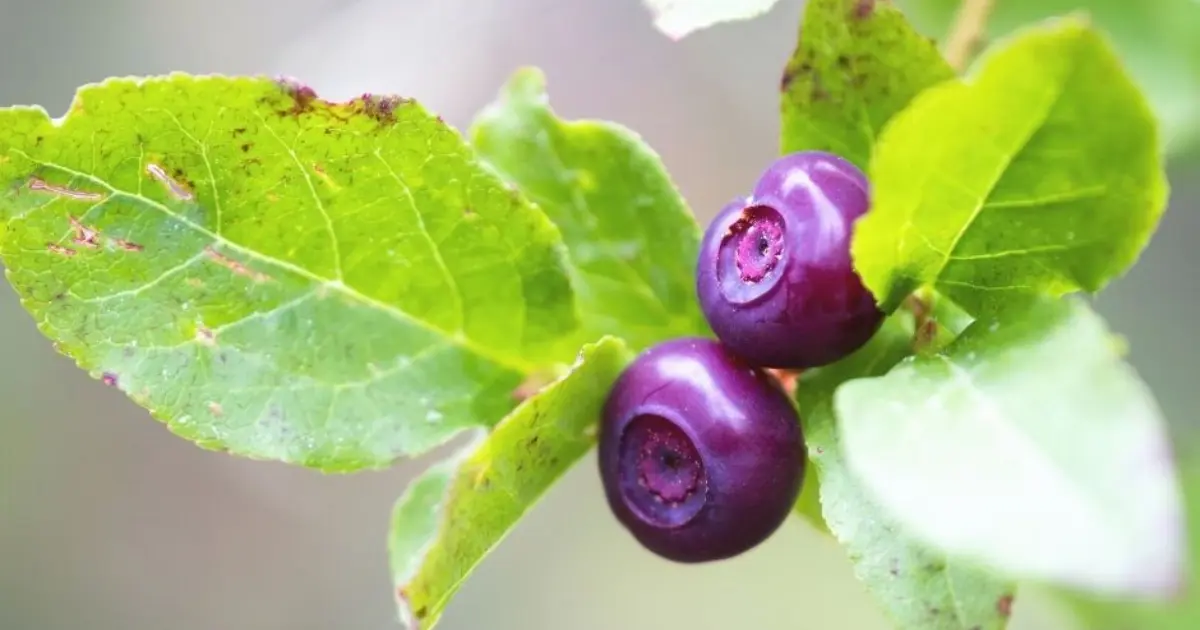
How to Grow Wild Huckleberries: A Guide to “Purple Gold”
Have you ever spent a summer afternoon hiking through the Pacific Northwest or the Rocky [...]
Mar
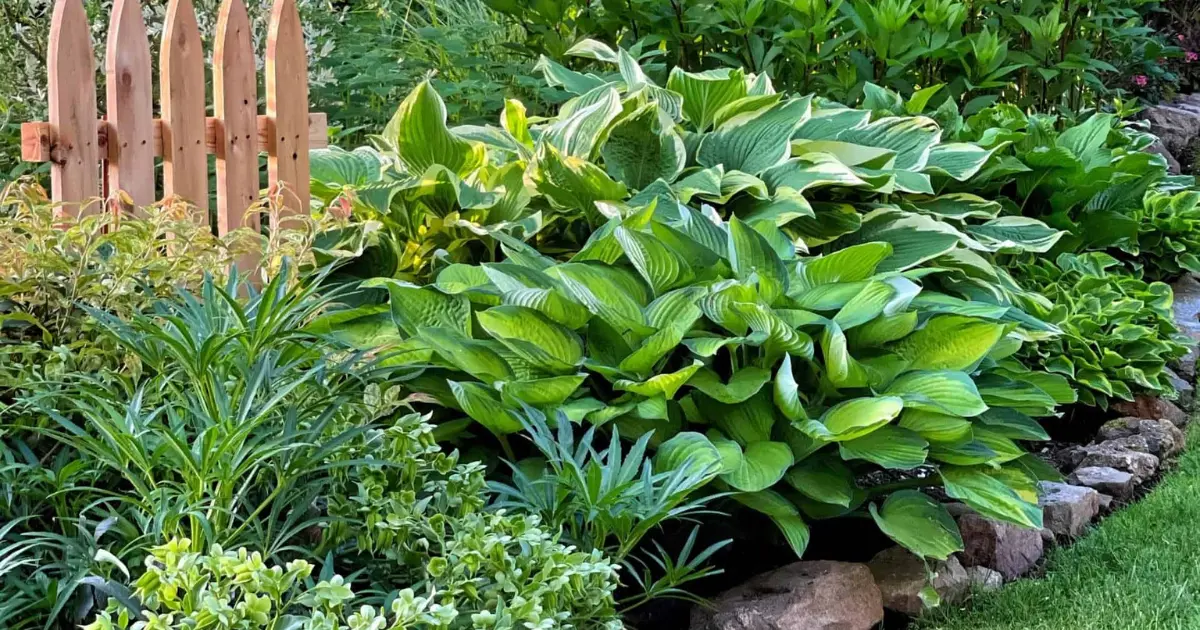
5 Best Shade-Loving Perennials for a Lush, Vibrant Garden
The world of gardening often shines a spotlight on sun-drenched blossoms, but there is a [...]
Mar

7 Common Curry Leaf Plant Problems: Easy Fixes for a Thriving Plant
Is your curry leaf plant looking a bit sad lately? Maybe you woke up to [...]
Mar
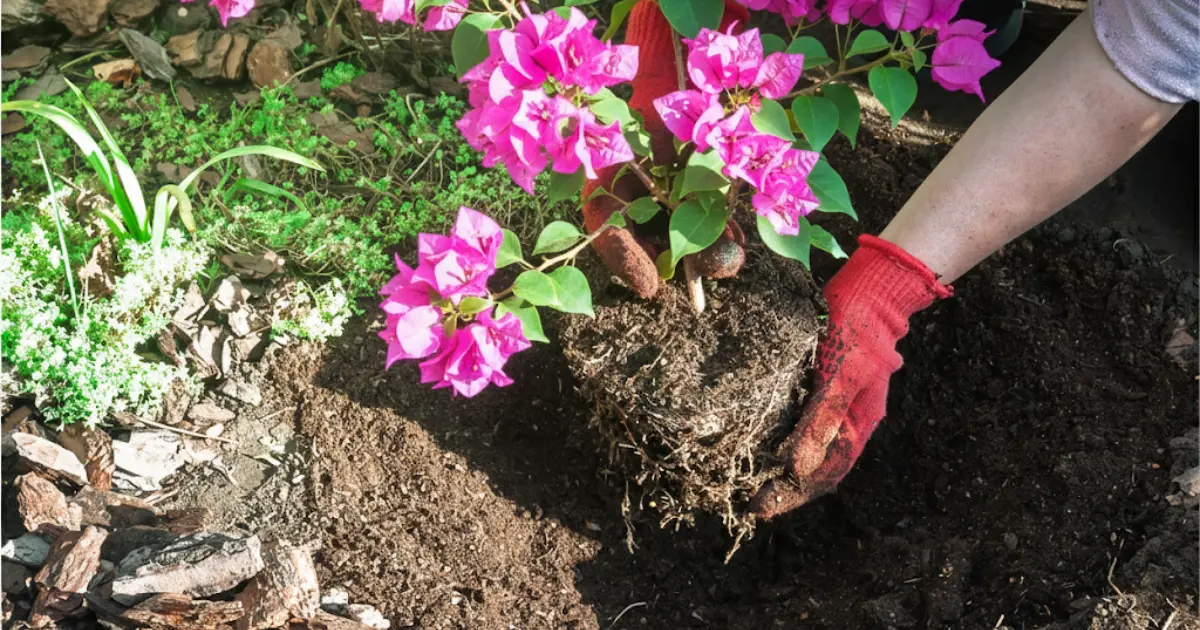
Best Time to Plant Bougainvillea: Timing for Vibrant Blooms
If you’re looking for a hardy tropical vine that delivers a riot of neon color, [...]
Feb
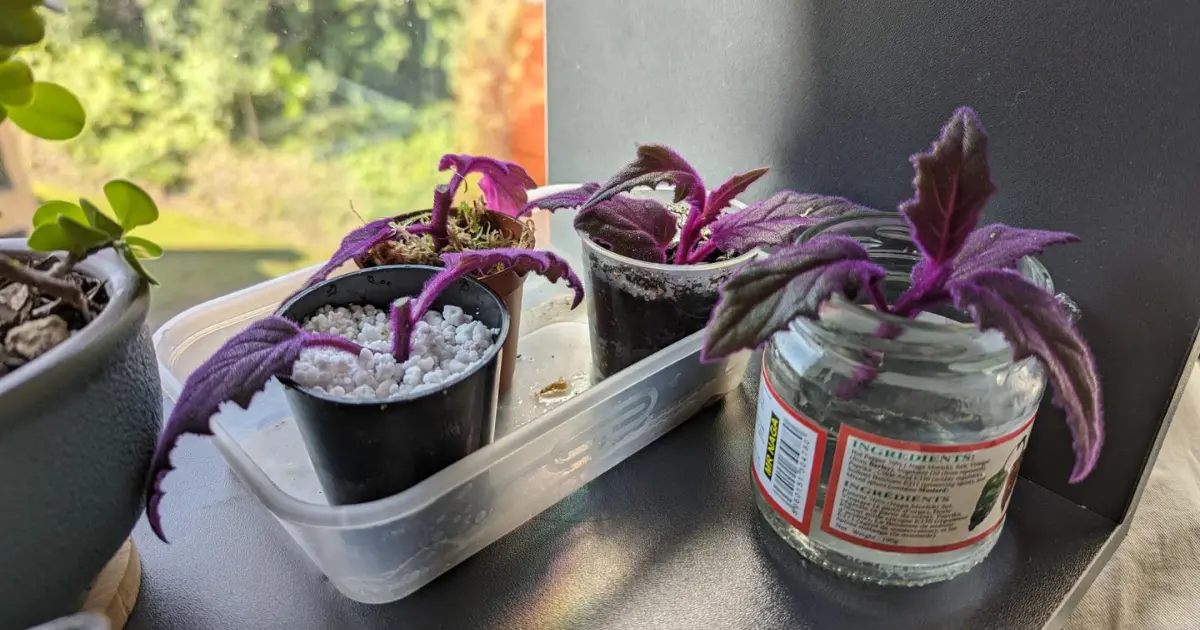
How to Propagate Purple Passion Plants (Gynura aurantiaca)
Have you ever been mesmerized by the neon-purple glow and fuzzy, velvet-like leaves of a [...]
Feb
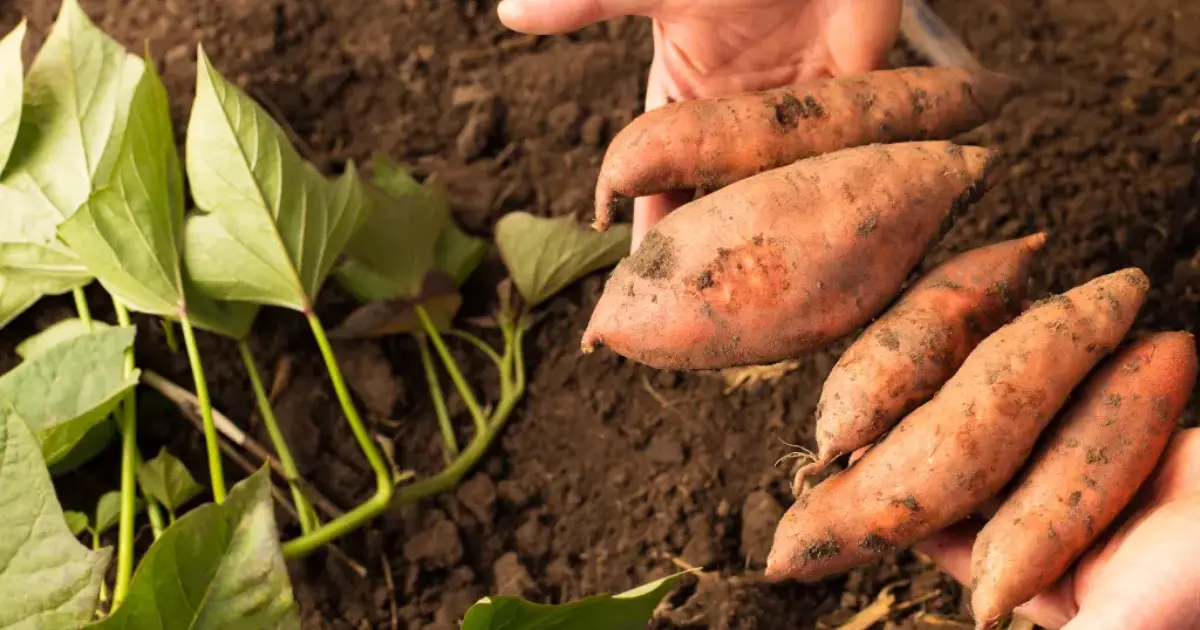
How to Grow Beauregard Sweet Potatoes: From Slips to a Bountiful Harvest
Are you ready to add a classic, heavy-hitting favorite to your vegetable patch? If you’ve [...]
Feb
Reviews
There are no reviews yet.