
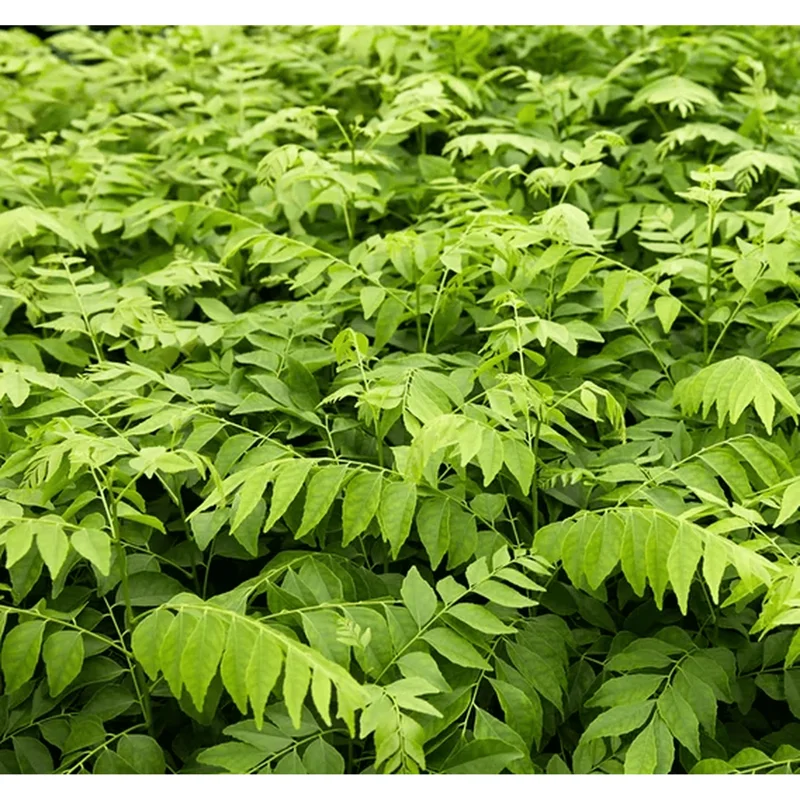
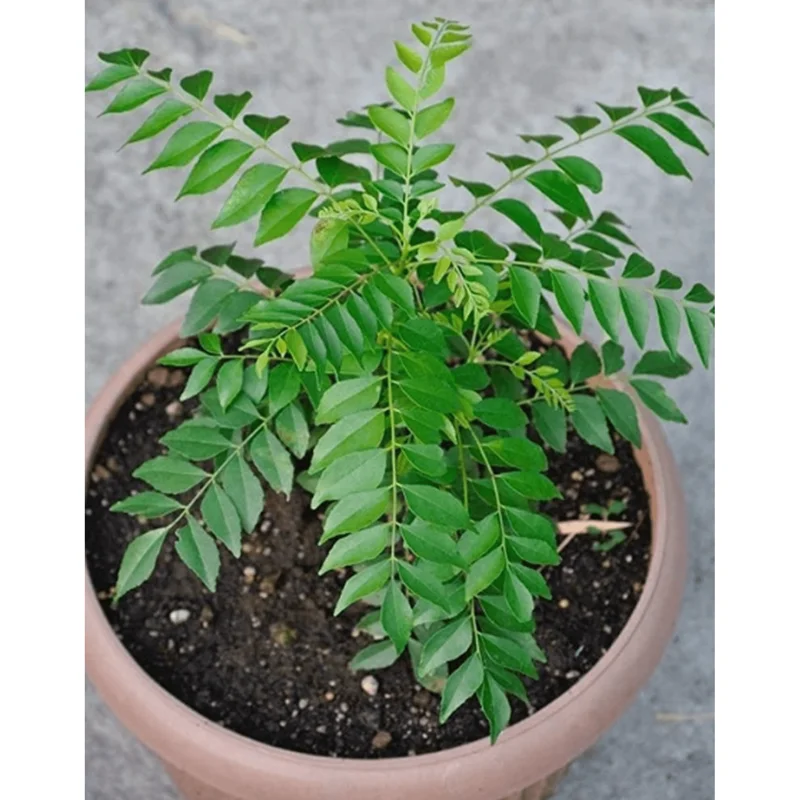
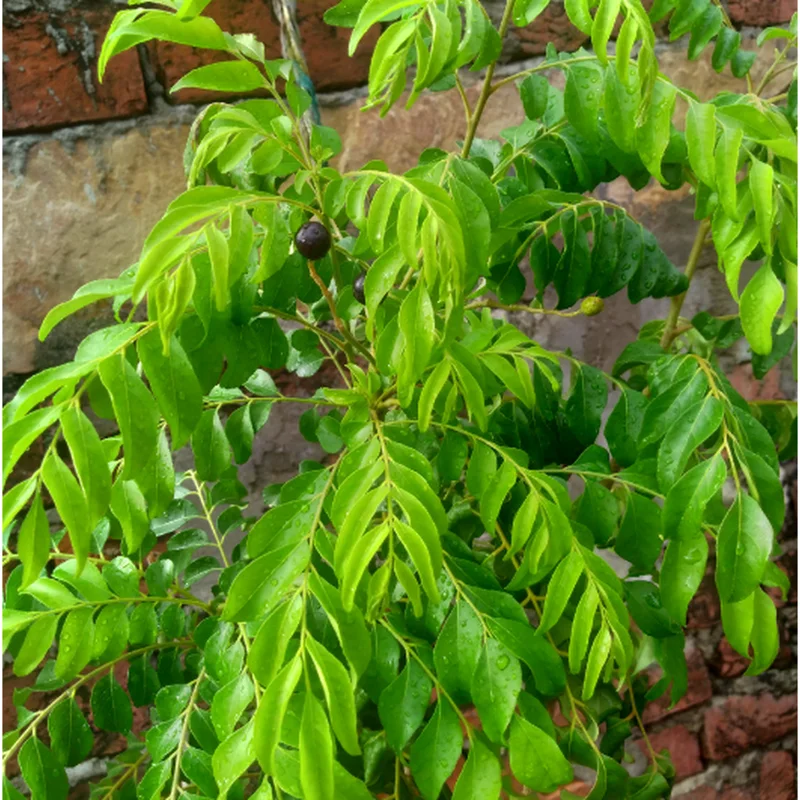
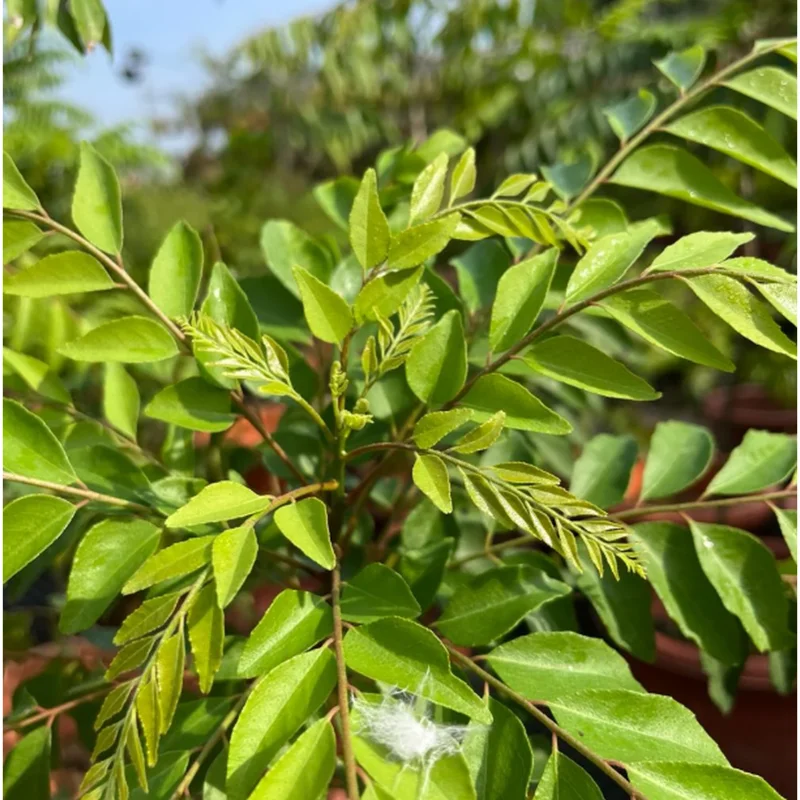
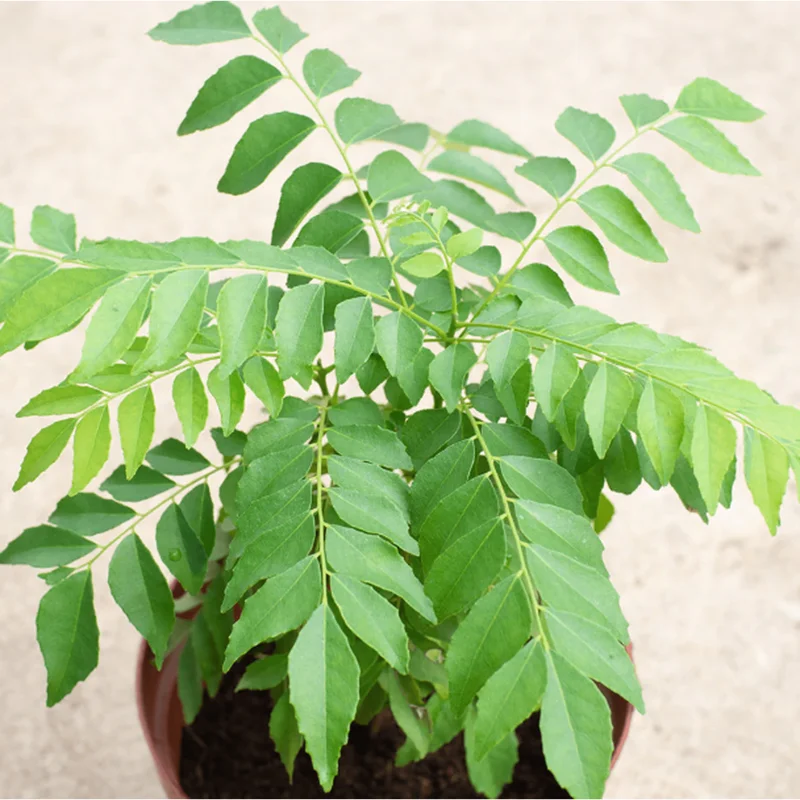
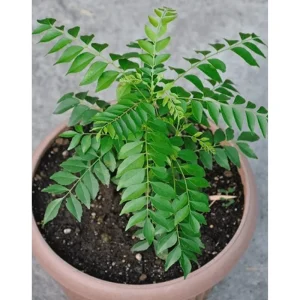
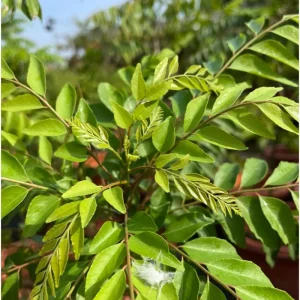
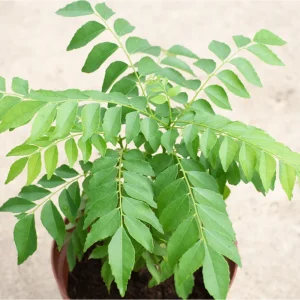
Curry Leaf Live Plant (Murraya Koenigii) 4-8 Inch Tall in 4 Inch Pot for Garden
Original price was: $53.99.$43.99Current price is: $43.99.
Bring the authentic flavors of Indian and Southeast Asian cuisine to your home with a curry leaf live plant. This vibrant Murraya Koenigii plant is 4 to 8 inches tall, shipped in a 4 inch pot, and ready for your garden or indoor space. Enjoy its fragrant leaves and easy care!
Estimated arrival
Apr 02
Apr 07 - Apr 09
Apr 12 - Apr 16

Reasonable Price
We offer reasonable price

Support 24/7
Contact us 24 hrs a day

100% Money Back
You've 30 days to Return

Payment Secure
100% secure payment
Overview
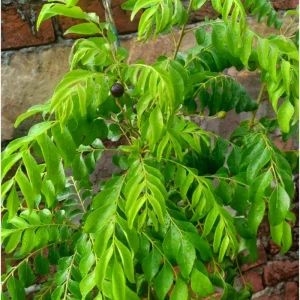
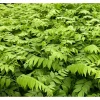
Cultivate the aromatic essence of South Asia right in your home or garden with this beautiful curry leaf live plant. Also known by its botanical name, murraya koenigii plant, or the common name karivepaku plant, this tropical to subtropical tree is cherished for its glossy green leaves. These leaves are a staple in Indian and Southeast Asian cooking, imparting a unique, citrusy, and slightly nutty aroma that intensifies wonderfully when cooked. Our curry leaf live plant arrives healthy, typically 4 to 8 inches tall, and potted in a 4-inch container, ready to thrive in its new environment. It’s an excellent choice for culinary enthusiasts and gardeners alike, offering both beauty and utility. Beyond its culinary appeal, this plant can also produce small, fragrant white flowers, followed by black berries, though the leaves remain the primary attraction.
Key Benefits
Growing your own curry leaf live plant offers a multitude of advantages, from enhancing your culinary creations to beautifying your living space. This versatile plant is a must-have for anyone looking to add a touch of the exotic to their home:
- Fresh Culinary Ingredient: Enjoy the unparalleled flavor and aroma of fresh curry leaves directly from your garden. The taste far surpasses dried alternatives, making your dishes truly authentic.
- Aromatic Foliage: The glossy green leaves release a delightful, distinctive fragrance, especially when brushed against or cooked, creating a pleasant atmosphere.
- Attractive Ornamental: With its lush green foliage and potential for small, fragrant white flowers, the curry leaf live plant adds a touch of tropical elegance to any garden or indoor setting.
- Easy to Grow: This resilient plant is relatively low-maintenance, making it suitable for both experienced gardeners and beginners who want to try curry leaf plant care.
- Health Benefits: Curry leaves are known for their various traditional health benefits, including antioxidant and anti-inflammatory properties.
- Unique Garden Addition: Stand out from traditional garden plants with this unique and functional specimen, bringing diversity to your plant collection.
- Potted Plant Versatility: Can be grown in containers, allowing for easy relocation indoors during colder months, making it an ideal curry tree indoor option.
Plant Care & Growing Tips
Proper curry leaf plant care is essential for a thriving and productive plant. The Murraya Koenigii prefers a tropical to subtropical climate, but with proper attention, it can flourish in many regions. For sunlight, this plant thrives in full sun to partial shade, ideally receiving at least 6 hours of direct sunlight per day when grown outdoors. If cultivating your curry leaf live plant indoors, place it near a bright, south-facing window or supplement with a grow light to ensure it gets adequate illumination. Well-draining, fertile soil is crucial; a sandy or loamy soil mix works best. Ensure the pot has drainage holes to prevent waterlogging, which can be detrimental to the roots. When it comes to watering, moderate watering is recommended. Allow the topsoil to dry slightly between waterings to avoid overhydration. While the plant appreciates consistent moisture, it does not like to sit in soggy soil. Ideal temperatures for the curry leaf plant are between 65°F and 95°F (18°C and 35°C). It is sensitive to cold, so if temperatures drop below 40°F (4°C), it’s best to bring your curry tree indoor. Note that in winter, the plant may naturally shed its leaves, which is a normal response to cooler temperatures or reduced light. Fertilize during the growing season (spring and summer) with a balanced, organic fertilizer to encourage healthy growth and leaf production for your murraya koenigii plant.
Size & Details
This curry leaf live plant is typically shipped at a height of 4 to 8 inches, measured from the soil line. It comes pre-potted in a 4-inch nursery pot, providing a strong start for its journey to your home. The plant is a relatively fast grower under optimal conditions, eventually reaching heights of 6 to 15 feet in its natural habitat, though it can be maintained at a smaller size through pruning when grown in containers. When you receive your karivepaku plant, it will be a young, vibrant specimen ready for transplanting into a larger pot or your garden. Expect continuous leaf production throughout the warmer months, providing a steady supply for your culinary needs. With proper curry leaf plant care, this plant will establish quickly and become a flourishing addition to your garden or indoor plant collection, offering fresh leaves for years to come.
Frequently Asked Questions
- Q: How big does this plant get? A: This curry leaf live plant is typically 4-8 inches tall upon arrival. In ideal outdoor conditions, it can grow 6-15 feet, but can be kept smaller through pruning when grown as a curry tree indoor in a pot.
- Q: What size pot does it come in? A: Your curry leaf live plant will arrive in a 4-inch nursery pot, ready for you to transplant it into a larger container or your garden.
- Q: Is this an indoor or outdoor plant? A: The murraya koenigii plant can be grown both indoors and outdoors. It thrives outdoors in warm climates (USDA zones 9-11) but can be brought indoors during colder months.
- Q: How much sunlight does it need? A: This plant prefers full sun to partial shade, ideally receiving at least 6 hours of direct sunlight daily. Indoors, place it near a bright, south-facing window.
- Q: Is this plant easy to care for? A: Yes, with consistent watering and adequate sunlight, the curry leaf live plant is relatively easy to care for, making it suitable even for beginner gardeners.
- Q: What condition will it arrive in? A: Your plant will arrive healthy and well-packaged, ready for immediate planting or transplanting into its new home. We take great care in shipping live plants.
- Q: Can I use curry leaf in cooking? A: Absolutely! The primary purpose of this karivepaku plant is for its aromatic leaves, which are widely used in Indian and Southeast Asian cuisine to add a distinctive flavor.
- Q: When is the best time to plant? A: The best time to plant is in spring or early summer after the last frost, allowing the plant to establish itself during the warmer growing season.
- Q: Will it survive winter in my zone? A: If you are in USDA zones 9-11, it can likely survive winter outdoors. In colder zones, you will need to bring your curry tree indoor before temperatures drop below 40°F (4°C).
- Q: What type of soil does it need? A: It prefers well-draining, fertile soil, such as a sandy or loamy mix. Good drainage is key to preventing root issues.
Be the first to review “Curry Leaf Live Plant (Murraya Koenigii) 4-8 Inch Tall in 4 Inch Pot for Garden”
-
USDA Hardiness Zone
USDA zones 9-11 (can be grown indoors in colder zones) -
Soil Type
Well-draining, fertile soil; sandy or loamy soil -
Sunlight Exposure
Full sun to partial shade -
Expected Planting Period
Spring to early summer (or year-round indoors)
People Also Viewd
Sold 128 products
Original price was: $89.99.$64.99Current price is: $64.99.
Sold 128 products
Original price was: $27.00.$24.00Current price is: $24.00.
Sold 126 products
Original price was: $3,536.00.$23.99Current price is: $23.99.

Sold 125 products
Original price was: $86.99.$66.99Current price is: $66.99.
Sold 116 products
Original price was: $27.99.$16.99Current price is: $16.99.
Sold 114 products
Original price was: $28.99.$17.99Current price is: $17.99.
Flower Bulbs
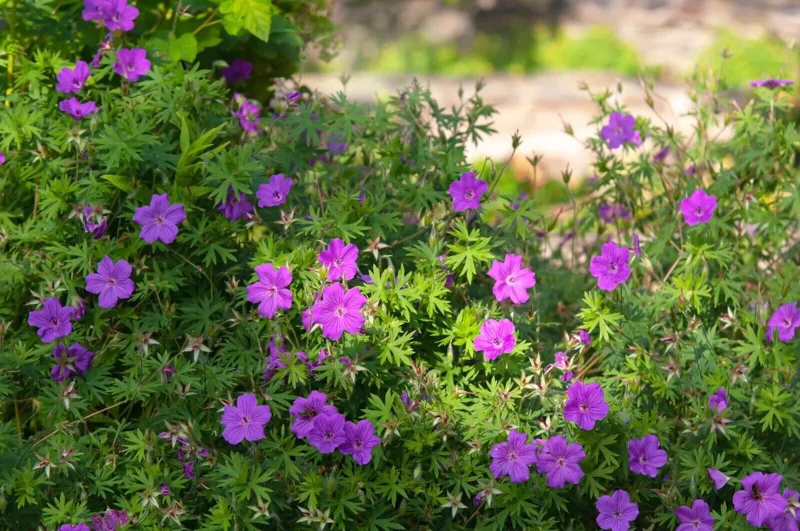
3 Cranesbill Wild Geranium Organic Maculatums Bare Roots | Wildflower for Outdoor Garden
Sold 114 products
Original price was: $21.99.$6.99Current price is: $6.99.

Sold 109 products
Original price was: $63.99.$28.99Current price is: $28.99.RELATED posts
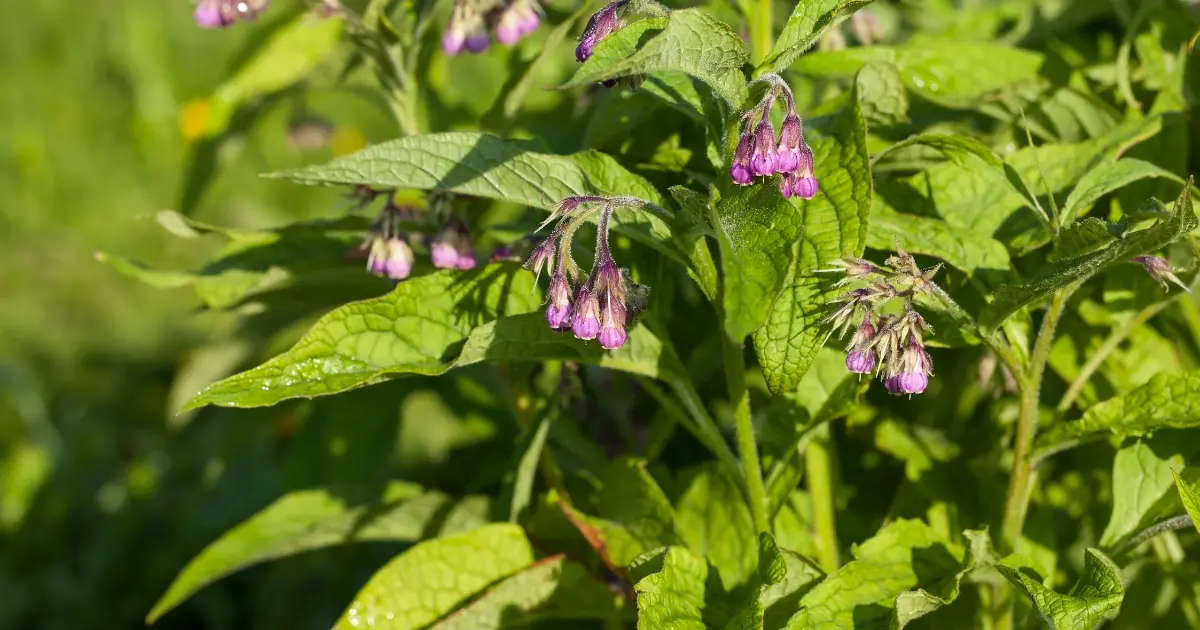
How to Identify Bocking 14 Comfrey: 5 Simple Visual Signs
If you’re growing comfrey for mulch, compost, or animal feed, knowing exactly which variety you [...]
Mar
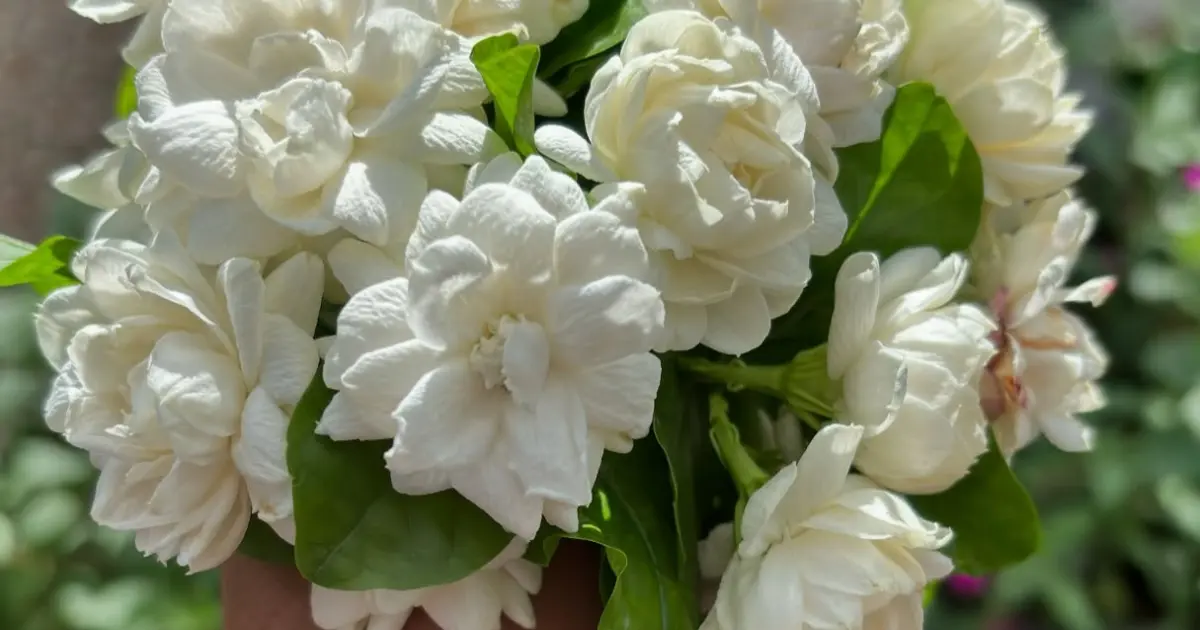
Grand Duke of Tuscany Jasmine: The Ultimate Guide to Growing a Fragrant Masterpiece
Have you ever caught a scent in the air so rich, creamy, and honey-sweet that [...]
Mar
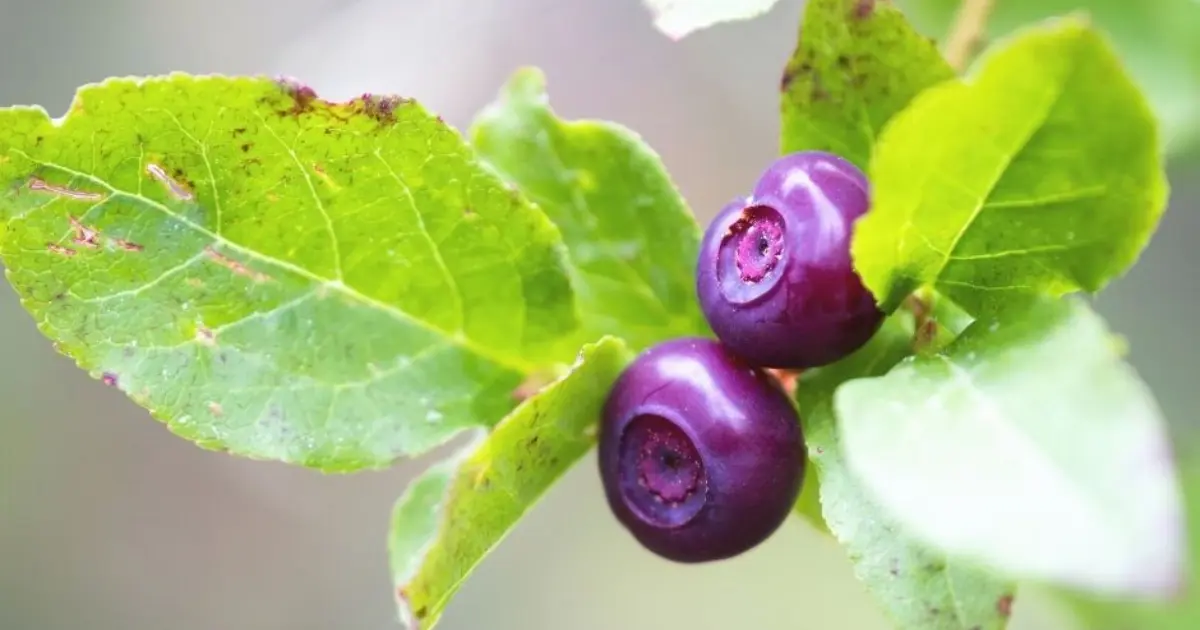
How to Grow Wild Huckleberries: A Guide to “Purple Gold”
Have you ever spent a summer afternoon hiking through the Pacific Northwest or the Rocky [...]
Mar
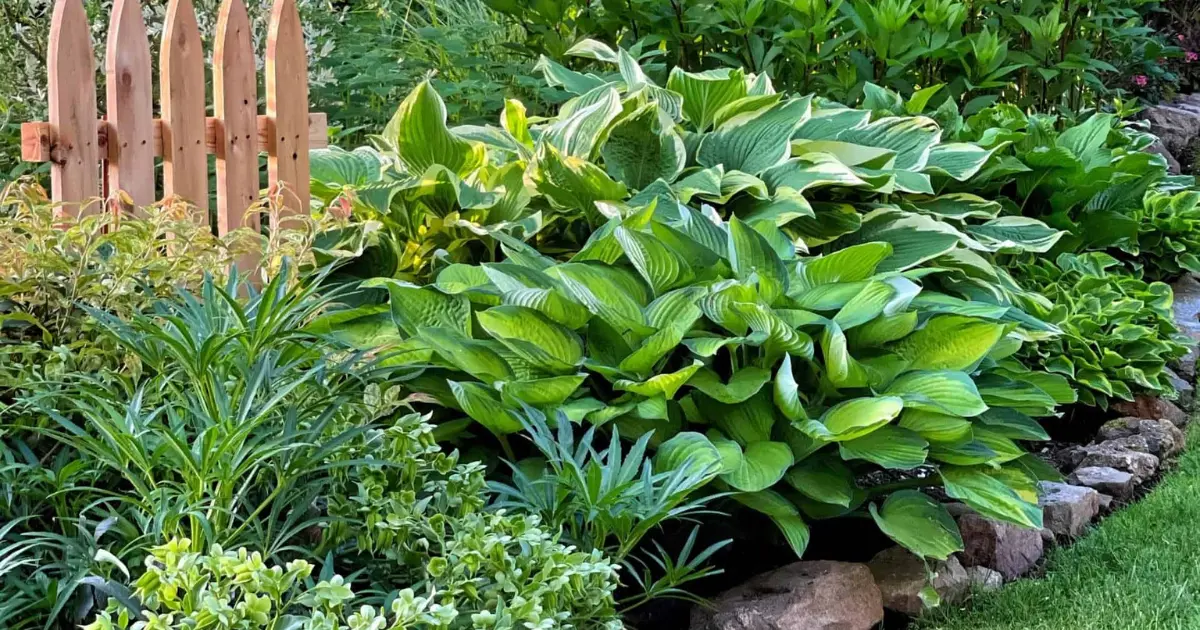
5 Best Shade-Loving Perennials for a Lush, Vibrant Garden
The world of gardening often shines a spotlight on sun-drenched blossoms, but there is a [...]
Mar

7 Common Curry Leaf Plant Problems: Easy Fixes for a Thriving Plant
Is your curry leaf plant looking a bit sad lately? Maybe you woke up to [...]
Mar
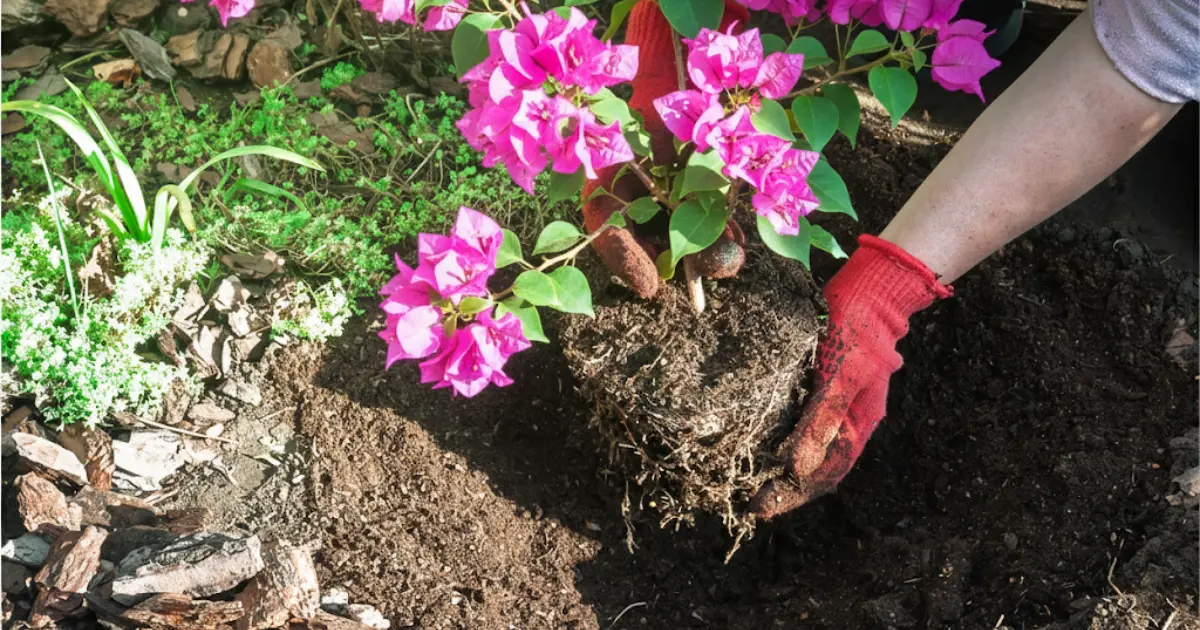
Best Time to Plant Bougainvillea: Timing for Vibrant Blooms
If you’re looking for a hardy tropical vine that delivers a riot of neon color, [...]
Feb
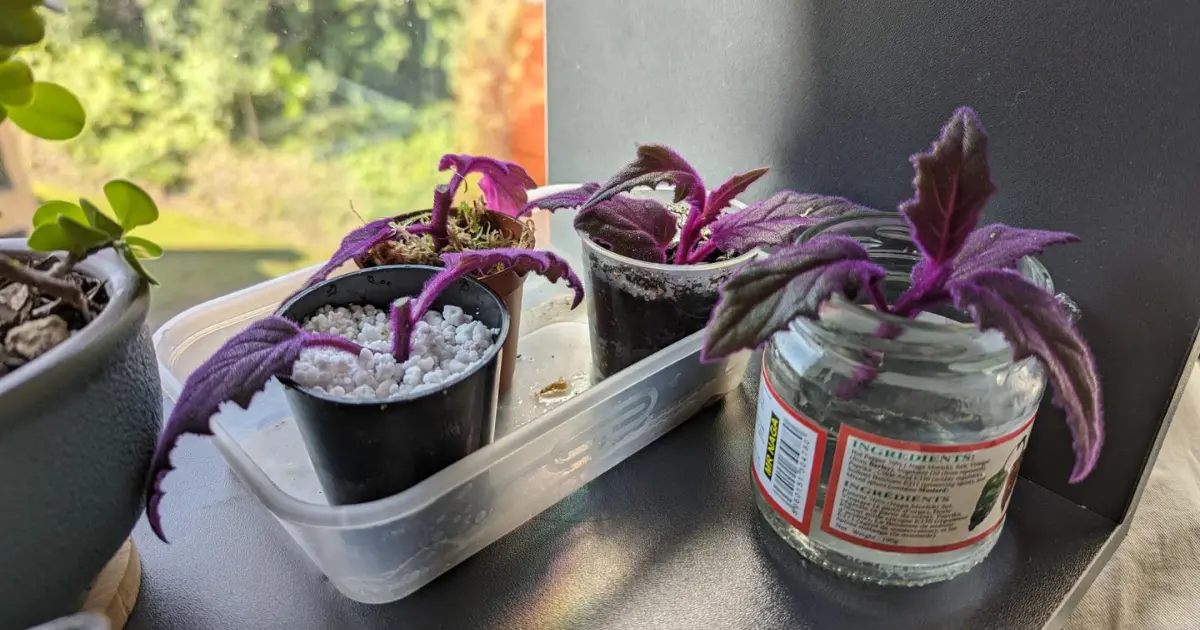
How to Propagate Purple Passion Plants (Gynura aurantiaca)
Have you ever been mesmerized by the neon-purple glow and fuzzy, velvet-like leaves of a [...]
Feb
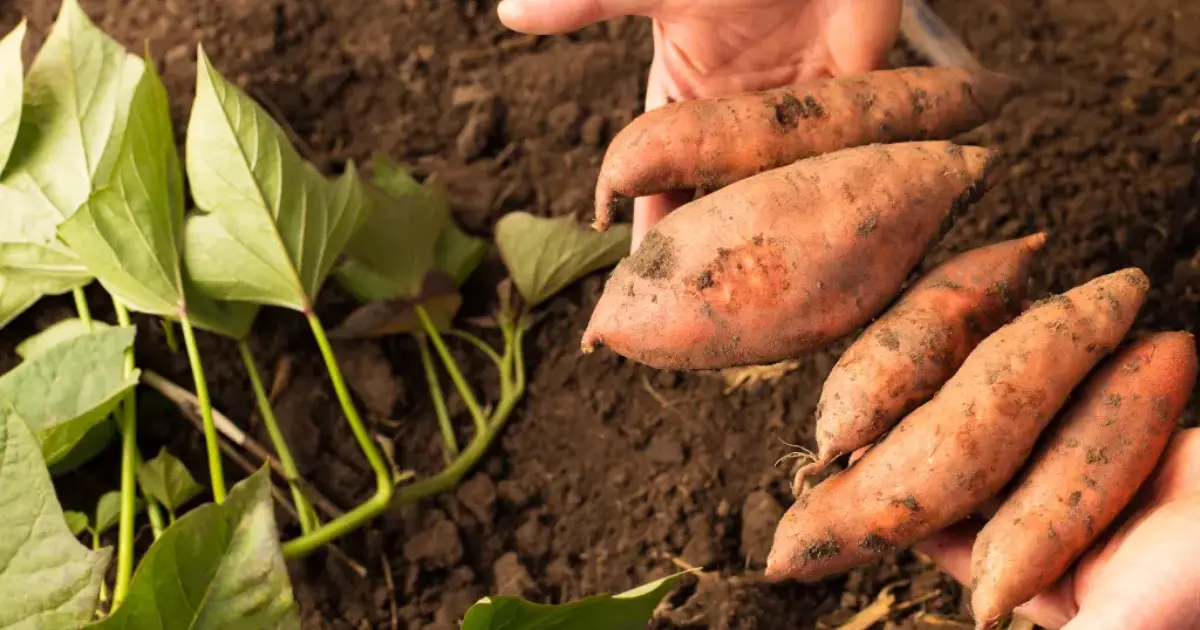
How to Grow Beauregard Sweet Potatoes: From Slips to a Bountiful Harvest
Are you ready to add a classic, heavy-hitting favorite to your vegetable patch? If you’ve [...]
Feb
Reviews
There are no reviews yet.