
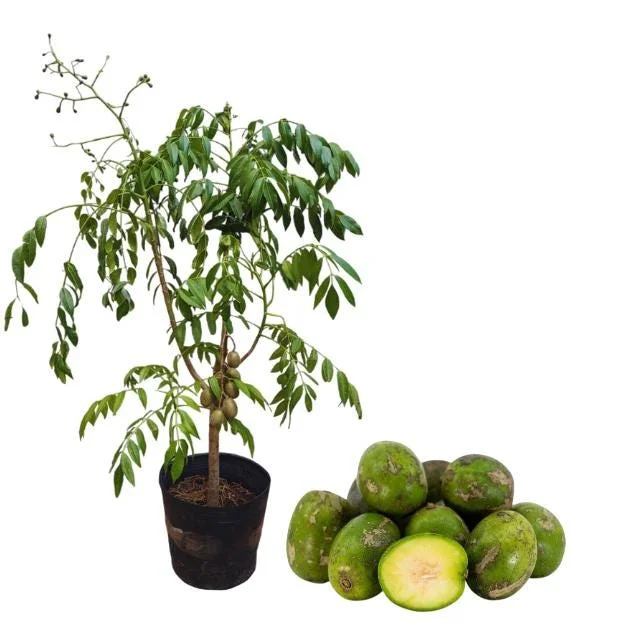
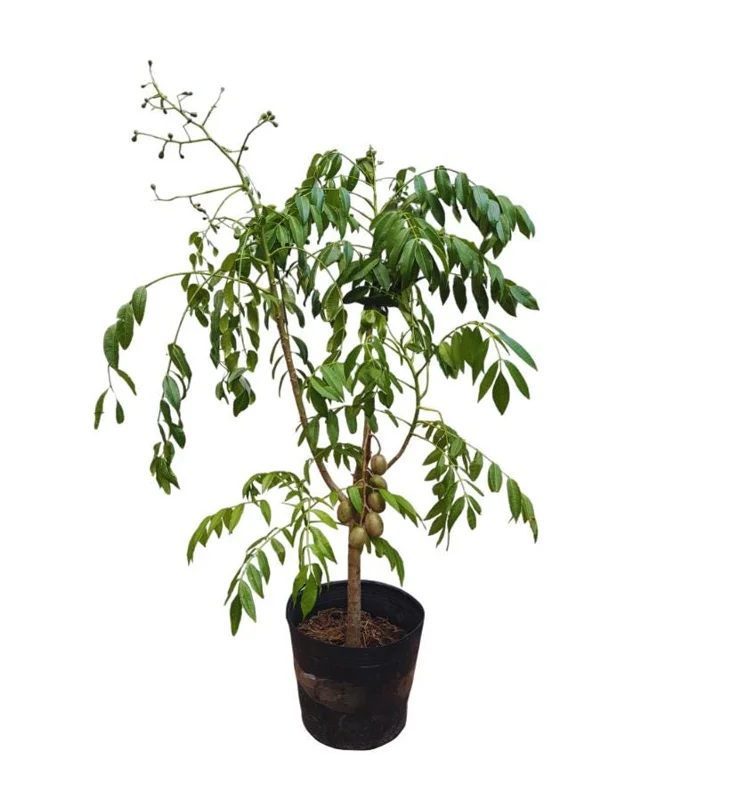
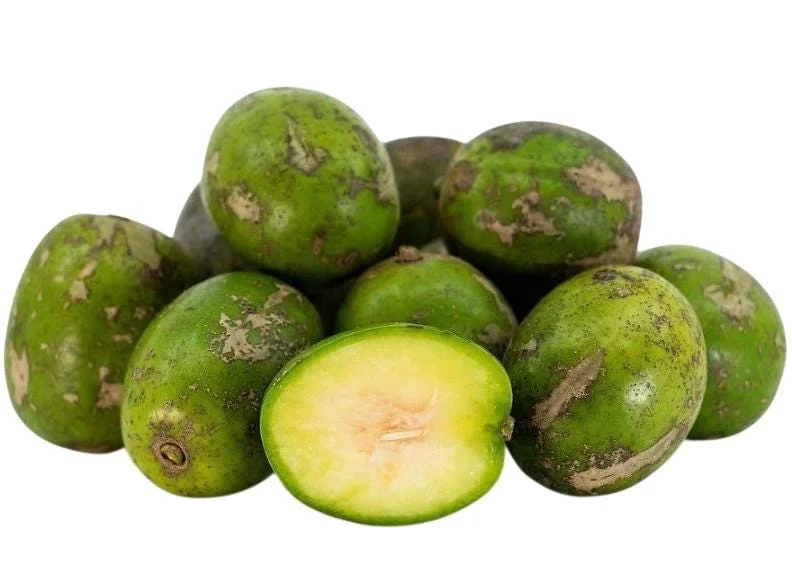
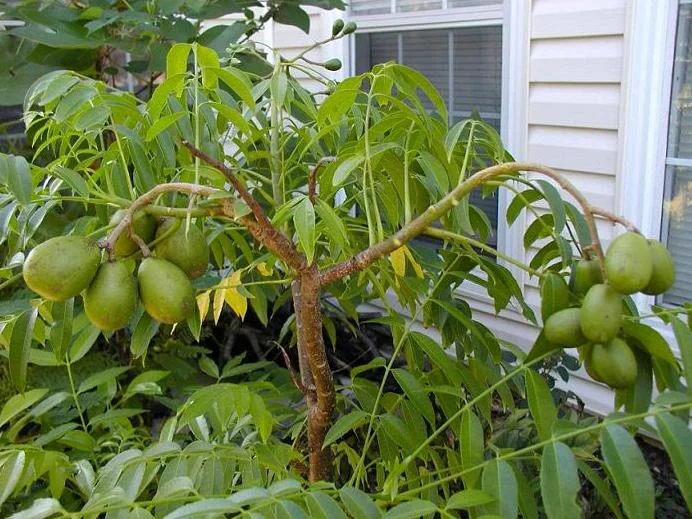
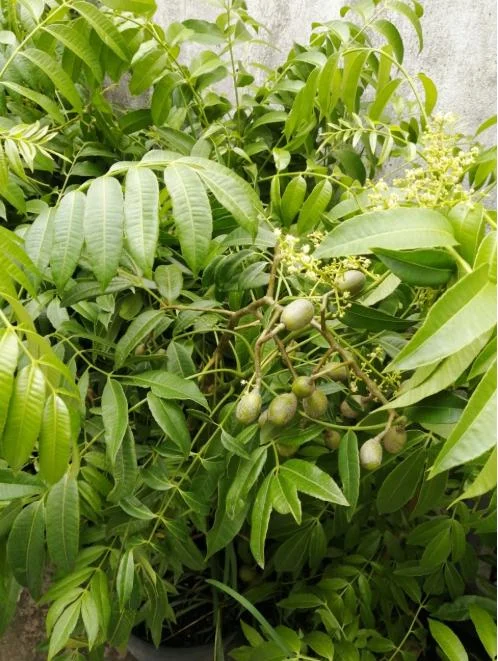
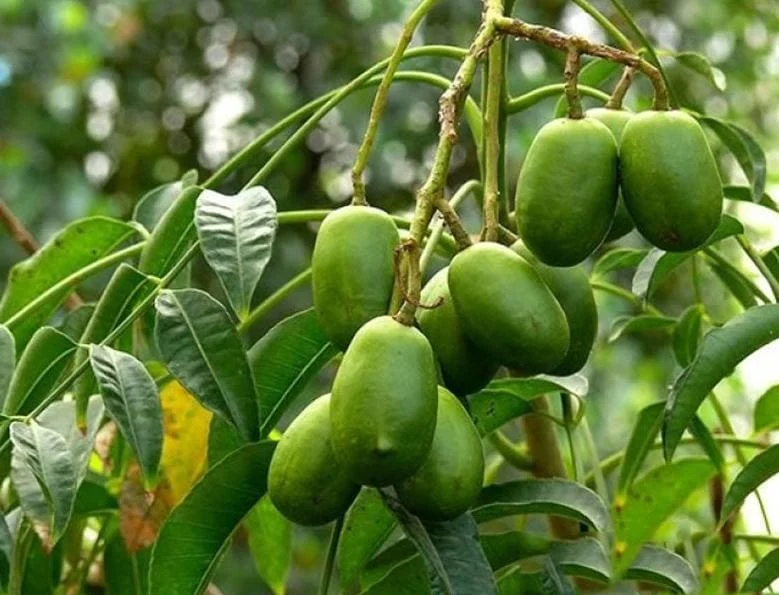
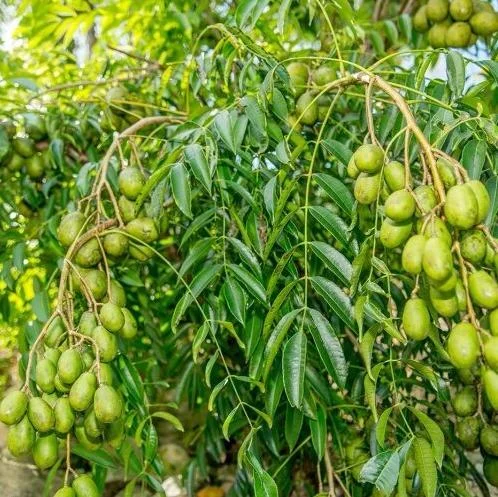
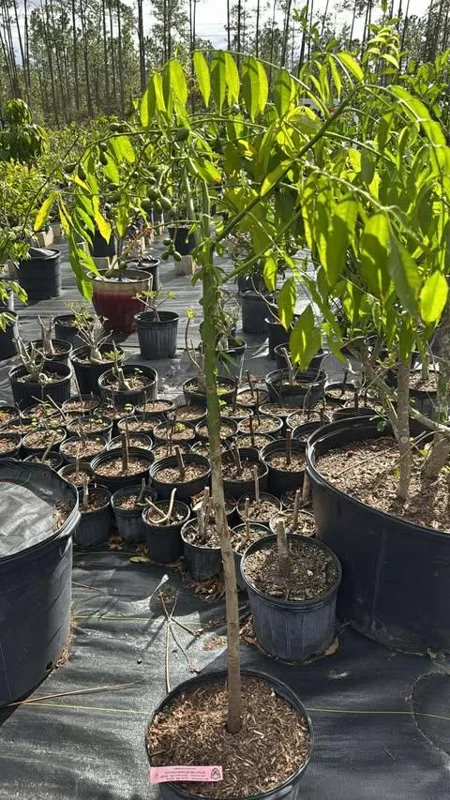
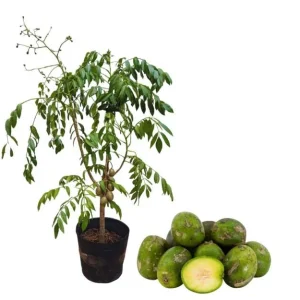
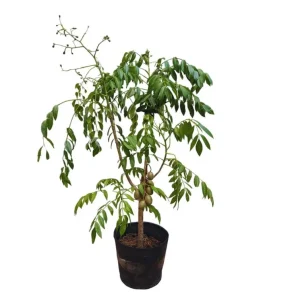
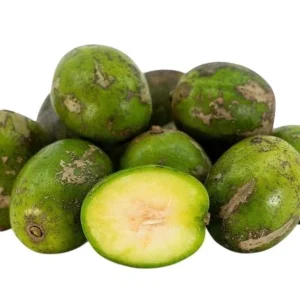
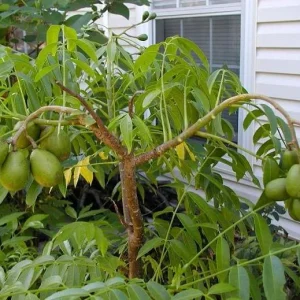
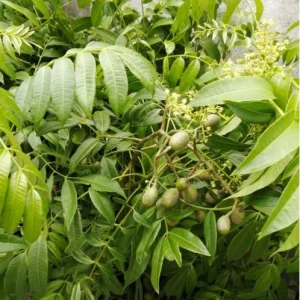
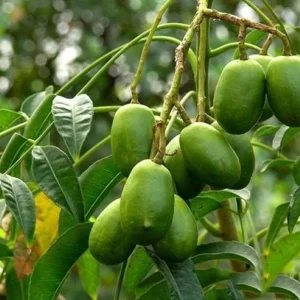
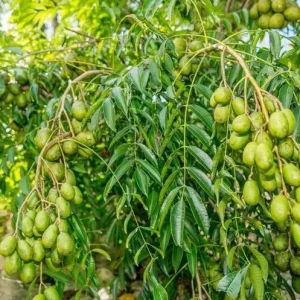
June Plum Tree Live Plant – Spondias Dulcis Tropical Fruit Tree – 2-3 Ft Tall – 3 Gallon Pot
Original price was: $80.99.$70.99Current price is: $70.99.
Cultivate your own exotic fruit with this June Plum Tree live plant. Also known as Spondias dulcis tree or Ambarella, this tropical tree produces delicious, tangy fruit. Arrives 2-3 feet tall in a 3-gallon pot, ready for planting in warm climates.
Estimated arrival
Mar 29
Apr 03 - Apr 05
Apr 08 - Apr 12

Reasonable Price
We offer reasonable price

Support 24/7
Contact us 24 hrs a day

100% Money Back
You've 30 days to Return

Payment Secure
100% secure payment
Overview
Bring the taste of the tropics to your garden with a magnificent June Plum Tree live plant. This captivating tropical fruit tree, scientifically known as Spondias dulcis tree, is a prized specimen for its abundant yield of unique, tart-sweet fruit. Often referred to as Ambarella or Jobo, the June Plum is celebrated for its crisp texture and refreshing flavor, making it a delightful addition to any fruit enthusiast’s collection. Our healthy, vibrant live plants arrive ready for planting, typically standing 2-3 feet tall in a robust 3-gallon nursery pot, ensuring a strong start in its new home. Ideal for warm, subtropical to tropical environments, this tree promises not only delicious produce but also a lush, ornamental presence in your landscape.
The June Plum Tree is a fast-growing species that can quickly establish itself, offering shade and beauty alongside its edible treasures. Its relatively easy care requirements make it a rewarding choice for both seasoned gardeners and those new to growing tropical fruits. With proper care, including adequate sunlight and water, your Ambarella plant will thrive, providing fresh, juicy plums for years to come. This particular variety is chosen for its vigorous growth and reliable fruiting, ensuring you get the most out of your investment in a tropical fruit tree.
Key Benefits
Owning a June Plum Tree live plant offers a multitude of advantages, from the joy of fresh fruit to its aesthetic contributions to your garden. This remarkable tree is a true asset for any home or landscape:
- Fresh, Exotic Fruit: Enjoy the unique taste of homegrown June Plums, a delicious source of vitamins and antioxidants. The fruit can be eaten fresh, juiced, or used in various culinary applications, offering a distinct flavor profile not easily found in stores.
- Ornamental Appeal: Beyond its fruit, the Spondias dulcis tree boasts attractive foliage and a graceful form, making it a beautiful focal point in any garden or patio setting. Its lush canopy provides welcome shade in warmer climates.
- Vigorous Growth: Known for its relatively fast growth rate, your June Plum Tree will establish quickly, providing fruit sooner than many other tropical trees. This rapid development makes it a satisfying plant to nurture and observe.
- Adaptable to Containers: While best in the ground, this tropical fruit tree can also thrive in large containers, allowing those in cooler climates to enjoy its bounty by moving it indoors during colder months.
- Culinary Versatility: The fruit of the jobo fruit tree can be used in a wide array of dishes, from refreshing beverages and jams to savory chutneys and salads, adding an exotic twist to your meals.
- Educational Value: Growing a tropical fruit tree like the Ambarella provides a fantastic learning experience about plant biology, tropical ecosystems, and sustainable gardening practices for the whole family.
- Sustainable Living: By growing your own fruit, you contribute to a more sustainable lifestyle, reducing your carbon footprint and ensuring you have access to fresh, organic produce.
Plant Care & Growing Tips
Successful cultivation of your June Plum Tree live plant depends on understanding its specific needs, especially when it comes to the warm, humid conditions it naturally prefers. Providing the right environment will ensure a healthy, productive tree. For optimal growth and fruiting, this Spondias dulcis tree requires a sunny location and consistent care.
Sunlight & Location: The June Plum Tree thrives in full sun, requiring at least 6-8 hours of direct sunlight per day to produce abundant fruit. Choose a planting site that receives ample sun throughout the day and is protected from strong winds, especially when the tree is young. If growing in a container, place it in the sunniest spot on your patio or near a south-facing window if indoors. This plant is best suited for warm, tropical to subtropical climates, ideally in USDA zones 9-11. Young trees should be protected from frost, either by covering them or bringing containerized plants indoors when temperatures drop.
Watering & Soil: Consistent moisture is key for a young tropical fruit tree. Water regularly, especially during dry periods and the tree’s first year, ensuring the soil remains moist but never waterlogged. Good drainage is crucial to prevent root rot, so plant in well-drained soil rich in organic matter. A sandy loam is often ideal. Once established, the tree can tolerate short periods of drought but will perform best with regular irrigation. Mulching around the base of the tree helps retain soil moisture, regulate soil temperature, and suppresses weeds, contributing to better ambarella plant care.
Fertilization & Pruning: Fertilize your June Plum Tree lightly during the growing season (spring and summer) with a balanced, slow-release fertilizer or one formulated for fruit trees. Avoid over-fertilizing, which can lead to excessive foliage growth at the expense of fruit production. Pruning should be done to shape the tree, remove any dead, diseased, or crossing branches, and maintain a manageable size for harvesting. This also encourages better air circulation and sunlight penetration, which are vital for fruit development. Regular inspection for pests and diseases is also part of effective jobo fruit tree maintenance; address any issues promptly with appropriate organic or chemical treatments.
Size & Details
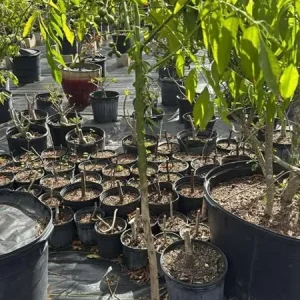
This offering is for a healthy June Plum Tree live plant, which typically measures 2-3 feet in height from the base of the pot to the top of the foliage upon arrival. It is securely rooted in a 3-gallon nursery pot, providing ample space for its initial growth and establishment. The Spondias dulcis tree is known for its relatively fast growth rate and, under ideal conditions, can reach mature heights of 30-60 feet when planted in the ground. However, it can be maintained at a smaller size through regular pruning or by growing it in a large container. Expect your tree to begin producing fruit within a few years, offering a continuous harvest once established. This tropical fruit tree is shipped in its nursery container with soil, ensuring minimal transplant shock and a smooth transition to its new home.
Frequently Asked Questions
- Q: How big does this June Plum Tree get? A: This particular live plant arrives 2-3 feet tall in a 3-gallon pot. When planted in the ground in ideal conditions, a mature Spondias dulcis tree can reach heights of 30-60 feet, though it can be kept smaller with pruning or grown in a large container.
- Q: Is this an indoor or outdoor plant? A: The June Plum Tree is a tropical plant best suited for outdoor planting in USDA zones 9-11. In cooler climates, it can be grown in a large container and moved indoors during winter months to protect it from frost.
- Q: How much sunlight does the tropical fruit tree need? A: This tree requires full sun exposure, meaning at least 6-8 hours of direct sunlight daily, to thrive and produce fruit effectively.
- Q: Is this plant easy to care for? A: With proper sunlight, well-draining soil, and consistent watering, the June Plum Tree is relatively easy to care for, making it a good choice for gardeners of varying experience levels who are interested in tropical fruits.
- Q: What condition will the Ambarella plant arrive in? A: Your June Plum Tree live plant will arrive healthy, vibrant, and securely rooted in its 3-gallon nursery pot, packed to ensure its safe journey.
- Q: When is the best time to plant a jobo fruit tree? A: The best time to plant is typically in the spring or early summer, after the last threat of frost has passed, allowing the tree ample time to establish before cooler weather.
- Q: Can I grow this tree in a pot? A: Yes, the June Plum Tree can be successfully grown in a large container, which is an excellent option for those in climates with cold winters, as it allows the tree to be moved indoors for protection.
- Q: How long until my June Plum Tree produces fruit? A: With good care, your tree can begin producing fruit within a few years of planting, offering a rewarding harvest.
- Q: What kind of soil does it prefer? A: This tropical fruit tree thrives in well-draining soil that is rich in organic matter, such as a sandy loam. Good drainage is critical to prevent root issues.
- Q: Will it survive winter in my zone? A: The Spondias dulcis tree is sensitive to frost. It can survive winters outdoors only in USDA zones 9-11. In colder zones, it must be protected or brought indoors.
Be the first to review “June Plum Tree Live Plant – Spondias Dulcis Tropical Fruit Tree – 2-3 Ft Tall – 3 Gallon Pot”
-
USDA Hardiness Zone
USDA zones 9-11 -
Soil Type
Well-draining, rich in organic matter -
Sunlight Exposure
Full sun (6-8 hours daily) -
Expected Planting Period
Spring to early summer
People Also Viewd
Sold 128 products
Original price was: $27.00.$24.00Current price is: $24.00.
Sold 127 products
Original price was: $89.99.$64.99Current price is: $64.99.
Sold 125 products
Original price was: $3,536.00.$23.99Current price is: $23.99.

Sold 125 products
Original price was: $86.99.$66.99Current price is: $66.99.
Sold 116 products
Original price was: $27.99.$16.99Current price is: $16.99.
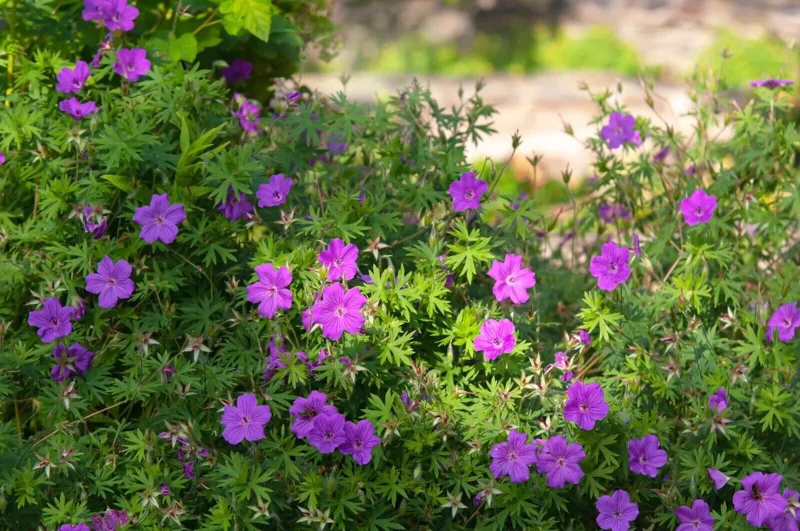
Flower Bulbs
3 Cranesbill Wild Geranium Organic Maculatums Bare Roots | Wildflower for Outdoor Garden
Sold 114 products
Original price was: $21.99.$6.99Current price is: $6.99.
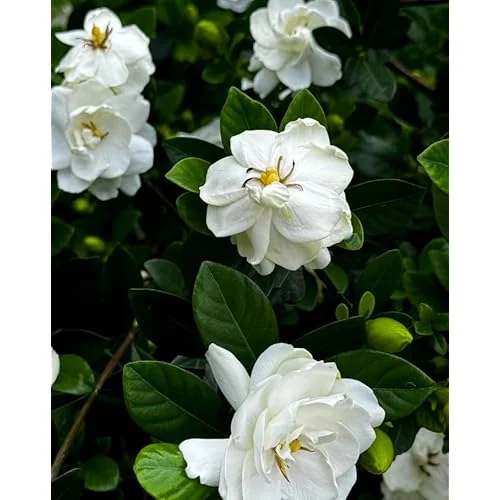
Sold 114 products
Original price was: $28.99.$17.99Current price is: $17.99.
Sold 109 products
Original price was: $63.99.$28.99Current price is: $28.99.RELATED posts
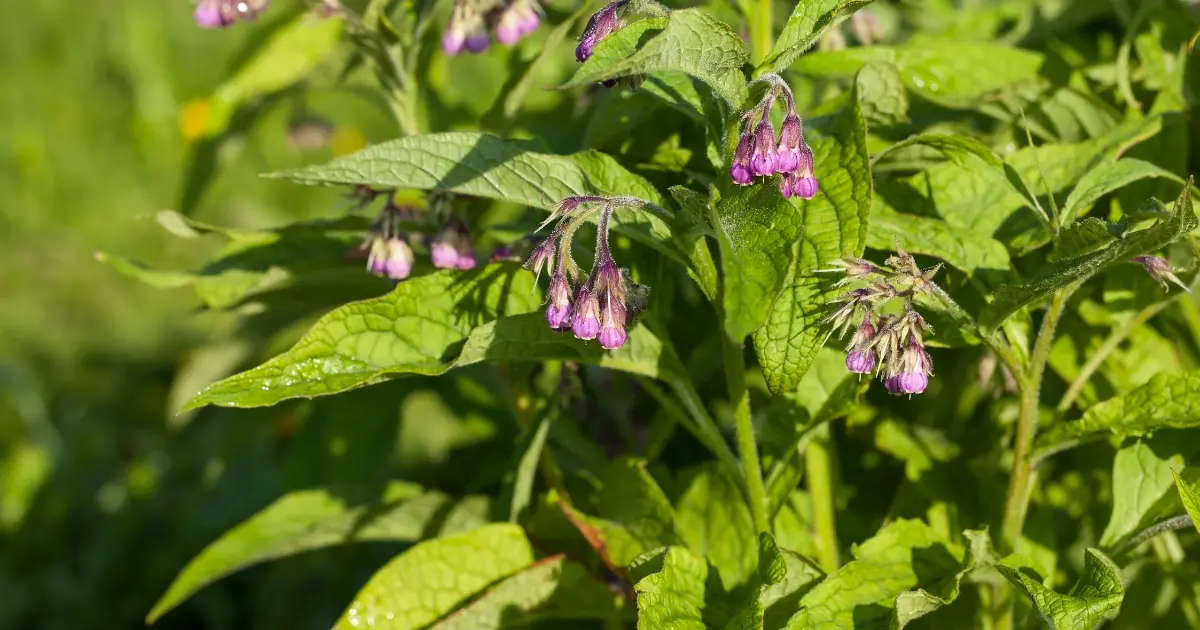
How to Identify Bocking 14 Comfrey: 5 Simple Visual Signs
If you’re growing comfrey for mulch, compost, or animal feed, knowing exactly which variety you [...]
Mar
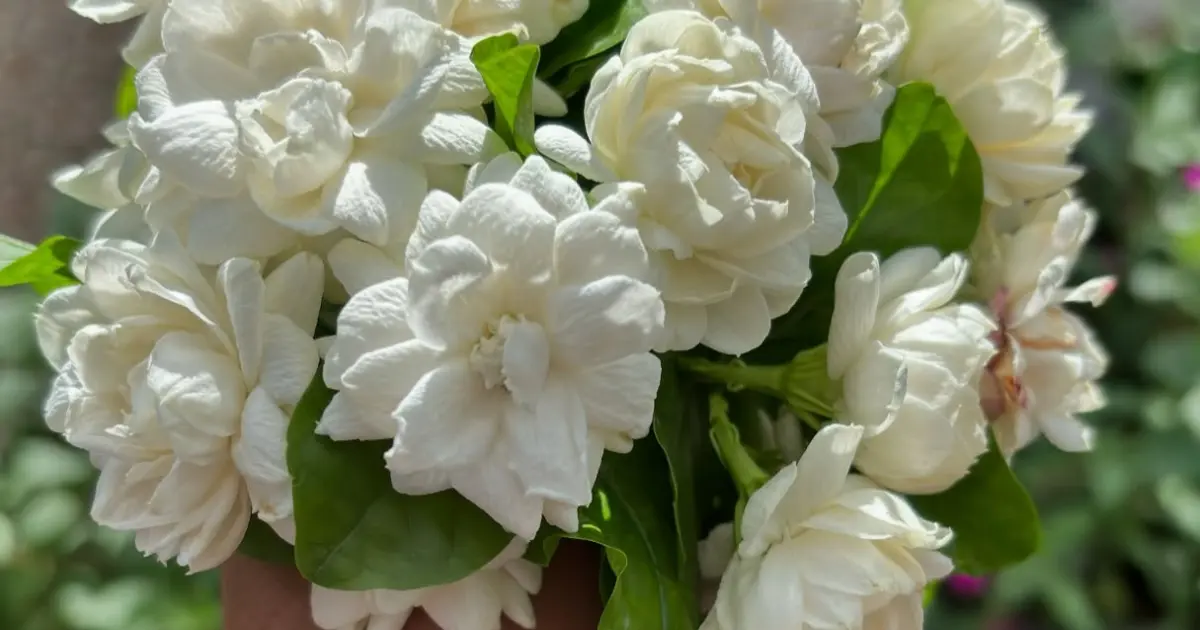
Grand Duke of Tuscany Jasmine: The Ultimate Guide to Growing a Fragrant Masterpiece
Have you ever caught a scent in the air so rich, creamy, and honey-sweet that [...]
Mar
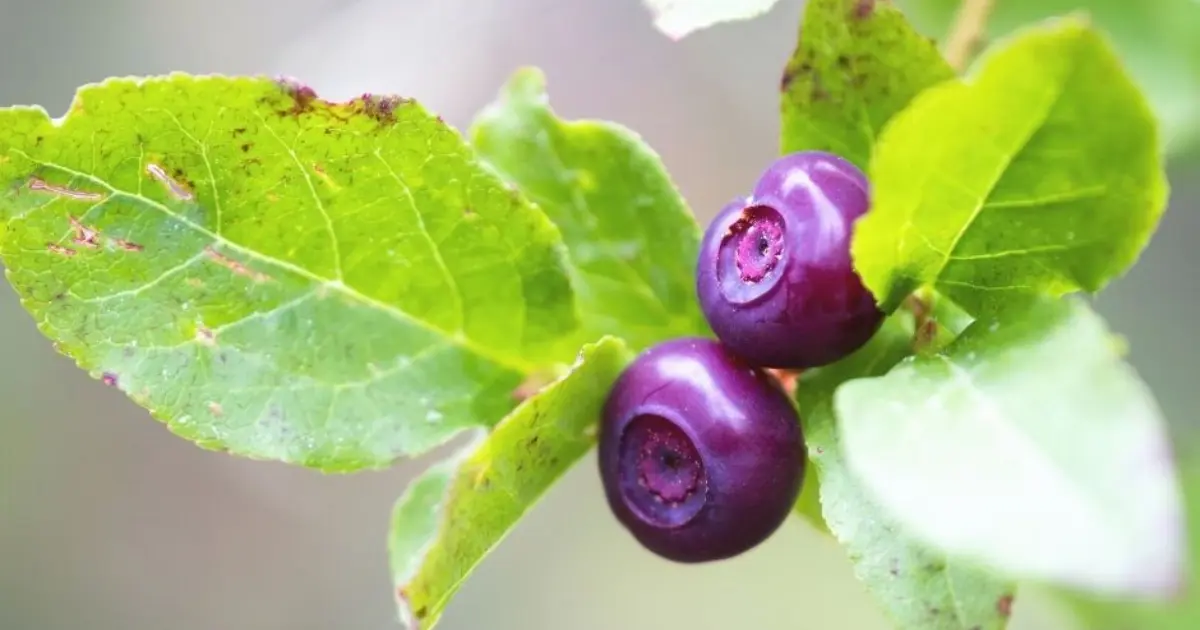
How to Grow Wild Huckleberries: A Guide to “Purple Gold”
Have you ever spent a summer afternoon hiking through the Pacific Northwest or the Rocky [...]
Mar
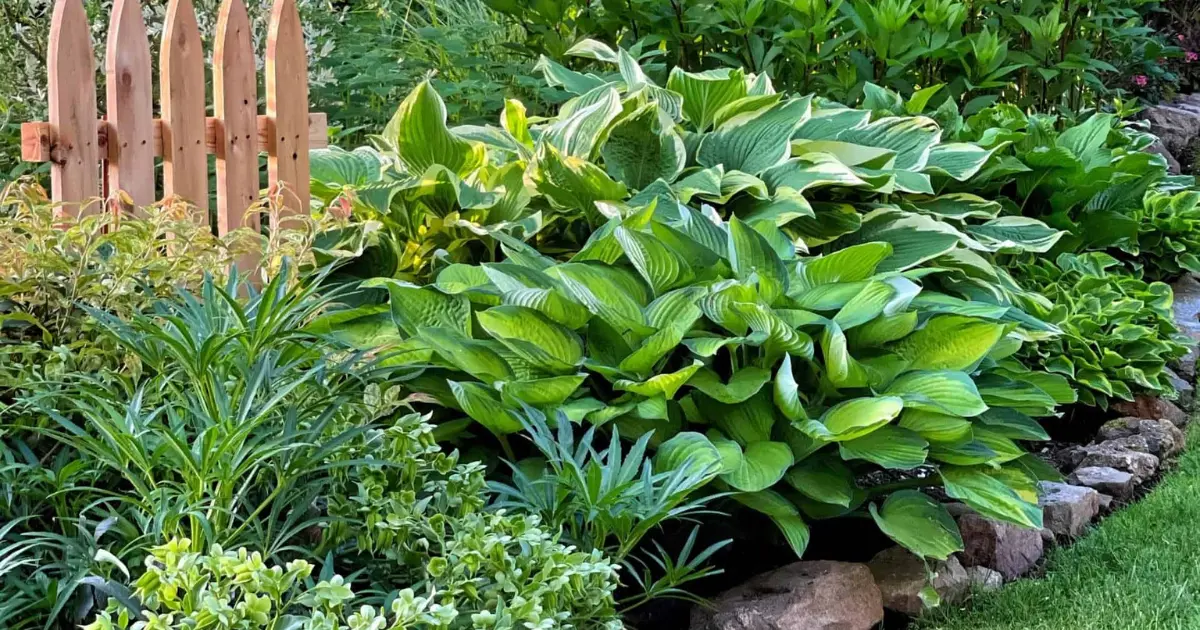
5 Best Shade-Loving Perennials for a Lush, Vibrant Garden
The world of gardening often shines a spotlight on sun-drenched blossoms, but there is a [...]
Mar

7 Common Curry Leaf Plant Problems: Easy Fixes for a Thriving Plant
Is your curry leaf plant looking a bit sad lately? Maybe you woke up to [...]
Mar
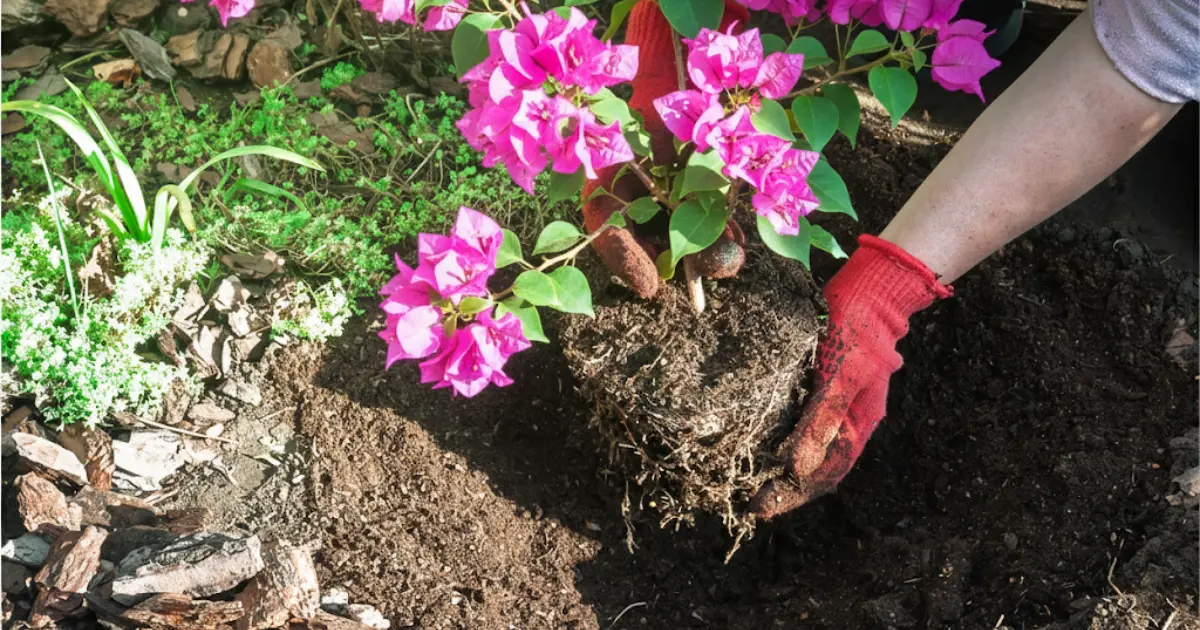
Best Time to Plant Bougainvillea: Timing for Vibrant Blooms
If you’re looking for a hardy tropical vine that delivers a riot of neon color, [...]
Feb
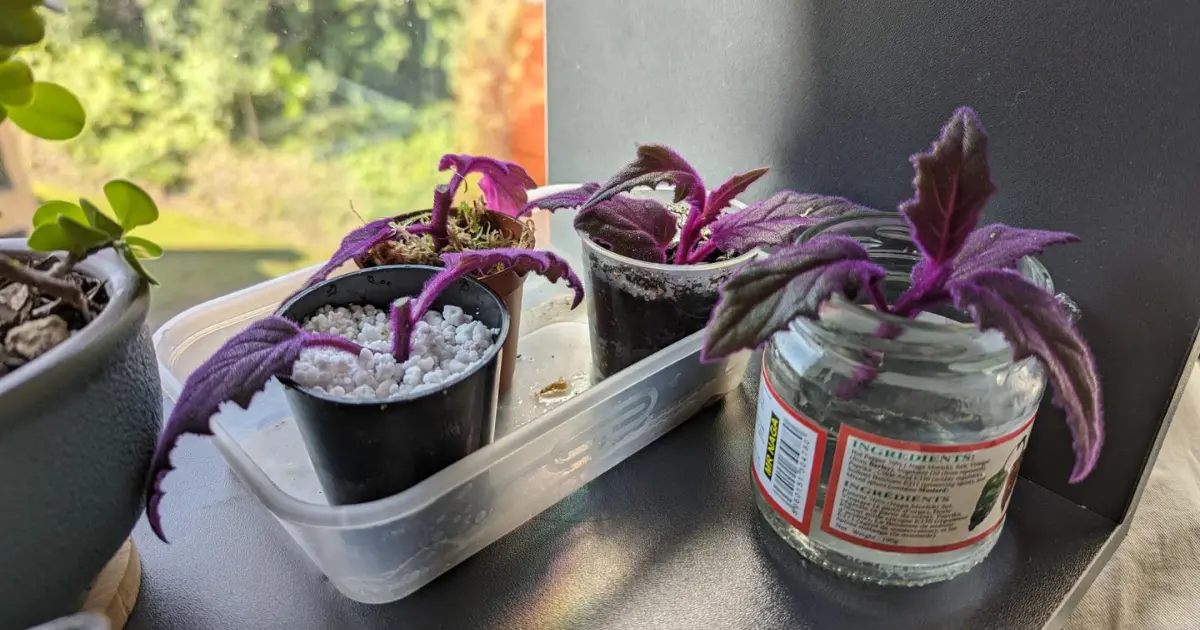
How to Propagate Purple Passion Plants (Gynura aurantiaca)
Have you ever been mesmerized by the neon-purple glow and fuzzy, velvet-like leaves of a [...]
Feb
How to Grow Beauregard Sweet Potatoes: From Slips to a Bountiful Harvest
Are you ready to add a classic, heavy-hitting favorite to your vegetable patch? If you’ve [...]
Feb
Reviews
There are no reviews yet.