
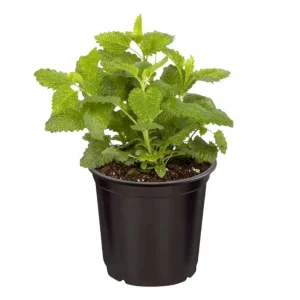
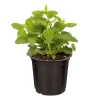
Lemon Balm Live Plant Plug – 1 Healthy Starter Plant, 1-3″ Tall
Original price was: $31.99.$11.99Current price is: $11.99.
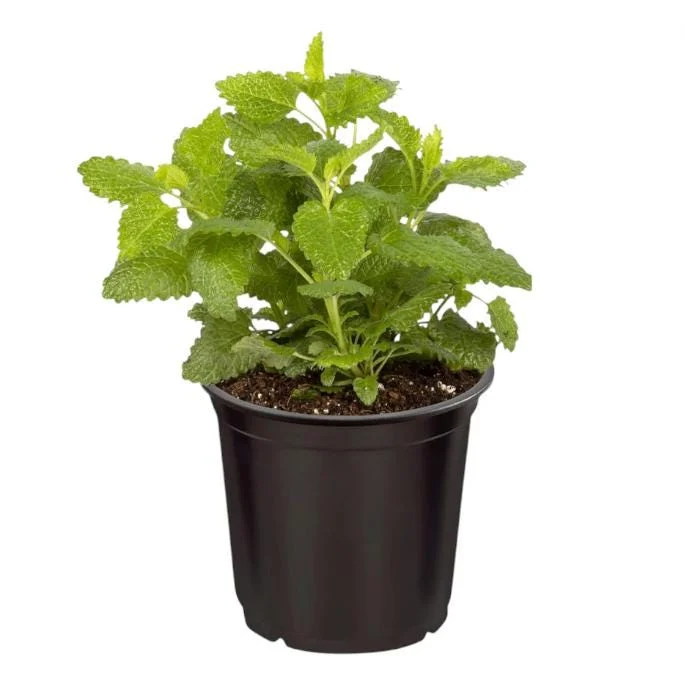
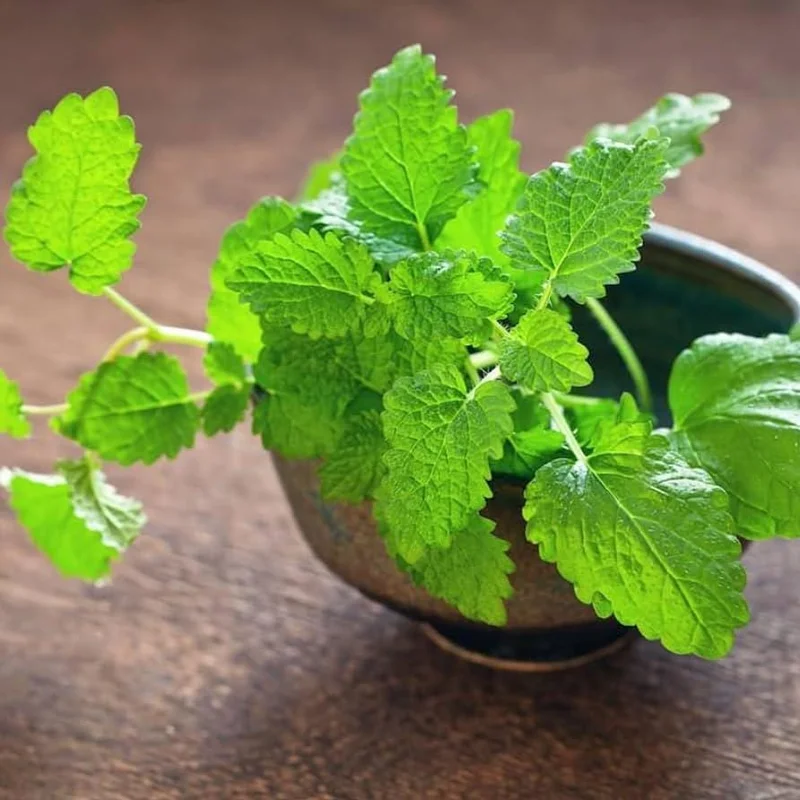
Receive one healthy lemon balm live plant plug, ready to thrive in your garden or container. This aromatic herb is known for its citrusy fragrance and versatile uses. Perfect for culinary, medicinal, or ornamental purposes, this lemon balm herb plant starter is well-rooted and easy to establish, bringing fresh flavor and a calming presence to your home.
Estimated arrival
Mar 21
Mar 26 - Mar 28
Mar 31 - Apr 04

Reasonable Price
We offer reasonable price

Support 24/7
Contact us 24 hrs a day

100% Money Back
You've 30 days to Return

Payment Secure
100% secure payment
Overview
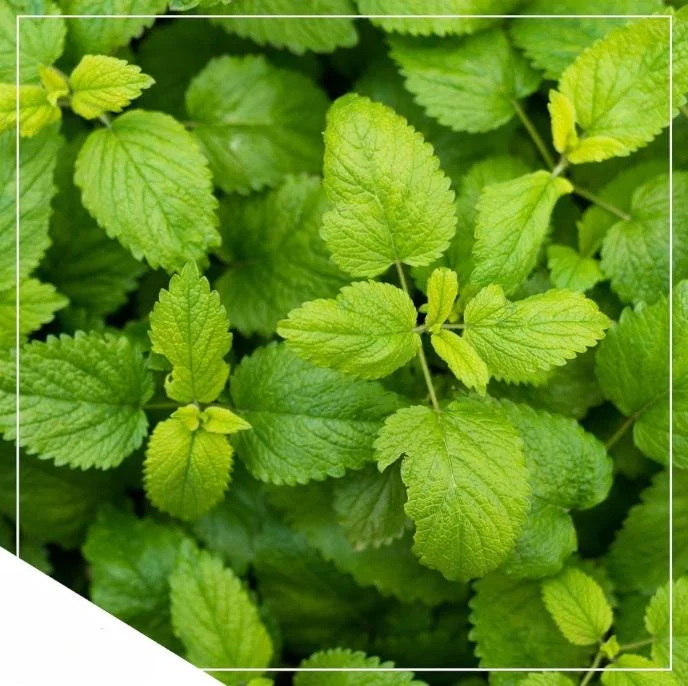
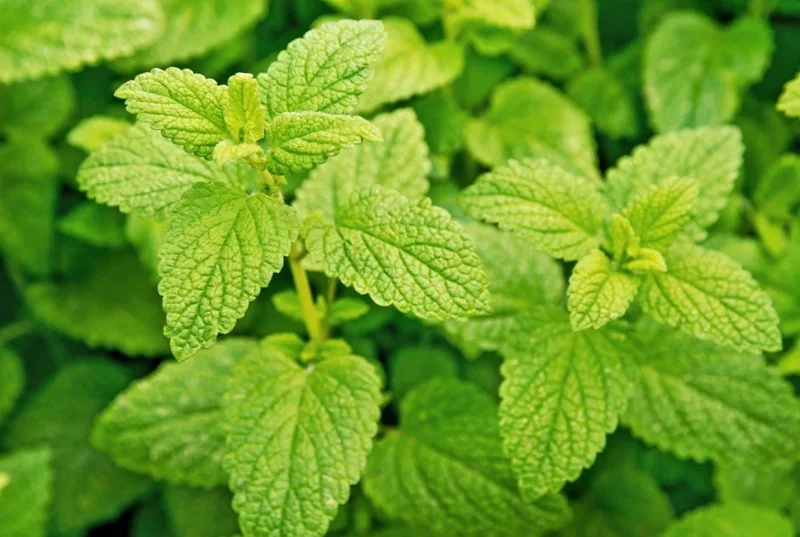
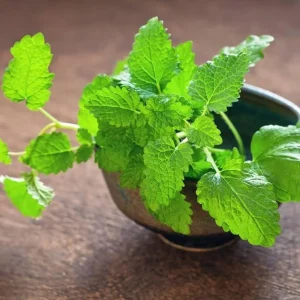
Cultivate your own aromatic garden with this vibrant lemon balm live plant plug. Lemon Balm, scientifically known as Melissa officinalis, is a cherished perennial herb renowned for its refreshing lemony scent and flavor. This healthy starter plant arrives well-rooted and ready for immediate planting, making it easy for both novice and experienced gardeners to grow lemon balm successfully. Originating from Europe, North Africa, and West Asia, lemon balm has been used for centuries for its culinary and medicinal properties. Its bright green, crinkled leaves add a cheerful touch to any garden space, and its delicate white flowers attract beneficial pollinators. Enhance your herb collection with this versatile and delightful plant.
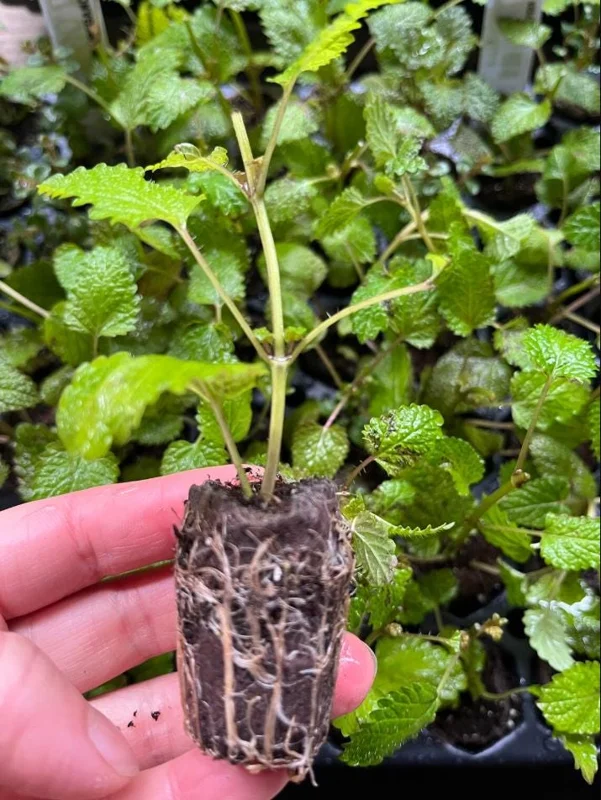
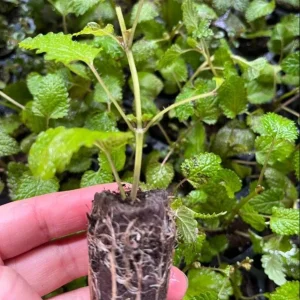
Our lemon balm live plant plug is carefully nurtured to ensure optimal health and vigor upon arrival. You’ll receive a young, robust starter plant, typically 1-3 inches tall, perfectly poised to establish quickly in its new environment. This herb is an excellent choice for adding a touch of natural elegance and functionality to your kitchen garden, herb bed, or even as a fragrant groundcover. Discover the joy of fresh herbs at your fingertips with this easy-to-grow lemon balm.
Key Benefits
Integrating a lemon balm live plant into your garden offers a multitude of advantages, from its delightful aroma to its practical applications. This resilient herb is more than just a pretty face; it’s a powerhouse of fragrance and utility. Cultivating this plant provides a continuous supply of fresh leaves for various uses, making it a valuable addition to any home.
- Aromatic Delight: Enjoy the invigorating, fresh, citrusy scent of lemon balm herb plant leaves, which can uplift your mood and repel certain pests. Its pleasant fragrance makes it ideal for planting near seating areas.
- Culinary Versatility: Fresh lemon balm leaves are perfect for flavoring teas, salads, desserts, and even main dishes. They add a bright, zesty note that enhances a wide range of recipes.
- Herbal Remedies: Historically, lemon balm has been used for its calming properties, often brewed into a tea to aid relaxation and improve sleep. Many find lemon balm benefits for overall well-being.
- Attracts Pollinators: The small, white flowers of the lemon balm plant are a magnet for bees, butterflies, and other beneficial pollinators, contributing to a healthy garden ecosystem.
- Low Maintenance: Once established, lemon balm is relatively low-maintenance, making it an excellent choice for busy gardeners. It’s forgiving and resilient, bouncing back even after some neglect.
- Deer and Rabbit Resistant: Its strong aromatic properties tend to deter common garden pests like deer and rabbits, protecting your other plants.
- Easy to Propagate: Lemon balm readily spreads and can be easily propagated, allowing you to expand your herb garden or share with friends.
Plant Care & Growing Tips
Caring for your lemon balm live plant plug is straightforward, and with a few simple guidelines, you can ensure a thriving, bushy herb. Lemon balm is a hardy and adaptable plant, known for its resilience and vigor. Providing the right conditions from the start will lead to a bountiful harvest of fragrant leaves. This guide will help you understand how to best grow lemon balm in your specific environment.
Sunlight: Lemon balm thrives in full sun to partial shade. In cooler climates, aim for at least 6 hours of direct sunlight daily. If you live in a hot climate, provide morning sun and afternoon shade to protect the leaves from scorching. Too much intense midday sun can stress the plant and cause the leaves to wilt or turn yellow. Finding the right balance of light is key to a healthy lemon balm live plant.
Watering: Keep the soil consistently moist, especially for young starter plugs. Do not allow the soil to dry out completely between waterings. However, it’s equally important not to let the plant sit in water, as this can lead to root rot. Allow the topsoil to slightly dry to the touch before watering again. Once established, lemon balm becomes moderately drought-tolerant but will perform best with regular moisture. Proper watering is crucial for strong growth and maximizing lemon balm benefits.
Soil: This herb prefers well-draining soil. A loamy or sandy soil enriched with organic matter is ideal. The optimal pH range for lemon balm is between 6.0 and 7.5. Avoid heavy, compacted clay soils, which can retain too much moisture and hinder root development. Good drainage is paramount to prevent waterlogging and ensure the roots receive adequate oxygen. A good quality potting mix works well for container planting.
Temperature & Climate: Lemon balm thrives in temperatures between 15–27°C (59–80°F). It is cold hardy down to USDA Zone 4, meaning it can survive winter frosts and typically returns in spring. In colder zones, mulching can provide extra protection. In very hot climates, ensure the plant is protected from intense midday heat to prevent stress. This adaptability makes it a versatile lemon balm herb plant for many regions.
Fertilization: Lemon balm is not a heavy feeder. If planted in rich, well-draining soil, it may not require much fertilization. If growth appears slow or leaves are pale, a balanced, all-purpose liquid fertilizer can be applied at half strength every 4-6 weeks during the growing season. Avoid over-fertilizing, which can lead to lush foliage but diminished flavor.
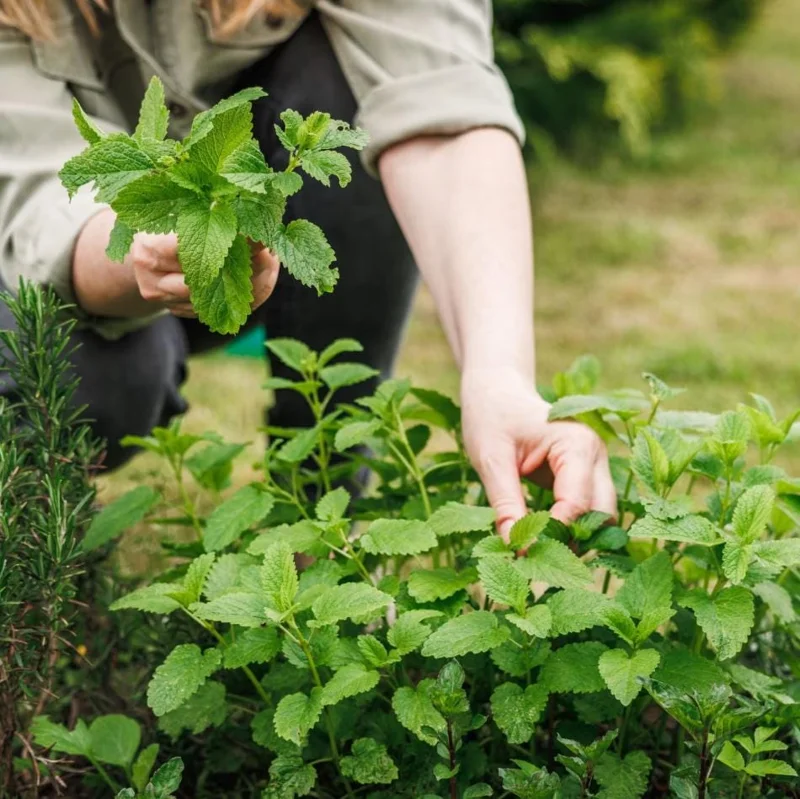
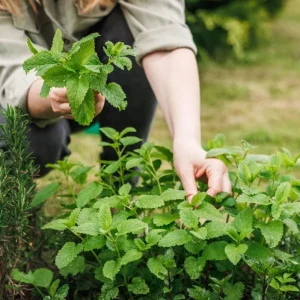
Pruning: Regular harvesting encourages bushier growth and prevents the plant from becoming leggy. Pinch back the top few inches of growth regularly. If you want to prevent self-seeding, prune the plant before it flowers. Deadheading spent flowers also promotes continued leaf production. This maintenance helps maintain the plant’s shape and vigor.
Size & Details
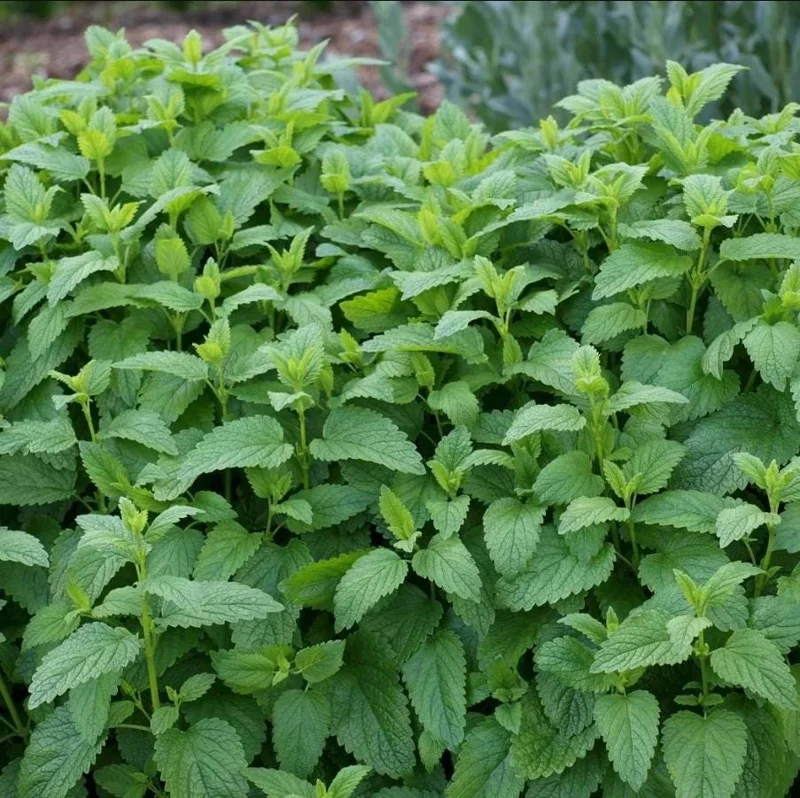
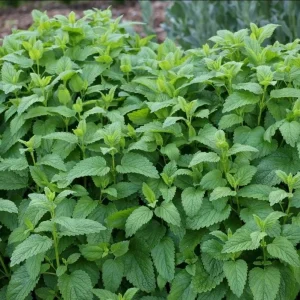
This offering includes one healthy lemon balm live plant plug, meticulously grown and ready for transplanting. Each starter plant is approximately 1-3 inches tall at the time of shipment, representing a young but robust specimen with a well-developed root system. The plant arrives nestled in a nursery pot, ensuring its roots are protected and moist during transit. As a perennial herb, lemon balm exhibits a moderate to fast growth rate, quickly developing into a lush, mounded plant that can reach heights of 18-24 inches and spread similarly wide when mature.
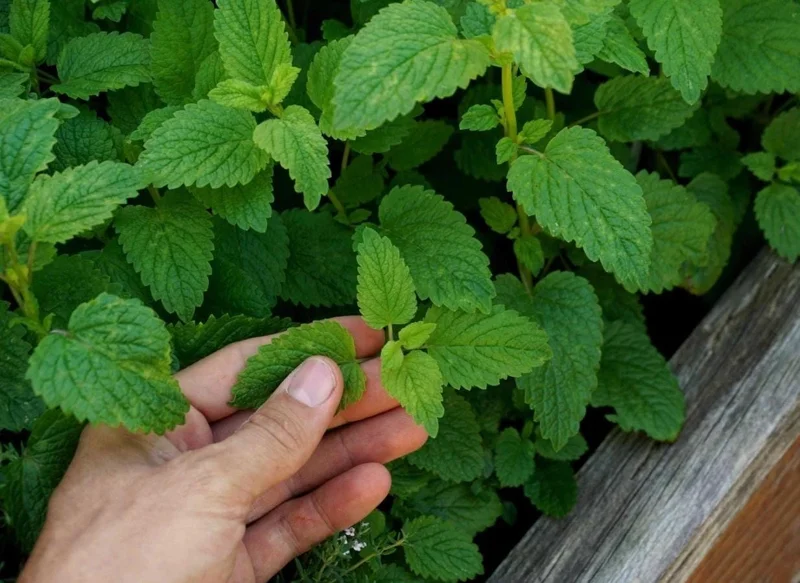
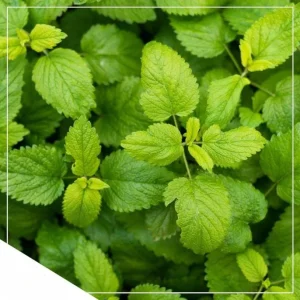
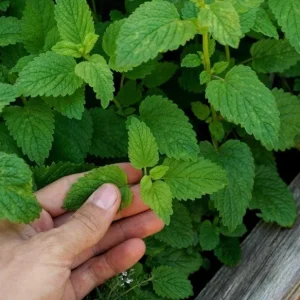
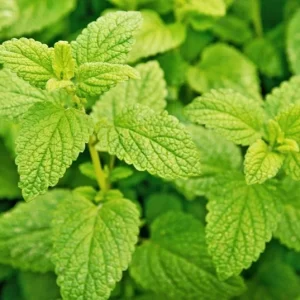
The leaves are bright green, ovate, and slightly crinkled, releasing their signature lemon fragrance when bruised. While photos may depict mature plants for reference, your plant will be a young starter, typically without flowers upon arrival, allowing you to enjoy its full growth cycle. Expect your lemon balm herb plant to establish quickly, providing fresh leaves for harvesting within weeks of planting. It is ideal for both garden beds and containers, offering flexibility for various planting schemes and making it easy to grow lemon balm in any space.
Frequently Asked Questions
- Q: How big does this plant get when mature? A: A mature lemon balm live plant typically grows to about 18-24 inches tall and can spread similarly wide, forming a bushy, mounded shape. Its size can be managed with regular pruning and harvesting.
- Q: What size pot does it come in? A: You will receive one lemon balm starter plant plug that is well-rooted in a small nursery pot, specifically designed to protect the roots during shipping and facilitate easy transplanting into your garden or a larger container.
- Q: Is this an indoor or outdoor plant? A: Lemon balm is primarily an outdoor plant, thriving in garden beds. However, it can also be grown indoors in a pot near a sunny window, provided it receives adequate light and care. It’s a versatile lemon balm herb plant.
- Q: How much sunlight does it need? A: For optimal growth, your lemon balm live plant needs full sun to partial shade. In hotter climates, partial shade in the afternoon is beneficial to prevent leaf scorch.
- Q: Is this plant easy to care for? A: Yes, lemon balm is considered an easy-to-care-for herb, making it suitable for beginners. It’s resilient and forgiving, requiring consistent moisture and adequate sunlight to thrive.
- Q: What condition will it arrive in? A: Your lemon balm plug will arrive healthy, well-rooted, and ready to plant. It is carefully packaged to ensure minimal stress during transit, though some minor leaf yellowing might occur due to shipping conditions.
- Q: Is it shipped in soil? A: Yes, the lemon balm live plant plug is shipped with its roots firmly established in soil within a nursery pot, ensuring its health and hydration upon arrival.
- Q: Can I use lemon balm in cooking? A: Absolutely! Fresh lemon balm leaves are excellent for culinary uses. You can add them to teas, salads, fish dishes, desserts, and more to impart a fresh, citrusy flavor. This is one of the main lemon balm benefits.
- Q: Will it survive winter in my zone? A: Lemon balm is cold hardy down to USDA Zone 4. If you are within this zone or warmer, your plant should survive winter outdoors and regrow in spring. In colder zones, it can be grown as an annual or overwintered indoors.
- Q: When is the best time to plant? A: The best time to plant your lemon balm live plant plug outdoors is in spring after the last frost, or in early fall. For indoor growing, it can be planted year-round.
Be the first to review “Lemon Balm Live Plant Plug – 1 Healthy Starter Plant, 1-3″ Tall”
-
USDA Hardiness Zone
USDA Zone 4-9 -
Soil Type
Well-draining loamy or sandy soil -
Sunlight Exposure
Full sun to partial shade -
Expected Planting Period
Spring to early summer outdoors, year-round indoors
People Also Viewd
Sold 128 products
Original price was: $27.00.$24.00Current price is: $24.00.
Sold 126 products
Original price was: $89.99.$64.99Current price is: $64.99.

Sold 125 products
Original price was: $86.99.$66.99Current price is: $66.99.
Sold 124 products
Original price was: $3,536.00.$23.99Current price is: $23.99.
Sold 116 products
Original price was: $27.99.$16.99Current price is: $16.99.
Flower Bulbs
3 Cranesbill Wild Geranium Organic Maculatums Bare Roots | Wildflower for Outdoor Garden
Sold 114 products
Original price was: $21.99.$6.99Current price is: $6.99.
Sold 114 products
Original price was: $28.99.$17.99Current price is: $17.99.
Sold 109 products
Original price was: $63.99.$28.99Current price is: $28.99.RELATED posts
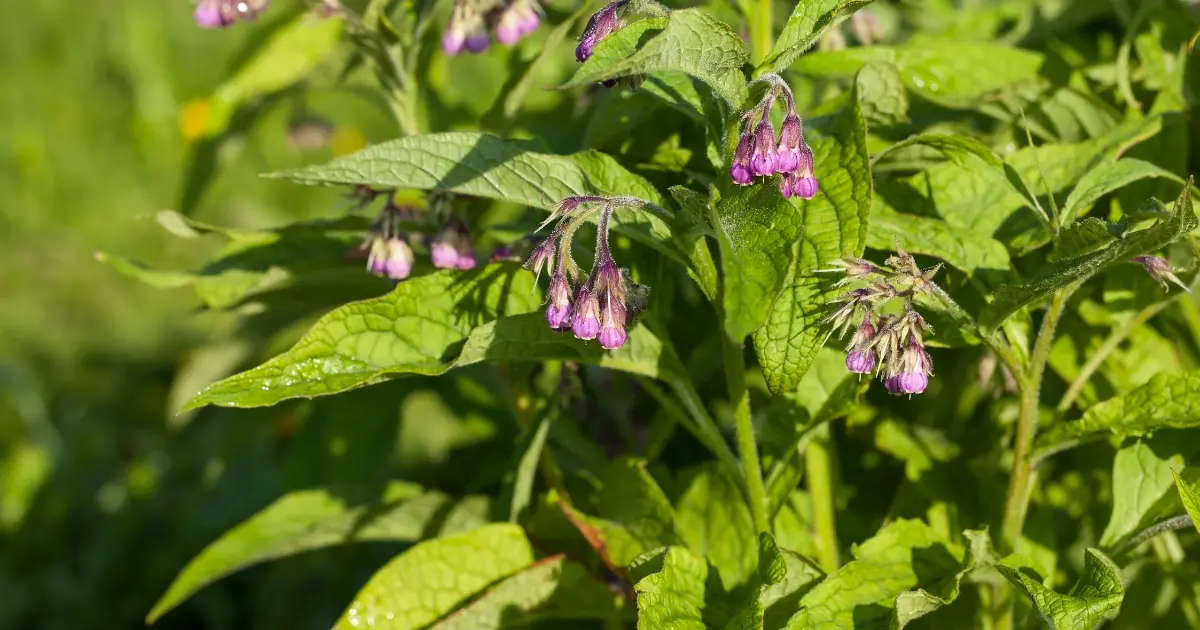
How to Identify Bocking 14 Comfrey: 5 Simple Visual Signs
If you’re growing comfrey for mulch, compost, or animal feed, knowing exactly which variety you [...]
Mar
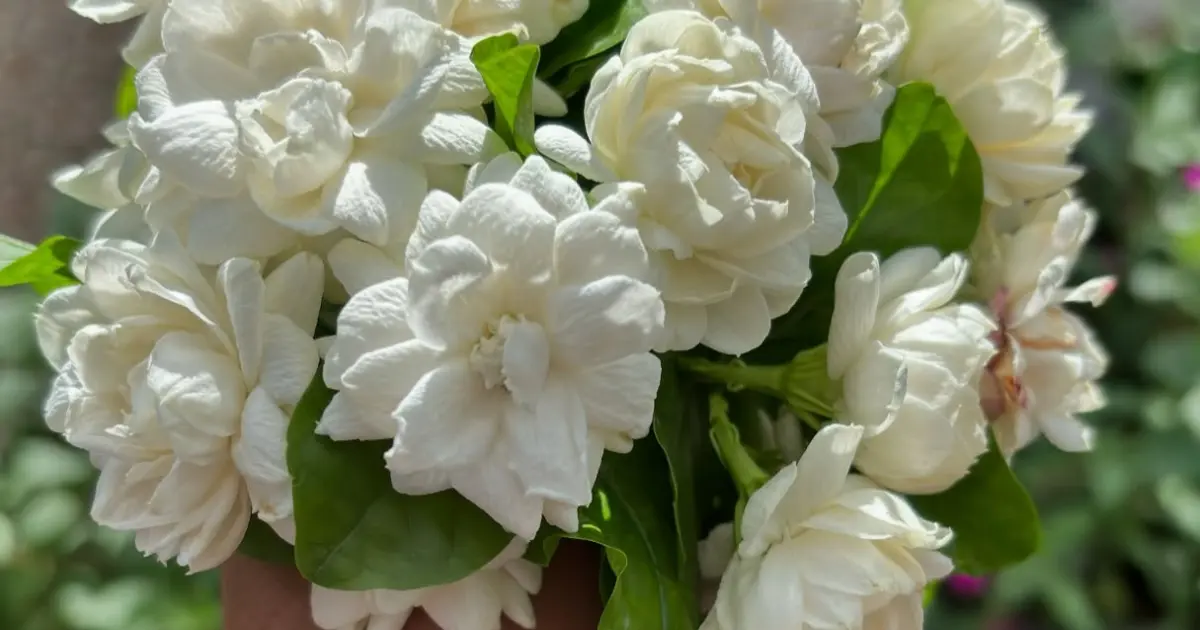
Grand Duke of Tuscany Jasmine: The Ultimate Guide to Growing a Fragrant Masterpiece
Have you ever caught a scent in the air so rich, creamy, and honey-sweet that [...]
Mar
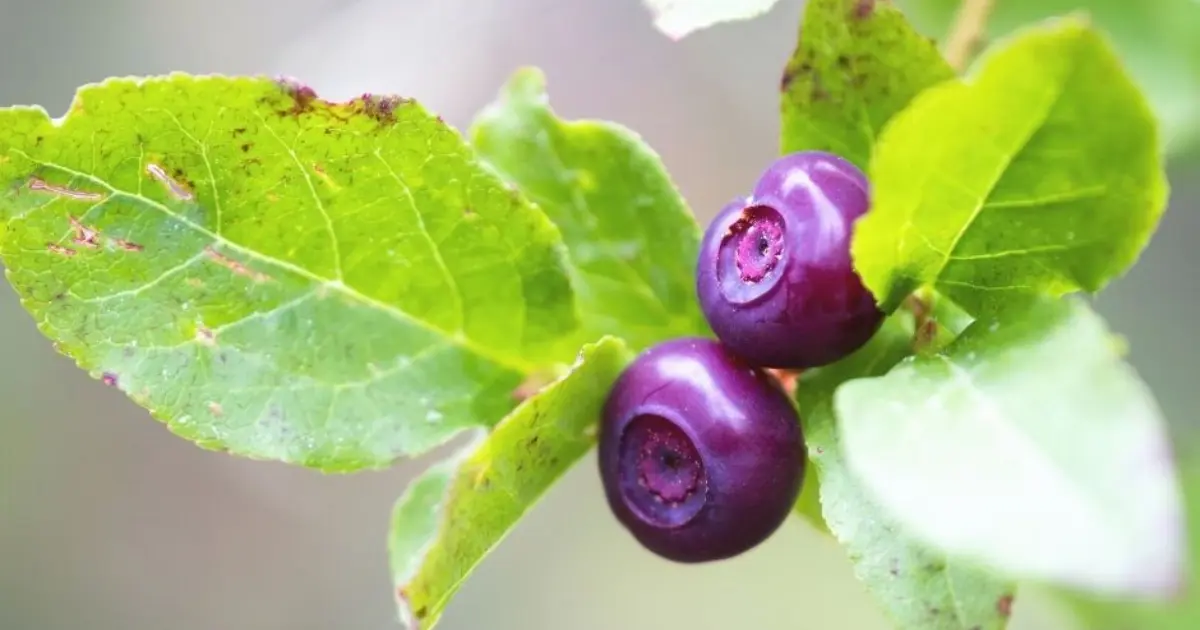
How to Grow Wild Huckleberries: A Guide to “Purple Gold”
Have you ever spent a summer afternoon hiking through the Pacific Northwest or the Rocky [...]
Mar
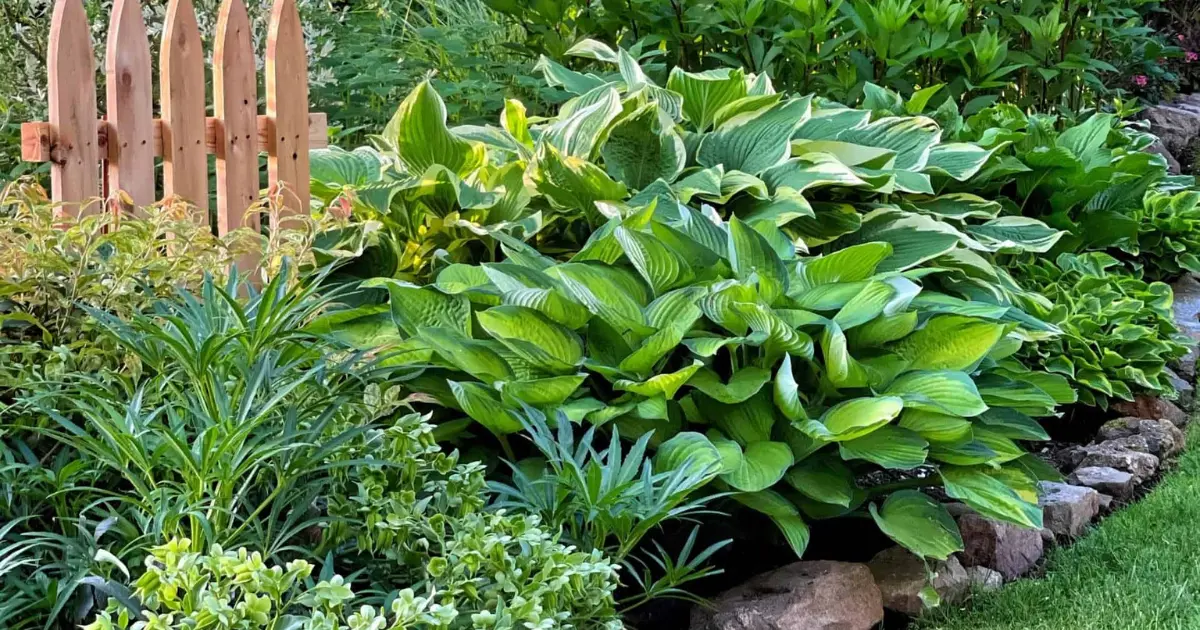
5 Best Shade-Loving Perennials for a Lush, Vibrant Garden
The world of gardening often shines a spotlight on sun-drenched blossoms, but there is a [...]
Mar
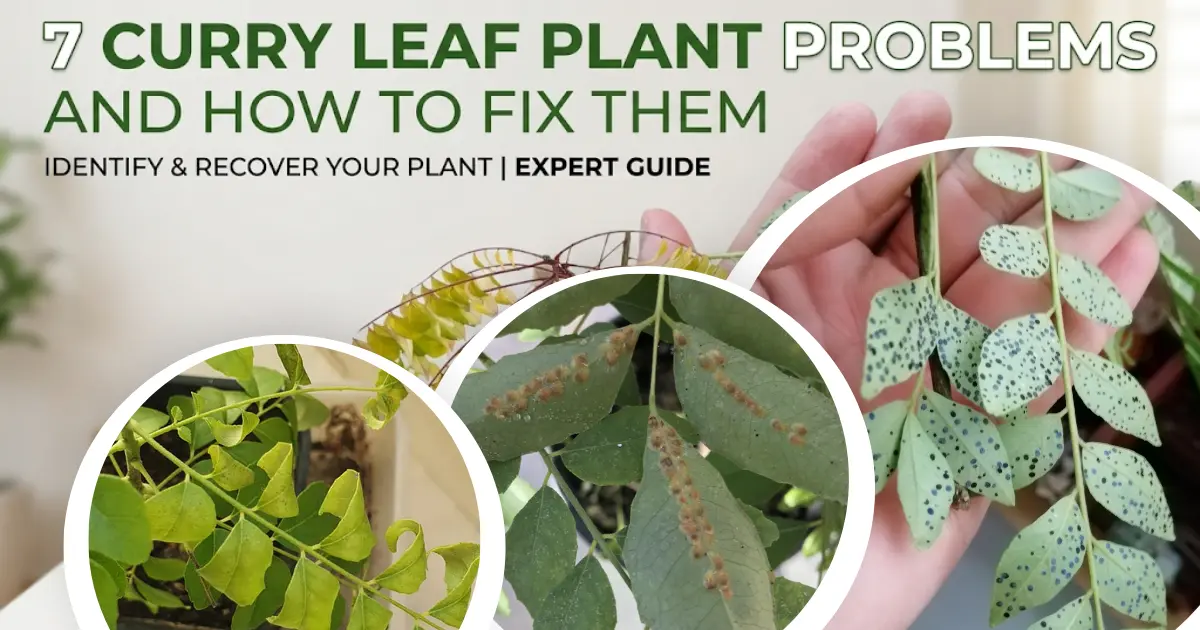
7 Common Curry Leaf Plant Problems: Easy Fixes for a Thriving Plant
Is your curry leaf plant looking a bit sad lately? Maybe you woke up to [...]
Mar
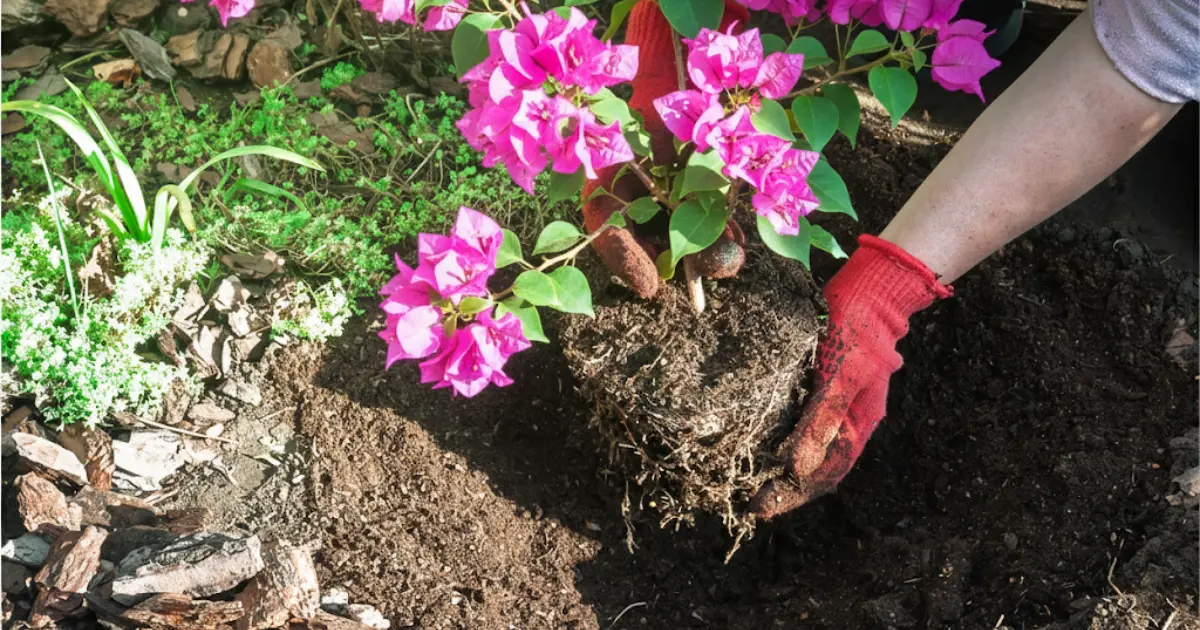
Best Time to Plant Bougainvillea: Timing for Vibrant Blooms
If you’re looking for a hardy tropical vine that delivers a riot of neon color, [...]
Feb
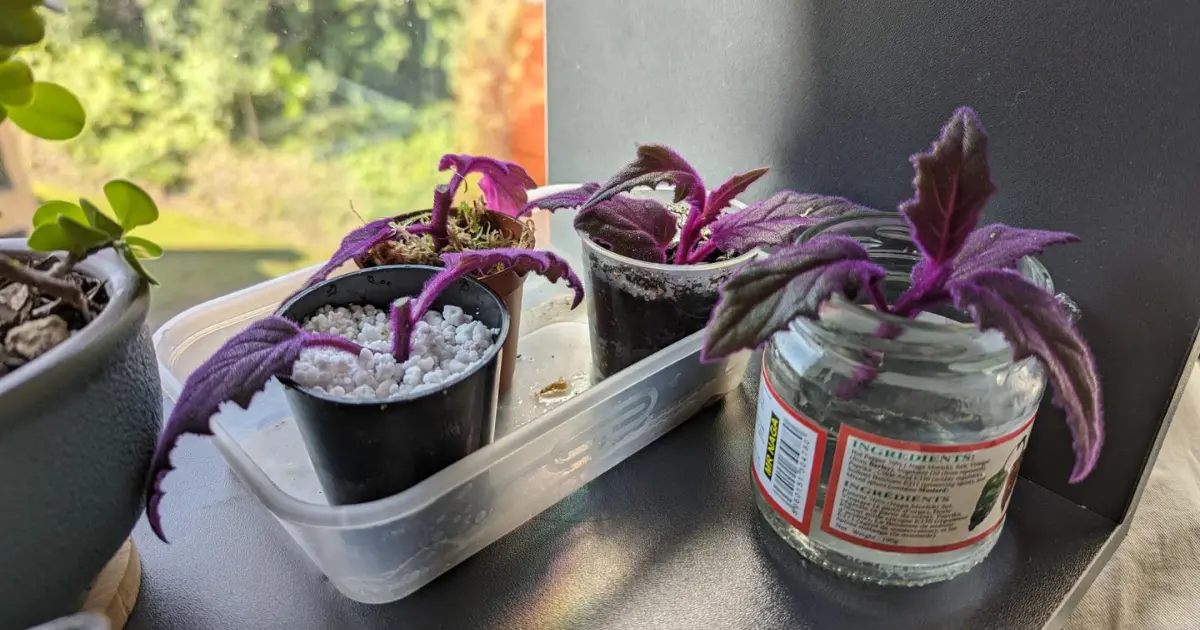
How to Propagate Purple Passion Plants (Gynura aurantiaca)
Have you ever been mesmerized by the neon-purple glow and fuzzy, velvet-like leaves of a [...]
Feb
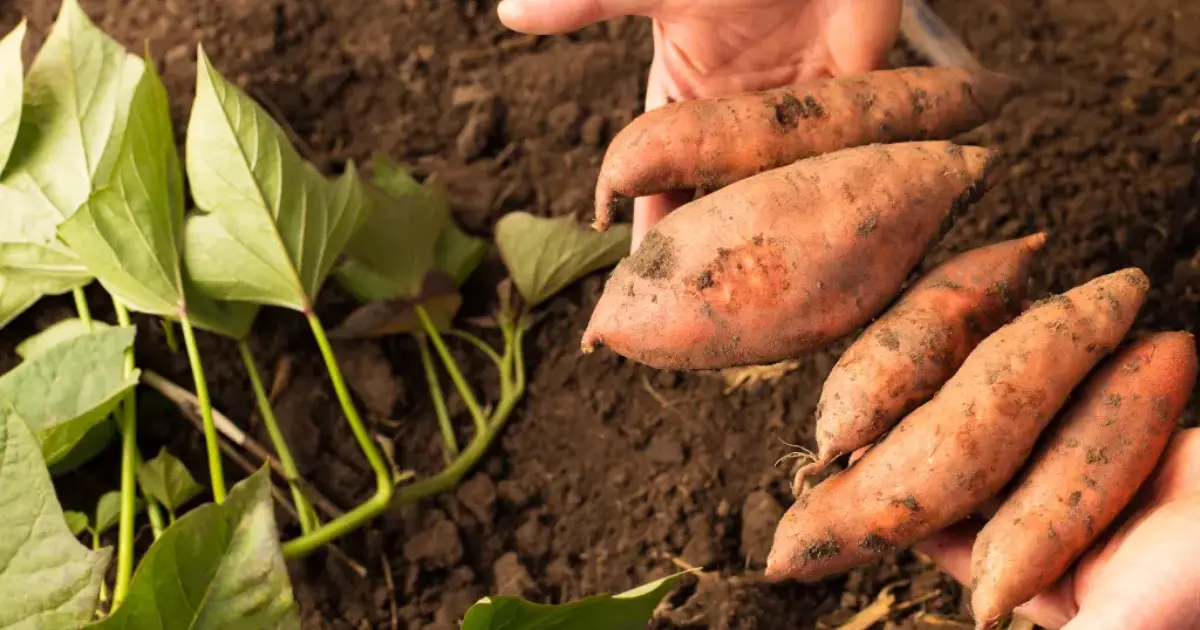
How to Grow Beauregard Sweet Potatoes: From Slips to a Bountiful Harvest
Are you ready to add a classic, heavy-hitting favorite to your vegetable patch? If you’ve [...]
Feb
Reviews
There are no reviews yet.