
Lychee Tree Live Plant – Sweet Tropical Fruit, 8-10 Inch Tall, 0.5 Gal Pot
Original price was: $67.99.$57.99Current price is: $57.99.
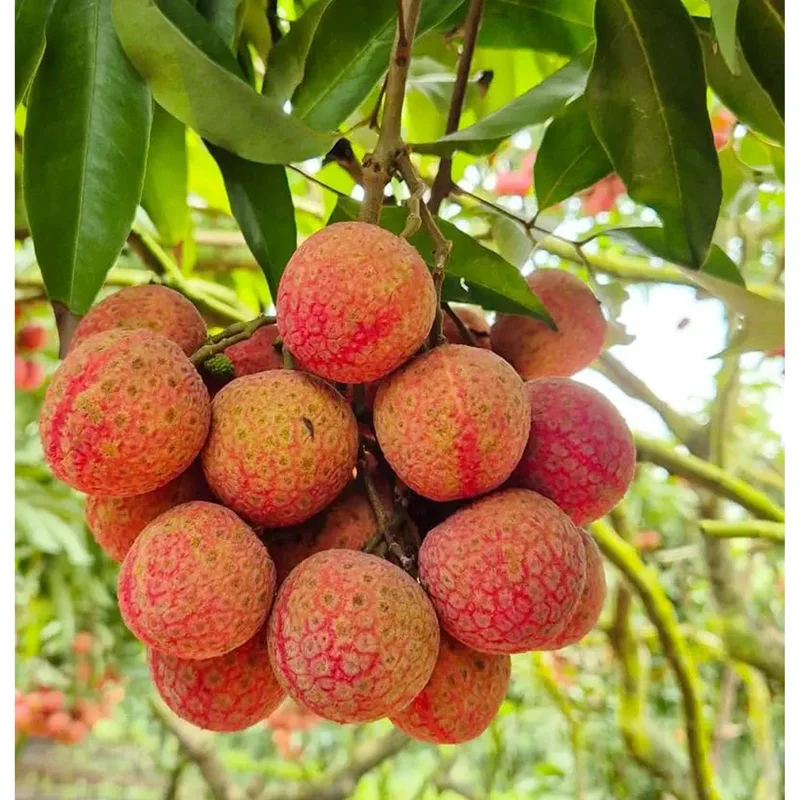
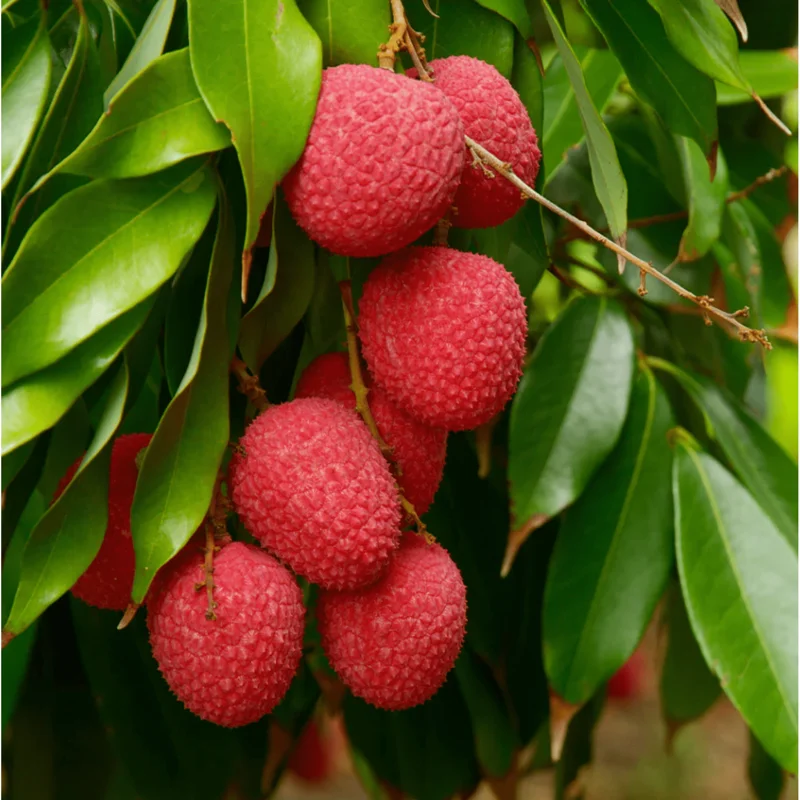
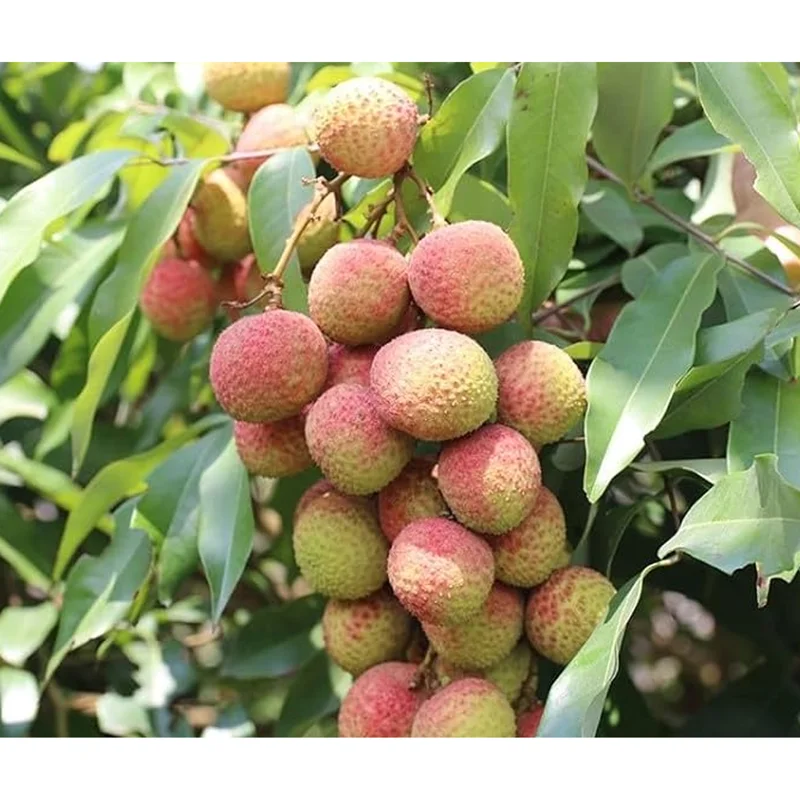
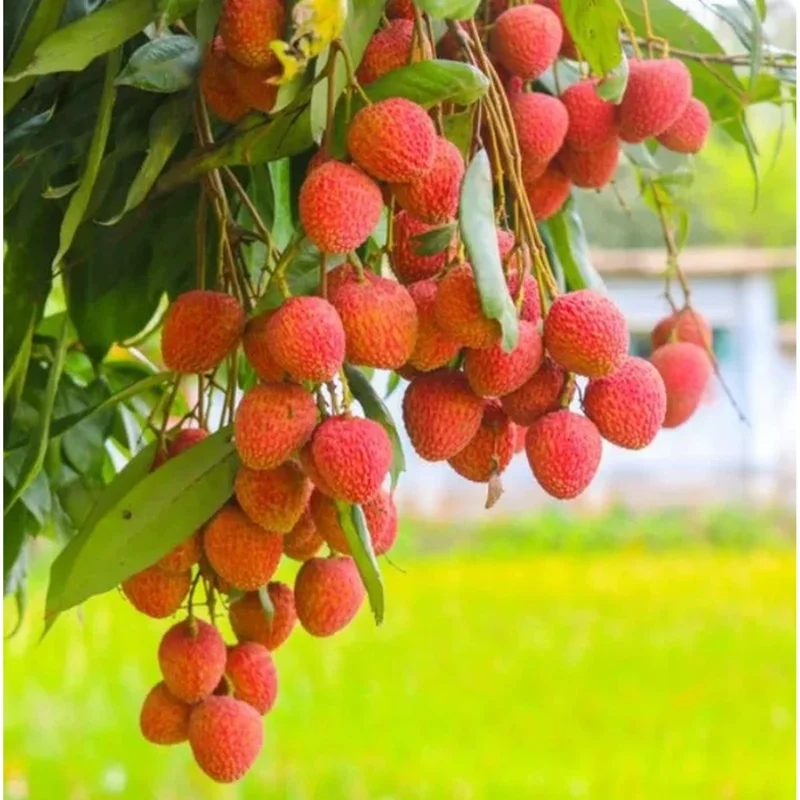
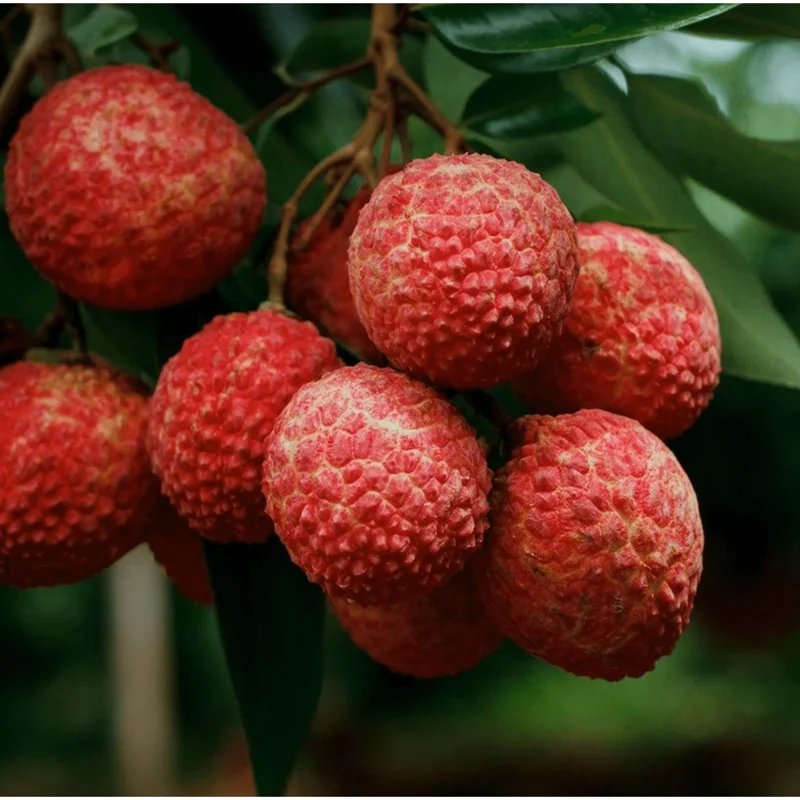
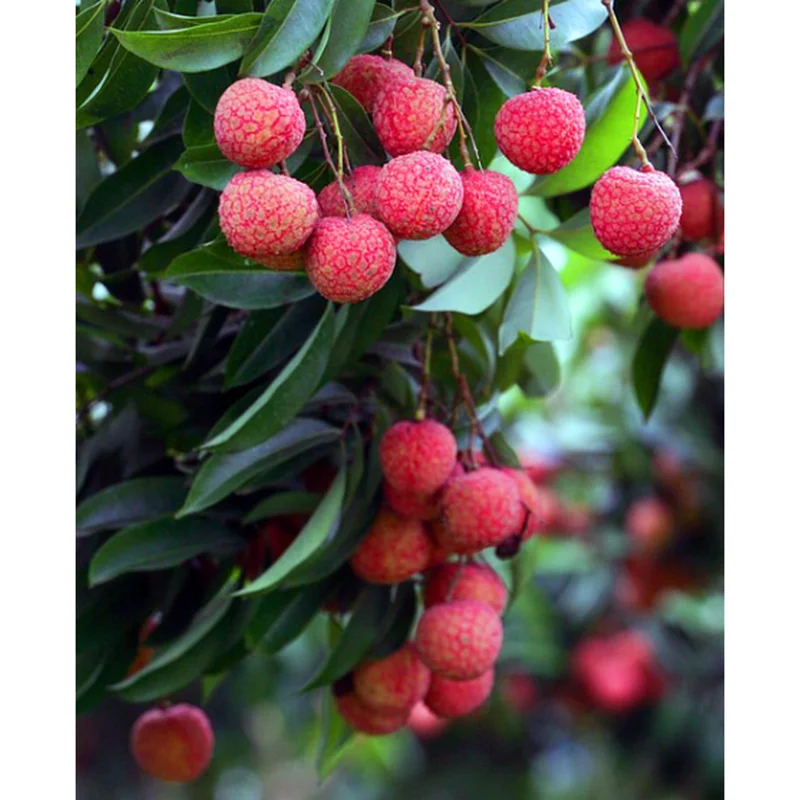
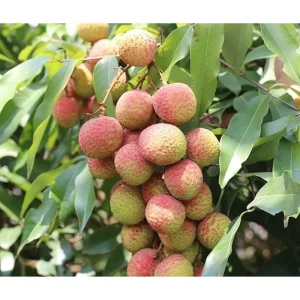
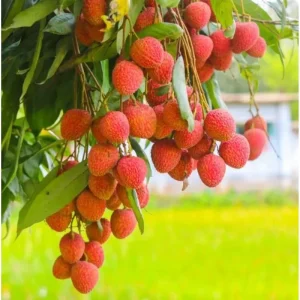
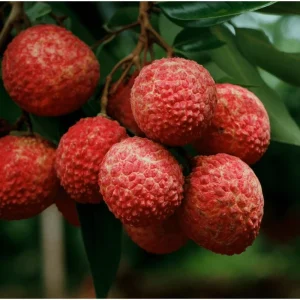
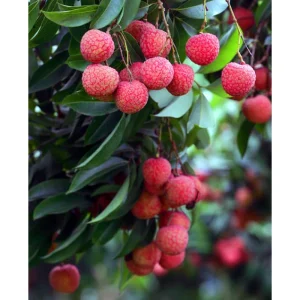
Bring the taste of the tropics to your home with a vibrant lychee tree live plant. This evergreen produces delicious, sweet, red-skinned fruits with translucent white flesh. Ideal for garden planting in warm climates, growing 8 to 10 inches tall in a half-gallon pot, ready to thrive.
Estimated arrival
Apr 01
Apr 06 - Apr 08
Apr 11 - Apr 15

Reasonable Price
We offer reasonable price

Support 24/7
Contact us 24 hrs a day

100% Money Back
You've 30 days to Return

Payment Secure
100% secure payment
Overview
Experience the joy of growing your own exotic fruit with this exquisite lychee tree live plant. Lychee (Litchi chinensis) is a highly prized tropical to subtropical evergreen fruit tree, celebrated for its unique and delicious fruits. Originating from Southeast Asia, the lychee tree is admired for its beautiful glossy green compound leaves and its clusters of small, fragrant flowers that precede the bountiful harvest. Each tree promises the reward of round, red, rough-skinned fruits, encasing a juicy, translucent white flesh bursting with a sweet, floral flavor. Perfect for enthusiasts looking to cultivate a distinctive tropical fruit tree, this live specimen is ready to establish in your garden or a suitable container.
Cultivating a litchi tree live plant offers a rewarding experience, providing both ornamental beauty and a source of fresh, delectable fruit. Whether you’re an experienced gardener or just starting your journey with tropical plants, this lychee tree is a fantastic addition, bringing an exotic touch and a taste of paradise directly to your home. Its moderate size makes it manageable for various garden settings or even as a patio plant in colder regions where it can be moved indoors during winter.
Key Benefits
Adding a lychee tree live plant to your landscape or container garden offers numerous advantages beyond just its delicious fruit. This beautiful evergreen brings a touch of the tropics and provides a unique aesthetic appeal.
- Exotic Fruit Production: Enjoy fresh, sweet, and juicy lychee fruits directly from your own garden. The unique flavor profile, often described as a blend of grape and rose, is a gourmet delight.
- Ornamental Value: The litchi tree live plant features attractive glossy green foliage, making it a beautiful specimen tree even when not fruiting. It adds lush, tropical appeal to any setting.
- Fragrant Blooms: Before fruit set, the tree produces clusters of small, fragrant flowers that add a delightful aroma to your garden.
- Health Benefits: Lychee fruits are rich in Vitamin C, antioxidants, and other beneficial nutrients, contributing to a healthy diet.
- Unique Garden Addition: Stand out from traditional fruit trees by cultivating a less common, but highly sought-after, tropical fruit. It’s an excellent way to diversify your edible landscape.
- Long-Lived Specimen: With proper care, a lychee tree can be a long-term investment, providing delicious fruit for many years to come.
- Engaging Growing Experience: For those interested in gardening, nurturing a tropical fruit tree like the lychee offers a deeply satisfying and educational experience.
Plant Care & Growing Tips
Caring for your lychee tree live plant involves understanding its specific needs to ensure healthy growth and abundant fruit production. Lychee trees thrive in warm, humid environments, making them ideal for USDA zones 9-11 outdoors, or as container plants in cooler climates where they can be brought indoors during colder months.
Sunlight requirements: Lychee trees require full sun, meaning at least 6-8 hours of direct sunlight per day. In extremely hot climates, some afternoon shade can be beneficial to prevent leaf scorch, especially for young plants. For indoor cultivation, place your litchi tree live plant near a south-facing window or use supplemental grow lights to meet its light needs.
Watering schedule and soil moisture preferences: These trees have moderate to high water needs. The soil should be kept consistently moist, but not waterlogged, especially during flowering and fruit development. Allow the top inch or two of soil to dry out slightly between waterings. Reduce watering frequency during the dormant winter period. Well-draining soil is crucial to prevent root rot.
Soil type and drainage requirements: Lychee trees prefer well-draining, slightly acidic soil with a pH between 5.5 and 6.5. A sandy loam or loamy soil enriched with organic matter is ideal. Good drainage is paramount; ensure your pot or garden bed has excellent drainage. If planting in a container, use a high-quality potting mix formulated for fruit trees or tropical plants.
Temperature range and USDA hardiness zone: Ideal temperatures for lychee trees are between 65°F and 90°F (18°C and 32°C). They are sensitive to frost and require protection if temperatures drop below 32°F (0°C). As a tropical fruit tree, they thrive in warm, humid conditions. Note that in winter, lychee trees may shed some or all of their leaves, which is a natural response to cooler temperatures and reduced light.
Fertilization schedule and type: Fertilize your lychee tree regularly during the growing season (spring through fall) with a balanced fertilizer formulated for acid-loving plants. Look for fertilizers with a higher phosphorus and potassium content to encourage flowering and fruiting. Reduce fertilization during winter. Follow package instructions for application rates. Common problems include nutrient deficiencies (often iron or zinc, corrected with chelated micronutrients) and pest issues like aphids or scale, which can be managed with horticultural oil or insecticidal soap.
Size & Details
This offering is for one lychee tree live plant, which typically measures 8 to 10 inches tall from the base of the soil to the top of the plant. It arrives well-established in a half-gallon (0.5 Gal) nursery pot, providing a healthy root system ready for transplanting. The plant is a young specimen, perfect for growing into a mature, fruit-bearing tree. While initial growth may be focused on establishing roots and foliage, with proper care, you can expect this litchi tree live plant to begin fruiting within a few years, depending on growing conditions and climate.
Lychee trees are known for their moderate growth rate and can reach heights of 20-40 feet in ideal outdoor conditions, though they can be kept smaller with pruning in containers. The plant will be carefully packaged to ensure its safe arrival, protecting its delicate leaves and root ball. This tropical fruit tree will continue to grow and develop its characteristic glossy leaves and eventually produce its highly sought-after fruits. When you buy buy lychee tree from us, you’re investing in a healthy, viable plant ready for your horticultural endeavors.
Frequently Asked Questions
- Q: How big does this lychee tree get? A: This lychee tree live plant is currently 8-10 inches tall in a 0.5-gallon pot. In ideal outdoor conditions, mature trees can reach 20-40 feet, but they can be maintained at a smaller, more manageable size with regular pruning, especially when grown in containers.
- Q: Is this an indoor or outdoor plant? A: Lychee trees are tropical plants best suited for outdoor cultivation in USDA zones 9-11. In cooler climates, they can be grown as container plants and brought indoors during winter months, making them a versatile tropical fruit tree.
- Q: How much sunlight does the lychee tree need? A: Your litchi tree live plant requires a minimum of 6-8 hours of direct sunlight per day to thrive and produce fruit. If grown indoors, a south-facing window or supplemental grow lights are recommended.
- Q: Is this plant easy to care for? A: Lychee trees require consistent care, particularly with watering and proper sunlight. While not extremely difficult, they do need attention to soil moisture, drainage, and protection from cold, making them suitable for gardeners willing to provide specific tropical plant care.
- Q: What condition will the lychee tree arrive in? A: The lychee tree live plant will arrive well-packaged in its half-gallon nursery pot, with its roots securely in soil. We take great care to ensure the plant is protected during transit, arriving healthy and ready for planting.
- Q: How long until it blooms and produces fruit? A: A young tropical fruit tree like this lychee can take several years to mature and begin fruiting, typically 3-5 years, depending on growing conditions and care. Patience and proper cultivation are key to a successful harvest.
- Q: What’s the minimum temperature this lychee tree can tolerate? A: Lychee trees are sensitive to cold. They can tolerate temperatures down to about 32°F (0°C) for very short periods, but sustained temperatures below this can cause damage or death. It’s crucial to protect your lychee tree live plant from frost.
- Q: What type of soil is best for a lychee tree? A: Lychee trees prefer well-draining, slightly acidic soil (pH 5.5-6.5). A sandy loam or loamy soil enriched with organic matter works best. Good drainage is essential to prevent root rot.
- Q: Can I grow this lychee tree in a pot permanently? A: Yes, you can grow a litchi tree live plant permanently in a large container. Choose a pot with excellent drainage and gradually increase its size as the tree grows. Container growing allows you to move the plant indoors during cold weather.
- Q: Why did my lychee tree shed its leaves in winter? A: It is natural for a lychee tree live plant to shed some or all of its leaves during winter, especially if exposed to cooler temperatures or reduced light. This is a normal dormancy response and not necessarily a sign of ill health, provided the temperatures are not freezing.
Be the first to review “Lychee Tree Live Plant – Sweet Tropical Fruit, 8-10 Inch Tall, 0.5 Gal Pot”
-
USDA Hardiness Zone
USDA zones 9-11 (or indoors) -
Soil Type
Well-draining, sandy loam or loamy soil -
Sunlight Exposure
Full sun -
Expected Planting Period
Spring to early summer (outdoors); Year-round (indoors)
People Also Viewd
Sold 128 products
Original price was: $27.00.$24.00Current price is: $24.00.
Sold 127 products
Original price was: $89.99.$64.99Current price is: $64.99.
Sold 126 products
Original price was: $3,536.00.$23.99Current price is: $23.99.

Sold 125 products
Original price was: $86.99.$66.99Current price is: $66.99.
Sold 116 products
Original price was: $27.99.$16.99Current price is: $16.99.
Sold 114 products
Original price was: $28.99.$17.99Current price is: $17.99.
Flower Bulbs
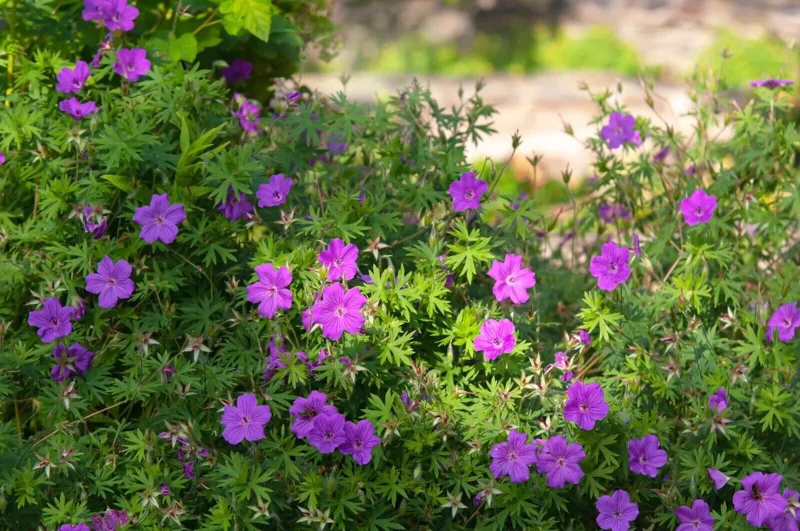
3 Cranesbill Wild Geranium Organic Maculatums Bare Roots | Wildflower for Outdoor Garden
Sold 114 products
Original price was: $21.99.$6.99Current price is: $6.99.
Sold 109 products
Original price was: $63.99.$28.99Current price is: $28.99.RELATED posts
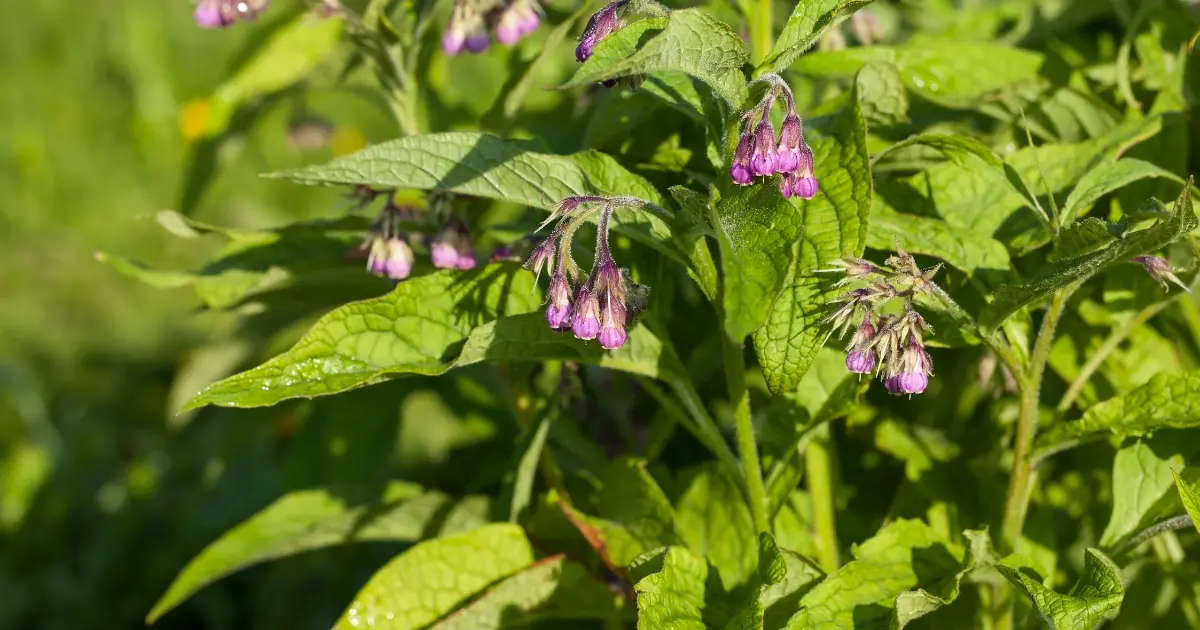
How to Identify Bocking 14 Comfrey: 5 Simple Visual Signs
If you’re growing comfrey for mulch, compost, or animal feed, knowing exactly which variety you [...]
Mar
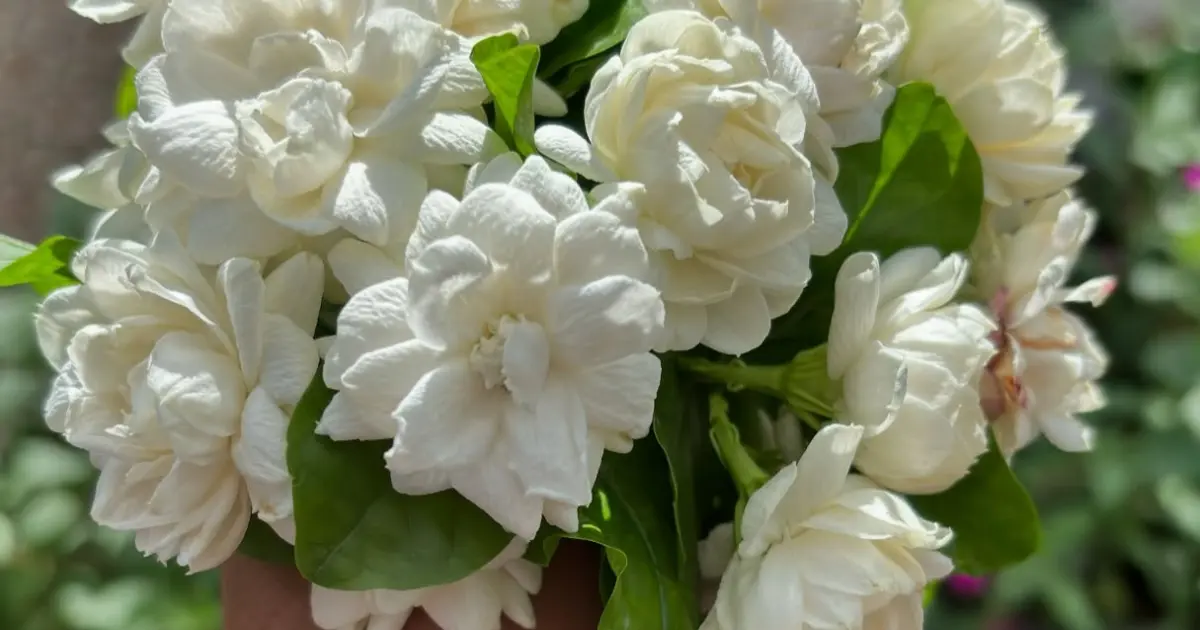
Grand Duke of Tuscany Jasmine: The Ultimate Guide to Growing a Fragrant Masterpiece
Have you ever caught a scent in the air so rich, creamy, and honey-sweet that [...]
Mar
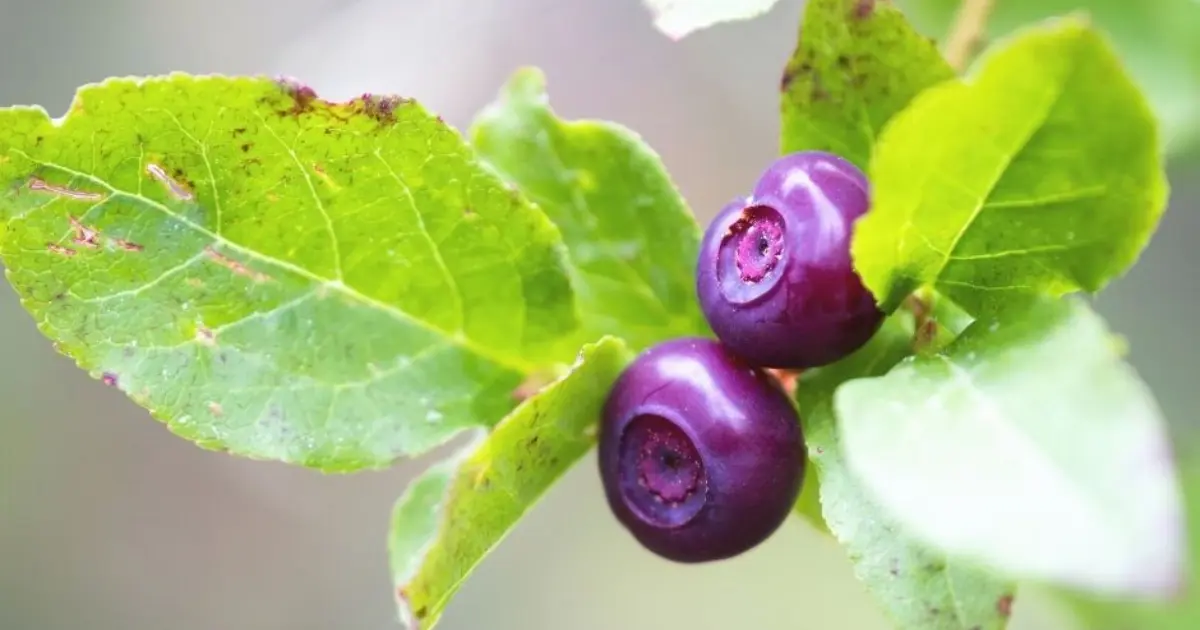
How to Grow Wild Huckleberries: A Guide to “Purple Gold”
Have you ever spent a summer afternoon hiking through the Pacific Northwest or the Rocky [...]
Mar
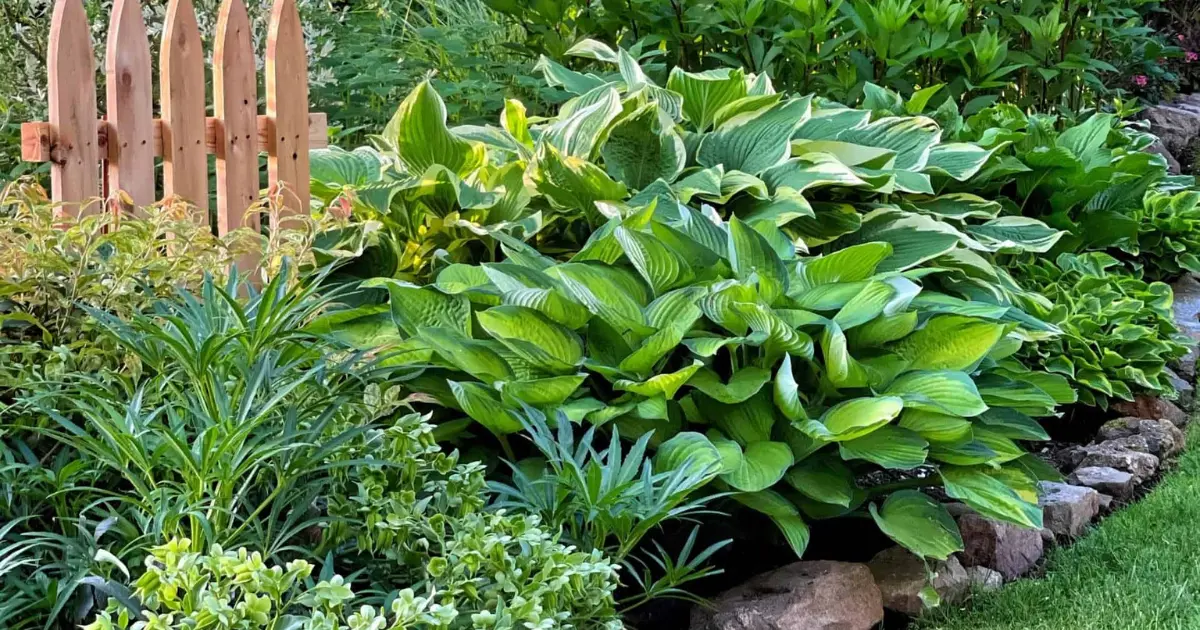
5 Best Shade-Loving Perennials for a Lush, Vibrant Garden
The world of gardening often shines a spotlight on sun-drenched blossoms, but there is a [...]
Mar

7 Common Curry Leaf Plant Problems: Easy Fixes for a Thriving Plant
Is your curry leaf plant looking a bit sad lately? Maybe you woke up to [...]
Mar
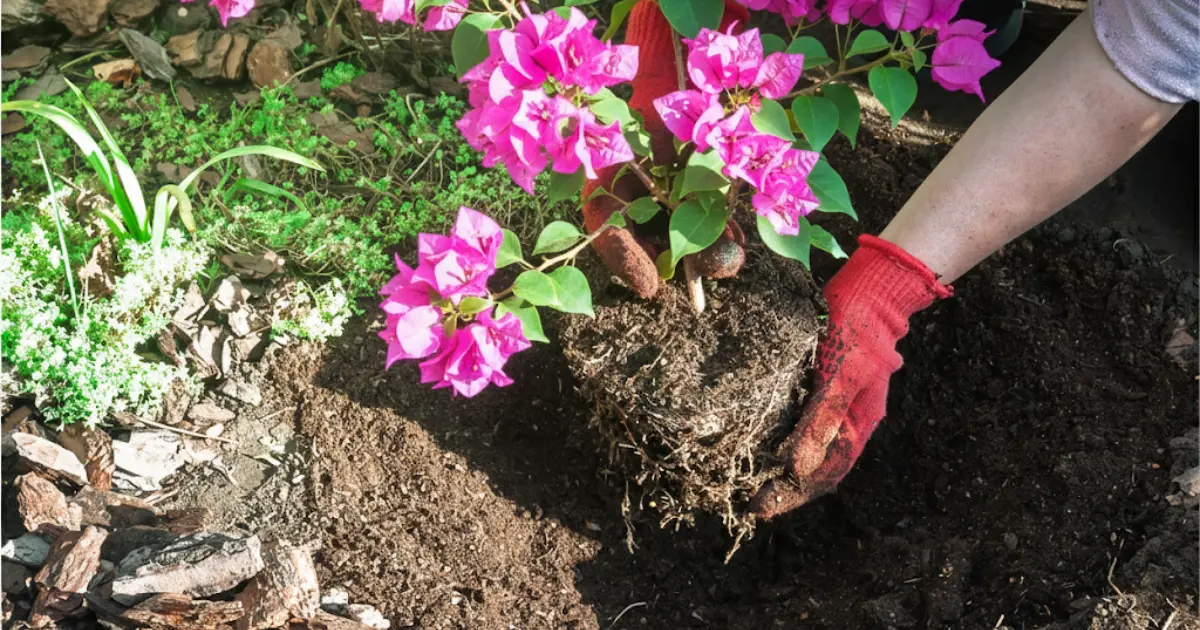
Best Time to Plant Bougainvillea: Timing for Vibrant Blooms
If you’re looking for a hardy tropical vine that delivers a riot of neon color, [...]
Feb
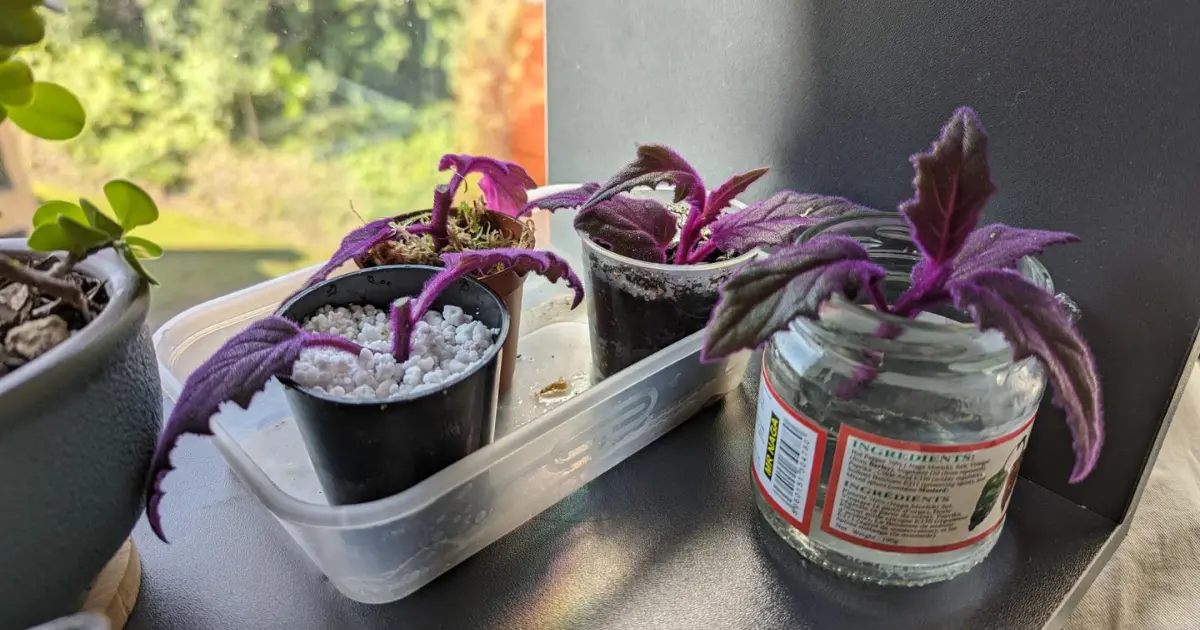
How to Propagate Purple Passion Plants (Gynura aurantiaca)
Have you ever been mesmerized by the neon-purple glow and fuzzy, velvet-like leaves of a [...]
Feb
How to Grow Beauregard Sweet Potatoes: From Slips to a Bountiful Harvest
Are you ready to add a classic, heavy-hitting favorite to your vegetable patch? If you’ve [...]
Feb

Reviews
There are no reviews yet.