
Mulberry Tree Live Plant – Sweet Fruit Tree for Outdoor Planting in 4″ Pot
Original price was: $48.99.$38.99Current price is: $38.99.
Cultivate your own delicious fruit with this mulberry tree live plant. This fast-growing deciduous tree produces sweet, juicy berries, perfect for outdoor gardens. Shipped in a 4-inch pot, ready for planting to enjoy fresh sweet mulberries tree fruits.
Estimated arrival
Mar 31
Apr 05 - Apr 07
Apr 10 - Apr 14

Reasonable Price
We offer reasonable price

Support 24/7
Contact us 24 hrs a day

100% Money Back
You've 30 days to Return

Payment Secure
100% secure payment
Overview
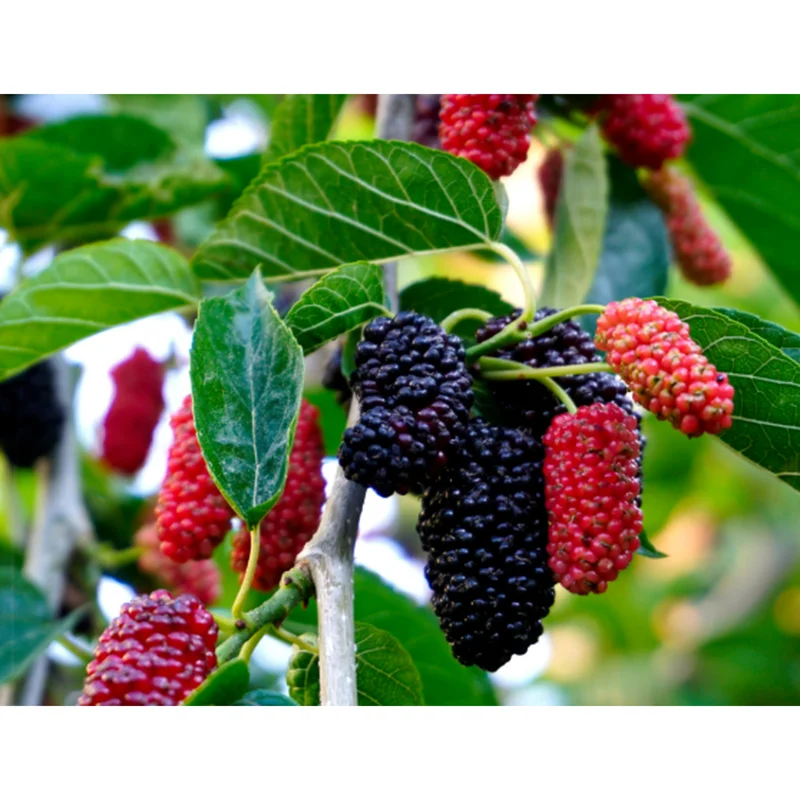
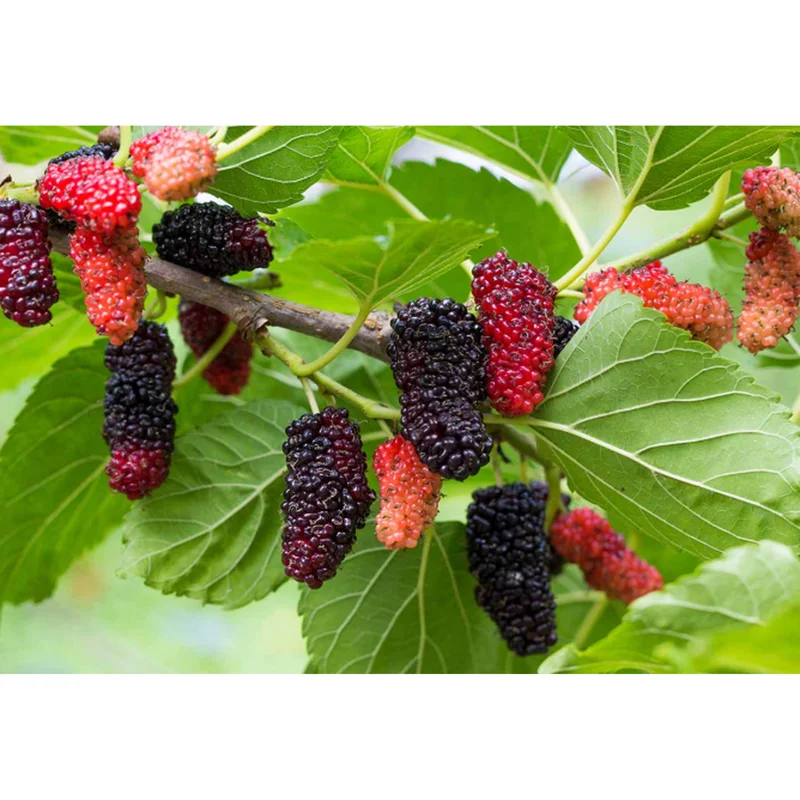
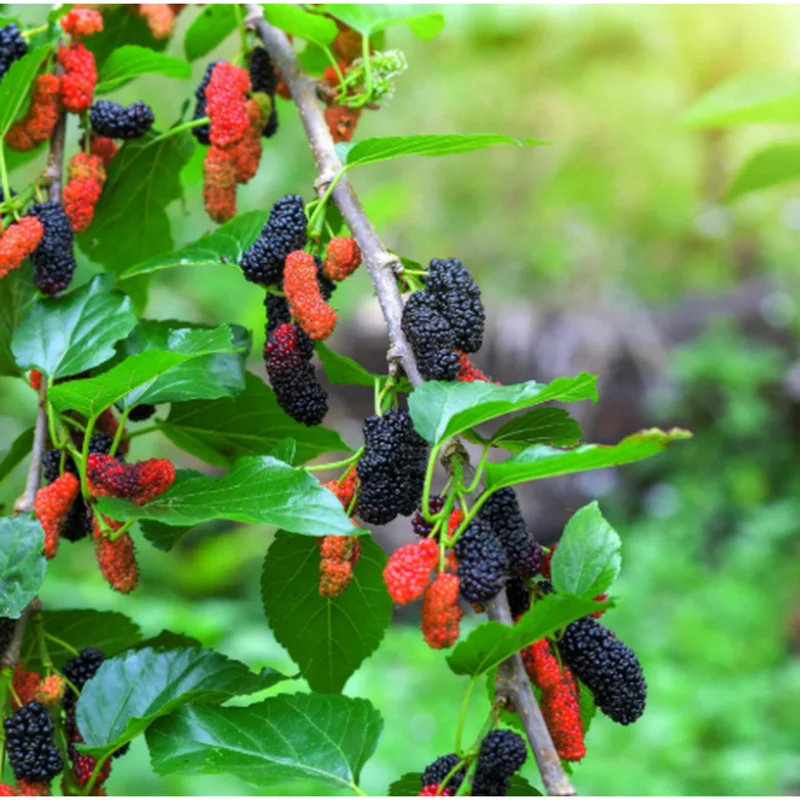
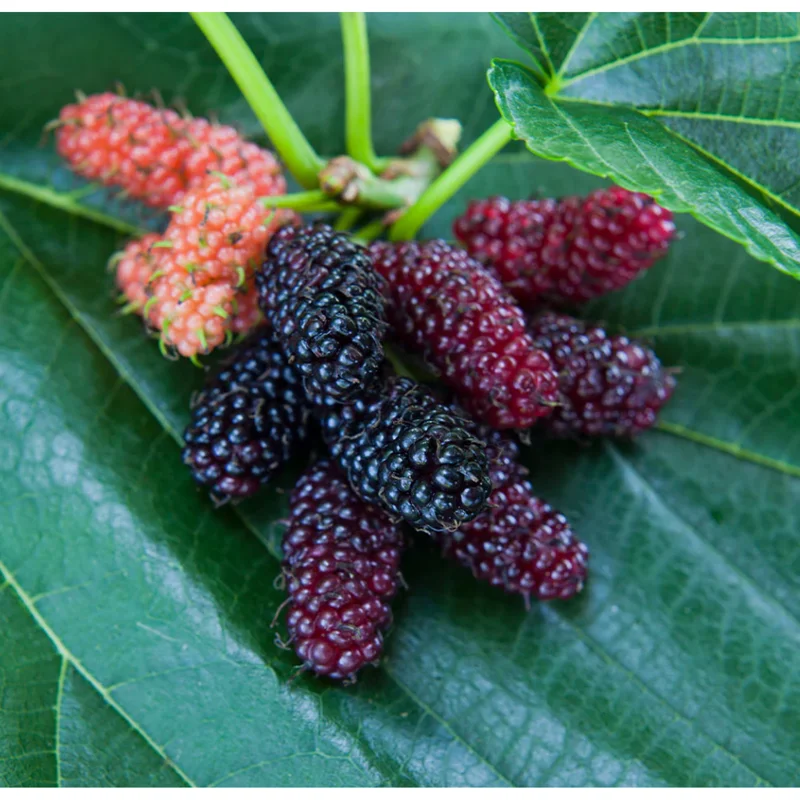
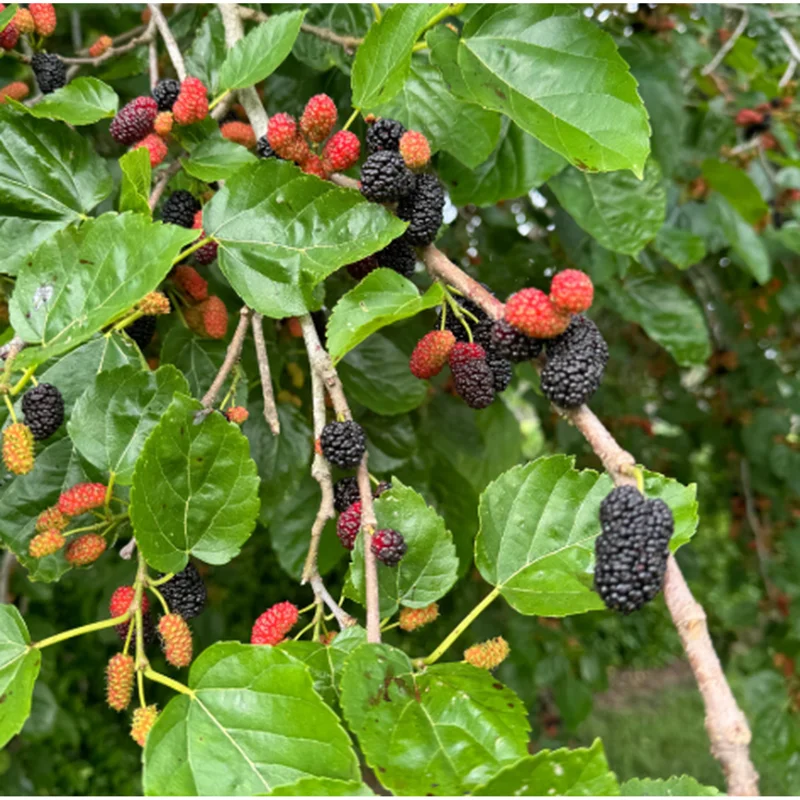
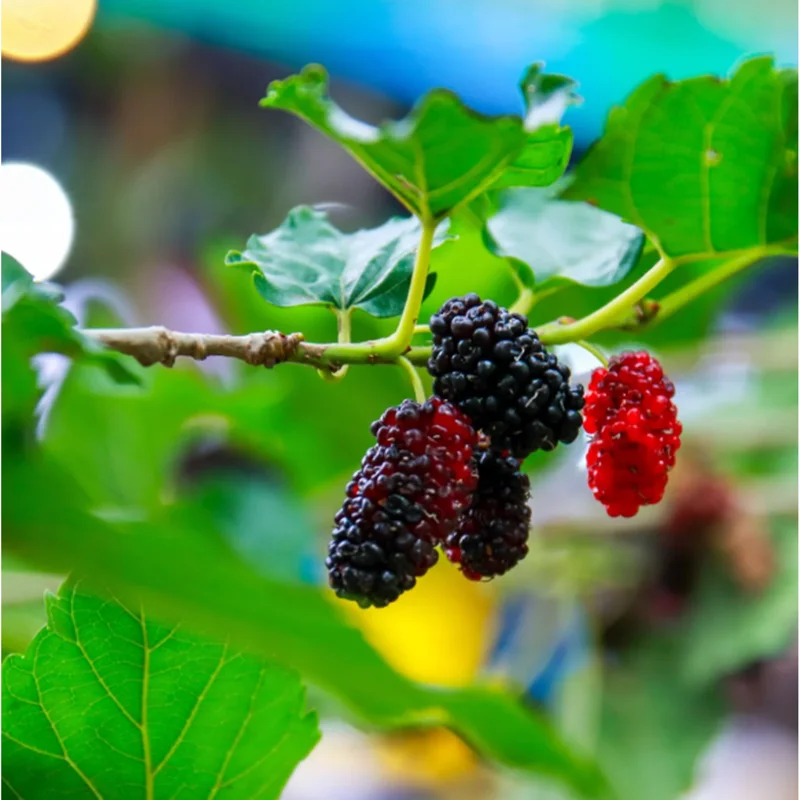
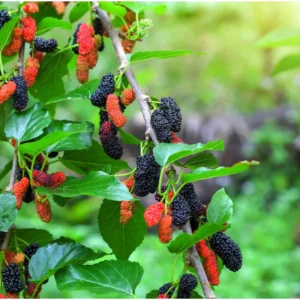
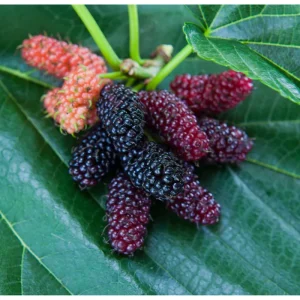
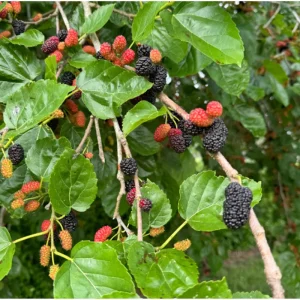
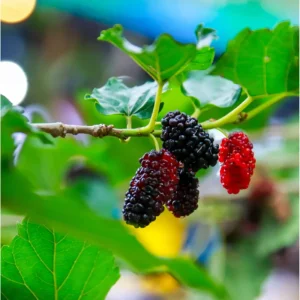
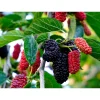
Bring the joy of home-grown fruit to your garden with this mulberry tree live plant. Known for its rapid growth and abundant yield, the mulberry tree is a delightful addition to any outdoor space. These deciduous trees are cherished for their sweet, juicy berries, which bear a resemblance to elongated blackberries. Depending on the species, the fruits can range in color from pristine white and vibrant red to a deep, rich purple-black, offering a diverse harvest. Planting a mulberry fruit tree allows you to enjoy fresh, organic mulberries directly from your backyard, perfect for eating fresh, making jams, or baking. This mulberry tree live plant is an excellent choice for gardeners looking for a productive and beautiful specimen.
Mulberry trees are relatively low-maintenance once established, making them suitable for both experienced gardeners and those new to fruit tree cultivation. They adapt well to various soil conditions and thrive in full sun, ensuring a healthy and fruitful plant. Our mulberry tree live plant arrives ready to be transplanted, providing a head start on growing your own delicious harvest. Experience the satisfaction of nurturing a plant that not only enhances your landscape but also provides a bounty of sweet, flavorful fruit.
Key Benefits
Choosing a mulberry tree live plant for your garden offers numerous advantages, from its aesthetic appeal to its abundant fruit production. This versatile tree is a fantastic investment for any gardener.
- Abundant Fruit Production: Enjoy a generous harvest of sweet, juicy mulberries each season. These berries are perfect for fresh eating, preserves, pies, and more, providing a continuous supply of delicious fruit from your own sweet mulberries tree.
- Fast Growing: Mulberry trees are known for their vigorous growth rate, allowing you to establish a substantial fruit-bearing tree in a relatively short period. This means quicker gratification for your gardening efforts.
- Low Maintenance: Once established, the mulberry fruit tree is quite hardy and requires minimal care, making it an ideal choice for busy gardeners. Its resilience to various conditions contributes to its ease of care.
- Attractive Landscape Addition: Beyond its fruit, the mulberry tree offers attractive foliage and a pleasing form, enhancing the beauty of your garden or yard. It creates a lovely focal point or shade tree.
- Versatile Culinary Uses: The berries can be used in a wide array of recipes, from fresh desserts to savory dishes, adding a unique flavor profile to your culinary creations. Discover new ways to enjoy your harvest.
- Drought Tolerance: Once mature, mulberry tree live plant varieties exhibit good drought tolerance, reducing the need for frequent watering in established gardens. This makes them a sustainable choice for many climates.
- Wildlife Friendly: The fruits attract various birds and other wildlife, adding natural vibrancy and biodiversity to your outdoor environment. This can create a lively and engaging garden ecosystem.
Plant Care & Growing Tips
Proper care is essential for ensuring your mulberry tree live plant thrives and produces an abundant harvest of delicious fruit. Mulberries are generally adaptable, but providing optimal conditions will lead to the best results. The blooming season typically occurs in spring, followed by fruit development.
For sunlight, your mulberry fruit tree requires Full Sun, meaning it needs at least 6-8 hours of direct sunlight per day to ensure healthy growth and prolific fruiting. When it comes to soil, mulberries are quite tolerant, growing well in loam, clay, and sandy soils, but they absolutely require well-drained soil to prevent root rot. Moderate water needs mean you should water regularly during dry periods, especially when the tree is young and establishing itself. Once mature, it can tolerate some drought. Ideal temperatures for a sweet mulberries tree are between 65°F and 90°F. In winter, as a deciduous tree, it will shed all its leaves, which is a normal part of its growth cycle. If you’re wondering about growing mulberry tree successfully, ensuring these conditions are met is crucial.
Fertilization can be done in early spring with a balanced slow-release fertilizer, especially for young trees. Avoid over-fertilizing, which can promote excessive leafy growth at the expense of fruit production. Pruning is best done in late winter or early spring while the tree is dormant. Focus on removing dead, damaged, or crossing branches, and thin out the canopy to improve air circulation and light penetration. This also helps in shaping the tree and managing its size. Watch out for common pests like aphids and scale, which can be managed with horticultural oils or insecticidal soaps. Diseases are generally not a major issue for mulberries, but good air circulation and proper watering practices can help prevent fungal problems. Understanding mulberry plant care will lead to a healthy and productive tree for years to come.
Size & Details
This mulberry tree live plant is shipped in a 4-inch nursery pot, providing a well-rooted specimen ready for immediate transplanting into your garden. At the time of shipping, the plant’s height will vary depending on its growth stage, typically ranging from 6 to 12 inches tall. Mulberry trees are known for their fast growth rate and can reach mature heights of 20 to 30 feet, with a similar spread, creating a beautiful and productive shade tree. The exact dimensions will depend on the specific variety and growing conditions, as well as pruning practices. Expect your mulberry fruit tree to begin producing fruit within 2-3 years after planting, with yields increasing as the tree matures. This young plant provides a robust foundation for growing mulberry tree in your home landscape.
The plant is carefully packaged to ensure its safe arrival, protecting the delicate root system and foliage during transit. Upon arrival, it’s recommended to acclimate the plant to its new environment before planting directly into the ground. While it arrives in a 4-inch pot, consider transplanting it into a larger container temporarily if immediate outdoor planting isn’t feasible. With proper care, this mulberry tree live plant will establish quickly and become a cherished part of your garden for many years, offering delightful harvests of sweet mulberries tree fruits.
Frequently Asked Questions
- Q: How big does this mulberry tree live plant get? A: A mature mulberry tree live plant can reach heights of 20 to 30 feet with a similar spread. Its ultimate size depends on the variety, growing conditions, and how it is pruned.
- Q: What size pot does it come in? A: This mulberry tree live plant is shipped in a 4-inch nursery pot, providing a good starting size for transplanting into your garden or a larger container.
- Q: Is this an indoor or outdoor plant? A: The mulberry fruit tree is primarily an outdoor plant, thriving in full sun exposures and suitable for garden planting. It is not recommended for long-term indoor cultivation.
- Q: How much sunlight does it need? A: For optimal growth and fruit production, your sweet mulberries tree requires at least 6-8 hours of direct sunlight per day, which is considered full sun.
- Q: Is this plant easy to care for? A: Yes, once established, the mulberry tree live plant is considered relatively easy to care for, making it suitable for gardeners of various experience levels. It’s known for its hardiness.
- Q: What condition will it arrive in? A: Your mulberry tree live plant will arrive carefully packaged to protect the plant and its root system, ensuring it reaches you in healthy, ready-to-plant condition.
- Q: How long until it blooms and produces fruit? A: Mulberry trees typically begin to bloom and produce fruit within 2-3 years after planting, with fruit yields increasing as the tree matures and establishes itself.
- Q: When is the best time to plant a mulberry tree? A: The best time for growing mulberry tree is generally in early spring or fall, allowing the plant to establish its root system before extreme summer heat or winter cold.
- Q: What type of soil does a mulberry tree need? A: Mulberry trees are adaptable to various soil types, including loam, clay, and sandy soils, but they absolutely require well-drained soil to prevent waterlogging.
- Q: Do I need more than one mulberry tree for fruit production? A: Most mulberry varieties are self-pollinating, meaning a single mulberry fruit tree can produce fruit. However, planting more than one can sometimes lead to a larger harvest.
Be the first to review “Mulberry Tree Live Plant – Sweet Fruit Tree for Outdoor Planting in 4″ Pot”
-
USDA Hardiness Zone
unknown -
Soil Type
well-drained soil (loam, clay, sandy) -
Sunlight Exposure
Full Sun -
Expected Planting Period
spring to early summer
People Also Viewd


Sold 128 products
Original price was: $27.00.$24.00Current price is: $24.00.

Sold 127 products
Original price was: $89.99.$64.99Current price is: $64.99.

Sold 126 products
Original price was: $3,536.00.$23.99Current price is: $23.99.

Sold 125 products
Original price was: $86.99.$66.99Current price is: $66.99.
Sold 116 products
Original price was: $27.99.$16.99Current price is: $16.99.

Flower Bulbs
3 Cranesbill Wild Geranium Organic Maculatums Bare Roots | Wildflower for Outdoor Garden
Sold 114 products
Original price was: $21.99.$6.99Current price is: $6.99.

Sold 114 products
Original price was: $28.99.$17.99Current price is: $17.99.

Sold 109 products
Original price was: $63.99.$28.99Current price is: $28.99.RELATED posts
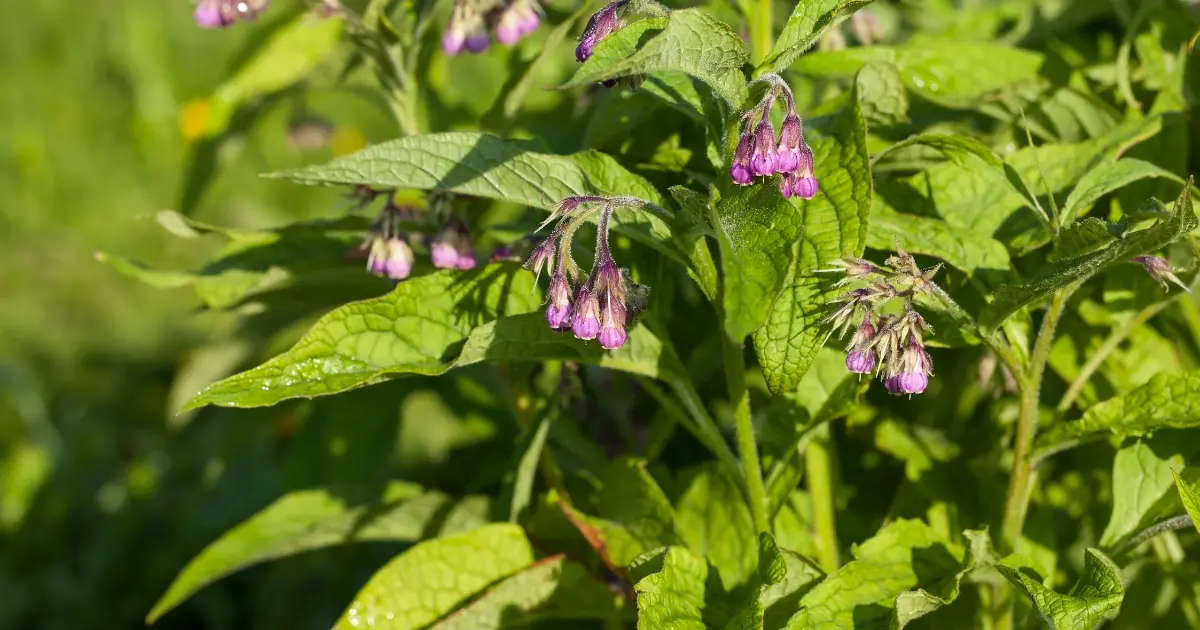
How to Identify Bocking 14 Comfrey: 5 Simple Visual Signs
If you’re growing comfrey for mulch, compost, or animal feed, knowing exactly which variety you [...]
Mar
Grand Duke of Tuscany Jasmine: The Ultimate Guide to Growing a Fragrant Masterpiece
Have you ever caught a scent in the air so rich, creamy, and honey-sweet that [...]
Mar
How to Grow Wild Huckleberries: A Guide to “Purple Gold”
Have you ever spent a summer afternoon hiking through the Pacific Northwest or the Rocky [...]
Mar
5 Best Shade-Loving Perennials for a Lush, Vibrant Garden
The world of gardening often shines a spotlight on sun-drenched blossoms, but there is a [...]
Mar

7 Common Curry Leaf Plant Problems: Easy Fixes for a Thriving Plant
Is your curry leaf plant looking a bit sad lately? Maybe you woke up to [...]
Mar
Best Time to Plant Bougainvillea: Timing for Vibrant Blooms
If you’re looking for a hardy tropical vine that delivers a riot of neon color, [...]
Feb
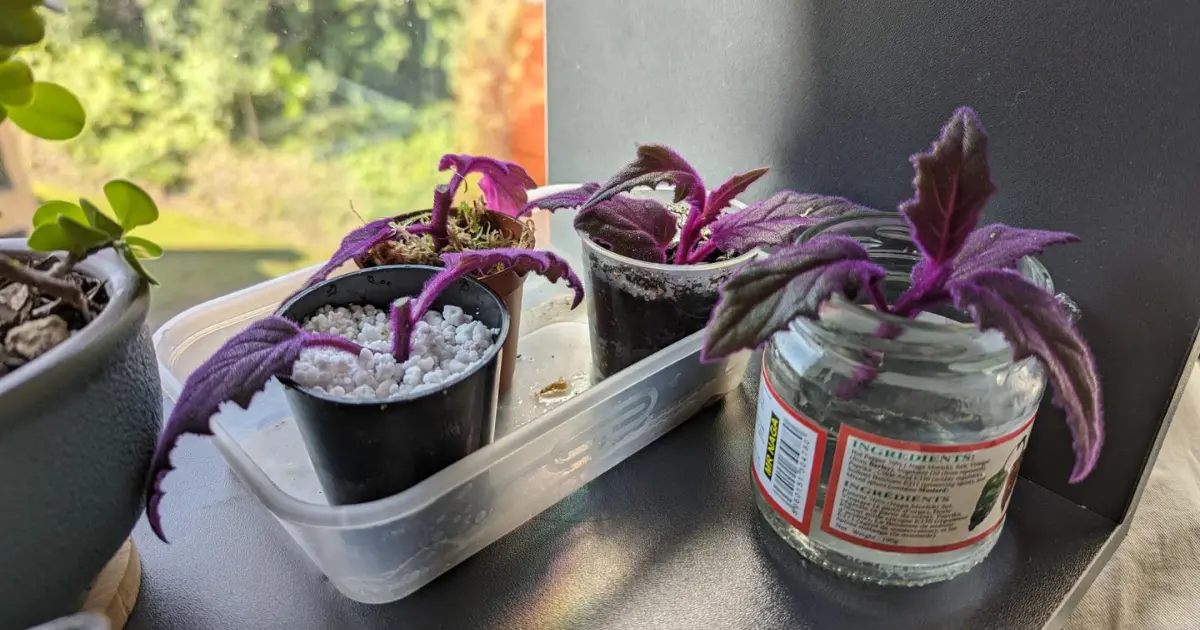
How to Propagate Purple Passion Plants (Gynura aurantiaca)
Have you ever been mesmerized by the neon-purple glow and fuzzy, velvet-like leaves of a [...]
Feb
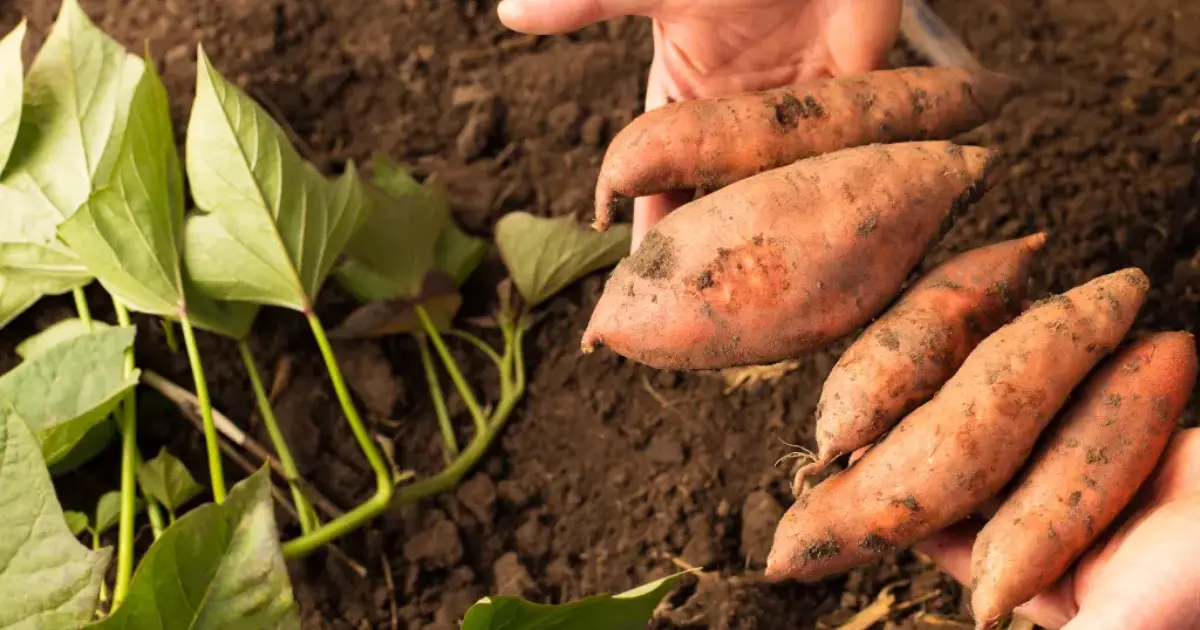
How to Grow Beauregard Sweet Potatoes: From Slips to a Bountiful Harvest
Are you ready to add a classic, heavy-hitting favorite to your vegetable patch? If you’ve [...]
Feb
Reviews
There are no reviews yet.