
Okinawa Spinach Live Plants, 3 Pack Gynura Crepioides, 4-8 Inch Tall, Vegetable
Original price was: $46.99.$36.99Current price is: $36.99.
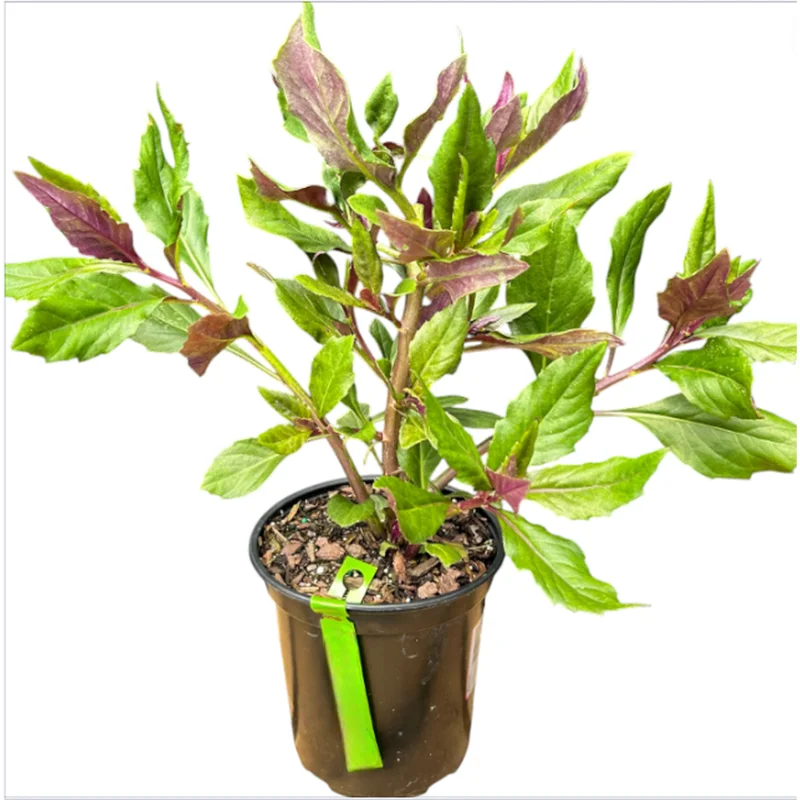
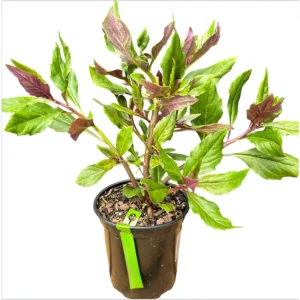
Cultivate your own healthy greens with this okinawa spinach live plant 3-pack. Each Gynura Crepioides plant measures 4-8 inches tall, ready for planting outdoors. Enjoy the dual benefits of an ornamental perennial and a nutritious vegetable.
Estimated arrival
Apr 02
Apr 07 - Apr 09
Apr 12 - Apr 16

Reasonable Price
We offer reasonable price

Support 24/7
Contact us 24 hrs a day

100% Money Back
You've 30 days to Return

Payment Secure
100% secure payment
Overview
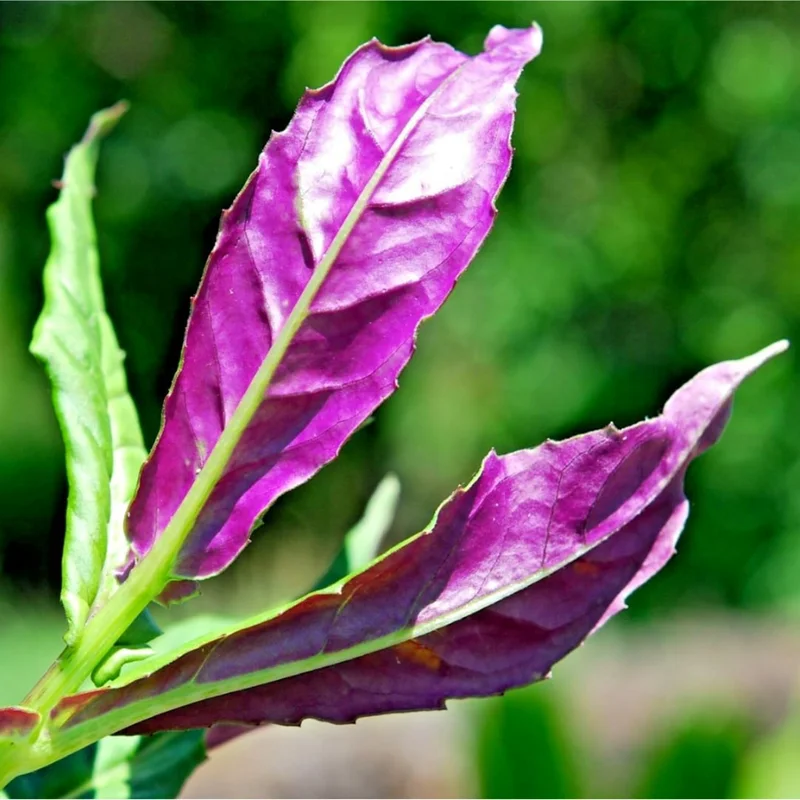
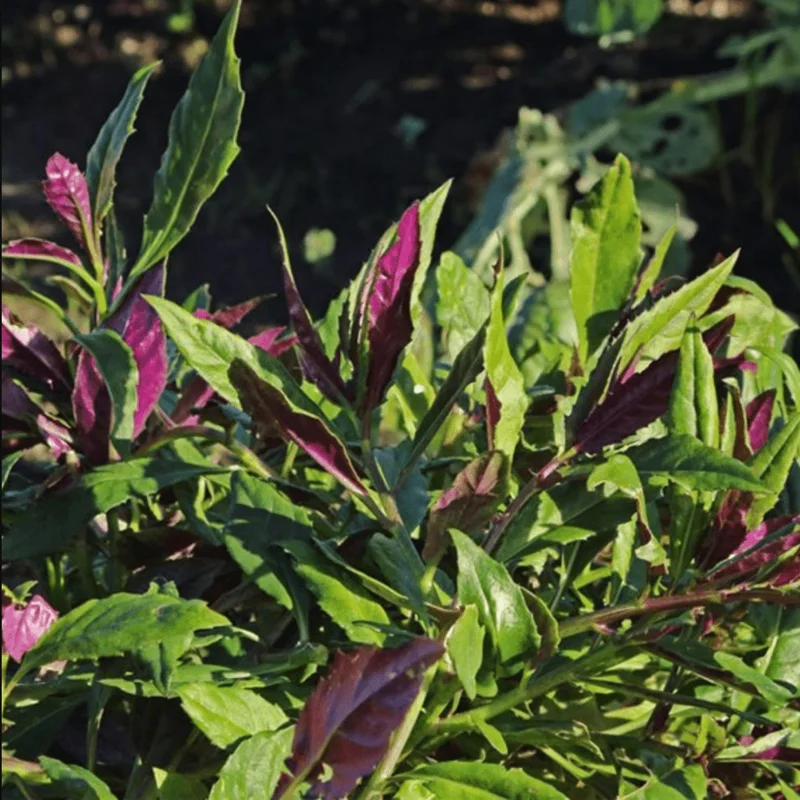
Bring the vibrant beauty and health benefits of okinawa spinach live plant to your garden. This offering includes a convenient 3-pack of young Gynura Crepioides plant specimens, each standing 4-8 inches tall. Known scientifically as Gynura bicolor or G. crepioides, Okinawa spinach is a tropical perennial celebrated for its striking purple-and-green leaves and exceptional heat tolerance. It’s a fantastic addition for gardeners seeking both ornamental appeal and a continuous supply of fresh, nutritious greens. Often referred to as ‘cholesterol spinach’ due to its purported health benefits, this easy-to-grow vegetable thrives in warm climates and can be a staple in many culinary dishes. Whether you’re an experienced gardener or just starting, these live plants offer a rewarding growing experience, transforming your garden into a productive and attractive space.
The okinawa spinach live plant is a versatile and resilient option for various garden settings. Its unique foliage adds a splash of color, making it an attractive groundcover or border plant. Beyond its visual charm, it’s a powerhouse of nutrients, providing a healthy boost to your diet. These young plants are carefully selected to ensure a robust start in your garden, promising vigorous growth and abundant harvests. Discover the joy of growing your own nutrient-rich vegetables with these exceptional Okinawa spinach plants.
Key Benefits
The okinawa spinach live plant offers a multitude of advantages for both your garden and your well-being. From its aesthetic appeal to its health-promoting properties, this tropical perennial is a truly valuable asset.
- Nutritional Powerhouse: Okinawa spinach is packed with vitamins, minerals, and antioxidants. Incorporating this leafy green into your diet can contribute to overall health and vitality, offering a fresh, homegrown source of essential nutrients.
- Low Maintenance & Easy to Grow: This resilient plant is known for its ease of cultivation, making it suitable for gardeners of all skill levels. With basic care, your gynura crepioides plant will flourish, providing consistent harvests without extensive effort.
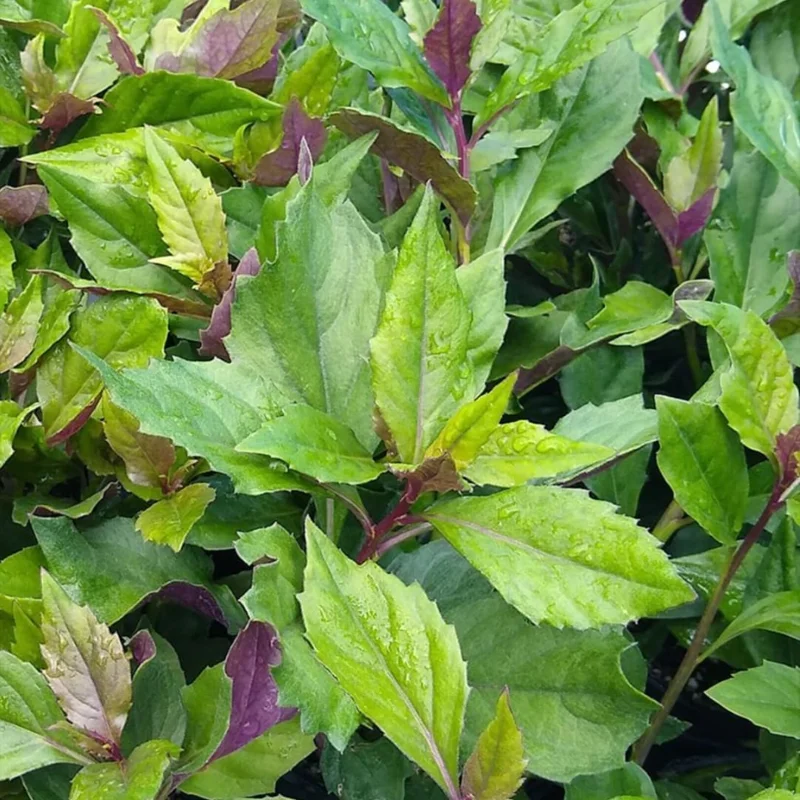
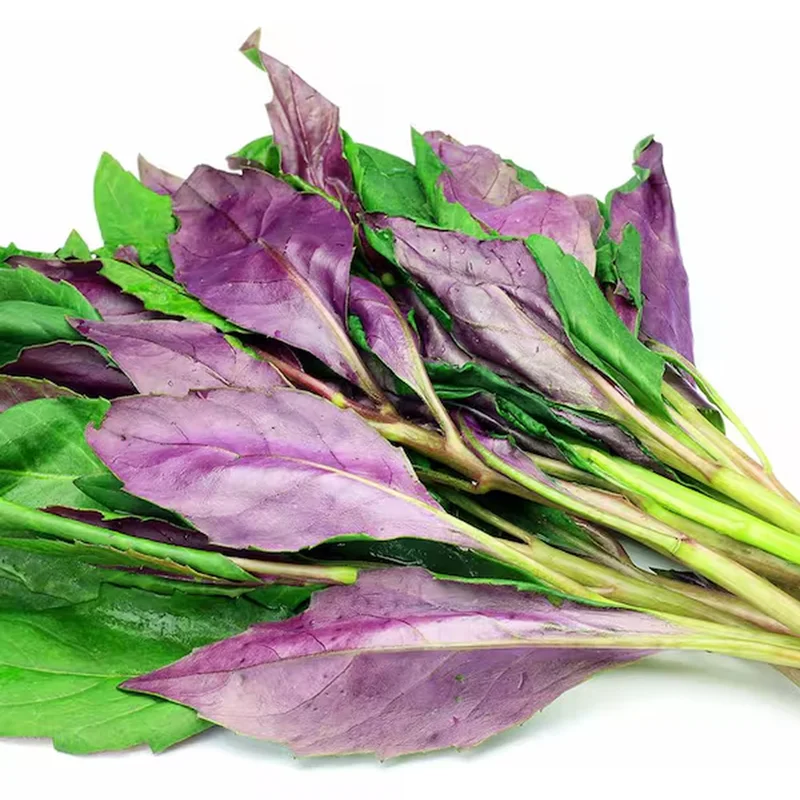
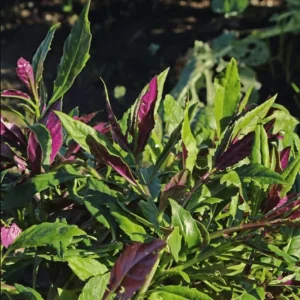
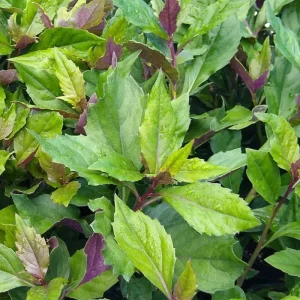
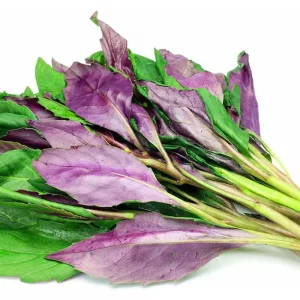
- Ornamental & Edible Foliage: Enjoy the best of both worlds with leaves that are not only delicious but also visually appealing. The vibrant purple undersides and green tops add a unique splash of color to garden beds, containers, or even as an indoor plant.
- Heat Tolerant & Perennial: Unlike many temperate greens, Okinawa spinach thrives in warm climates and can be grown as a perennial in USDA zones 9-11, offering year-round harvests. Its ability to withstand heat makes it an excellent choice for southern gardens.
- Supports Healthy Cholesterol: Often called ‘cholesterol spinach’, many believe this plant contributes to managing cholesterol levels. While not a medical claim, its inclusion in a balanced diet is a healthy choice for those interested in cholesterol spinach benefits.
- Versatile Culinary Uses: The tender leaves of Okinawa spinach can be enjoyed raw in salads, stir-fried, steamed, or added to soups and smoothies. Its mild, slightly peppery flavor complements a wide range of dishes, encouraging a diverse and healthy diet.
- Natural Groundcover: With its spreading habit, the okinawa spinach live plant can serve as an effective and attractive groundcover, suppressing weeds and retaining soil moisture in appropriate climates.
Plant Care & Growing Tips
To ensure your okinawa spinach live plant thrives, understanding its specific care requirements is essential. This tropical perennial appreciates conditions that mimic its native environment, focusing on adequate sunlight, consistent moisture, and well-draining soil. While generally robust, providing optimal care will maximize its growth and yield.
For sunlight, Okinawa spinach performs best in full sun to partial shade. In hotter climates, partial shade during the intense afternoon hours can prevent leaf scorch and ensure lush growth. If growing indoors, place it near a window that receives bright, indirect light for several hours a day. The soil should always be well-draining to prevent root rot. A rich, loamy soil amended with compost is ideal. Maintain consistent moisture, as this plant is not very drought-tolerant; its growth will significantly slow or stop during dry periods. Water thoroughly when the top inch of soil feels dry, but avoid waterlogging. During active growing seasons, a balanced liquid fertilizer can be applied every 4-6 weeks to support vigorous growth. Pruning regularly by harvesting leaves will encourage bushier growth and prevent the plant from becoming leggy. Consider how to grow okinawa spinach successfully by mimicking these conditions.
Regarding temperature, Okinawa spinach prefers warm conditions and is sensitive to frost. In regions with cold winters, it can be grown as an annual or brought indoors as a potted plant. It typically thrives in USDA zones 9-11 outdoors year-round. Watch out for common pests like aphids or spider mites, especially in dry conditions; a strong spray of water or insecticidal soap can usually manage these. Proper air circulation is also important to prevent fungal issues. This perennial vegetable plant is relatively pest and disease resistant when given appropriate care, making it a rewarding choice for the home garden.
Size & Details
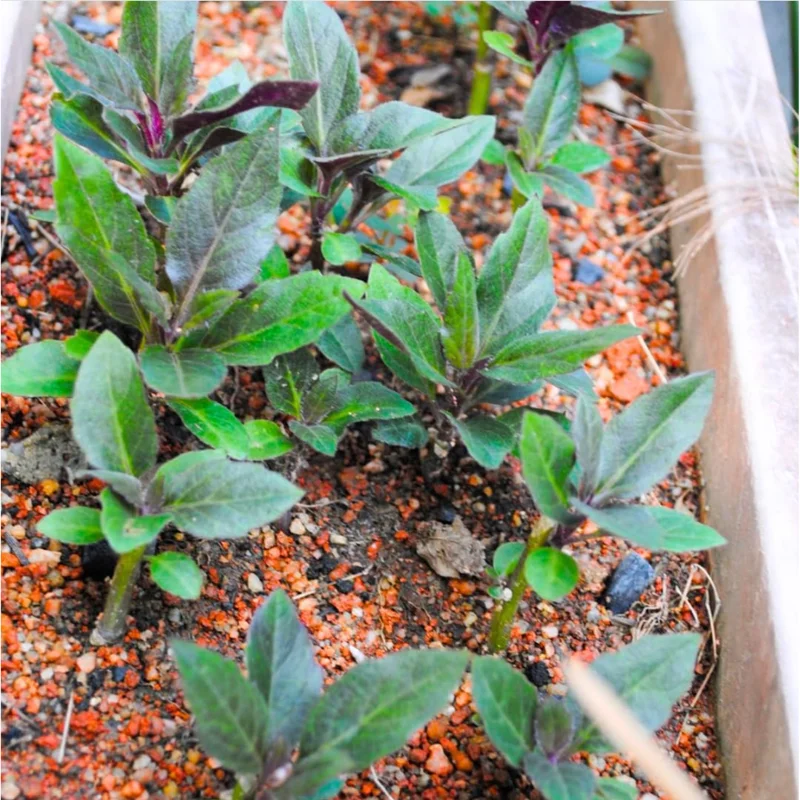
This offering provides a 3-pack of healthy okinawa spinach live plant specimens, each measuring approximately 4-8 inches tall from the base of the plant to the tip of its highest leaf. These young plants are unpotted, shipped without a container to minimize shipping costs and environmental impact, and are ready for immediate planting upon arrival. They are carefully packaged to ensure they reach you in excellent condition, ready to establish quickly in your garden or preferred growing medium. While individual plants may vary slightly in size, all are selected for their vigor and health, promising a strong start for your cultivation efforts.
When mature, the gynura crepioides plant can reach a height of 1-3 feet with a similar spread, creating a dense, leafy bush. Its growth rate is generally fast in optimal conditions, allowing for frequent harvesting. Expect continuous production of its distinctive purple-backed leaves, making it a productive addition to your garden. This perennial vegetable plant typically establishes quickly and begins producing harvestable leaves within a few weeks of planting under proper care.
Frequently Asked Questions
- Q: How big does this okinawa spinach live plant get? A: A: When mature, the Okinawa spinach plant can reach a height of 1-3 feet and spread similarly, forming a bushy, leafy plant. Regular harvesting encourages a more compact and productive growth habit.
- Q: Is this an indoor or outdoor plant? A: Okinawa spinach can be grown both indoors and outdoors. It thrives outdoors as a perennial in USDA zones 9-11. In colder climates, it can be grown as an annual or kept indoors as a potted plant near a bright window.
- Q: How much sunlight does it need? A: This plant prefers full sun to partial shade. In areas with intense afternoon sun, partial shade is beneficial to prevent leaf scorching and promote healthier growth. When considering how to grow okinawa spinach, light is a key factor.
- Q: Is this plant easy to care for? A: Yes, Okinawa spinach is considered a low-maintenance and easy-to-grow plant, suitable for beginners. Its resilience and adaptability make it a rewarding choice for gardeners looking for a productive yet simple-to-manage vegetable.
- Q: What condition will the plants arrive in? A: Your 3-pack of Okinawa spinach plants will arrive unpotted, carefully packaged to ensure their health and vitality during transit. They will be ready for immediate planting upon delivery.
- Q: Can I use cholesterol spinach benefits in cooking? A: Absolutely! Okinawa spinach is highly valued for its culinary uses. Its leaves can be eaten raw in salads, stir-fried, steamed, or added to soups and smoothies, offering a mild, slightly peppery flavor.
- Q: When is the best time to plant Okinawa spinach? A: In warm climates (USDA zones 9-11), it can be planted year-round. In other regions, it’s best to plant after the last frost in spring, once soil temperatures have warmed up. This ensures the best start for your gynura crepioides plant.
- Q: Will it survive winter in my zone? A: If you are in USDA zones 9-11, your perennial vegetable plant should survive winter outdoors. In colder zones, it will need protection from frost, either by being brought indoors or treated as an annual.
- Q: What kind of soil does Okinawa spinach prefer? A: It prefers well-draining, fertile soil. Amending your garden soil with compost or using a good quality potting mix for containers will provide the best environment for your plant’s growth.
- Q: How often should I water my Okinawa spinach? A: Water consistently to keep the soil moist but not waterlogged. It’s not very drought-tolerant, so regular watering, especially during dry spells, is crucial for continuous growth.
Be the first to review “Okinawa Spinach Live Plants, 3 Pack Gynura Crepioides, 4-8 Inch Tall, Vegetable”
-
USDA Hardiness Zone
USDA zones 9-11 -
Soil Type
Well-draining, fertile soil -
Sunlight Exposure
Full sun to partial shade -
Expected Planting Period
Year-round in warm climates; spring after last frost elsewhere
People Also Viewd
Sold 128 products
Original price was: $89.99.$64.99Current price is: $64.99.
Sold 128 products
Original price was: $27.00.$24.00Current price is: $24.00.
Sold 126 products
Original price was: $3,536.00.$23.99Current price is: $23.99.

Sold 125 products
Original price was: $86.99.$66.99Current price is: $66.99.
Sold 116 products
Original price was: $27.99.$16.99Current price is: $16.99.
Flower Bulbs
3 Cranesbill Wild Geranium Organic Maculatums Bare Roots | Wildflower for Outdoor Garden
Sold 114 products
Original price was: $21.99.$6.99Current price is: $6.99.
Sold 114 products
Original price was: $28.99.$17.99Current price is: $17.99.
Sold 109 products
Original price was: $63.99.$28.99Current price is: $28.99.RELATED posts
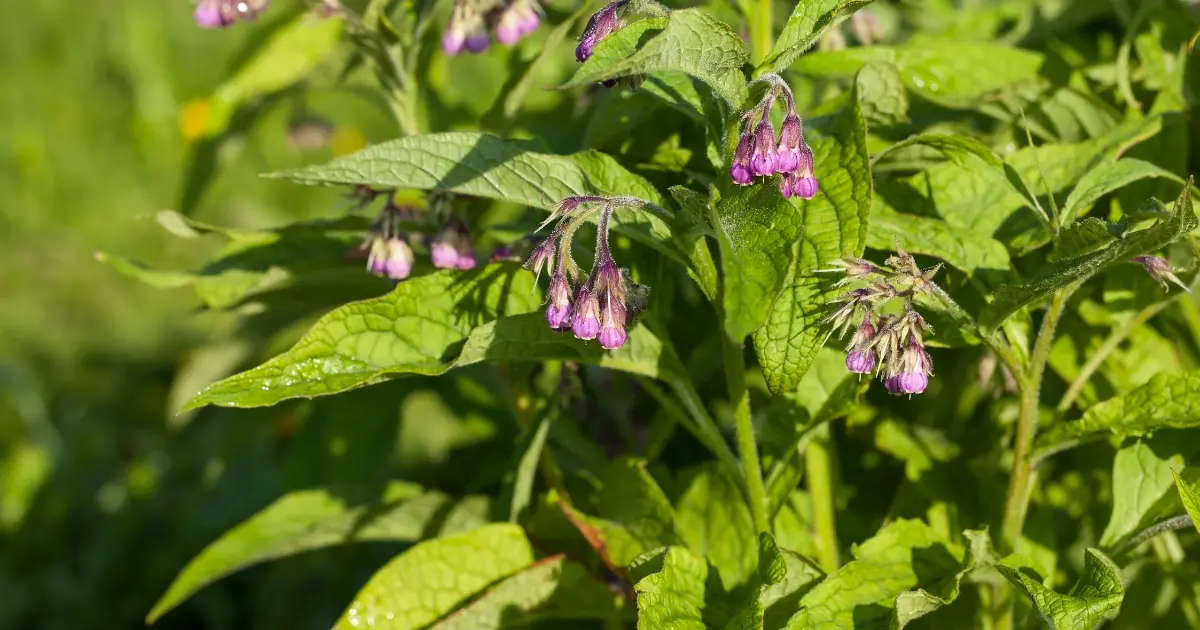
How to Identify Bocking 14 Comfrey: 5 Simple Visual Signs
If you’re growing comfrey for mulch, compost, or animal feed, knowing exactly which variety you [...]
Mar

Grand Duke of Tuscany Jasmine: The Ultimate Guide to Growing a Fragrant Masterpiece
Have you ever caught a scent in the air so rich, creamy, and honey-sweet that [...]
Mar
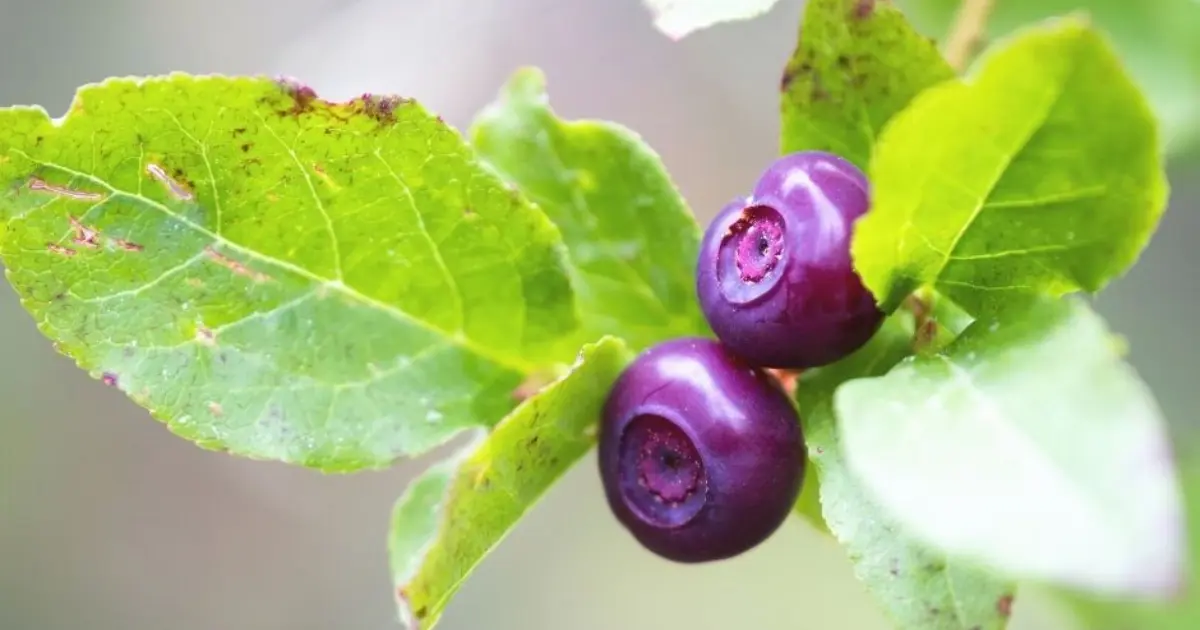
How to Grow Wild Huckleberries: A Guide to “Purple Gold”
Have you ever spent a summer afternoon hiking through the Pacific Northwest or the Rocky [...]
Mar
5 Best Shade-Loving Perennials for a Lush, Vibrant Garden
The world of gardening often shines a spotlight on sun-drenched blossoms, but there is a [...]
Mar

7 Common Curry Leaf Plant Problems: Easy Fixes for a Thriving Plant
Is your curry leaf plant looking a bit sad lately? Maybe you woke up to [...]
Mar
Best Time to Plant Bougainvillea: Timing for Vibrant Blooms
If you’re looking for a hardy tropical vine that delivers a riot of neon color, [...]
Feb
How to Propagate Purple Passion Plants (Gynura aurantiaca)
Have you ever been mesmerized by the neon-purple glow and fuzzy, velvet-like leaves of a [...]
Feb
How to Grow Beauregard Sweet Potatoes: From Slips to a Bountiful Harvest
Are you ready to add a classic, heavy-hitting favorite to your vegetable patch? If you’ve [...]
Feb
Reviews
There are no reviews yet.