
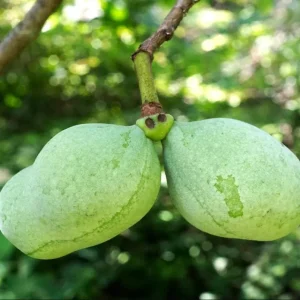
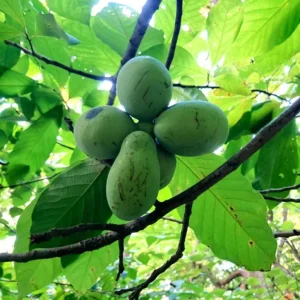
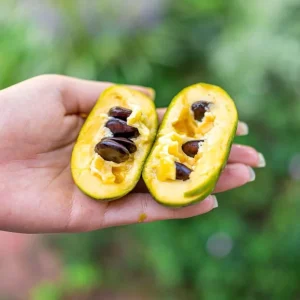
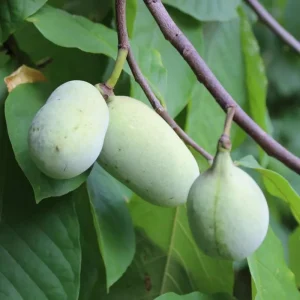
PawPaw Tree Seeds – 20 Seeds for Planting Edible Fruit Trees
Original price was: $24.39.$14.39Current price is: $14.39.
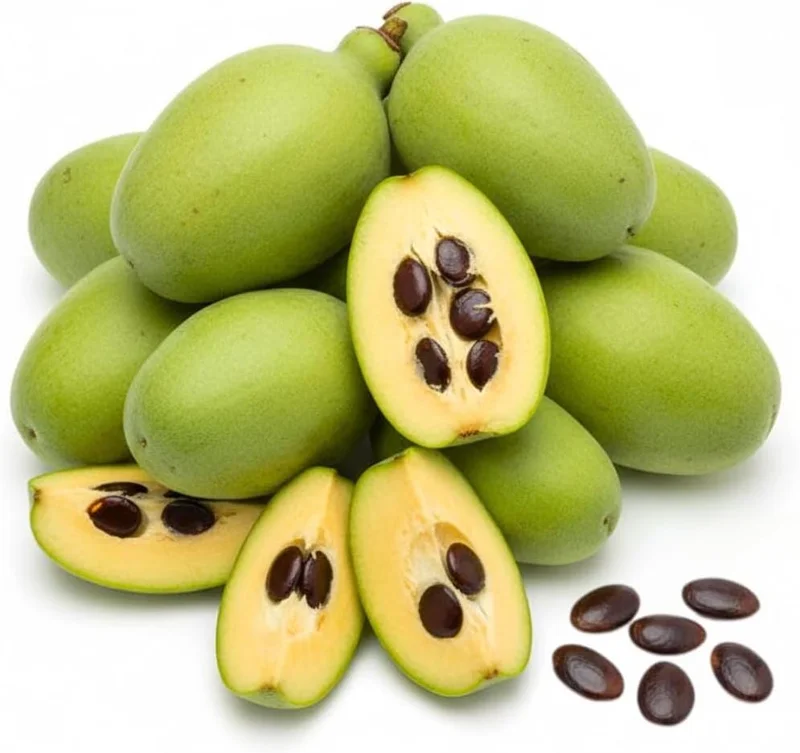
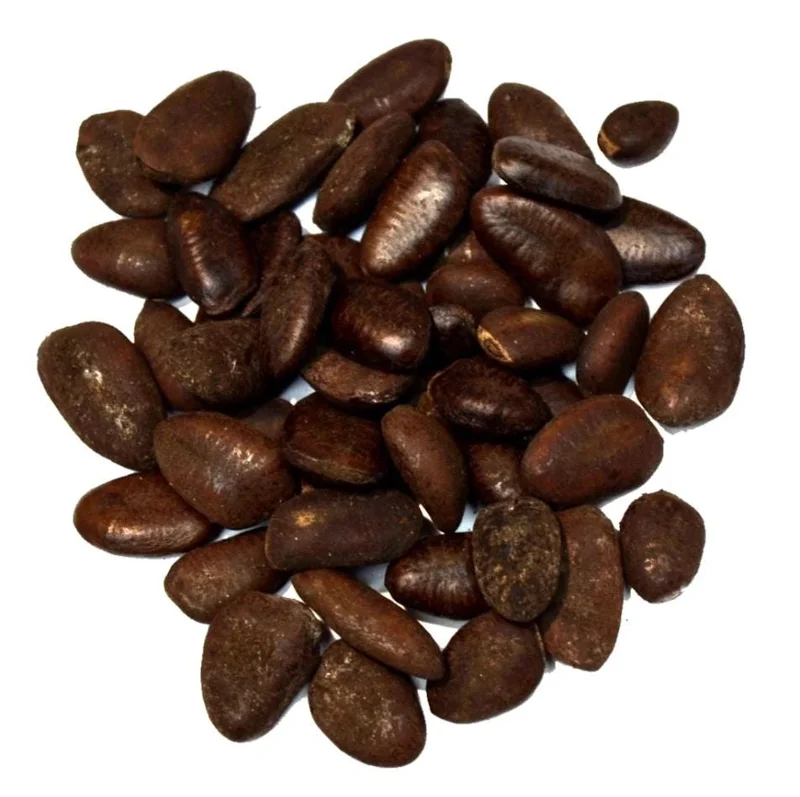
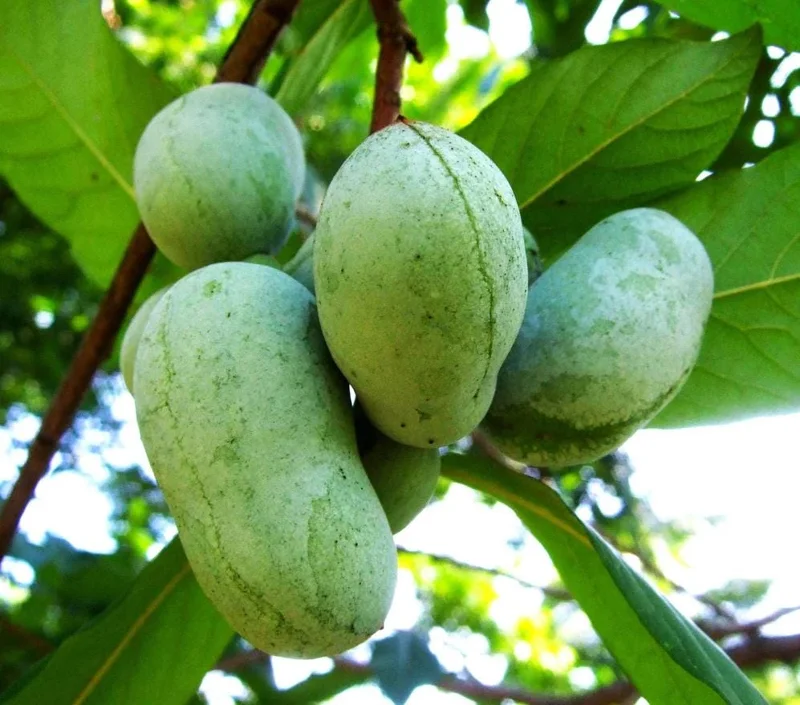
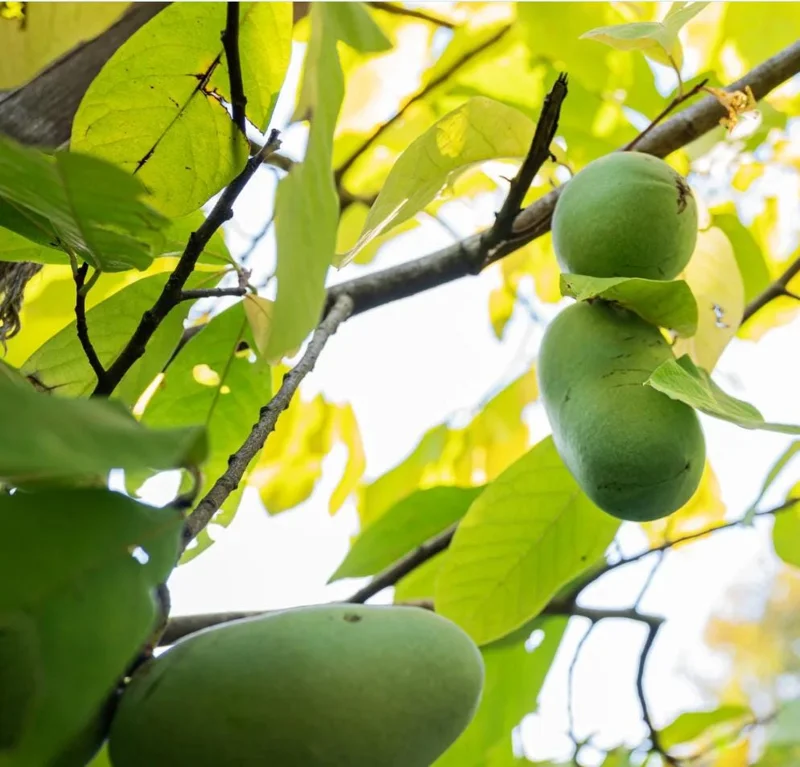
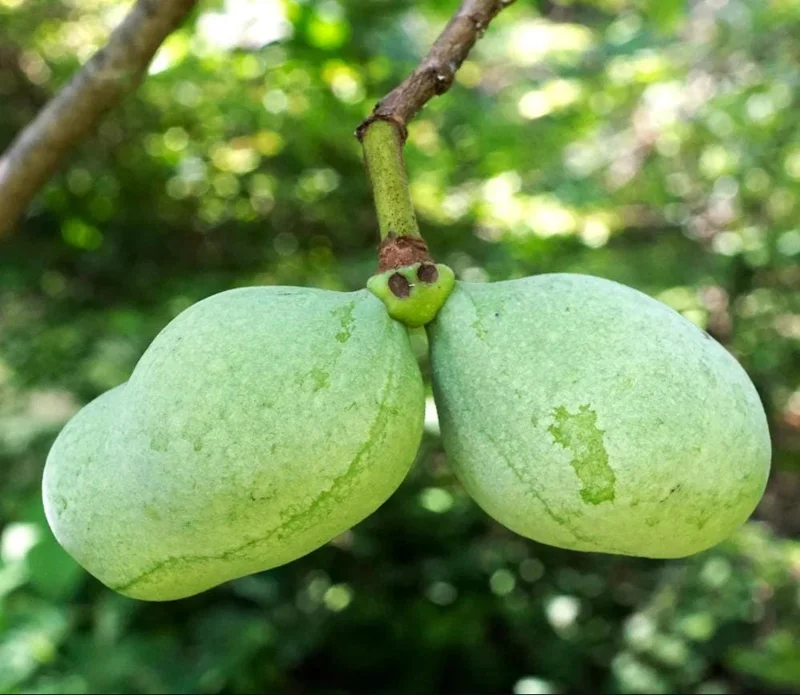
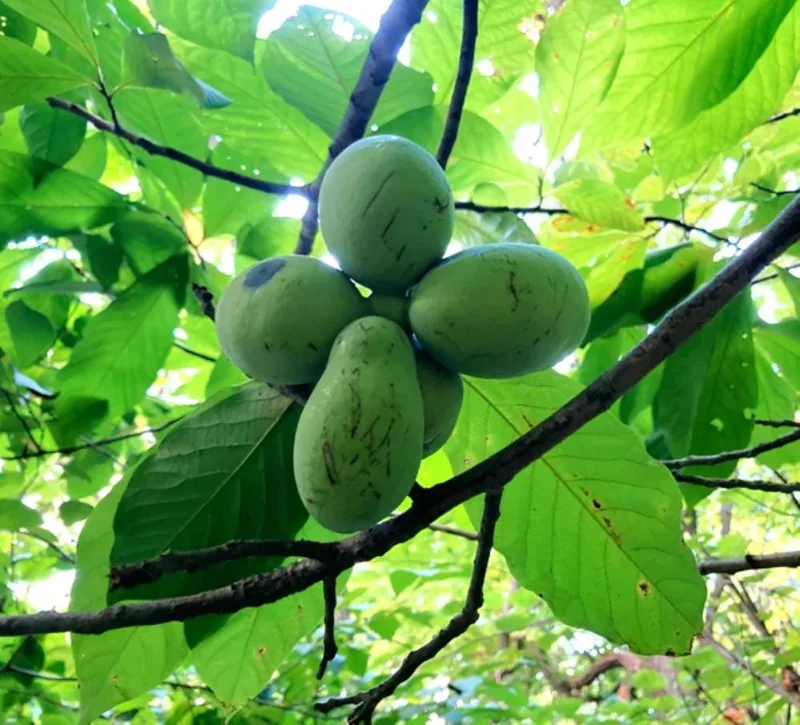
Cultivate your own delicious and unique edible PawPaw fruit trees with this pack of 20 PawPaw tree seeds. Ideal for forest farming or a survival garden, these seeds promise a rewarding growing experience.
Estimated arrival
Apr 03
Apr 08 - Apr 10
Apr 13 - Apr 17

Reasonable Price
We offer reasonable price

Support 24/7
Contact us 24 hrs a day

100% Money Back
You've 30 days to Return

Payment Secure
100% secure payment
Overview
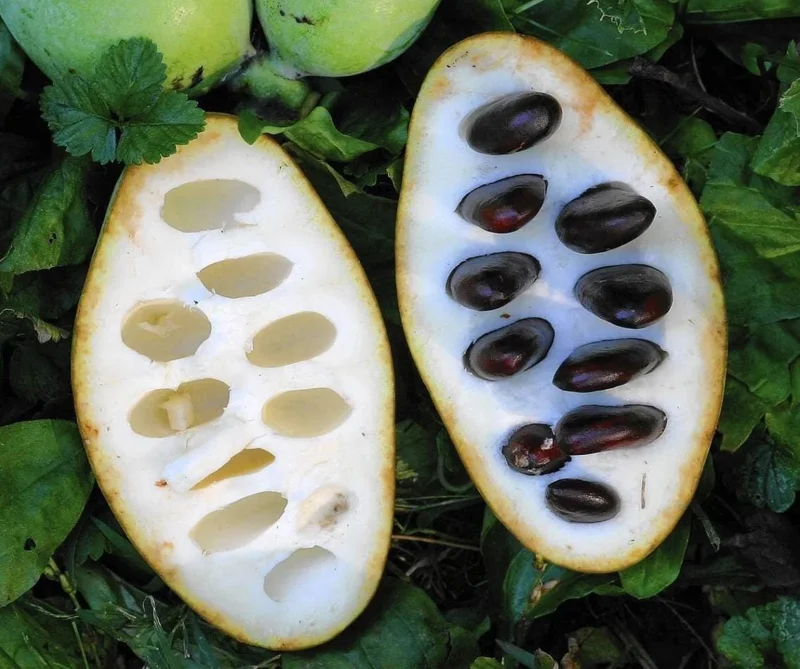
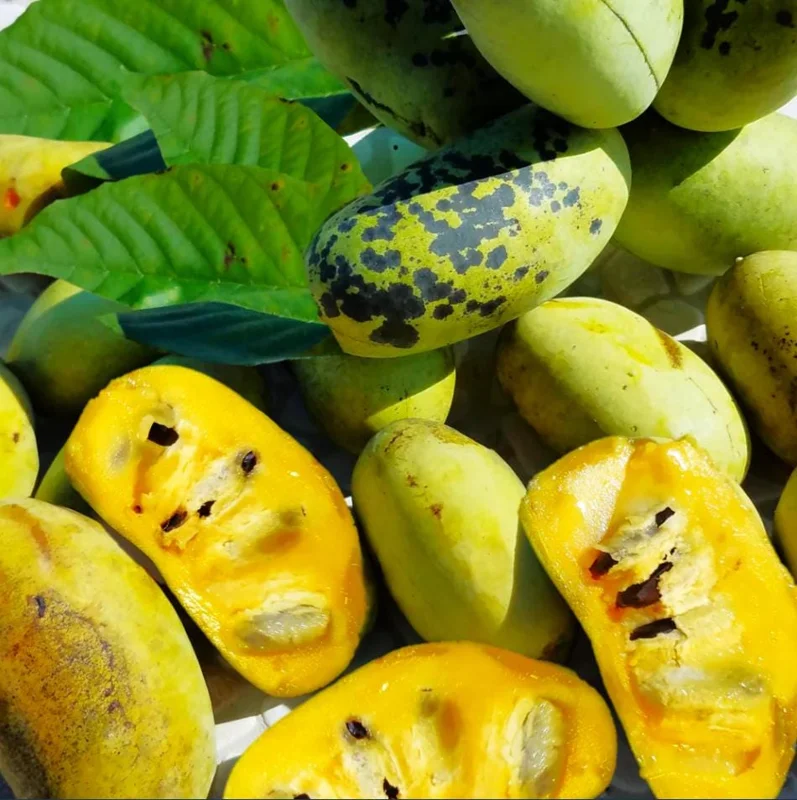
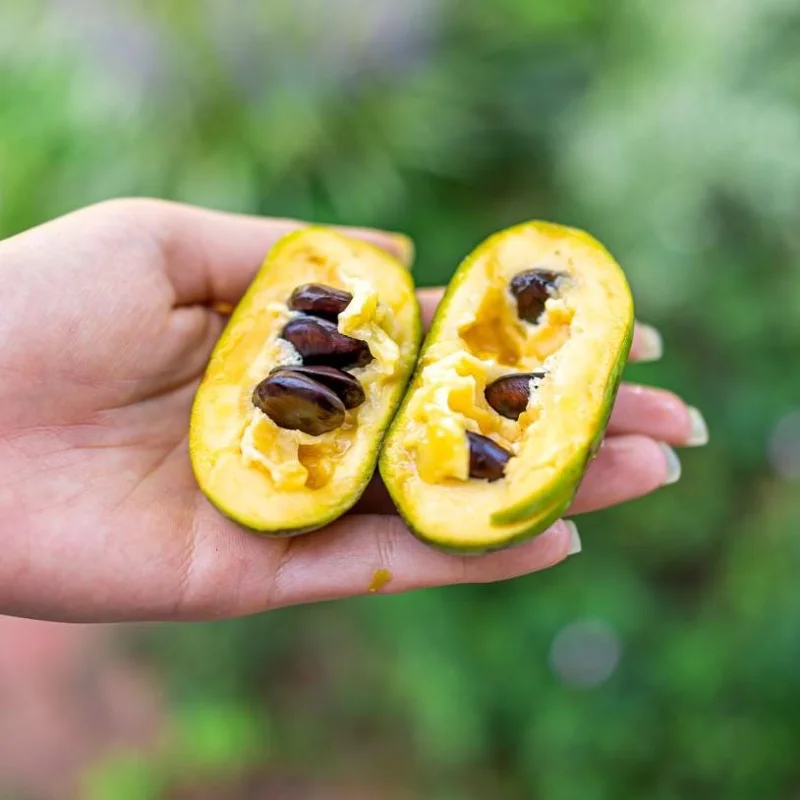
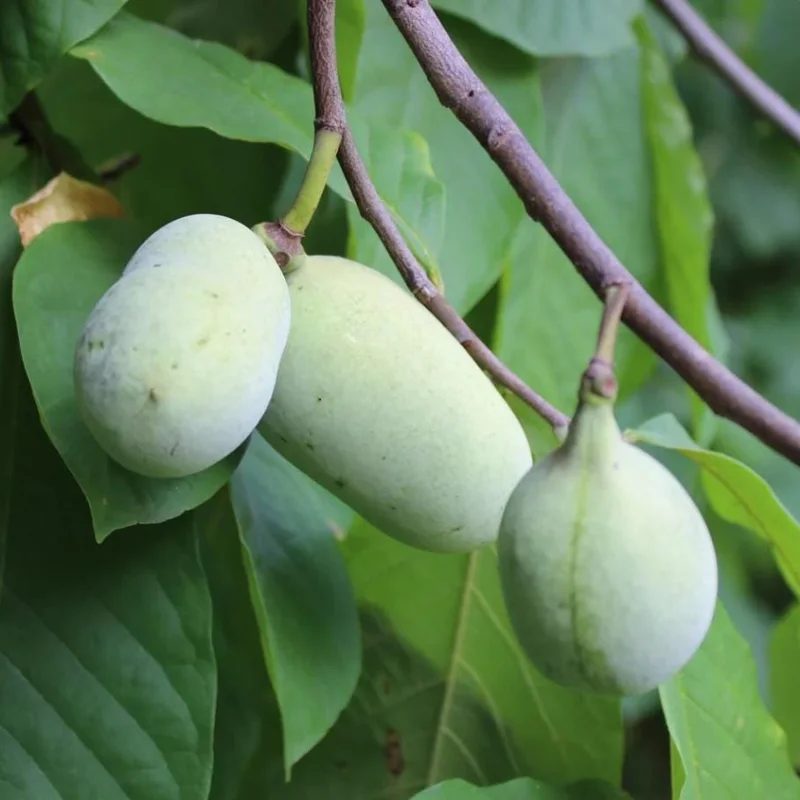
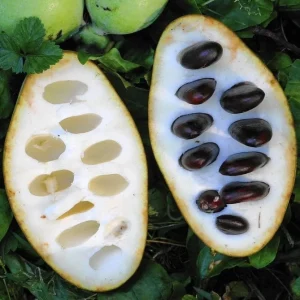
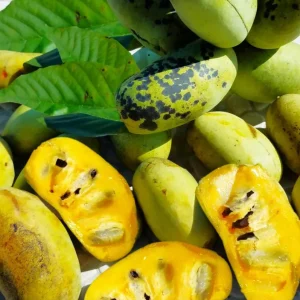
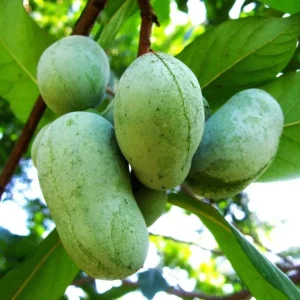
Embark on a rewarding gardening journey with these premium PawPaw tree seeds. Each pack contains 20 viable seeds, offering you the opportunity to grow America’s largest native edible fruit. The PawPaw (Asimina triloba) is a deciduous tree known for its tropical-tasting fruit, often described as a blend of banana, mango, and pineapple. These seeds are perfect for enthusiasts looking to establish a sustainable food source through forest farming, enhance a survival garden, or simply enjoy the unique flavors of homegrown, edible PawPaw fruit. Growing PawPaw trees from seed is a patient but incredibly fulfilling process, leading to beautiful, resilient trees that produce abundant harvests for years to come. Our PawPaw tree seeds are carefully selected to give you the best chance of successful germination and growth.
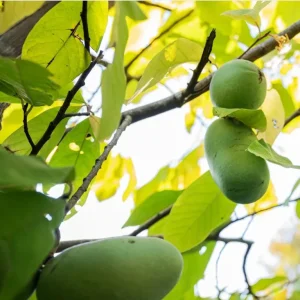
The PawPaw tree is not only prized for its delicious fruit but also for its ornamental value, with attractive foliage and unique maroon flowers in spring. It’s a fantastic addition to any temperate climate garden, providing shade and a natural habitat for local wildlife. With these PawPaw tree seeds, you’re not just planting a tree; you’re cultivating a piece of American horticultural history and a source of incredible, nutritious fruit. Whether you’re an experienced grower or a beginner, the journey of growing PawPaw tree seeds is an enriching experience that connects you with nature and provides a unique culinary reward.
Key Benefits
Growing PawPaw trees from seed offers numerous advantages, from enjoying unique flavors to contributing to local ecosystems. These benefits make cultivating PawPaw tree seeds a truly worthwhile endeavor:
- Unique Edible Fruit: Enjoy the distinct, custard-like flavor of PawPaw fruit, a delightful blend of tropical tastes not found in most grocery stores. Growing your own ensures the freshest and most flavorful harvest.
- Sustainable Food Source: Establish a long-term, self-sustaining food source ideal for forest farming or a permaculture setup. PawPaw trees are hardy and productive once established.
- Native American Tree: Support native ecosystems by planting a tree that is indigenous to North America. PawPaws contribute to biodiversity and provide food for local wildlife.
- Resilient and Low Maintenance: Once past their critical establishment phase, PawPaw trees are remarkably hardy, resistant to most pests and diseases, and require minimal ongoing care.
- Shade and Beauty: Beyond fruit, PawPaw trees offer attractive foliage and provide excellent shade, making them a beautiful and functional addition to any landscape.
- Survival Garden Staple: A reliable and nutritious food source, making these PawPaw tree seeds an excellent choice for a survival garden or prepping supplies.
- Educational Experience: The process of germinating and nurturing PawPaw tree seeds provides a valuable educational experience for gardeners of all ages, teaching patience and natural science.
Plant Care & Growing Tips
Successful germination of PawPaw tree seeds requires patience and specific conditions. The seeds need a period of cold stratification, typically 90-120 days, to break dormancy. This can be achieved by placing them in a moist, sterile medium (like peat moss or sand) in a sealed bag in the refrigerator at 35-45°F (1-7°C). After stratification, plant the seeds in early spring once soil temperatures consistently reach 75–85°F (24–29°C). Use deep pots, at least 10–18 inches, to accommodate the long, brittle taproot, as PawPaws do not transplant well once established. For this reason, selecting a permanent location or using large containers from the start is crucial when you grow PawPaw trees.
PawPaw trees thrive in partial shade when young, especially in their first two years, eventually preferring full sun once mature (at least 6 hours of direct sunlight per day). They prefer well-draining, slightly acidic to neutral soil (pH 5.5-7.0) rich in organic matter. Keep the soil consistently moist but never waterlogged to prevent root rot; mature trees typically require about 1 inch of water per week, either from rainfall or irrigation. Fertilize lightly with a balanced, organic fertilizer once established, usually starting in the second year. Protect young seedlings from strong winds and intense sun. Monitoring for common pests is generally not a major issue as PawPaws are quite resistant. Patience is key when you grow PawPaw trees from seed, as germination can be slow and sporadic, but the rewards are well worth the wait.
Size & Details
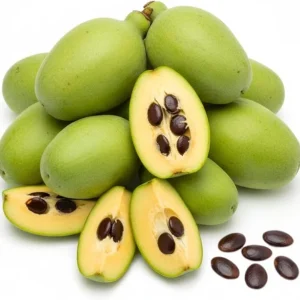
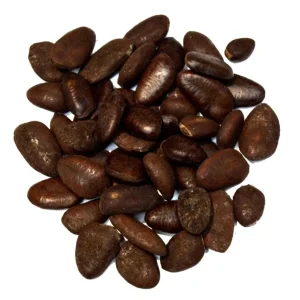
This package contains 20 PawPaw tree seeds, ready for stratification and planting. Each seed has the potential to grow into a medium-sized deciduous tree, typically reaching heights of 15 to 30 feet (4.5 to 9 meters) with a spread of 10 to 20 feet (3 to 6 meters) at maturity. The growth rate is moderate, and trees usually begin producing fruit within 5 to 7 years after planting from seed, though some may take longer. The PawPaw tree is known for its deep root system, which makes it drought-tolerant once established. These seeds are ideal for creating a home orchard or integrating into a larger forest farming system, providing a unique and delicious fruit. When you grow PawPaw trees, consider their mature size and spacing requirements.
Frequently Asked Questions
- Q: How many seeds are included in this pack? A: This pack contains 20 PawPaw tree seeds, providing multiple opportunities to start your own PawPaw orchard or garden. We ensure a generous count for your planting success.
- Q: What is the best time to plant PawPaw tree seeds? A: After stratification, the best time to plant is in early spring once the soil temperature consistently reaches 75–85°F (24–29°C). This timing aligns with the natural germination cycle of the seeds.
- Q: Do PawPaw trees require special soil? A: PawPaws prefer well-draining, fertile soil rich in organic matter, with a pH between 5.5 and 7.0. Ensuring good drainage is crucial to prevent root issues when you grow PawPaw trees.
- Q: How long does it take for PawPaw seeds to germinate? A: Germination can be slow and erratic, often taking several months after stratification. Patience is essential, as some seeds may sprout later than others.
- Q: Are PawPaw trees suitable for containers? A: Young PawPaw trees can be started in deep containers (10-18 inches) due to their long taproot. However, for long-term growth and fruit production, planting in the ground at a permanent location is recommended as they do not transplant well.
- Q: What are the sunlight requirements for PawPaw trees? A: Young PawPaw trees (first 1-2 years) prefer partial shade. Mature trees thrive in full sun (at least 6 hours daily) for optimal fruit production.
- Q: How big do PawPaw trees get? A: At maturity, PawPaw trees typically reach heights of 15-30 feet with a spread of 10-20 feet, making them a medium-sized fruit tree. This size makes them suitable for many garden settings where you want to grow PawPaw trees.
- Q: When can I expect fruit from my PawPaw tree? A: PawPaw trees grown from seed typically begin bearing fruit in 5 to 7 years, though some may take longer depending on growing conditions and care.
- Q: Is cold stratification necessary for these seeds? A: Yes, cold stratification for 90-120 days is essential for breaking dormancy and promoting successful germination of PawPaw tree seeds.
- Q: Can I grow PawPaw trees in my region? A: PawPaw trees are native to temperate North America and are generally hardy in USDA Zones 5-9. Check your local hardiness zone to ensure suitability.
Be the first to review “PawPaw Tree Seeds – 20 Seeds for Planting Edible Fruit Trees”
-
USDA Hardiness Zone
USDA Zones 5-9 -
Soil Type
Well-draining, fertile soil -
Sunlight Exposure
Partial shade (young), Full sun (mature) -
Expected Planting Period
Early spring after stratification
People Also Viewd
Sold 128 products
Original price was: $89.99.$64.99Current price is: $64.99.
Sold 128 products
Original price was: $27.00.$24.00Current price is: $24.00.
Sold 126 products
Original price was: $3,536.00.$23.99Current price is: $23.99.

Sold 125 products
Original price was: $86.99.$66.99Current price is: $66.99.
Sold 116 products
Original price was: $27.99.$16.99Current price is: $16.99.
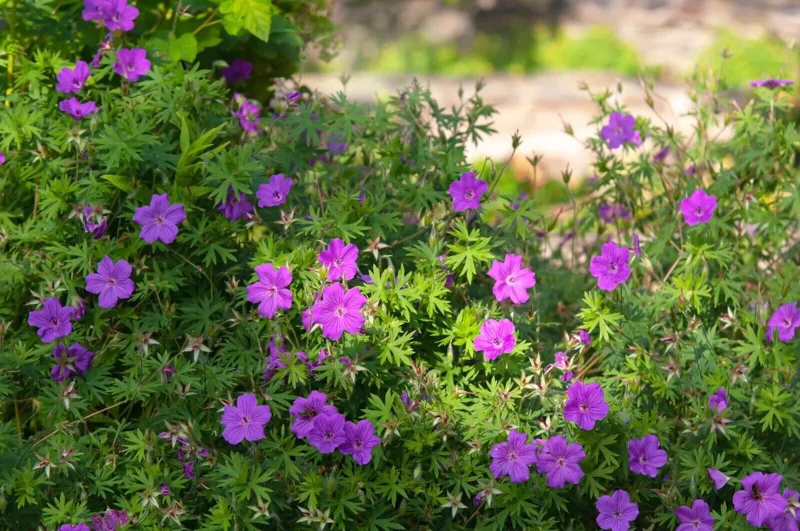
Flower Bulbs
3 Cranesbill Wild Geranium Organic Maculatums Bare Roots | Wildflower for Outdoor Garden
Sold 114 products
Original price was: $21.99.$6.99Current price is: $6.99.
Sold 114 products
Original price was: $28.99.$17.99Current price is: $17.99.

Sold 109 products
Original price was: $63.99.$28.99Current price is: $28.99.RELATED posts
How to Identify Bocking 14 Comfrey: 5 Simple Visual Signs
If you’re growing comfrey for mulch, compost, or animal feed, knowing exactly which variety you [...]
Mar

Grand Duke of Tuscany Jasmine: The Ultimate Guide to Growing a Fragrant Masterpiece
Have you ever caught a scent in the air so rich, creamy, and honey-sweet that [...]
Mar
How to Grow Wild Huckleberries: A Guide to “Purple Gold”
Have you ever spent a summer afternoon hiking through the Pacific Northwest or the Rocky [...]
Mar
5 Best Shade-Loving Perennials for a Lush, Vibrant Garden
The world of gardening often shines a spotlight on sun-drenched blossoms, but there is a [...]
Mar

7 Common Curry Leaf Plant Problems: Easy Fixes for a Thriving Plant
Is your curry leaf plant looking a bit sad lately? Maybe you woke up to [...]
Mar
Best Time to Plant Bougainvillea: Timing for Vibrant Blooms
If you’re looking for a hardy tropical vine that delivers a riot of neon color, [...]
Feb
How to Propagate Purple Passion Plants (Gynura aurantiaca)
Have you ever been mesmerized by the neon-purple glow and fuzzy, velvet-like leaves of a [...]
Feb
How to Grow Beauregard Sweet Potatoes: From Slips to a Bountiful Harvest
Are you ready to add a classic, heavy-hitting favorite to your vegetable patch? If you’ve [...]
Feb



Reviews
There are no reviews yet.