
Red Russian Garlic Bulbs for Planting – Hardneck Garlic – 8 Bulbs – Outdoor
Original price was: $44.99.$29.99Current price is: $29.99.
Cultivate your own flavorful Red Russian garlic bulbs for an abundant harvest. These premium hardneck garlic planting tubers are ideal for home gardeners looking for a robust, easy-to-grow variety. Enjoy fresh, pungent garlic straight from your garden.
Estimated arrival
Apr 03
Apr 08 - Apr 10
Apr 13 - Apr 17

Reasonable Price
We offer reasonable price

Support 24/7
Contact us 24 hrs a day

100% Money Back
You've 30 days to Return

Payment Secure
100% secure payment
Overview
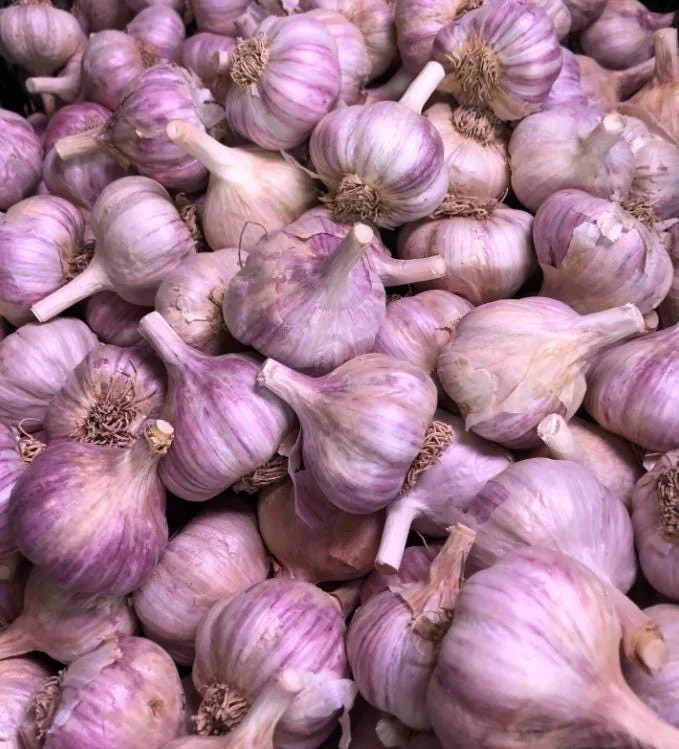
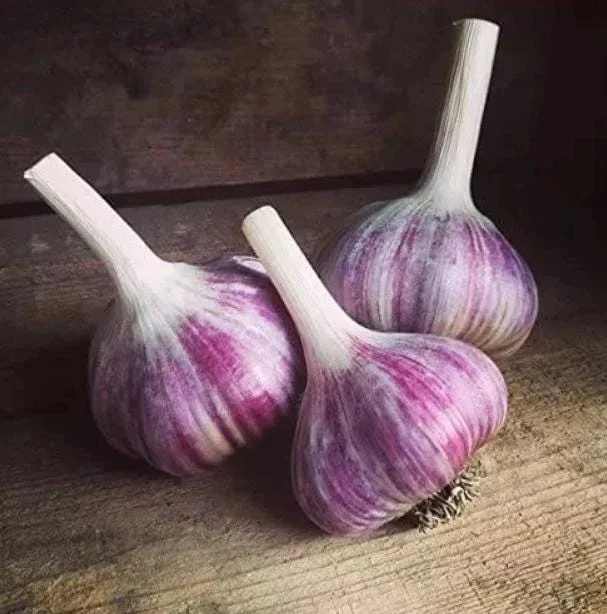
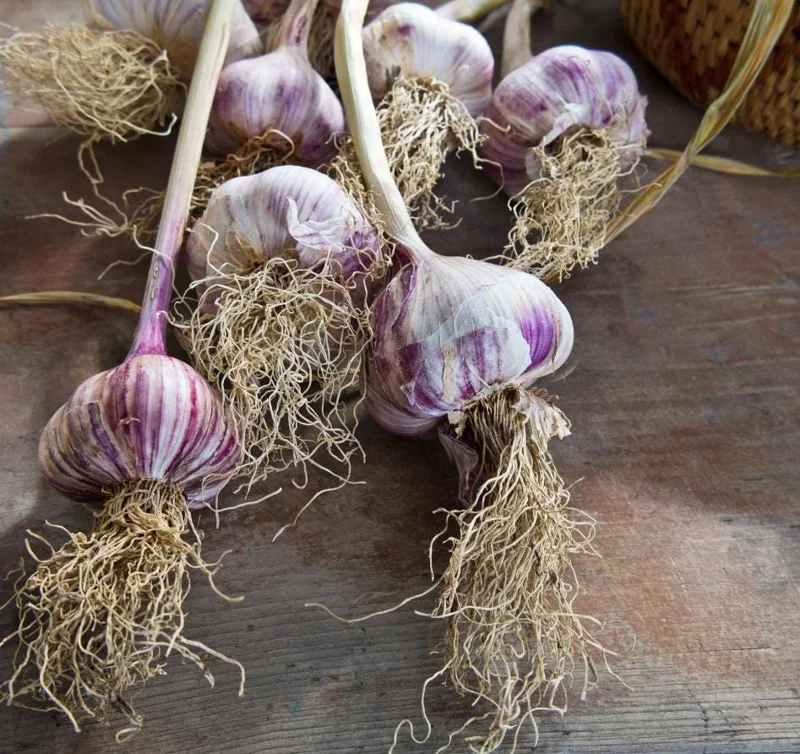
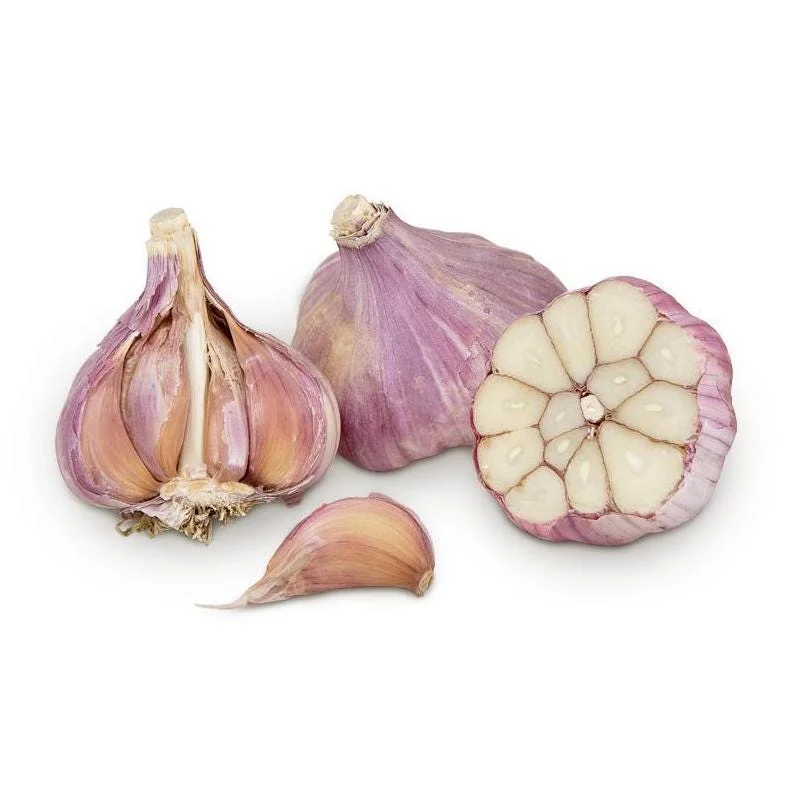
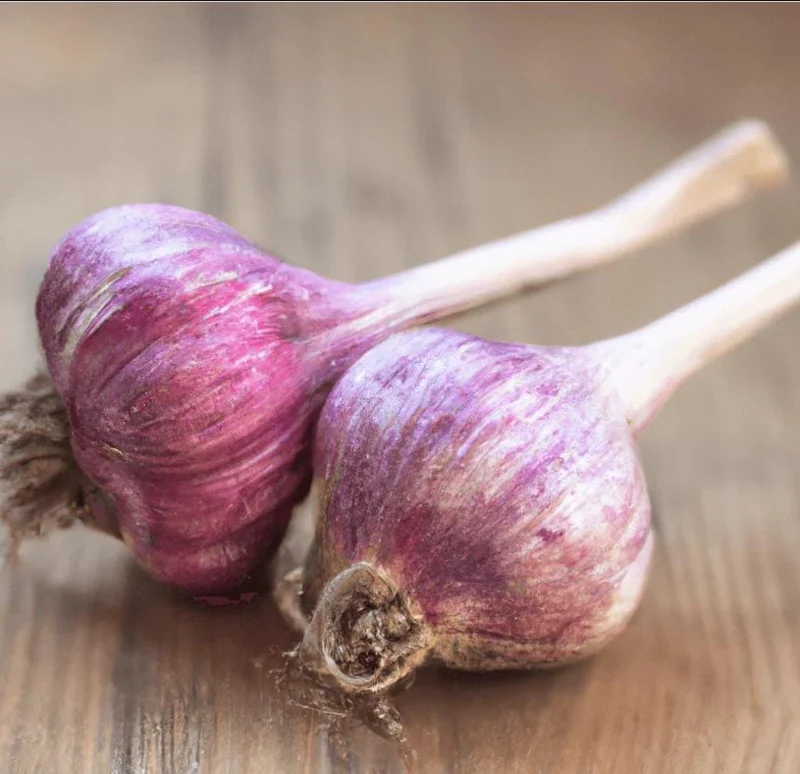
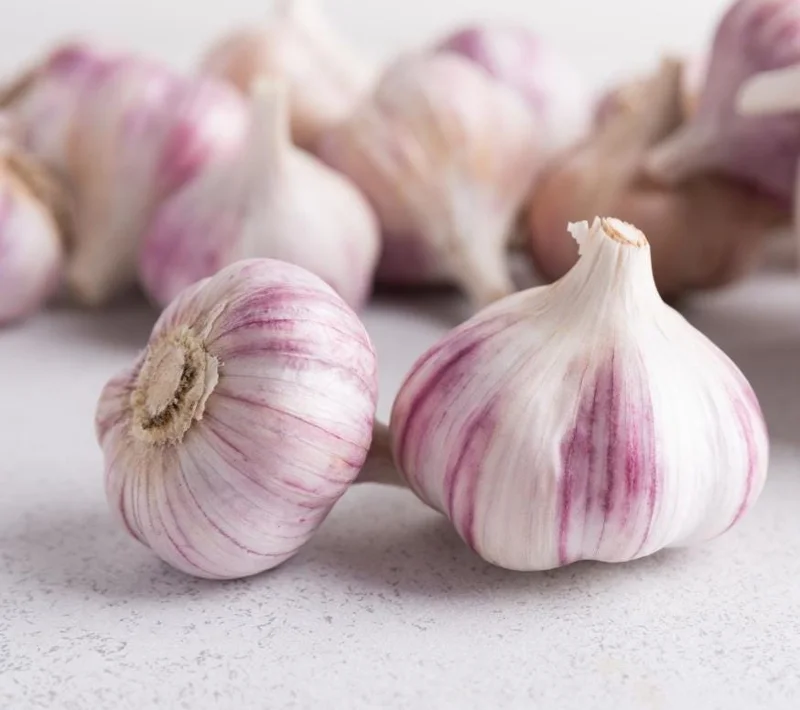
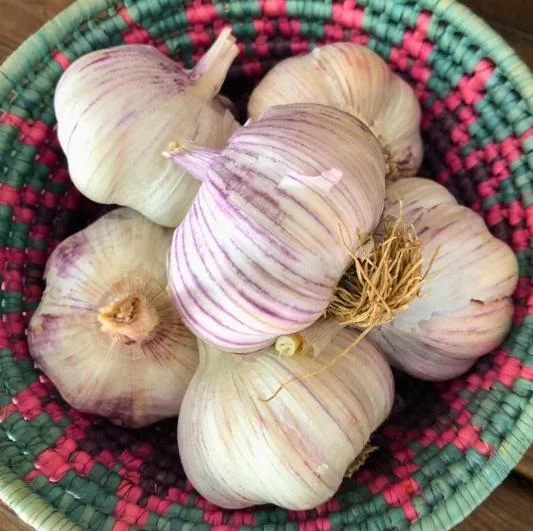
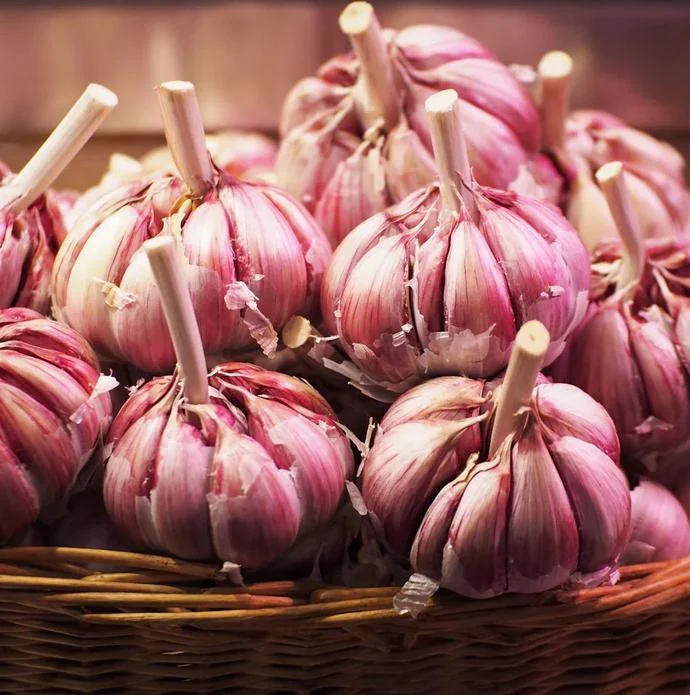
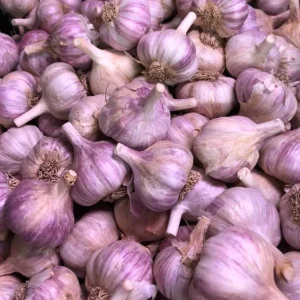
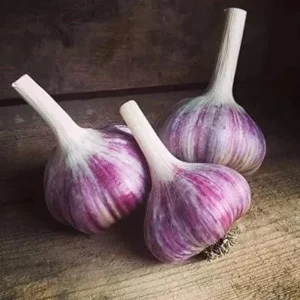
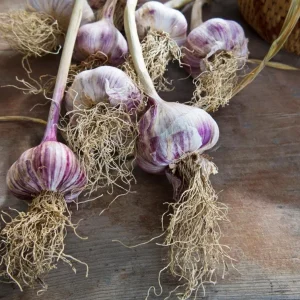
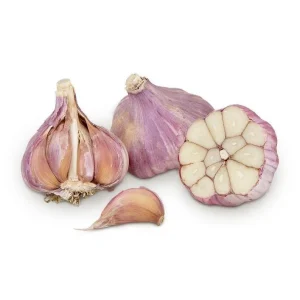
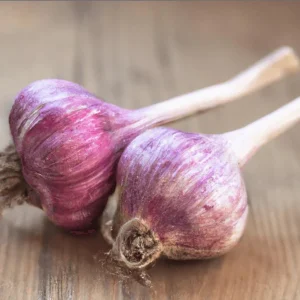
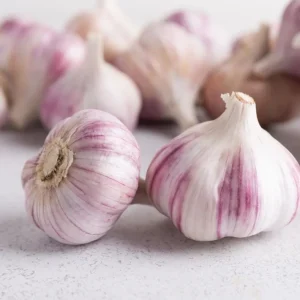
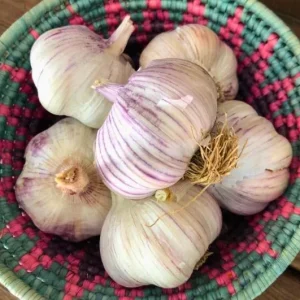
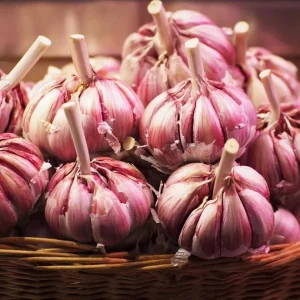
Discover the joy of growing your own gourmet garlic with our premium Red Russian garlic bulbs. This hardneck variety is renowned for its rich, complex flavor, often described as spicy with a sweet finish, making it a favorite among chefs and home cooks alike. Perfect for planting in your garden, these bulbs will yield large, healthy heads of garlic that are a delight to harvest. Red Russian garlic bulbs are known for their distinctive purple-streaked wrappers and easy-to-peel cloves, offering both aesthetic appeal and culinary convenience. Whether you’re a seasoned gardener or just starting out, planting these garlic bulbs is a rewarding experience that promises a bountiful crop of delicious, homegrown garlic. These tubers are specifically selected for their vigor and suitability for planting, ensuring a strong start and successful growth in various climates.
Key Benefits
Our Red Russian garlic bulbs offer numerous advantages for the home gardener and culinary enthusiast, providing a fulfilling growing experience and exceptional results:
- Superior Flavor Profile: Enjoy the robust, spicy, and sweet notes characteristic of Red Russian garlic, elevating your culinary creations with fresh, homegrown taste. This variety is often sought after for its intense flavor that holds up well in cooking.
- Easy to Grow: Garlic is a relatively low-maintenance crop, making these bulbs an excellent choice for gardeners of all skill levels. With proper soil preparation and care, you can expect a successful harvest. Our guide provides specific tips for hardneck garlic planting.
- Excellent Storage Potential: Once properly cured, Red Russian garlic bulbs have good storage capabilities, allowing you to enjoy your harvest for many months. This ensures a consistent supply of fresh garlic for your kitchen.
- Hardneck Variety Advantages: Hardneck garlics produce a scape (flower stalk) that can be removed and eaten, offering an additional culinary treat. They also tend to have larger, easier-to-peel cloves compared to softneck varieties.
- Disease Resistance: Red Russian garlic is known for its general hardiness and resistance to common garlic diseases, contributing to a more reliable yield. This makes growing Red Russian garlic a less stressful endeavor.
- Versatile Culinary Use: From roasting to sautéing, or even eating raw, the distinct flavor of these garlic bulbs enhances a wide array of dishes. It’s truly one of the best garlic for planting for flavor.
- Garden Beauty: The emerging green shoots and eventual scapes add an interesting texture and visual appeal to your garden beds.
Plant Care & Growing Tips
Successful cultivation of Red Russian garlic bulbs begins with proper site selection and soil preparation. Choose a sunny location that receives at least 6 hours of direct sunlight daily. The soil should be well-draining, fertile, and have a pH between 6.0 and 7.0. Amending your garden beds with organic compost or well-rotted manure before planting will significantly improve soil structure and nutrient content, providing an ideal environment for your garlic to thrive. Fall planting is generally recommended, about 4-6 weeks before the ground freezes, typically between late September and early November in many regions, allowing roots to establish before winter dormancy. In warmer climates, you might consider early spring planting after the last frost.
When preparing to plant, gently break apart the garlic bulb into individual cloves, ensuring each clove has its papery skin intact. Plant the cloves with the pointed end facing upwards, approximately 2 inches deep. Space the cloves 4-6 inches apart within rows, with rows spaced 10-12 inches apart to allow for proper air circulation and growth. Consistent moisture is crucial for healthy garlic development, so water deeply and regularly, especially during dry periods, but avoid soggy conditions. Mulching with straw or leaves helps retain soil moisture, suppress weeds, and regulate soil temperature. While garlic doesn’t require heavy fertilization, a balanced, slow-release fertilizer applied in the spring can provide an extra boost. Monitoring for pests and diseases, though generally resistant, will ensure your growing Red Russian garlic remains healthy. Proper Red Russian garlic care involves these simple yet vital steps.
Size & Details
Each order includes 8 Red Russian garlic bulbs, carefully selected for their quality and viability for planting. These are hardneck garlic tubers, known for producing a sturdy central stem and larger, more easily peeled cloves compared to softneck varieties. Expect your garlic plants to mature and be ready for harvest in mid to late summer, typically around June to July, when the lower leaves begin to yellow and die back. The mature bulbs will be robust and flavorful, perfect for a wide range of culinary uses. While individual bulb size can vary, these are planting-grade bulbs, meaning they are of sufficient size and health to produce a successful crop. After harvesting, proper curing in a cool, dry place with good air circulation for 2-3 weeks will ensure optimal storage life, allowing you to enjoy your homegrown garlic for an extended period.
Frequently Asked Questions
- Q: How big do these Red Russian garlic bulbs get when mature? A: Once mature, the individual garlic bulbs typically reach a good size, often comparable to a golf ball or slightly larger, with robust cloves inside. The size can vary slightly depending on growing conditions and care, but they are known for producing a substantial yield.
- Q: Is this an indoor or outdoor plant? A: Red Russian garlic bulbs are primarily intended for outdoor planting. They require a period of cold dormancy (vernalization) to produce large, healthy bulbs, which is best achieved by planting them directly in the garden in the fall.
- Q: How much sunlight does Red Russian garlic need? A: Garlic thrives in full sun, requiring at least 6 hours of direct sunlight per day. Choosing a sunny spot in your garden is crucial for maximizing bulb development and ensuring a successful harvest.
- Q: Is this plant easy to care for? A: Yes, garlic is considered an easy-to-grow crop, making it suitable for beginners and experienced gardeners alike. The primary requirements are well-draining soil, consistent moisture, and adequate sunlight. Following our Red Russian garlic care tips will lead to success.
- Q: What condition will the garlic bulbs arrive in? A: Your 8 Red Russian garlic bulbs will arrive as healthy, dormant planting stock, ready for you to break into individual cloves and plant. They are carefully packaged to ensure they reach you in optimal condition for successful planting.
- Q: When is the best time to plant these garlic bulbs? A: The ideal time for hardneck garlic planting is in the fall, about 4-6 weeks before the ground freezes. This allows the roots to establish before winter, leading to larger bulbs the following summer. In warmer climates, early spring planting after the last frost is also an option.
- Q: Can I use this garlic for cooking after harvesting? A: Absolutely! These Red Russian garlic bulbs are specifically for planting to grow your own culinary garlic. Once harvested and cured, they are perfect for all your cooking needs, offering a rich and pungent flavor that is highly prized. This is truly the best garlic for planting for flavor.
- Q: What kind of soil is best for growing Red Russian garlic? A: Growing Red Russian garlic prefers well-draining, fertile soil with a pH between 6.0 and 7.0. Amending your soil with organic compost is highly beneficial for optimal growth.
- Q: Will these garlic bulbs survive winter in my zone? A: Red Russian garlic is a hardneck variety, generally very cold hardy. They are typically suitable for USDA zones 3-8, and the fall planting method helps them establish before winter, protecting them from colder temperatures.
- Q: Do I need to fertilize my Red Russian garlic plants? A: While not heavy feeders, a balanced, slow-release fertilizer can be beneficial in the spring as the garlic begins its active growth phase. Avoid excessive nitrogen late in the season, which can promote leaf growth over bulb development.
Be the first to review “Red Russian Garlic Bulbs for Planting – Hardneck Garlic – 8 Bulbs – Outdoor”
-
USDA Hardiness Zone
USDA zones 3-8 -
Soil Type
Well-draining, fertile soil -
Sunlight Exposure
Full sun -
Expected Planting Period
Fall (4-6 weeks before ground freezes)
People Also Viewd


Sold 128 products
Original price was: $27.00.$24.00Current price is: $24.00.

Sold 128 products
Original price was: $89.99.$64.99Current price is: $64.99.

Sold 126 products
Original price was: $3,536.00.$23.99Current price is: $23.99.

Sold 125 products
Original price was: $86.99.$66.99Current price is: $66.99.
Sold 116 products
Original price was: $27.99.$16.99Current price is: $16.99.

Sold 114 products
Original price was: $28.99.$17.99Current price is: $17.99.

Flower Bulbs
3 Cranesbill Wild Geranium Organic Maculatums Bare Roots | Wildflower for Outdoor Garden
Sold 114 products
Original price was: $21.99.$6.99Current price is: $6.99.

Sold 109 products
Original price was: $63.99.$28.99Current price is: $28.99.RELATED posts
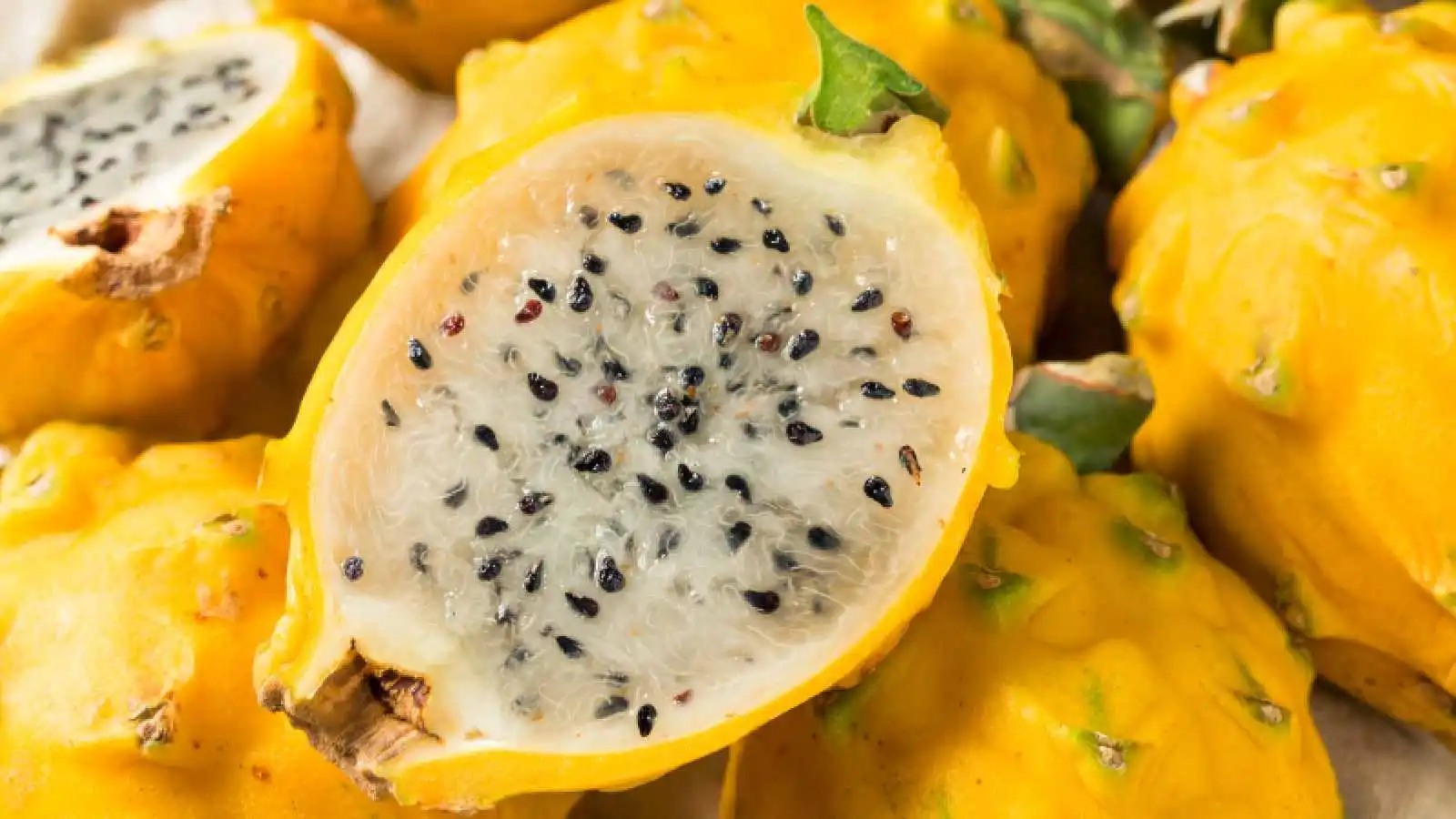
Yellow Dragon Fruit Plant Care: The Ultimate Guide for Healthy Growth
The yellow dragon fruit plant is a unique and rewarding addition to any home garden, [...]
Apr
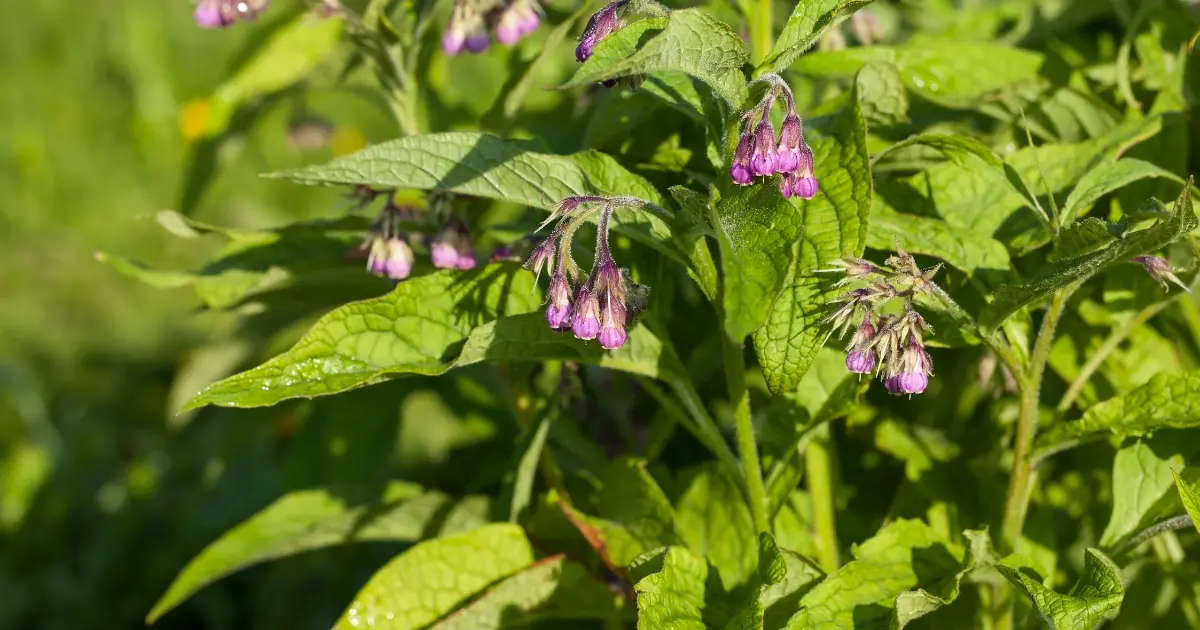
How to Identify Bocking 14 Comfrey: 5 Simple Visual Signs
If you’re growing comfrey for mulch, compost, or animal feed, knowing exactly which variety you [...]
Mar
Grand Duke of Tuscany Jasmine: The Ultimate Guide to Growing a Fragrant Masterpiece
Have you ever caught a scent in the air so rich, creamy, and honey-sweet that [...]
Mar
How to Grow Wild Huckleberries: A Guide to “Purple Gold”
Have you ever spent a summer afternoon hiking through the Pacific Northwest or the Rocky [...]
Mar
5 Best Shade-Loving Perennials for a Lush, Vibrant Garden
The world of gardening often shines a spotlight on sun-drenched blossoms, but there is a [...]
Mar

7 Common Curry Leaf Plant Problems: Easy Fixes for a Thriving Plant
Is your curry leaf plant looking a bit sad lately? Maybe you woke up to [...]
Mar
Best Time to Plant Bougainvillea: Timing for Vibrant Blooms
If you’re looking for a hardy tropical vine that delivers a riot of neon color, [...]
Feb
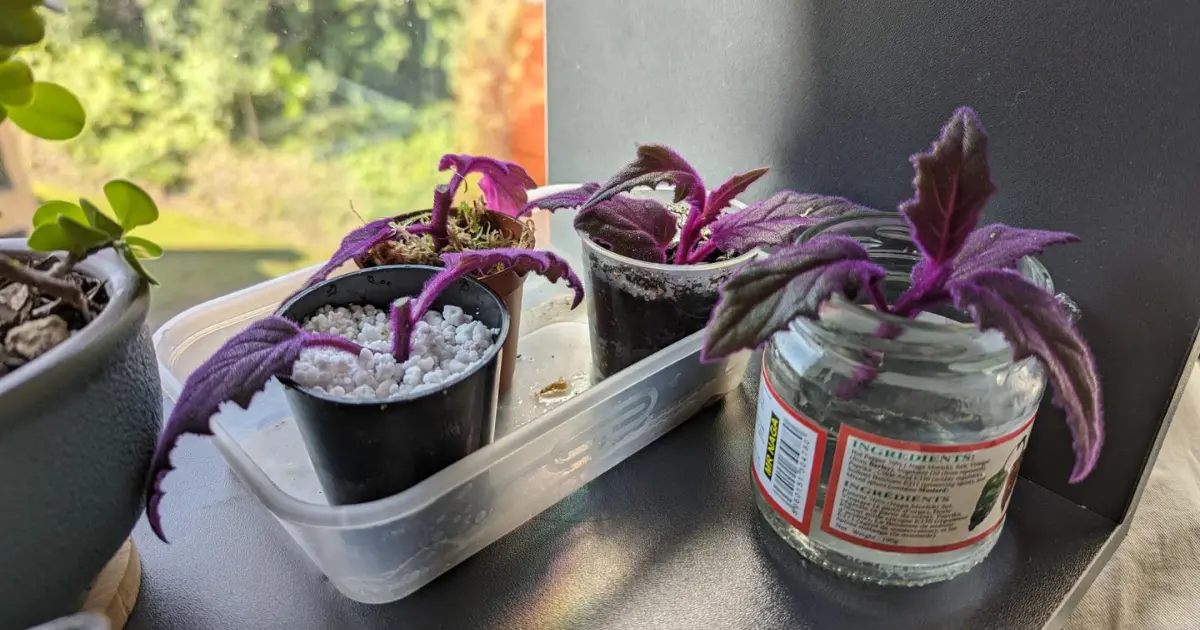
How to Propagate Purple Passion Plants (Gynura aurantiaca)
Have you ever been mesmerized by the neon-purple glow and fuzzy, velvet-like leaves of a [...]
Feb
Reviews
There are no reviews yet.