

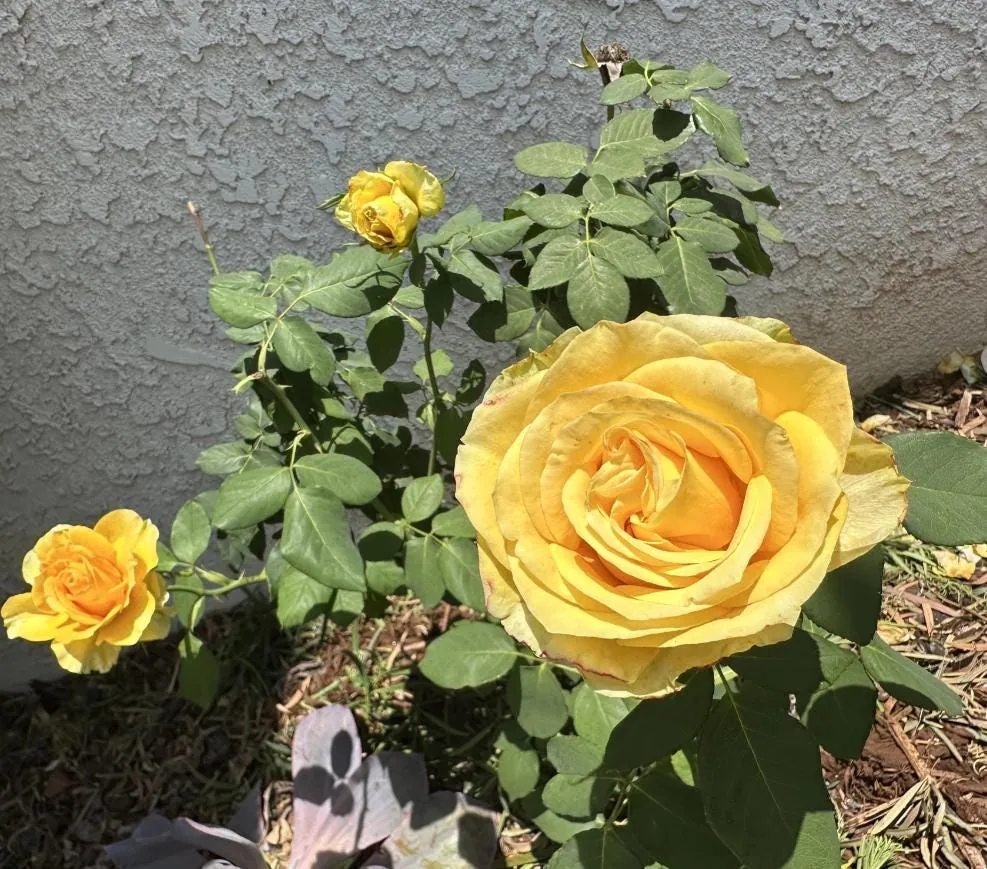
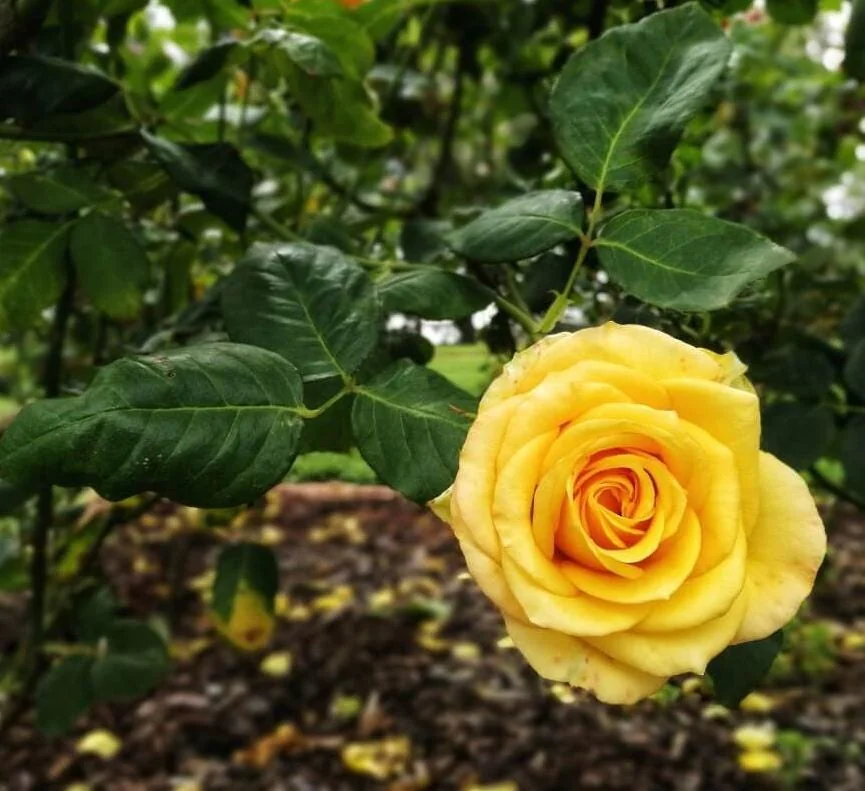
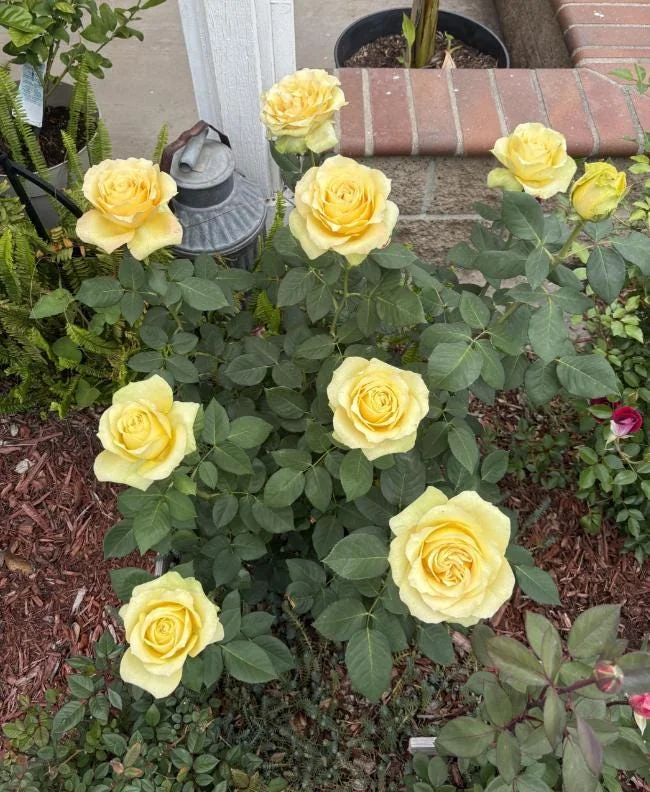
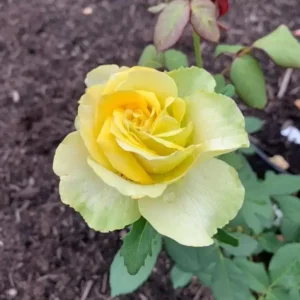
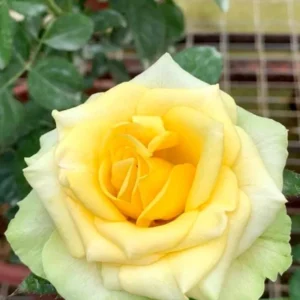
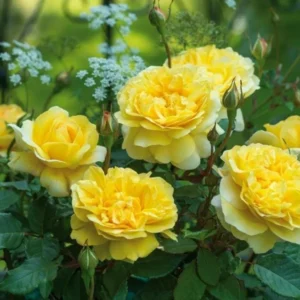
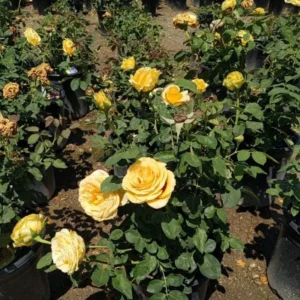
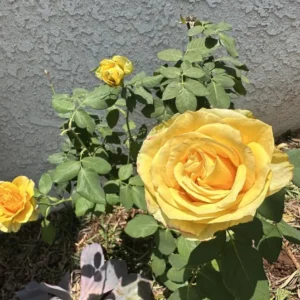
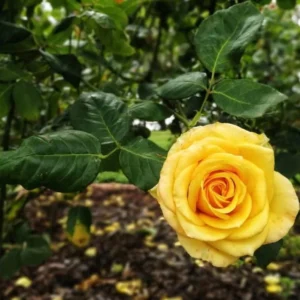
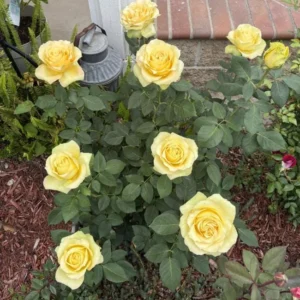
Yellow Rose Bush – Hybrid Tea Rose Live Plant – 4-7 Inch Tall – Outdoor
Original price was: $75.99.$35.99Current price is: $35.99.
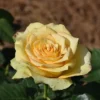
yellow rose bush live plant is a delightful addition to any garden, showcasing beautiful, fragrant blooms. Perfect for outdoor spaces, it thrives in full sun.
Estimated arrival
Apr 01
Apr 06 - Apr 08
Apr 11 - Apr 15

Reasonable Price
We offer reasonable price

Support 24/7
Contact us 24 hrs a day

100% Money Back
You've 30 days to Return

Payment Secure
100% secure payment
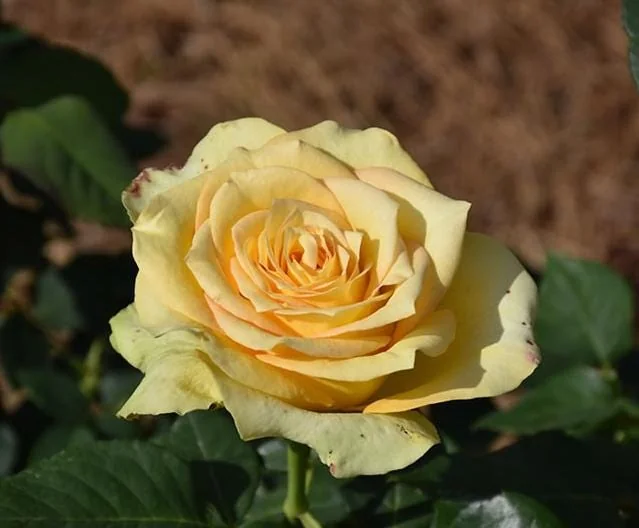
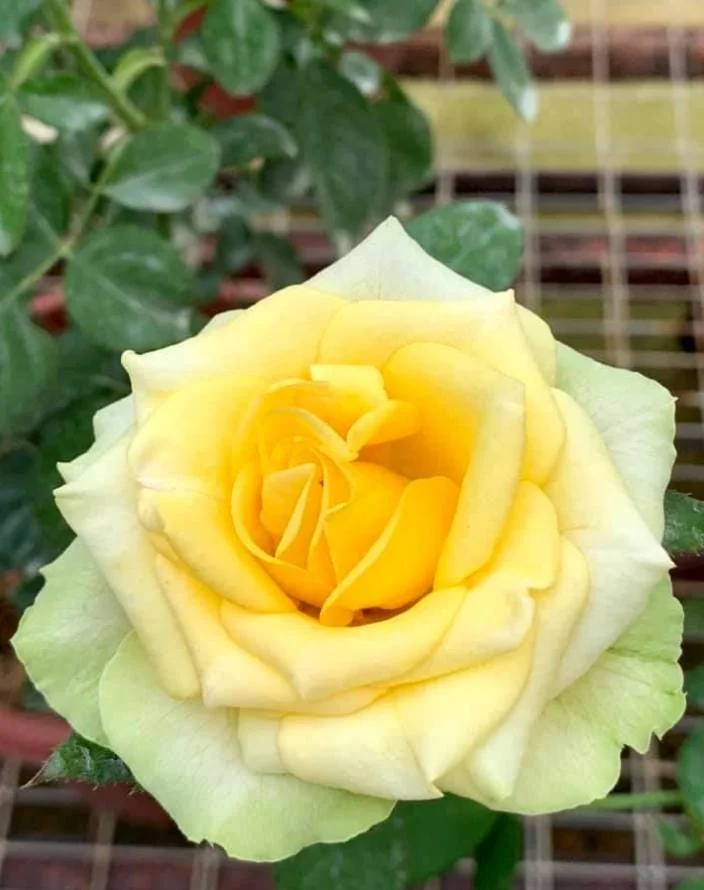
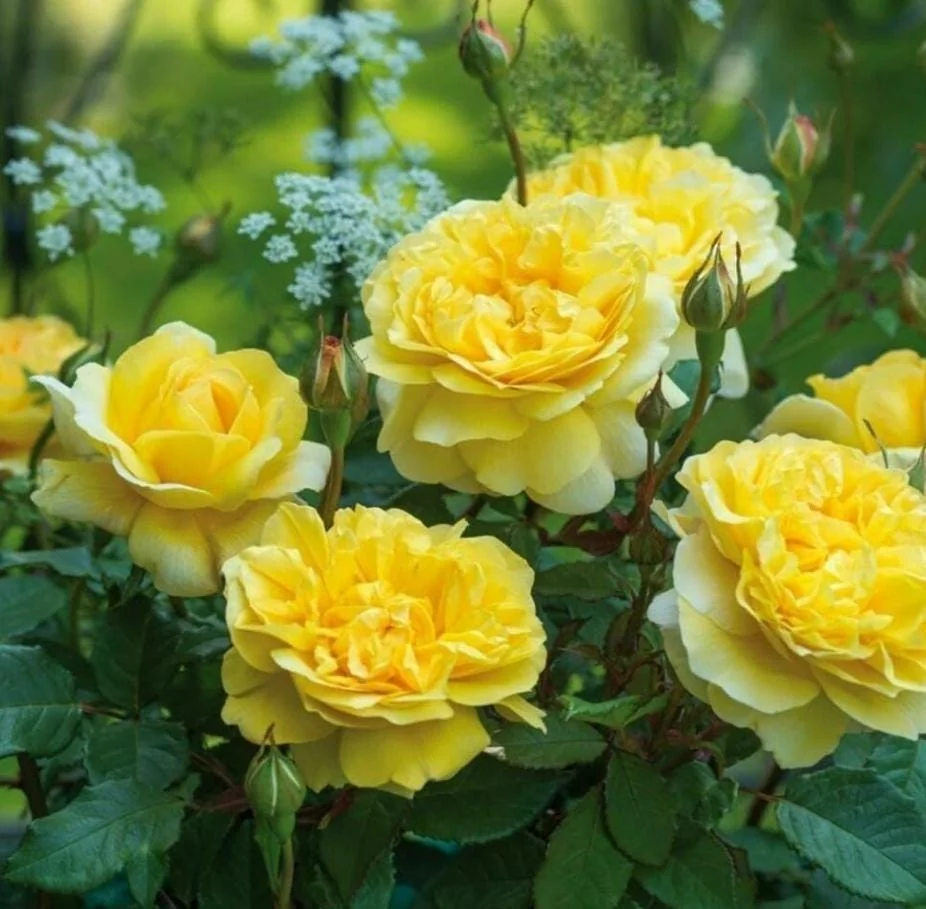
The yellow rose bush live plant is a stunning example of a hybrid tea rose, renowned for its vibrant yellow flowers and delightful fragrance. Typically growing between 4 to 7 inches tall, this live plant is perfect for garden enthusiasts looking to add a touch of elegance to their outdoor spaces. With its robust growth and beautiful blooms, it becomes a centerpiece in any garden, attracting pollinators and providing a sensory experience.
Commonly referred to as the yellow rose, this plant is celebrated for its beauty and symbolism of friendship and joy. With proper care, you can enjoy its blooms throughout the growing season.
Key Benefits
This yellow rose bush offers numerous advantages for gardeners and nature lovers alike.
- Fragrant blooms: The sweet scent of the yellow roses enhances the garden atmosphere, attracting beneficial insects.
- Visual appeal: The vibrant yellow flowers provide a striking contrast against green foliage, making it a focal point in any landscape.
- Easy to grow: This hybrid tea rose is relatively low-maintenance, suitable for both novice and experienced gardeners.
- Long blooming period: Enjoy beautiful blooms from spring through fall, making your garden lively and colorful.
- Attracts pollinators: The fragrant flowers draw bees and butterflies, which are essential for a healthy garden ecosystem.
- Symbolic meaning: Yellow roses are often associated with friendship and joy, making them a wonderful gift for loved ones.
- Versatile use: This rose bush can be planted in garden beds, borders, or containers, allowing for creative landscaping options.
Plant Care & Growing Tips
Caring for your yellow rose bush live plant is straightforward, ensuring you maximize its potential for beautiful blooms. First, choose a location that receives full sun, ideally at least 6-8 hours of sunlight daily. This will promote healthy growth and vibrant flowers.
Watering is crucial; keep the soil consistently moist but not waterlogged. Use well-draining soil to prevent root rot, and consider amending with organic matter for improved fertility. During the growing season, fertilize monthly with a balanced rose fertilizer to encourage robust growth.
Pruning should be done in early spring to remove any dead or diseased wood, promoting new growth. Additionally, deadheading spent blooms will encourage the plant to produce more flowers throughout the season. Mulch around the base of the plant to retain moisture and suppress weeds.
As for temperature, this rose bush thrives in USDA hardiness zones 5-9, making it suitable for a variety of climates. Watch for common pests like aphids or spider mites; regular inspection will help you manage these issues before they become problematic.
Size & Details
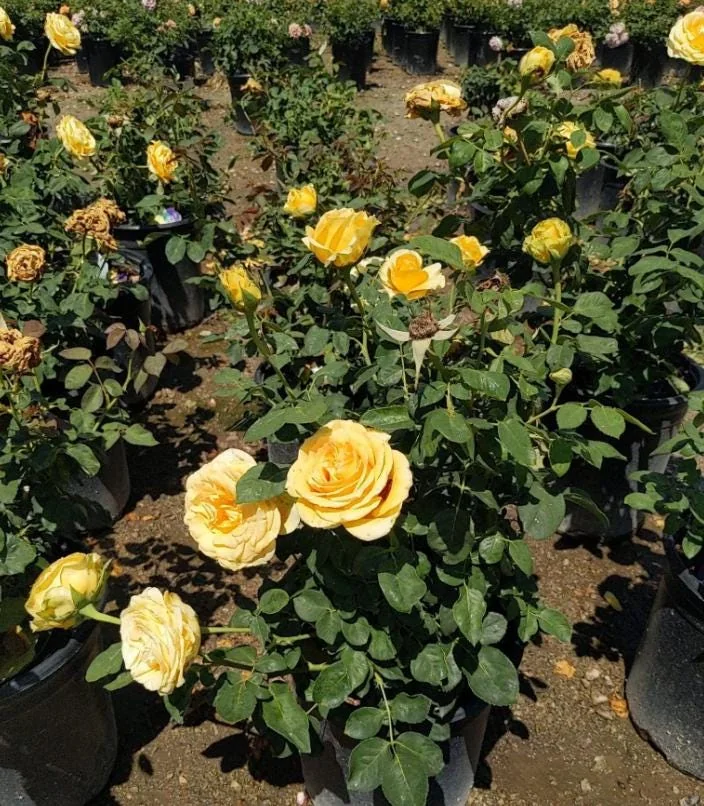
This yellow rose bush live plant typically reaches heights of 4-7 inches, making it a manageable size for garden beds or containers. It ships as a potted plant, ensuring you receive a healthy specimen ready for planting. Expect it to bloom within the first year of planting, providing a burst of color and fragrance to your outdoor space.
Frequently Asked Questions
- Q: How big does this plant get? A: The yellow rose bush typically grows to a height of 4-7 inches, making it suitable for various garden settings.
- Q: Is this an indoor or outdoor plant? A: This plant thrives outdoors in full sun but can be grown in containers as well.
- Q: How much sunlight does it need? A: It requires 6-8 hours of direct sunlight daily for optimal growth and blooming.
- Q: Is this plant easy to care for? A: Yes, the yellow rose bush is relatively low-maintenance, suitable for both beginners and experienced gardeners.
- Q: What condition will it arrive in? A: The plant arrives in a healthy potted condition, ready for planting.
- Q: Can I use yellow roses in arrangements? A: Absolutely! Their vibrant color and fragrance make them perfect for floral arrangements and bouquets.
- Q: How long until it blooms? A: With proper care, you can expect blooms within the first year of planting.
- Q: Will it survive winter in my zone? A: This rose bush is hardy in USDA zones 5-9, allowing it to survive winter in suitable climates.
Be the first to review “Yellow Rose Bush – Hybrid Tea Rose Live Plant – 4-7 Inch Tall – Outdoor”
-
USDA Hardiness Zone
USDA zones 5-9 -
Soil Type
well-draining soil -
Sunlight Exposure
full sun -
Expected Planting Period
spring to early summer
People Also Viewd
Sold 128 products
Original price was: $27.00.$24.00Current price is: $24.00.
Sold 127 products
Original price was: $89.99.$64.99Current price is: $64.99.
Sold 126 products
Original price was: $3,536.00.$23.99Current price is: $23.99.

Sold 125 products
Original price was: $86.99.$66.99Current price is: $66.99.
Sold 116 products
Original price was: $27.99.$16.99Current price is: $16.99.
Sold 114 products
Original price was: $28.99.$17.99Current price is: $17.99.
Flower Bulbs
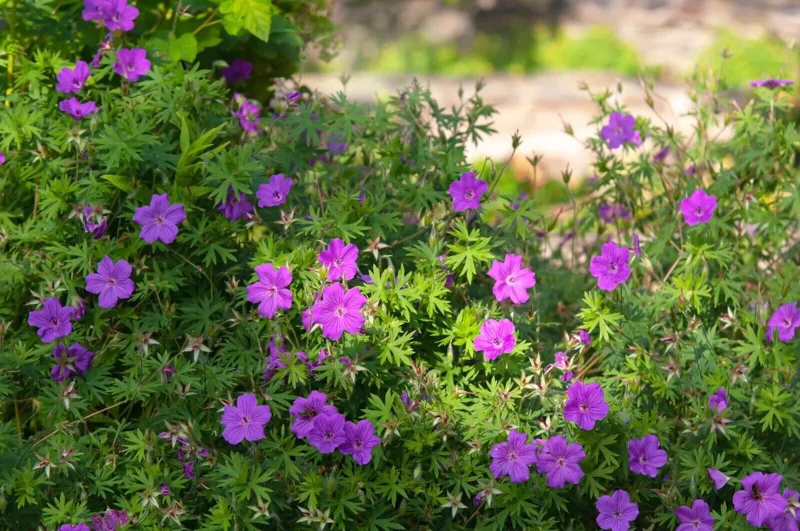
3 Cranesbill Wild Geranium Organic Maculatums Bare Roots | Wildflower for Outdoor Garden
Sold 114 products
Original price was: $21.99.$6.99Current price is: $6.99.
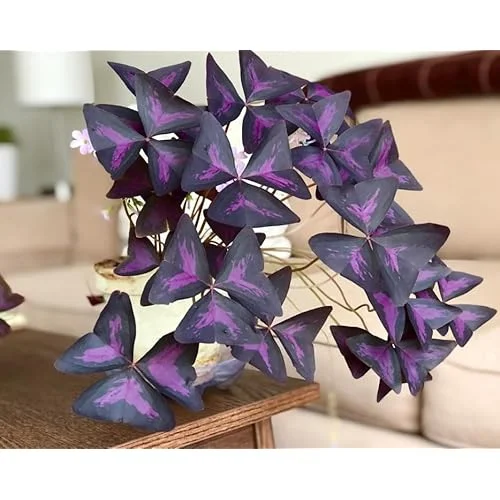
Sold 109 products
Original price was: $63.99.$28.99Current price is: $28.99.RELATED posts
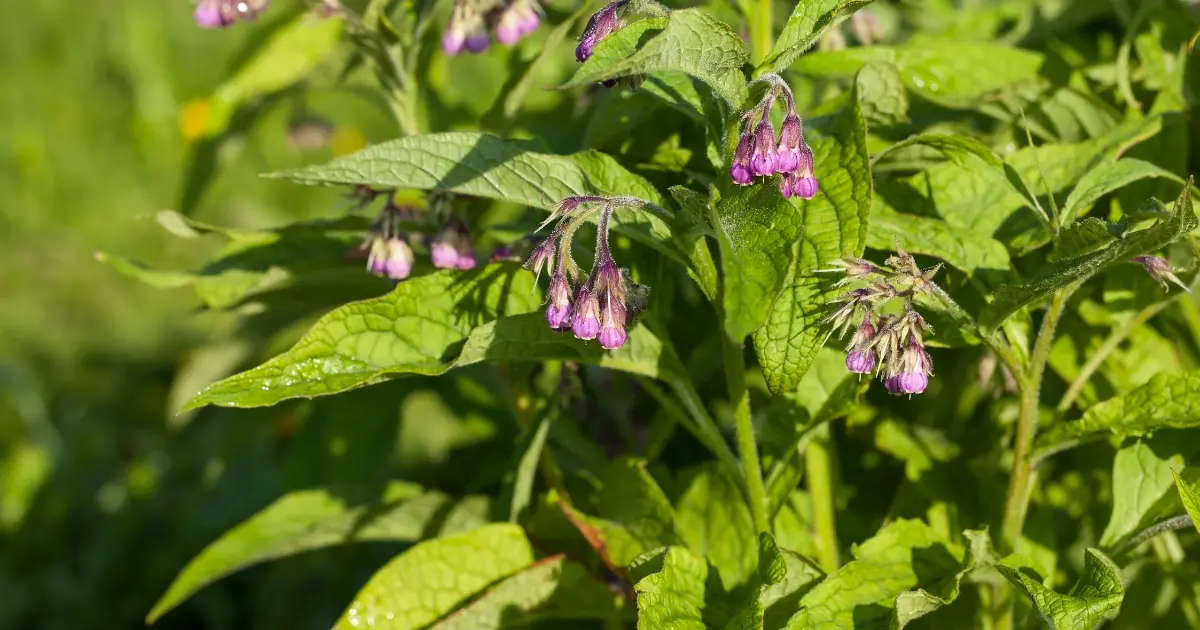
How to Identify Bocking 14 Comfrey: 5 Simple Visual Signs
If you’re growing comfrey for mulch, compost, or animal feed, knowing exactly which variety you [...]
Mar
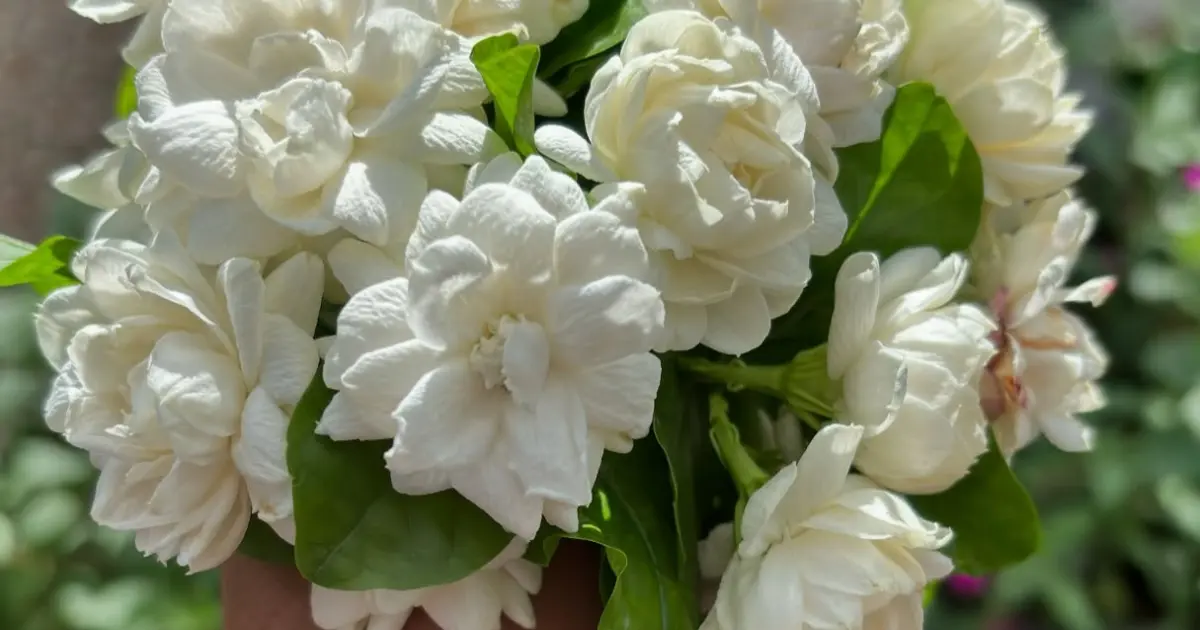
Grand Duke of Tuscany Jasmine: The Ultimate Guide to Growing a Fragrant Masterpiece
Have you ever caught a scent in the air so rich, creamy, and honey-sweet that [...]
Mar
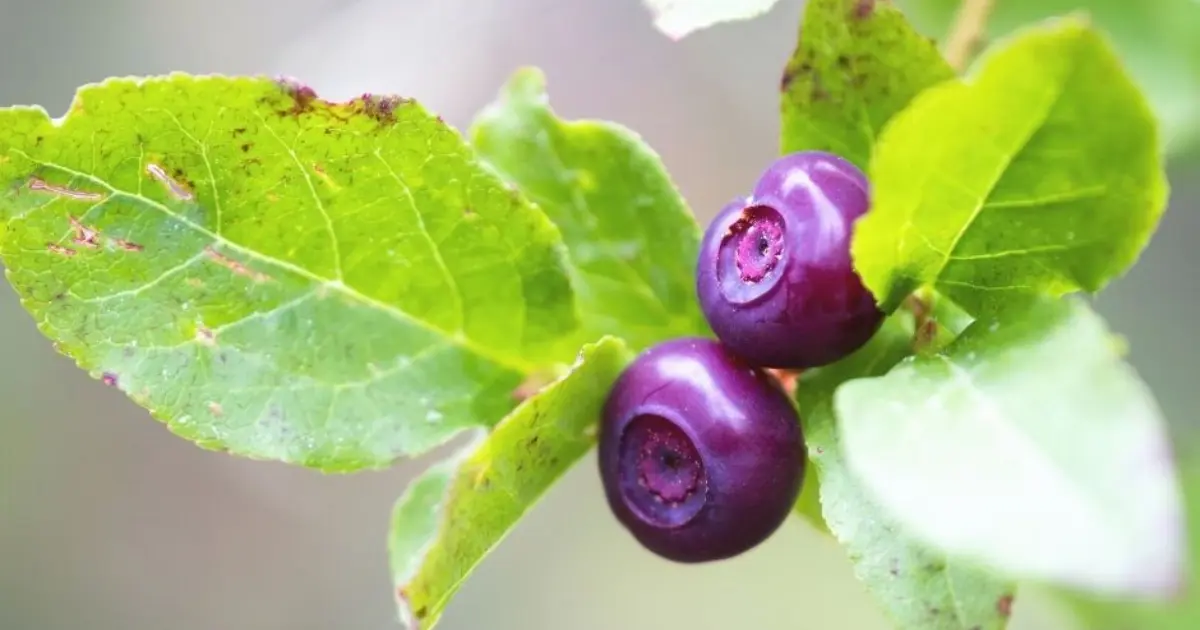
How to Grow Wild Huckleberries: A Guide to “Purple Gold”
Have you ever spent a summer afternoon hiking through the Pacific Northwest or the Rocky [...]
Mar
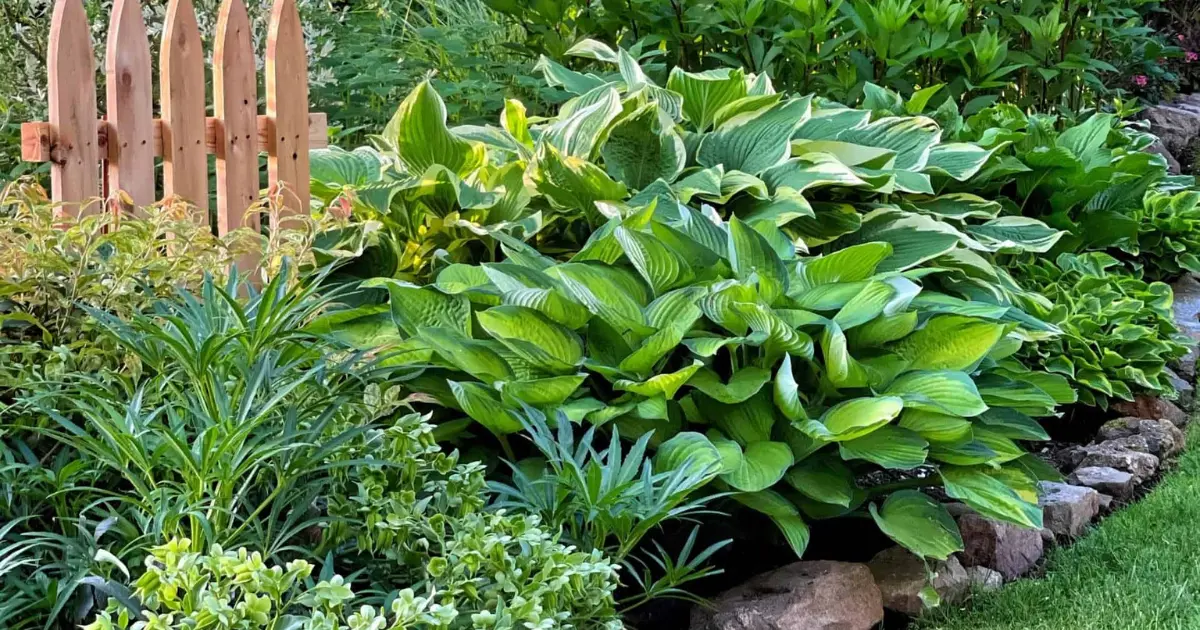
5 Best Shade-Loving Perennials for a Lush, Vibrant Garden
The world of gardening often shines a spotlight on sun-drenched blossoms, but there is a [...]
Mar

7 Common Curry Leaf Plant Problems: Easy Fixes for a Thriving Plant
Is your curry leaf plant looking a bit sad lately? Maybe you woke up to [...]
Mar
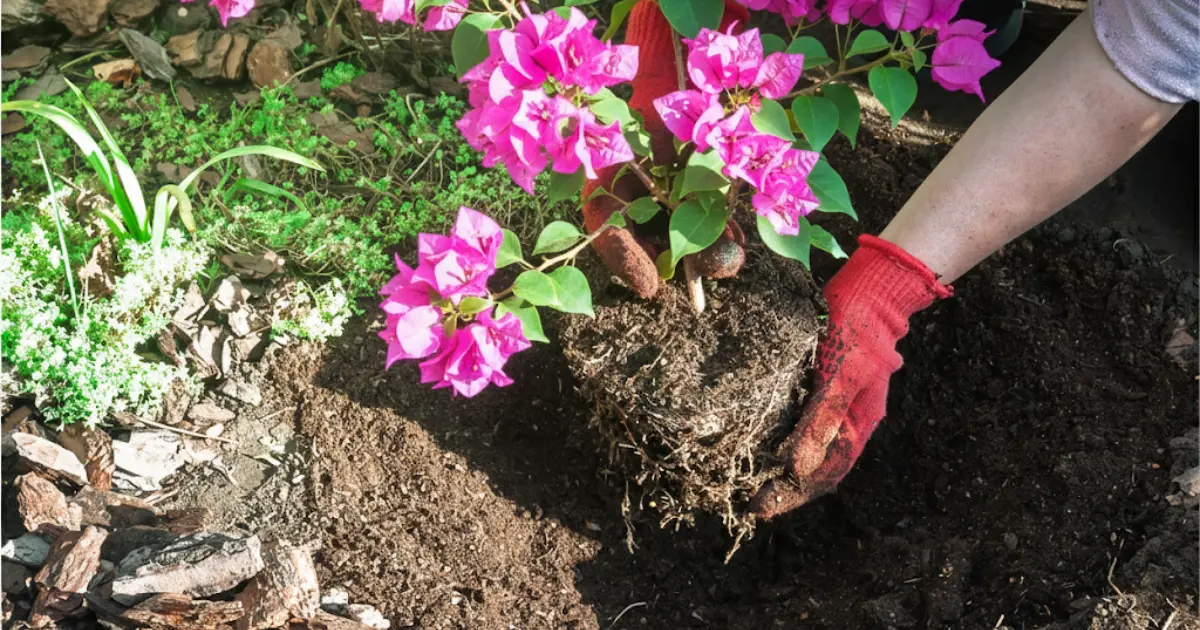
Best Time to Plant Bougainvillea: Timing for Vibrant Blooms
If you’re looking for a hardy tropical vine that delivers a riot of neon color, [...]
Feb
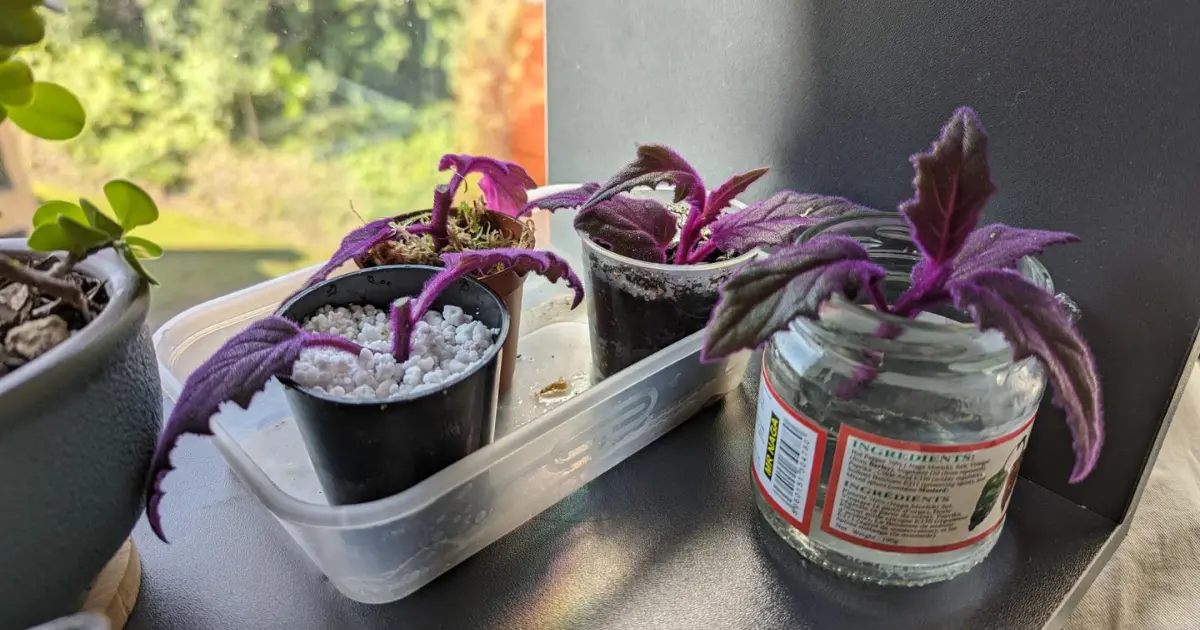
How to Propagate Purple Passion Plants (Gynura aurantiaca)
Have you ever been mesmerized by the neon-purple glow and fuzzy, velvet-like leaves of a [...]
Feb
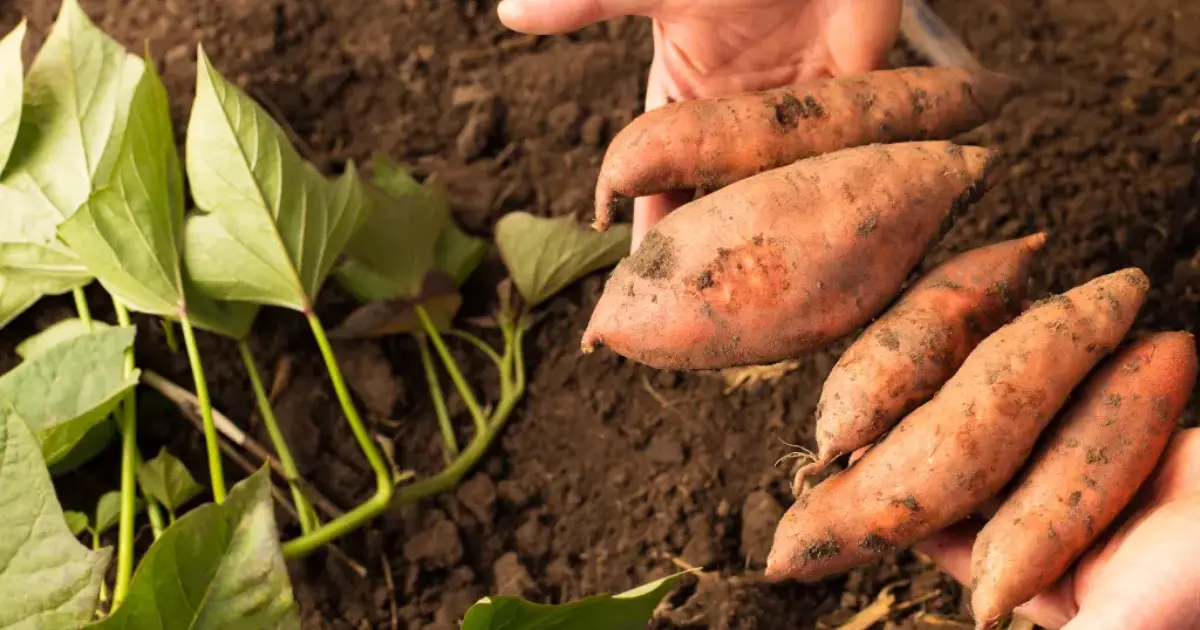
How to Grow Beauregard Sweet Potatoes: From Slips to a Bountiful Harvest
Are you ready to add a classic, heavy-hitting favorite to your vegetable patch? If you’ve [...]
Feb


Reviews
There are no reviews yet.