
Yellow Squash Live Starter Plants – Set of 2, Zucchini Seedlings 4-6 Inch Tall in Nursery Pot
Original price was: $28.99.$18.99Current price is: $18.99.
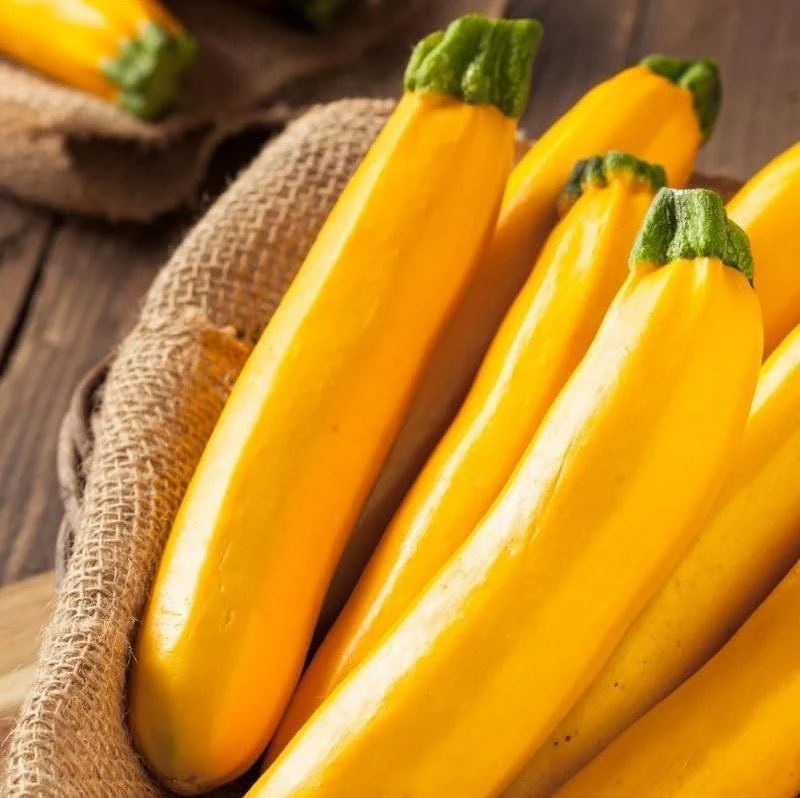
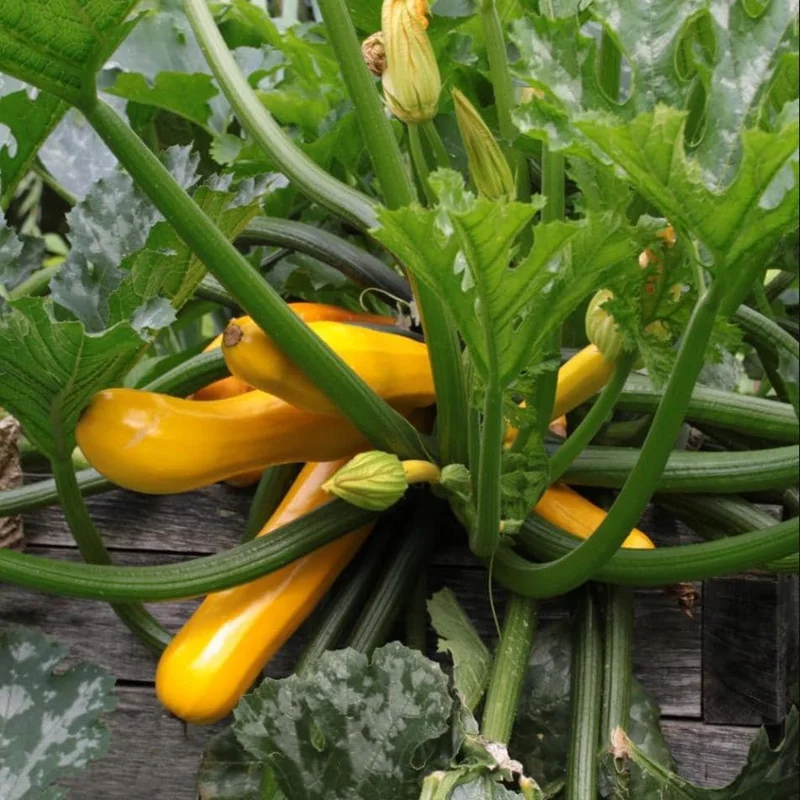
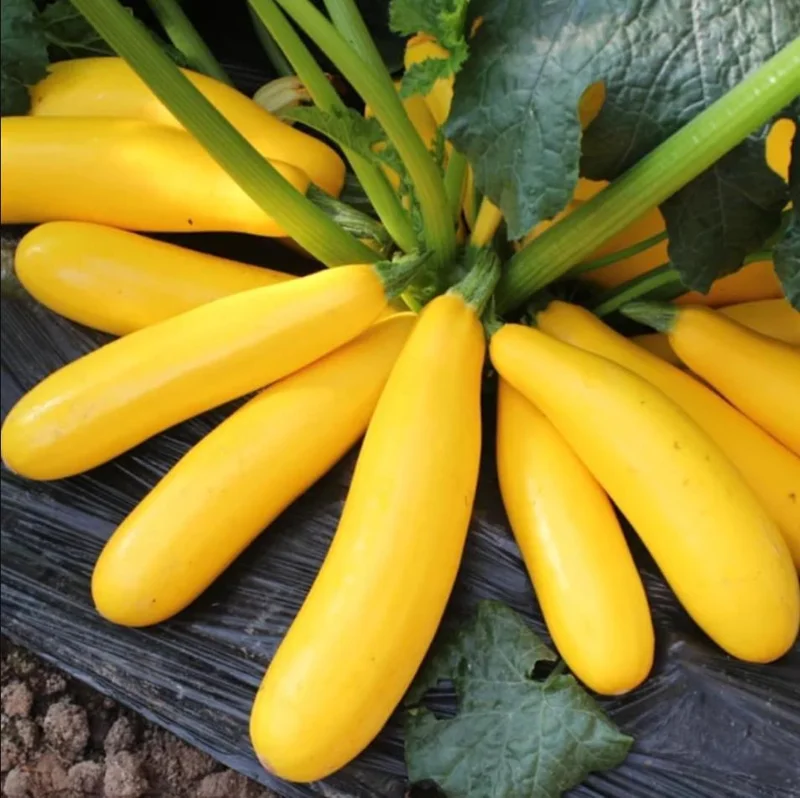
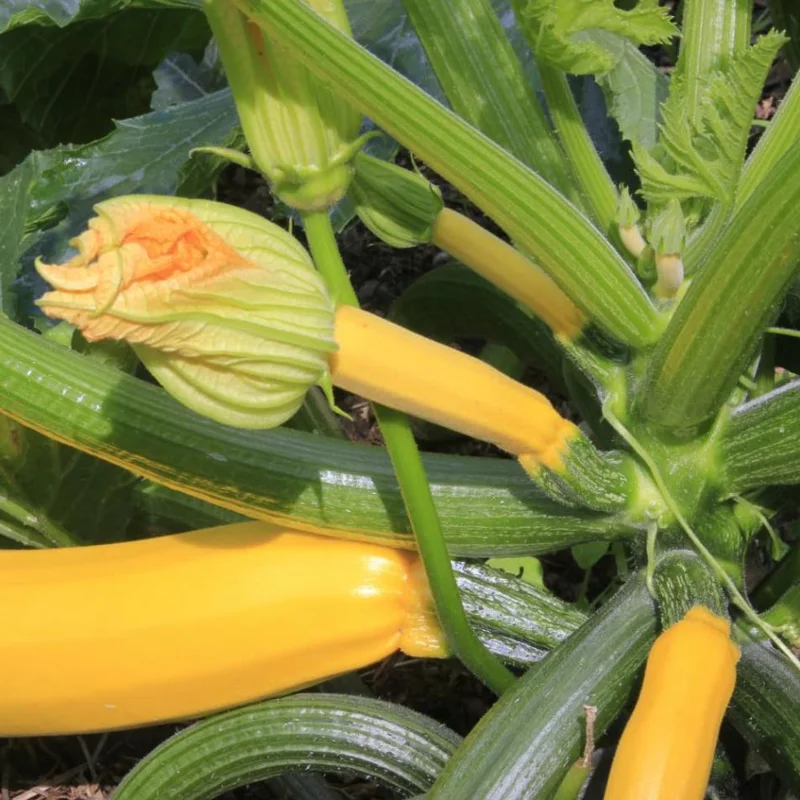
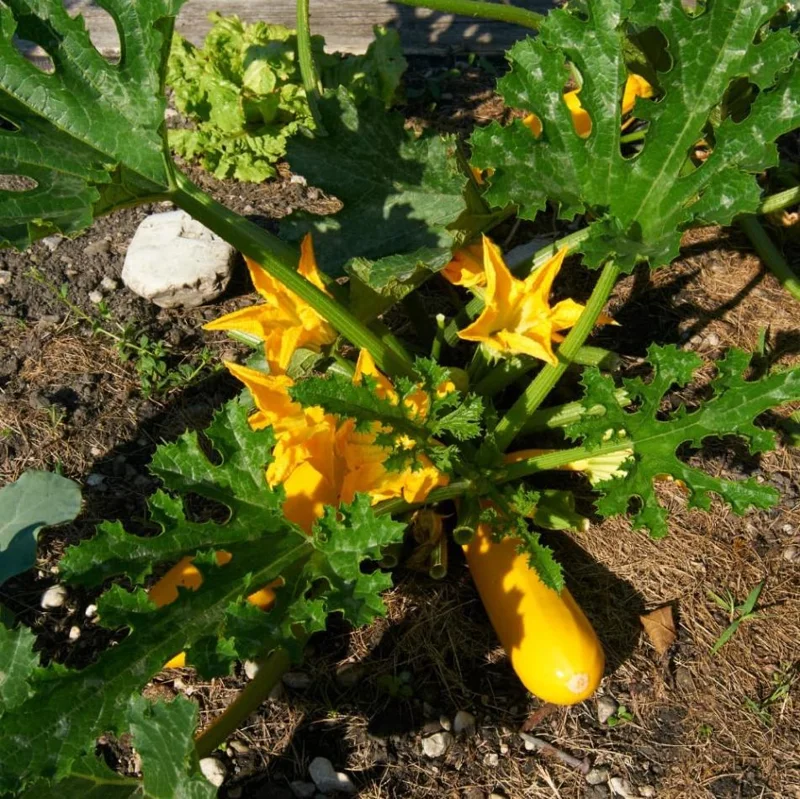
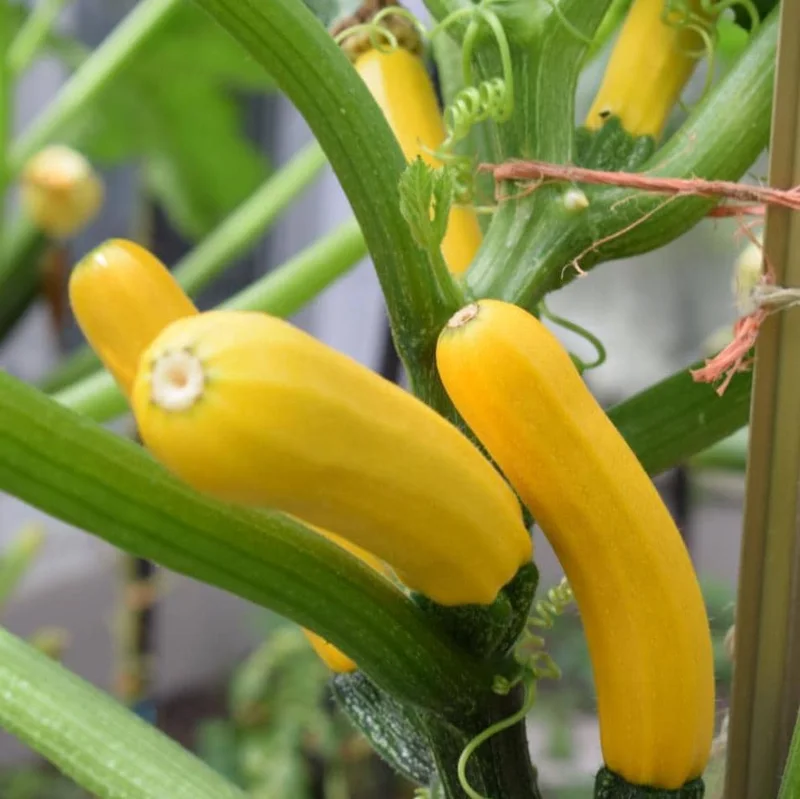
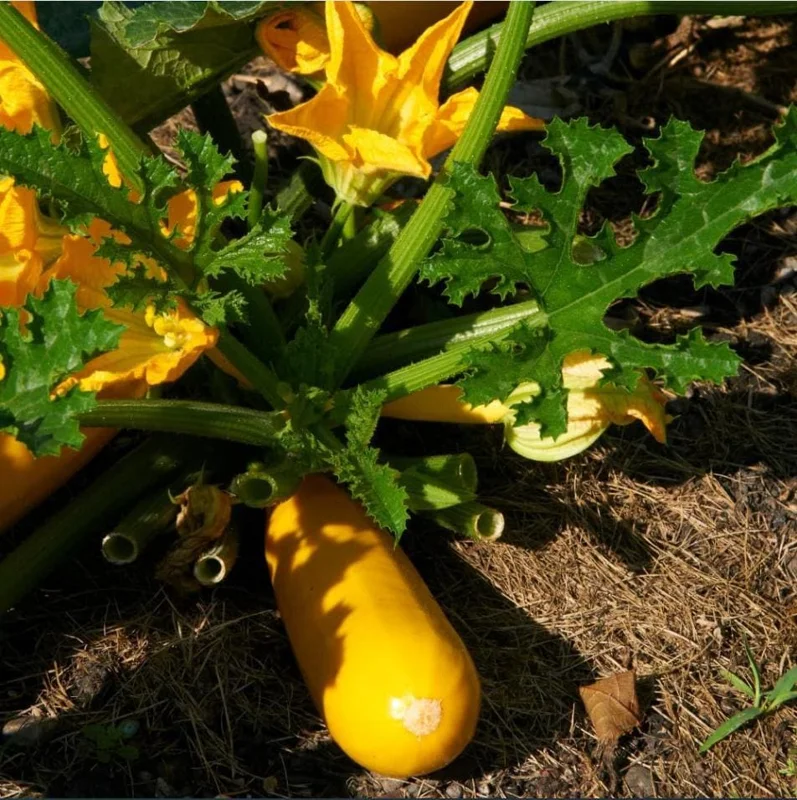
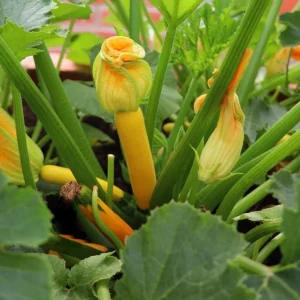
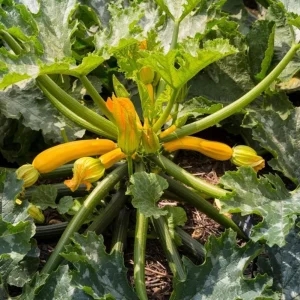
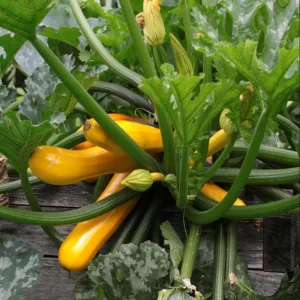
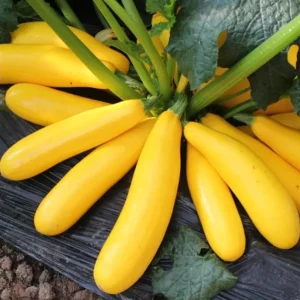
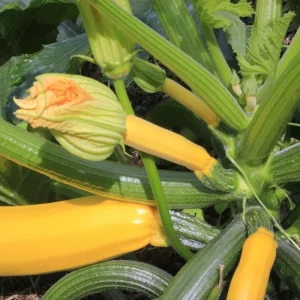
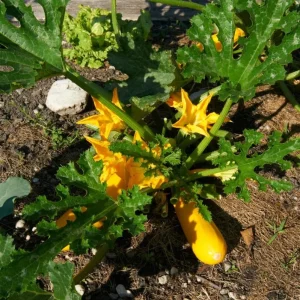
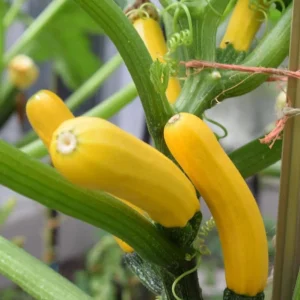
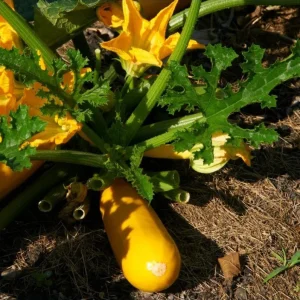
Cultivate your own garden with a set of 2 yellow squash live plant seedlings. These healthy yellow zucchini plants are 4 to 6 inches tall and come in nursery pots, ready for transplanting. Ideal for home gardens to produce delicious, fresh squash.
Estimated arrival
Mar 21
Mar 26 - Mar 28
Mar 31 - Apr 04

Reasonable Price
We offer reasonable price

Support 24/7
Contact us 24 hrs a day

100% Money Back
You've 30 days to Return

Payment Secure
100% secure payment
Overview
Embark on a rewarding gardening journey with our premium yellow squash live plant starter set. You will receive two vibrant yellow zucchini plants, each measuring approximately 4 to 6 inches tall and nestled in its own nursery pot, ready for easy transplanting into your garden or larger containers. These young seedlings are the perfect foundation for a bountiful harvest of delicious yellow squash. Known for their rapid growth and prolific production, yellow squash are a favorite among home gardeners for their versatility in the kitchen and relatively straightforward care requirements. Our starter plants eliminate the need for seed starting, giving you a head start on the growing season and bringing you closer to fresh, homegrown produce.
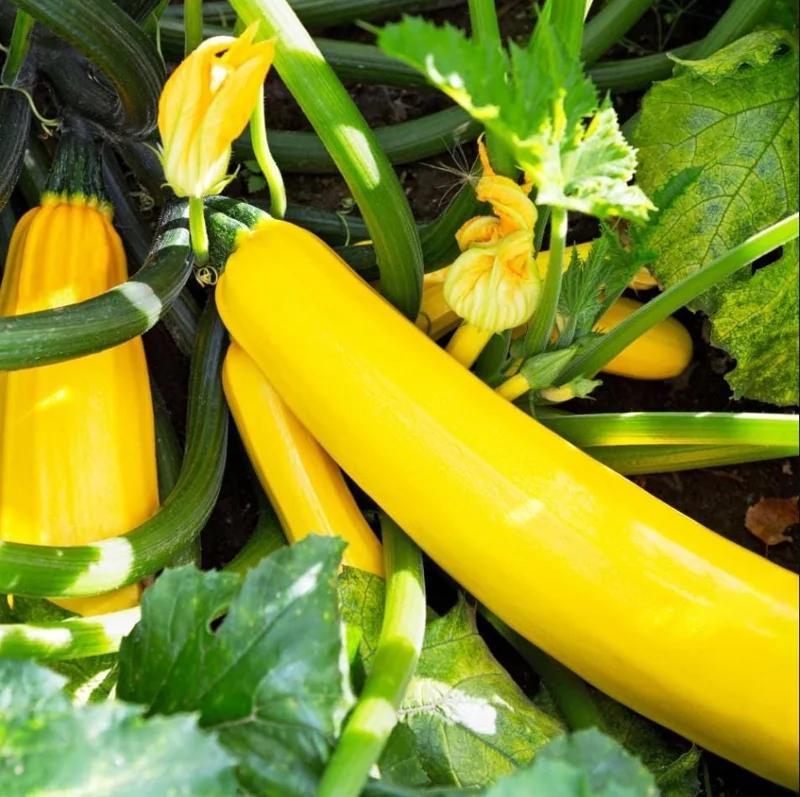
Also commonly referred to as yellow zucchini, these plants are cultivars of Cucurbita pepo, the same species as most summer squashes. They are prized for their tender texture and mild, slightly sweet flavor, making them an excellent addition to a wide range of culinary dishes. Starting with healthy zucchini seedlings like these ensures robust growth and minimizes common early-stage gardening challenges. Get ready to enjoy the satisfaction of harvesting your own garden-fresh yellow squash!
Key Benefits
Growing your own yellow squash live plant offers numerous advantages, from fresh produce to an engaging gardening experience. These starter plants are designed to provide a head start and ensure successful growth in your home garden:
-
Fresh, Homegrown Produce: Enjoy the unparalleled taste and superior nutritional value of freshly picked yellow squash directly from your garden. There’s nothing quite like the flavor of produce harvested at its peak.
-
Gardening Convenience: Our starter plants bypass the delicate seed-starting phase, offering robust yellow zucchini plants that are already established and ready to thrive. This saves time and increases your chances of a successful harvest.
-
High Yield Potential: Yellow squash plants are known for their generous yields, providing a continuous supply of vegetables throughout the growing season, perfect for cooking, sharing, and even preserving.
-
Versatile Culinary Uses: Fresh yellow squash can be grilled, roasted, sautéed, added to stir-fries, soups, or even baked into breads. Its mild flavor complements a wide variety of dishes.
-
Engaging Gardening Project: Cultivating your own vegetables is a rewarding activity for individuals and families alike, teaching patience and providing a tangible connection to nature. Learn about growing yellow squash firsthand.
-
Nutritional Value: Yellow squash is low in calories and rich in vitamins A and C, potassium, and dietary fiber, contributing to a healthy diet.
-
Pest Resistance: While not entirely immune, healthy starter plants often have a better chance of resisting common garden pests and diseases compared to plants started from seed.
Plant Care & Growing Tips
To ensure your yellow squash live plant thrives and produces an abundance of fruit, proper care is essential. Yellow squash are relatively easy to grow but require specific conditions to reach their full potential. They are warm-season crops and should only be transplanted outdoors after all danger of frost has passed and soil temperatures are consistently above 60°F (16°C).
For sunlight, growing yellow squash demands full sun exposure, meaning at least 6–8 hours of direct sunlight per day. If you started your zucchini seedlings indoors, remember to harden them off gradually over a week or two before permanent outdoor planting. This acclimates them to outdoor conditions, preventing shock. The ideal temperature range for growth is between 70–85°F (21–30°C). When it comes to soil, choose a well-draining, fertile location with a pH between 6.0 and 7.0. Amend your soil with compost or aged manure before planting to enrich it with essential nutrients. Consistent moisture is crucial; water deeply at the base of the plant, aiming for about 1–2 inches of water per week, and avoid wetting the leaves to prevent fungal diseases. Ensure the soil remains moist but not soggy.
Regular feeding will also benefit your squash plant care. Once the plants begin to flower and set fruit, you can fertilize every 2-4 weeks with a balanced organic fertilizer or one slightly higher in phosphorus and potassium to encourage fruiting. Watch out for common pests like squash bugs and vine borers, and address them promptly with organic pest control methods if necessary. Proper spacing (typically 2-3 feet apart for bush varieties, more for vining types) ensures good air circulation, which helps prevent disease and allows ample room for growth.
Size & Details
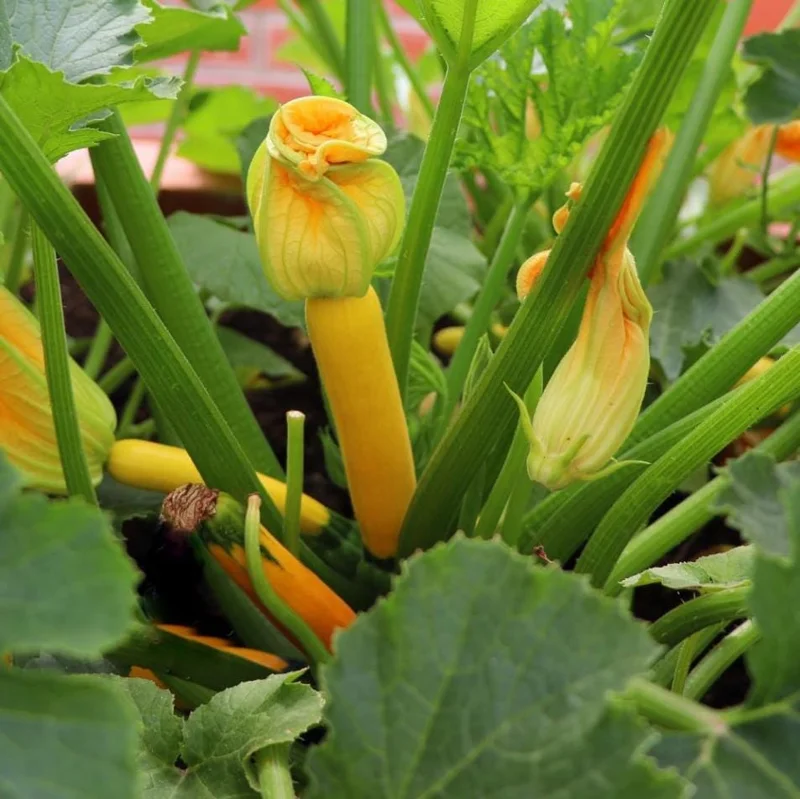
This offering includes a set of two individual yellow squash live plant starter plants. Each plant is approximately 4 to 6 inches tall at the time of shipment, measured from the soil line. They are supplied in standard nursery pots, which typically range from 2.5 to 4 inches in diameter, providing a healthy root system ready for transplanting. These are young zucchini seedlings, meaning they will not have flowers or fruit upon arrival, as they are focused on establishing strong roots and foliage. Yellow squash plants are known for their vigorous growth and can quickly mature, often producing fruit within 45-60 days after transplanting, depending on growing conditions and variety.
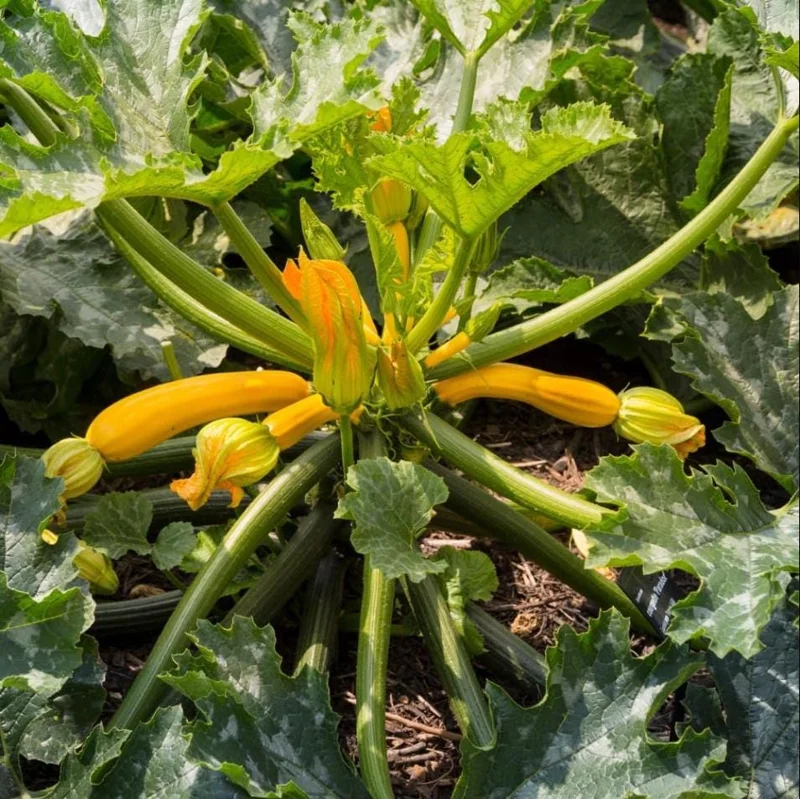
As they mature, bush varieties typically grow to about 2-3 feet tall and wide, while vining types can spread significantly further. These plants are annuals in most climates, completing their life cycle within one growing season. They are shipped securely to ensure they arrive in optimal condition, ready for their new home in your garden. The compact size of these starter plants makes them easy to handle and transplant, perfect for both seasoned gardeners and those new to growing yellow squash.
Frequently Asked Questions
-
Q: How big will these yellow squash live plant seedlings get? A: At the time of shipment, your seedlings will be 4 to 6 inches tall. Once mature, bush varieties of yellow squash typically grow 2-3 feet tall and wide, while vining types can spread much further, requiring more space.
-
Q: Is this an indoor or outdoor plant? A: Yellow squash is an outdoor plant that requires full sun. It should be planted outdoors after all danger of frost has passed and the soil has warmed up, ideally in a garden bed or large container.
-
Q: How much sunlight do these yellow zucchini plants need? A: For optimal growth and fruit production, these plants require at least 6 to 8 hours of direct sunlight per day. Choose the sunniest spot in your garden.
-
Q: Is this plant easy to care for? Is it good for beginners? A: Yes, yellow squash is generally considered an easy-to-grow vegetable, making it suitable for beginners. Providing adequate sunlight, water, and well-draining soil are the main requirements for successful squash plant care.
-
Q: What condition will the zucchini seedlings arrive in? A: Your plants will arrive as young, healthy starter plants in nursery pots. They will be carefully packaged to ensure they reach you in excellent condition, ready for transplanting.
-
Q: How long until these plants produce fruit? A: Yellow squash plants typically begin to produce fruit within 45-60 days after being transplanted into their permanent outdoor location, assuming favorable growing conditions.
-
Q: What’s the minimum temperature these plants can tolerate? A: Yellow squash are warm-season plants. They cannot tolerate frost. Do not transplant outdoors until nighttime temperatures are consistently above 50°F (10°C) and the soil temperature is above 60°F (16°C).
-
Q: What kind of soil is best for growing yellow squash? A: They thrive in fertile, well-draining soil with a pH between 6.0 and 7.0. Amending the soil with compost or aged manure before planting is highly recommended.
-
Q: How often should I water my yellow squash plants? A: Keep the soil consistently moist but not soggy. Water deeply at the base of the plant, providing about 1-2 inches of water per week, adjusting for rainfall and heat.
-
Q: Can these plants be grown in containers? A: Yes, bush varieties of yellow squash can be successfully grown in large containers (at least 15-20 gallons) with good drainage, making them suitable for patios and small spaces.
Be the first to review “Yellow Squash Live Starter Plants – Set of 2, Zucchini Seedlings 4-6 Inch Tall in Nursery Pot”
-
USDA Hardiness Zone
USDA zones 3-10 (as annuals) -
Soil Type
Well-draining, fertile soil with pH 6.0-7.0 -
Sunlight Exposure
Full sun (6-8+ hours/day) -
Expected Planting Period
Spring to early summer, after last frost
People Also Viewd


Sold 128 products
Original price was: $27.00.$24.00Current price is: $24.00.

Sold 126 products
Original price was: $89.99.$64.99Current price is: $64.99.

Sold 125 products
Original price was: $86.99.$66.99Current price is: $66.99.

Sold 124 products
Original price was: $3,536.00.$23.99Current price is: $23.99.
Sold 116 products
Original price was: $27.99.$16.99Current price is: $16.99.

Flower Bulbs
3 Cranesbill Wild Geranium Organic Maculatums Bare Roots | Wildflower for Outdoor Garden
Sold 114 products
Original price was: $21.99.$6.99Current price is: $6.99.

Sold 114 products
Original price was: $28.99.$17.99Current price is: $17.99.
Sold 109 products
Original price was: $63.99.$28.99Current price is: $28.99.RELATED posts
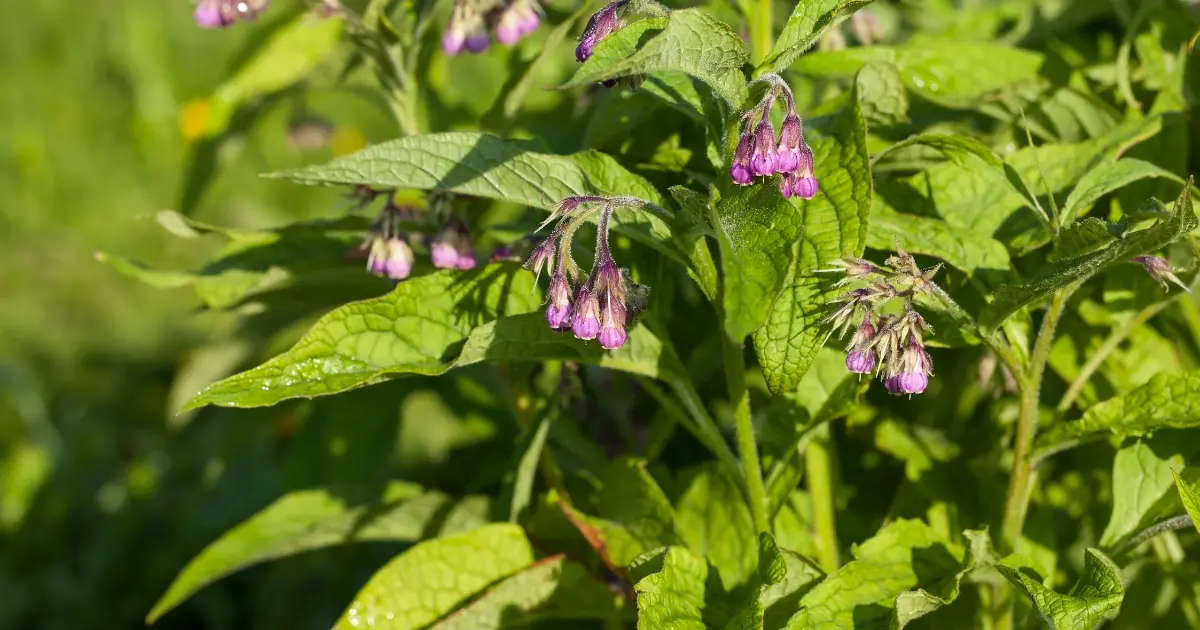
How to Identify Bocking 14 Comfrey: 5 Simple Visual Signs
If you’re growing comfrey for mulch, compost, or animal feed, knowing exactly which variety you [...]
Mar
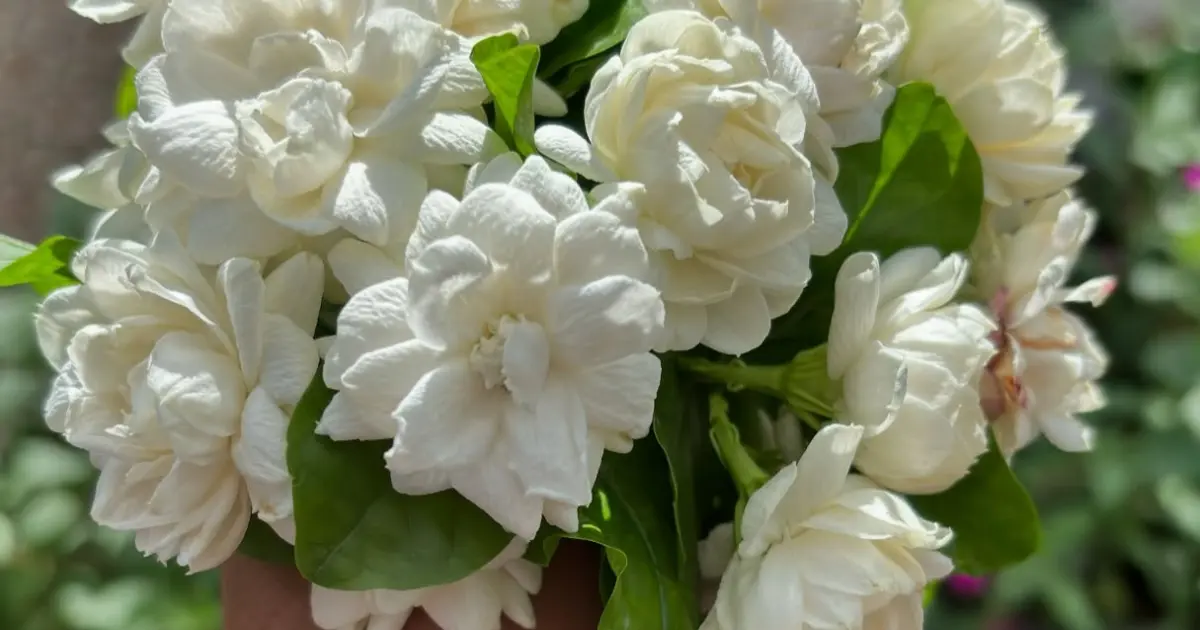
Grand Duke of Tuscany Jasmine: The Ultimate Guide to Growing a Fragrant Masterpiece
Have you ever caught a scent in the air so rich, creamy, and honey-sweet that [...]
Mar
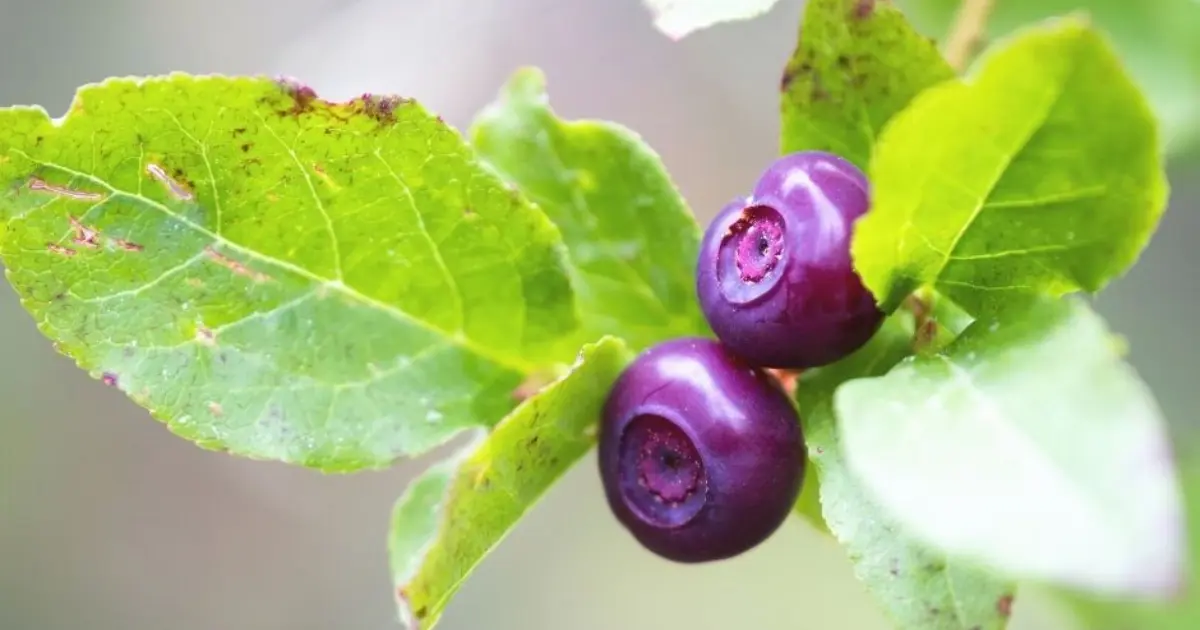
How to Grow Wild Huckleberries: A Guide to “Purple Gold”
Have you ever spent a summer afternoon hiking through the Pacific Northwest or the Rocky [...]
Mar
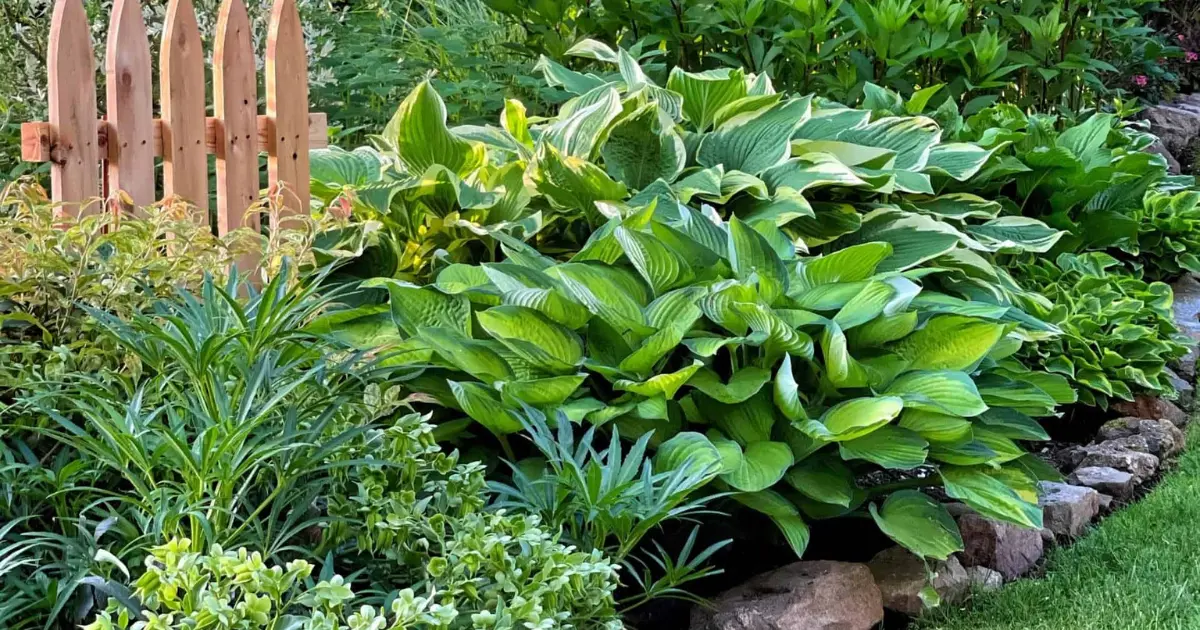
5 Best Shade-Loving Perennials for a Lush, Vibrant Garden
The world of gardening often shines a spotlight on sun-drenched blossoms, but there is a [...]
Mar

7 Common Curry Leaf Plant Problems: Easy Fixes for a Thriving Plant
Is your curry leaf plant looking a bit sad lately? Maybe you woke up to [...]
Mar
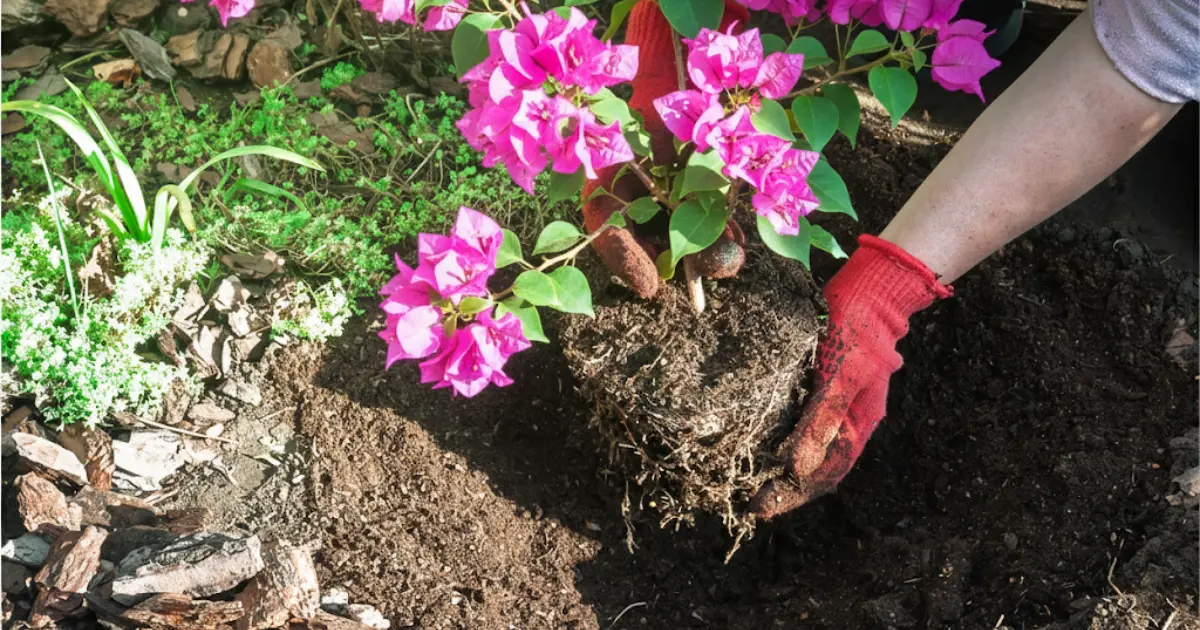
Best Time to Plant Bougainvillea: Timing for Vibrant Blooms
If you’re looking for a hardy tropical vine that delivers a riot of neon color, [...]
Feb
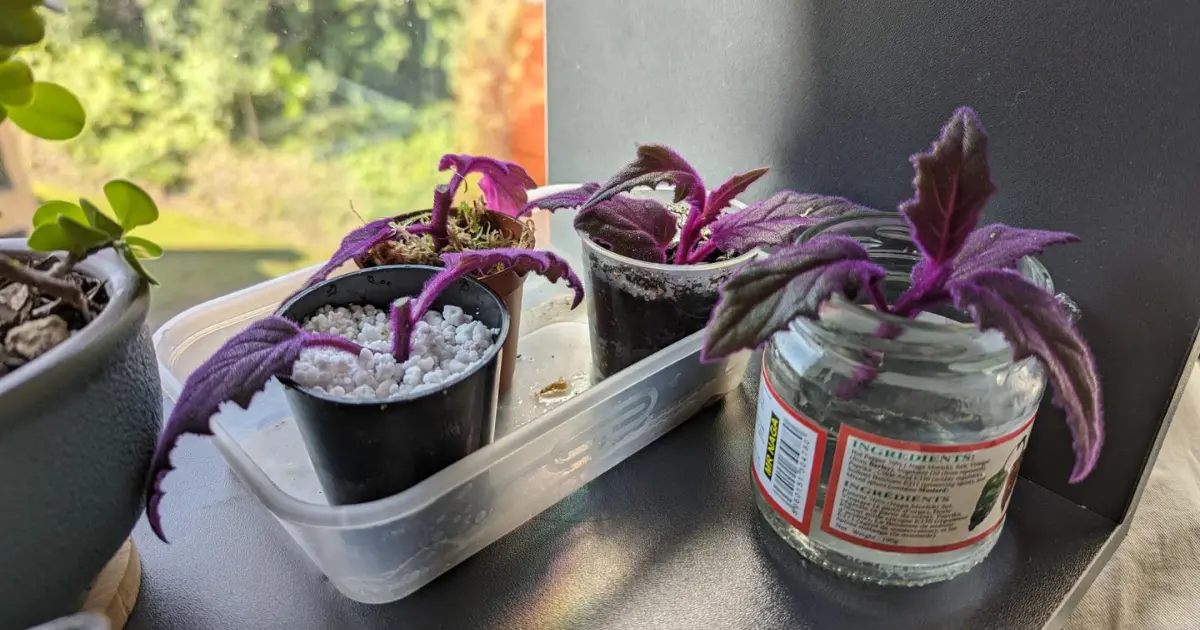
How to Propagate Purple Passion Plants (Gynura aurantiaca)
Have you ever been mesmerized by the neon-purple glow and fuzzy, velvet-like leaves of a [...]
Feb
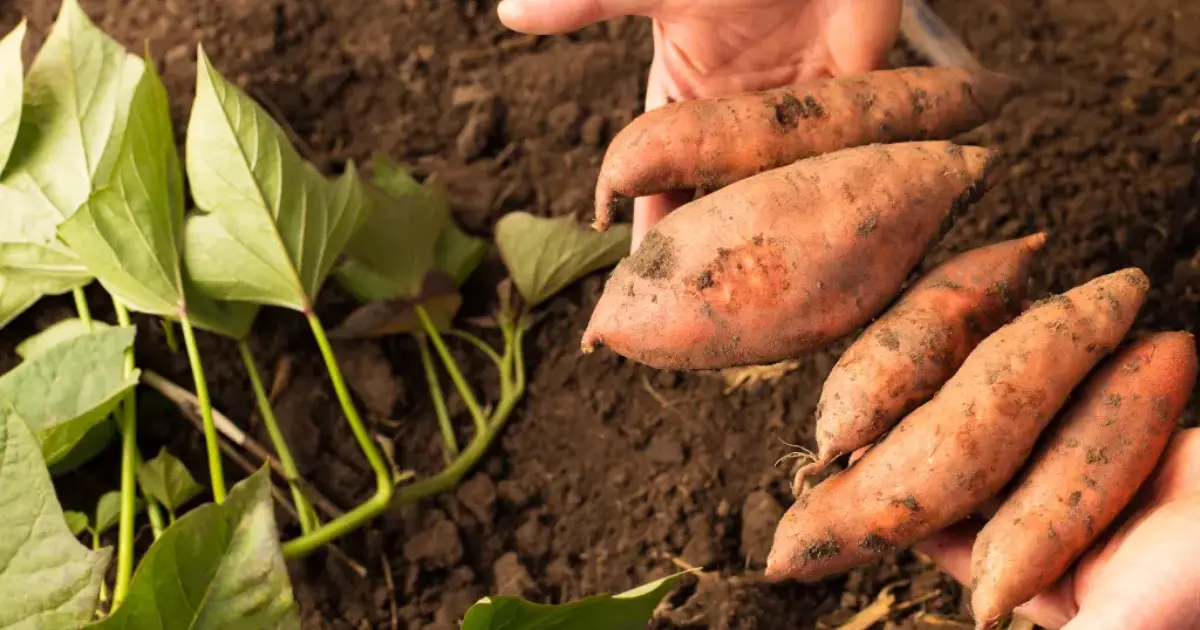
How to Grow Beauregard Sweet Potatoes: From Slips to a Bountiful Harvest
Are you ready to add a classic, heavy-hitting favorite to your vegetable patch? If you’ve [...]
Feb

Reviews
There are no reviews yet.