
May
Guides
Growing Carolina Reaper Peppers in Pots: A Complete Guide for Beginners
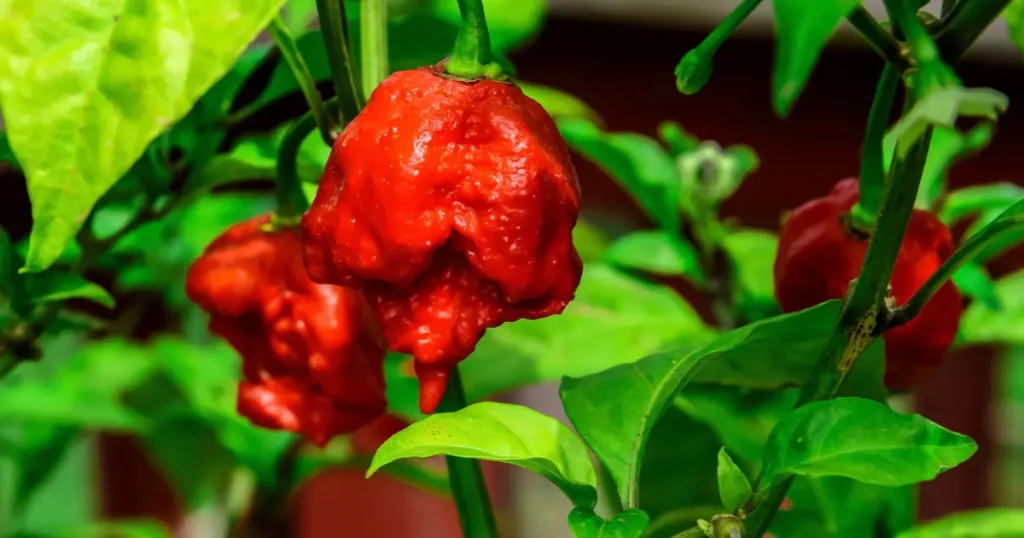
If you’ve ever wanted to add some serious, record-breaking heat to your home cooking, you’ve probably dreamed of growing your own Carolina Reaper peppers.
But if your summers are on the shorter side, or you’re dealing with just a tiny balcony instead of a big backyard, you might think growing the world’s hottest pepper is out of the question. Don’t worry, you are in the right place! In this guide, I’m going to show you exactly how to grow Carolina Reaper peppers in pots. It’s a super easy way to turn your sunny patio, deck, or porch into your own personal pepper paradise.
Growing Carolina Reapers in pots is a game-changer for northern gardeners, folks in apartments, or anyone who wants to keep their plants safe from unexpected cold snaps. So, let’s get our hands dirty and talk about how to get started!
Read more:
Why Grow Carolina Reapers in Pots?
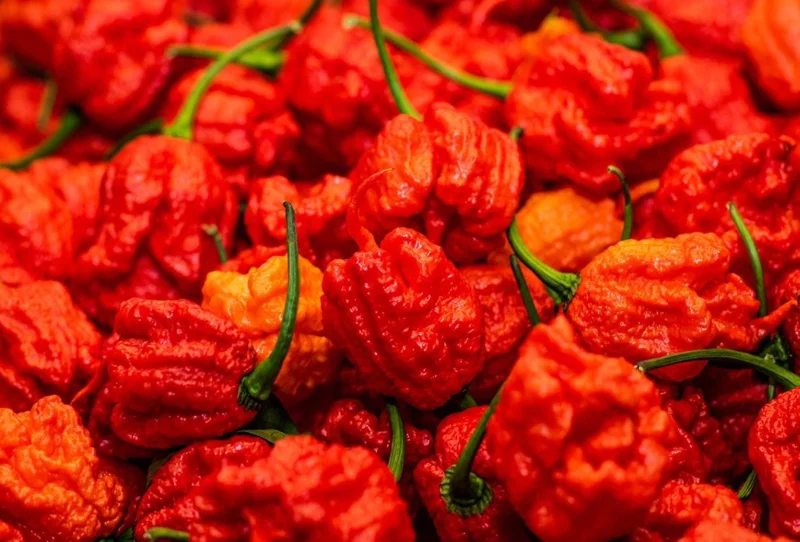
When you think of the Carolina Reaper (Capsicum chinense), you might picture a massive, intimidating bush taking over a southern garden. While they love to spread out in the ground, they actually adapt beautifully to container life. So, why should you consider growing it in a pot?
-
Weather Control: Carolina Reapers are native to tropical environments and absolutely hate the cold. They require a long growing season to fully mature. Growing them in pots means you can easily cheat the seasons, moving them indoors when early autumn frost threatens your harvest.
-
Size Management: A container naturally restricts the root system, keeping your fiery bush at a manageable, compact size that fits perfectly on a balcony or patio without sacrificing yields.
-
Perfect Drainage Control: Superhot peppers are incredibly sensitive to soggy roots. In a pot, you have total control over the moisture environment, preventing the dreaded root rot.
But how do you get started? Let’s dive into the steps!
Preparing for Growing Carolina Reapers in Pots
Choosing the Right Container
When it comes to container gardening for this fiery beauty, picking the right pot can make or break your success.
-
Size Matters: Do not skimp on space! Start your young plant in a container that is at least 12 inches in diameter and depth (a 5-gallon bucket is the absolute gold standard here). Reapers grow a strong, expansive root system, and a deep pot gives them the stability they need.
-
Drainage is Key: If there is one thing you take away from this guide, let it be this: Carolina Reapers despise sitting in stagnant water. Ensure your pot has plenty of large drainage holes at the bottom.
-
Material Choices: Terracotta or unglazed clay pots are absolute champions for peppers. Because they are porous, they allow excess moisture to evaporate easily. Plastic or fabric grow bags work brilliantly too, but with plastic, you’ll need to be extra careful not to overwater.
Best Soil Mix for Pots
Your Reaper prefers a light, loose, and well-draining soil that mimics a rich, subtropical forest floor.
-
pH Level: This pepper prefers a slightly acidic soil, ideally with a pH between 6.0 and 6.5.
How to Plant Carolina Reaper Peppers
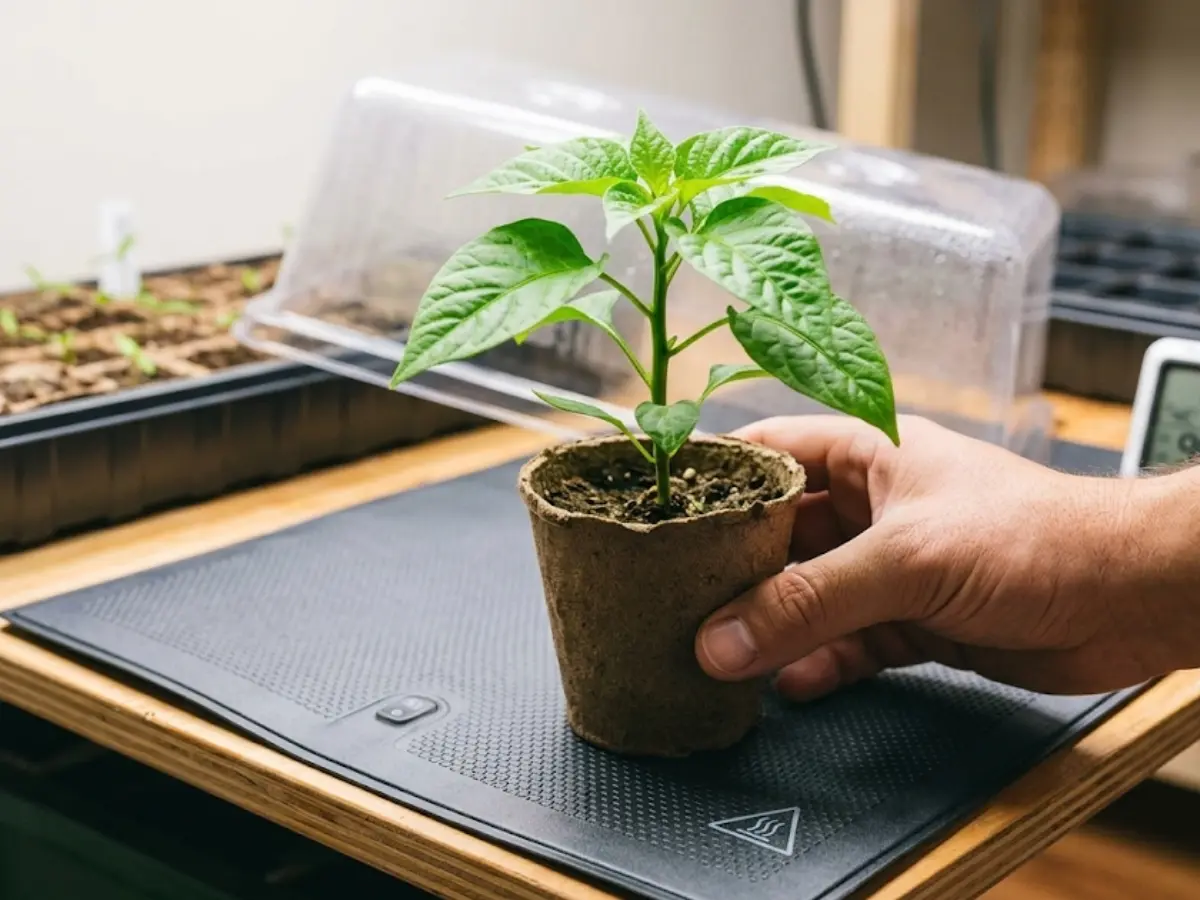
Now that you’ve got your pot and soil ready, it’s time to get planting! Since Reapers have a massive days-to-maturity count (often taking over 90–100 days just to fruit after transplanting), timing is everything.
When to Start Your Seeds
Because they take so long to grow, you must start Reaper seeds indoors 8–10 weeks before your last expected spring frost. If you miss this window, I highly recommend buying a healthy starter plant from a specialized nursery instead.
Planting Process
-
Fill your container: Add your well-draining soil mix to the pot, leaving about 2 inches of space from the rim.
-
Place the plant: Gently loosen the starter plant from its nursery container. Be very careful not to disturb the roots too much, as Reapers can be prone to transplant shock. Place it right in the center.
-
Fill it in: Pack more soil around the root ball, leveling it with the base of the stem. Lightly press down to eliminate air pockets.
-
Water well: Give your new plant a thorough soak until water runs out of the drainage holes, then place it in a partially shaded spot for a few days to recover before moving it into full blast sun.
Caring for Carolina Reaper Peppers in Pots
Treat your Carolina Reaper like a sun-loving, heat-worshipping tropical friend. Give it maximum sunshine, a bit of patience, and a touch of stress at the right time, and it will reward you with a massive harvest of bumpy, tailed pods!
Sunlight and Temperature
Carolina Reapers are absolute sun-worshipers. To truly thrive, blossom, and develop that capsaicin—the chemical compound that gives them their legendary, record-breaking heat—they need at least 6 to 8 hours of direct sunlight daily.
Temperature-wise, they are happiest when daytime temps are between 70°F and 85°F (21°C to 29°C). If nighttime temperatures drop below 55°F (13°C), the plant will stall, and if a freeze hits, it’s game over. Bring those pots indoors when the weather turns chilly!
Watering
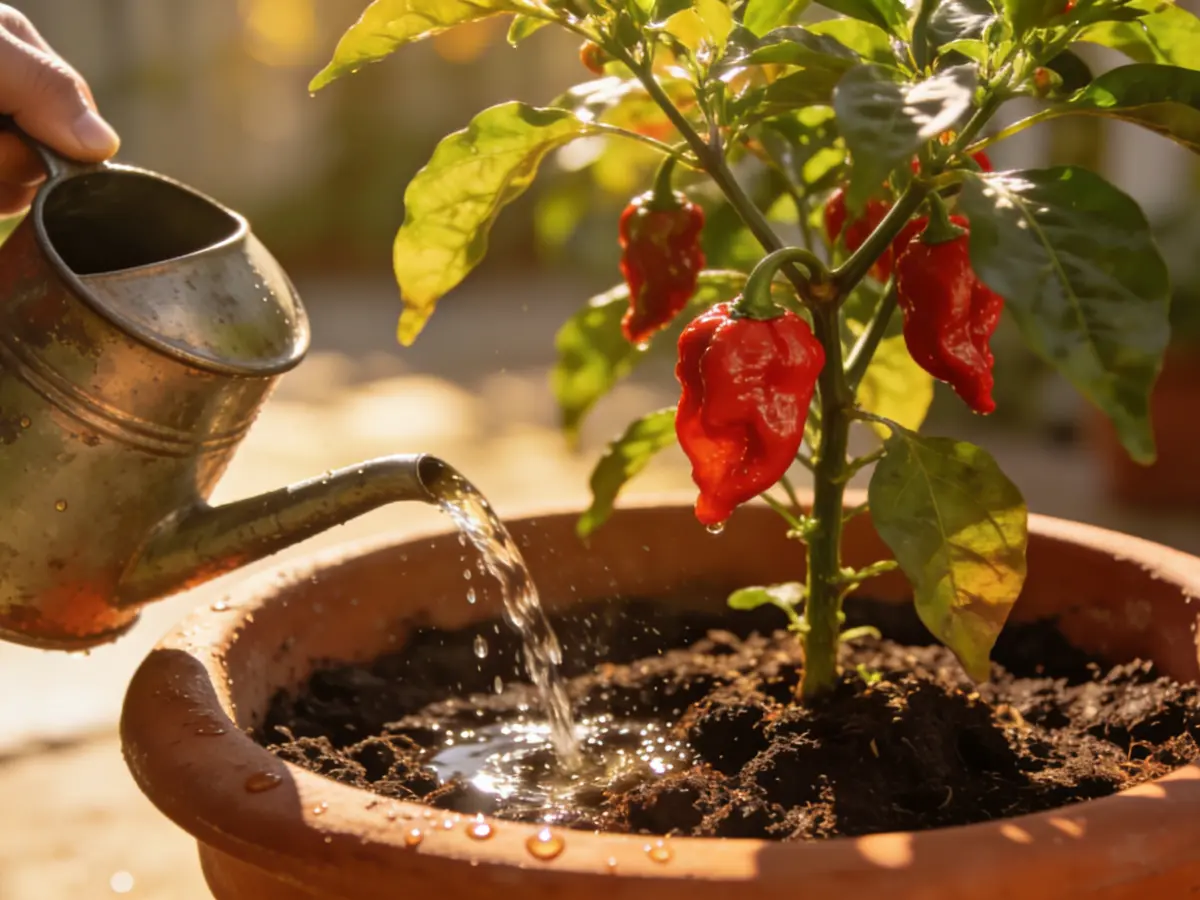
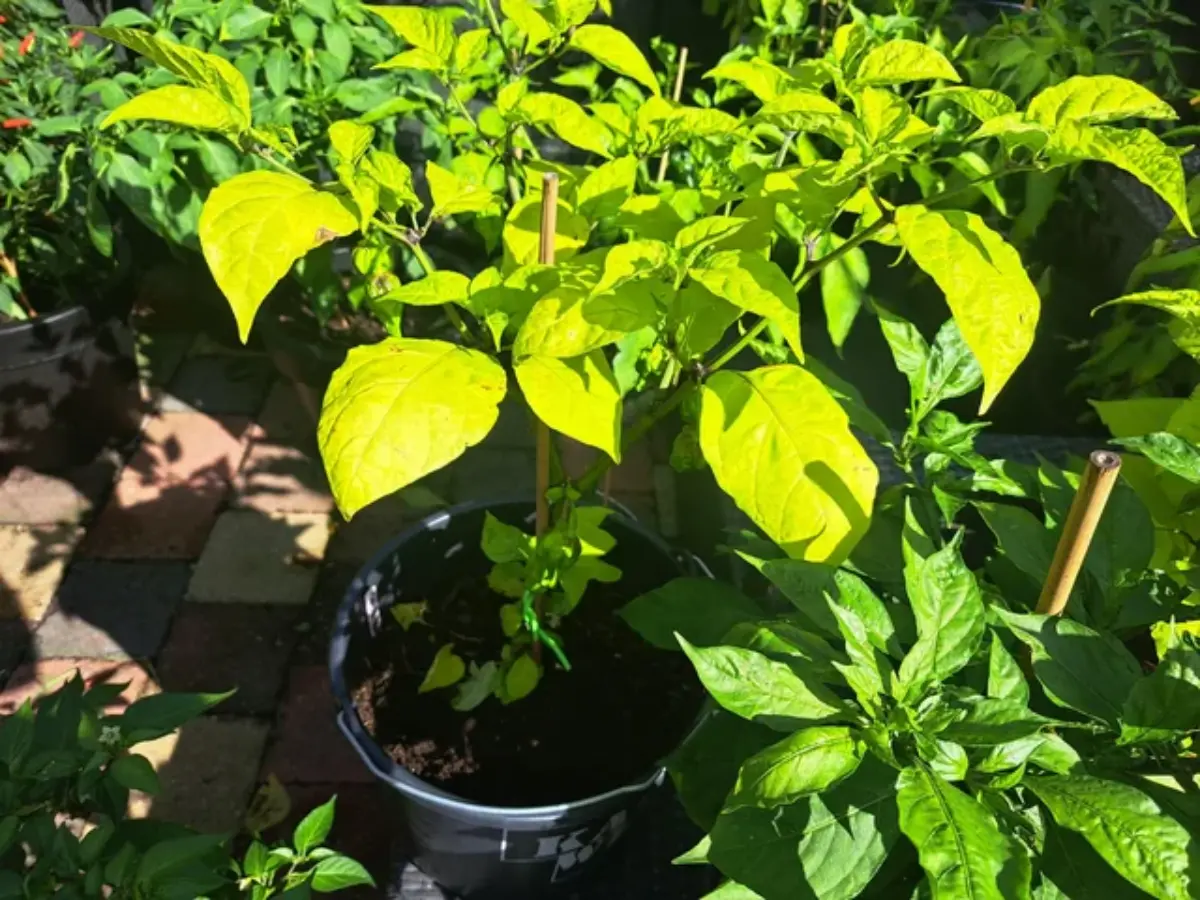
Watering is where most container gardeners run into trouble, but getting it right is simple once you know the secret. The golden rule is to let the soil dry out between waterings. Reapers hate “wet feet,” which quickly leads to yellowing leaves and root rot.
To test if your plant needs a drink, stick your finger about two inches deep into the potting mix. If it feels completely dry and powdery, it’s time to water. When you water, do it thoroughly—pour water evenly over the soil until it streams freely out of the drainage holes.
Pro-Tip for Maximum Heat: Once the plant establishes pods, letting it wilt just a tiny bit right before watering puts the plant under mild stress. This survival mechanism forces the pods to pump out even more capsaicin, making your peppers wildly hot!
Feeding
Because potted plants lose nutrients every time you water them, giving your Reaper a strategic nutritional boost is essential. However, you must change their diet as they grow:
-
Early Growth (Spring): Feed once every two weeks with a nitrogen-rich fertilizer (like fish emulsion) to build a thick, leafy framework.
-
Flowering & Fruiting (Summer): Switch to a low-nitrogen, high-phosphorus and potassium fertilizer (like a bone meal or tomato-specific blend). Too much nitrogen at this stage will give you a beautiful green bush but zero peppers!
-
The Secret Mineral: Peppers love magnesium and calcium. Add a tablespoon of Epsom salts dissolved in water once a month to prevent blossom end rot and keep leaves vibrant.
Pruning and Pinching
If you leave a Carolina Reaper to its own devices in a pot, it can grow as a tall, top-heavy stalk that easily tips over in the wind. If you want a thick, bushy, pod-heavy plant instead, pinching is your secret weapon.
-
Pinching Young Plants: When your young plant is around 6 inches tall and has a few sets of true leaves, pinch off the very top growing tip. This forces the plant to branch out into a sturdier, sturdier “Y” shape.
-
Clearing the Bottom: As the plant grows, prune away any leaves touching the soil. This prevents soil-borne diseases from splashing up onto the foliage.
Common Problems and How to Solve Them
Pests
Keep a sharp eye out for aphids, thrips, or spider mites, which love to congregate under the leaves or on tender new buds. You can easily manage these uninvited guests by blasting them off with a sharp stream of water or spraying the plant with an organic neem oil solution.
Blossom Drop and Yellow Leaves
Are your flowers falling off instead of turning into peppers? This “blossom drop” is usually caused by extreme heat fluctuations (temps over 90°F during the day or under 60°F at night) or overwatering. If the leaves are turning yellow, check your soil moisture immediately—9 times out of 10, it means you’re watering too often!
Slow-to-Ripen Peppers
Is your plant stuck in slow motion? Reaper pods can stay green for what feels like an eternity (sometimes up to 30 days!). Don’t panic. They require patience and sustained heat to transition from green to orange, and finally to that warning-label bright red.
Harvesting and Handling Reapers Safely
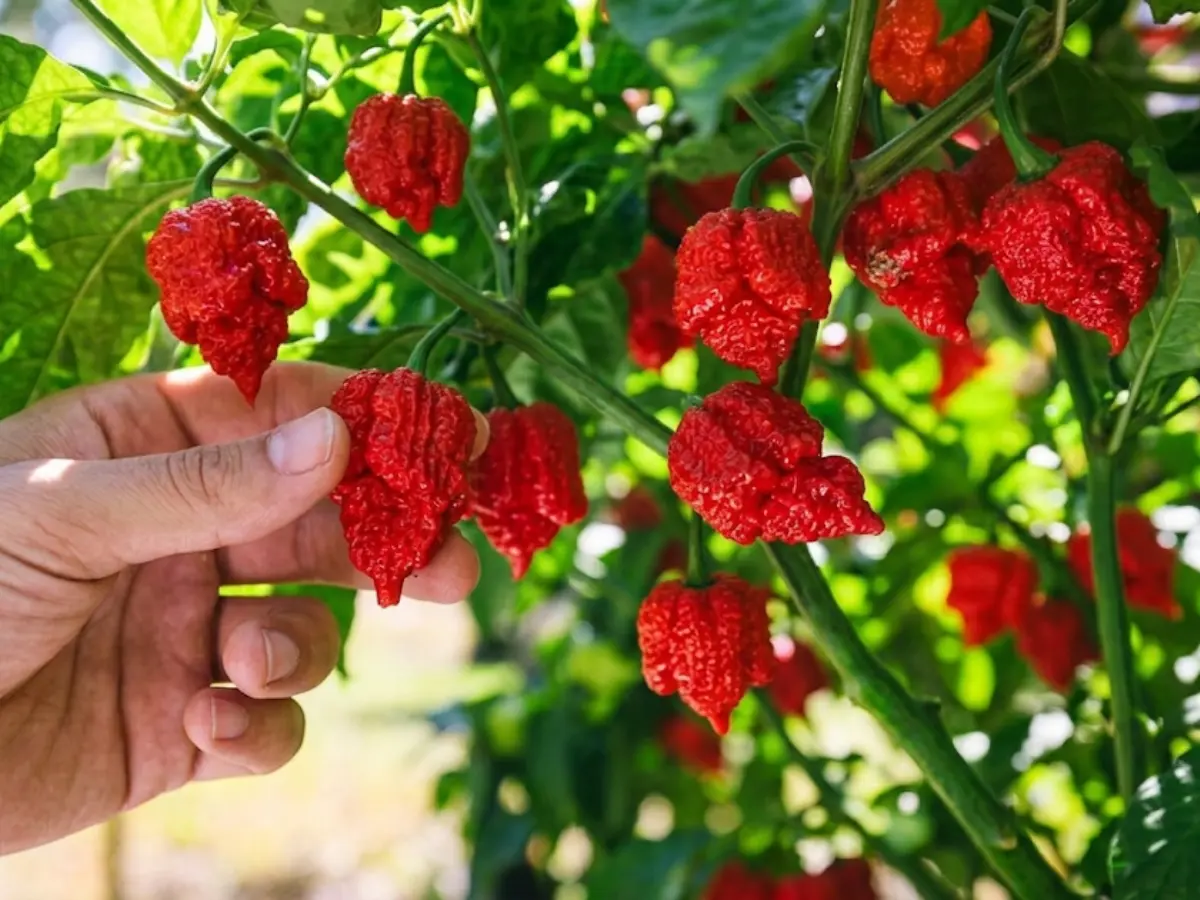
Once your peppers are completely red, slightly wrinkled, and sport that signature, wicked little scorpion tail, they are ready to harvest.
When and How to Harvest
Use sharp shears to snip the pepper stem away from the branch. Never tug or pull on the fruit directly, as this can easily snap the brittle branches of your potted plant.
How to Store Your Harvest
If you have a surplus after a successful summer, storing it correctly ensures your hard work doesn’t go to waste.
-
In the Fridge: Store fresh, unwashed peppers in a paper bag in the crisper drawer for up to two weeks.
-
In the Freezer: Wash, thoroughly dry, and pop whole Reapers into a heavy-duty freezer bag. They will keep their heat and flavor for up to six months.
-
Drying: Dehydrate them to make your own weaponized chili powder or flakes. Just be sure to run your dehydrator outdoors or in a garage, unless you want to accidentally tear-gas your own kitchen!
We are dealing with a pepper that can clear a room. When harvesting, cutting, or handling Carolina Reapers, always wear thick nitrile gloves and safety glasses. Do not touch your face, eyes, or skin. The oils (capsaicin) will stick to bare hands and cause excruciating chemical burns that soap and water cannot easily wash away.
Conclusion
Growing Carolina Reapers in pots is an incredibly rewarding, thrilling journey that brings a fierce taste of the tropics straight to your living space. By giving it maximum sunlight, keeping the soil on the drier side, and exercising patience during the long ripening phase, you’ll have a striking, fiery companion that commands respect.
So, are you ready to add the world’s ultimate heavyweight heat champ to your container garden? Happy gardening, protect your eyes, and may your harvest be blisteringly hot!
Frequently Asked Questions (FAQs)
Can I grow a Carolina Reaper plant fully indoors?
Yes, but you will need a powerhouse setup. A standard windowsill won’t cut it for the heat and light intensity a Reaper craves. You will need a high-quality, full-spectrum LED grow light running for 14–16 hours a day and a small fan to help with indoor pollination.
Why is my potted Reaper dropping all its leaves in winter?
If you brought your pot indoors for the winter, the plant is likely dropping leaves due to the sudden drop in humidity and light, or it is entering a semi-dormant state. Reduce your watering significantly, stop fertilizing, and wait for the spring warmth to trigger fresh growth.
How often should I repot my pepper plant?
If you start your plant in a small cup or starter pot, move it up once it doubles in size. However, once it reaches its final 5-gallon home, it can stay there comfortably for its entire life cycle.
Do I need to pollinate the flowers myself if the plant is on a balcony?
Peppers are self-pollinating, meaning each flower contains everything it needs to make a pod. Outside, the wind or bees do the work. If your balcony is completely shielded from the wind, or if you bring the plant indoors, simply give the main stem a gentle shake once a day to help drop the pollen inside the blossoms.
Can I keep my potted Carolina Reaper alive for multiple years?
Absolutely! Peppers are actually tropical perennials, not annuals. If you protect them from frost, bring them indoors for the winter (a process called “overwintering”), and prune them back, they can live and produce fiery pods for several years!
You may like:

How to Grow Arbequina Olive Trees: The Ultimate Guide to Your Own Olive Grove
Arbequina Olive Tree (Olea europaea ‘Arbequina’) – the ultimate Mediterranean plant that brings a touch [...]
Oct
Growing Garlic in Containers This Fall: A Complete Guide for Beginners
If you’ve ever wanted to pop fresh, aromatic garlic cloves straight from your own patio [...]
Sep
Growing Camellia Sinensis (Tea Plants) in Containers: A Complete Guide for Beginners
If you’ve ever wanted to sip a steaming, homegrown cup of fresh green, black, or [...]
Aug
6 Best Shrubs to Plant in August You Must Try
Have you ever walked through a nursery late in the summer, admired the vibrant shrubs [...]
Aug
Growing Everbearing Strawberries in Containers: A Complete Guide for Beginners
Want to grow sweet, fresh strawberries but do not have a large garden? Everbearing strawberries [...]
Aug
Growing Egyptian Walking Onions in Containers: A Complete Guide for Beginners
If you’re looking for a hardy, no-fuss perennial onion that keeps on giving year after [...]
Jul