









100 Egyptian Walking Onion Sets – Perennial Multiplier Tree Onions
Original price was: $29.86.$14.86Current price is: $14.86.
Cultivate delicious egyptian walking onion sets for a continuous harvest! These perennial onions are incredibly easy to grow, multiplying year after year. Enjoy fresh greens, bulbs, and bulbils from these unique multiplier onions.
Estimated arrival
Apr 07
Apr 12 - Apr 14
Apr 17 - Apr 21

Reasonable Price
We offer reasonable price

Support 24/7
Contact us 24 hrs a day

100% Money Back
You've 30 days to Return

Payment Secure
100% secure payment
Overview
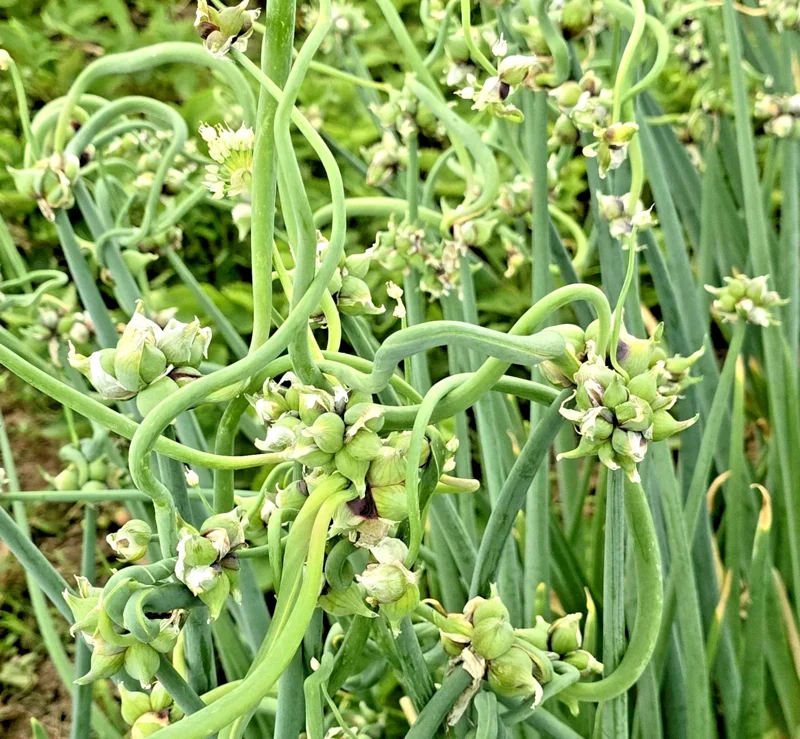
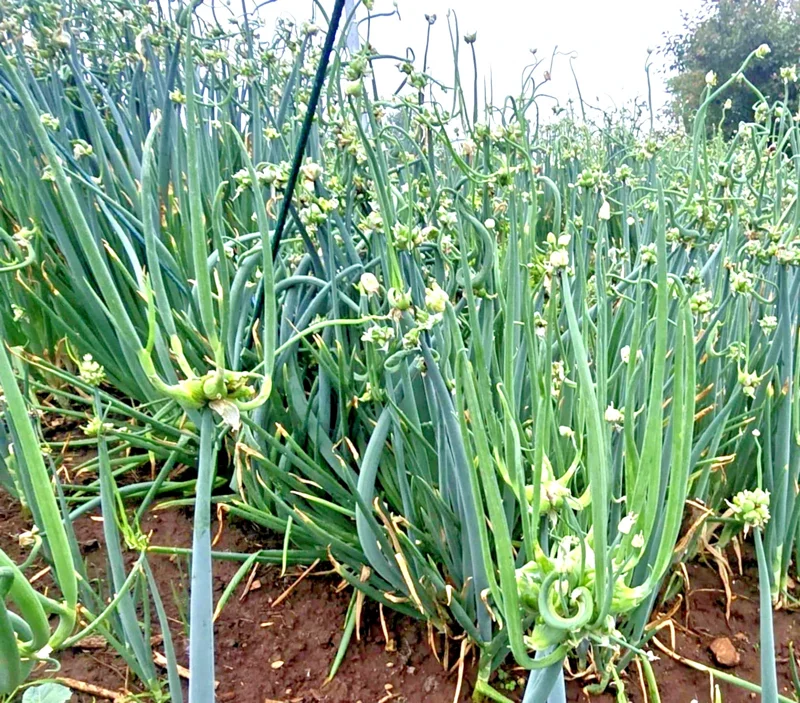
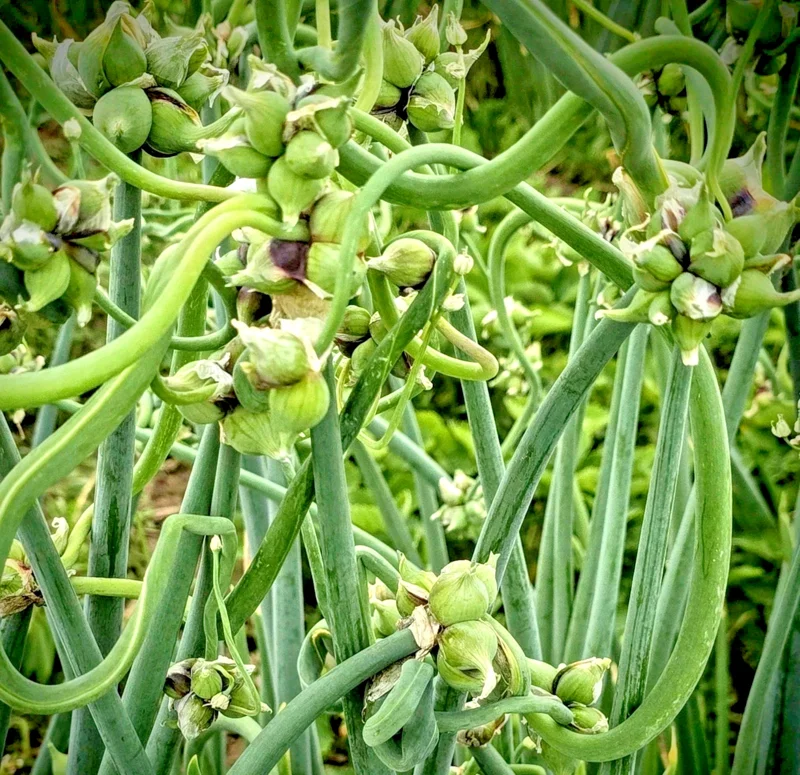
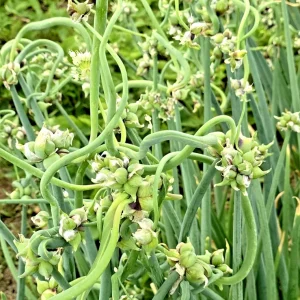
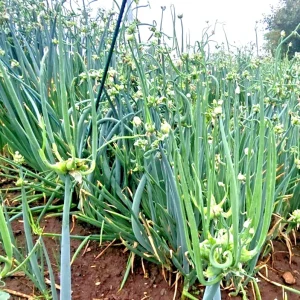
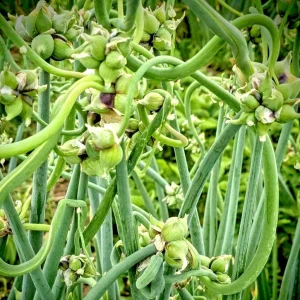
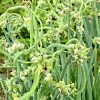
Discover the joy of growing your own sustainable food source with these egyptian walking onion sets. Also known as ‘tree onions’ or ‘top-setting onions’, these fascinating plants are a type of multiplier onion that produces small bulbils at the top of their stalks. Once mature, these bulbils will naturally bend over and root themselves, effectively ‘walking’ across your garden bed and creating new plants. This unique growth habit makes them an incredibly low-maintenance and long-lasting addition to any home garden. Unlike traditional onions, egyptian walking onion sets offer a continuous harvest of greens, small bulbs, and the distinctive top-sets, providing fresh flavor almost year-round in many climates. They are a true perennial, returning year after year with minimal effort.
Key Benefits
Embrace the many advantages of adding these versatile perennial onions to your landscape. They are a gardener’s delight, offering both culinary pleasure and ease of cultivation. Their self-propagating nature ensures a bountiful supply without constant replanting.
- Continuous Harvest: Enjoy fresh green tops from early spring through fall, and harvest the underground bulbs or top-sets as needed. These multiplier onions provide food almost year-round.
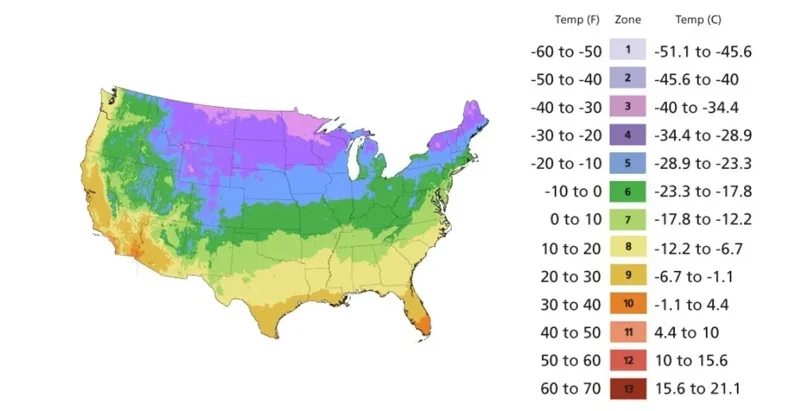
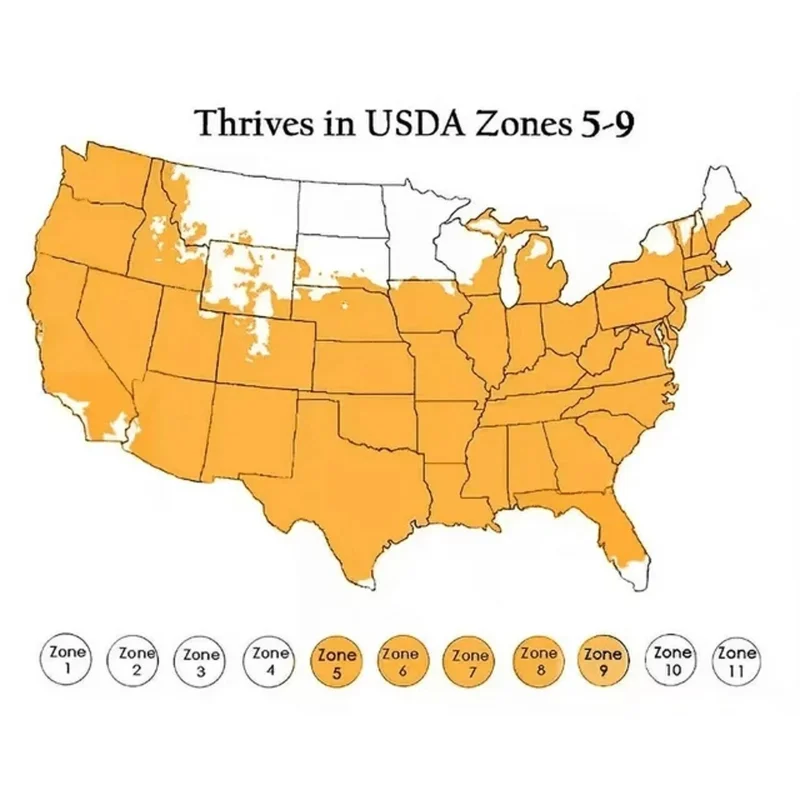
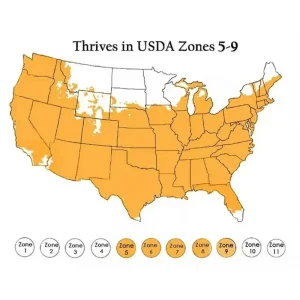
- Exceptional Hardiness: Extremely cold-resistant and drought-tolerant, these onions thrive in a wide range of climates (USDA Zones 2-9), making them a reliable choice for diverse gardens.
- Low Maintenance: Once established, egyptian walking onion sets require minimal care. They are resistant to many pests and diseases, simplifying your gardening tasks.
- Space-Saving Growth: Their unique ‘walking’ habit allows them to spread naturally, filling garden spaces efficiently without becoming invasive if managed.
- Versatile Culinary Use: Both the green tops and the small bulbs (and bulbils) can be used in cooking, offering a mild onion flavor perfect for salads, stir-fries, and garnishes.
- Easy Propagation: The self-setting nature of these tree onions means you can easily expand your patch or share them with friends, ensuring a lasting legacy in your garden.
- Soil Improvement: Like many alliums, they can help deter certain pests from neighboring plants, contributing to a healthier garden ecosystem.
Plant Care & Growing Tips
Caring for your egyptian walking onion sets is remarkably straightforward, making them ideal for both novice and experienced gardeners. These resilient plants prefer a location with full sun to partial sun exposure, meaning at least 6 hours of direct sunlight per day for optimal growth. They are highly adaptable to various soil types, from chalk to clay, loam, peat, sand, and silt, but they truly thrive in well-draining soil with a neutral pH. Ensure good drainage to prevent rot, especially in heavier clay soils. For watering, they prefer medium moisture; avoid waterlogging but don’t let the soil dry out completely for extended periods.
These perennial onions are incredibly cold hardy, tolerating harsh winters and thriving in USDA Zones 2-9. They are fast-growing and will multiply each year, providing a continuous supply. Fertilization is generally not heavily required, but a balanced organic fertilizer in early spring can boost growth. Plant your sets with the pointed end facing up, about 2-3 inches deep and 6-12 inches apart. Common problems are rare, but ensure good air circulation to prevent fungal issues. Regular harvesting of greens and bulbils can encourage new growth and prevent overcrowding. Understanding the basic needs for walking onions care will ensure a flourishing patch year after year.
Size & Details
This offering includes 100 high-quality egyptian walking onion sets, ready to plant directly into your garden. These sets are small bulbs or bulbils, typically ranging from 0.5 to 1 inch in diameter, which are the propagating units of these unique plants. They will quickly establish themselves and begin producing green tops, followed by their distinctive top-sets. Expect fast growth, with plants reaching an average height of 18-36 inches. The plants are perennial, meaning they will return each year and multiply, increasing your harvest over time. They are suitable for both indoor and outdoor cultivation, though outdoor planting is recommended for maximizing their ‘walking’ potential and yield. With proper walking onions care, you’ll have a self-sustaining patch for years.
Frequently Asked Questions
- Q: How big do these egyptian walking onion sets get? A: The plants typically grow to a height of 18 to 36 inches. The individual bulbs that form underground are usually small, while the top-sets (bulbils) are pea-sized to marble-sized.
- Q: Is this an indoor or outdoor plant? A: While they can be grown indoors in containers, perennial onions like these are best suited for outdoor cultivation where their ‘walking’ propagation habit can be fully realized and they can benefit from natural light and space.
- Q: How much sunlight do these multiplier onions need? A: They thrive in full sun, requiring at least 6 hours of direct sunlight per day. They can tolerate partial sun, but growth and bulb production may be reduced.
- Q: Is this plant easy to care for? Is it good for beginners? A: Yes, tree onions are renowned for being very easy to grow and are an excellent choice for beginners. They are hardy, self-propagating, and require minimal attention once established.
- Q: What condition will the egyptian walking onion sets arrive in? A: Your 100 onion sets will arrive as dormant, ready-to-plant bulbs or bulbils, carefully packaged to ensure their health and vitality upon arrival.
- Q: When is the best time to plant these perennial onions? A: They can be planted in early spring or late fall. Fall planting allows them to establish roots before winter and emerge vigorously in spring.
- Q: What’s the recommended walking onions care for winter? A: These plants are very cold hardy (USDA Zones 2-9) and generally require no special winter care. The tops may die back, but the underground bulbs will survive and resprout in spring.
- Q: Can I use the top-sets in cooking? A: Absolutely! The small bulbils that form at the top of the stalks are edible and have a mild onion flavor. They can be used fresh in salads, stir-fries, or pickled.
- Q: How quickly do they multiply? A: Multiplier onions live up to their name! Once established, they will produce new plants from both underground bulbs and top-sets, expanding your patch noticeably each year.
- Q: What type of soil is best for these onions? A: While adaptable, they prefer well-draining soil with a neutral pH. Amending heavy clay soils with compost can improve drainage and overall plant health.
Be the first to review “100 Egyptian Walking Onion Sets – Perennial Multiplier Tree Onions”
-
USDA Hardiness Zone
2-9 -
Soil Type
Well-draining, adaptable to most types -
Sunlight Exposure
Full Sun to Medium Sun -
Expected Planting Period
Spring to Fall
People Also Viewd
Sold 128 products
Original price was: $89.99.$64.99Current price is: $64.99.
Sold 128 products
Original price was: $27.00.$24.00Current price is: $24.00.
Sold 127 products
Original price was: $159.99.$139.99Current price is: $139.99.
Sold 126 products
Original price was: $3,536.00.$23.99Current price is: $23.99.

Sold 125 products
Original price was: $86.99.$66.99Current price is: $66.99.
Sold 116 products
Original price was: $27.99.$16.99Current price is: $16.99.
Flower Bulbs
3 Cranesbill Wild Geranium Organic Maculatums Bare Roots | Wildflower for Outdoor Garden
Sold 114 products
Original price was: $21.99.$6.99Current price is: $6.99.
Sold 114 products
Original price was: $28.99.$17.99Current price is: $17.99.RELATED posts
Mastering Esperanza Goldstar: Grow the Ultimate Yellow Bloom
Esperanza Goldstar is more than just a heat-tolerant shrub; for the American gardener battling the [...]
Apr
Yellow Dragon Fruit Plant Care: The Ultimate Guide for Healthy Growth
The yellow dragon fruit plant is a unique and rewarding addition to any home garden, [...]
Apr
How to Identify Bocking 14 Comfrey: 5 Simple Visual Signs
If you’re growing comfrey for mulch, compost, or animal feed, knowing exactly which variety you [...]
Mar
Grand Duke of Tuscany Jasmine: The Ultimate Guide to Growing a Fragrant Masterpiece
Have you ever caught a scent in the air so rich, creamy, and honey-sweet that [...]
Mar
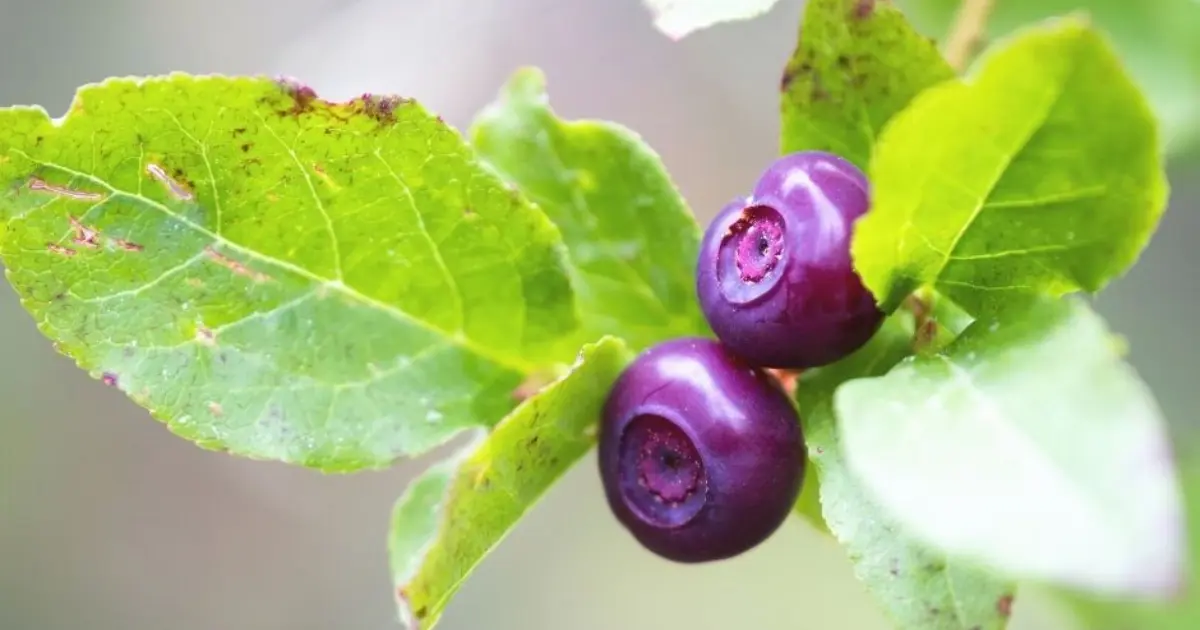
How to Grow Wild Huckleberries: A Guide to “Purple Gold”
Have you ever spent a summer afternoon hiking through the Pacific Northwest or the Rocky [...]
Mar
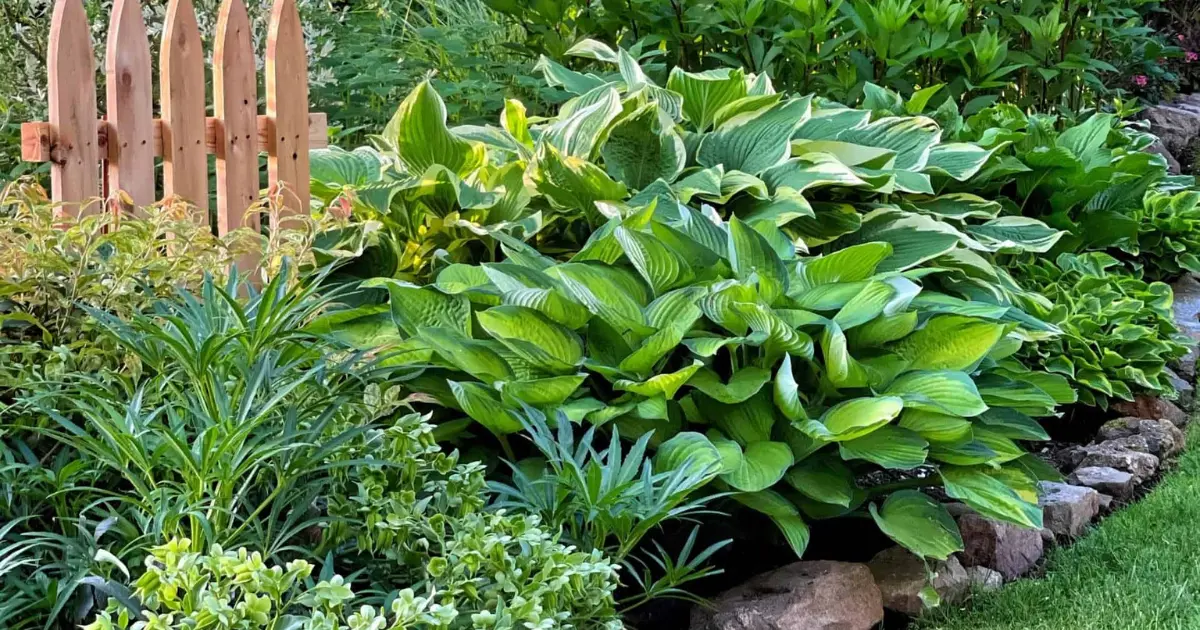
5 Best Shade-Loving Perennials for a Lush, Vibrant Garden
The world of gardening often shines a spotlight on sun-drenched blossoms, but there is a [...]
Mar

7 Common Curry Leaf Plant Problems: Easy Fixes for a Thriving Plant
Is your curry leaf plant looking a bit sad lately? Maybe you woke up to [...]
Mar
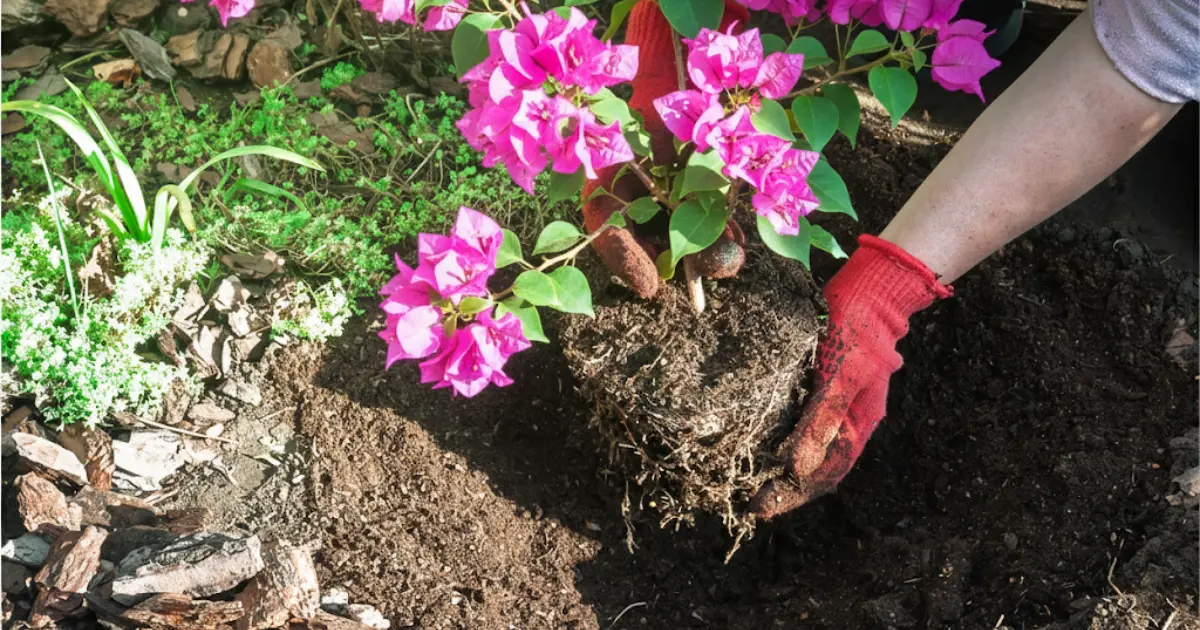
Best Time to Plant Bougainvillea: Timing for Vibrant Blooms
If you’re looking for a hardy tropical vine that delivers a riot of neon color, [...]
Feb

Reviews
There are no reviews yet.