




100 Lily of the Valley Sourwood Tree Seeds (Oxydendrum arboreum) – Honey Bee Tree
Original price was: $22.01.$7.01Current price is: $7.01.
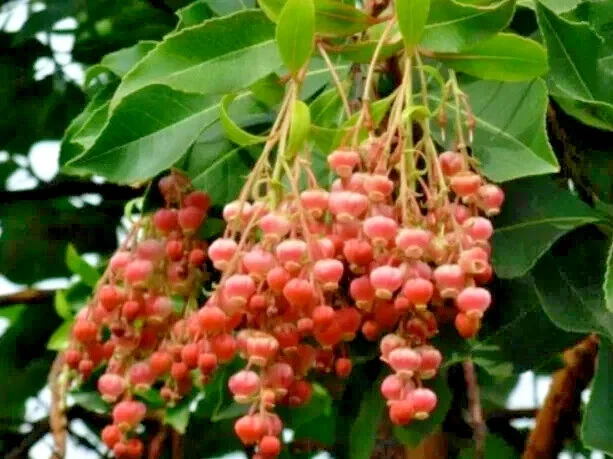
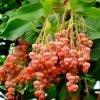
Cultivate a stunning Sourwood tree in your garden with this pack of 100 Lily of the Valley Sourwood Tree Seeds. Known scientifically as Oxydendrum arboreum seeds, these seeds will grow into a beautiful deciduous tree offering seasonal interest and attracting beneficial pollinators. Often called a Honey Bee Tree seeds for its nectar-rich flowers, it’s a wonderful addition to any landscape.
Estimated arrival
Apr 07
Apr 12 - Apr 14
Apr 17 - Apr 21

Reasonable Price
We offer reasonable price

Support 24/7
Contact us 24 hrs a day

100% Money Back
You've 30 days to Return

Payment Secure
100% secure payment
Overview
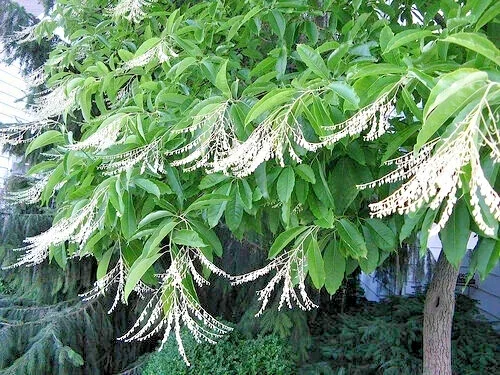
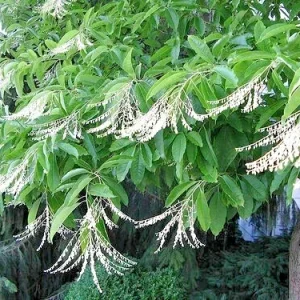
Embark on a rewarding gardening journey with our premium pack of 100 Lily of the Valley Sourwood Tree Seeds. These high-quality Sourwood tree seeds, derived from the magnificent Oxydendrum arboreum, promise to transform your outdoor space into a haven of natural beauty and ecological activity. The Sourwood tree is a deciduous tree renowned for its elegant form, brilliant fall foliage, and delicate, fragrant white flowers that resemble lily of the valley blooms. It’s truly a spectacle throughout the seasons, offering visual interest from spring to winter. Each seed is carefully selected to ensure viability, providing you with the best possible start for cultivating this unique and beloved tree.
Known affectionately as the Honey Bee Tree, this species is a vital resource for pollinators, particularly honey bees, which produce a highly prized, light-colored honey from its nectar. Planting these Honey Bee Tree seeds contributes to local ecosystems by supporting bee populations and enhancing biodiversity. The tree’s moderate growth rate and adaptability to various climates make it a popular choice for both seasoned gardeners and those new to tree cultivation. With proper care, these seeds will germinate and grow into robust trees that provide shade, beauty, and ecological benefits for decades to come.
Key Benefits
The Sourwood tree offers a multitude of benefits, making it an excellent choice for any garden or landscape. Its distinctive features contribute to both aesthetic appeal and environmental health.
- Stunning Seasonal Beauty: Enjoy a dynamic display throughout the year. In summer, graceful white flower clusters adorn the tree, followed by brilliant red, purple, and yellow foliage in the fall. These flowering tree seeds ensure a vibrant addition to your landscape.
- Pollinator Attractor: As a prime source of nectar, particularly for honey bees, the Sourwood tree is essential for supporting local pollinator populations. Planting these Oxydendrum arboreum seeds helps foster a healthy ecosystem.
- Unique Honey Production: The nectar from Sourwood flowers produces a highly sought-after, delicious honey, often considered a gourmet specialty.
- Deciduous Charm: As a deciduous tree seeds, it offers a distinct charm, providing shade in summer and allowing sunlight through in winter, while showcasing its intricate branch structure.
- Low Maintenance: Once established, Sourwood trees are relatively low maintenance, requiring minimal intervention to thrive, making them suitable for various gardening skill levels.
- Cold Resistant: These trees exhibit good cold resistance, making them suitable for a wide range of temperate climates.
Plant Care & Growing Tips
Growing a Sourwood tree from these Sourwood tree seeds requires attention to specific conditions to ensure successful germination and healthy growth. Begin by cold stratifying the seeds for 60-90 days. This process mimics natural winter conditions and helps break dormancy. After stratification, sow the seeds in well-draining soil, typically in the spring. A mix of peat moss and perlite or a sandy loam is ideal. Ensure the soil remains consistently moist but not waterlogged to prevent rot.
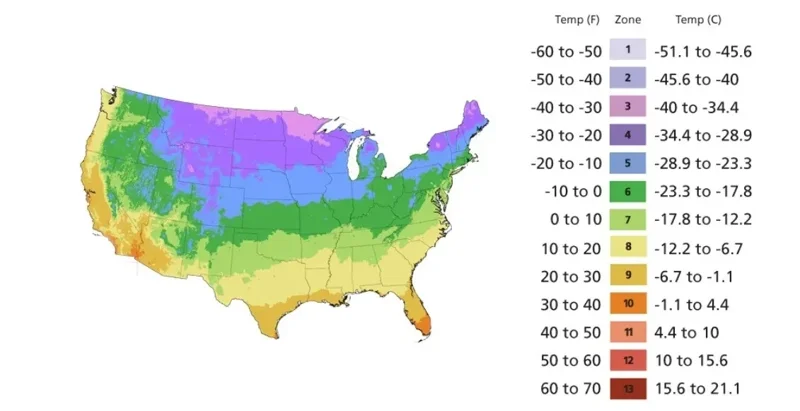
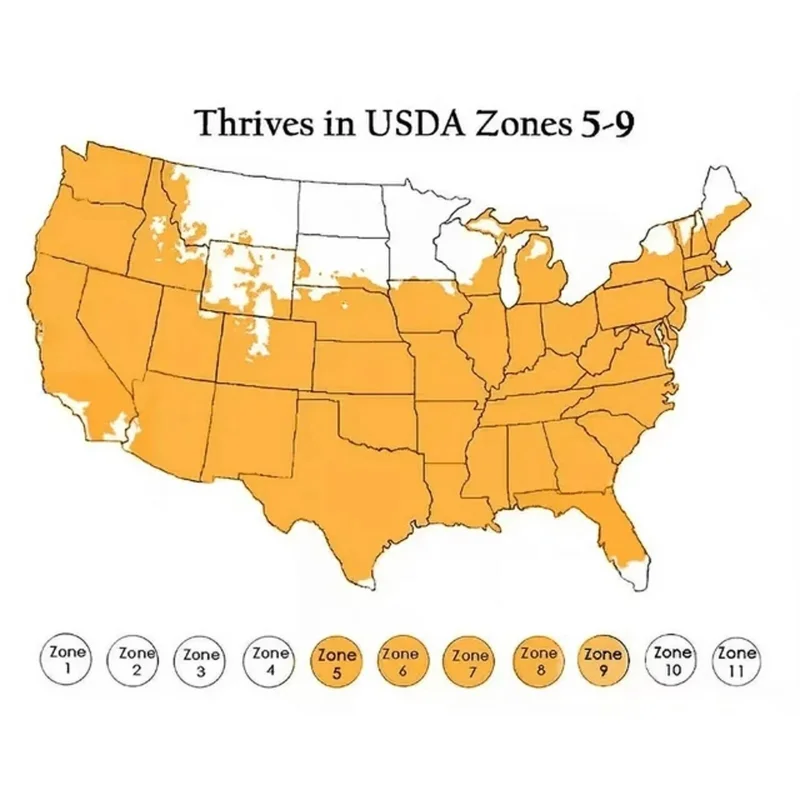
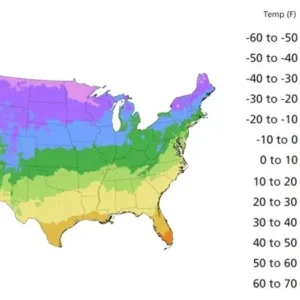
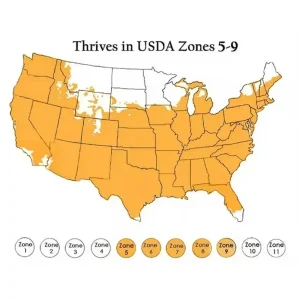
For optimal growth, Oxydendrum arboreum thrives in full sun to partial shade. Young trees benefit from some afternoon shade in hotter climates. Once established, they are moderately drought-tolerant but perform best with medium watering, especially during dry spells. Fertilize sparingly with a balanced, slow-release fertilizer in spring, avoiding over-fertilization which can harm the tree. These trees are generally hardy in USDA zones 5-9. Protect young seedlings from harsh winter winds and extreme summer heat. Proper care will help your Honey Bee Tree seeds develop into a magnificent specimen.
Size & Details
This offering includes 100 Lily of the Valley Sourwood Tree Seeds, providing ample opportunity to cultivate multiple trees or share with fellow gardening enthusiasts. Sourwood trees typically grow to a height of 20-30 feet, with some specimens reaching up to 50 feet in ideal conditions. They develop a spread of 15-20 feet, creating a beautiful, pyramidal to oval shape. The growth rate is moderate, usually adding 12-24 inches per year. These deciduous tree seeds will produce trees that mature over several years, offering long-term beauty.
The seeds are harvested fresh for optimal viability. Sourwood trees prefer slightly acidic, well-draining soil. They are shipped as dry seeds, ready for stratification and planting. Expect germination to occur within several weeks after proper stratification and planting. The first blooms typically appear once the tree has reached a certain maturity, usually after 5-7 years, providing a delightful display of white, lily-of-the-valley-like flowers that attract pollinators and birds. Your investment in these flowering tree seeds will reward you with a magnificent and ecologically beneficial tree.
Frequently Asked Questions
- Q: How big does a Sourwood tree get? A: A Sourwood tree typically reaches a height of 20-30 feet with a spread of 15-20 feet, though some can grow taller in optimal conditions.
- Q: What size pot does it come in? A: This product contains 100 Lily of the Valley Sourwood Tree Seeds, which are shipped as dry seeds and do not come in a pot.
- Q: Is this an indoor or outdoor plant? A: The Sourwood tree (Oxydendrum arboreum) is an outdoor tree, best suited for landscaping in gardens and yards.
- Q: How much sunlight does it need? A: Sourwood trees thrive in full sun to partial shade, with young trees benefiting from some protection from intense afternoon sun.
- Q: Is this plant easy to care for? A: Once established, Sourwood tree seeds grow into trees that are relatively low maintenance. The primary care involves proper initial planting and stratification of the seeds.
- Q: How long until it blooms? A: Sourwood trees typically begin to bloom after 5-7 years of growth, producing delicate white flowers from these flowering tree seeds.
- Q: Will it survive winter in my zone? A: Sourwood trees are cold resistant and generally hardy in USDA Zones 5-9.
- Q: What’s the minimum temperature it can tolerate? A: These trees can tolerate temperatures down to approximately -20°F (-29°C) once mature.
- Q: What is a Honey Bee Tree? A: The Sourwood tree is often called a Honey Bee Tree because its abundant, nectar-rich flowers are a favorite food source for honey bees, which produce a unique honey from them.
- Q: What is the best time to plant these deciduous tree seeds? A: After cold stratification, the best time to plant Sourwood tree seeds is in early spring, after the last frost.
Be the first to review “100 Lily of the Valley Sourwood Tree Seeds (Oxydendrum arboreum) – Honey Bee Tree”
-
USDA Hardiness Zone
USDA Zones 5-9 -
Soil Type
Well-draining, acidic soil -
Sunlight Exposure
Full sun to partial shade -
Expected Planting Period
Spring, after cold stratification
People Also Viewd


Sold 128 products
Original price was: $89.99.$64.99Current price is: $64.99.

Sold 128 products
Original price was: $27.00.$24.00Current price is: $24.00.
Sold 127 products
Original price was: $159.99.$139.99Current price is: $139.99.

Sold 126 products
Original price was: $3,536.00.$23.99Current price is: $23.99.

Sold 125 products
Original price was: $86.99.$66.99Current price is: $66.99.
Sold 116 products
Original price was: $27.99.$16.99Current price is: $16.99.

Flower Bulbs
3 Cranesbill Wild Geranium Organic Maculatums Bare Roots | Wildflower for Outdoor Garden
Sold 114 products
Original price was: $21.99.$6.99Current price is: $6.99.

Sold 114 products
Original price was: $28.99.$17.99Current price is: $17.99.RELATED posts
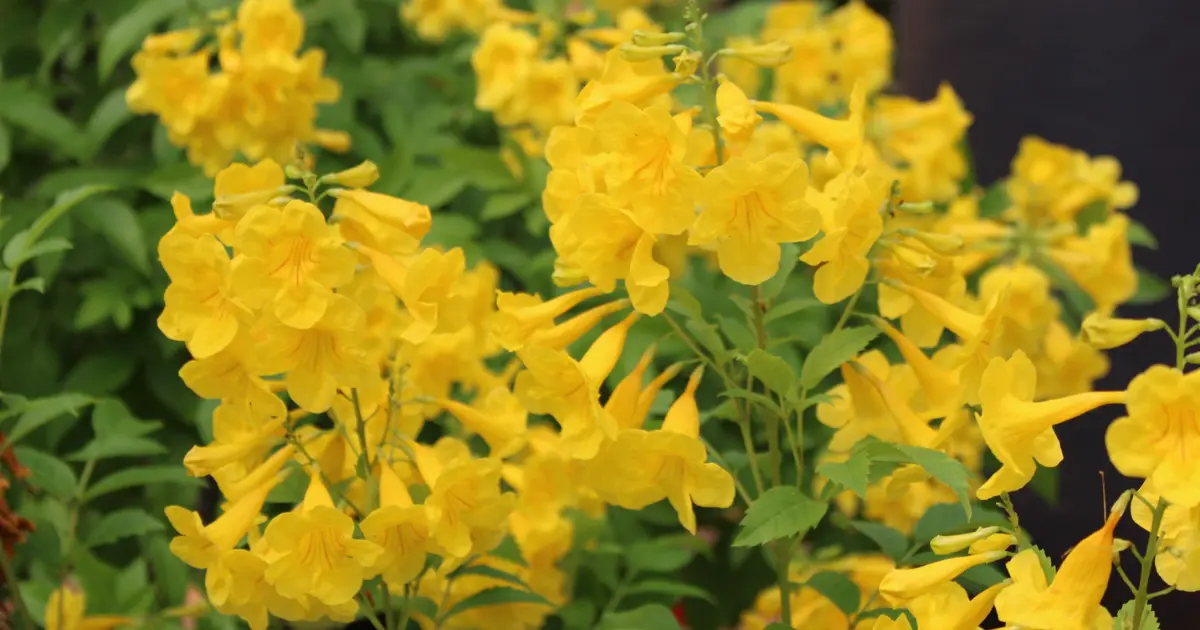
Mastering Esperanza Goldstar: Grow the Ultimate Yellow Bloom
Esperanza Goldstar is more than just a heat-tolerant shrub; for the American gardener battling the [...]
Apr
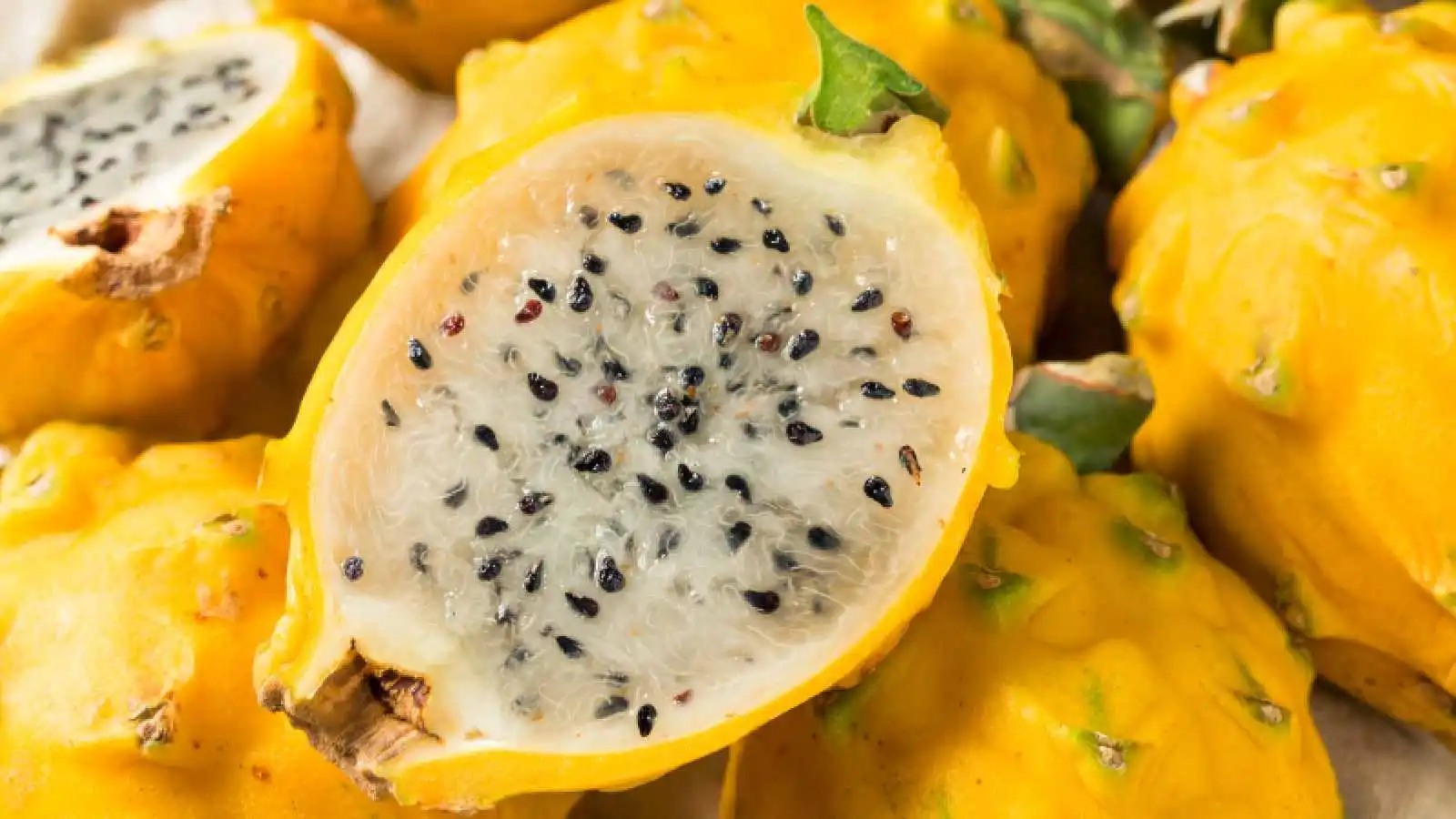
Yellow Dragon Fruit Plant Care: The Ultimate Guide for Healthy Growth
The yellow dragon fruit plant is a unique and rewarding addition to any home garden, [...]
Apr
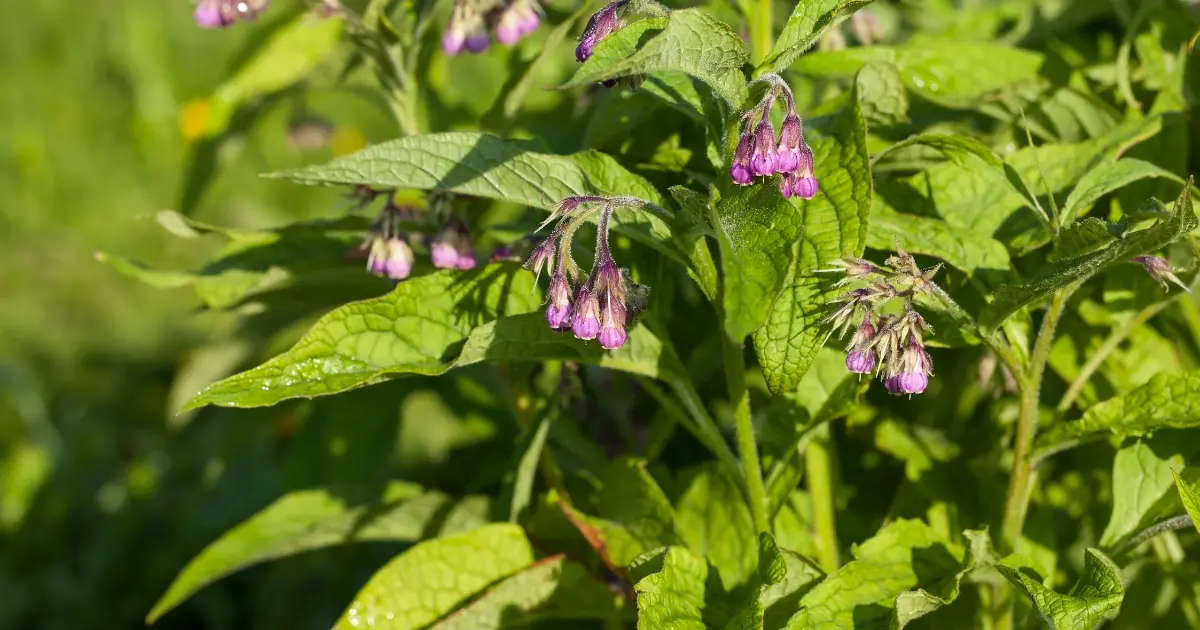
How to Identify Bocking 14 Comfrey: 5 Simple Visual Signs
If you’re growing comfrey for mulch, compost, or animal feed, knowing exactly which variety you [...]
Mar
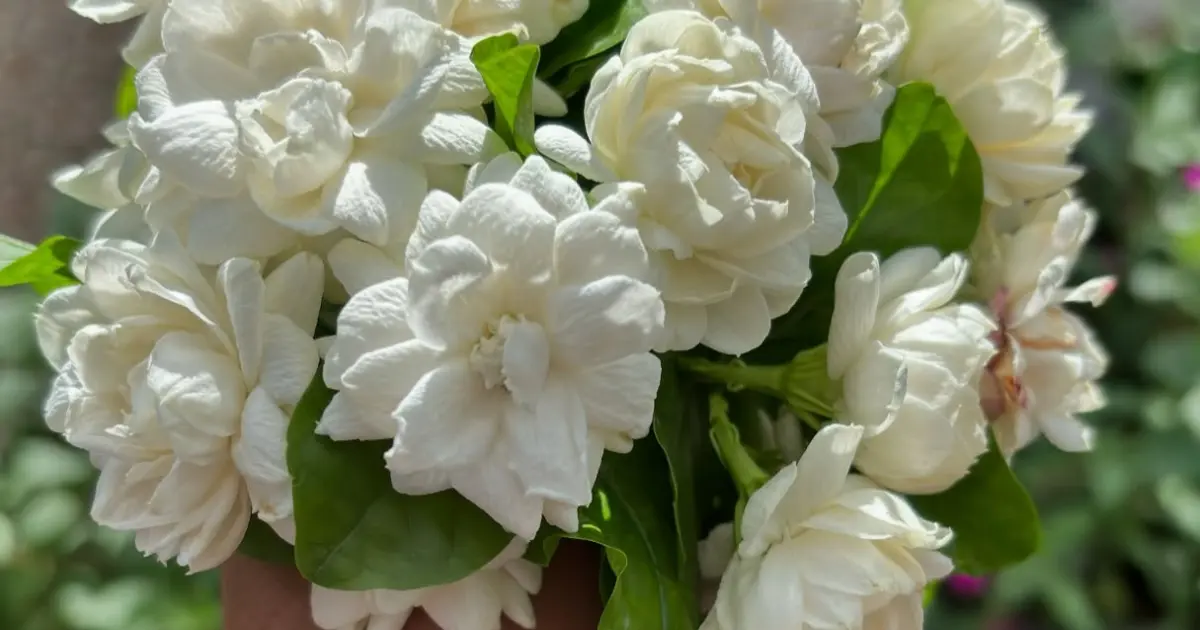
Grand Duke of Tuscany Jasmine: The Ultimate Guide to Growing a Fragrant Masterpiece
Have you ever caught a scent in the air so rich, creamy, and honey-sweet that [...]
Mar
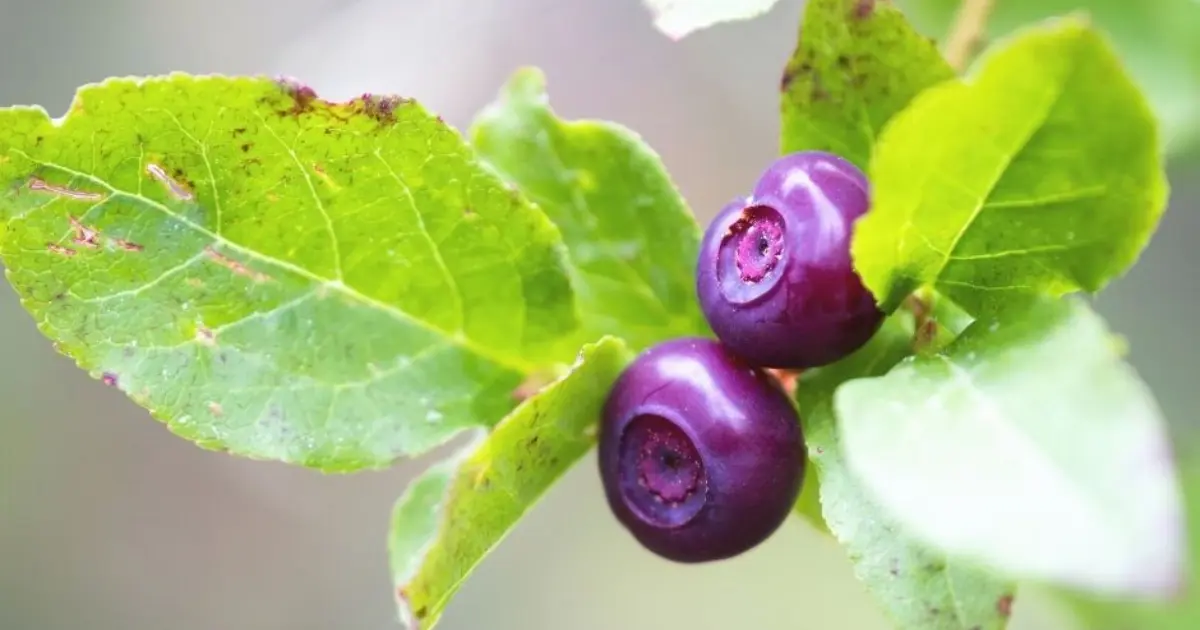
How to Grow Wild Huckleberries: A Guide to “Purple Gold”
Have you ever spent a summer afternoon hiking through the Pacific Northwest or the Rocky [...]
Mar
5 Best Shade-Loving Perennials for a Lush, Vibrant Garden
The world of gardening often shines a spotlight on sun-drenched blossoms, but there is a [...]
Mar

7 Common Curry Leaf Plant Problems: Easy Fixes for a Thriving Plant
Is your curry leaf plant looking a bit sad lately? Maybe you woke up to [...]
Mar
Best Time to Plant Bougainvillea: Timing for Vibrant Blooms
If you’re looking for a hardy tropical vine that delivers a riot of neon color, [...]
Feb
Reviews
There are no reviews yet.