
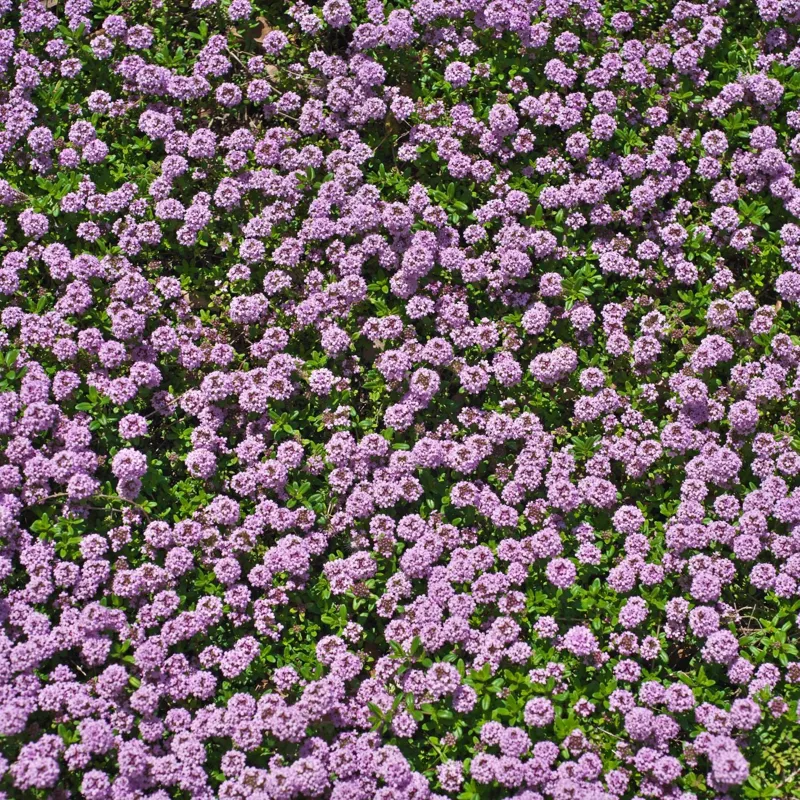

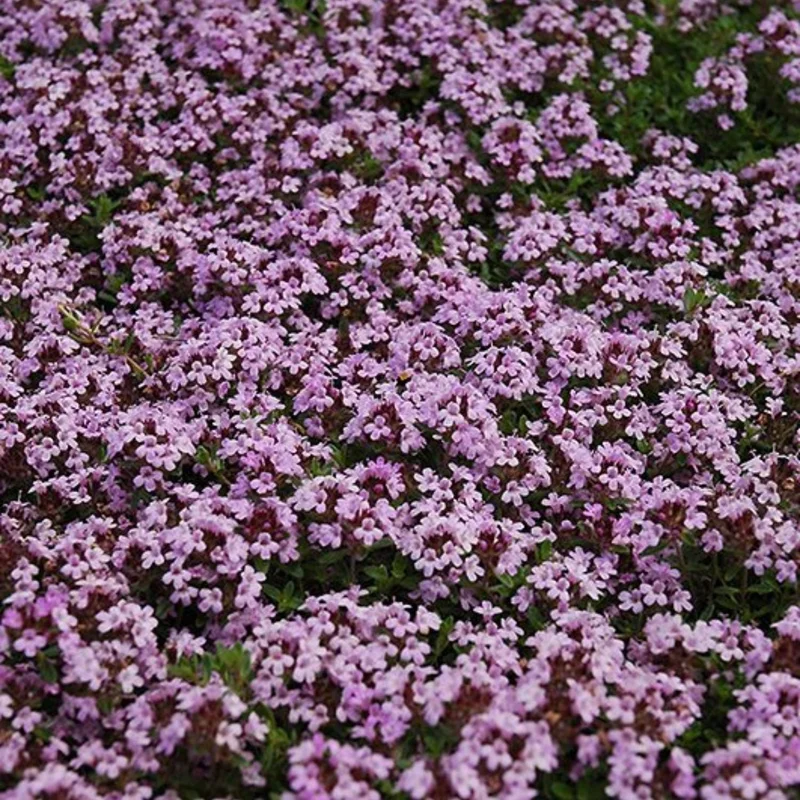
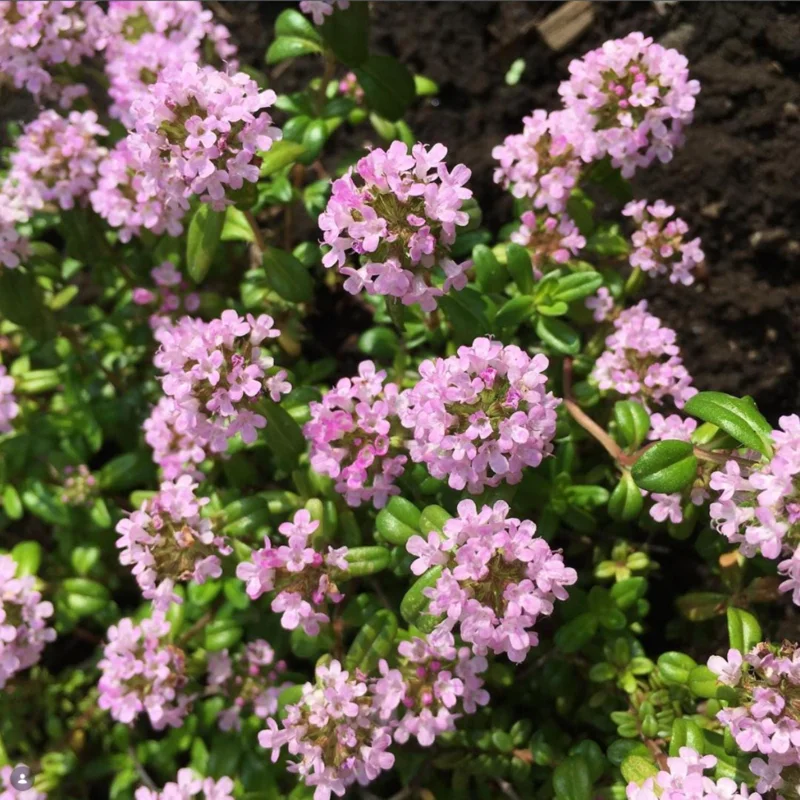
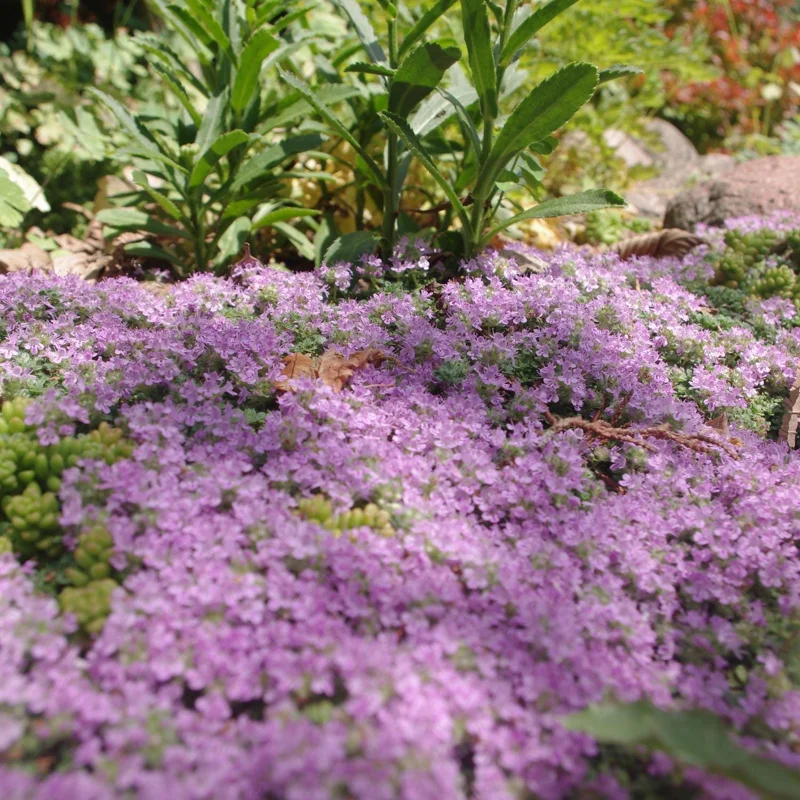

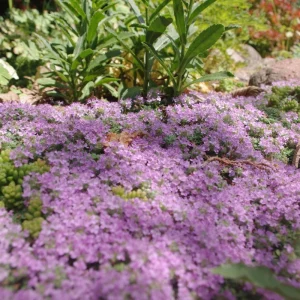
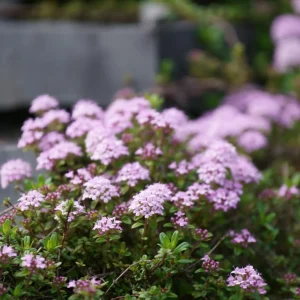
100 Red Creeping Thyme Seeds – Perennial Ground Cover Plant Seeds
Original price was: $39.27.$14.27Current price is: $14.27.
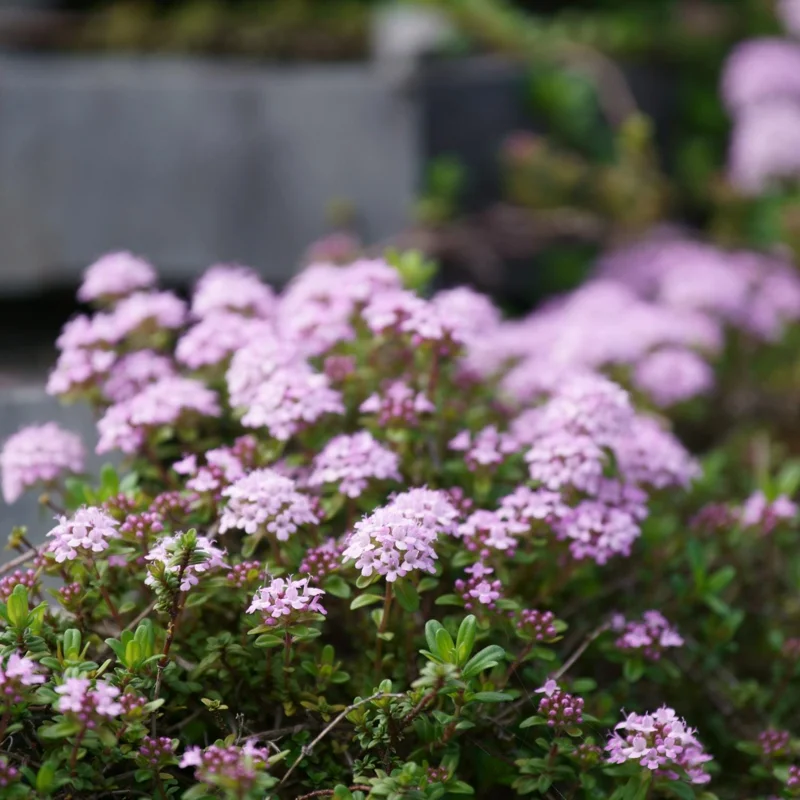
Cultivate a vibrant, low-maintenance garden with 100 Red Creeping Thyme Seeds. These perennial seeds grow into beautiful, fragrant ground cover plants, ideal for pathways, rock gardens, and borders. Enjoy their fine texture and subtle aroma.
Estimated arrival
Apr 07
Apr 12 - Apr 14
Apr 17 - Apr 21

Reasonable Price
We offer reasonable price

Support 24/7
Contact us 24 hrs a day

100% Money Back
You've 30 days to Return

Payment Secure
100% secure payment
Overview
Transform your landscape with these premium red creeping thyme seeds. Known for its low-growing habit and fine texture, creeping thyme (Thymus serpyllum) is a popular choice for gardeners seeking a beautiful and practical ground cover. This variety produces charming red-hued flowers, creating a stunning visual display. Each packet contains 100 Red Creeping Thyme Seeds, providing ample opportunity to establish a lush, fragrant carpet in your garden. Ideal for filling in spaces between pavers, adorning rock gardens, or creating soft borders, creeping thyme is a versatile herb plant that offers both aesthetic appeal and a delightful subtle fragrance. It’s an excellent solution for areas where you desire greenery but prefer a low-maintenance option that can withstand light foot traffic.
Creeping thyme ground cover is celebrated for its resilience and adaptability, thriving in various conditions once established. Beyond its ornamental value, the plant is also a magnet for pollinators, contributing to the biodiversity of your garden. Whether you’re a seasoned gardener or just starting, these seeds offer a rewarding experience, culminating in a beautiful and aromatic garden feature that enhances any outdoor space.
Key Benefits
Growing red creeping thyme seeds offers a multitude of advantages for your garden and lifestyle. This resilient plant is not only beautiful but also provides several practical benefits:
-
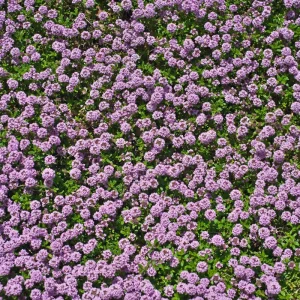
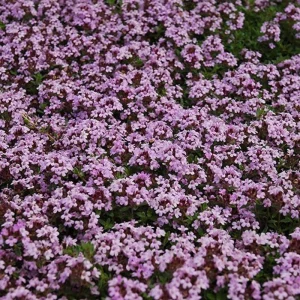
Excellent Ground Cover: Forms a dense, mat-like carpet that suppresses weeds and reduces soil erosion, making it perfect for pathways, rock gardens, and slopes. Its low-growing nature ensures it won’t overshadow other plants.
-
Drought Tolerant: Once established, creeping thyme ground cover is highly drought-resistant, requiring minimal watering. This makes it an eco-friendly choice for water-wise gardening and reduces maintenance efforts.
-
Fragrant Foliage: Release a pleasant, subtle aroma when brushed or walked upon, adding an sensory dimension to your garden experience. The fragrance is often described as earthy and herbaceous.
-
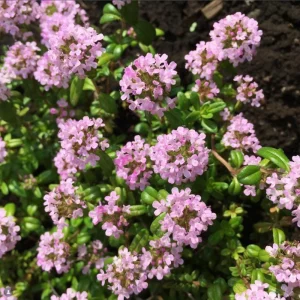
Attracts Pollinators: The small, vibrant red flowers are a favorite of bees and other beneficial insects, supporting local ecosystems and encouraging pollination for other plants in your garden.
-
Low Maintenance: Requires very little care once established, making it ideal for busy gardeners. It generally doesn’t need pruning, fertilizing, or pest control, allowing you more time to enjoy your garden.
-
Versatile & Hardy: Thrives in a variety of conditions and can be used in numerous garden designs, from formal borders to naturalistic landscapes. It’s also cold-hardy, returning year after year.
-
Erosion Control: Its widespread root system helps to stabilize soil on slopes and embankments, preventing erosion and maintaining the integrity of your garden beds.
Plant Care & Growing Tips
Successfully growing red creeping thyme seeds is a straightforward process, making it an excellent choice for gardeners of all experience levels. To ensure optimal growth, start by selecting a sunny location. Creeping thyme thrives in full sun, meaning at least 6 hours of direct sunlight per day. While it can tolerate some partial shade, too little light may result in leggy growth and fewer blooms. Good air circulation is also beneficial to prevent fungal issues.
When it comes to soil, perennial thyme seeds prefer well-draining soil. Sandy or gravelly soil types are ideal. Avoid heavy clay soils that retain too much moisture, as this can lead to root rot. If your soil is heavy, amend it with sand or grit to improve drainage. The ideal pH for creeping thyme is slightly acidic to neutral, between 6.0 and 7.0. Water newly sown seeds regularly to keep the soil consistently moist until germination occurs. Once seedlings are established, they are quite drought-tolerant and require infrequent watering. Allow the soil to dry out completely between waterings to prevent overwatering, which is the most common cause of failure for this plant. For the best results on how to grow creeping thyme, consider planting in spring after the last frost.
Creeping thyme generally does not require much fertilization. If your soil is particularly poor, a light application of a balanced, slow-release granular fertilizer in spring can be beneficial, but over-fertilizing can lead to excessive foliage growth at the expense of flowers. Pests and diseases are rarely an issue for creeping thyme, thanks to its robust nature and aromatic oils. Occasionally, spider mites or mealybugs can appear, but these are usually easily managed with insecticidal soap. Providing adequate spacing between plants, typically 6-12 inches, will ensure good air circulation and prevent overcrowding, promoting healthy growth of your fragrant thyme plants.
Size & Details
This product includes 100 Red Creeping Thyme Seeds, perfect for establishing a beautiful and resilient ground cover. Each seed is carefully selected to ensure high germination rates, providing you with a strong start for your garden project. When mature, creeping thyme typically grows to a height of just 2-4 inches, spreading outwards to create a dense mat that can cover an area of 12-18 inches per plant. The growth rate is moderate, with plants generally establishing well in their first year and reaching their full spread by the second or third year. These seeds are suitable for direct sowing outdoors or starting indoors for transplanting.
The plants will develop small, vibrant red flowers that bloom primarily in late spring to early summer, adding a splash of color to your landscape. The seeds are packaged to maintain viability and are ready for planting upon arrival. Expect germination within 7-21 days under optimal conditions. These perennial thyme seeds are an economical way to create a large area of fragrant, low-maintenance ground cover, offering long-lasting beauty and ecological benefits.
Frequently Asked Questions
-
Q: How many seeds are included in this packet? A: This packet contains 100 Red Creeping Thyme Seeds, providing a generous quantity for planting a significant area or multiple smaller sections in your garden. This amount is ideal for establishing a dense ground cover.
-
Q: Is this plant suitable for walking on? A: Yes, creeping thyme ground cover is known for its ability to tolerate light foot traffic. It’s often used between stepping stones or as a lawn alternative in low-traffic areas, releasing a pleasant fragrance when disturbed.
-
Q: How much sunlight does red creeping thyme need? A: For best results, red creeping thyme seeds require full sun, meaning at least 6 hours of direct sunlight per day. While it can tolerate partial shade, full sun promotes denser growth and more abundant flowering.
-
Q: What type of soil does it prefer? A: Creeping thyme thrives in well-draining soil, especially sandy or gravelly types. It’s crucial to avoid heavy, waterlogged soils, as this can lead to root rot. Good drainage is key for healthy growth of fragrant thyme plants.
-
Q: When is the best time to plant these seeds? A: The best time to plant perennial thyme seeds is in the spring after the last danger of frost has passed. You can also start seeds indoors 6-8 weeks before the last frost date for an earlier start.
-
Q: How long does it take for the seeds to germinate? A: Under optimal conditions (consistent moisture and warmth), you can expect the red creeping thyme seeds to germinate within 7 to 21 days after planting. Patience is key during this initial phase.
-
Q: Is creeping thyme considered drought-tolerant? A: Absolutely. Once established, creeping thyme ground cover is highly drought-tolerant and requires minimal watering. This makes it an excellent choice for xeriscaping or gardens in arid regions.
-
Q: Will these plants attract bees and other pollinators? A: Yes, the small red flowers produced by these plants are very attractive to bees, butterflies, and other beneficial pollinators, making them a great addition to a pollinator-friendly garden.
-
Q: What is the mature height of red creeping thyme? A: Mature fragrant thyme plants typically reach a height of only 2-4 inches, forming a low, spreading mat. This makes it ideal for ground cover applications where minimal height is desired.
-
Q: Do I need to fertilize creeping thyme? A: Generally, creeping thyme does not require heavy fertilization. If your soil is very poor, a light, balanced fertilizer in spring might be beneficial, but it’s often not necessary for these hardy plants.
Be the first to review “100 Red Creeping Thyme Seeds – Perennial Ground Cover Plant Seeds”
-
USDA Hardiness Zone
USDA Zones 4-9 -
Soil Type
Well-draining, sandy or gravelly soil -
Sunlight Exposure
Full sun to partial shade -
Expected Planting Period
Spring to early summer
People Also Viewd
Sold 128 products
Original price was: $89.99.$64.99Current price is: $64.99.
Sold 128 products
Original price was: $27.00.$24.00Current price is: $24.00.
Sold 127 products
Original price was: $159.99.$139.99Current price is: $139.99.
Sold 126 products
Original price was: $3,536.00.$23.99Current price is: $23.99.

Sold 125 products
Original price was: $86.99.$66.99Current price is: $66.99.
Sold 116 products
Original price was: $27.99.$16.99Current price is: $16.99.
Flower Bulbs
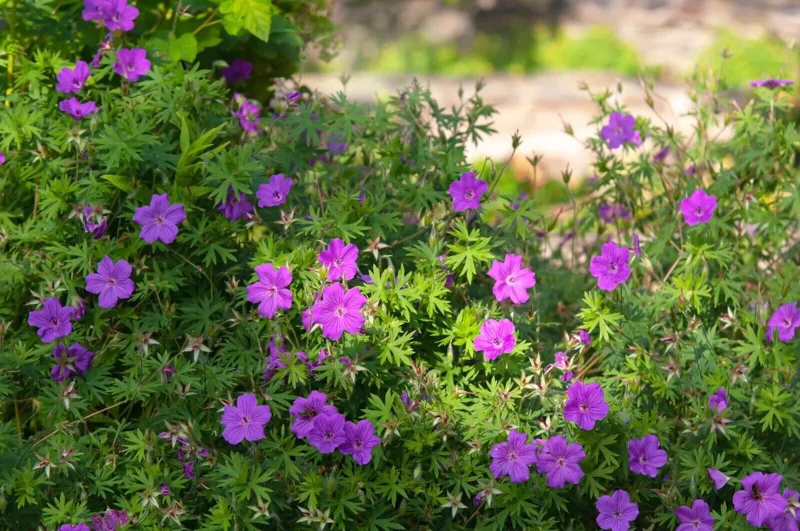
3 Cranesbill Wild Geranium Organic Maculatums Bare Roots | Wildflower for Outdoor Garden
Sold 114 products
Original price was: $21.99.$6.99Current price is: $6.99.
Sold 114 products
Original price was: $28.99.$17.99Current price is: $17.99.RELATED posts
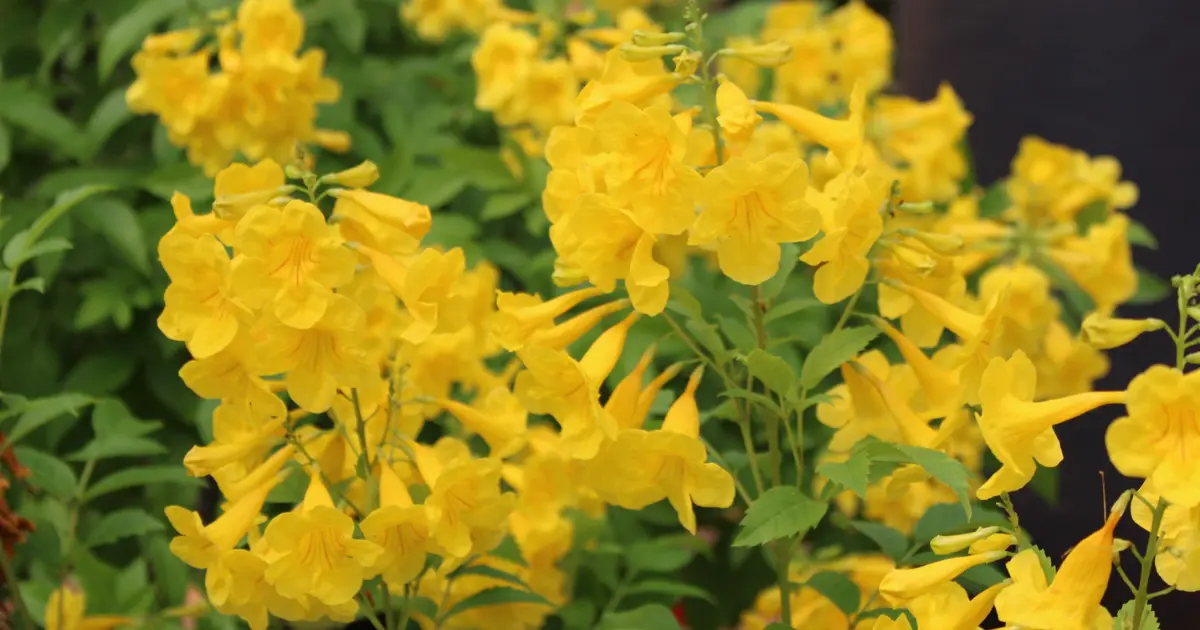
Mastering Esperanza Goldstar: Grow the Ultimate Yellow Bloom
Esperanza Goldstar is more than just a heat-tolerant shrub; for the American gardener battling the [...]
Apr
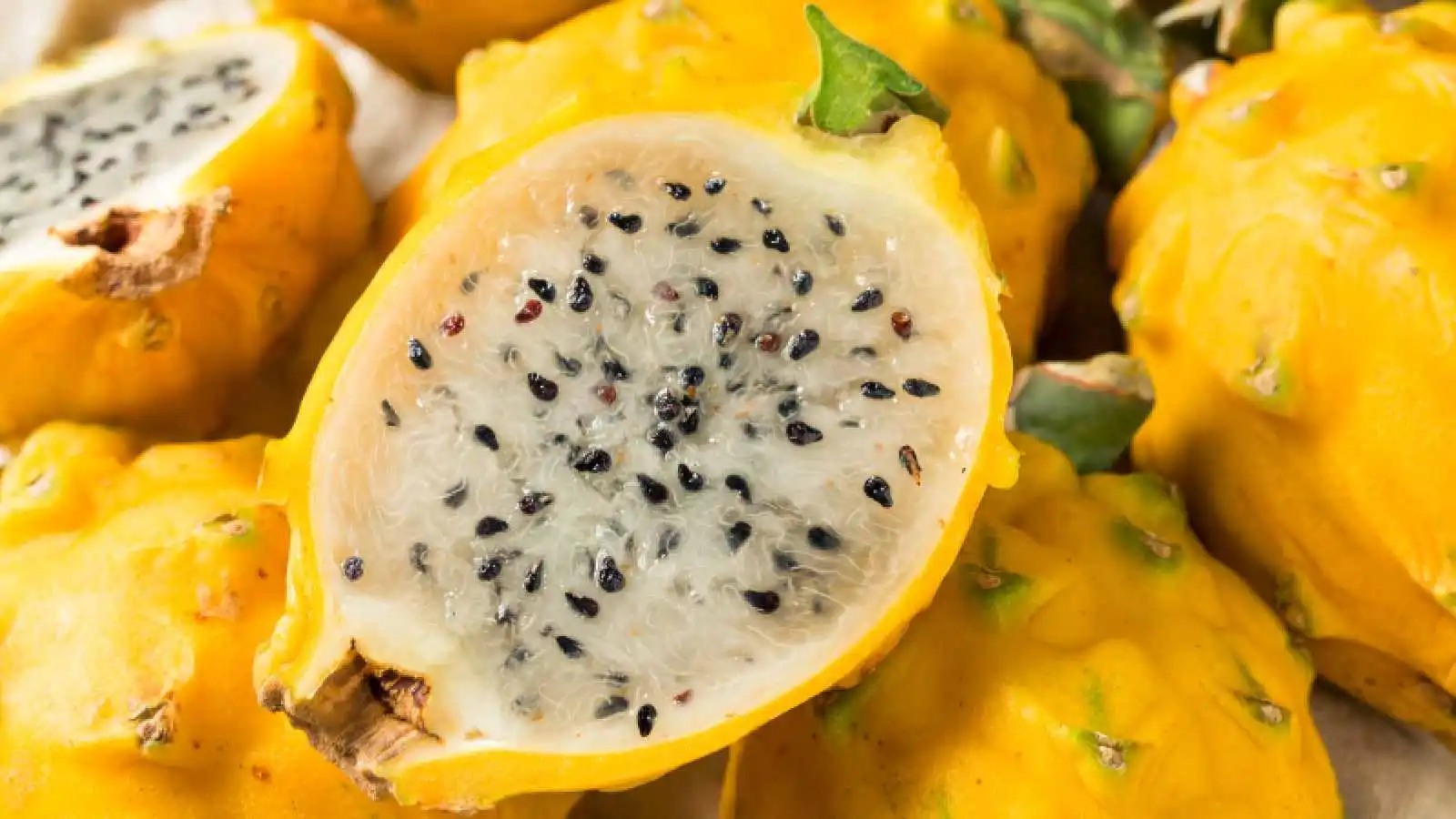
Yellow Dragon Fruit Plant Care: The Ultimate Guide for Healthy Growth
The yellow dragon fruit plant is a unique and rewarding addition to any home garden, [...]
Apr
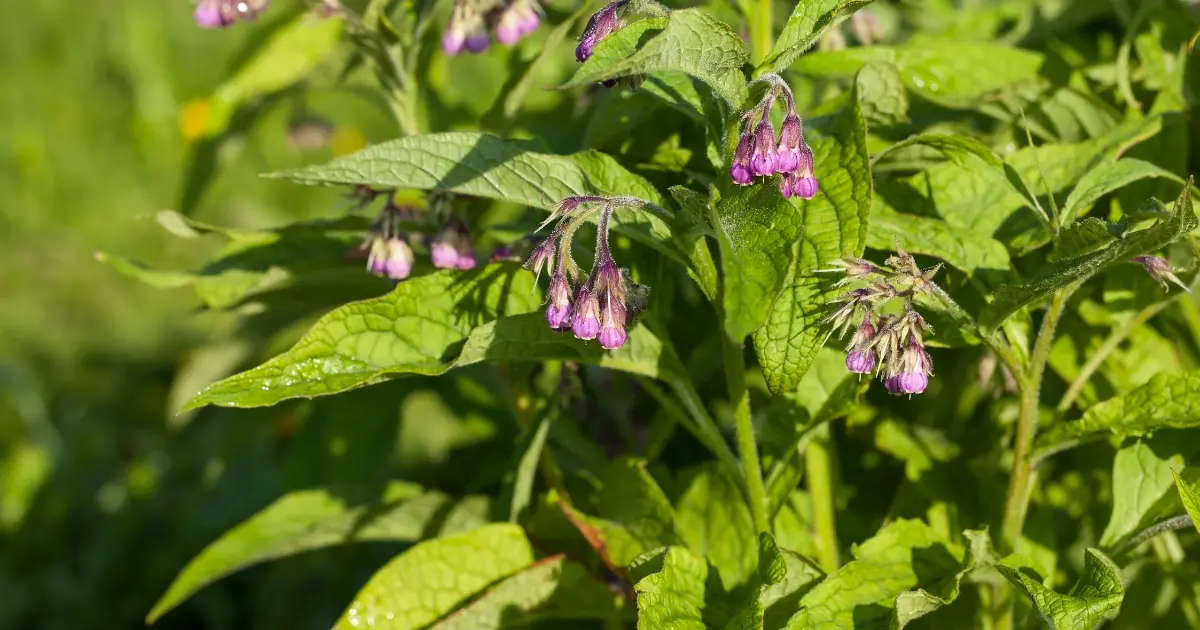
How to Identify Bocking 14 Comfrey: 5 Simple Visual Signs
If you’re growing comfrey for mulch, compost, or animal feed, knowing exactly which variety you [...]
Mar
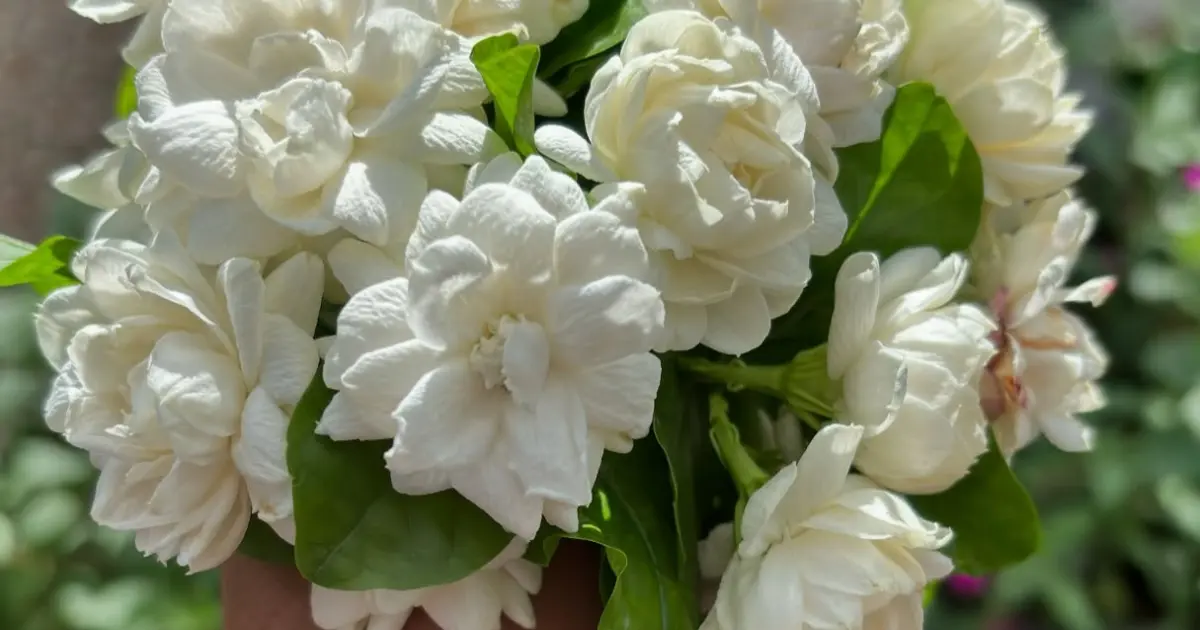
Grand Duke of Tuscany Jasmine: The Ultimate Guide to Growing a Fragrant Masterpiece
Have you ever caught a scent in the air so rich, creamy, and honey-sweet that [...]
Mar
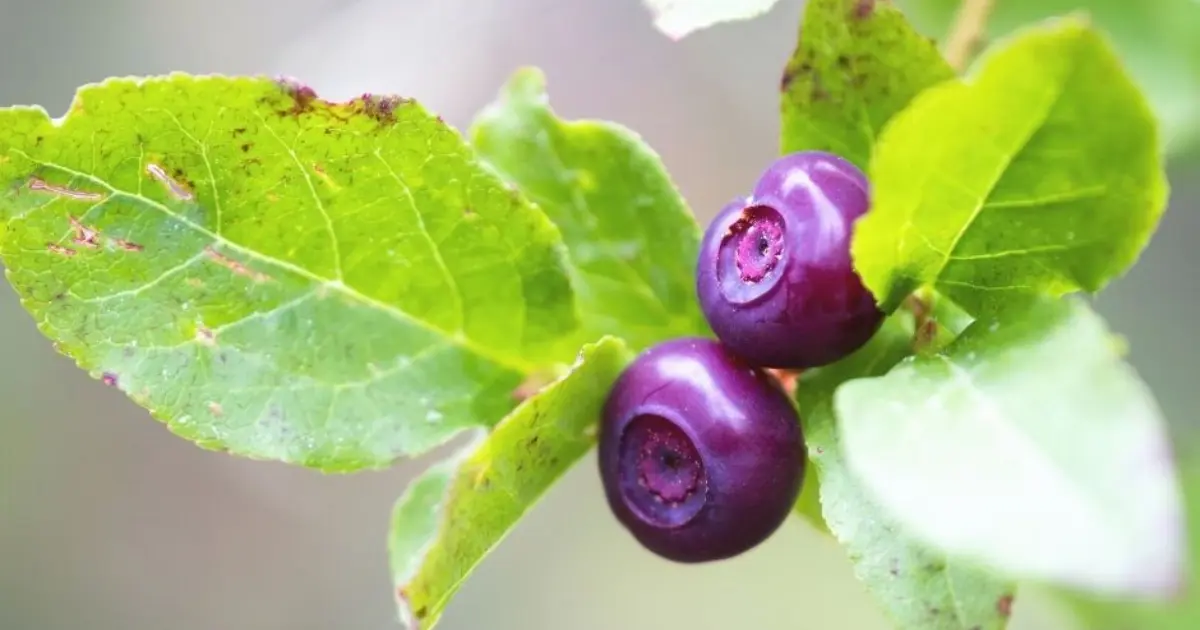
How to Grow Wild Huckleberries: A Guide to “Purple Gold”
Have you ever spent a summer afternoon hiking through the Pacific Northwest or the Rocky [...]
Mar
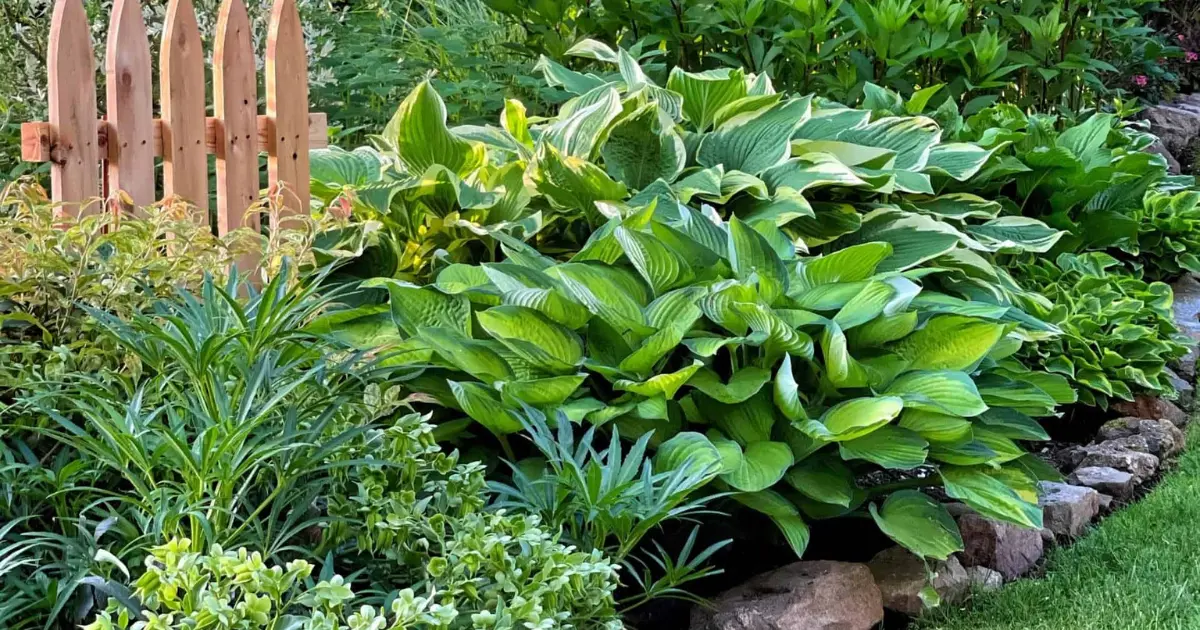
5 Best Shade-Loving Perennials for a Lush, Vibrant Garden
The world of gardening often shines a spotlight on sun-drenched blossoms, but there is a [...]
Mar

7 Common Curry Leaf Plant Problems: Easy Fixes for a Thriving Plant
Is your curry leaf plant looking a bit sad lately? Maybe you woke up to [...]
Mar
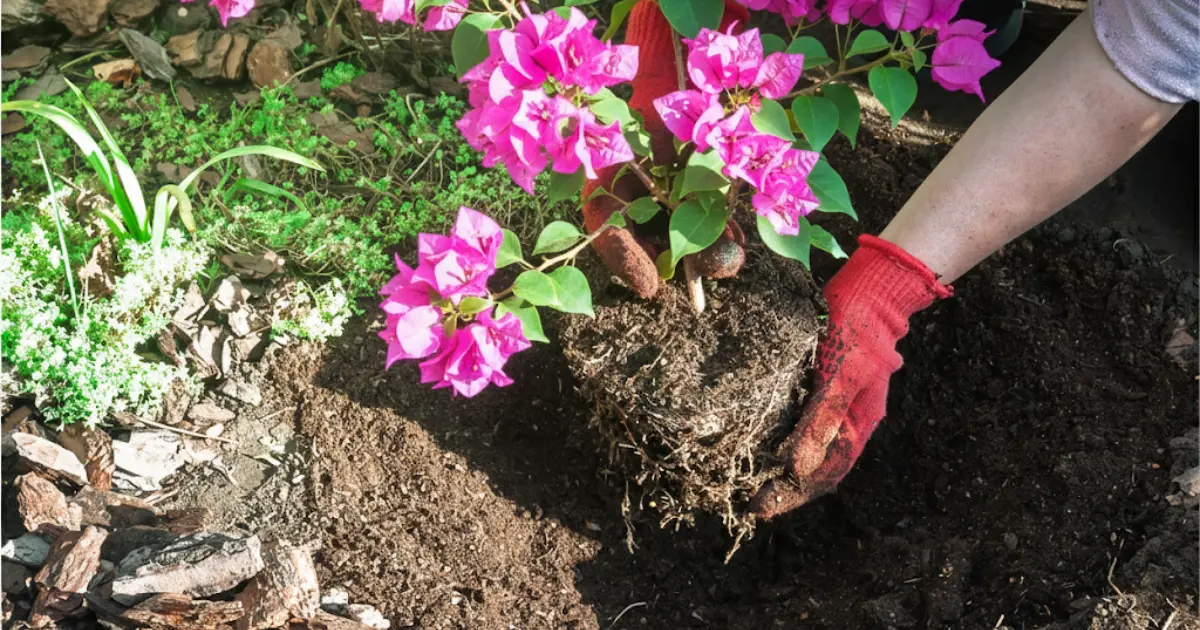
Best Time to Plant Bougainvillea: Timing for Vibrant Blooms
If you’re looking for a hardy tropical vine that delivers a riot of neon color, [...]
Feb


Reviews
There are no reviews yet.