
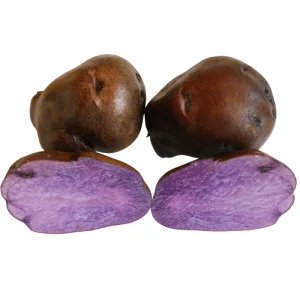
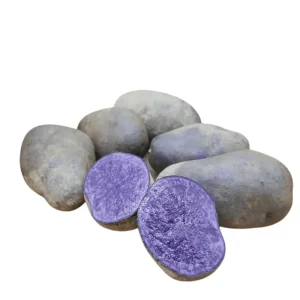
2 Lbs Blue Adirondack Seed Potatoes – Purple Whole Tubers for Planting
Original price was: $39.96.$29.96Current price is: $29.96.
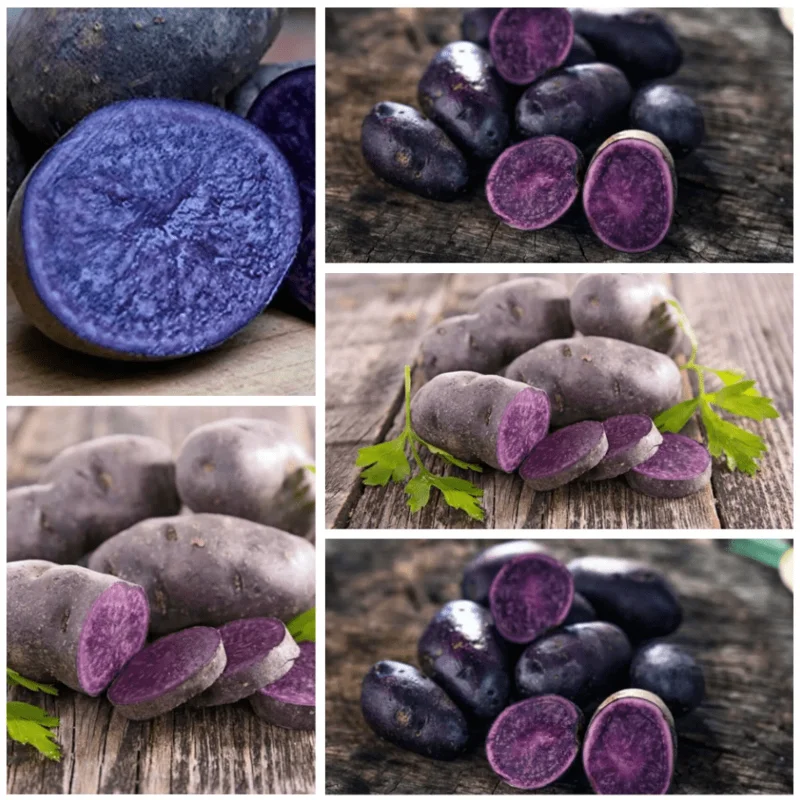
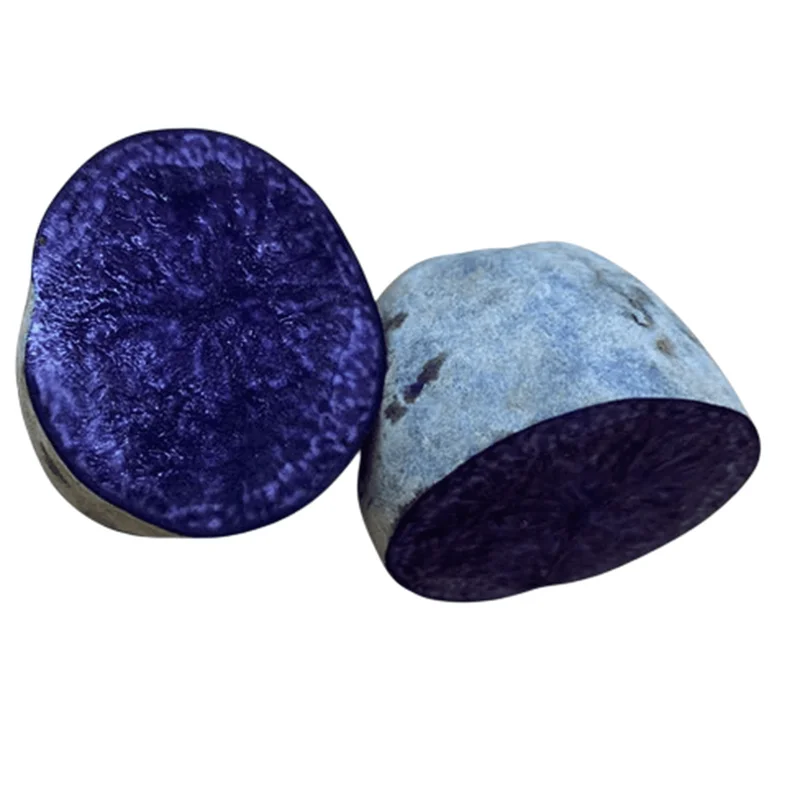
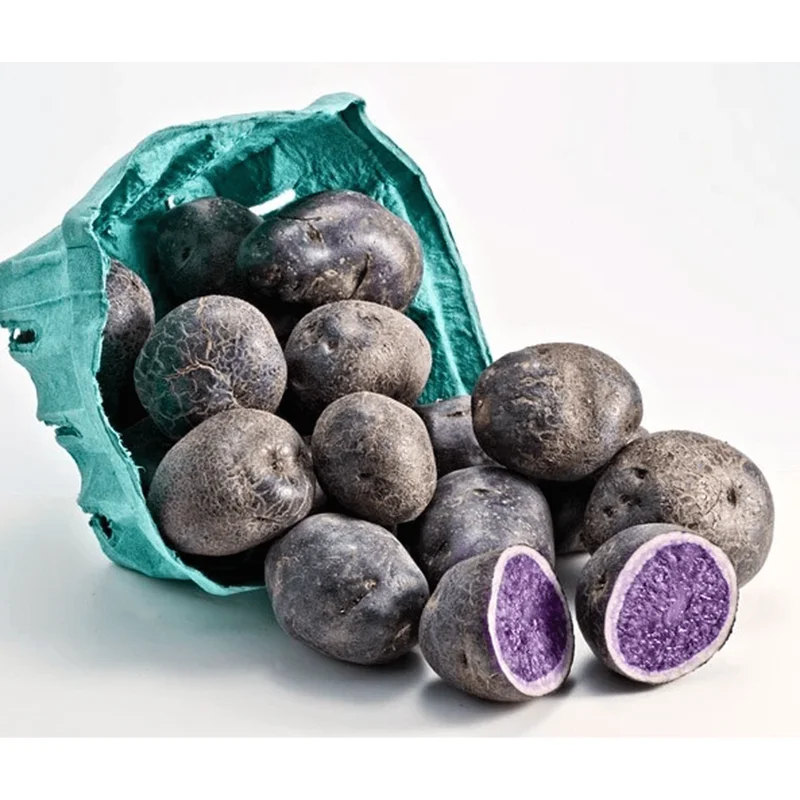
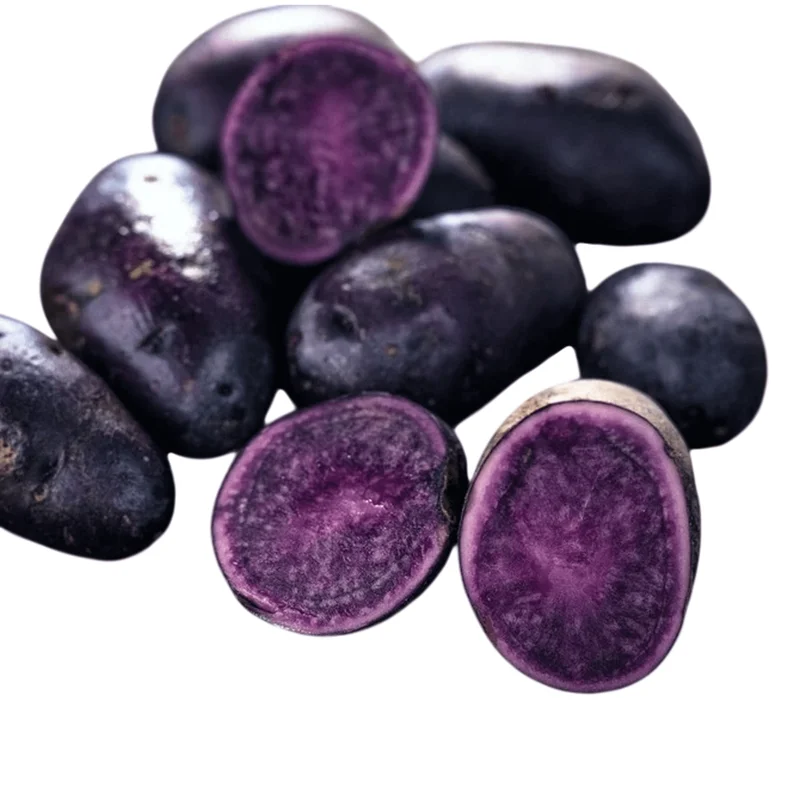
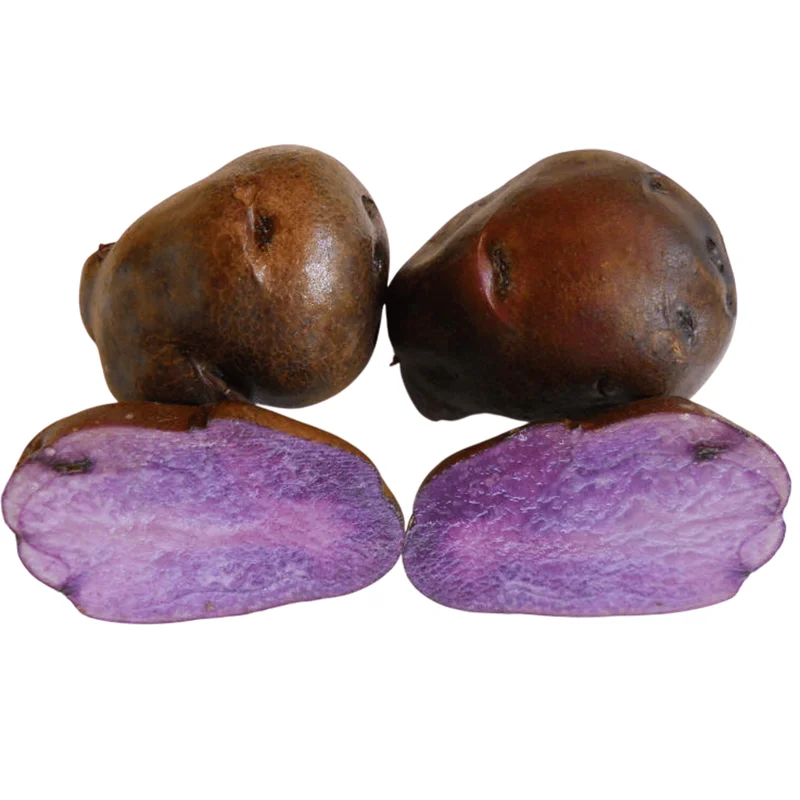
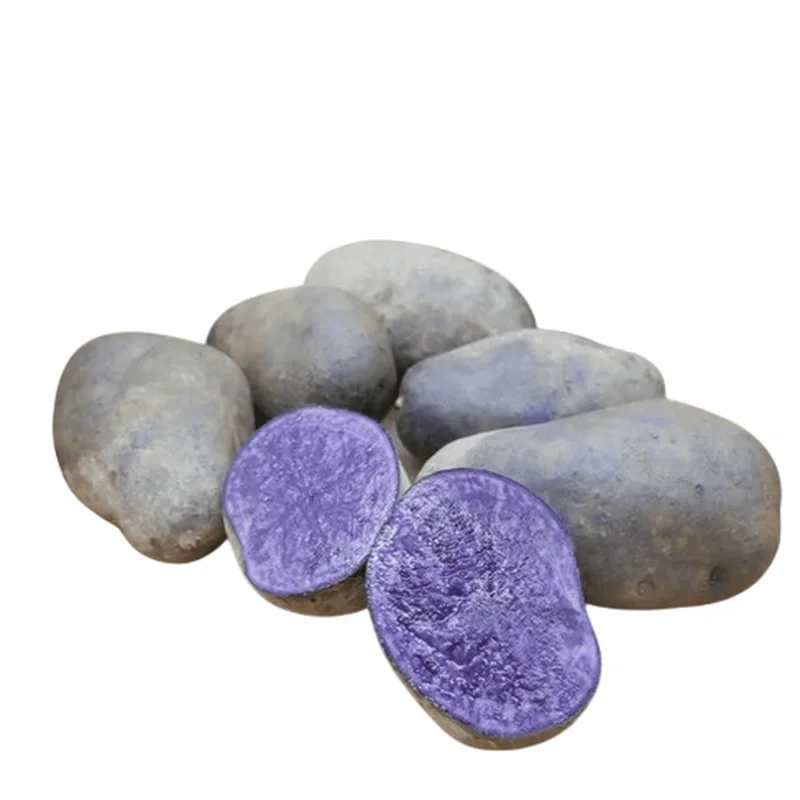
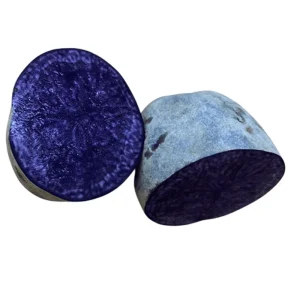
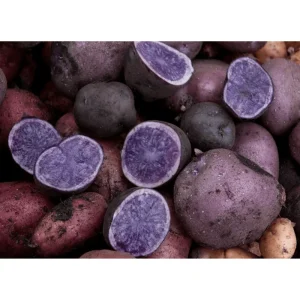
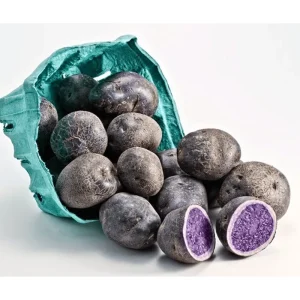
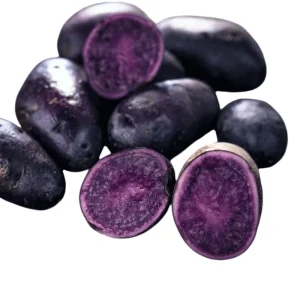
Cultivate vibrant, healthy blue adirondack seed potatoes in your home garden. These unique purple potato seeds (whole tubers) are ready for planting to produce striking blue-purple fleshed potatoes with a delicious flavor profile. Perfect for adding color and nutrition to your meals.
Estimated arrival
Apr 01
Apr 06 - Apr 08
Apr 11 - Apr 15

Reasonable Price
We offer reasonable price

Support 24/7
Contact us 24 hrs a day

100% Money Back
You've 30 days to Return

Payment Secure
100% secure payment
Overview
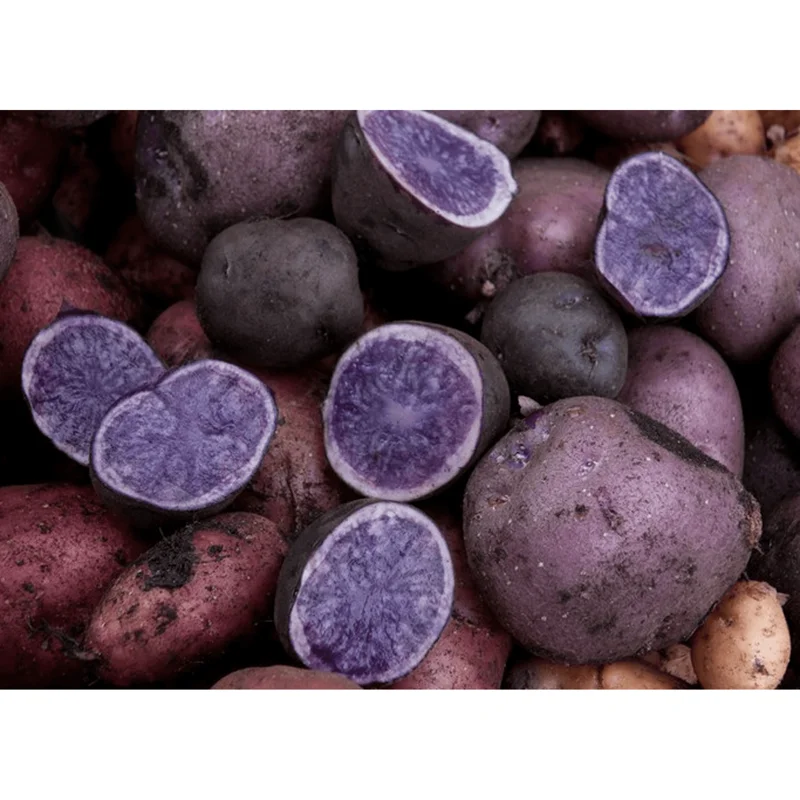
Embark on a rewarding gardening journey with our premium blue adirondack seed potatoes. These whole tubers are specifically selected for planting, promising a bountiful harvest of uniquely colored potatoes. Known for their striking blue-purple skin and flesh, Adirondack Blue potatoes are not only visually appealing but also offer a delightful, earthy flavor. They are an excellent choice for home gardeners looking to add diversity and nutritional value to their vegetable patch. Our seed potatoes are carefully prepared to ensure vigorous growth and strong yields, making them ideal for both novice and experienced gardeners. Discover the joy of growing your own vibrant, healthy potatoes right from your backyard, bringing farm-fresh goodness to your table.
These adirondack potato tubers are a fantastic way to introduce an exciting new variety to your garden. Unlike traditional seeds, planting tubers offers a head start, often resulting in quicker establishment and earlier harvests. The distinct color of these potatoes is due to anthocyanins, powerful antioxidants found in many blue and purple fruits and vegetables, adding an extra layer of health benefits to your homegrown produce. Prepare to be amazed by the rich color and delicious taste these potatoes bring to your culinary creations.
Key Benefits
Blue adirondack seed potatoes offer a multitude of benefits for the home gardener and cook alike. They are a versatile and visually stunning addition to any garden and kitchen:
- Unique Appearance: Produce potatoes with a vibrant blue-purple skin and flesh, adding a pop of color to your garden and meals. This striking hue makes them a conversation starter at any dinner party.
- Delicious Flavor: Enjoy a rich, earthy potato flavor that holds up well in a variety of dishes. They are often described as having a slightly nutty taste, making them a gourmet choice.
- Nutrient-Rich: High in antioxidants, particularly anthocyanins, which contribute to their unique color and offer potential health benefits. Growing your own ensures maximum freshness and nutrient retention.
- Versatile Culinary Use: Excellent for baking, roasting, mashing, or making colorful potato salads and chips. Their firm texture helps them maintain their shape during cooking.
- Rewarding Harvest: Experience the satisfaction of harvesting your own healthy, homegrown potatoes. The yield from these planting seed potatoes can be quite substantial, providing fresh produce for weeks.
- Easy to Grow: Suitable for various climates and soil types, making them a great option for gardeners of all skill levels. With proper care, they are a reliable crop.
- Garden Diversity: Add an interesting and educational element to your garden, showcasing the diversity of potato varieties. It’s a great way to explore different types of produce beyond the grocery store.
Plant Care & Growing Tips
To ensure a successful harvest of your blue adirondack seed potatoes, proper care and planting techniques are essential. Start by selecting a sunny location in your garden that receives at least 6-8 hours of direct sunlight per day. Potatoes thrive in light, loose, and well-drained soil. Amend heavy clay soils with compost or organic matter to improve drainage and aeration. Before planting, allow your tubers to ‘chit’ by placing them in a cool, bright area for a few weeks to encourage sprouts, which gives them a head start.
Plant your adirondack potato tubers outdoors 2-3 weeks after your last frost date, when the soil has warmed. Dig trenches 6-8 inches deep and place the tubers cut-side down, with the eyes pointing upwards, about 12-24 inches apart. Rows should be spaced 3 feet apart to allow for proper growth and hilling. Once the potato plants emerge and reach about 6-8 inches tall, begin hilling by mounding soil around the base of the plants, covering the stems. Continue hilling as the plants grow, leaving only the top leaves exposed. This practice protects the developing tubers from sunlight, preventing them from turning green and bitter.
Water your potatoes regularly, especially during flowering and dry periods. Aim for consistently moist soil, but avoid waterlogging. The top inch or two of soil should dry out between waterings. Fertilize with a balanced fertilizer or one higher in potassium once the plants are established and again when they begin to flower. Monitor for common potato pests and diseases, and address them promptly to maintain plant health. With these tips, you’ll be well on your way to growing blue potatoes successfully.
Size & Details
This offering includes 2 Lbs Blue Adirondack Seed Potatoes, comprising whole tubers ready for planting. Each tuber is carefully inspected to ensure viability and health, providing you with the best possible start for your potato patch. The size of individual tubers may vary, but the total weight will be approximately 2 pounds, which is typically sufficient for planting a generous row or several hills in your garden. These tubers are ideal for producing mature plants that typically grow to a height of 2-3 feet, with a spread of about 1-2 feet per plant. Expect a moderate to vigorous growth rate, with harvest usually occurring 90-110 days after planting, depending on growing conditions and climate.
The yield from these purple potato seeds (tubers) can be significant, often producing several pounds of potatoes per plant under optimal conditions. They are shipped as dormant tubers, ensuring they are in the best state for planting upon arrival. The unique blue-purple color is a natural characteristic of this variety, making them a standout in both the garden and on the plate. Prepare your garden beds and look forward to a vibrant harvest of these exceptional potatoes.
Frequently Asked Questions
- Q: How big do these blue adirondack seed potatoes get? A: Each plant typically grows 2-3 feet tall and 1-2 feet wide. The individual potatoes can vary in size, from small to medium, providing a good range for various culinary uses.
- Q: When is the best time to plant these adirondack potato tubers? A: Plant these tubers outdoors 2-3 weeks after your last frost date, when soil temperatures have warmed sufficiently, usually in early to mid-spring.
- Q: How much sunlight do blue potatoes need? A: For optimal growth and yield, these potatoes require at least 6-8 hours of direct sunlight per day. A full sun location is ideal for growing blue potatoes.
- Q: Is this product actually seeds or tubers? A: This product consists of whole tubers, which are often referred to as “seed potatoes” because they are used for planting to grow new potato plants, much like seeds. They are not botanical seeds.
- Q: Are these potatoes easy to care for for beginners? A: Yes, potatoes are generally considered relatively easy to grow, even for beginner gardeners. Following basic planting and care instructions for these planting seed potatoes will lead to success.
- Q: What kind of soil is best for purple potato seeds (tubers)? A: They thrive in light, loose, well-drained soil that is rich in organic matter. Avoid heavy, compacted, or waterlogged soils.
- Q: How long does it take for these blue adirondack seed potatoes to be ready for harvest? A: You can typically expect to harvest your potatoes about 90 to 110 days after planting, depending on your growing conditions and climate.
- Q: Can I grow blue adirondack potatoes in containers? A: Yes, these potatoes can be successfully grown in large containers, grow bags, or barrels, provided they have adequate drainage and sufficient space for the tubers to develop.
- Q: What makes these potatoes blue? A: The blue-purple color comes from natural pigments called anthocyanins, which are potent antioxidants and contribute to the potato’s unique appeal.
- Q: Will these adirondack potato tubers survive winter in my zone? A: Potatoes are typically grown as annuals and do not survive freezing winter temperatures. They are usually planted in spring and harvested in late summer or fall.
Be the first to review “2 Lbs Blue Adirondack Seed Potatoes – Purple Whole Tubers for Planting”
-
USDA Hardiness Zone
unknown -
Soil Type
light, loose, well-draining soil -
Sunlight Exposure
full sun -
Expected Planting Period
spring after last frost
People Also Viewd
Sold 128 products
Original price was: $27.00.$24.00Current price is: $24.00.
Sold 127 products
Original price was: $89.99.$64.99Current price is: $64.99.
Sold 126 products
Original price was: $3,536.00.$23.99Current price is: $23.99.

Sold 125 products
Original price was: $86.99.$66.99Current price is: $66.99.
Sold 116 products
Original price was: $27.99.$16.99Current price is: $16.99.
Sold 114 products
Original price was: $28.99.$17.99Current price is: $17.99.
Flower Bulbs
3 Cranesbill Wild Geranium Organic Maculatums Bare Roots | Wildflower for Outdoor Garden
Sold 114 products
Original price was: $21.99.$6.99Current price is: $6.99.
Sold 109 products
Original price was: $63.99.$28.99Current price is: $28.99.RELATED posts
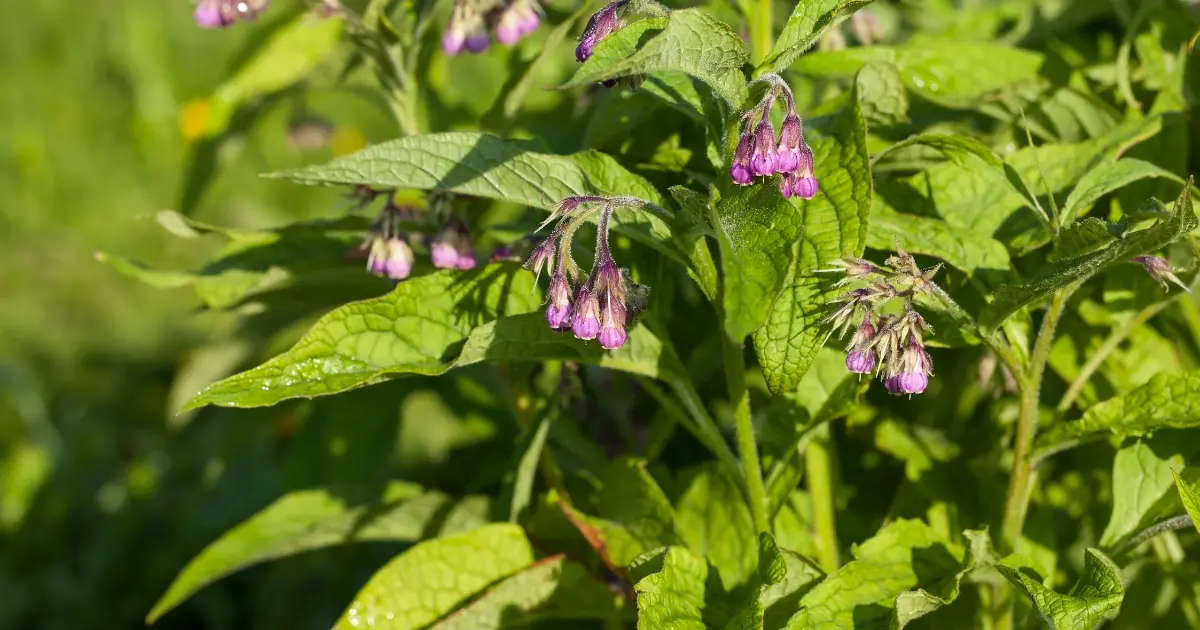
How to Identify Bocking 14 Comfrey: 5 Simple Visual Signs
If you’re growing comfrey for mulch, compost, or animal feed, knowing exactly which variety you [...]
Mar
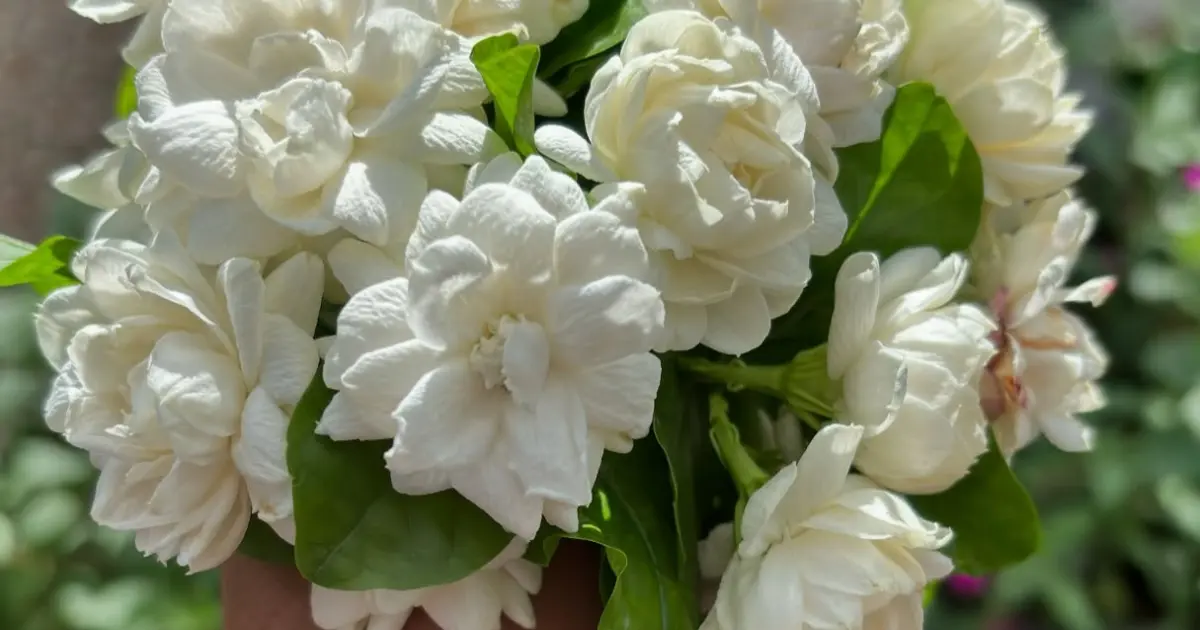
Grand Duke of Tuscany Jasmine: The Ultimate Guide to Growing a Fragrant Masterpiece
Have you ever caught a scent in the air so rich, creamy, and honey-sweet that [...]
Mar
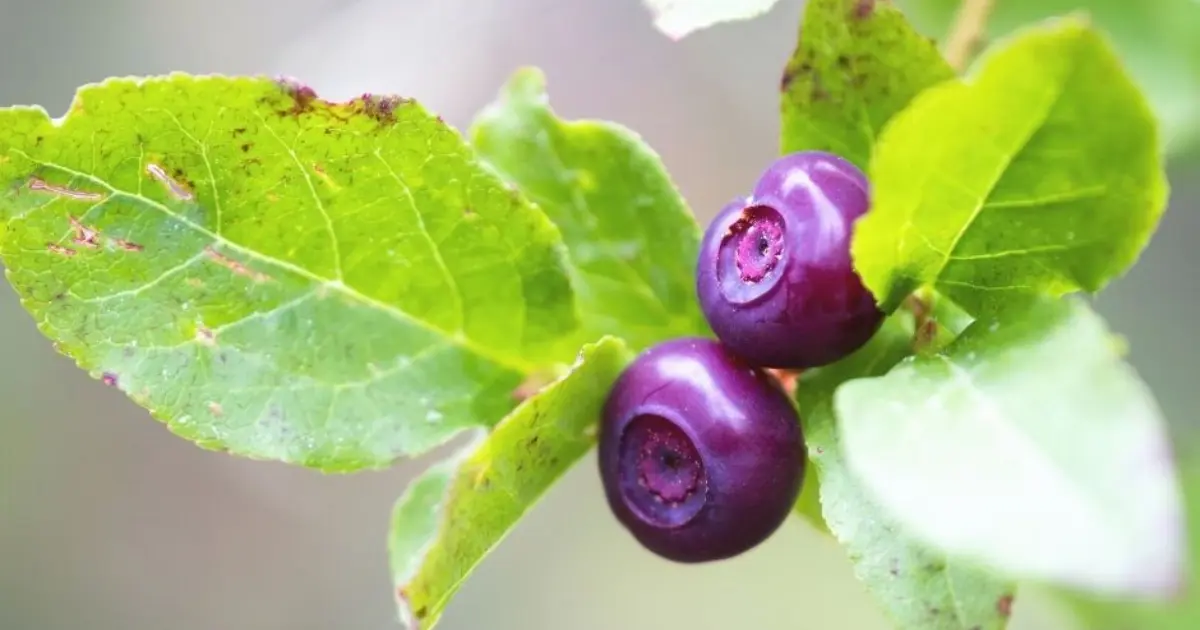
How to Grow Wild Huckleberries: A Guide to “Purple Gold”
Have you ever spent a summer afternoon hiking through the Pacific Northwest or the Rocky [...]
Mar
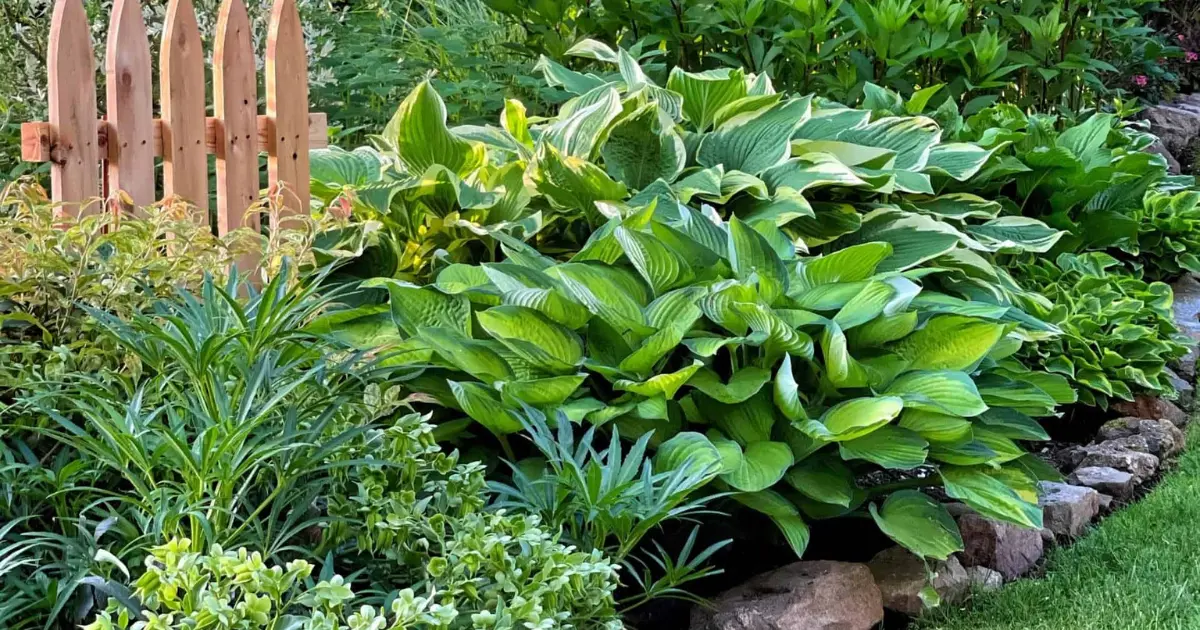
5 Best Shade-Loving Perennials for a Lush, Vibrant Garden
The world of gardening often shines a spotlight on sun-drenched blossoms, but there is a [...]
Mar

7 Common Curry Leaf Plant Problems: Easy Fixes for a Thriving Plant
Is your curry leaf plant looking a bit sad lately? Maybe you woke up to [...]
Mar
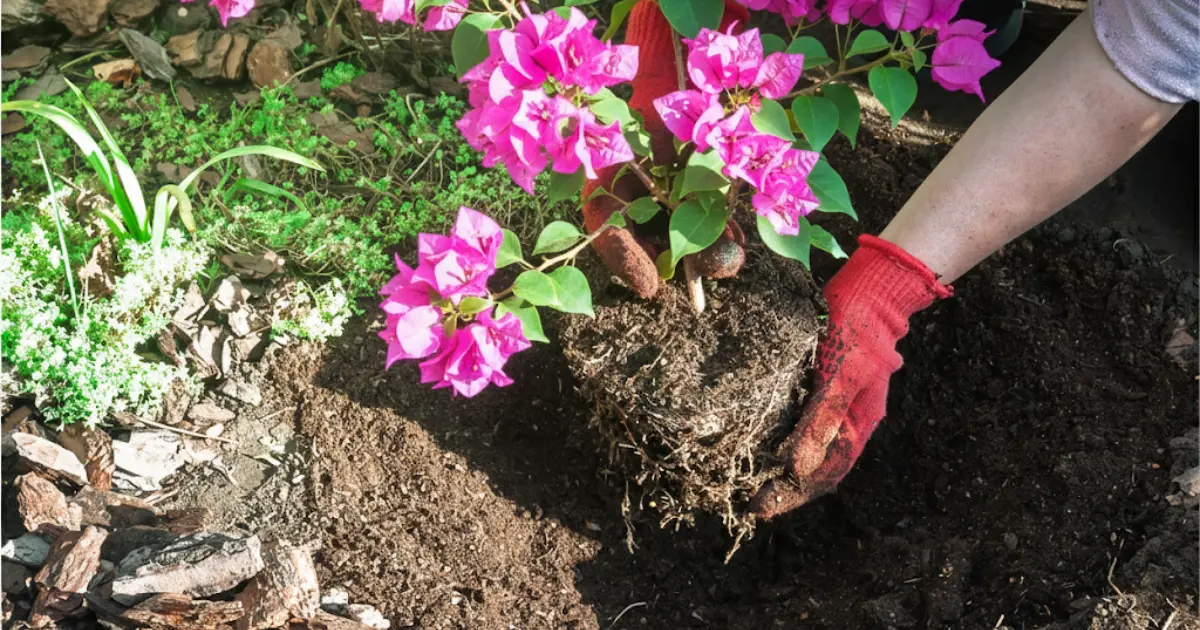
Best Time to Plant Bougainvillea: Timing for Vibrant Blooms
If you’re looking for a hardy tropical vine that delivers a riot of neon color, [...]
Feb
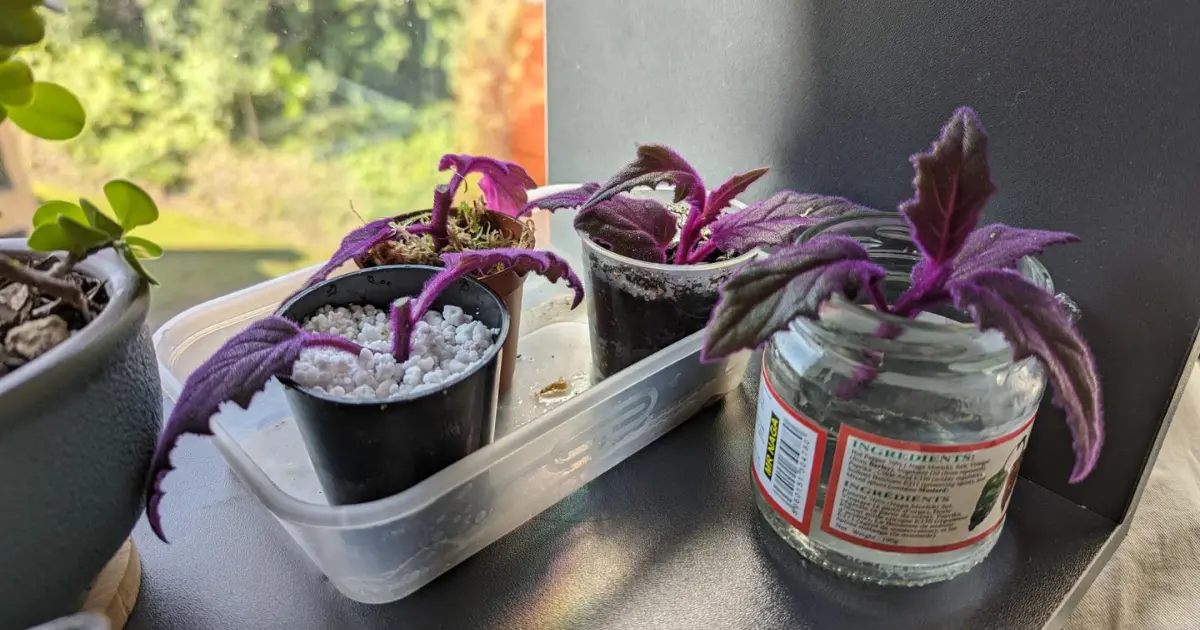
How to Propagate Purple Passion Plants (Gynura aurantiaca)
Have you ever been mesmerized by the neon-purple glow and fuzzy, velvet-like leaves of a [...]
Feb
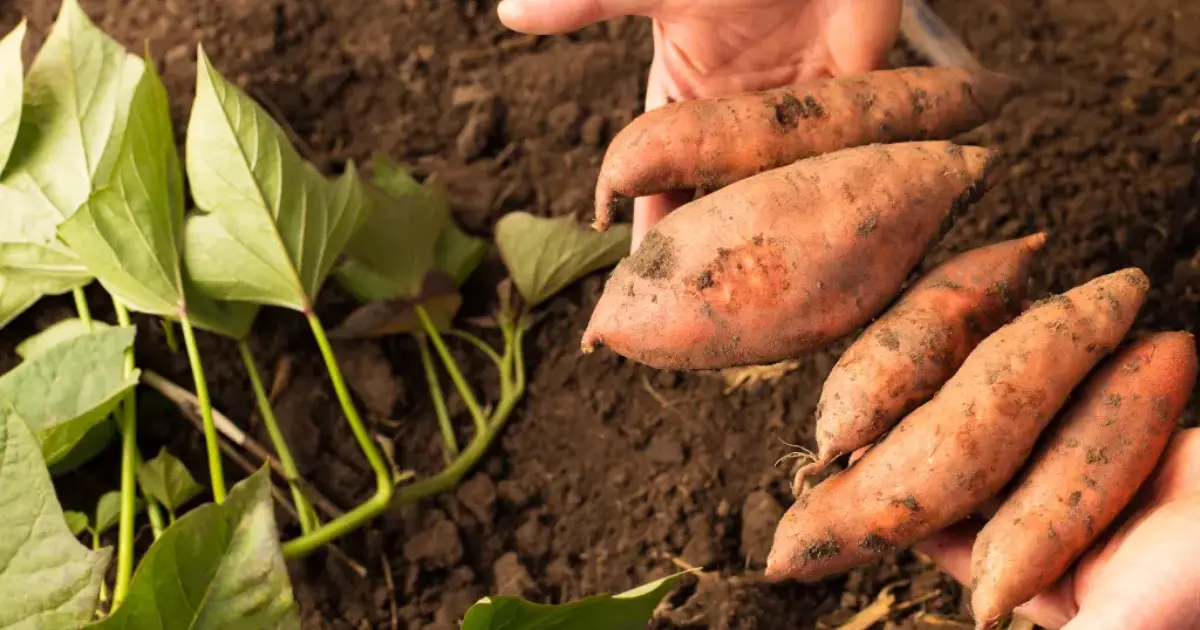
How to Grow Beauregard Sweet Potatoes: From Slips to a Bountiful Harvest
Are you ready to add a classic, heavy-hitting favorite to your vegetable patch? If you’ve [...]
Feb



Reviews
There are no reviews yet.