
3 Sweet Autumn Clematis Live Plant 4″ Pot – Fragrant White Blooms, Outdoor Vine
Original price was: $85.98.$42.99Current price is: $42.99.
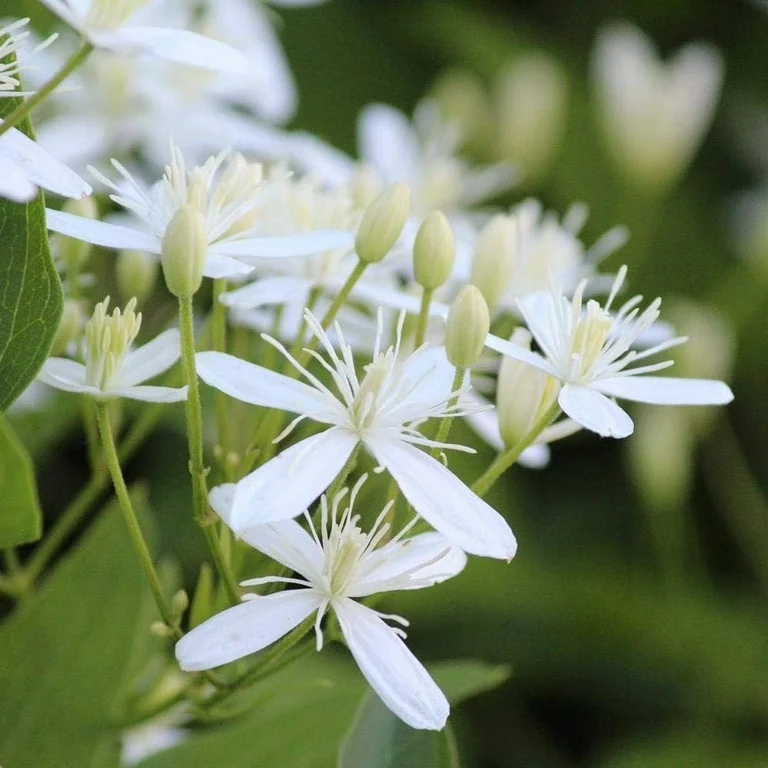
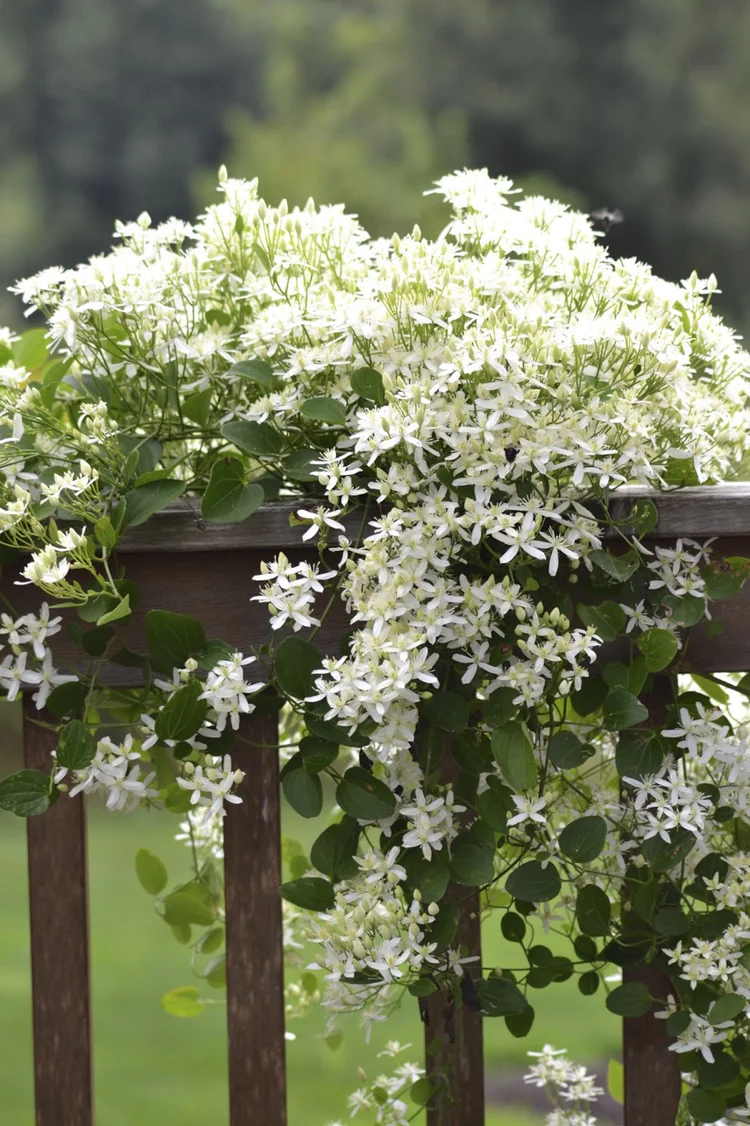
Cultivate a fragrant and visually stunning garden with this set of three sweet autumn clematis live plant starters. Each well-rooted plant comes in a 4-inch pot, ready to establish quickly. This vigorous, fragrant climbing plant produces abundant white, star-like flowers in late summer and fall, offering a beautiful seasonal display and attracting pollinators. Ideal for covering arbors, fences, or pergolas, it’s a low-maintenance and deer resistant vine perfect for adding vertical interest to any outdoor space.
Estimated arrival
Apr 12
Apr 17 - Apr 19
Apr 22 - Apr 26

Reasonable Price
We offer reasonable price

Support 24/7
Contact us 24 hrs a day

100% Money Back
You've 30 days to Return

Payment Secure
100% secure payment
Overview
Transform your garden into a fragrant haven with the exquisite sweet autumn clematis live plant. This vigorous and fast-growing climbing vine, botanically known as Clematis paniculata or Clematis terniflora, is celebrated for its spectacular late-season display of star-like, creamy white flowers. Originating from Asia, this resilient plant has become a beloved choice for gardeners across the United States due to its hardiness and ease of care. Each plant arrives well-rooted in a 4-inch pot, providing a robust start for a healthy and thriving vine. Ideal for covering fences, arbors, pergolas, or even scrambling through shrubs and trees, the sweet autumn clematis live plant offers a lush, green presence throughout the growing season, culminating in a breathtaking cascade of blooms in late summer and fall. Its delicate fragrance will enchant you and attract beneficial pollinators to your garden. For successful growth, understanding clematis paniculata care is essential.
Key Benefits
The sweet autumn clematis live plant offers numerous advantages for any gardener seeking beauty and low-maintenance charm. Its exceptional qualities make it a standout choice for various landscape designs.
- Abundant Late-Season Blooms: Enjoy a spectacular show of countless small, white, star-shaped flowers from late summer into fall. These blooms provide a refreshing burst of color when many other plants are fading, extending your garden’s visual interest. The profusion of flowers is a hallmark of the sweet autumn clematis live plant.
- Delightful Fragrance: The profusion of flowers releases a sweet, honey-like scent that can perfume your entire garden, creating a truly sensory experience. This natural fragrance also helps attract pollinators like bees and butterflies, making it a wonderful fragrant climbing plant.
- Vigorous Climbing Growth: As a strong climbing vine, the sweet autumn clematis live plant quickly covers structures such as trellises, arbors, fences, and walls, providing excellent privacy and vertical interest. It can reach impressive heights, creating a dramatic effect.
- Low Maintenance and Hardy: This clematis variety is remarkably resilient and requires minimal care once established. It’s known for its ability to thrive in a wide range of climates and soil conditions, making it suitable for both experienced and novice gardeners. This makes it a great choice for easy gardening.
- Deer-Resistant: A significant advantage for many gardeners, this vine is generally unappealing to deer, which helps protect your investment and ensures its beauty remains intact without constant vigilance. This is a truly reliable deer resistant vine.
- Versatile Landscaping Use: Perfect for creating green walls, softening hard architectural lines, or adding a romantic touch to garden structures. Its adaptability allows it to be used in various settings, from formal gardens to wilder, more naturalistic landscapes.
- Winter Interest: After flowering, the plant produces attractive, feathery seed heads that persist into winter, offering continued visual appeal even after the leaves have fallen, adding texture to the dormant garden.
Plant Care & Growing Tips
Caring for your sweet autumn clematis live plant is straightforward, ensuring years of beautiful blooms. This hardy vine thrives with relatively little fuss once established. For optimal growth, choose a location that receives full sun to partial shade. Full sun (at least 6 hours of direct sunlight per day) will encourage the most abundant flowering, but the plant will tolerate some afternoon shade, especially in hotter climates. The ideal soil for this climbing clematis is well-draining, fertile, and rich in organic matter. While adaptable to various soil types including chalk, clay, loam, peat, saline, sand, and silt, ensuring good drainage is crucial to prevent root rot. Amend heavy clay soils with compost and sand to improve structure, and sandy soils with compost to enhance water retention.
Watering should be consistent, especially during the first year of establishment and during dry spells. Aim for medium watering, keeping the soil evenly moist but not waterlogged. Once mature, the plant becomes more drought-tolerant. The ‘feet in the shade, head in the sun’ principle is often applied to clematis; consider planting a small perennial or placing a flat stone at the base to keep the root zone cool. This clematis paniculata care guide emphasizes minimal fertilization; a balanced, slow-release fertilizer in early spring is usually sufficient. Pruning is simple: as a Group 3 (hard prune) clematis, it blooms on new wood. Cut back all stems to about 12-18 inches from the ground in late winter or early spring before new growth begins. This encourages vigorous new growth and a profusion of flowers. This deer resistant vine is cold resistant, making it suitable for a wide range of climates (USDA zones 4-9). Watch out for common pests like aphids or spider mites, which can typically be managed with organic insecticidal soap if necessary.
Size & Details
This offering includes three sweet autumn clematis live plant starter plants, each meticulously grown and well-rooted in a 4-inch pot. At the time of shipping, these starter plants are in their initial growth stage, ready to be transplanted and establish quickly in your garden. As vigorous growers, these vines exhibit a fast growth rate and can reach impressive mature heights, typically ranging from 15 to 30 feet, making them excellent choices for providing substantial coverage. They naturally climb and spread, creating a dense canopy of foliage and flowers. The plant form is a plant plug, ensuring a healthy root system for successful transplanting. Expect these deciduous vines to burst with lush green foliage throughout spring and summer, followed by their iconic white blooms in the fall. The foliage is green year-round until dormancy, adding beauty to your outdoor space across multiple seasons of interest including spring, summer, fall, and even winter with their attractive seed heads.
Frequently Asked Questions
- Q: How big does the sweet autumn clematis live plant get? A: This vigorous climbing vine can reach impressive heights of 15 to 30 feet at maturity. Its fast growth rate means it will quickly cover arbors, fences, and trellises, providing lush foliage and abundant blooms.
- Q: Is this an indoor or outdoor plant? A: The sweet autumn clematis live plant is an outdoor plant, best suited for gardens, patios, and landscapes where it can climb and thrive. It is not typically grown as an indoor houseplant.
- Q: How much sunlight does clematis paniculata need? A: This clematis variety performs best in full sun (at least 6 hours of direct sunlight daily) but can tolerate partial shade, especially in hotter climates. Ensuring its roots stay cool while its foliage gets ample sun is ideal for optimal growth.
- Q: Is this plant easy to care for? A: Yes, the sweet autumn clematis live plant is considered low-maintenance and is an excellent choice for both beginner and experienced gardeners. Its hardiness and disease resistance contribute to its ease of care, making it a great fragrant climbing plant for any skill level.
- Q: What condition will the plants arrive in? A: Your sweet autumn clematis live plant will arrive as a well-rooted starter plant in a 4-inch pot, carefully packaged to ensure its health and vitality during transit, ready for planting.
- Q: When is the best time to plant this climbing clematis? A: The best time to plant your fall blooming clematis is in spring or early fall, allowing the plant sufficient time to establish its root system before extreme weather conditions. However, potted plants can often be planted throughout the growing season.
- Q: Will this deer resistant vine survive winter in my zone? A: Sweet Autumn Clematis is remarkably cold resistant and hardy in USDA Zones 4-9. It is deciduous, meaning it will lose its leaves in winter but return vigorously in spring. This makes it a reliable choice for many climates.
- Q: What kind of soil does this plant prefer? A: This plant thrives in well-draining, fertile soil rich in organic matter. It is adaptable to various soil types including chalk, clay, loam, peat, saline, sand, and silt, as long as good drainage is provided. This is crucial for proper clematis paniculata care.
- Q: How often should I water my sweet autumn clematis? A: Water regularly to keep the soil consistently moist, especially during its first year and dry periods. Once established, it becomes more tolerant of drier conditions, requiring medium watering.
- Q: Are the flowers fragrant? A: Yes, the small white flowers of the Sweet Autumn Clematis are highly fragrant, emitting a sweet, pleasant aroma that can fill your garden in late summer and fall. This makes it a truly delightful fragrant climbing plant.
Be the first to review “3 Sweet Autumn Clematis Live Plant 4″ Pot – Fragrant White Blooms, Outdoor Vine”
-
USDA Hardiness Zone
USDA zones 4-9 -
Soil Type
Well-draining, fertile, rich in organic matter -
Sunlight Exposure
Full sun to partial shade -
Expected Planting Period
Spring or early fall
People Also Viewd
Sold 128 products
Original price was: $89.99.$64.99Current price is: $64.99.
Sold 128 products
Original price was: $159.99.$139.99Current price is: $139.99.
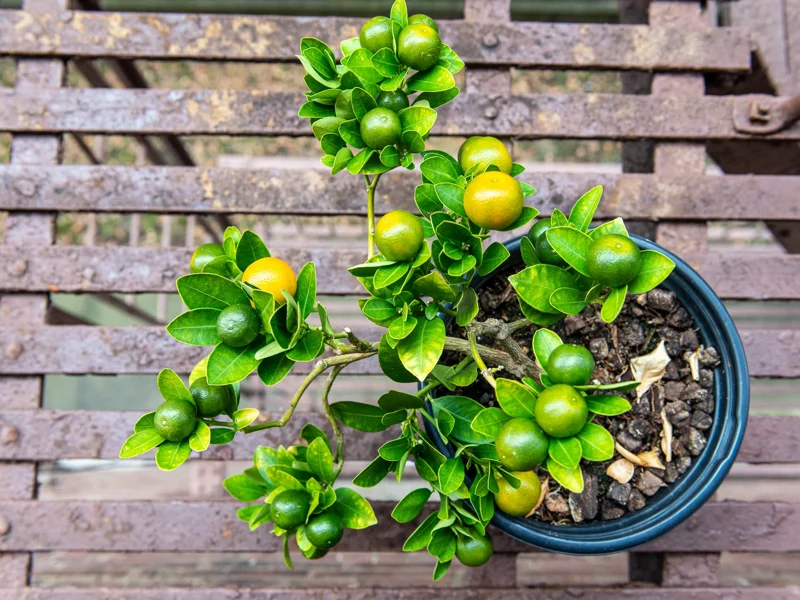
Sold 128 products
Original price was: $27.00.$24.00Current price is: $24.00.
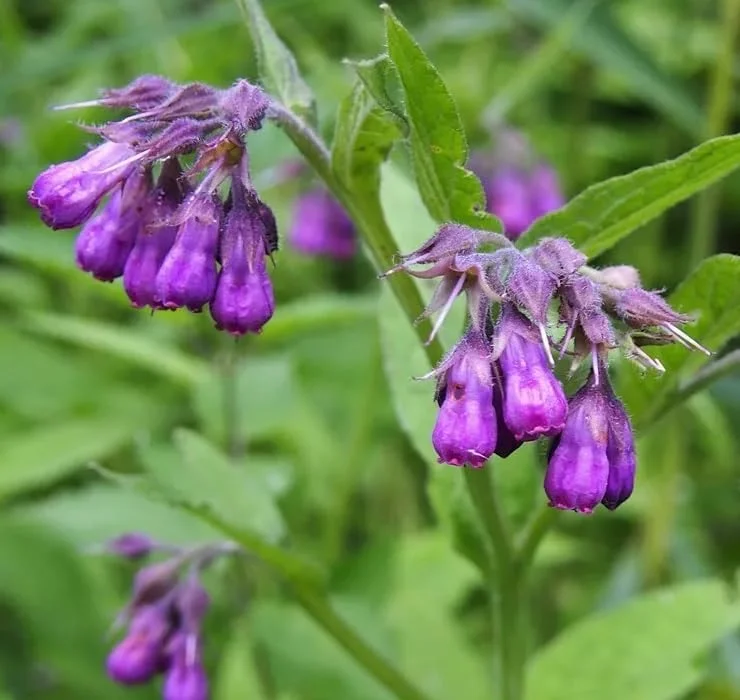
Sold 126 products
Original price was: $3,536.00.$23.99Current price is: $23.99.

Sold 125 products
Original price was: $86.99.$66.99Current price is: $66.99.
Sold 116 products
Original price was: $27.99.$16.99Current price is: $16.99.
Sold 114 products
Original price was: $28.99.$17.99Current price is: $17.99.
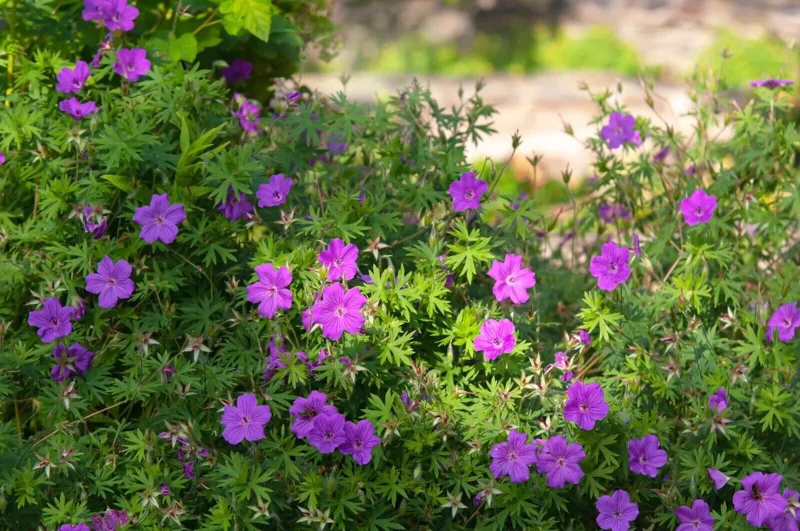
Flower Bulbs
3 Cranesbill Wild Geranium Organic Maculatums Bare Roots | Wildflower for Outdoor Garden
Sold 114 products
Original price was: $21.99.$6.99Current price is: $6.99.RELATED posts
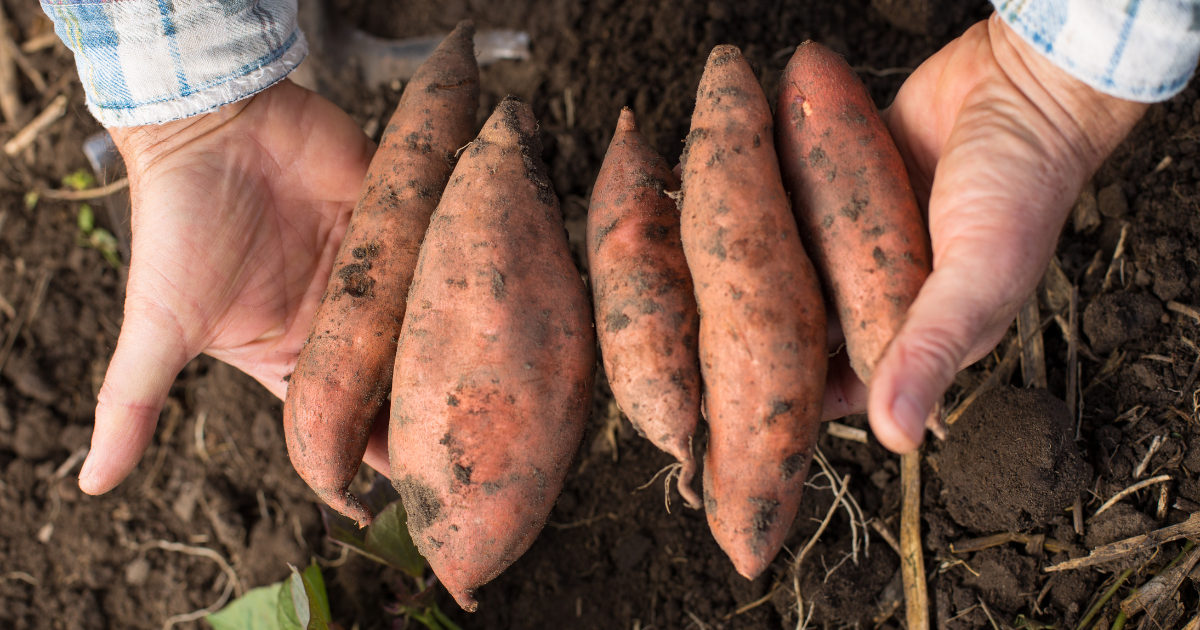
5 Tips for Growing Sweet Potatoes to Get the Biggest Sweet Potato Harvest Ever
If you are a fan of sweet potatoes, then these tips for growing sweet potatoes [...]
Apr
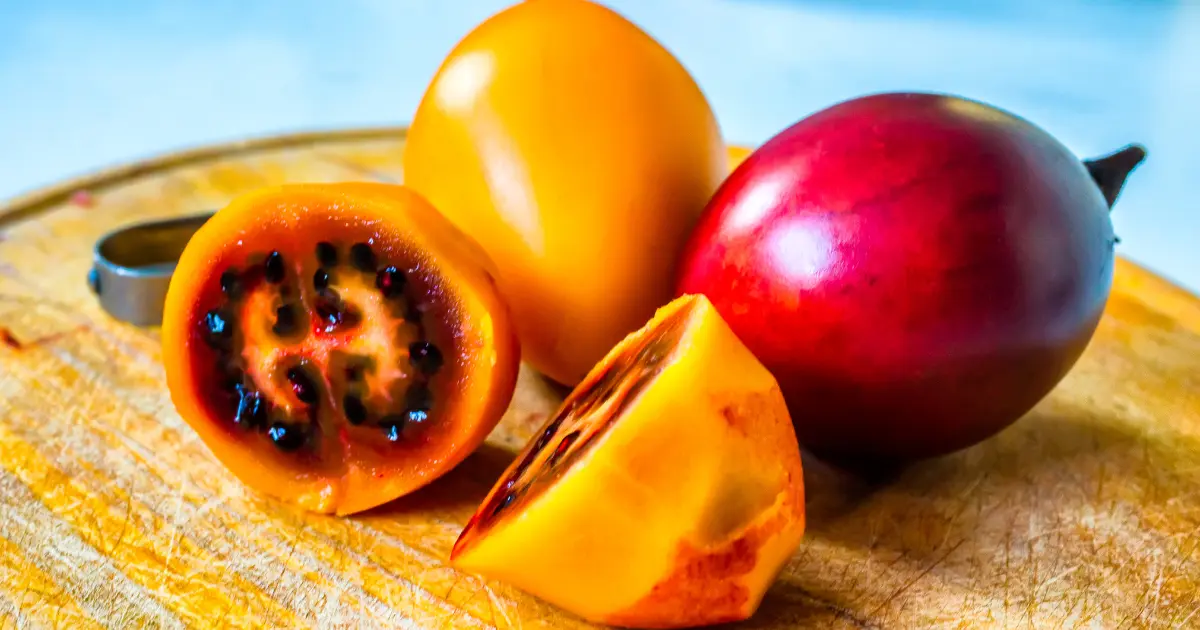
Tamarillo Tree Guide: Flavor, Texture & How to Eat Tree Tomatoes
The humble tomato is a kitchen staple we all know and love, but it rarely [...]
Apr
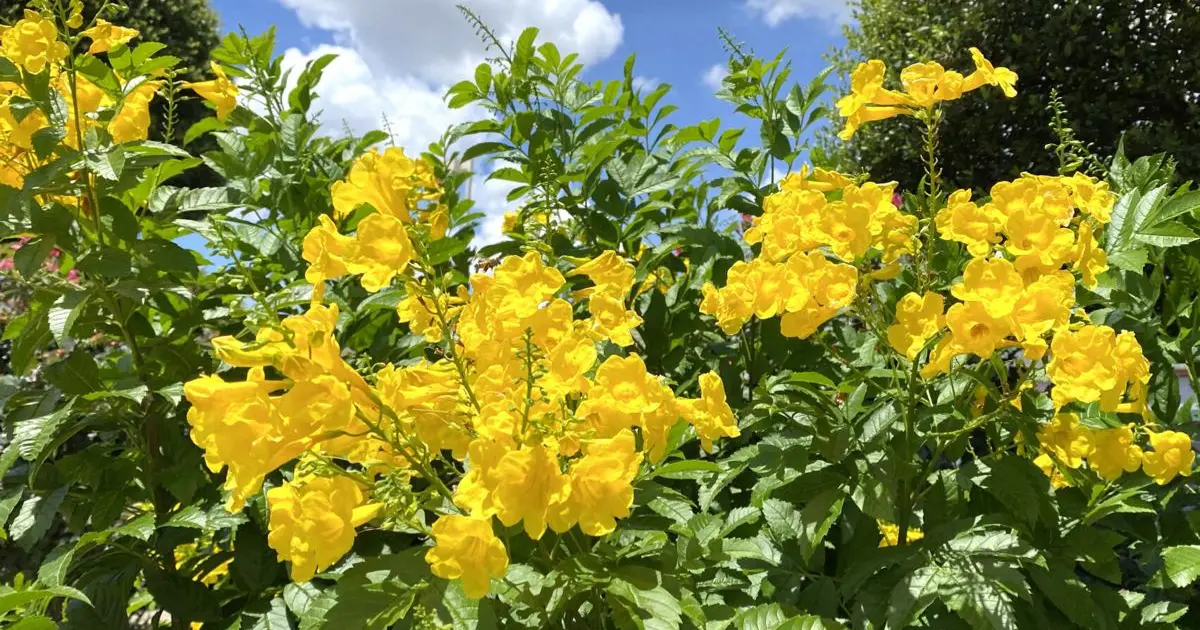
5 Pro Tips to Grow Esperanza ‘Gold Star’ Indoors: A Golden Glow for Your Home
While most gardeners know this Texas Superstar – Esperanza ‘Gold Star’ as a rugged outdoor [...]
Apr
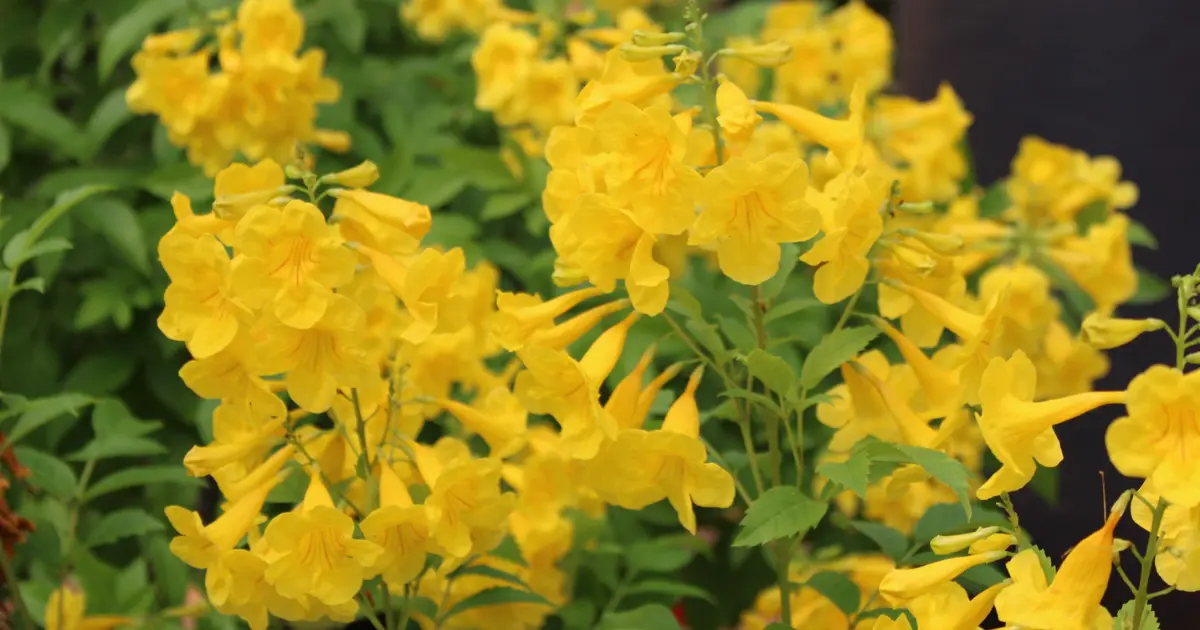
Mastering Esperanza Goldstar: Grow the Ultimate Yellow Bloom
Esperanza Goldstar is more than just a heat-tolerant shrub; for the American gardener battling the [...]
Apr
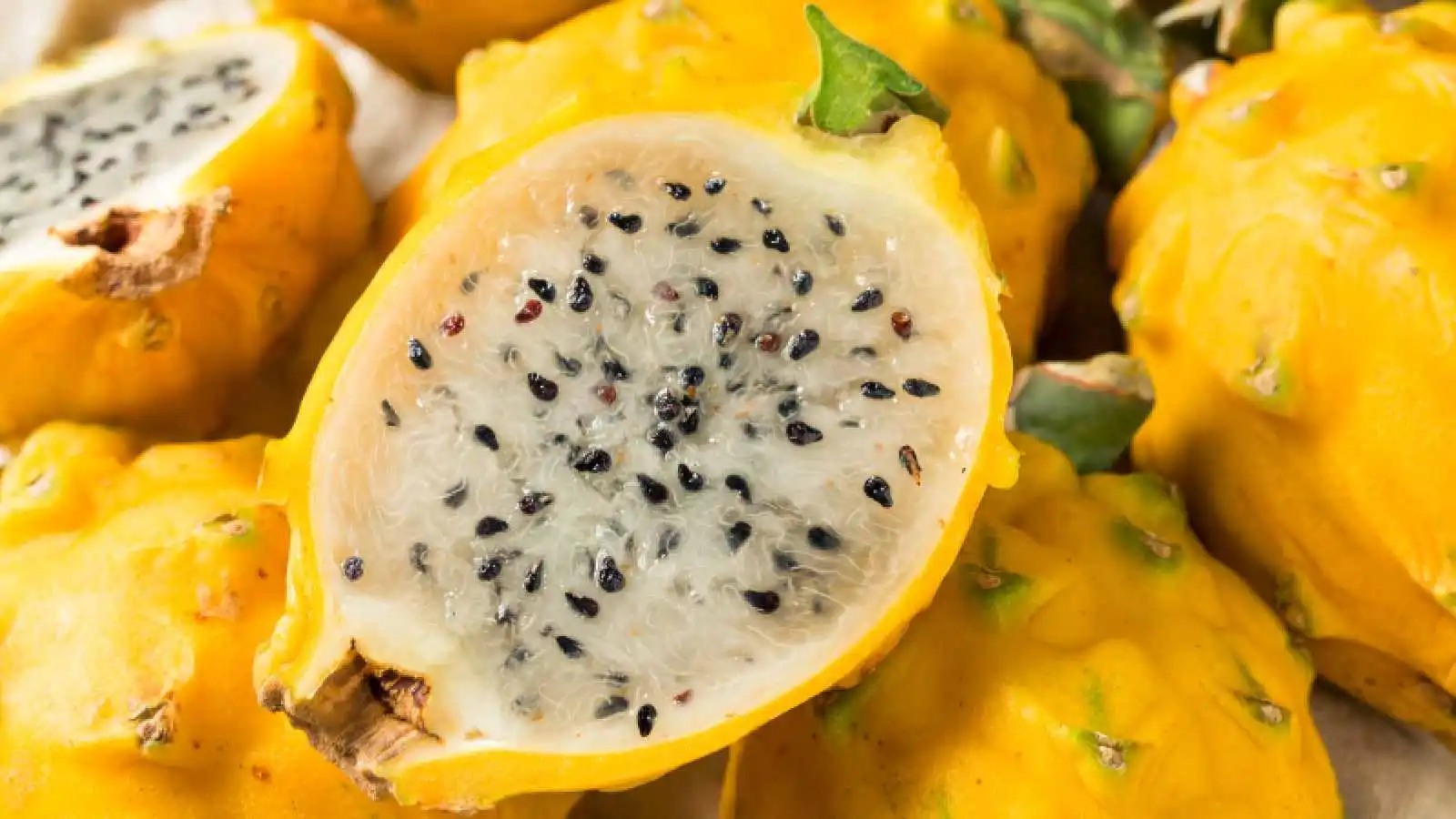
Yellow Dragon Fruit Plant Care: The Ultimate Guide for Healthy Growth
The yellow dragon fruit plant is a unique and rewarding addition to any home garden, [...]
Apr
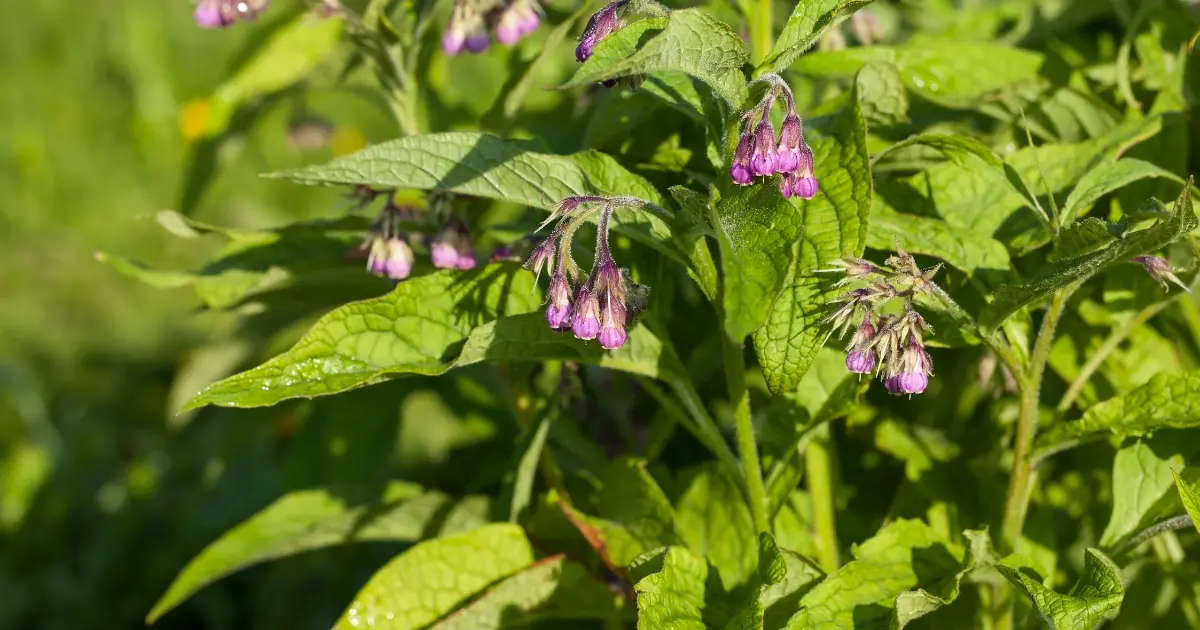
How to Identify Bocking 14 Comfrey: 5 Simple Visual Signs
If you’re growing comfrey for mulch, compost, or animal feed, knowing exactly which variety you [...]
Mar
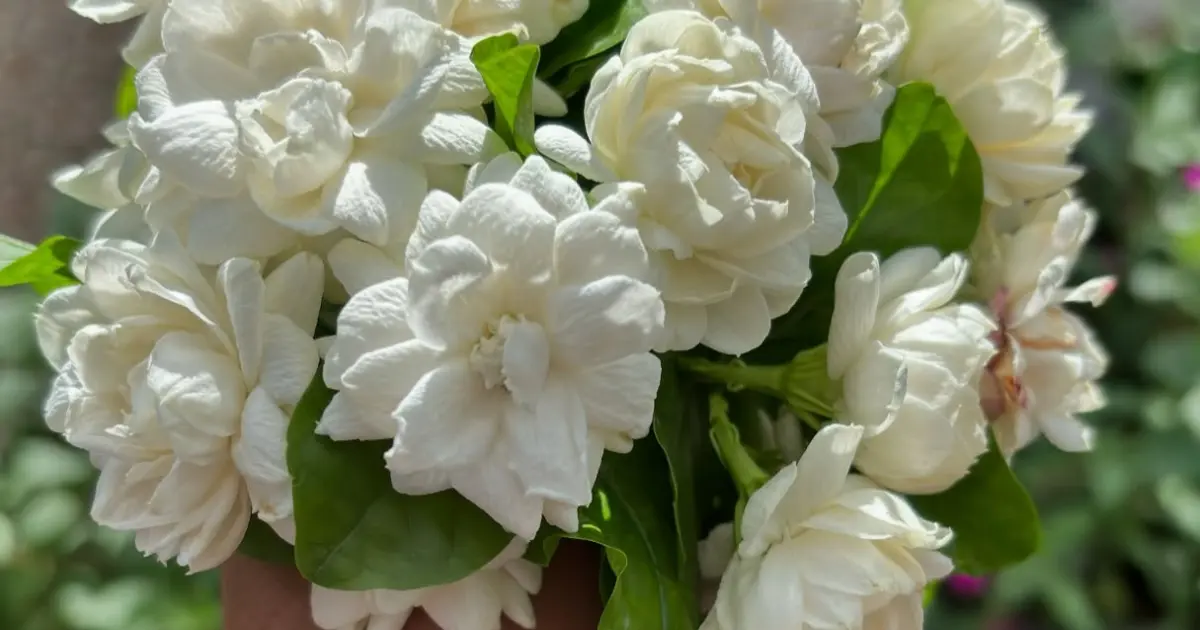
Grand Duke of Tuscany Jasmine: The Ultimate Guide to Growing a Fragrant Masterpiece
Have you ever caught a scent in the air so rich, creamy, and honey-sweet that [...]
Mar
How to Grow Wild Huckleberries: A Guide to “Purple Gold”
Have you ever spent a summer afternoon hiking through the Pacific Northwest or the Rocky [...]
Mar
Reviews
There are no reviews yet.