
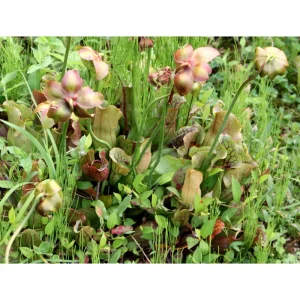
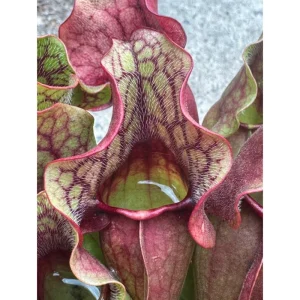
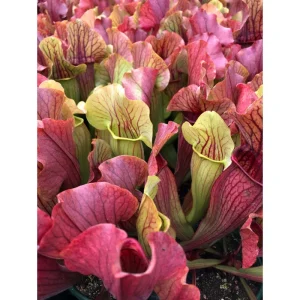

30 Sarracenia Purpurea Seeds – Carnivorous Purple Purple Pitcher Plant Seeds
Original price was: $31.96.$11.96Current price is: $11.96.
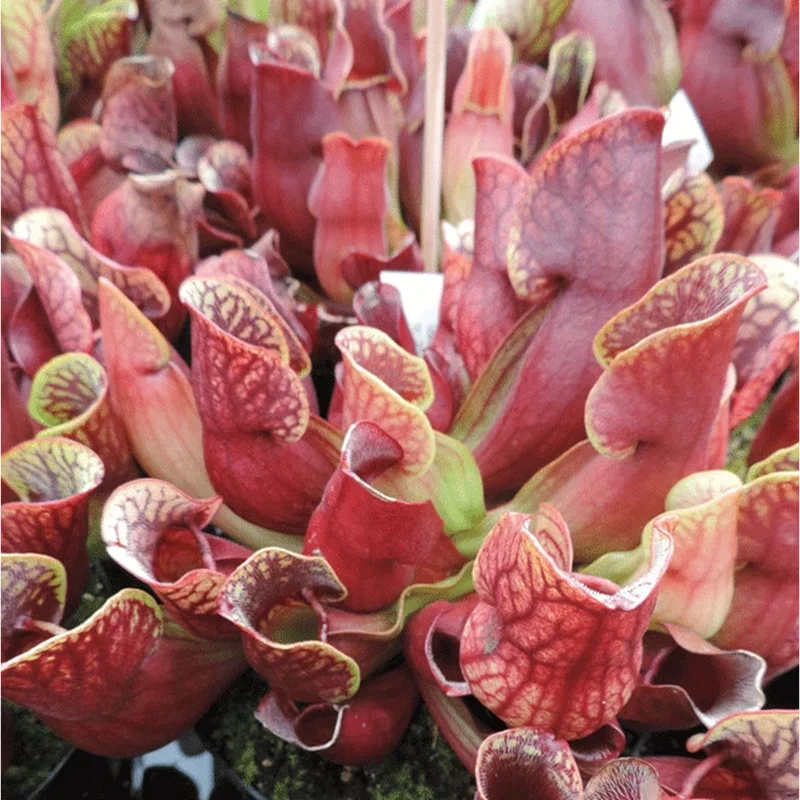
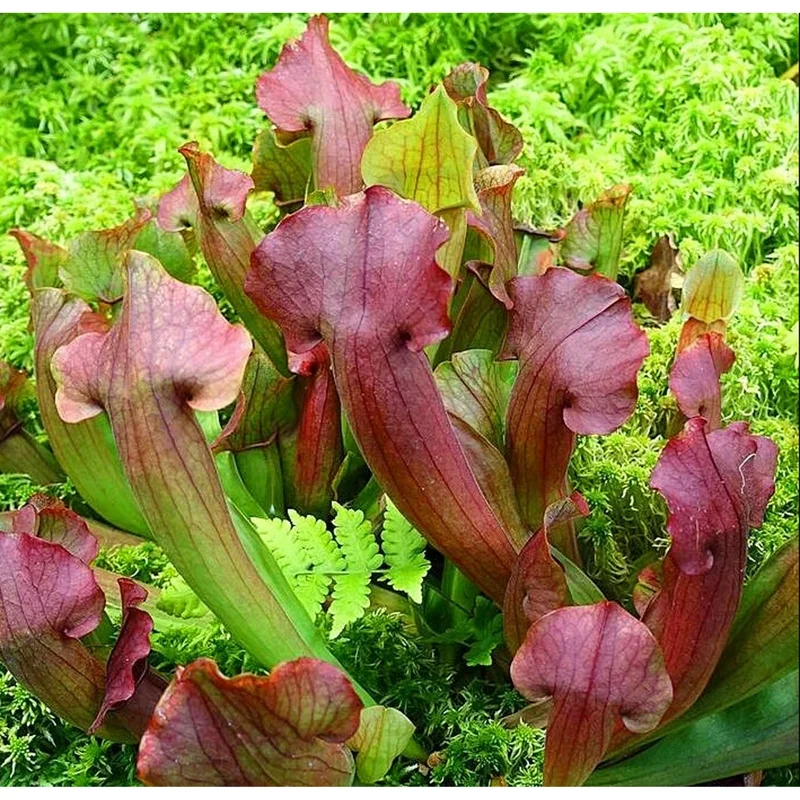
Cultivate stunning carnivorous plants with this pack of 30 Sarracenia Purpurea Seeds. These unique purple pitcher plant seeds are perfect for enthusiasts looking to add a fascinating specimen to their collection or bog garden. Requires cold stratification for optimal germination.
Estimated arrival
Apr 12
Apr 17 - Apr 19
Apr 22 - Apr 26

Reasonable Price
We offer reasonable price

Support 24/7
Contact us 24 hrs a day

100% Money Back
You've 30 days to Return

Payment Secure
100% secure payment
Overview
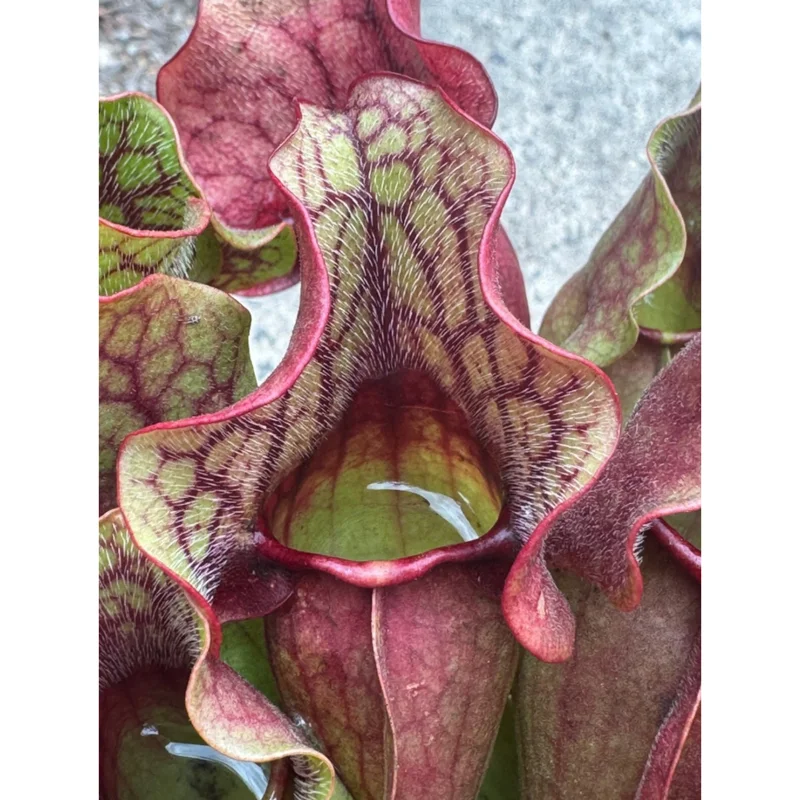
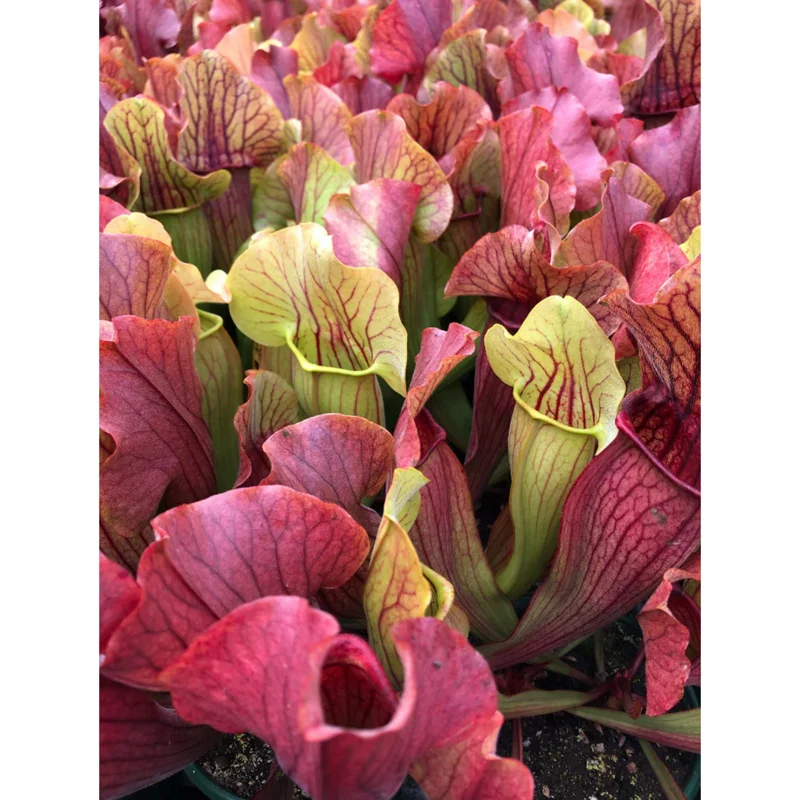
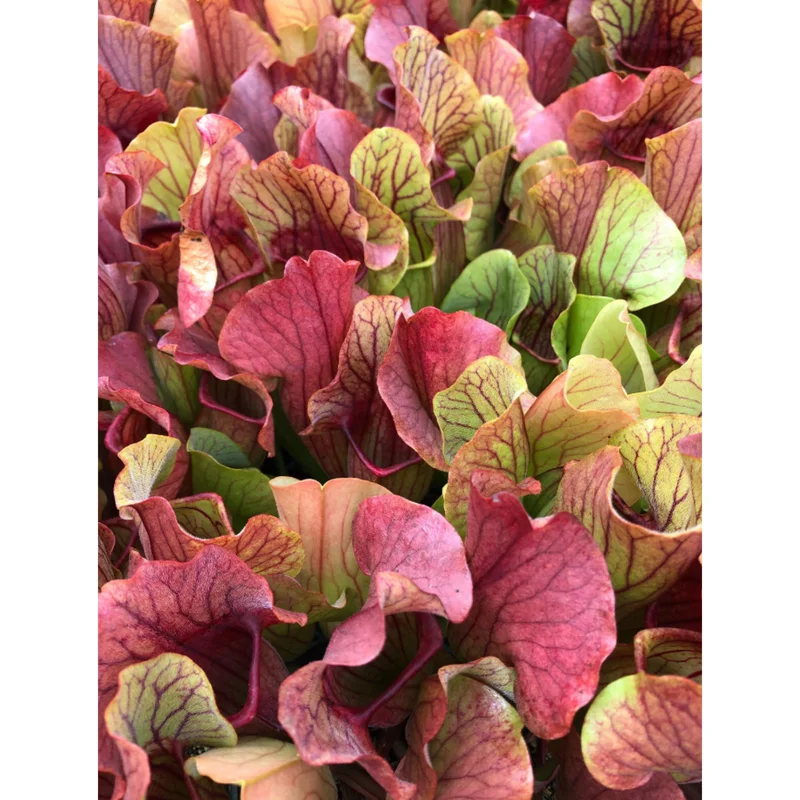
Embark on the captivating journey of growing your own carnivorous plants with our premium pack of 30 Sarracenia Purpurea Seeds. These remarkable seeds allow you to cultivate the stunning Purple Pitcher Plant, a truly unique and visually striking addition to any plant collection. Known for their vibrant purple-red pitchers, which are modified leaves designed to trap insects, Sarracenia purpurea is a fascinating species that thrives in specific bog-like conditions. Each seed holds the potential to grow into a mature, insect-devouring plant, offering an engaging and educational experience for gardeners of all levels. Our sarracenia purpurea seeds are derived from healthy, robust parent plants, ensuring a high likelihood of successful germination and vigorous growth when proper care instructions are followed. Get ready to witness nature’s incredible design unfold in your own home or garden.
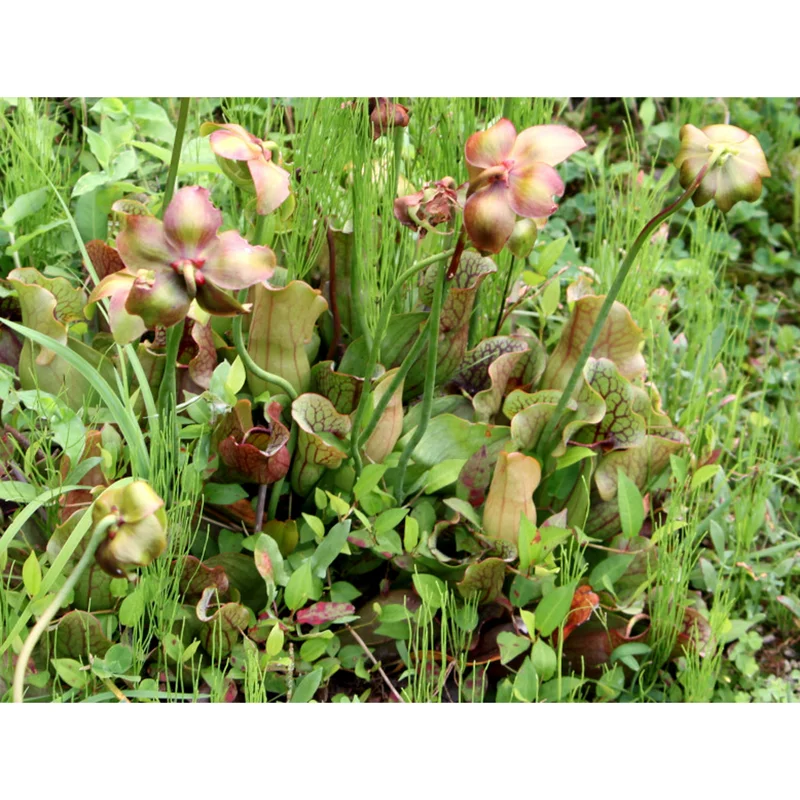
The Purple Pitcher Plant, or Sarracenia purpurea, is a native North American carnivorous plant renowned for its distinctive, upright pitchers that collect rainwater and trap unsuspecting insects. This species is particularly hardy and adaptable, making it a rewarding challenge for both novice and experienced carnivorous plant enthusiasts. Growing these plants from carnivorous plant seeds offers a deeper understanding of their life cycle and specific environmental needs, creating a truly immersive gardening experience.
Key Benefits
Growing sarracenia purpurea seeds offers a multitude of benefits, from enhancing your garden’s aesthetic to providing a natural form of pest control. These unique plants are not just beautiful; they are also a testament to nature’s ingenuity.
- Unique Aesthetic Appeal: The vibrant purple and green pitchers of the Sarracenia purpurea add an exotic and striking visual element to any bog garden, terrarium, or specialized plant display. Their unusual structure is a constant conversation starter.
- Natural Pest Control: As carnivorous plants, Purple Pitcher Plants efficiently trap and digest insects like flies, mosquitoes, and ants, helping to naturally manage pest populations in their vicinity without the need for chemical sprays.
- Educational Value: Cultivating purple pitcher plant seeds provides an excellent educational opportunity, allowing you to observe the fascinating adaptations of carnivorous plants firsthand. It’s a great project for families and students.
- Hardy and Adaptable: Sarracenia purpurea is one of the hardier carnivorous plants, capable of tolerating a range of conditions once established. This makes it a more accessible option for those new to carnivorous plant care.
- Ideal for Bog Gardens: These plants naturally thrive in waterlogged, nutrient-poor soils, making them perfect inhabitants for specialized bog gardens where other plants might struggle. They contribute to a unique and self-sustaining ecosystem.
- Rewarding Growing Experience: The process of growing sarracenia seeds from germination to mature plant is incredibly rewarding, offering a sense of accomplishment as you nurture these unique botanical wonders.
- Collector’s Item: For carnivorous plant enthusiasts, adding Sarracenia purpurea grown from seed to a collection is a highly valued achievement, showcasing dedication and skill in specialized horticulture.
Plant Care & Growing Tips
Successfully growing sarracenia purpurea seeds requires specific conditions, particularly cold stratification. Before sowing, the seeds need to undergo a period of cold stratification for 6–12 weeks. This can be achieved by placing the seeds on a damp paper towel in a sealed plastic bag or container and refrigerating them. This mimics the natural winter conditions they would experience, signaling to the seeds that it’s time to germinate. After stratification, sow the seeds on the surface of a moist, acidic medium. An ideal mix consists of sphagnum peat moss blended with horticultural sand or perlite. Do not cover the seeds, as they require light for germination. Keep the medium consistently moist using distilled water, rainwater, or reverse osmosis water, as tap water minerals can be detrimental to these sensitive plants. Provide bright, indirect light to encourage germination, which typically occurs within 4–8 weeks after the stratification period.
Once seedlings emerge, continue to maintain consistent moisture and bright, indirect light. As they grow, gradually introduce them to more direct sunlight, aiming for full sun to partial shade for mature plants. Purple Pitcher Plants thrive in well-drained soil with consistent moisture, replicating their natural bog habitats. They are slow-growing, hardy perennials that prefer temperatures between 60-85°F (15-29°C) during their growing season and cooler temperatures for dormancy. Fertilization is generally not required, as these plants obtain their nutrients from the insects they catch. Avoid using conventional fertilizers, which can burn their roots. These plants are ideal for bog gardens, terrariums, or specialty carnivorous plant seeds collections, offering a unique challenge and reward for dedicated gardeners looking to grow pitcher plant specimens.
Size & Details
This package contains 30 Sarracenia Purpurea Seeds, providing a generous quantity for multiple germination attempts and ensuring a higher chance of success in cultivating these unique plants. While individual growth rates vary, mature Sarracenia purpurea plants typically reach a height of 6-18 inches (15-45 cm) with a spread of 8-12 inches (20-30 cm). The seeds are small and require careful handling during the stratification and sowing process. Expect to see initial germination within 4-8 weeks after adequate cold stratification, with seedlings developing slowly over the first few months. These hardy perennials are best started indoors in controlled environments before transplanting to their permanent outdoor bog garden or terrarium. The unique characteristics of these sarracenia seeds make them a fascinating project for any plant enthusiast.
Frequently Asked Questions
- Q: How many Sarracenia Purpurea seeds are included in this pack? A: This pack contains 30 high-quality Sarracenia Purpurea Seeds, offering ample opportunity for successful germination and cultivation of multiple plants.
- Q: Do these purple pitcher plant seeds require any special treatment before planting? A: Yes, these seeds require a period of cold stratification for 6–12 weeks before sowing. This helps break dormancy and encourages germination.
- Q: What kind of soil is best for growing purple pitcher plants from seed? A: A moist, acidic medium such as sphagnum peat moss mixed with horticultural sand or perlite is ideal for germinating and growing these carnivorous plant seeds.
- Q: How much sunlight do Sarracenia Purpurea plants need? A: Mature Purple Pitcher Plants thrive in full sun to partial shade. Seedlings should initially receive bright, indirect light.
- Q: Is it difficult to grow pitcher plants from seed? A: Growing pitcher plants from seed requires patience and attention to specific environmental conditions, particularly cold stratification and proper moisture. However, with the right care, it is a very rewarding experience to grow pitcher plant specimens.
- Q: How long does it take for the seeds to germinate? A: Germination typically occurs within 4–8 weeks after the required cold stratification period has been completed.
- Q: What type of water should I use for Sarracenia Purpurea? A: Always use distilled water, rainwater, or reverse osmosis water. Tap water contains minerals that can harm these sensitive carnivorous plants.
- Q: Can these plants be grown indoors? A: Yes, Sarracenia Purpurea can be grown indoors in a terrarium or a sunny windowsill, provided they receive adequate light and humidity, and proper dormancy conditions are met.
- Q: Are these Sarracenia seeds suitable for bog gardens? A: Absolutely! These plants are perfectly suited for bog gardens, where they can thrive in consistently moist, nutrient-poor soil conditions.
- Q: How often should I fertilize my Purple Pitcher Plant? A: You should generally avoid fertilizing Purple Pitcher Plants. They obtain their necessary nutrients by catching insects. Conventional fertilizers can harm them.
Be the first to review “30 Sarracenia Purpurea Seeds – Carnivorous Purple Purple Pitcher Plant Seeds”
-
USDA Hardiness Zone
USDA zones 6-9 -
Soil Type
Acidic, nutrient-poor, well-draining soil (sphagnum peat moss & sand mix) -
Sunlight Exposure
Full sun to partial shade (bright indirect light for seedlings) -
Expected Planting Period
Late winter to early spring after cold stratification
People Also Viewd


Sold 128 products
Original price was: $27.00.$24.00Current price is: $24.00.

Sold 128 products
Original price was: $89.99.$64.99Current price is: $64.99.
Sold 128 products
Original price was: $159.99.$139.99Current price is: $139.99.

Sold 126 products
Original price was: $3,536.00.$23.99Current price is: $23.99.

Sold 125 products
Original price was: $86.99.$66.99Current price is: $66.99.
Sold 116 products
Original price was: $27.99.$16.99Current price is: $16.99.

Sold 114 products
Original price was: $28.99.$17.99Current price is: $17.99.

Flower Bulbs
3 Cranesbill Wild Geranium Organic Maculatums Bare Roots | Wildflower for Outdoor Garden
Sold 114 products
Original price was: $21.99.$6.99Current price is: $6.99.RELATED posts
5 Tips for Growing Sweet Potatoes to Get the Biggest Sweet Potato Harvest Ever
If you are a fan of sweet potatoes, then these tips for growing sweet potatoes [...]
Apr
Tamarillo Tree Guide: Flavor, Texture & How to Eat Tree Tomatoes
The humble tomato is a kitchen staple we all know and love, but it rarely [...]
Apr
5 Pro Tips to Grow Esperanza ‘Gold Star’ Indoors: A Golden Glow for Your Home
While most gardeners know this Texas Superstar – Esperanza ‘Gold Star’ as a rugged outdoor [...]
Apr
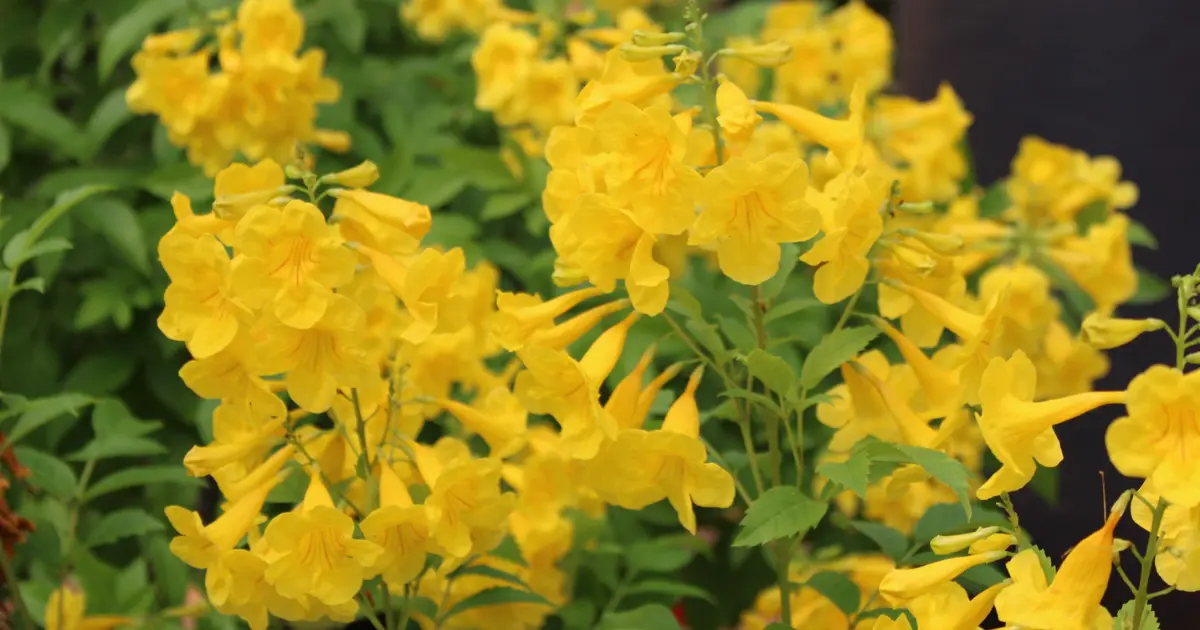
Mastering Esperanza Goldstar: Grow the Ultimate Yellow Bloom
Esperanza Goldstar is more than just a heat-tolerant shrub; for the American gardener battling the [...]
Apr
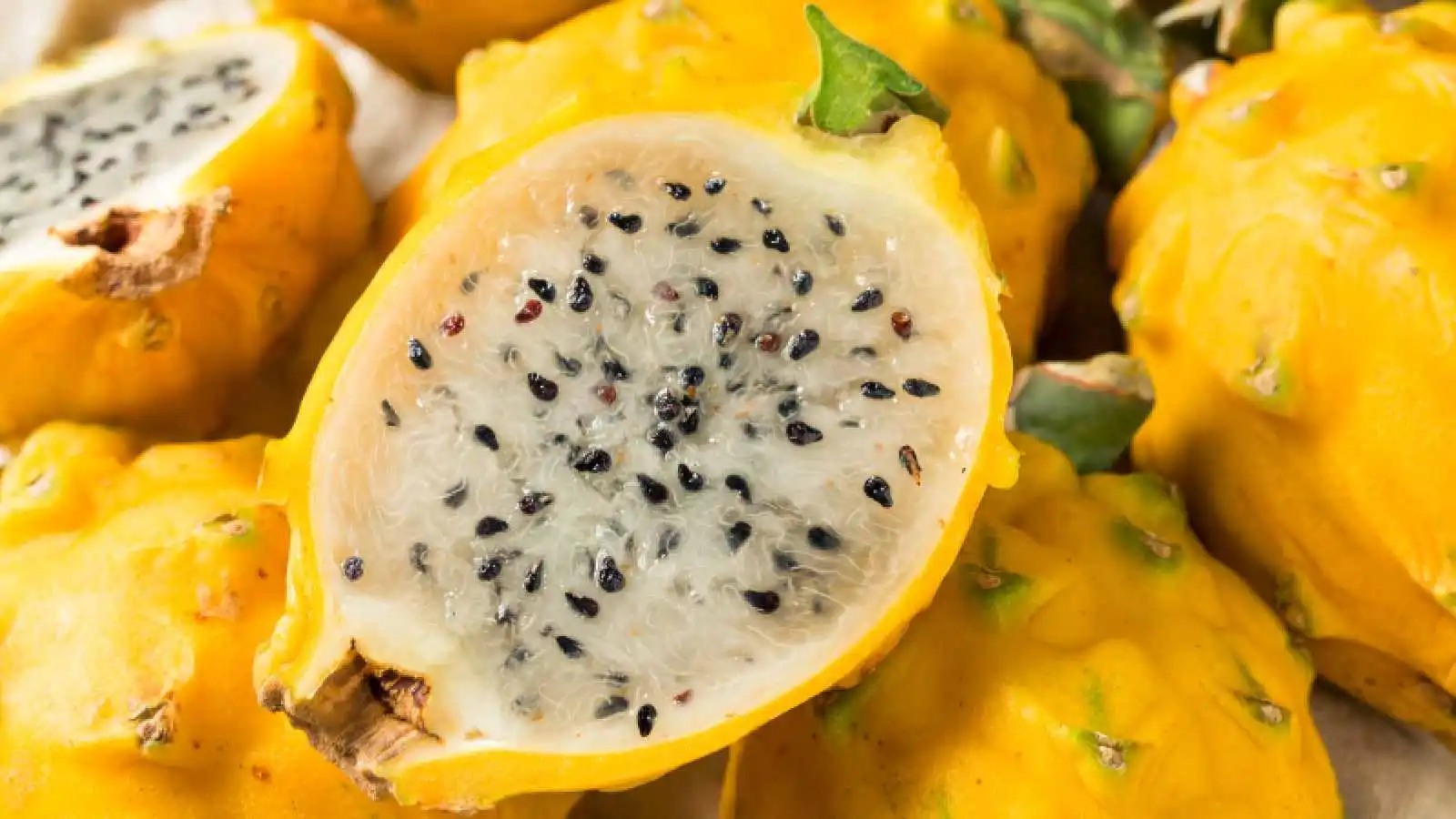
Yellow Dragon Fruit Plant Care: The Ultimate Guide for Healthy Growth
The yellow dragon fruit plant is a unique and rewarding addition to any home garden, [...]
Apr
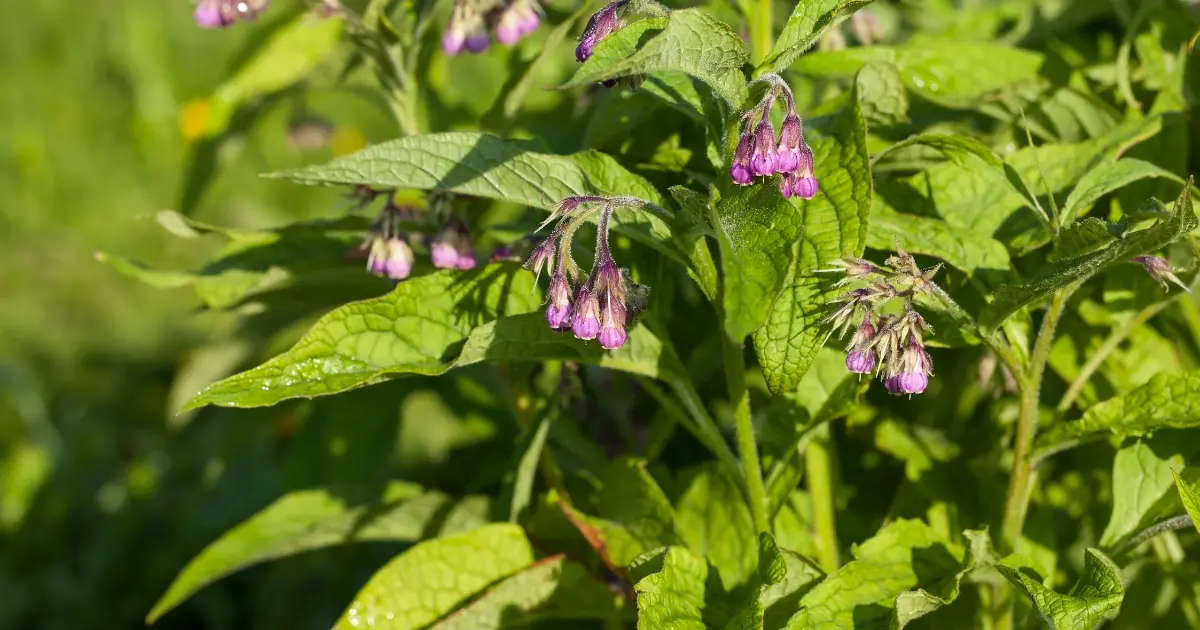
How to Identify Bocking 14 Comfrey: 5 Simple Visual Signs
If you’re growing comfrey for mulch, compost, or animal feed, knowing exactly which variety you [...]
Mar
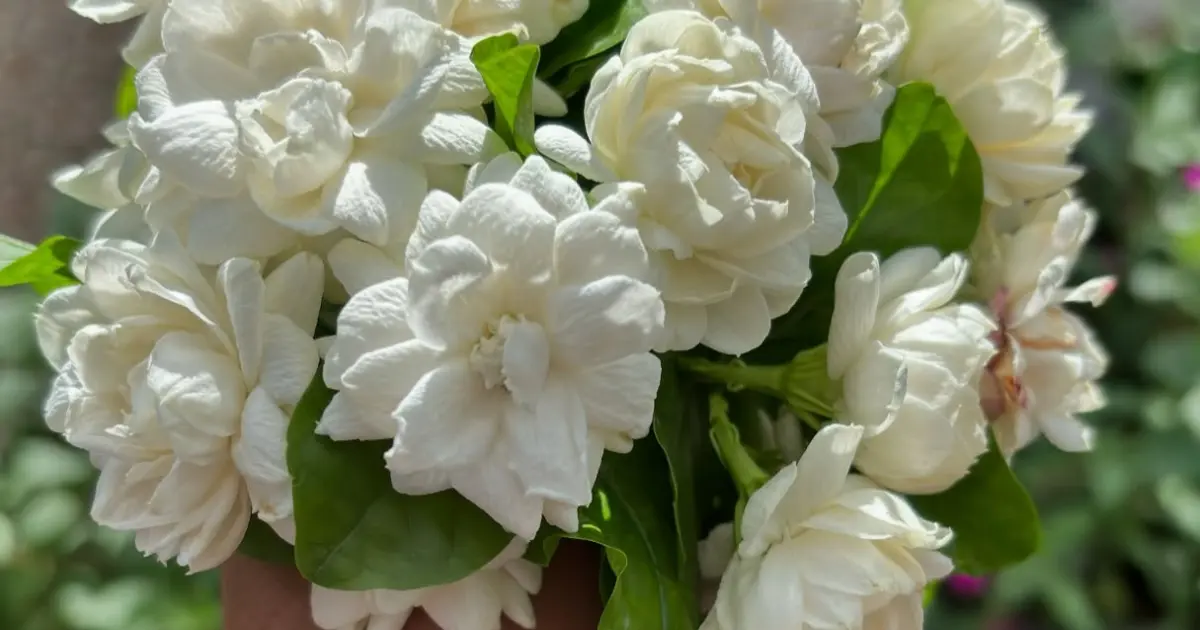
Grand Duke of Tuscany Jasmine: The Ultimate Guide to Growing a Fragrant Masterpiece
Have you ever caught a scent in the air so rich, creamy, and honey-sweet that [...]
Mar
How to Grow Wild Huckleberries: A Guide to “Purple Gold”
Have you ever spent a summer afternoon hiking through the Pacific Northwest or the Rocky [...]
Mar


Reviews
There are no reviews yet.