

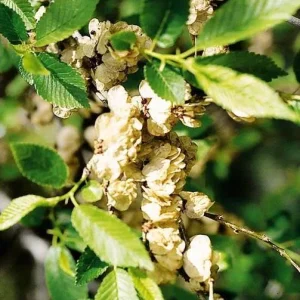
5 Siberian Elm Tree Seedlings – 1-2ft Bare Roots, Outdoor Deciduous Tree
Original price was: $34.92.$19.92Current price is: $19.92.
Cultivate a resilient landscape with Siberian Elm bare root seedlings. This pack of 5, 1-2ft tall trees offers excellent adaptability and fast growth for outdoor planting. Perfect for various soil types and climates.
Estimated arrival
Apr 03
Apr 08 - Apr 10
Apr 13 - Apr 17

Reasonable Price
We offer reasonable price

Support 24/7
Contact us 24 hrs a day

100% Money Back
You've 30 days to Return

Payment Secure
100% secure payment
Overview
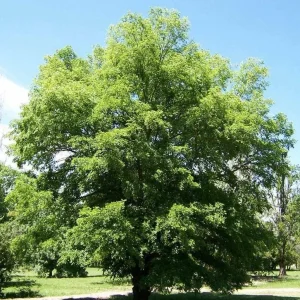
Transform your landscape with this offering of 5 Siberian Elm bare root seedlings. Known for its remarkable hardiness and rapid growth, the Siberian Elm (Ulmus pumila) is an exceptional choice for gardeners and landscapers seeking a durable and adaptable tree. These bare root plants, measuring 1-2 feet tall, are shipped dormant, making them ideal for planting during the cooler seasons. The Siberian Elm is a deciduous tree, meaning it will arrive without leaves, which is a natural and healthy state for bare root stock. Its ability to thrive in a wide range of conditions, from poor soils to extreme temperatures, makes it a popular choice for windbreaks, shade, and reclamation projects. Embrace the opportunity to grow a robust tree that will quickly establish itself and enhance your outdoor space.
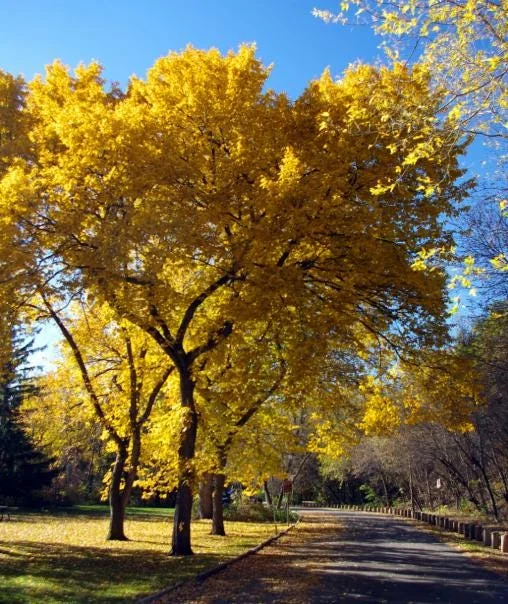
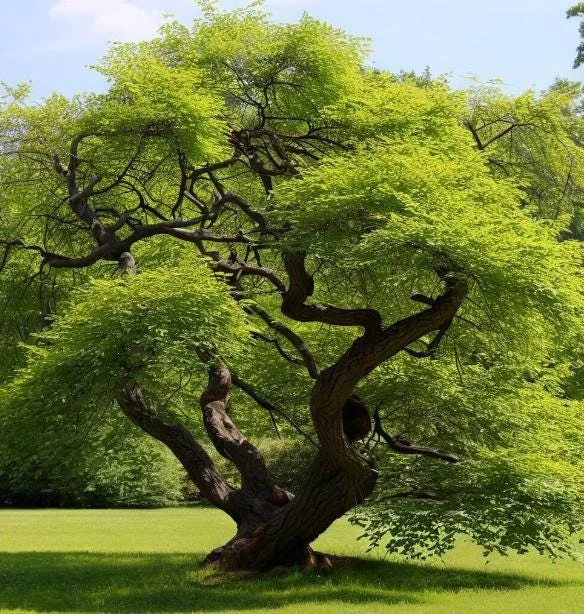
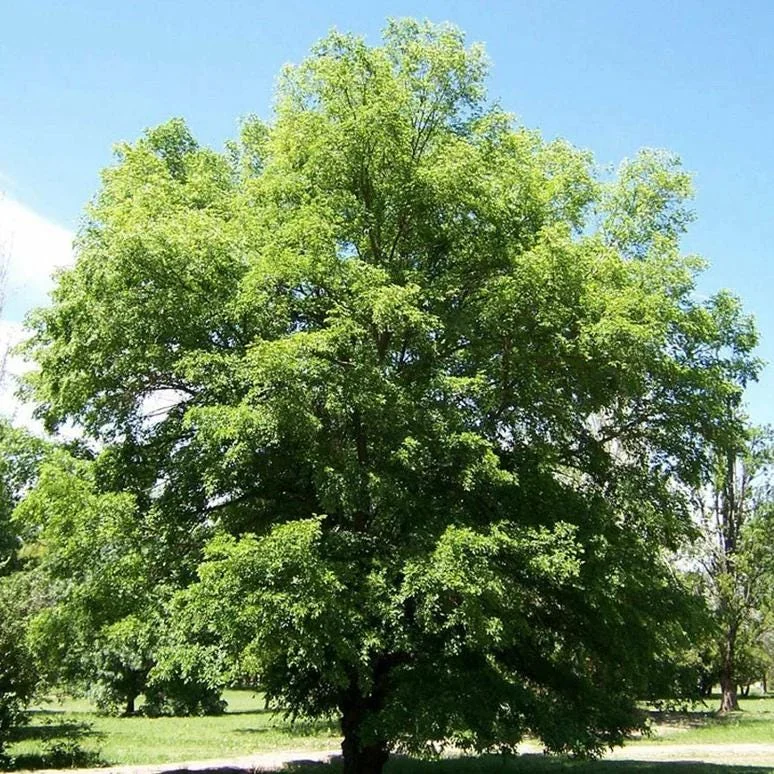
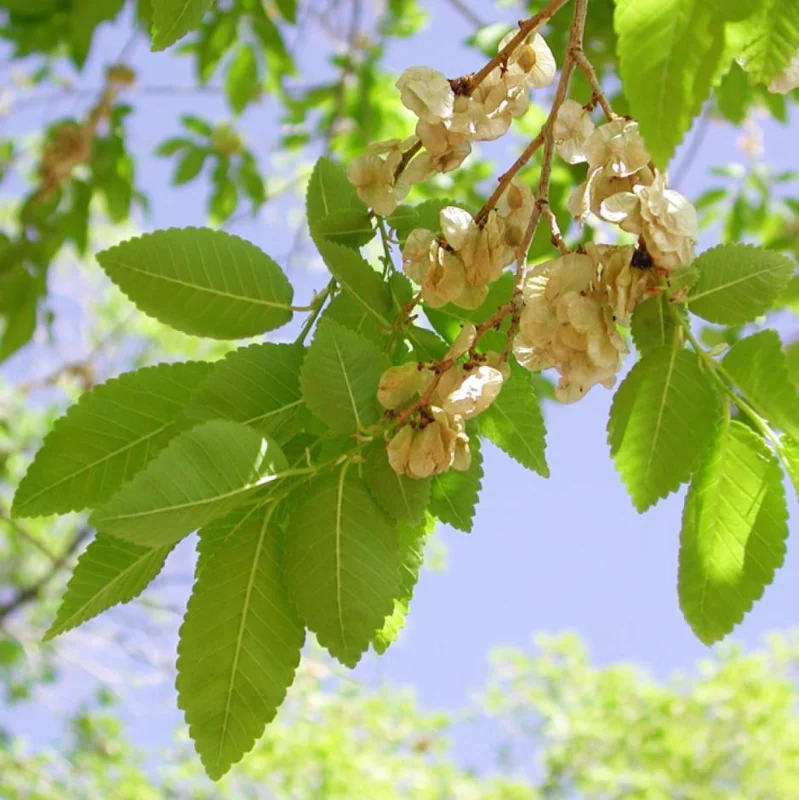
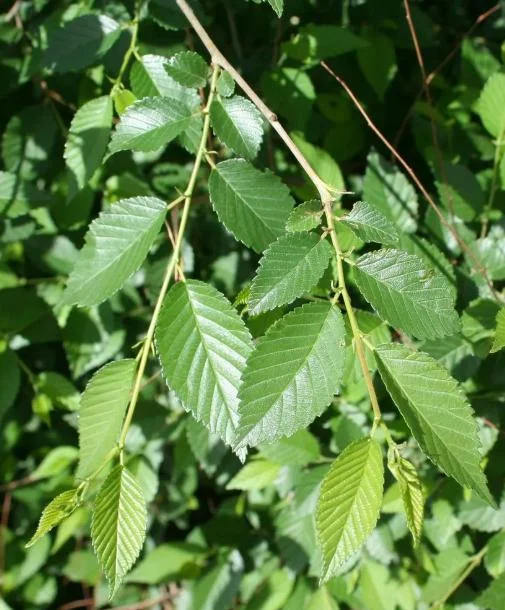
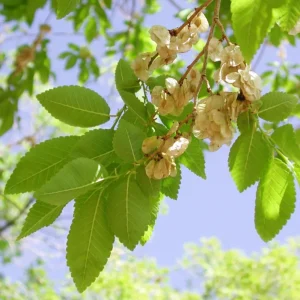
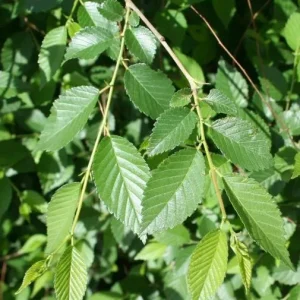
The Siberian Elm bare root is a testament to nature’s resilience. Despite its toughness, it possesses an elegant form with small, serrated leaves and grayish-brown bark once established. These young trees promise to grow into mature specimens that provide ample shade and a strong visual presence. Whether you’re looking to establish a new garden, add to an existing one, or create a natural barrier, the Siberian Elm offers a practical and rewarding solution.
Key Benefits
The Siberian Elm bare root offers numerous advantages for both novice and experienced planters, making it a valuable addition to many landscapes:
-
Exceptional Adaptability: This tree is renowned for its ability to thrive in a vast array of challenging conditions, including diverse soil types (clay, loam, sand, compacted), varying pH levels, and urban pollution. This makes it an incredibly forgiving choice for almost any planting site.
-
Rapid Growth Rate: Experience swift results as the Siberian Elm grows quickly, providing shade and structure to your garden in a relatively short period. Its fast establishment is a significant benefit for those looking to develop their landscape without a long wait.
-
Drought and Cold Tolerance: With a remarkable tolerance for both drought and extreme cold, the Siberian Elm is suitable for a broad range of climates, particularly those with harsh winters and dry summers. It can withstand temperatures from -40°F to 95°F.
-
Low Maintenance: Once established, the Siberian Elm requires minimal care, making it an excellent option for busy individuals or those preferring a hands-off approach to gardening. Its resilience reduces the need for constant attention.
-
Erosion Control: Due to its strong root system and quick growth, the Siberian Elm bare root is often used for erosion control on slopes and in areas with poor soil stability, helping to secure the earth and prevent soil loss.
-
Windbreak Potential: Its dense foliage and fast growth make it an ideal candidate for creating effective windbreaks, protecting homes and other plants from strong winds and reducing energy costs.
-
Wildlife Habitat: The mature trees provide shelter and nesting sites for various birds and small animals, contributing to local biodiversity and creating a more vibrant ecosystem in your garden.
Plant Care & Growing Tips
Successful planting and establishment of your Siberian Elm tree care begins with proper site selection and planting techniques. Choose a location that receives full sun to partial shade, ideally at least six hours of direct sunlight per day. While highly adaptable, well-drained soil will always promote healthier growth. When planting the bare roots, dig a hole wide enough to accommodate the roots without bending them, and deep enough so that the root collar (where the roots meet the trunk) is level with or slightly above the ground. Spread the roots out evenly in the hole, backfill with soil, and gently tamp down to remove air pockets. Water thoroughly immediately after planting.
For ongoing Siberian Elm tree care, consistent watering is crucial during the first year of establishment, especially during dry spells. Once established, these trees are quite drought-tolerant. Fertilization is generally not necessary in good soil, but a balanced, slow-release fertilizer can be applied in spring if growth appears slow. Pruning should focus on removing dead, damaged, or crossing branches to maintain a strong structure. The ideal planting period is in spring or fall when the trees are dormant, allowing them to establish their root system before the stress of summer heat or winter cold. Remember that these are dormant bare root plants, so they will arrive without leaves; new growth will emerge in spring.
The Siberian Elm is known for its incredible hardiness, tolerating USDA Zones 3 to 9. This wide range means it can endure very cold winters and hot summers. While generally disease-resistant, monitor for common tree pests and diseases, though the Siberian Elm is less susceptible than some other elm varieties. Proper spacing, allowing ample room for its mature size, will ensure good air circulation and reduce potential issues. Following this bare root planting guide will help ensure your seedlings thrive.
Size & Details
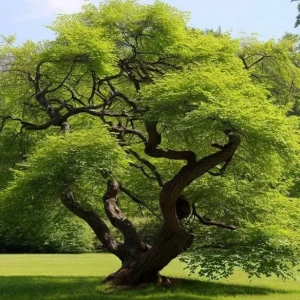
This offering includes 5 individual Siberian Elm bare root seedlings, each measuring approximately 1 to 2 feet in height from the root crown to the tip of the stem. These trees are shipped in their dormant state, meaning they will have no leaves upon arrival, which is normal and healthy for bare root stock. This form allows for easier handling and transplanting, as the tree can focus its energy on root development once planted. The Siberian Elm is a fast-growing tree, with a potential to reach 50-70 feet tall and a spread of 30-50 feet at maturity, depending on growing conditions.
Expect these young trees to establish quickly, with initial growth focused on developing a strong root system. While individual growth rates vary, you can anticipate noticeable vertical growth within the first few seasons after planting, especially when following a thorough bare root planting guide. The eventual size and rounded to irregular crown shape will provide significant shade and structure to your landscape. These seedlings are ready for immediate planting upon arrival in appropriate conditions.
Frequently Asked Questions
-
Q: How big does this plant get? A: The Siberian Elm bare root seedlings, once mature, can reach a height of 50-70 feet with a spread of 30-50 feet. Their fast-growing nature means they will establish quickly.
-
Q: Is this an indoor or outdoor plant? A: The Siberian Elm is strictly an outdoor tree, designed to thrive in garden and landscape settings. It is not suitable for indoor cultivation.
-
Q: How much sunlight does it need? A: For optimal growth, the Siberian Elm prefers full sun to partial shade, meaning it should receive at least 6 hours of direct sunlight per day.
-
Q: Is this tree easy to care for? A: Yes, the Siberian Elm is known for being very low-maintenance and highly adaptable, making Siberian Elm tree care relatively easy, especially once established. It’s a great choice for beginners.
-
Q: What condition will it arrive in? A: These are Siberian Elm bare root seedlings, meaning they are shipped dormant, without soil or leaves. This is a healthy and common way to ship deciduous trees for planting.
-
Q: When is the best time to plant these bare roots? A: The best time to plant bare root trees like the Siberian Elm is during their dormancy in early spring before bud break, or in the fall after leaf drop, when the ground is not frozen.
-
Q: Will it survive winter in my zone? A: The Siberian Elm is incredibly cold-hardy and thrives in USDA Zones 3-9, meaning it can withstand very cold winter temperatures within this range.
-
Q: What kind of soil does it prefer? A: This adaptable landscaping tree is highly tolerant of various soil types, including clay, loam, and sand, even poor and compacted soils, as long as there is some drainage.
-
Q: What is a bare root plant? A: A bare root plant is a dormant plant sold without soil around its roots. This method is cost-effective and allows the plant to focus energy on root establishment once planted.
-
Q: Can I use this for a windbreak? A: Absolutely. Its fast growth and dense canopy make the Siberian Elm an excellent choice for creating effective windbreaks and privacy screens.
Be the first to review “5 Siberian Elm Tree Seedlings – 1-2ft Bare Roots, Outdoor Deciduous Tree”
-
USDA Hardiness Zone
USDA Zones 3 to 9 -
Soil Type
Highly adaptable; tolerates clay, loam, sand, and compacted soils -
Sunlight Exposure
Full sun to partial shade -
Expected Planting Period
Spring or Fall (Dormant planting)
People Also Viewd


Sold 128 products
Original price was: $89.99.$64.99Current price is: $64.99.

Sold 128 products
Original price was: $27.00.$24.00Current price is: $24.00.

Sold 126 products
Original price was: $3,536.00.$23.99Current price is: $23.99.

Sold 125 products
Original price was: $86.99.$66.99Current price is: $66.99.
Sold 116 products
Original price was: $27.99.$16.99Current price is: $16.99.

Flower Bulbs
3 Cranesbill Wild Geranium Organic Maculatums Bare Roots | Wildflower for Outdoor Garden
Sold 114 products
Original price was: $21.99.$6.99Current price is: $6.99.

Sold 114 products
Original price was: $28.99.$17.99Current price is: $17.99.

Sold 109 products
Original price was: $63.99.$28.99Current price is: $28.99.RELATED posts
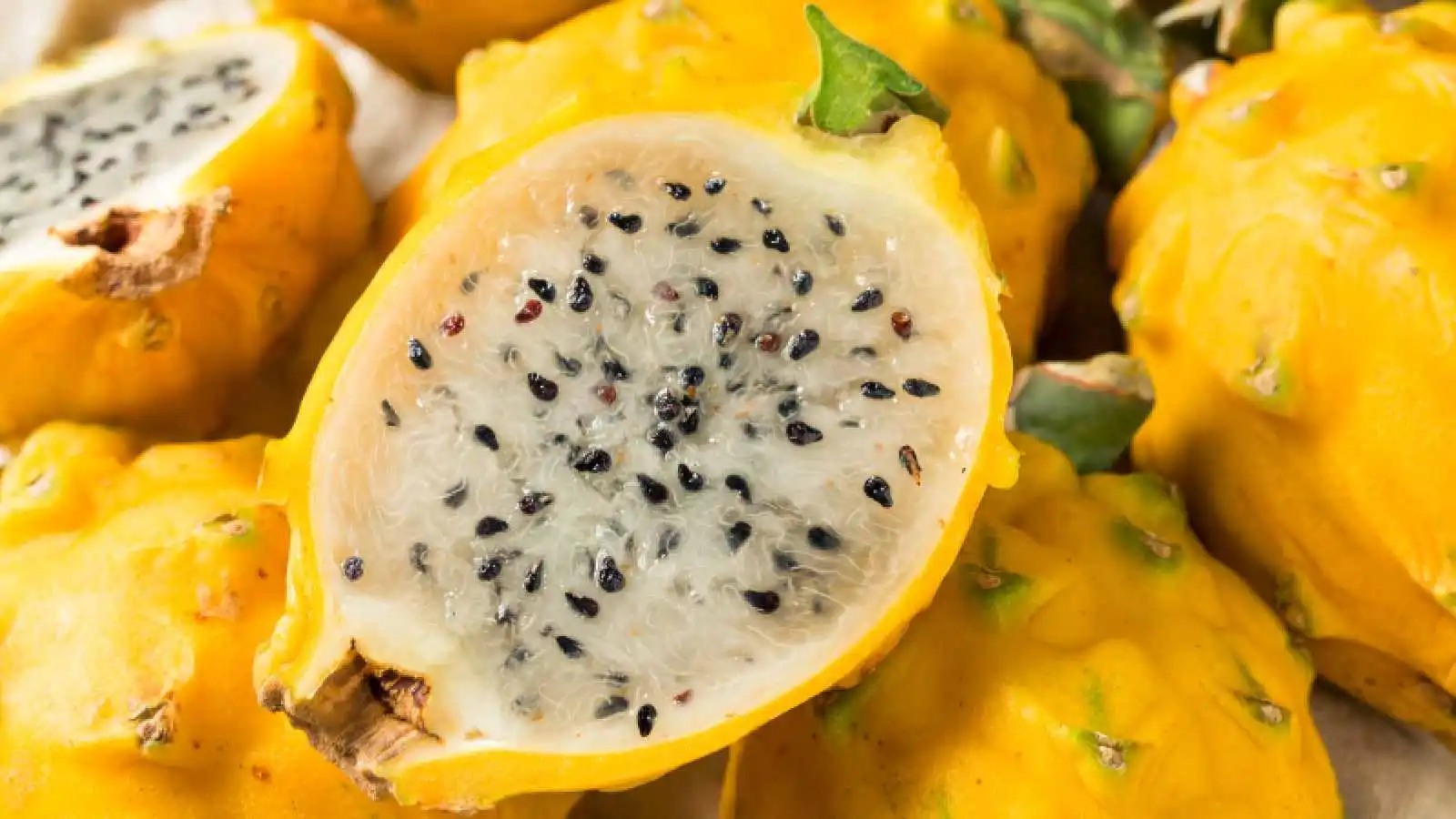
Yellow Dragon Fruit Plant Care: The Ultimate Guide for Healthy Growth
The yellow dragon fruit plant is a unique and rewarding addition to any home garden, [...]
Apr
How to Identify Bocking 14 Comfrey: 5 Simple Visual Signs
If you’re growing comfrey for mulch, compost, or animal feed, knowing exactly which variety you [...]
Mar
Grand Duke of Tuscany Jasmine: The Ultimate Guide to Growing a Fragrant Masterpiece
Have you ever caught a scent in the air so rich, creamy, and honey-sweet that [...]
Mar
How to Grow Wild Huckleberries: A Guide to “Purple Gold”
Have you ever spent a summer afternoon hiking through the Pacific Northwest or the Rocky [...]
Mar
5 Best Shade-Loving Perennials for a Lush, Vibrant Garden
The world of gardening often shines a spotlight on sun-drenched blossoms, but there is a [...]
Mar

7 Common Curry Leaf Plant Problems: Easy Fixes for a Thriving Plant
Is your curry leaf plant looking a bit sad lately? Maybe you woke up to [...]
Mar
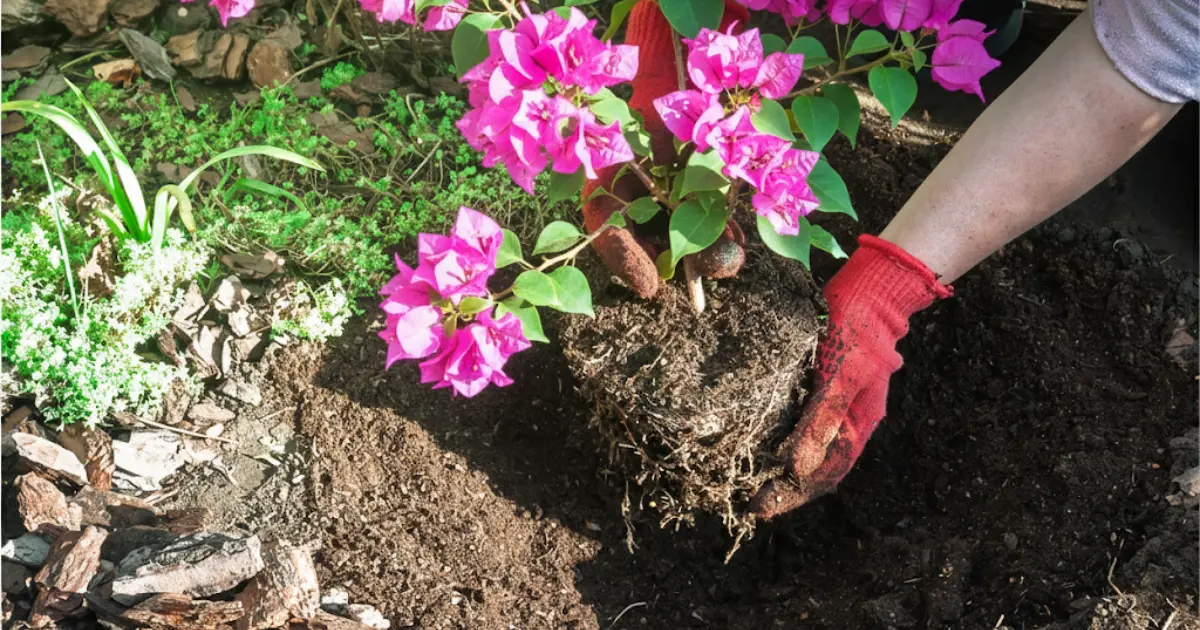
Best Time to Plant Bougainvillea: Timing for Vibrant Blooms
If you’re looking for a hardy tropical vine that delivers a riot of neon color, [...]
Feb
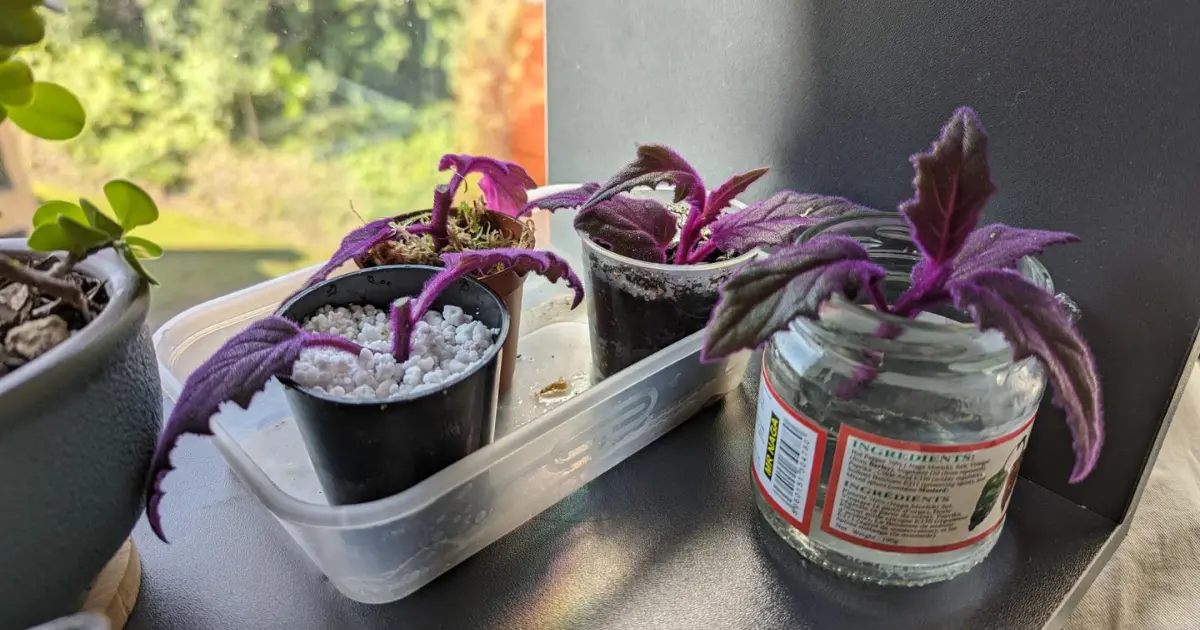
How to Propagate Purple Passion Plants (Gynura aurantiaca)
Have you ever been mesmerized by the neon-purple glow and fuzzy, velvet-like leaves of a [...]
Feb


Reviews
There are no reviews yet.