


50+ Bergamot Monarda Didyma Autumn Mix Perennial Flower Seeds
Original price was: $22.09.$7.09Current price is: $7.09.
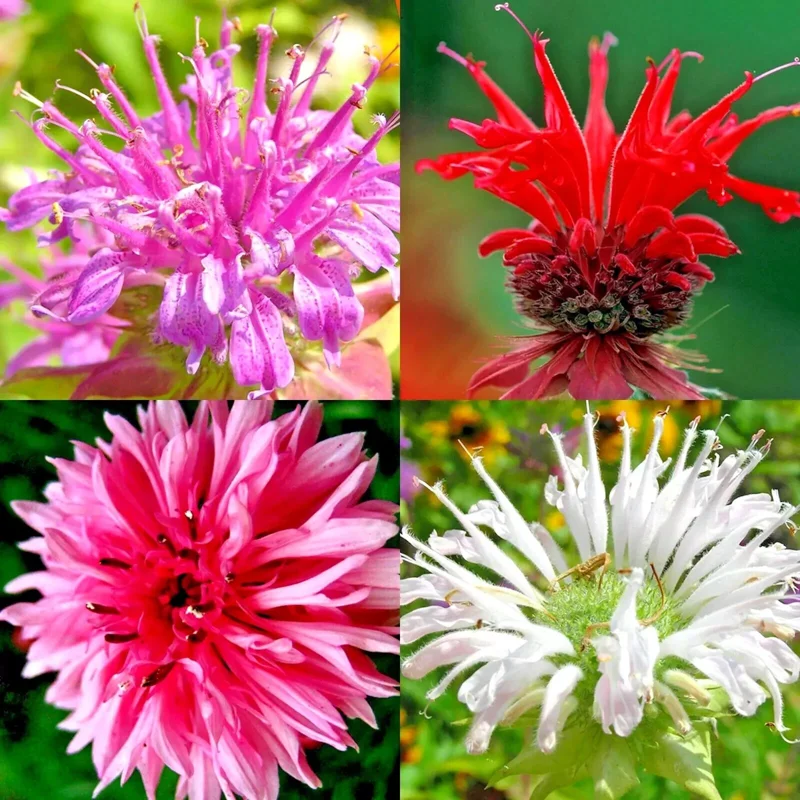
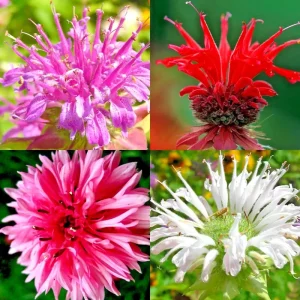
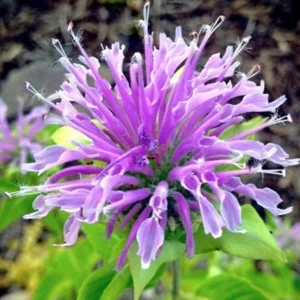
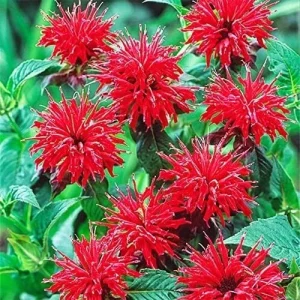
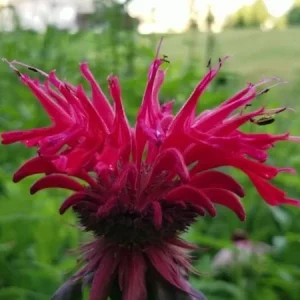
Cultivate a stunning garden with bergamot monarda seeds. This bee balm perennial (Monarda Didyma) Autumn Mix offers vibrant blooms that attract pollinators like hummingbirds and bees. Easy to grow outdoors, these flower seeds are perfect for adding color and fragrance to your landscape.
Estimated arrival
Apr 07
Apr 12 - Apr 14
Apr 17 - Apr 21

Reasonable Price
We offer reasonable price

Support 24/7
Contact us 24 hrs a day

100% Money Back
You've 30 days to Return

Payment Secure
100% secure payment
Overview
Transform your garden into a vibrant haven for pollinators with our premium bergamot monarda seeds. This Autumn Mix of Monarda Didyma, commonly known as Bee Balm, offers a spectacular display of colorful, aromatic flowers. Each packet contains 50+ high-quality seeds, ready to sprout into robust, perennial plants that will return year after year. Ideal for gardeners seeking to create a biodiverse and beautiful outdoor space, these seeds promise a rewarding growing experience from germination to full bloom. The striking blossoms not only add aesthetic appeal but also serve as a vital food source for hummingbirds, butterflies, and bees, enhancing the ecological value of your landscape. Embrace the joy of gardening with these exceptional bergamot monarda seeds, sure to be a highlight in any garden.
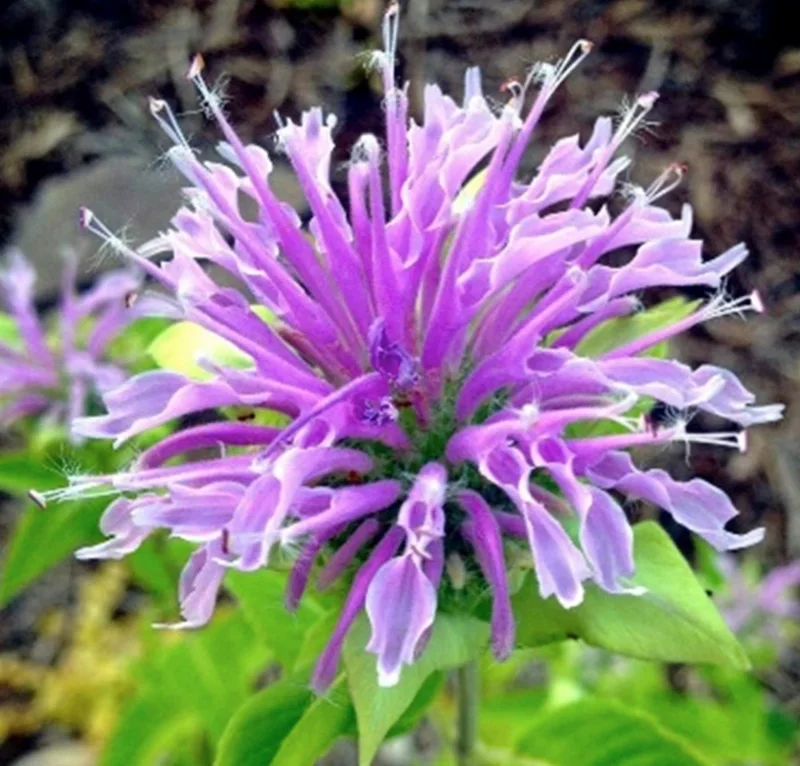
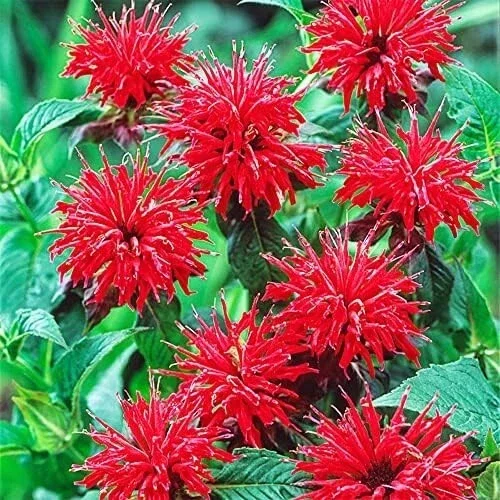
The Monarda Didyma species, a native to North America, is celebrated for its unique, tubular flowers that form in dense, rounded clusters. The “Autumn Mix” variety ensures a delightful array of colors, bringing dynamic hues to your late summer and fall garden. Beyond its ornamental charm, Bee Balm is also recognized as a rare medicinal herb, traditionally used for its aromatic and therapeutic properties. Growing these seeds allows you to cultivate a plant with both beauty and historical significance, making it a truly special addition to your home garden.
Key Benefits
Growing bergamot monarda seeds offers a multitude of advantages for both your garden and local ecosystem. These resilient plants are a fantastic choice for gardeners looking to combine beauty with ecological responsibility.
- Attracts Pollinators: The vibrant flowers are a magnet for essential garden visitors. They are particularly known as an excellent hummingbird plant seeds, and also draw in bees and butterflies, contributing to the health of your local ecosystem.
- Aromatic Foliage and Blooms: Enjoy a delightful, minty fragrance from both the leaves and flowers. This natural scent can also help deter unwanted pests, making your garden more pleasant.
- Long-Lasting Perennial Blooms: As a bee balm perennial, these plants will return each year, providing consistent beauty and reducing the need for annual replanting. Expect a long blooming season from summer through fall.
- Low Maintenance: Once established, Monarda is remarkably easy to care for, tolerant of various conditions, and generally resistant to pests and diseases. This makes it suitable for both novice and experienced gardeners.
- Medicinal and Culinary Uses: Beyond its beauty, Monarda is also valued as a rare medicinal herb. Its leaves can be used to make fragrant teas, and historically, it has been used for its antiseptic properties.
- Deer Resistant: The strong aroma of Bee Balm tends to deter deer, making it a good choice for gardens in areas where deer are a common problem.
- Versatile Garden Use: Perfect for borders, naturalized areas, wildflower gardens, or cutting gardens. The clumping growth habit of monarda didyma also makes it an excellent choice for ground cover in sunny or partially shaded spots.
Plant Care & Growing Tips
Cultivating bergamot monarda seeds is a rewarding experience, as these plants are relatively easy to grow and maintain. For best results, sow seeds directly outdoors in early spring after the last frost, or start them indoors 6-8 weeks before the last frost. Lightly cover the seeds with soil, as they require light for germination. Keep the soil consistently moist until seedlings emerge. Once established, Monarda Didyma is known for its resilience, making it a popular choice for both beginner and seasoned gardeners.
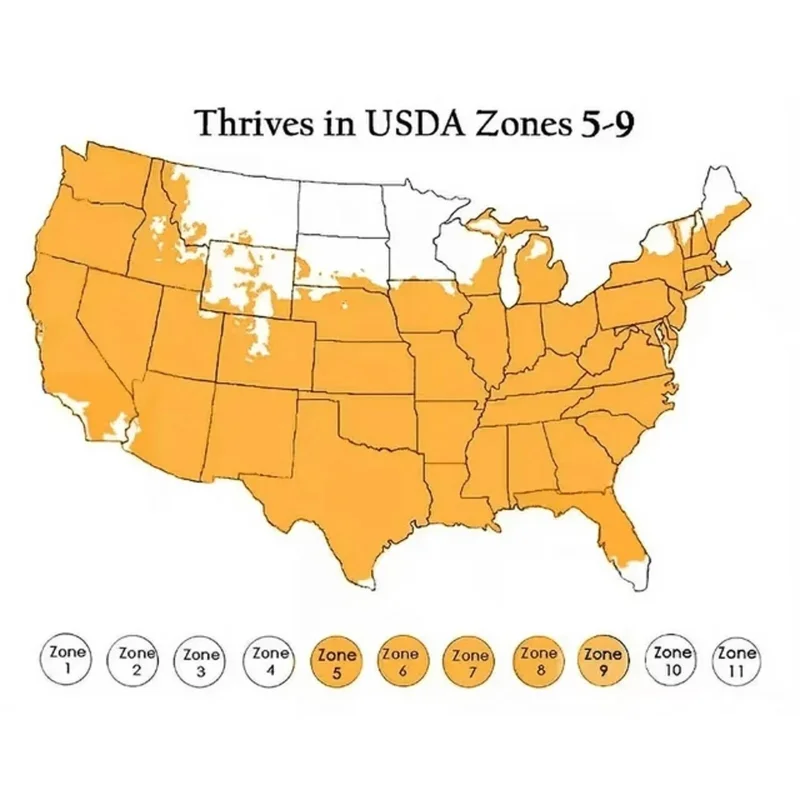
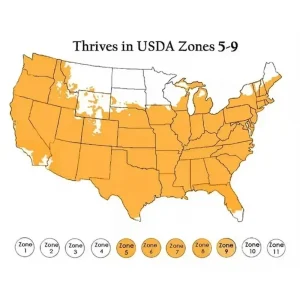
Sunlight Requirements: Monarda thrives in full sun to partial shade. For the most abundant blooms and healthiest growth, aim for at least 6 hours of direct sunlight per day. In hotter climates, some afternoon shade can prevent leaf scorch and prolong flowering. Watering: Keep the soil consistently moist, especially during dry spells and the plant’s active growing season. Avoid overhead watering to reduce the risk of powdery mildew. Soil Type: This bee balm perennial prefers rich, well-draining soil with a pH between 6.8 and 7.2. Amending heavy clay soils with compost or organic matter will improve drainage and fertility. Temperature and USDA Hardiness Zone: Monarda Didyma is hardy in USDA zones 4 to 9, tolerating a wide range of temperatures. It is cold resistant and can withstand winter dormancy in colder zones. Fertilization: Fertilize sparingly. A balanced, slow-release granular fertilizer in early spring can encourage vigorous growth. Over-fertilization can lead to leggy growth and reduced flowering. Common Problems: The most common issue is powdery mildew, especially in humid conditions or when air circulation is poor. Ensure adequate spacing between plants and water at the base to minimize this. Regular deadheading will promote continuous blooming and prevent self-seeding if desired. This attention to care will help your monarda didyma flourish.
Size & Details
Our bergamot monarda seeds will mature into impressive plants, typically reaching a height of 2 to 4 feet with a spread of 2 to 3 feet. The growth habit is clumping, forming attractive mounds of foliage topped with striking flowers. These seeds are designed for outdoor cultivation, providing a robust presence in garden beds, borders, and naturalized areas. Expect germination within 10-20 days under optimal conditions, with flowering occurring in the second year after planting, as is common for many perennials. The plant’s vigorous growth rate ensures a quick establishment in your garden.
This offering includes 50+ seeds, providing ample opportunity to establish a beautiful patch of Bee Balm. The flowers bloom primarily in the summer and fall, offering a continuous display of color. As a bee balm perennial, these plants will establish a strong root system, ensuring they return each year with increasing vigor. They are well-suited for various soil types including clay, loam, peat, sand, and silt, provided there is good drainage. Ensure your planting location offers partial to full sun for optimal performance and a vibrant autumn mix of blooms.
Frequently Asked Questions
- Q: How many seeds are included in this packet? A: Each packet contains 50+ high-quality bergamot monarda seeds, providing a generous quantity for your planting needs and ensuring a good chance of successful establishment.
- Q: Is this an indoor or outdoor plant? A: This bee balm perennial is best suited for outdoor cultivation. It thrives in garden beds, borders, and naturalized areas where it can receive adequate sunlight and space to grow.
- Q: How much sunlight does Monarda Didyma need? A: For optimal growth and abundant flowering, monarda didyma prefers full sun (at least 6 hours of direct sunlight daily). It can tolerate partial shade, especially in hotter climates, but may produce fewer blooms.
- Q: Is this plant easy to care for, especially for beginners? A: Yes, Monarda is considered an easy-to-grow plant. Once established, it requires minimal maintenance, making it an excellent choice for gardeners of all experience levels.
- Q: What condition will the seeds arrive in? A: Your bergamot monarda seeds will arrive as fresh, viable seeds, ready for planting. We ensure they are carefully packaged to maintain their quality during transit.
- Q: How long until these seeds bloom? A: As a perennial, Monarda typically establishes its root system in the first year and begins to flower abundantly in its second year and subsequent years.
- Q: Will this plant attract hummingbirds? A: Absolutely! Monarda is well-known as a fantastic hummingbird plant seeds, attracting these delightful birds, along with bees and butterflies, to your garden with its nectar-rich flowers.
- Q: What USDA Hardiness Zones are suitable for this plant? A: This rare medicinal herb is hardy in USDA Zones 4-9, meaning it can tolerate winter temperatures down to -30°F.
- Q: What type of soil does Bee Balm prefer? A: Bee Balm thrives in rich, well-draining soil. It can tolerate various soil types including clay, loam, peat, sand, and silt, but good drainage is key to preventing root issues.
- Q: Can I use the leaves of this plant for tea? A: Yes, the leaves of Monarda Didyma have a pleasant, minty aroma and can be used to make herbal teas, reflecting its tradition as a rare medicinal herb.
Be the first to review “50+ Bergamot Monarda Didyma Autumn Mix Perennial Flower Seeds”
-
USDA Hardiness Zone
4-9 -
Soil Type
Rich, well-draining soil -
Sunlight Exposure
Full sun to partial shade -
Expected Planting Period
Spring to early summer
People Also Viewd


Sold 128 products
Original price was: $89.99.$64.99Current price is: $64.99.

Sold 128 products
Original price was: $27.00.$24.00Current price is: $24.00.
Sold 127 products
Original price was: $159.99.$139.99Current price is: $139.99.

Sold 126 products
Original price was: $3,536.00.$23.99Current price is: $23.99.

Sold 125 products
Original price was: $86.99.$66.99Current price is: $66.99.
Sold 116 products
Original price was: $27.99.$16.99Current price is: $16.99.

Flower Bulbs
3 Cranesbill Wild Geranium Organic Maculatums Bare Roots | Wildflower for Outdoor Garden
Sold 114 products
Original price was: $21.99.$6.99Current price is: $6.99.

Sold 114 products
Original price was: $28.99.$17.99Current price is: $17.99.RELATED posts
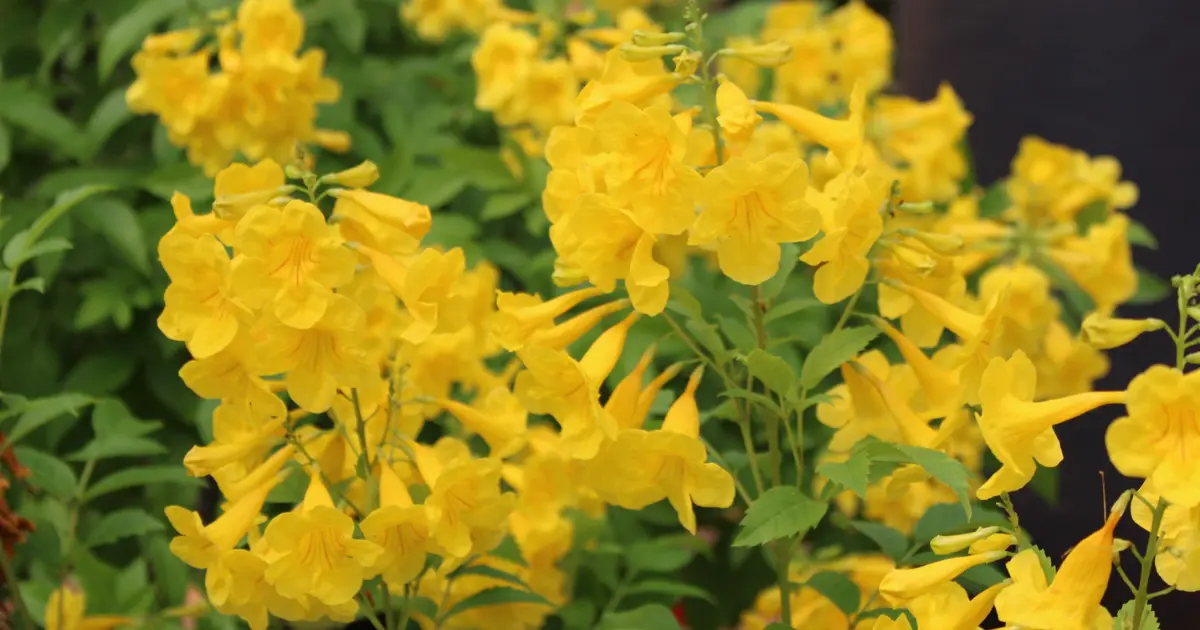
Mastering Esperanza Goldstar: Grow the Ultimate Yellow Bloom
Esperanza Goldstar is more than just a heat-tolerant shrub; for the American gardener battling the [...]
Apr
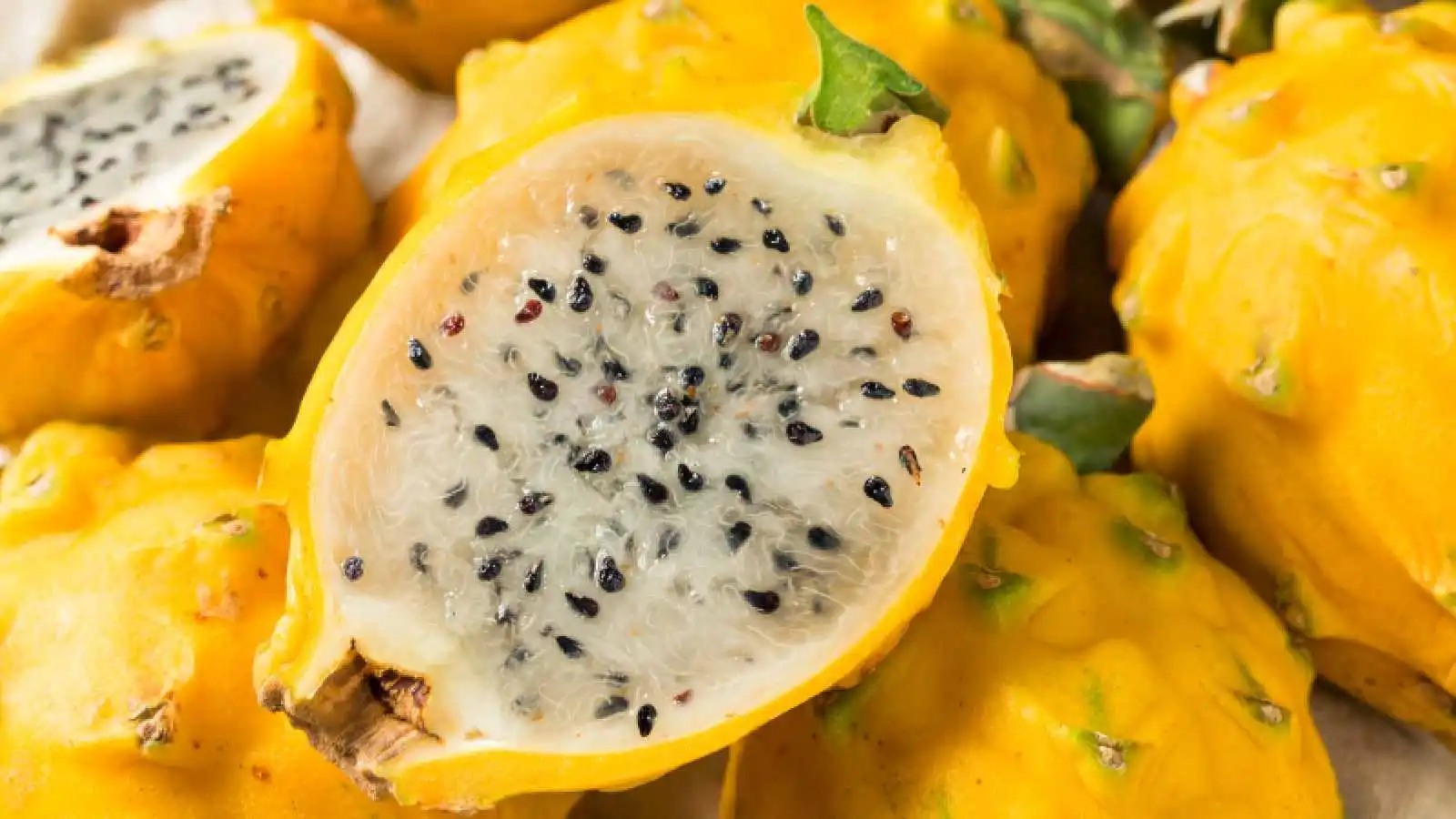
Yellow Dragon Fruit Plant Care: The Ultimate Guide for Healthy Growth
The yellow dragon fruit plant is a unique and rewarding addition to any home garden, [...]
Apr
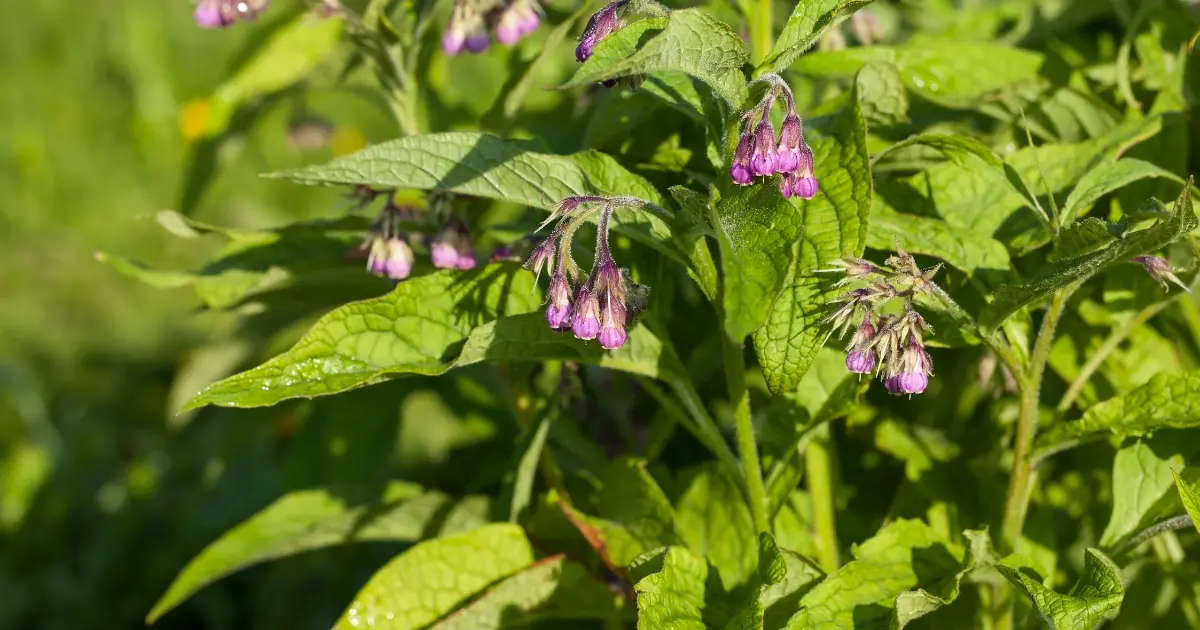
How to Identify Bocking 14 Comfrey: 5 Simple Visual Signs
If you’re growing comfrey for mulch, compost, or animal feed, knowing exactly which variety you [...]
Mar
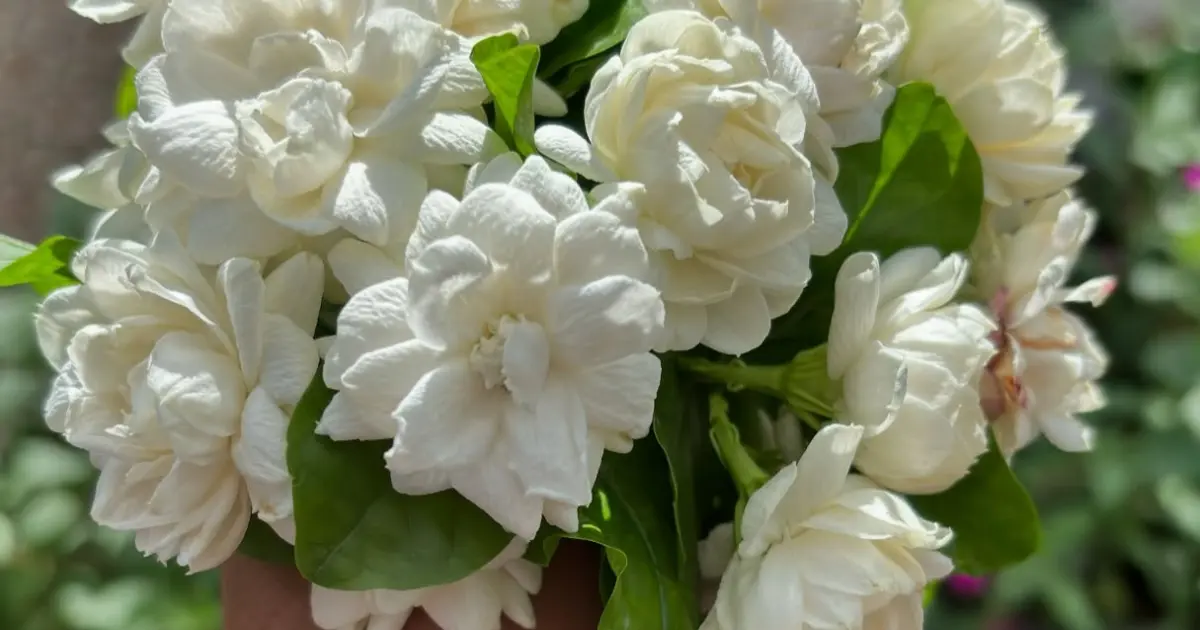
Grand Duke of Tuscany Jasmine: The Ultimate Guide to Growing a Fragrant Masterpiece
Have you ever caught a scent in the air so rich, creamy, and honey-sweet that [...]
Mar
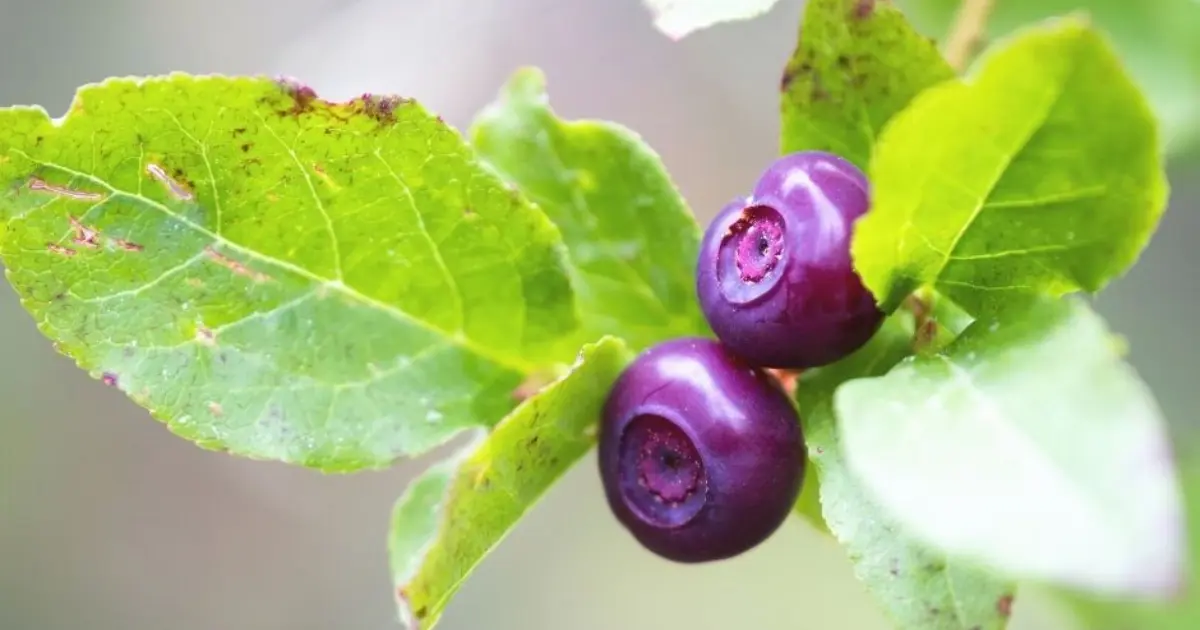
How to Grow Wild Huckleberries: A Guide to “Purple Gold”
Have you ever spent a summer afternoon hiking through the Pacific Northwest or the Rocky [...]
Mar
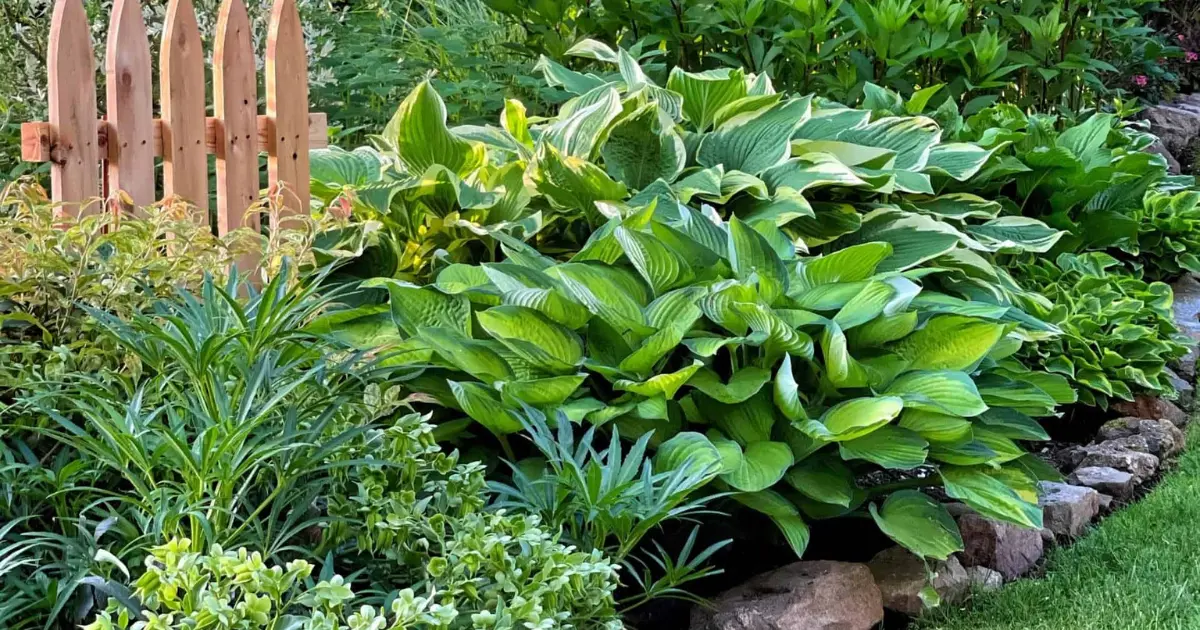
5 Best Shade-Loving Perennials for a Lush, Vibrant Garden
The world of gardening often shines a spotlight on sun-drenched blossoms, but there is a [...]
Mar

7 Common Curry Leaf Plant Problems: Easy Fixes for a Thriving Plant
Is your curry leaf plant looking a bit sad lately? Maybe you woke up to [...]
Mar
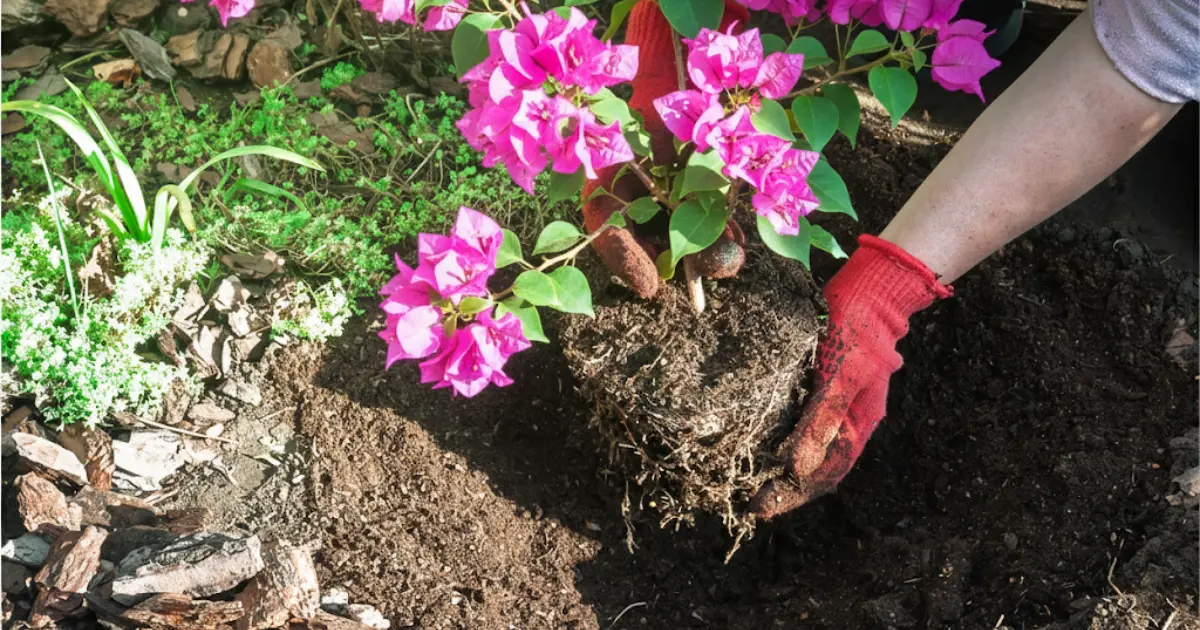
Best Time to Plant Bougainvillea: Timing for Vibrant Blooms
If you’re looking for a hardy tropical vine that delivers a riot of neon color, [...]
Feb

Reviews
There are no reviews yet.