
7 Red Hibiscus Cuttings Live – Indoor/Outdoor Plant Propagation
Original price was: $46.41.$21.41Current price is: $21.41.
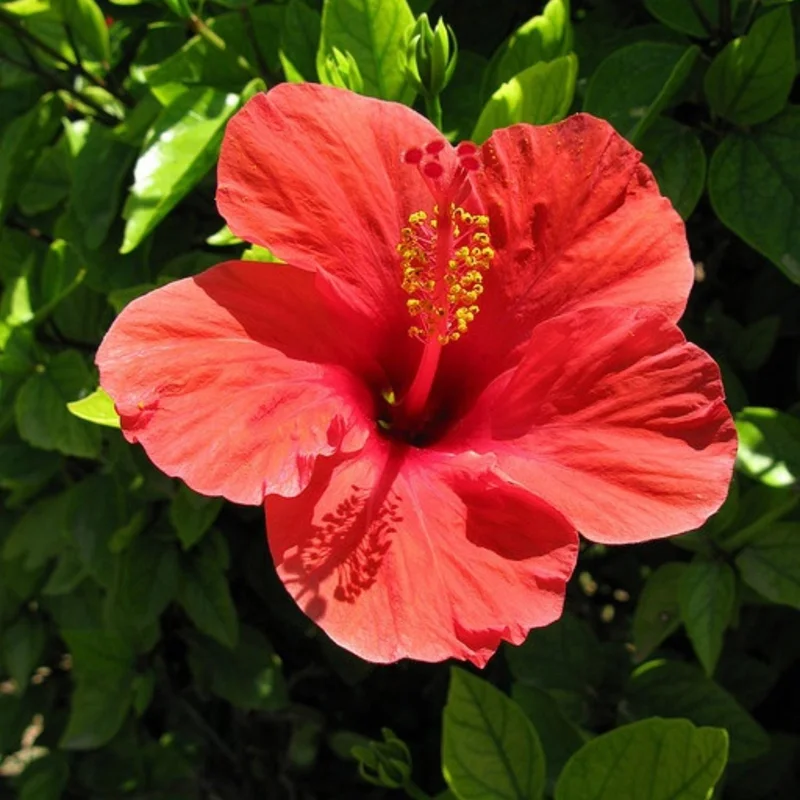
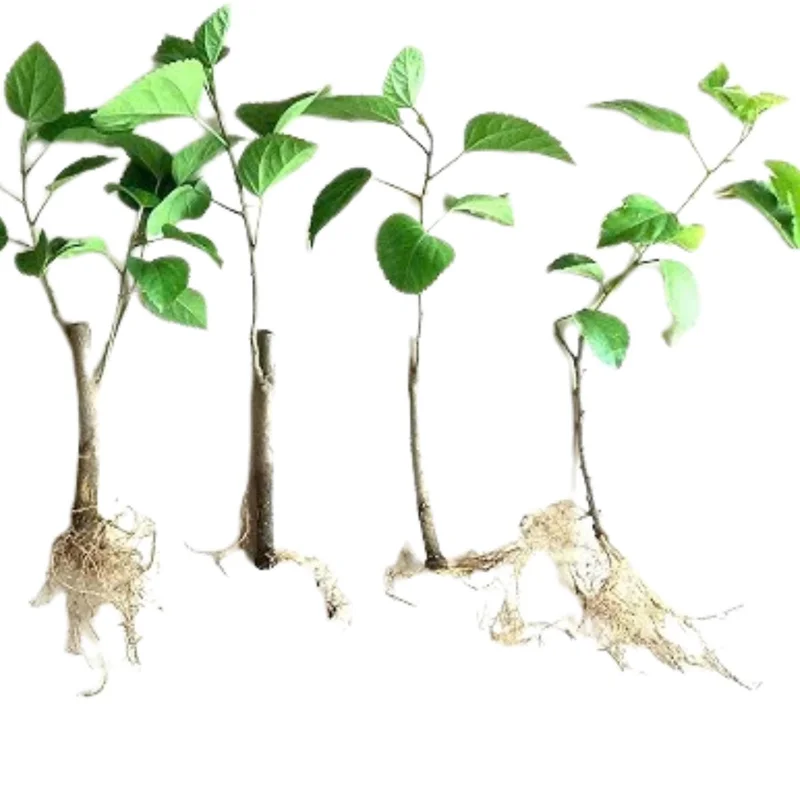
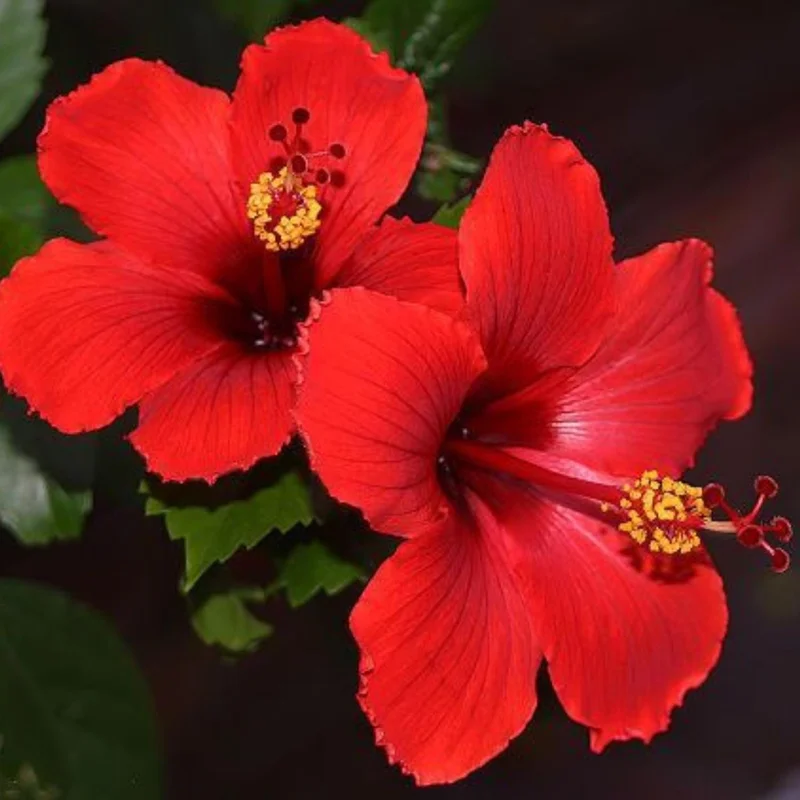
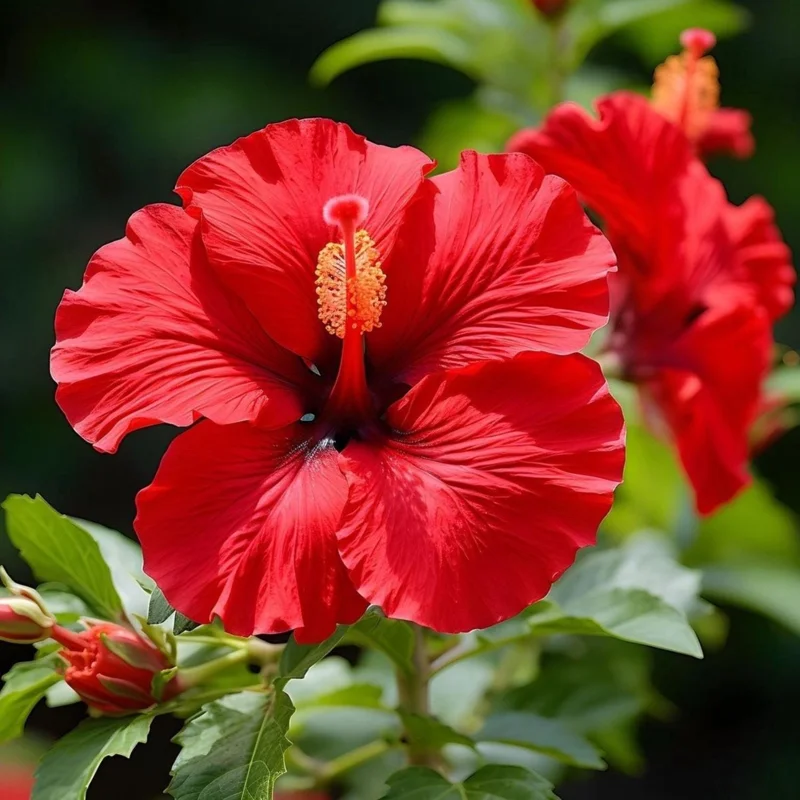
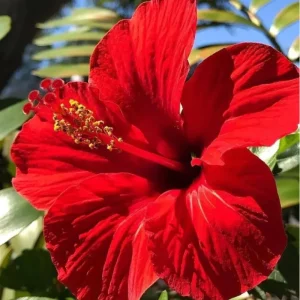
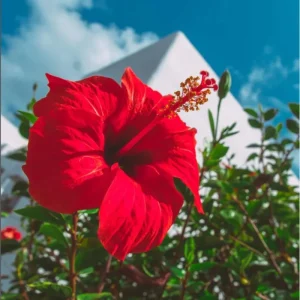
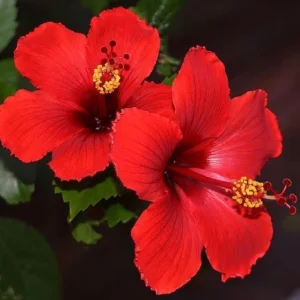
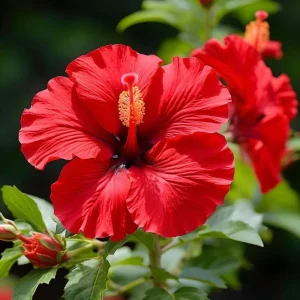
Start your own vibrant garden with 7 red hibiscus cuttings. These live hibiscus cuttings are ready for propagation, perfect for growing beautiful red hibiscus plants indoors or outdoors. Enjoy lush foliage and stunning blooms with proper care.
Estimated arrival
Apr 07
Apr 12 - Apr 14
Apr 17 - Apr 21

Reasonable Price
We offer reasonable price

Support 24/7
Contact us 24 hrs a day

100% Money Back
You've 30 days to Return

Payment Secure
100% secure payment
Overview
Cultivate stunning tropical beauty with these 7 red hibiscus cuttings, ready for propagation in your home or garden. These stem sections are carefully selected from mature hibiscus plants, offering an exciting opportunity to grow your own vibrant flowering shrubs. Hibiscus plants, known for their large, showy blooms and lush green foliage, can add a touch of exotic elegance to any space. This offering includes live hibiscus cuttings, providing you with a head start on nurturing these magnificent plants. Whether you’re an experienced gardener or just beginning your propagation journey, these cuttings are a fantastic way to expand your collection of beautiful flowering plants. With the right care and environment, these cuttings will develop roots and new growth, eventually transforming into mature, blooming hibiscus plants.
Key Benefits
Bringing red hibiscus cuttings into your garden or home offers numerous advantages, from aesthetic appeal to the satisfaction of growing your own plants. These benefits make them a popular choice for plant enthusiasts:
-
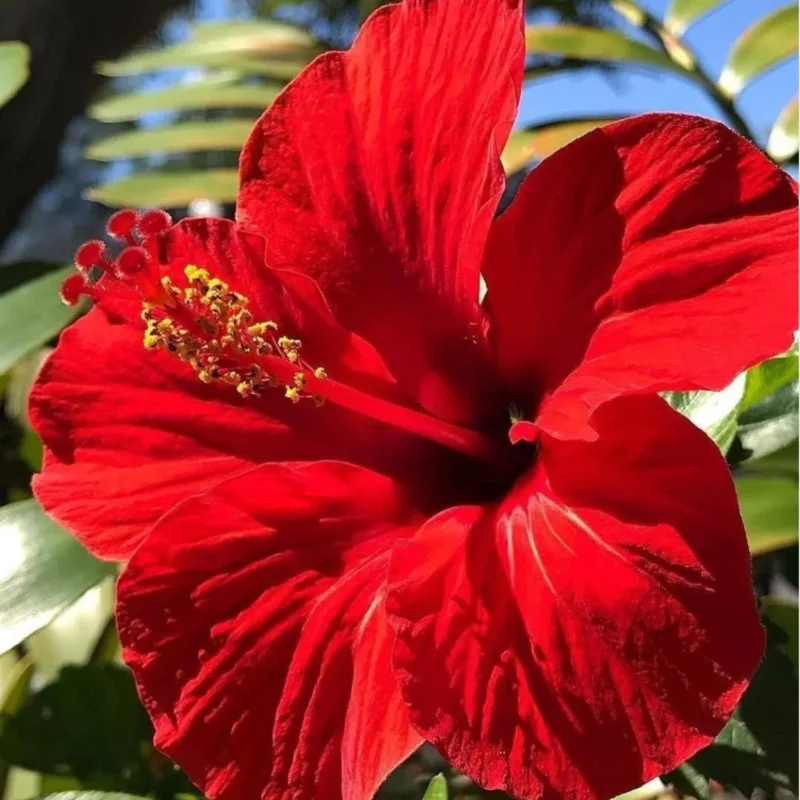
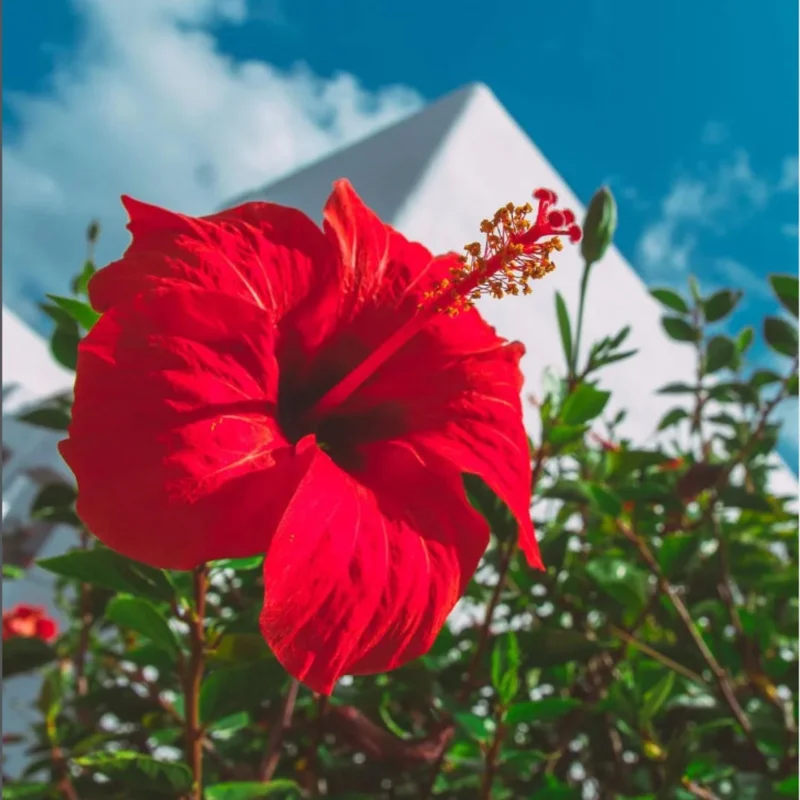
Vibrant Blooms: Enjoy the breathtaking beauty of large, striking red flowers that can brighten any setting. These spectacular blooms are a hallmark of a healthy red hibiscus cuttings plant.
-
Cost-Effective Propagation: Propagating from cuttings is an economical way to acquire multiple hibiscus plants compared to purchasing established plants. This method allows you to grow several plants from a single set of live hibiscus cuttings.
-
Personalized Gardening Experience: Experience the joy and satisfaction of nurturing a plant from a cutting to a mature, flowering specimen. This hands-on approach deepens your connection with your garden.
-
Versatile Placement: Suitable for both indoor and outdoor environments, depending on your climate and growing conditions. An indoor hibiscus plant can provide year-round color, while an outdoor hibiscus plant thrives in warmer zones.
-
Enhanced Garden Diversity: Add a touch of tropical flair to your landscape or home decor. Hibiscus flowers are known for attracting pollinators like hummingbirds and butterflies when grown outdoors.
-
Easy to Share: Once your propagated plants are established, you can easily share new cuttings with friends and family, spreading the beauty of hibiscus. This makes hibiscus plant propagation a rewarding activity.
-
Continuous Blooms: With proper care, hibiscus plants can produce a continuous display of flowers throughout their growing season, offering long-lasting beauty.
Plant Care & Growing Tips
Successful propagation and growth of your red hibiscus cuttings depend on providing the right environmental conditions and consistent care. During the crucial rooting stage, it’s vital to create a stable and nurturing environment. Place the cuttings in an area that receives bright, indirect light; direct, harsh sunlight can be too intense for newly developing roots. A north or east-facing window is often ideal for an indoor hibiscus plant during this period. Once established, an outdoor hibiscus plant will thrive in full sun to partial shade, typically needing at least 6 hours of sunlight per day for optimal flowering.
The choice of soil is paramount for these live hibiscus cuttings. They require a well-draining soil or a suitable propagation medium to prevent waterlogging, which can lead to rot. A mix of peat moss, perlite, and sand or a specialized rooting mix works well. Keep the growing medium consistently moist but never saturated. Overwatering is a common pitfall, so ensure good drainage and allow the top inch of soil to dry slightly between waterings. For established plants, regular watering is needed, especially during dry spells, but always check the soil moisture before watering again. Hibiscus plants prefer warm temperatures, ideally between 60-90°F (15-32°C). They are suitable for outdoor growing in USDA Hardiness Zones 9–11 once established, where they can tolerate mild winters. In cooler zones, they are often grown as annuals or brought indoors for winter as an indoor hibiscus plant. Fertilize established plants during the growing season with a balanced fertilizer, reducing frequency in winter. Watch out for common pests like aphids and spider mites, and treat promptly with organic pest control methods if necessary. Proper hibiscus plant propagation techniques, combined with diligent care, will ensure your cuttings flourish.
Size & Details
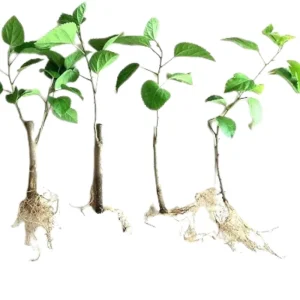
This offering includes 7 red hibiscus cuttings, each a viable stem section taken from a robust, healthy hibiscus plant. These cuttings are typically 4-6 inches in length, providing ample material for successful rooting. Each cutting is ready to plant upon arrival, designed to facilitate straightforward hibiscus plant propagation. Once rooted and established, these plants can grow into substantial shrubs, reaching heights of 5-8 feet and widths of 3-5 feet when mature, depending on growing conditions and pruning practices. When grown as an indoor hibiscus plant, their size can be managed through regular pruning, making them suitable for containers. Expect to see initial root development within a few weeks, with new leaf growth following shortly after. Flowering typically begins within 6-12 months of successful rooting and establishment, bringing vibrant red blooms to your garden or home.
Frequently Asked Questions
-
Q: How big do these red hibiscus cuttings get once they are mature plants? A: Once rooted and established, these hibiscus plants can grow quite large, typically reaching 5-8 feet tall and 3-5 feet wide if grown outdoors in ideal conditions. As an indoor hibiscus plant, their size can be maintained with consistent pruning.
-
Q: Is this an indoor or outdoor plant? A: These red hibiscus cuttings can be grown both indoors and outdoors. They are suitable for outdoor planting in USDA Zones 9–11. In cooler climates, they are best grown as an indoor hibiscus plant or brought inside during winter.
-
Q: How much sunlight do these live hibiscus cuttings need? A: During the rooting stage, bright, indirect light is best. Once established, an outdoor hibiscus plant thrives in full sun (at least 6 hours daily). An indoor hibiscus plant will need a bright, sunny window.
-
Q: Is this plant easy to care for, especially for beginners? A: Hibiscus plant propagation from cuttings requires some attention during the rooting phase, but once established, hibiscus plants are relatively easy to care for. Providing the right light, water, and soil conditions is key.
-
Q: What condition will the 7 red hibiscus cuttings arrive in? A: The cuttings will arrive as fresh, healthy stem sections, carefully prepared for immediate planting and propagation. They are intended to be ready for you to start the rooting process.
-
Q: How long until these red hibiscus cuttings bloom? A: With proper care and successful rooting, you can typically expect your propagated hibiscus plants to start blooming within 6 to 12 months after planting the cuttings. Patience is key for successful hibiscus plant propagation.
-
Q: What is the best type of soil for rooting these cuttings? A: A well-draining propagation medium is crucial. A mix of peat moss, perlite, and sand or a specialized rooting mix that retains some moisture but allows excess water to drain quickly is ideal for your live hibiscus cuttings.
-
Q: Can I grow a red hibiscus plant in a container? A: Yes, hibiscus plants, including those grown from these red hibiscus cuttings, thrive in containers, especially when grown as an indoor hibiscus plant or in climates where they need to be moved indoors for winter. Ensure the container has good drainage.
-
Q: Will these live hibiscus cuttings attract pollinators? A: Yes, once established and blooming, an outdoor hibiscus plant with its vibrant red flowers is very attractive to pollinators such as hummingbirds and butterflies, bringing more life to your garden.
-
Q: What’s the minimum temperature these plants can tolerate? A: Established hibiscus plants, especially an outdoor hibiscus plant, are hardy in USDA Zones 9-11, where temperatures generally don’t drop below 20-30°F (-6 to -1°C). In colder zones, they must be protected from frost or grown indoors.
Be the first to review “7 Red Hibiscus Cuttings Live – Indoor/Outdoor Plant Propagation”
-
USDA Hardiness Zone
USDA Zones 9–11 (outdoor once established) -
Soil Type
Well-draining propagation medium -
Sunlight Exposure
Bright, indirect light (rooting stage); Full sun to partial shade (established) -
Expected Planting Period
Year-round indoors; Spring to early summer outdoors (in suitable zones)
People Also Viewd
Sold 128 products
Original price was: $89.99.$64.99Current price is: $64.99.
Sold 128 products
Original price was: $27.00.$24.00Current price is: $24.00.
Sold 127 products
Original price was: $159.99.$139.99Current price is: $139.99.
Sold 126 products
Original price was: $3,536.00.$23.99Current price is: $23.99.

Sold 125 products
Original price was: $86.99.$66.99Current price is: $66.99.
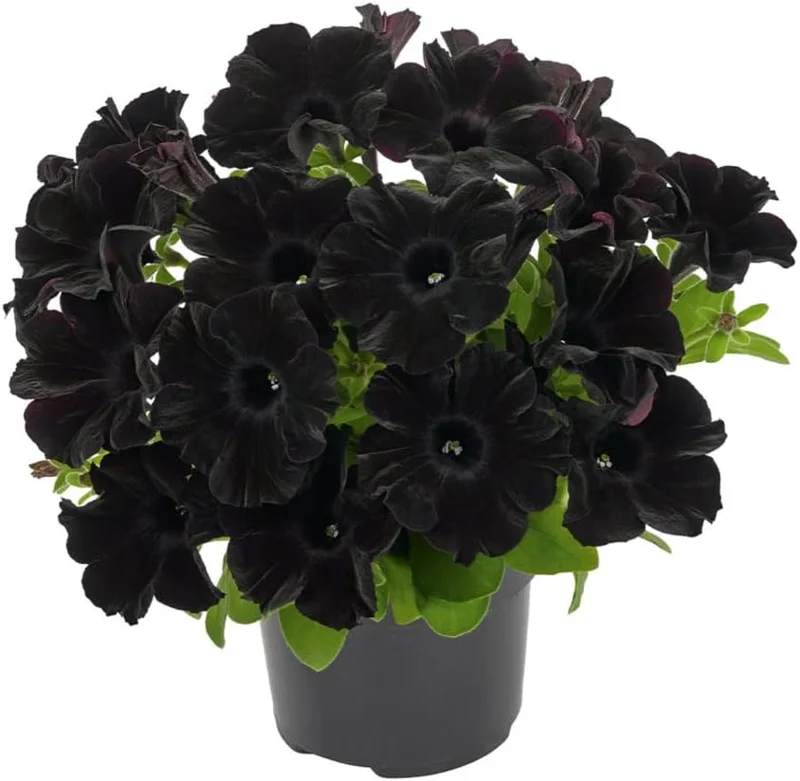
Sold 116 products
Original price was: $27.99.$16.99Current price is: $16.99.
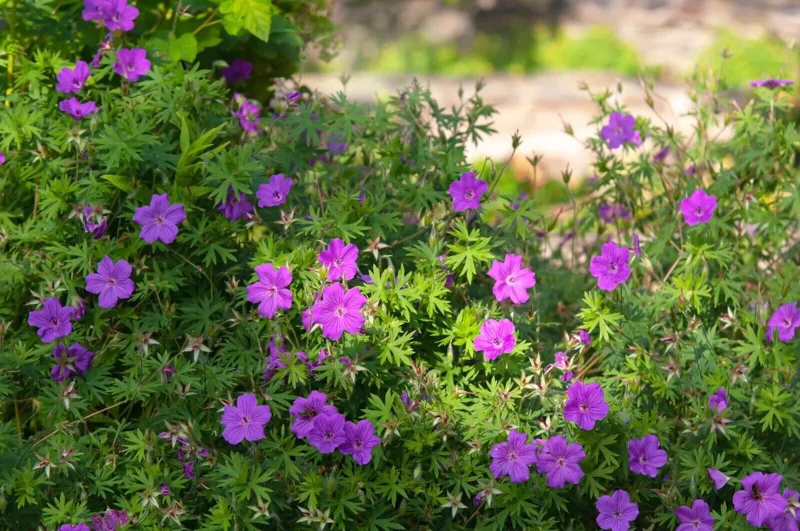
Flower Bulbs
3 Cranesbill Wild Geranium Organic Maculatums Bare Roots | Wildflower for Outdoor Garden
Sold 114 products
Original price was: $21.99.$6.99Current price is: $6.99.
Sold 114 products
Original price was: $28.99.$17.99Current price is: $17.99.RELATED posts
Mastering Esperanza Goldstar: Grow the Ultimate Yellow Bloom
Esperanza Goldstar is more than just a heat-tolerant shrub; for the American gardener battling the [...]
Apr
Yellow Dragon Fruit Plant Care: The Ultimate Guide for Healthy Growth
The yellow dragon fruit plant is a unique and rewarding addition to any home garden, [...]
Apr
How to Identify Bocking 14 Comfrey: 5 Simple Visual Signs
If you’re growing comfrey for mulch, compost, or animal feed, knowing exactly which variety you [...]
Mar
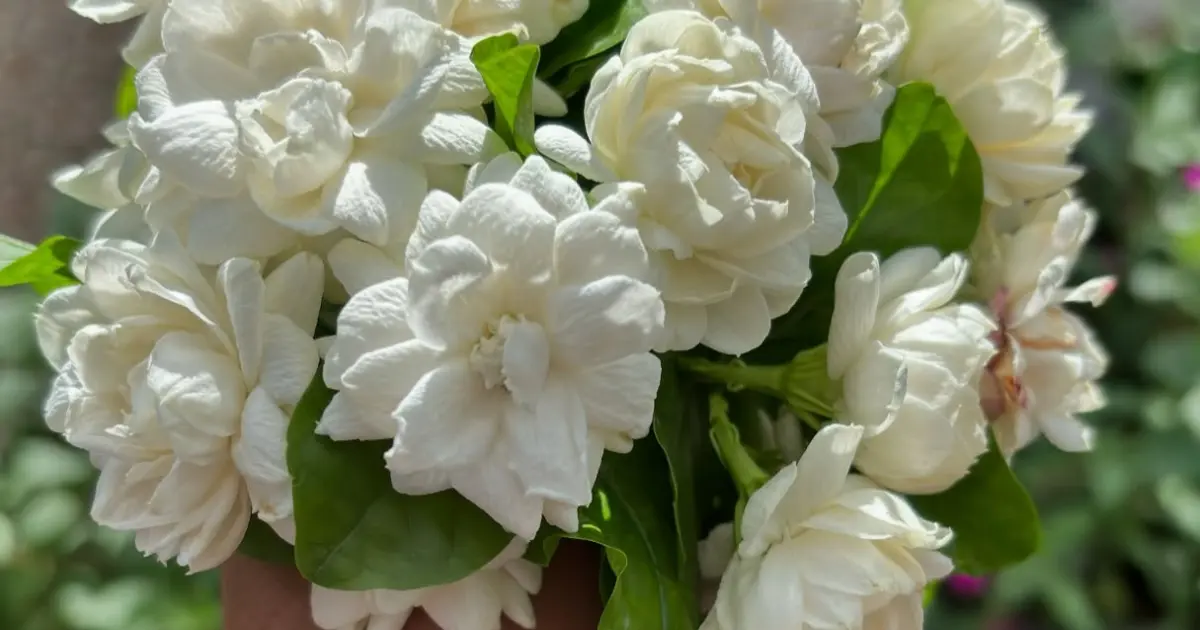
Grand Duke of Tuscany Jasmine: The Ultimate Guide to Growing a Fragrant Masterpiece
Have you ever caught a scent in the air so rich, creamy, and honey-sweet that [...]
Mar
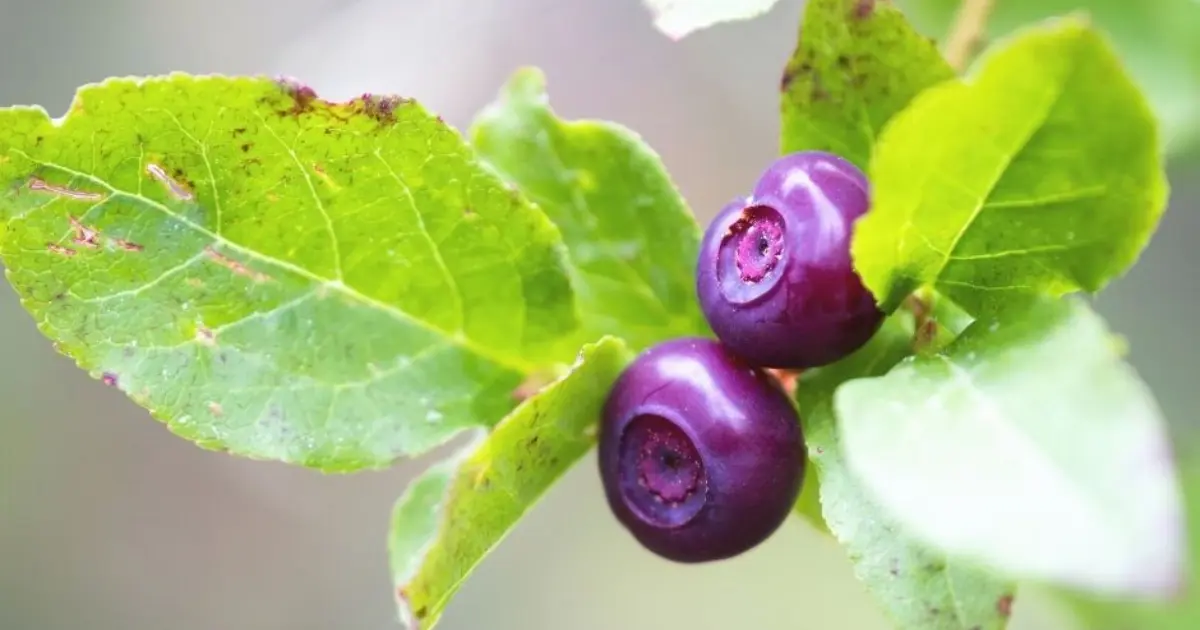
How to Grow Wild Huckleberries: A Guide to “Purple Gold”
Have you ever spent a summer afternoon hiking through the Pacific Northwest or the Rocky [...]
Mar
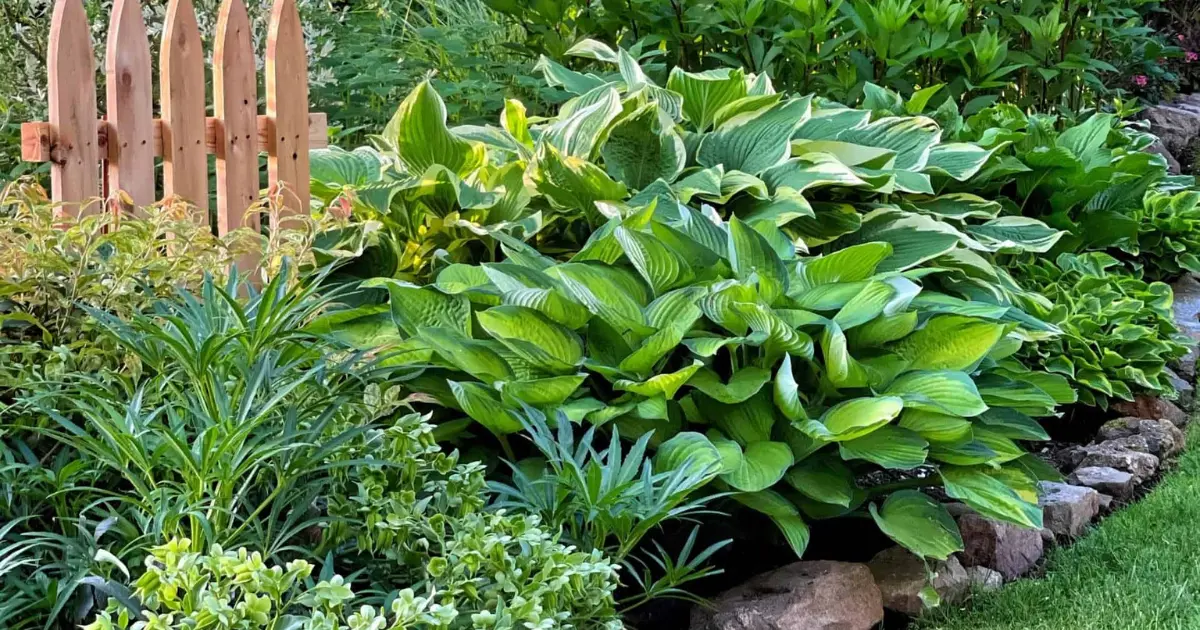
5 Best Shade-Loving Perennials for a Lush, Vibrant Garden
The world of gardening often shines a spotlight on sun-drenched blossoms, but there is a [...]
Mar
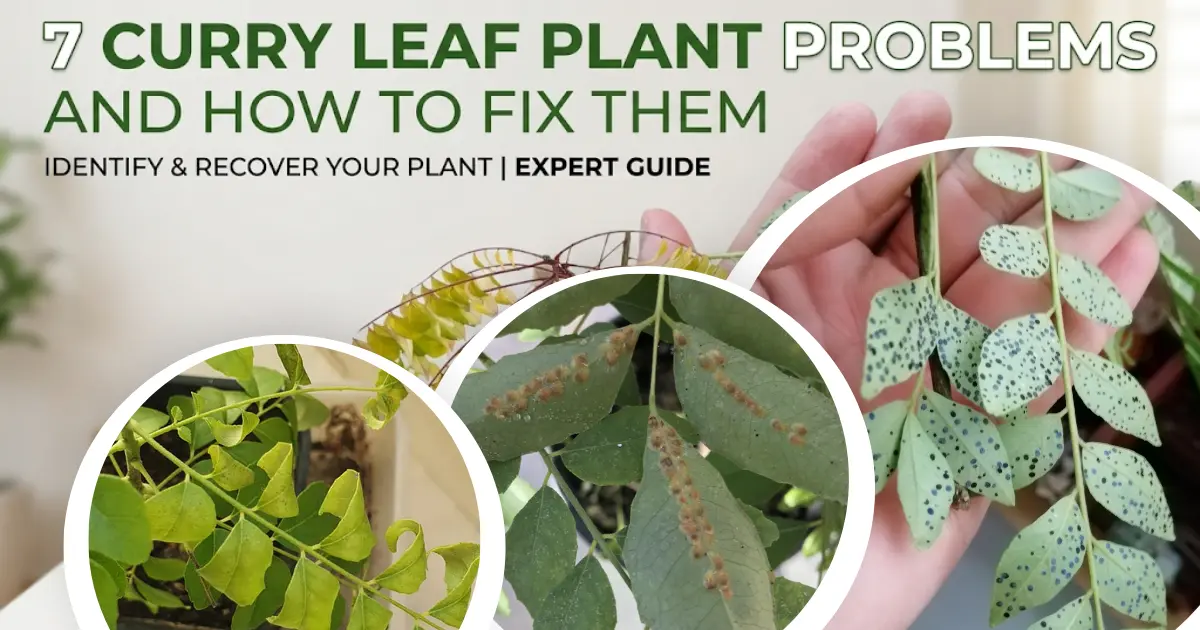
7 Common Curry Leaf Plant Problems: Easy Fixes for a Thriving Plant
Is your curry leaf plant looking a bit sad lately? Maybe you woke up to [...]
Mar
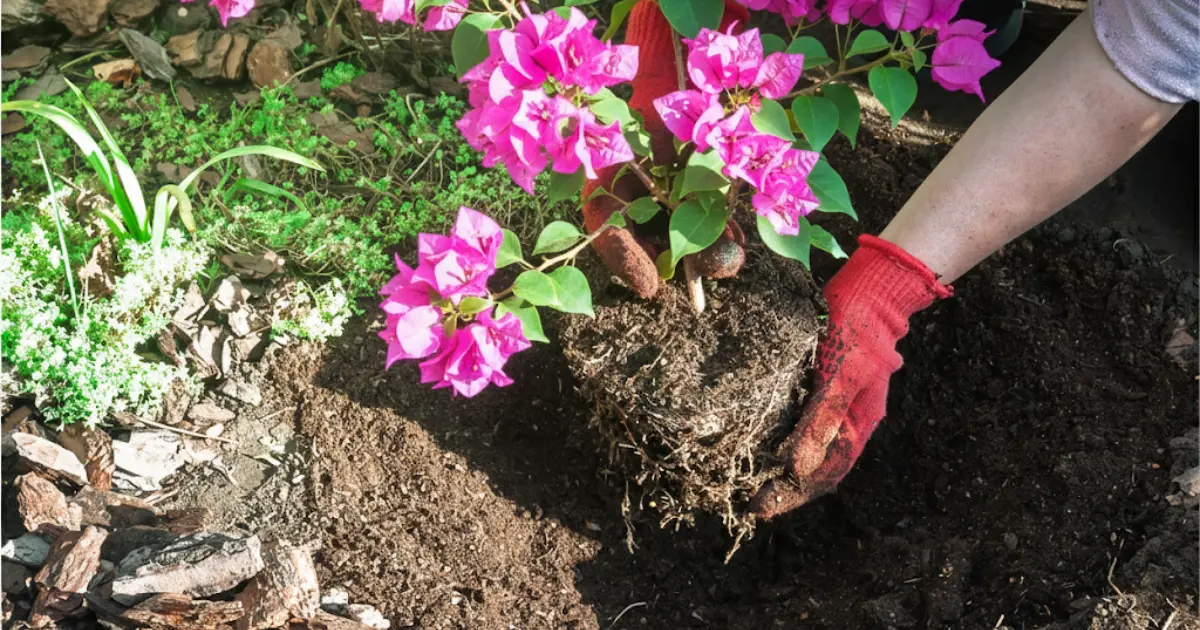
Best Time to Plant Bougainvillea: Timing for Vibrant Blooms
If you’re looking for a hardy tropical vine that delivers a riot of neon color, [...]
Feb
Reviews
There are no reviews yet.