
Alocasia Amazonica Live Plant – African Mask Houseplant – 4 Inch Pot
Original price was: $60.99.$35.99Current price is: $35.99.
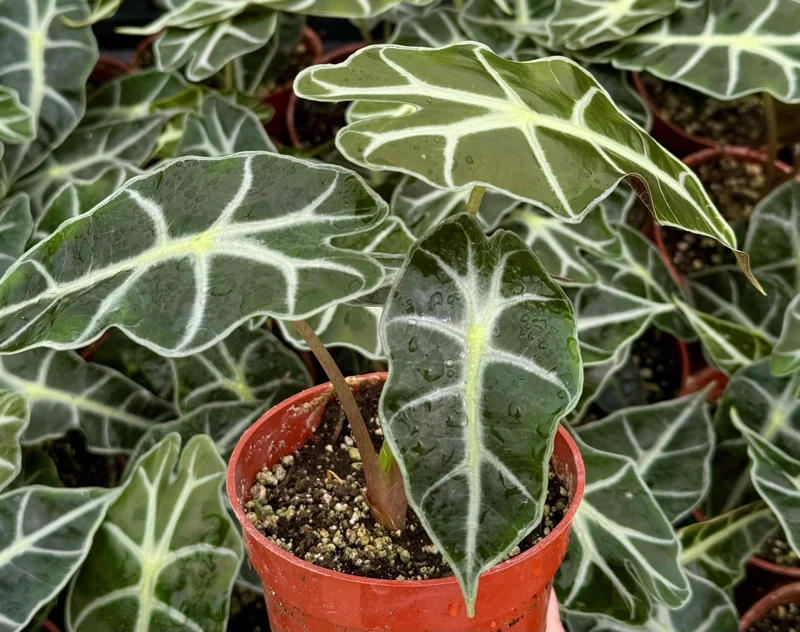
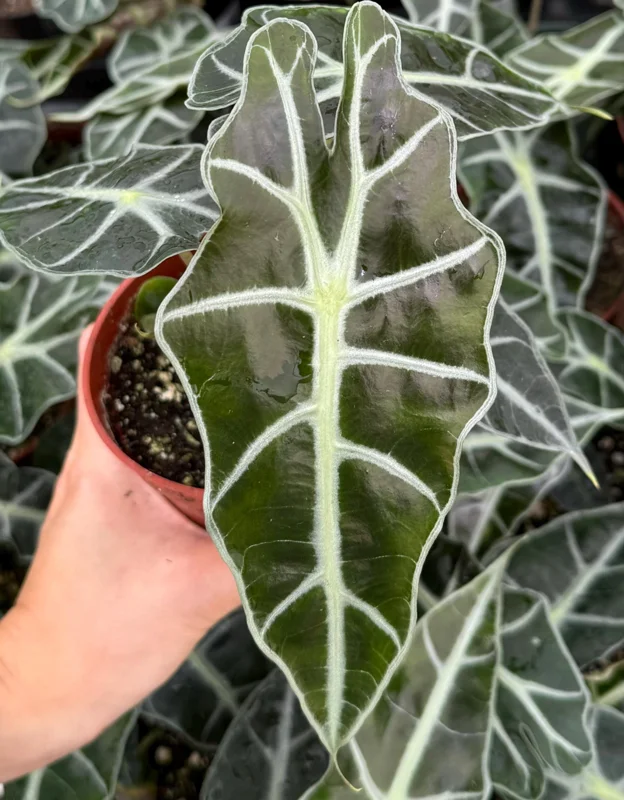
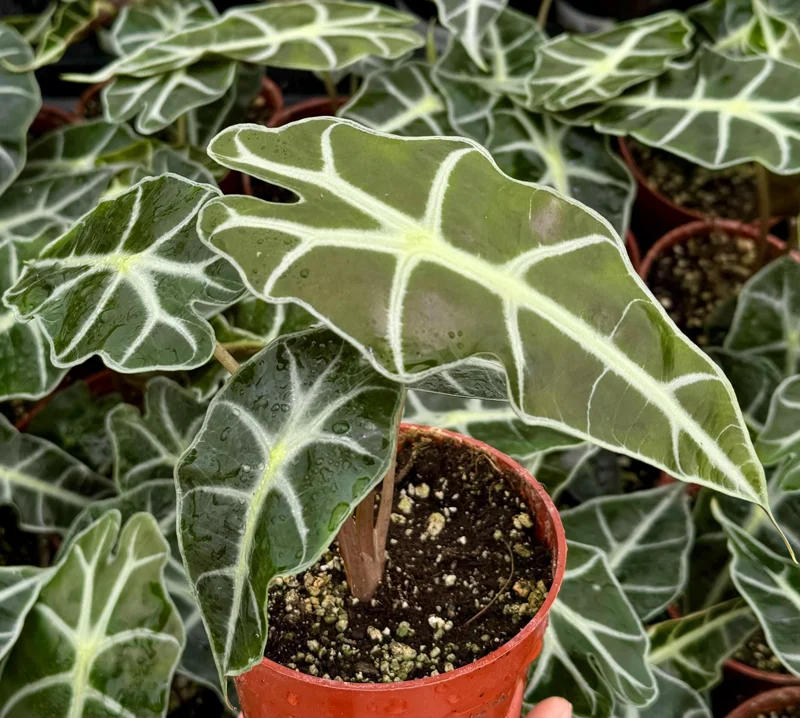
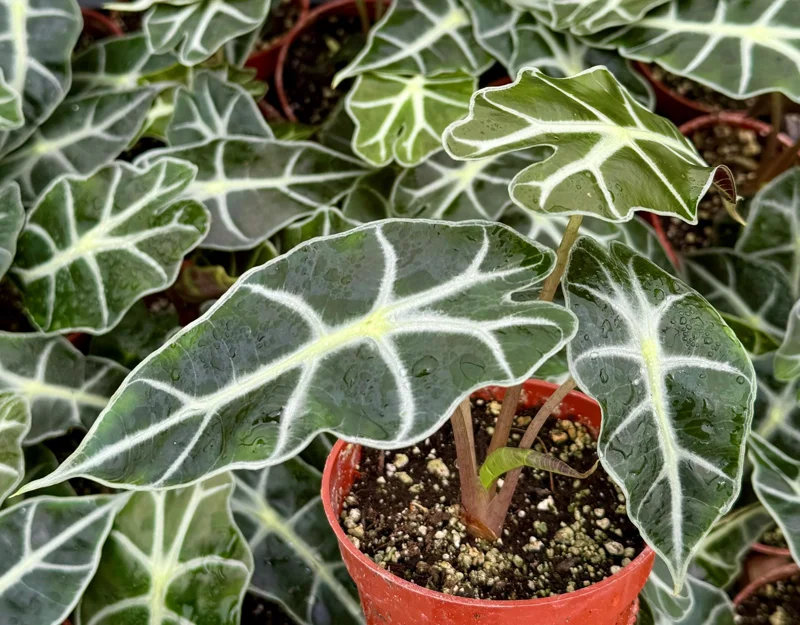
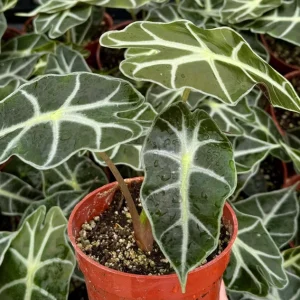
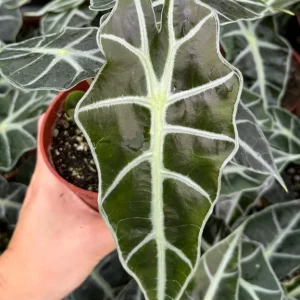
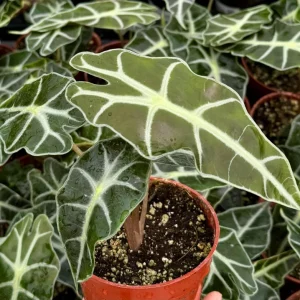
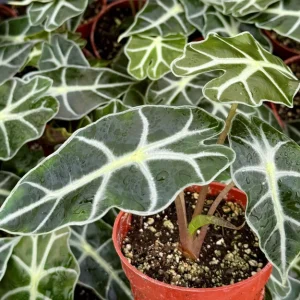
Bring exotic flair to your home with the Alocasia Amazonica live plant. Also known as the African Mask Plant, this stunning houseplant features deep green, glossy leaves with prominent, contrasting veins. Perfect for adding a dramatic touch to any indoor space, it thrives with proper care.
Estimated arrival
Apr 07
Apr 12 - Apr 14
Apr 17 - Apr 21

Reasonable Price
We offer reasonable price

Support 24/7
Contact us 24 hrs a day

100% Money Back
You've 30 days to Return

Payment Secure
100% secure payment
Overview
Introduce a touch of the exotic to your indoor plant collection with the magnificent Alocasia Amazonica live plant. Often referred to as the African Mask Plant or Amazonian Elephant Ear, this captivating aroid is celebrated for its truly unique and striking foliage. Despite its evocative name, the Alocasia Amazonica is not native to the Amazon, but rather a hybrid cherished for its ornamental appeal. Its large, arrowhead-shaped leaves boast a deep, rich green hue, dramatically accented by prominent, contrasting white or light green veins and wavy edges. This plant typically grows to a manageable height of 1-2 feet indoors, making it an ideal statement piece for desks, shelves, or floor displays. The robust, upright stems elegantly support the glossy leaves, creating a sculptural presence that enhances any room’s aesthetic. Known for its dramatic appearance, the Alocasia Amazonica live plant is a favorite among houseplant enthusiasts seeking a visually impactful yet relatively compact specimen.
Key Benefits
The Alocasia Amazonica live plant offers a multitude of benefits, making it a highly desirable addition to any indoor garden. Its striking appearance is just the beginning; this plant also contributes to a healthier and more vibrant living environment. Embrace the unique charm and advantages an Alocasia houseplant brings:
- Dramatic Foliage: The primary draw of the Alocasia Amazonica live plant is its incredibly distinctive leaves. The deep green color with stark white veins creates a bold, graphic pattern that instantly captures attention and serves as a natural work of art in your home.
- Aesthetic Appeal: With its sculptural form and unique leaf shape, the African Mask Plant care adds a sophisticated and exotic touch to any interior design scheme. It’s a living decor piece that elevates the ambiance of a room.
- Compact Size: Reaching an indoor height of 1-2 feet, this Alocasia is perfectly sized for various spaces, from tabletops to floor stands, without overwhelming the area.
- Conversation Starter: Its unusual appearance often sparks curiosity and discussion, making it a fantastic plant for those who enjoy showcasing unique botanical specimens.
- Air Purification (Minor): Like many houseplants, the Alocasia contributes to improving indoor air quality by absorbing certain airborne toxins, albeit to a lesser extent than some other species.
- Engaging Care Routine: Caring for an indoor Alocasia provides a rewarding experience for plant lovers, as you nurture its growth and witness its stunning development.
- Year-Round Greenery: Provides lush, vibrant greenery throughout the year, adding life and color to your home regardless of the season.
Plant Care & Growing Tips
Proper African Mask Plant care is crucial for maintaining the health and beauty of your Alocasia Amazonica. This plant thrives in conditions that mimic its tropical origins, requiring consistent attention to light, water, and humidity. For optimal growth, provide bright, indirect light. Direct sunlight can scorch its delicate leaves, leading to unsightly brown spots. An east-facing window or a few feet away from a south or west-facing window with sheer curtains is often ideal. Rotate the plant periodically to ensure even growth and light exposure.
Watering should be consistent but careful. The soil for your Alocasia houseplant should be kept consistently moist but never waterlogged. Allow the top inch of soil to dry out before watering again. Overwatering can lead to root rot, a common issue for Alocasias. Conversely, allowing the soil to dry out completely for extended periods can stress the plant. High humidity is absolutely essential for the Alocasia Amazonica live plant. Consider using a humidifier, placing the pot on a pebble tray filled with water (ensuring the pot doesn’t sit directly in the water), or grouping it with other humidity-loving plants. The ideal temperature range is between 60-80°F (15-27°C), and it should be protected from cold drafts and sudden temperature fluctuations. During the growing season (spring and summer), feed with a balanced, water-soluble fertilizer every 4-6 weeks. Reduce feeding significantly in fall and winter when growth slows. A well-draining, rich potting soil mix is best; blends designed for aroids or general houseplants work well. Repot every 1-2 years or when the plant becomes root-bound, choosing a pot that is 1-2 inches larger in diameter. Your indoor Alocasia may go dormant in winter, with some leaves dying back. During this period, reduce watering and resume regular care when new growth emerges in spring. Keep an eye out for common pests like spider mites and mealybugs, especially in low humidity environments; regular inspection and appropriate treatment will keep your plant healthy.
Size & Details
This Alocasia Amazonica live plant is provided in a 4-inch nursery pot, ready to be displayed or repotted into your chosen decorative container. When mature, this stunning elephant ear plant typically reaches an indoor height of 1 to 2 feet, with a similar spread, making it a moderately sized houseplant. Its growth rate is considered medium, and with proper care, it will develop its iconic large, glossy leaves with prominent veining. The plant ships as a well-established specimen, ensuring a healthy start in its new home. The arrowhead or shield-shaped leaves are supported by sturdy, upright stems, creating a striking silhouette. Expect vibrant, deep green foliage with bright, contrasting veins that will continue to develop as the plant matures. The plant will arrive carefully packaged to ensure its safety during transit, ready for you to provide the ideal environment for continued growth and enjoyment.
Frequently Asked Questions
- Q: How big does this Alocasia Amazonica get? A: The Alocasia Amazonica live plant typically grows to a height of 1-2 feet indoors, with a similar spread. Its size makes it suitable for various indoor spaces, from tabletops to floor displays.
- Q: What size pot does it come in? A: This African Mask Plant is shipped in a 4-inch nursery pot, providing a good foundation for its initial growth. You can choose to keep it in this pot for a while or repot it into a slightly larger decorative container.
- Q: Is this an indoor or outdoor plant? A: While it can be grown outdoors in very warm, humid climates (USDA zones 9-11), the Alocasia Amazonica live plant is primarily cultivated as an indoor houseplant in most regions due to its tropical nature and sensitivity to cold.
- Q: How much sunlight does it need? A: This Alocasia houseplant thrives in bright, indirect light. Direct sunlight can scorch its leaves, so avoid placing it in harsh, unfiltered sun. An east-facing window or a bright spot away from direct light is ideal.
- Q: Is this plant easy to care for? A: The Alocasia Amazonica live plant requires specific care regarding humidity and watering, making it moderately challenging for beginners. However, with consistent attention to its needs, it can be a very rewarding plant to grow.
- Q: What condition will it arrive in? A: Your indoor Alocasia will arrive as a healthy, established plant, carefully packaged to minimize stress during transit. Some minor leaf yellowing may occur due to shipping stress, but the plant should recover quickly with proper care.
- Q: Is it pet-safe? A: No, Alocasia plants, including the Alocasia Amazonica live plant, are considered toxic to pets and humans if ingested. They contain calcium oxalate crystals that can cause irritation. Keep out of reach of children and pets.
- Q: How often should I water my African Mask Plant? A: Water your African Mask Plant care when the top inch of soil feels dry to the touch. Keep the soil consistently moist but never waterlogged. Reduce watering frequency during its dormant period in winter.
- Q: Does it need high humidity? A: Yes, high humidity is crucial for the Alocasia Amazonica. Consider using a humidifier, a pebble tray, or misting regularly to provide the moist environment this tropical plant craves, preventing crispy leaf edges.
- Q: What type of soil is best for an elephant ear plant? A: A well-draining, rich potting mix is ideal for your elephant ear plant. A blend designed for aroids or general houseplants with good aeration works well to prevent waterlogging.
Be the first to review “Alocasia Amazonica Live Plant – African Mask Houseplant – 4 Inch Pot”
-
USDA Hardiness Zone
USDA zones 9-11 (outdoors) or year-round indoors -
Soil Type
Well-draining, rich potting mix -
Sunlight Exposure
Bright indirect light -
Expected Planting Period
Year-round indoors
People Also Viewd
Sold 128 products
Original price was: $89.99.$64.99Current price is: $64.99.
Sold 128 products
Original price was: $27.00.$24.00Current price is: $24.00.
Sold 127 products
Original price was: $159.99.$139.99Current price is: $139.99.
Sold 126 products
Original price was: $3,536.00.$23.99Current price is: $23.99.

Sold 125 products
Original price was: $86.99.$66.99Current price is: $66.99.
Sold 116 products
Original price was: $27.99.$16.99Current price is: $16.99.
Flower Bulbs
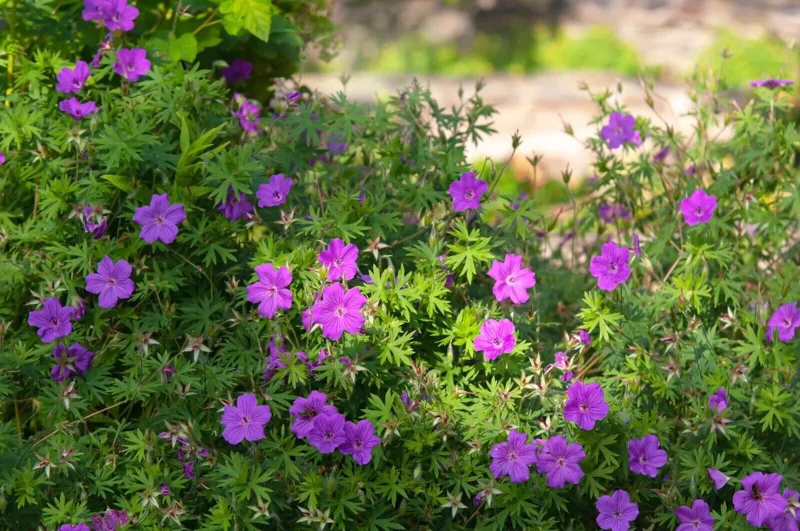
3 Cranesbill Wild Geranium Organic Maculatums Bare Roots | Wildflower for Outdoor Garden
Sold 114 products
Original price was: $21.99.$6.99Current price is: $6.99.
Sold 114 products
Original price was: $28.99.$17.99Current price is: $17.99.RELATED posts
Mastering Esperanza Goldstar: Grow the Ultimate Yellow Bloom
Esperanza Goldstar is more than just a heat-tolerant shrub; for the American gardener battling the [...]
Apr
Yellow Dragon Fruit Plant Care: The Ultimate Guide for Healthy Growth
The yellow dragon fruit plant is a unique and rewarding addition to any home garden, [...]
Apr
How to Identify Bocking 14 Comfrey: 5 Simple Visual Signs
If you’re growing comfrey for mulch, compost, or animal feed, knowing exactly which variety you [...]
Mar
Grand Duke of Tuscany Jasmine: The Ultimate Guide to Growing a Fragrant Masterpiece
Have you ever caught a scent in the air so rich, creamy, and honey-sweet that [...]
Mar
How to Grow Wild Huckleberries: A Guide to “Purple Gold”
Have you ever spent a summer afternoon hiking through the Pacific Northwest or the Rocky [...]
Mar
5 Best Shade-Loving Perennials for a Lush, Vibrant Garden
The world of gardening often shines a spotlight on sun-drenched blossoms, but there is a [...]
Mar
7 Common Curry Leaf Plant Problems: Easy Fixes for a Thriving Plant
Is your curry leaf plant looking a bit sad lately? Maybe you woke up to [...]
Mar
Best Time to Plant Bougainvillea: Timing for Vibrant Blooms
If you’re looking for a hardy tropical vine that delivers a riot of neon color, [...]
Feb
Reviews
There are no reviews yet.