
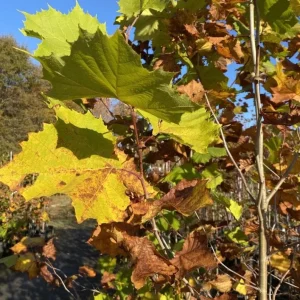
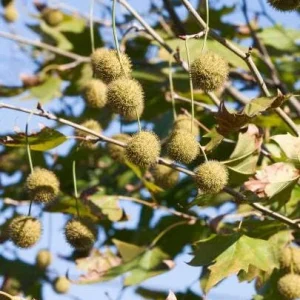
American Sycamore Tree Live Plant, 6-12 inches Tall, Quart Pot, Outdoor Shade Tree
Original price was: $39.91.$24.91Current price is: $24.91.
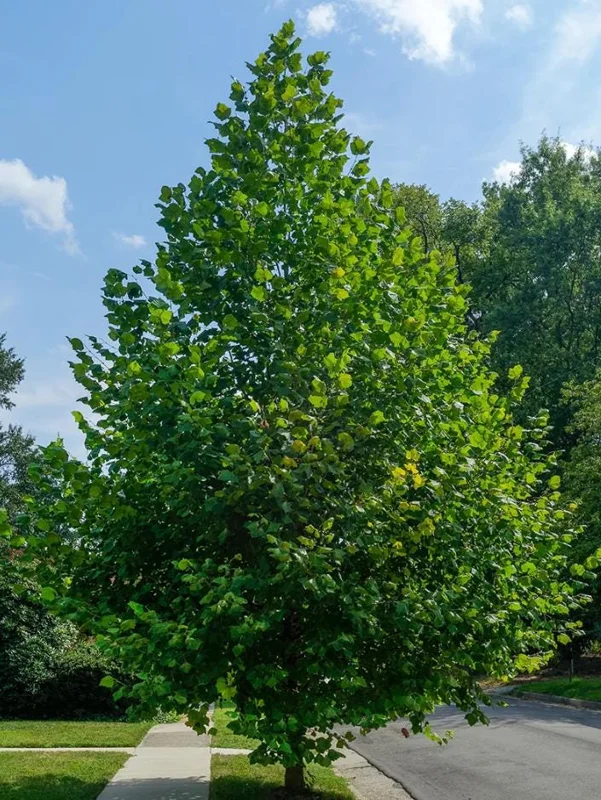
Bring natural beauty and ample shade to your landscape with an American Sycamore tree live plant. This young tree, standing 6 to 12 inches tall in a quart pot, is ready to establish itself in your garden. Known for its rapid growth and distinctive bark, it’s an excellent choice for a majestic Sycamore shade tree.
Estimated arrival
Apr 04
Apr 09 - Apr 11
Apr 14 - Apr 18

Reasonable Price
We offer reasonable price

Support 24/7
Contact us 24 hrs a day

100% Money Back
You've 30 days to Return

Payment Secure
100% secure payment
Overview
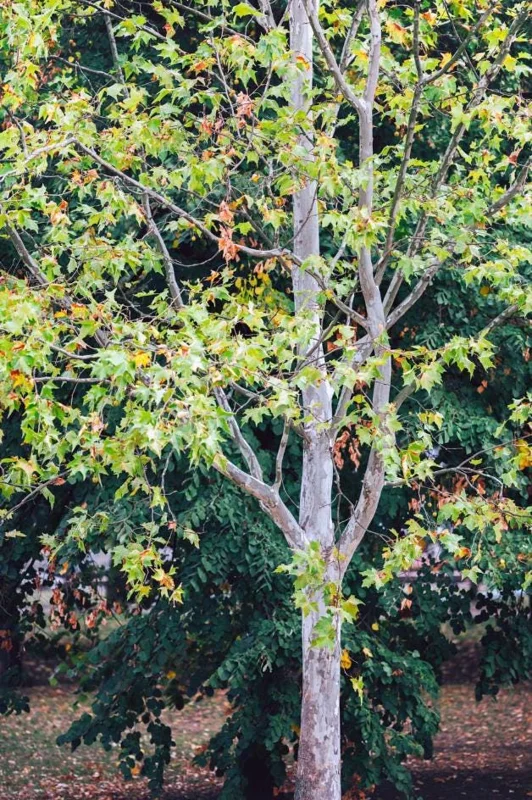
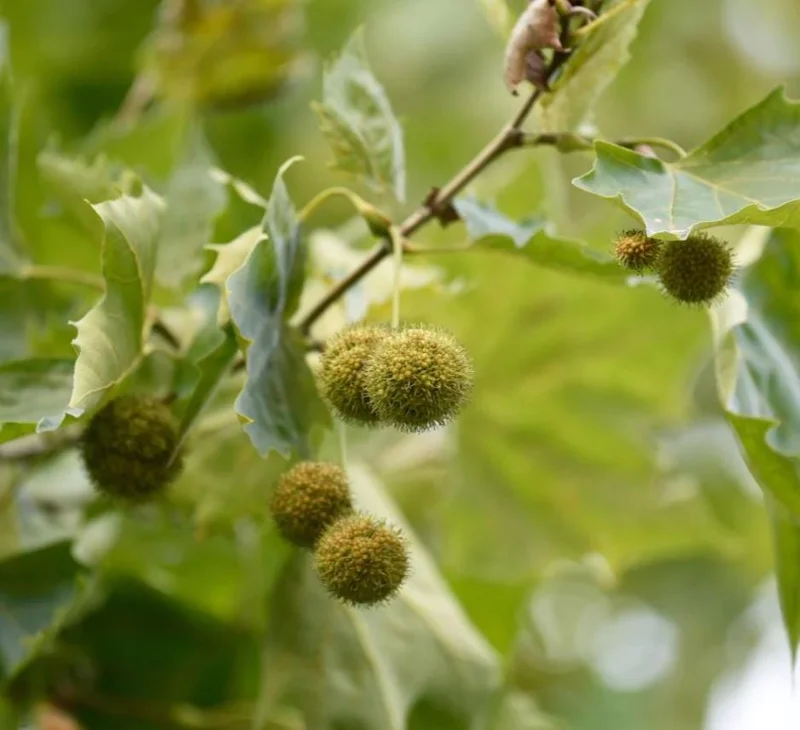
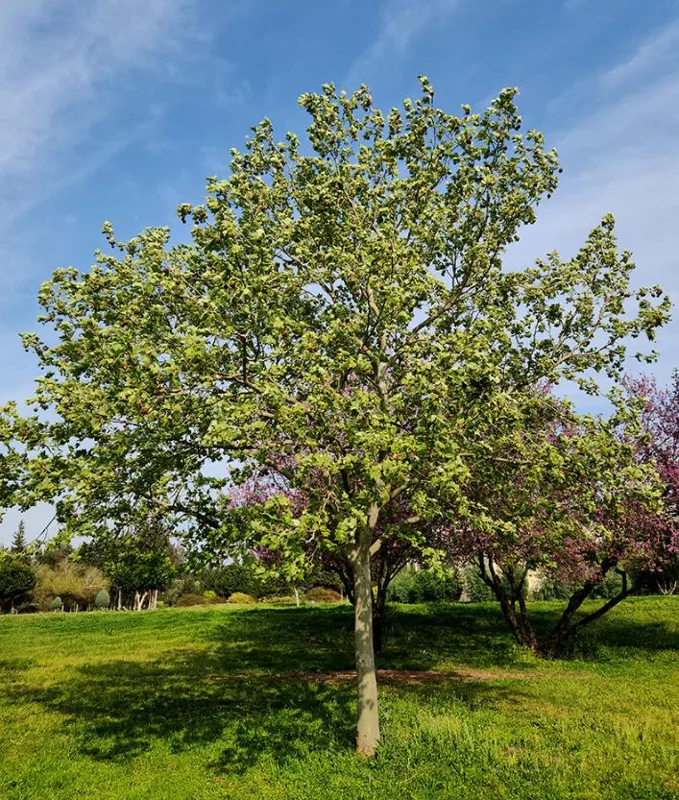
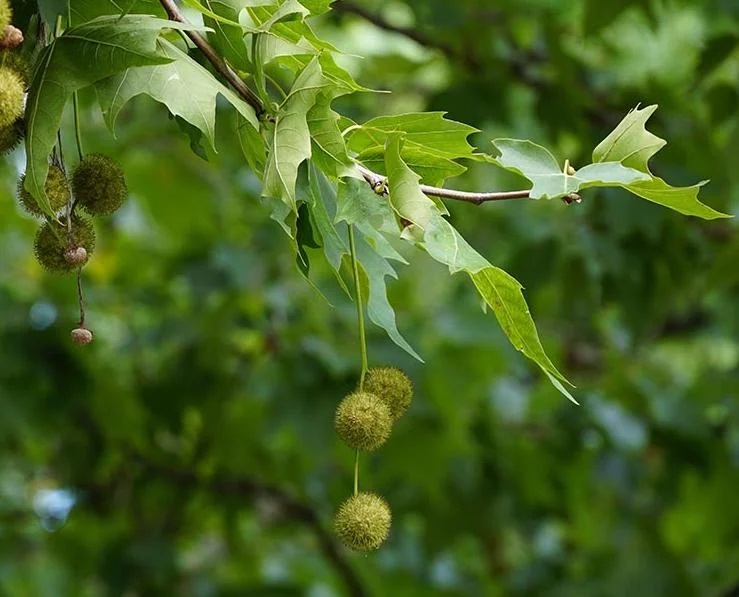
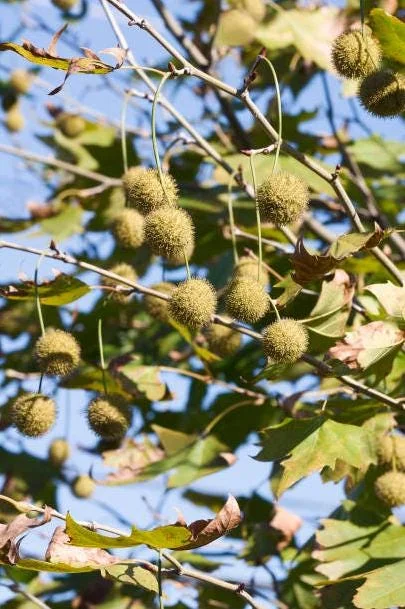
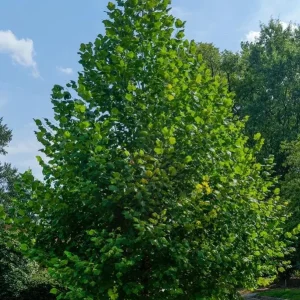
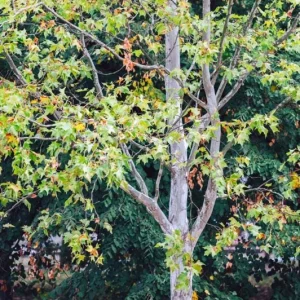
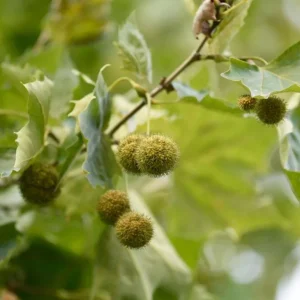
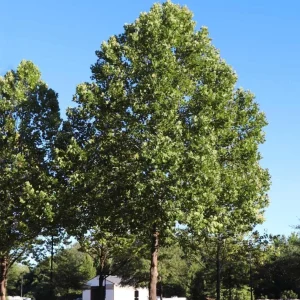
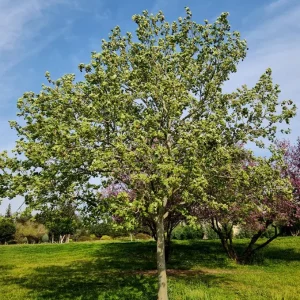
Introduce a magnificent centerpiece to your outdoor space with the American Sycamore tree live plant. This impressive deciduous tree, scientifically known as Platanus occidentalis, is a fast-growing native species renowned for its grand stature and striking exfoliating bark, which peels away to reveal patches of white, green, and brown. Your young American Sycamore tree live plant, currently 6 to 12 inches tall and thriving in a quart pot, is poised to develop into a majestic shade provider. Perfect for larger landscapes, parks, or as a street tree, the American Sycamore offers substantial aesthetic and environmental benefits, creating a cool, inviting canopy that can reach impressive heights at maturity.
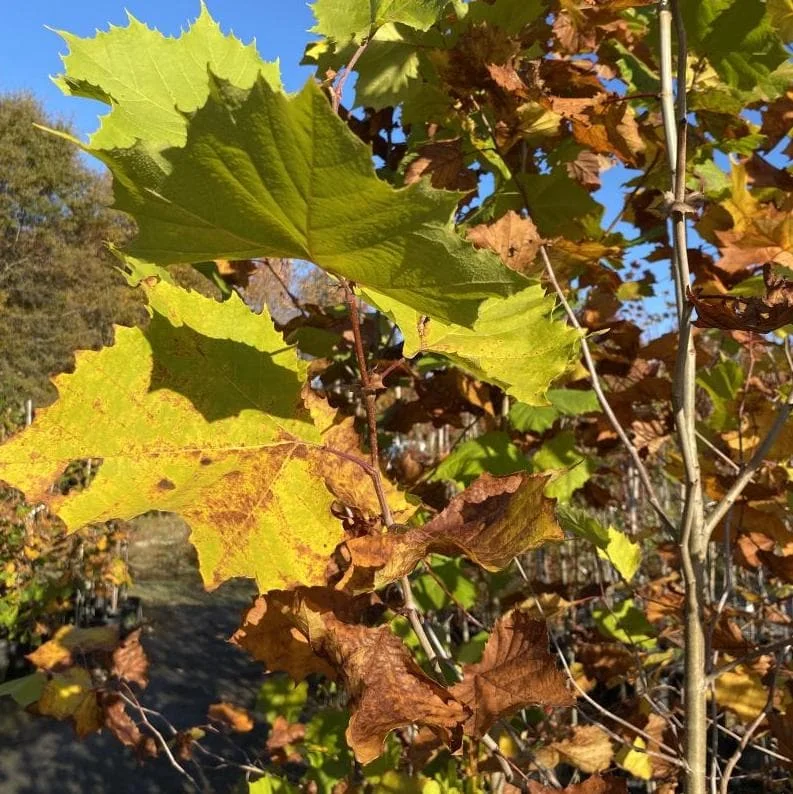
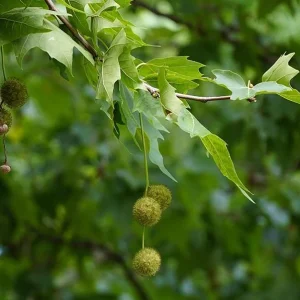
The Sycamore is celebrated for its adaptability and resilience, flourishing in a wide range of temperate climates, including those with both cold winters and warm summers. As a robust Sycamore shade tree, it provides ample cover, reducing energy costs for cooling nearby structures and offering a comfortable retreat during hot months. This plant is a fantastic choice for anyone looking to make a long-term investment in their property’s beauty and ecological value. Its distinctive appearance and large, attractive leaves make it a focal point in any garden or landscape design.
Key Benefits
Integrating an American Sycamore tree live plant into your garden offers numerous advantages, both practical and aesthetic, enhancing your property for years to come:
- Exceptional Shade Provider: The primary benefit of planting an American Sycamore is its ability to grow into a vast, dense canopy, providing extensive shade. This is invaluable during hot summer months, creating cool zones in your yard and potentially lowering air conditioning costs for your home.
- Rapid Growth Rate: American Sycamore care is relatively straightforward, and these trees are known for their fast growth, meaning you won’t have to wait decades to enjoy its full benefits. It quickly establishes itself and begins to offer significant shade and visual impact within a few years.
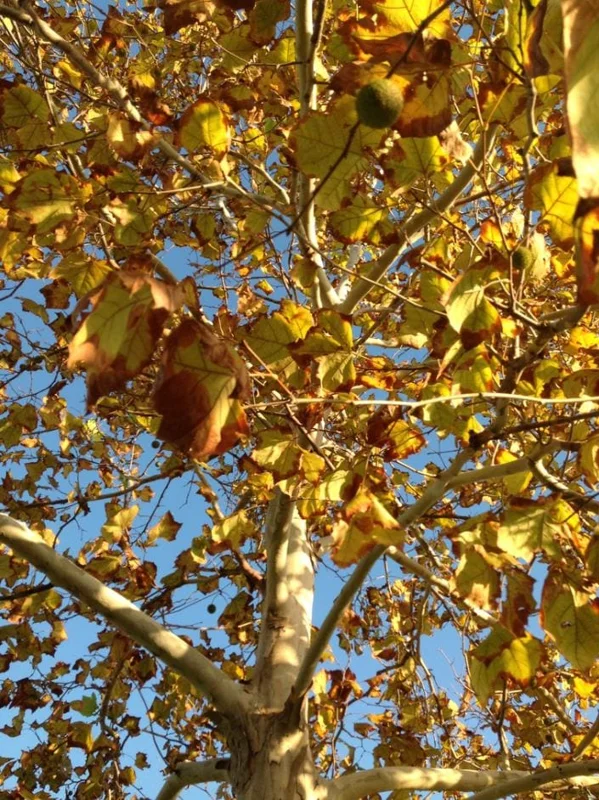
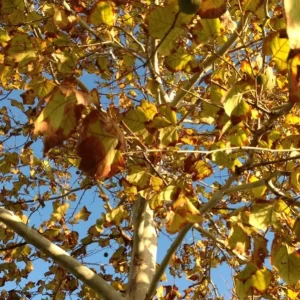
- Distinctive Ornamental Value: The unique exfoliating bark, which reveals patches of cream, green, and brown, provides year-round visual interest. This striking feature sets the Platanus occidentalis apart from many other shade trees, adding an artistic element to your landscape, especially in winter.
- Wildlife Habitat: Sycamore trees provide shelter and nesting sites for various bird species and other wildlife. They also support local ecosystems by attracting beneficial insects, contributing to a healthier garden environment.
- Adaptable and Resilient: This species is highly adaptable to different soil types and can tolerate various environmental conditions, including urban pollution and occasional flooding. This makes it a reliable choice for many regions and garden settings.
- Environmental Contribution: Large trees like the Sycamore are excellent at sequestering carbon dioxide, producing oxygen, and improving air quality, making a significant positive impact on the local environment.
- Long Lifespan: A well-cared-for Sycamore can live for many decades, becoming a legacy tree that enhances your property for generations to come, providing enduring beauty and value to your Sycamore tree for garden.
Plant Care & Growing Tips
Proper American Sycamore care ensures your tree thrives and reaches its full potential as a majestic shade provider. This robust tree is generally low-maintenance once established, but a good start is crucial. Sycamores prefer full sun, meaning at least 6 hours of direct sunlight per day. While they can tolerate some partial shade, optimal growth and health are achieved in sunny locations. They are also quite adaptable to various soil conditions but thrive best in deep, moist, well-draining soil. Avoid extremely dry or compacted soils, especially during the establishment phase.
When it comes to watering, young American Sycamore tree live plant specimens require consistent moisture. Water deeply and regularly, especially during dry spells in their first few years, to encourage a strong root system. Once mature, Sycamores are quite drought-tolerant, though supplemental watering during prolonged dry periods will benefit their overall health. The ideal USDA hardiness zones for the Platanus occidentalis range from 4 to 9, indicating its ability to withstand a broad spectrum of temperatures. Fertilization is not always necessary for established trees, but a balanced, slow-release fertilizer can be applied in early spring for young trees or if soil nutrients are deficient. Pruning should focus on removing dead, damaged, or crossing branches, ideally in late winter or early spring when the tree is dormant.
Common problems to watch for include anthracnose, a fungal disease that can cause leaf spots and twig dieback, particularly in cool, wet springs. Good air circulation and proper sanitation can help prevent this. Pests are generally not a major issue, but occasional aphid infestations can occur. Overall, with a bit of attention to its basic needs, your Sycamore tree for garden will flourish and provide impressive shade and beauty for many years.
Size & Details
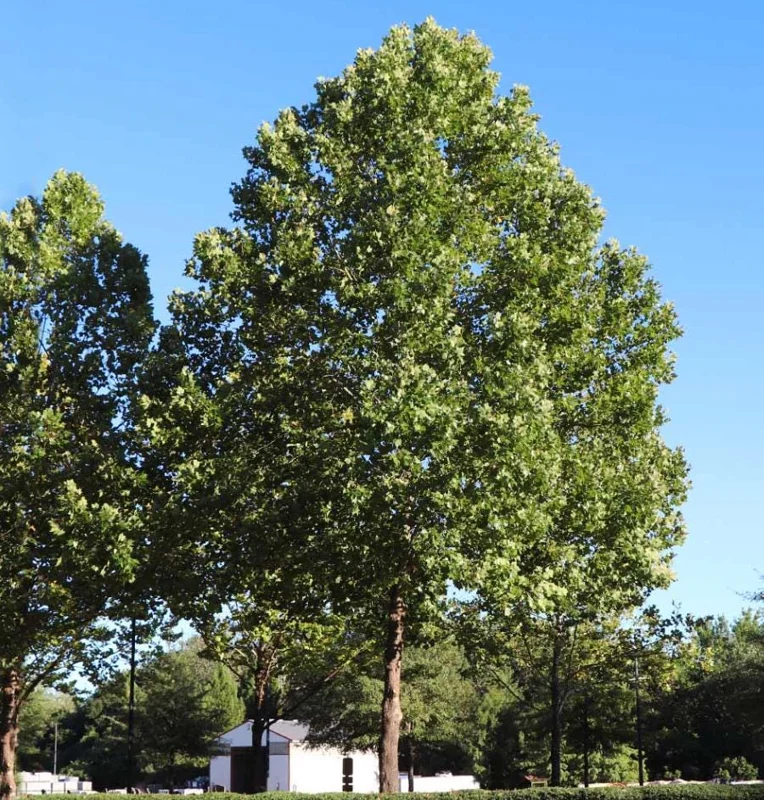
This offering is for one American Sycamore tree live plant, which arrives approximately 6 to 12 inches tall. It is carefully grown and shipped in a quart-sized nursery pot, providing a healthy root system ready for planting. The initial height makes it easy to handle and transplant, allowing it to acclimate quickly to its new environment. American Sycamores are known for their impressive mature size, typically reaching heights of 60 to 100 feet with a similar spread, creating a truly expansive canopy. They exhibit a rapid growth rate, often adding 1-2 feet or more per year under ideal conditions, making it a rewarding choice for those seeking a quickly maturing Sycamore shade tree.
The plant will be shipped in its natural dormant state if ordered during the months from October-April, meaning it will not have any leaves. This is a normal and healthy condition for deciduous trees during winter and ensures successful transplanting. When planted in the right conditions, your Platanus occidentalis will begin to leaf out in spring, establishing itself as a robust and beautiful addition to your landscape. Expect a strong, upright growth habit, developing a broad, rounded crown over time.
Frequently Asked Questions
- Q: How big does this plant get? A: This American Sycamore tree live plant typically grows into a very large tree, reaching a mature height of 60 to 100 feet and a similar spread. It is an ideal choice for creating significant shade and a strong focal point in a spacious landscape.
- Q: What size pot does it come in? A: Your American Sycamore tree live plant will arrive in a quart-sized nursery pot, with the plant itself standing 6 to 12 inches tall, ready for transplanting into your garden.
- Q: Is this an indoor or outdoor plant? A: The American Sycamore is strictly an outdoor tree. It requires ample space to grow and thrives in full sun conditions, making it unsuitable for indoor cultivation. It is best planted in a location where it can grow to its full, majestic size.
- Q: How much sunlight does it need? A: This tree requires full sun exposure, meaning at least 6 hours of direct sunlight per day, to ensure optimal growth and health. While it can tolerate some partial shade, full sun is highly recommended for the best results.
- Q: Is this plant easy to care for? A: Yes, American Sycamore care is relatively easy once the tree is established. It is known for its resilience and adaptability to various conditions. Initial care focuses on consistent watering and proper planting to encourage strong root development.
- Q: What condition will it arrive in? A: If you order between October and April, your American Sycamore tree live plant will arrive in its natural dormant state, meaning it will not have leaves. This is normal and beneficial for successful planting and growth in the spring. During other months, it will arrive with foliage.
- Q: When is the best time to plant an American Sycamore? A: The best time to plant an American Sycamore is in the spring or fall when the weather is mild. This allows the tree to establish its root system before the stress of extreme summer heat or winter cold.
- Q: Will it survive winter in my zone? A: The Platanus occidentalis is hardy in USDA Zones 4-9, meaning it is well-adapted to survive cold winters within this range. It is a deciduous tree, so it will naturally lose its leaves in the fall and enter dormancy for the winter.
- Q: What kind of soil does a Sycamore tree prefer? A: American Sycamores are adaptable but prefer deep, moist, well-draining soil. They can tolerate a range of soil types, including clay, loam, and sand, as long as drainage is adequate.
- Q: Is this a good choice for a large yard? A: Absolutely! The American Sycamore is an excellent choice for large yards, parks, or open spaces due to its rapid growth and eventual massive size. It creates an impressive and beautiful Sycamore tree for garden, providing significant shade and visual impact.
Be the first to review “American Sycamore Tree Live Plant, 6-12 inches Tall, Quart Pot, Outdoor Shade Tree”
-
USDA Hardiness Zone
USDA Zones 4-9 -
Soil Type
Deep, moist, well-draining soil -
Sunlight Exposure
Full sun -
Expected Planting Period
Spring or Fall
People Also Viewd


Sold 128 products
Original price was: $89.99.$64.99Current price is: $64.99.

Sold 128 products
Original price was: $27.00.$24.00Current price is: $24.00.

Sold 126 products
Original price was: $3,536.00.$23.99Current price is: $23.99.

Sold 125 products
Original price was: $86.99.$66.99Current price is: $66.99.
Sold 116 products
Original price was: $27.99.$16.99Current price is: $16.99.

Flower Bulbs
3 Cranesbill Wild Geranium Organic Maculatums Bare Roots | Wildflower for Outdoor Garden
Sold 114 products
Original price was: $21.99.$6.99Current price is: $6.99.

Sold 114 products
Original price was: $28.99.$17.99Current price is: $17.99.
Sold 109 products
Original price was: $63.99.$28.99Current price is: $28.99.RELATED posts
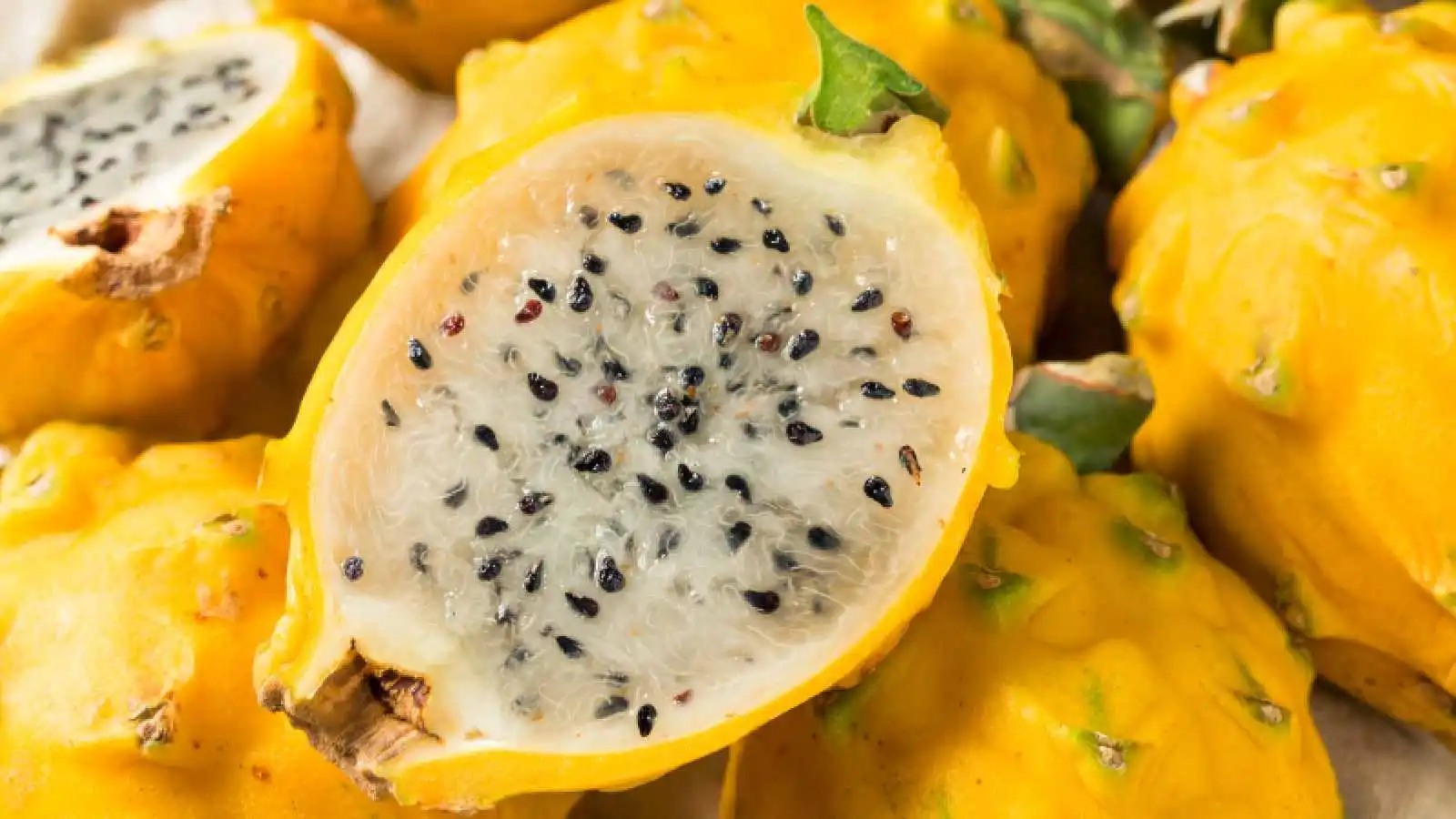
Yellow Dragon Fruit Plant Care: The Ultimate Guide for Healthy Growth
The yellow dragon fruit plant is a unique and rewarding addition to any home garden, [...]
Apr
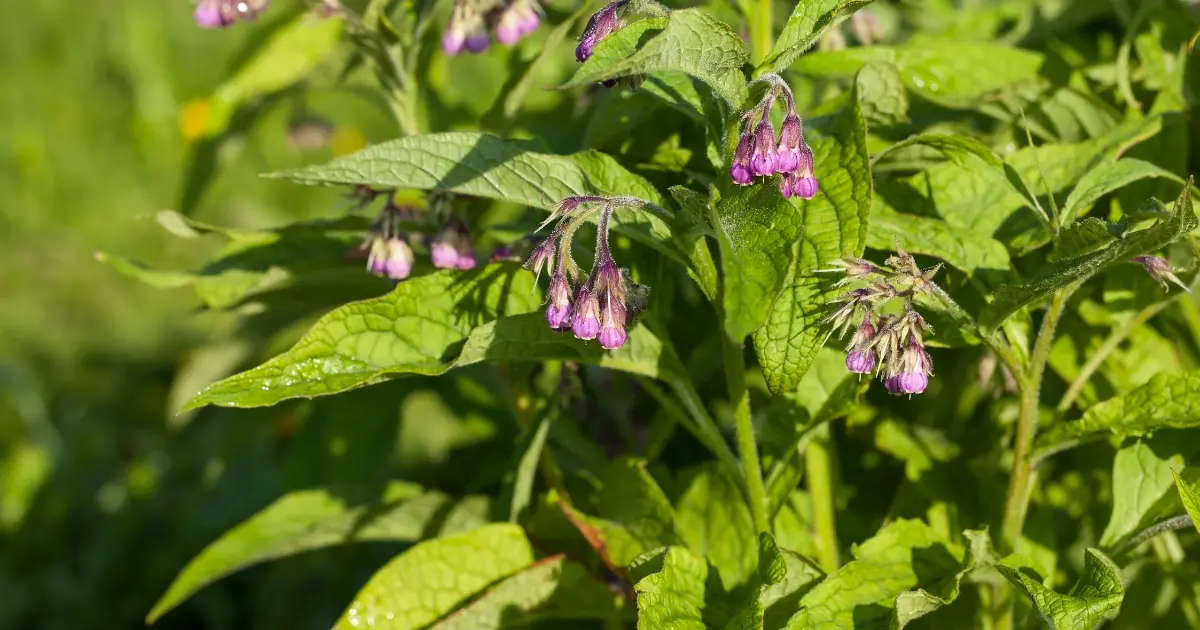
How to Identify Bocking 14 Comfrey: 5 Simple Visual Signs
If you’re growing comfrey for mulch, compost, or animal feed, knowing exactly which variety you [...]
Mar
Grand Duke of Tuscany Jasmine: The Ultimate Guide to Growing a Fragrant Masterpiece
Have you ever caught a scent in the air so rich, creamy, and honey-sweet that [...]
Mar
How to Grow Wild Huckleberries: A Guide to “Purple Gold”
Have you ever spent a summer afternoon hiking through the Pacific Northwest or the Rocky [...]
Mar
5 Best Shade-Loving Perennials for a Lush, Vibrant Garden
The world of gardening often shines a spotlight on sun-drenched blossoms, but there is a [...]
Mar

7 Common Curry Leaf Plant Problems: Easy Fixes for a Thriving Plant
Is your curry leaf plant looking a bit sad lately? Maybe you woke up to [...]
Mar
Best Time to Plant Bougainvillea: Timing for Vibrant Blooms
If you’re looking for a hardy tropical vine that delivers a riot of neon color, [...]
Feb
How to Propagate Purple Passion Plants (Gynura aurantiaca)
Have you ever been mesmerized by the neon-purple glow and fuzzy, velvet-like leaves of a [...]
Feb
Reviews
There are no reviews yet.