
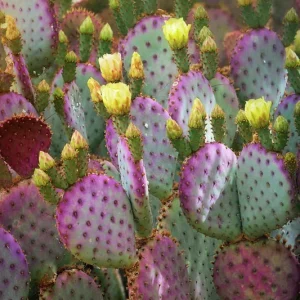
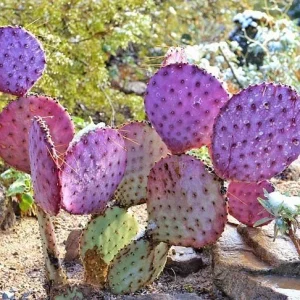
Arizona Purple Prickly Pear Cactus Seeds – Opuntia Macrocentra – Rare Purple Cacti
Price range: $7.70 through $35.29
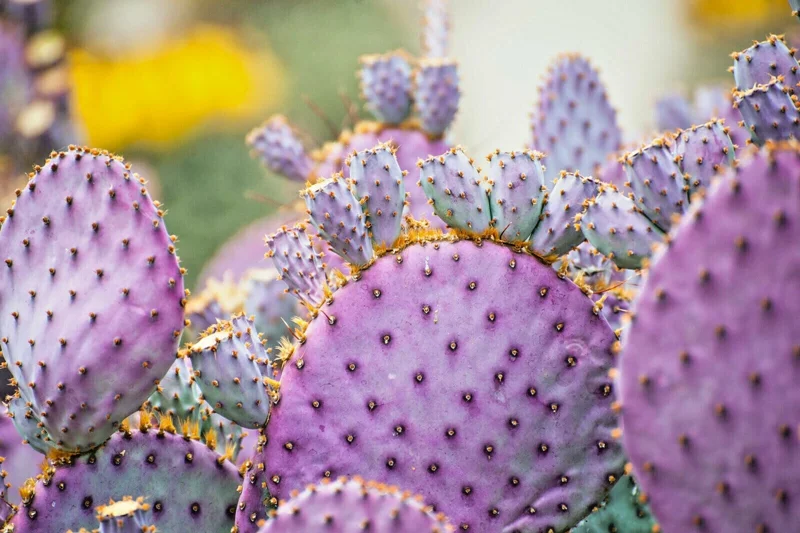
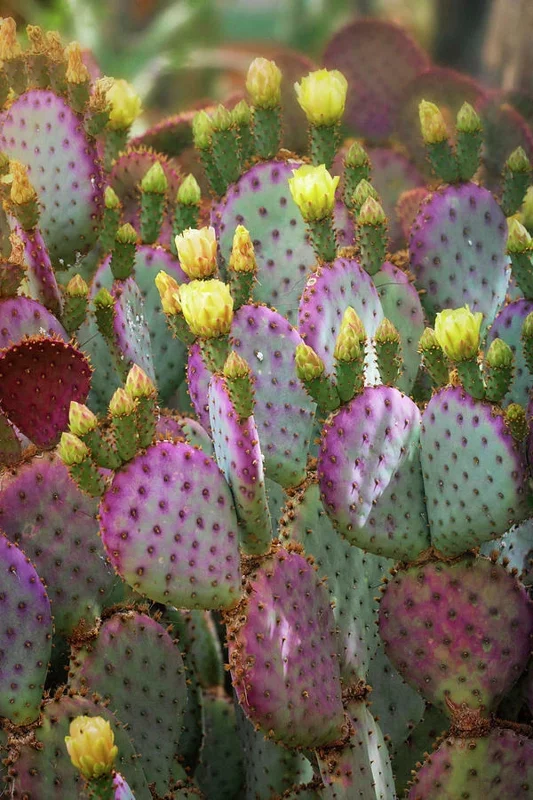
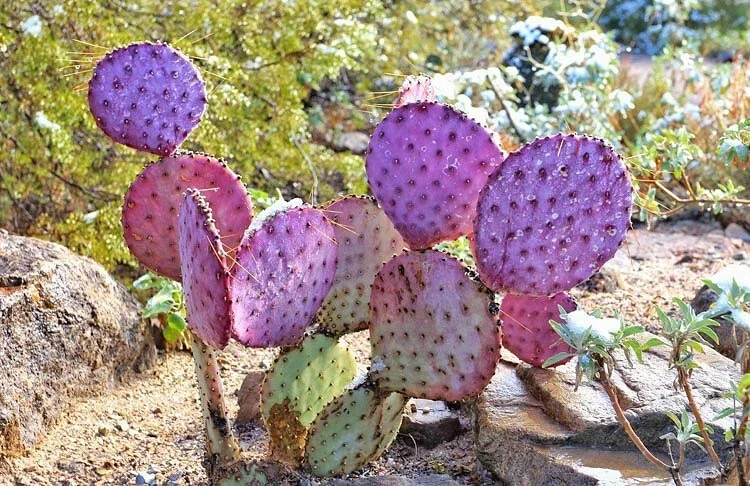
Cultivate the unique beauty of the desert with Arizona Purple Prickly Pear Cactus seeds. These Opuntia macrocentra seeds grow into striking cacti known for their vibrant purple pads, especially under stress, making them a captivating addition to xeriscape gardens or succulent collections.
Estimated arrival
Apr 07
Apr 12 - Apr 14
Apr 17 - Apr 21

Reasonable Price
We offer reasonable price

Support 24/7
Contact us 24 hrs a day

100% Money Back
You've 30 days to Return

Payment Secure
100% secure payment
Overview
Embark on a rewarding gardening journey with Arizona Purple Prickly Pear Cactus seeds. These remarkable Opuntia macrocentra seeds allow you to grow one of the most visually striking cacti native to the American Southwest. Known for its distinctive pads that can transform into a deep, rich purple hue under cooler temperatures or drought conditions, the Arizona Purple Prickly Pear is a truly magnificent specimen. This product offers high-quality seeds, providing an excellent opportunity for both novice and experienced gardeners to cultivate these rare and beautiful desert plants from scratch. Perfect for creating a vibrant, low-maintenance landscape, this cactus adds an exotic touch to any garden.
The Arizona Purple Prickly Pear Cactus seeds are sourced to ensure viability and authenticity. Growing these cacti from seed is a fulfilling process that connects you directly with nature’s resilience. The resulting plants are not only ornamental but also play a vital role in desert ecosystems, providing food and habitat for various wildlife. Prepare to be captivated by the evolving colors and robust growth of this exceptional succulent.
Key Benefits
The Arizona Purple Prickly Pear Cactus seeds offer numerous advantages for any gardening enthusiast:
- Stunning Visual Appeal: Enjoy the dramatic color transformation of this cactus, with pads that can shift from green to a deep, intense purple, especially during cooler months or when exposed to full sun. This provides year-round interest and a unique focal point in your garden.
- Exceptional Drought Tolerance: As a native desert plant, the Opuntia macrocentra is incredibly resilient to arid conditions, requiring minimal watering once established. This makes it an ideal choice for xeriscaping or gardens in water-restricted areas, ensuring a beautiful landscape with less effort.
- Low Maintenance & Hardiness: Once germinated and established, these purple prickly pear seeds develop into hardy plants that demand very little attention. They are naturally resistant to many common pests and diseases, making them a fuss-free addition to your plant collection.
- Support for Wildlife: The pads and fruit of the Prickly Pear provide valuable food sources for local wildlife, including birds and small mammals, contributing to biodiversity in your outdoor space. Growing these rare cactus seeds can help support your local ecosystem.
- Edible Fruit Production: While primarily grown for its ornamental value, the Arizona Purple Prickly Pear also produces edible fruits (tunas) that can be used in jams, jellies, or enjoyed fresh. This offers a unique culinary benefit alongside its aesthetic charm.
- Versatile Landscaping: Whether you’re designing a rock garden, a desert landscape, or simply adding a unique succulent to a container, these cacti are incredibly versatile. Their striking form and color make them suitable for a variety of garden styles and settings.
- Educational & Rewarding Growth: Growing cacti from drought-tolerant cactus seeds is a fascinating and educational experience. Witnessing the slow but steady development of these unique plants from tiny seeds to mature specimens is deeply rewarding.
Plant Care & Growing Tips
Successfully growing Arizona Purple Prickly Pear Cactus seeds requires understanding their natural desert habitat. For optimal germination, scarify the hard seed coat by gently rubbing it with sandpaper or nicking it with a knife, then soak in warm water for 24 hours. Plant seeds in a well-draining cactus mix, just barely covering them with soil. Maintain consistent moisture but avoid overwatering, and provide warmth for germination, which can take several weeks to months.
Once seedlings emerge, they require abundant sunlight. Mature Opuntia macrocentra seeds-grown plants thrive in full sun, needing at least 6-8 hours of direct sunlight daily to develop their characteristic purple coloration. They are highly drought-tolerant and prefer infrequent, deep watering during the growing season (spring to fall), allowing the soil to dry out completely between waterings. During winter, reduce watering significantly. Good air circulation is crucial to prevent fungal issues. Fertilize sparingly with a low-nitrogen cactus fertilizer during the active growing season.
These plants are generally cold-hardy for a cactus, but protection from prolonged freezing temperatures is beneficial for young plants. Ensure your soil is extremely well-draining; a sandy or gravelly loam is ideal. Avoid heavy clay soils that retain too much moisture, as this can lead to rot. The Arizona Purple Prickly Pear Cactus seeds will grow into robust plants with proper care, offering years of beauty.
Size & Details
The Arizona Purple Prickly Pear Cactus seeds will develop into mature plants that typically grow to a height of 2 to 4 feet and can spread up to 6 feet wide, forming broad clumps of pads. The individual pads are usually oval to circular, measuring about 4 to 8 inches in diameter. These cacti exhibit a moderate growth rate, gradually expanding their size over several years. They are typically shipped as packets of viable seeds, ready for you to begin the germination process. Expect to see initial growth within a few months, with the plant reaching a noticeable size within its first year, eventually producing its characteristic purple pads and edible fruits. The mature size and vibrant purple coloration are most pronounced when the plant is grown in conditions mimicking its native arid environment, including ample sunlight and well-draining soil.
Frequently Asked Questions
- Q: How big does this plant get? A: The Arizona Purple Prickly Pear Cactus seeds will grow into plants that typically reach 2 to 4 feet tall and spread 4 to 6 feet wide, forming dense clumps of pads. Its size can vary slightly based on growing conditions.
- Q: What size pot does it come in? A: This product consists of Opuntia macrocentra seeds, not a live plant. You will receive a packet of seeds, allowing you to start your cactus cultivation from the very beginning in your preferred container or garden bed.
- Q: Is this an indoor or outdoor plant? A: While young seedlings can be started indoors, the Arizona Purple Prickly Pear Cactus seeds are best suited for outdoor cultivation in USDA zones where it can thrive. It requires significant direct sunlight to develop its vibrant purple coloration.
- Q: How much sunlight does it need? A: This cactus requires full sun, meaning at least 6 to 8 hours of direct sunlight per day, especially for the pads to turn their characteristic deep purple. Insufficient light may result in greener pads.
- Q: Is this plant easy to care for? A: Once established, the Arizona Purple Prickly Pear Cactus seeds grow into a very low-maintenance and drought-tolerant plant, making it relatively easy to care for. The initial germination phase requires careful attention to moisture and warmth.
- Q: What condition will the seeds arrive in? A: The rare cactus seeds will arrive in a sealed packet, ensuring their viability and protection during transit. They are ready for planting upon arrival, though scarification and soaking are recommended for best results.
- Q: Can I use the fruit of the Arizona Purple Prickly Pear? A: Yes, the Arizona Purple Prickly Pear produces edible fruits, often called tunas. These can be harvested when ripe and used to make jellies, jams, or eaten fresh, offering a sweet and tangy flavor.
- Q: When is the best time to plant these seeds? A: The best time to plant purple prickly pear seeds is in spring or early summer, after the last chance of frost. This allows the seedlings to establish themselves during the warm growing season.
- Q: Will it survive winter in my zone? A: The Opuntia macrocentra is known for its cold tolerance and can survive winters in USDA Zones 7-10. In colder zones, it may require protection or be grown in containers that can be moved indoors.
- Q: What type of soil is best for these cactus seeds? A: These drought-tolerant cactus seeds thrive in extremely well-draining soil. A specialized cactus potting mix or a blend of sand, gravel, and a small amount of organic matter is ideal to prevent root rot.
| options | 15 Seeds, 25 Seeds, 50 Seeds, Sample 5 Seeds |
|---|
Be the first to review “Arizona Purple Prickly Pear Cactus Seeds – Opuntia Macrocentra – Rare Purple Cacti”
-
USDA Hardiness Zone
USDA Zones 7-10 -
Soil Type
Well-draining sandy or gravelly loam -
Sunlight Exposure
Full sun -
Expected Planting Period
Spring to early summer
People Also Viewd


Sold 128 products
Original price was: $89.99.$64.99Current price is: $64.99.

Sold 128 products
Original price was: $27.00.$24.00Current price is: $24.00.
Sold 127 products
Original price was: $159.99.$139.99Current price is: $139.99.

Sold 126 products
Original price was: $3,536.00.$23.99Current price is: $23.99.

Sold 125 products
Original price was: $86.99.$66.99Current price is: $66.99.
Sold 116 products
Original price was: $27.99.$16.99Current price is: $16.99.

Flower Bulbs
3 Cranesbill Wild Geranium Organic Maculatums Bare Roots | Wildflower for Outdoor Garden
Sold 114 products
Original price was: $21.99.$6.99Current price is: $6.99.

Sold 114 products
Original price was: $28.99.$17.99Current price is: $17.99.RELATED posts
Mastering Esperanza Goldstar: Grow the Ultimate Yellow Bloom
Esperanza Goldstar is more than just a heat-tolerant shrub; for the American gardener battling the [...]
Apr
Yellow Dragon Fruit Plant Care: The Ultimate Guide for Healthy Growth
The yellow dragon fruit plant is a unique and rewarding addition to any home garden, [...]
Apr
How to Identify Bocking 14 Comfrey: 5 Simple Visual Signs
If you’re growing comfrey for mulch, compost, or animal feed, knowing exactly which variety you [...]
Mar
Grand Duke of Tuscany Jasmine: The Ultimate Guide to Growing a Fragrant Masterpiece
Have you ever caught a scent in the air so rich, creamy, and honey-sweet that [...]
Mar
How to Grow Wild Huckleberries: A Guide to “Purple Gold”
Have you ever spent a summer afternoon hiking through the Pacific Northwest or the Rocky [...]
Mar
5 Best Shade-Loving Perennials for a Lush, Vibrant Garden
The world of gardening often shines a spotlight on sun-drenched blossoms, but there is a [...]
Mar

7 Common Curry Leaf Plant Problems: Easy Fixes for a Thriving Plant
Is your curry leaf plant looking a bit sad lately? Maybe you woke up to [...]
Mar
Best Time to Plant Bougainvillea: Timing for Vibrant Blooms
If you’re looking for a hardy tropical vine that delivers a riot of neon color, [...]
Feb



Reviews
There are no reviews yet.