
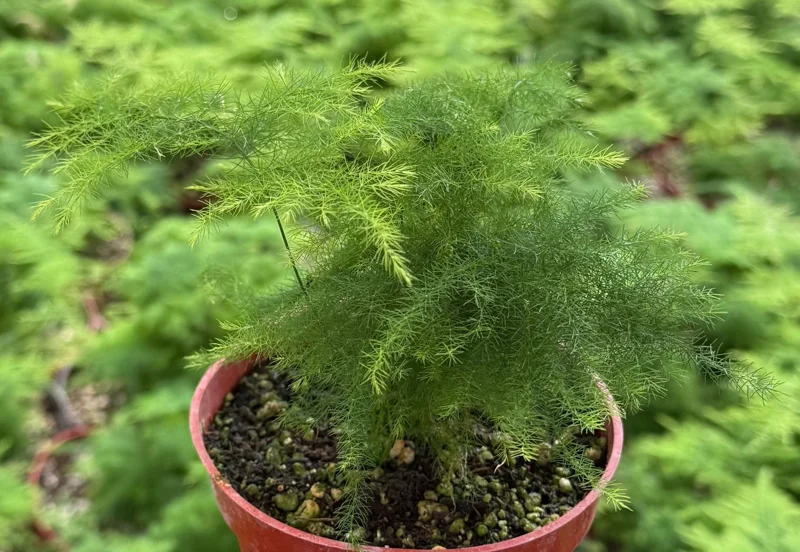
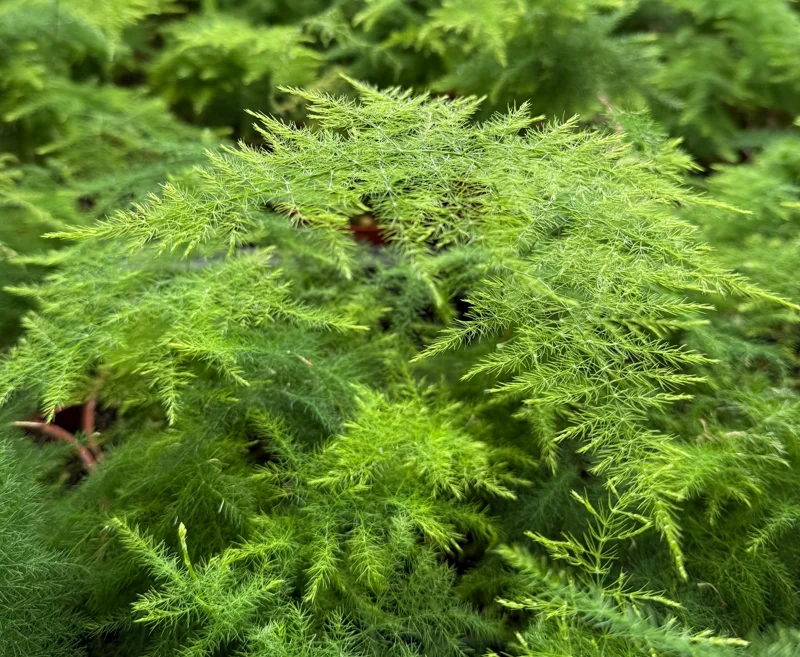
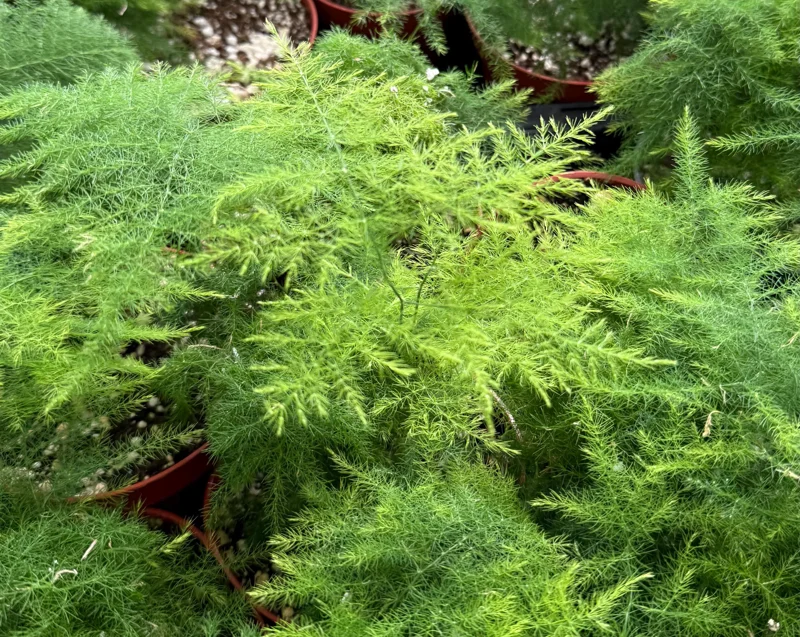
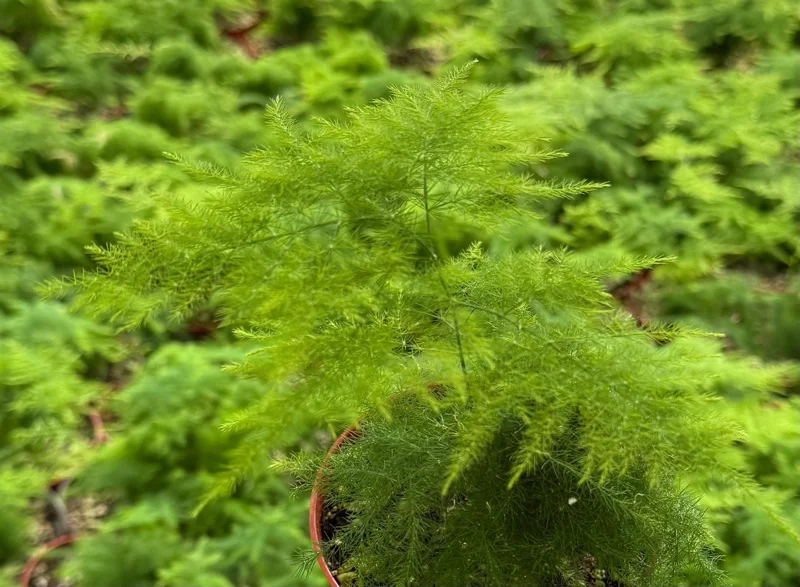
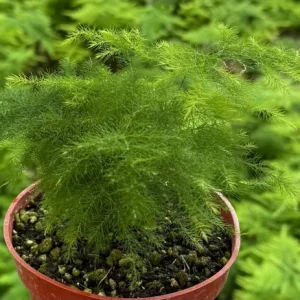
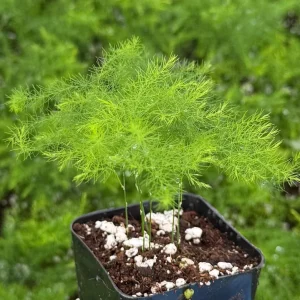
Asparagus Fern Live Plant – Delicate Indoor Houseplant
Original price was: $38.55.$18.55Current price is: $18.55.
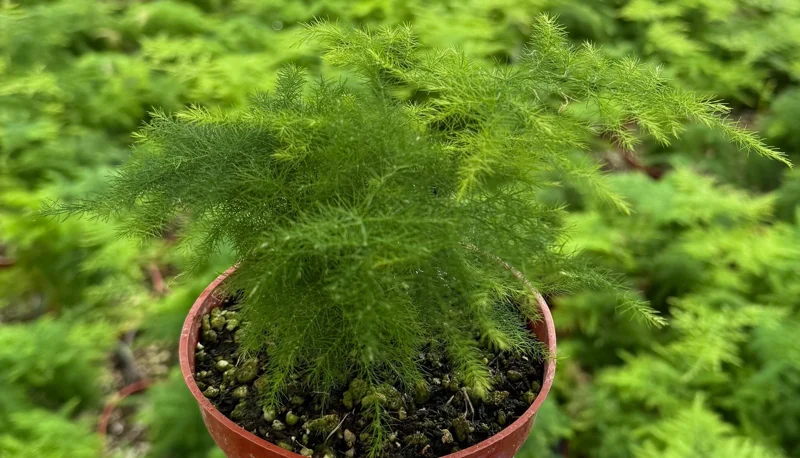
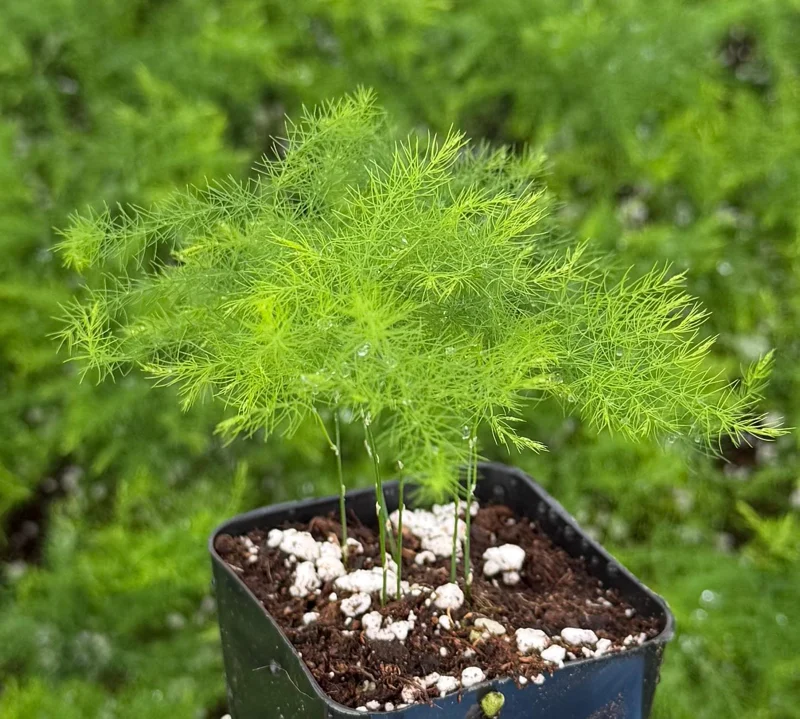
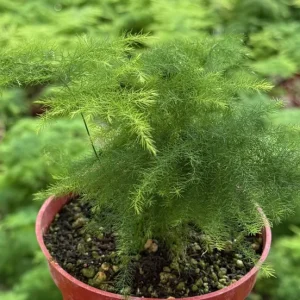
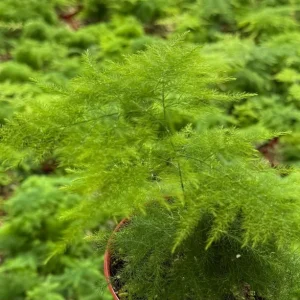
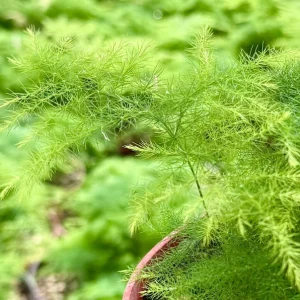
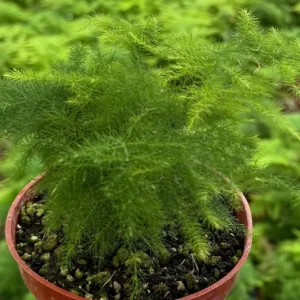
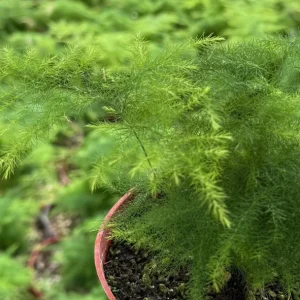
Bring delicate beauty to your home with the asparagus fern live plant. This elegant houseplant features airy, fern-like foliage, perfect for hanging baskets or bright indoor spaces. Easy to care for and adds a touch of natural charm.
Estimated arrival
Apr 04
Apr 09 - Apr 11
Apr 14 - Apr 18

Reasonable Price
We offer reasonable price

Support 24/7
Contact us 24 hrs a day

100% Money Back
You've 30 days to Return

Payment Secure
100% secure payment
Overview
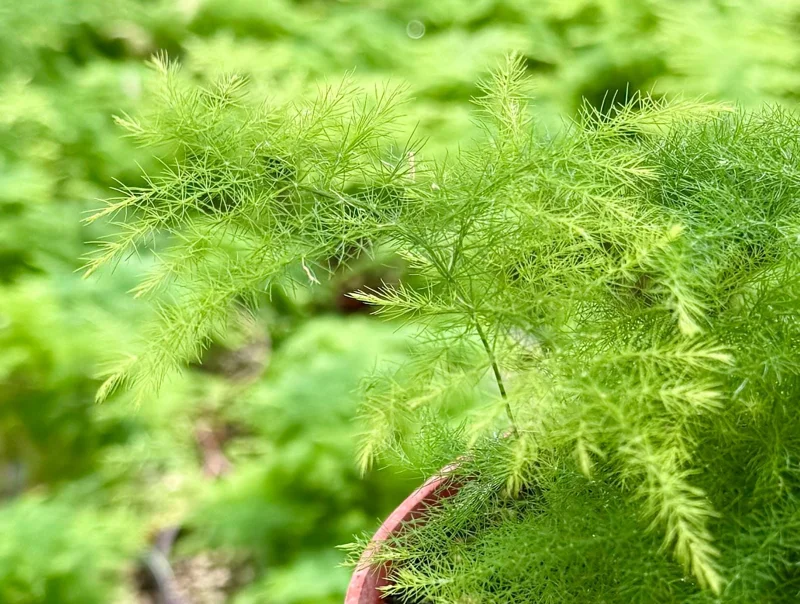
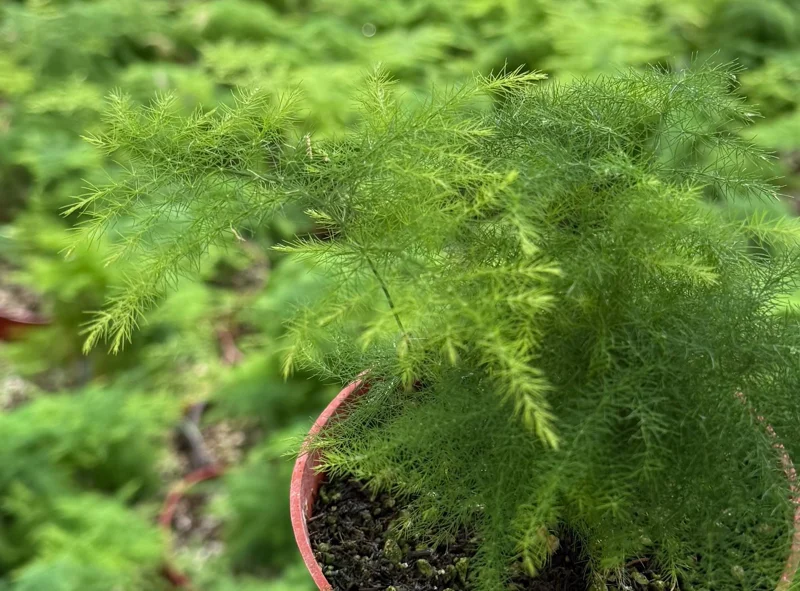
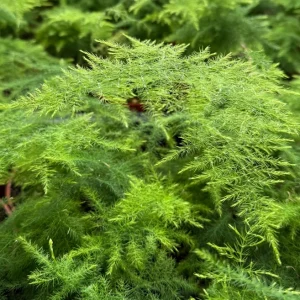
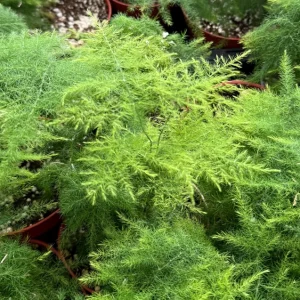
The asparagus fern live plant is a charming and popular choice for indoor gardening enthusiasts, known for its delicate, feathery appearance. Despite its common name, this plant is not a true fern but rather a member of the Asparagaceae family, closely related to the edible garden asparagus. Its botanical name often refers to species like Asparagus setaceus (also known as lace fern or climbing asparagus) and Asparagus densiflorus (which includes varieties like foxtail and sprenger’s asparagus fern). These beautiful plants are prized for their soft, airy foliage, which consists of modified stems called cladodes, giving them a unique texture that resembles true fern fronds. As a fast grower, the asparagus fern live plant can adapt to various forms, whether trailing gracefully from a hanging basket, climbing with support, or forming dense, upright clumps, making it a versatile addition to any indoor plant collection. Occasionally, small white flowers may emerge, sometimes followed by decorative red berries, adding another layer of interest to this captivating plant.
The allure of the asparagus fern live plant lies in its ability to bring a touch of the outdoors inside with minimal fuss. Its vibrant green hues and intricate leaf structure create a soothing and refreshing atmosphere in any room. Ideal for those looking to enhance their living spaces with lush greenery, this plant thrives with proper care and attention. Its unique growth habit and delicate appearance make it a favorite among both novice and experienced plant parents. Whether you’re aiming to create a verdant corner or simply add a focal point to your decor, the asparagus fern offers a delightful solution.
Key Benefits
The asparagus fern live plant offers numerous advantages, making it a beloved choice for plant enthusiasts seeking both beauty and ease of care. Its unique characteristics contribute to a healthier and more aesthetically pleasing environment.
- Aesthetic Appeal: The delicate, airy foliage of the asparagus fern live plant adds a soft, elegant touch to any indoor setting. Its feathery fronds create a visually appealing texture that can soften harsh lines and bring a sense of tranquility to your home or office.
- Versatile Growth Habit: Depending on the variety, this plant can be grown as a trailing plant in hanging baskets, a climbing plant with support, or a bushy upright specimen. This versatility allows you to integrate it into various decorative schemes and spaces.
- Air Purification: Like many houseplants, the asparagus fern contributes to improving indoor air quality. It helps filter out common airborne toxins, creating a fresher and healthier living environment for you and your family.
- Relatively Easy Care: While it appreciates consistent moisture and humidity, the asparagus fern care routine is generally straightforward, making it suitable for beginners. Providing the right conditions ensures a thriving and beautiful plant.
- Fast Grower: This plant is known for its relatively fast growth rate, allowing you to enjoy a lush, full plant in a shorter amount of time. This can be very rewarding for those who enjoy seeing their plants flourish quickly.
- Unique Foliage: The unique cladodes that mimic fern fronds provide a distinct look that stands out from other houseplants. This makes the lace fern plant a conversation starter and a unique addition to any plant collection.
- Adds Humidity: As it transpires, the asparagus fern can subtly increase the humidity around it, which can be beneficial for other plants nearby and for people in dry indoor environments.
Plant Care & Growing Tips
Proper asparagus fern care is essential for maintaining its vibrant and airy appearance. This plant thrives when its specific needs for light, water, and humidity are met. It prefers bright, indirect light; direct sunlight can scorch its delicate foliage, leading to yellowing or browning. An east-facing window is often ideal, providing morning sun without the intensity of midday or afternoon rays. If placed in a spot with less light, its growth may become sparse. Consistently moist but well-draining soil is crucial. Avoid letting the soil dry out completely between waterings, but also ensure it doesn’t become waterlogged, as this can lead to root rot. Good drainage is key, so use a pot with drainage holes and a suitable potting mix.
Humidity is another vital factor for the asparagus fern live plant, as it naturally thrives in more humid environments. You can increase humidity by misting the plant regularly, placing it near a humidifier, or setting its pot on a pebble tray filled with water. The typical indoor temperature range of 65-75°F (18-24°C) is generally suitable. While hardy in warmer climates (USDA zones 9 to 11 when grown outdoors), it is predominantly kept as an indoor houseplant in most regions. Fertilize sparingly during the growing season (spring and summer) with a balanced liquid fertilizer diluted to half strength. Over-fertilization can harm the plant. Watch out for common pests like spider mites and mealybugs, especially in dry conditions; regular inspection and prompt treatment with insecticidal soap can keep them at bay. Understanding these care requirements will help your foxtail asparagus fern or lace fern flourish.
Pruning can help maintain the desired shape and size of your asparagus fern live plant. Remove any yellowing or browning fronds to encourage new growth and keep the plant looking tidy. While the plant may produce small white flowers and red berries, these are not the primary reason for growing it, as the foliage is the main draw. Ensure good air circulation around the plant to prevent fungal issues, especially in humid conditions. With consistent attention to these guidelines, your indoor houseplant foliage will remain lush and beautiful, providing a refreshing green accent to your home.
Size & Details
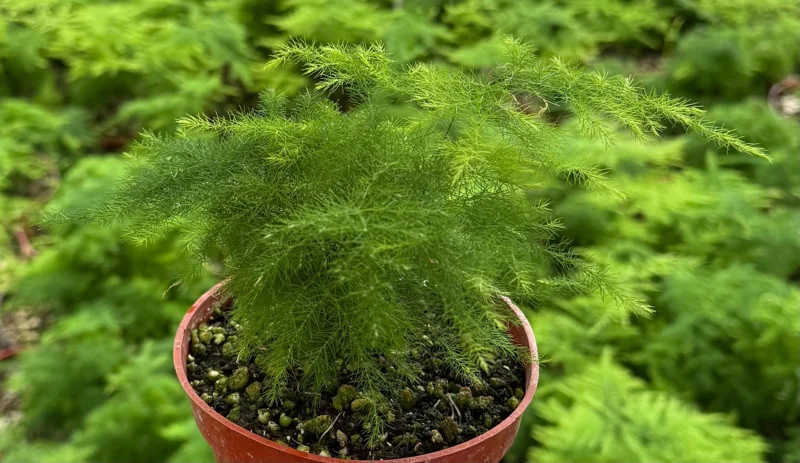
The asparagus fern live plant typically ships as a young, actively growing plant, ready to thrive in its new indoor environment. While specific sizes can vary, these plants are usually sent in a nursery pot, ready for transplanting into a decorative container. Expect the plant to arrive with established roots and delicate, feathery foliage. These plants are known for their fast growth rate, quickly filling out their space. Depending on the variety and growing conditions, an asparagus fern can reach a spread of 1-3 feet and a height of 1-2 feet as an indoor specimen, though it can trail much longer in hanging baskets. The exact dimensions will depend on the care provided and the specific cultivar, such as the more upright foxtail asparagus fern or the trailing lace fern. It’s important to allow the plant room to grow and cascade gracefully.
Upon arrival, gently acclimate your new asparagus fern live plant to its new home. It’s best to repot it into a slightly larger pot with fresh, well-draining potting mix once it has settled. This provides ample space for root development and ensures it has the nutrients needed for continuous growth. The plant’s vigorous nature means it will quickly adapt and begin to showcase its characteristic airy texture, making it a delightful addition to any collection of indoor houseplant foliage. With proper care, you can expect this plant to become a vibrant and enduring feature in your home for many years.
Frequently Asked Questions
- Q: How big does this plant get? A: As an indoor houseplant, the asparagus fern live plant typically grows to a height of 1-2 feet and spreads 1-3 feet. Trailing varieties can cascade much longer in hanging baskets, reaching several feet in length.
- Q: Is this an indoor or outdoor plant? A: While it is hardy outdoors in USDA zones 9-11, the asparagus fern live plant is most commonly grown as a beautiful and resilient indoor houseplant in most regions.
- Q: How much sunlight does it need? A: This plant thrives in bright, indirect light. Direct sunlight can scorch its delicate foliage, so a spot near an east-facing window or a few feet away from a south or west-facing window is ideal for optimal asparagus fern care.
- Q: Is this plant easy to care for? A: Yes, the asparagus fern live plant is considered relatively easy to care for, making it suitable for beginners. Its main requirements are consistent moisture, high humidity, and bright, indirect light.
- Q: What condition will it arrive in? A: Your asparagus fern live plant will arrive as a healthy, actively growing plant in a nursery pot, carefully packaged to ensure its safe journey and ready for you to enjoy.
- Q: Is it pet-safe? A: Unfortunately, asparagus ferns are considered toxic to pets if ingested. It’s best to keep this plant out of reach of curious animals to ensure their safety.
- Q: How often should I water my asparagus fern? A: Water your asparagus fern live plant when the top inch of soil feels dry to the touch. It prefers consistently moist, but not waterlogged, soil. Adjust frequency based on humidity and temperature.
- Q: Does the asparagus fern produce flowers or berries? A: Yes, mature asparagus fern live plants may produce small, inconspicuous white flowers, which can sometimes be followed by decorative, non-edible red berries.
- Q: What is the difference between lace fern and foxtail asparagus fern? A: Both are varieties of asparagus fern. The lace fern plant (Asparagus setaceus) typically has finer, more delicate, and often trailing foliage, while the foxtail asparagus fern (Asparagus densiflorus ‘Myers’) has denser, more upright, plume-like fronds.
- Q: Why are the leaves on my asparagus fern turning yellow? A: Yellowing leaves can indicate several issues, including too much direct sunlight, underwatering, or low humidity. Evaluate your asparagus fern care routine to identify and correct the problem.
Be the first to review “Asparagus Fern Live Plant – Delicate Indoor Houseplant”
-
USDA Hardiness Zone
USDA zones 9-11 (outdoors); commonly grown indoors year-round -
Soil Type
Well-draining potting mix -
Sunlight Exposure
Bright, indirect light -
Expected Planting Period
Year-round indoors
People Also Viewd
Sold 128 products
Original price was: $27.00.$24.00Current price is: $24.00.
Sold 128 products
Original price was: $89.99.$64.99Current price is: $64.99.
Sold 126 products
Original price was: $3,536.00.$23.99Current price is: $23.99.
Sold 126 products
Original price was: $159.99.$139.99Current price is: $139.99.

Sold 125 products
Original price was: $86.99.$66.99Current price is: $66.99.
Sold 116 products
Original price was: $27.99.$16.99Current price is: $16.99.
Sold 114 products
Original price was: $28.99.$17.99Current price is: $17.99.
Flower Bulbs
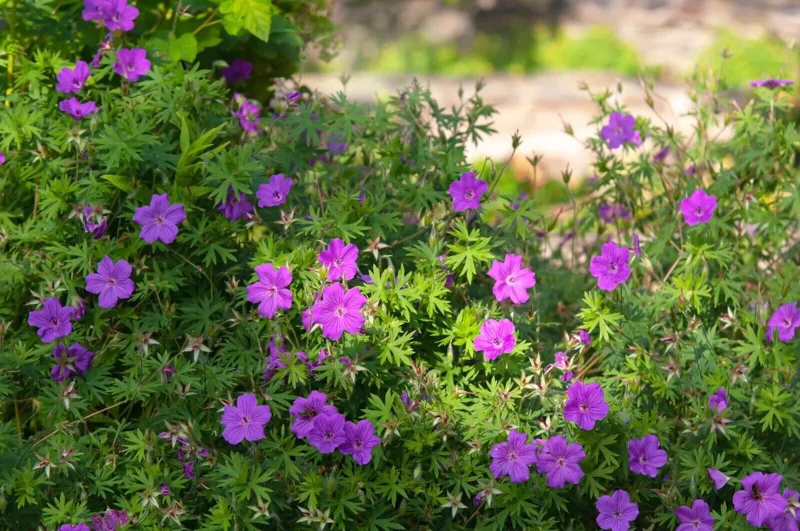
3 Cranesbill Wild Geranium Organic Maculatums Bare Roots | Wildflower for Outdoor Garden
Sold 114 products
Original price was: $21.99.$6.99Current price is: $6.99.RELATED posts

Yellow Dragon Fruit Plant Care: The Ultimate Guide for Healthy Growth
The yellow dragon fruit plant is a unique and rewarding addition to any home garden, [...]
Apr
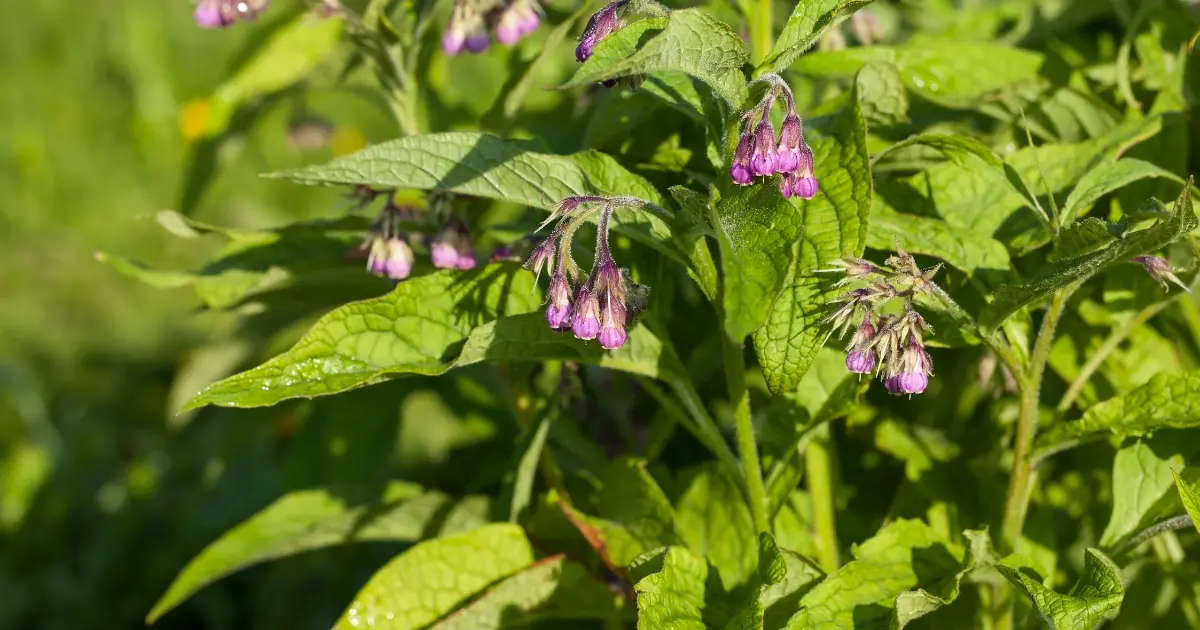
How to Identify Bocking 14 Comfrey: 5 Simple Visual Signs
If you’re growing comfrey for mulch, compost, or animal feed, knowing exactly which variety you [...]
Mar
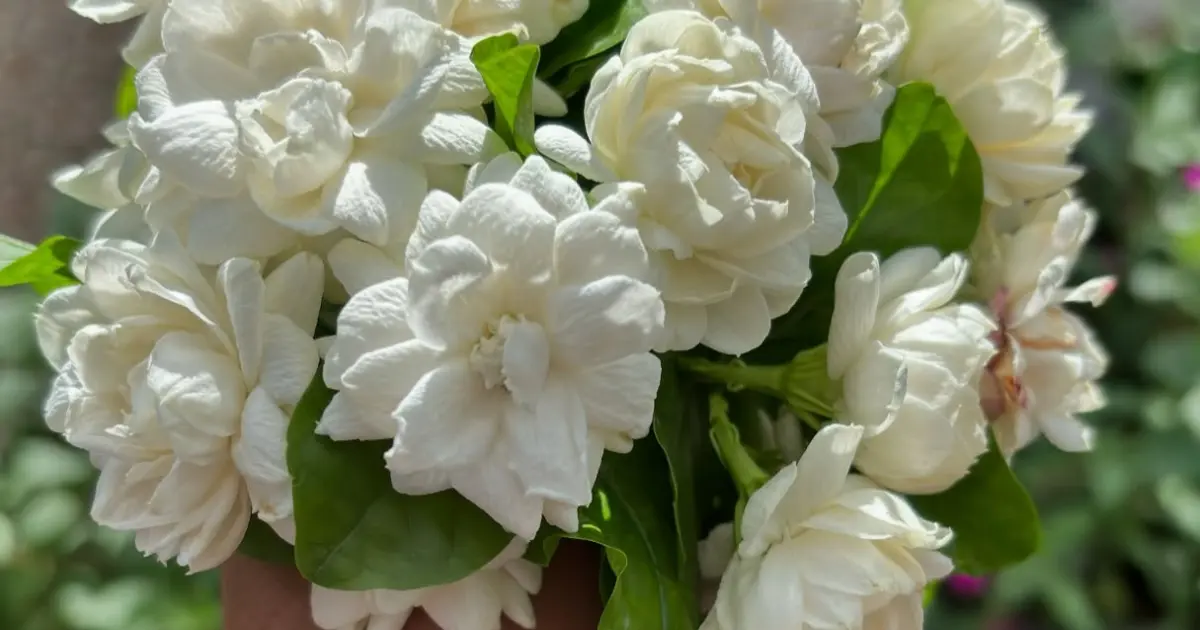
Grand Duke of Tuscany Jasmine: The Ultimate Guide to Growing a Fragrant Masterpiece
Have you ever caught a scent in the air so rich, creamy, and honey-sweet that [...]
Mar
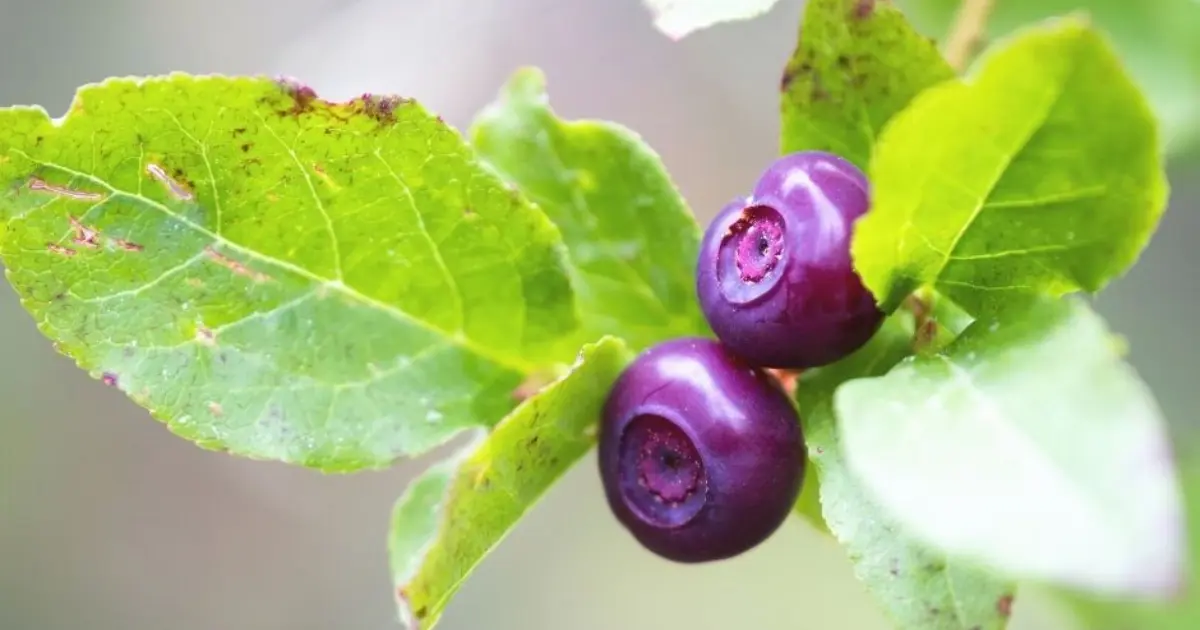
How to Grow Wild Huckleberries: A Guide to “Purple Gold”
Have you ever spent a summer afternoon hiking through the Pacific Northwest or the Rocky [...]
Mar
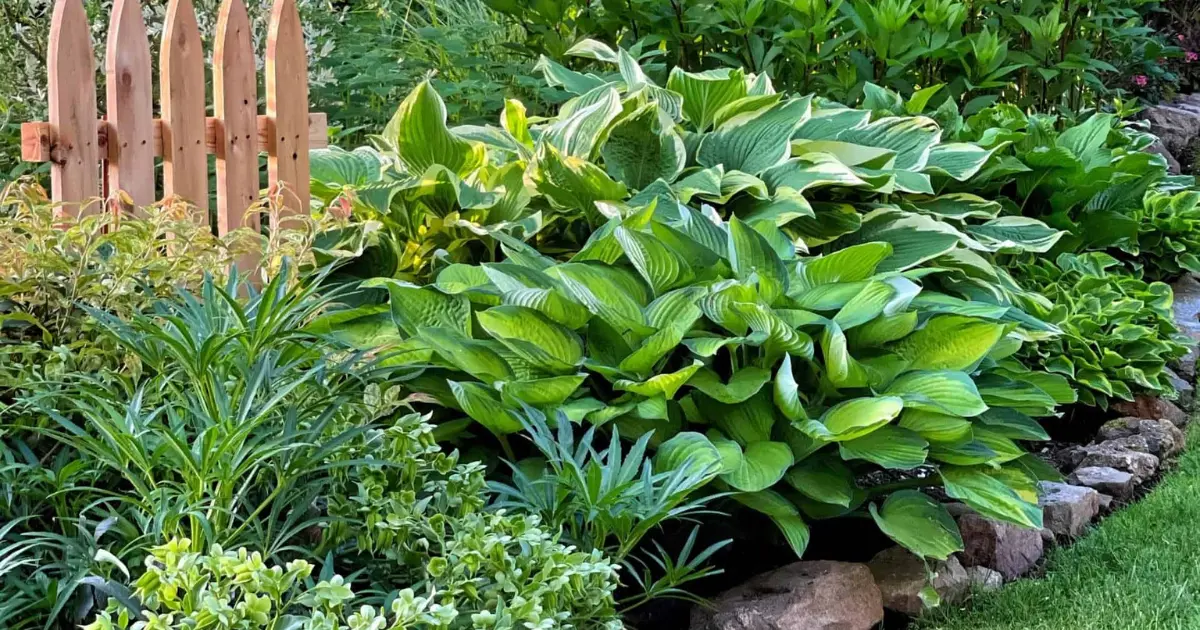
5 Best Shade-Loving Perennials for a Lush, Vibrant Garden
The world of gardening often shines a spotlight on sun-drenched blossoms, but there is a [...]
Mar

7 Common Curry Leaf Plant Problems: Easy Fixes for a Thriving Plant
Is your curry leaf plant looking a bit sad lately? Maybe you woke up to [...]
Mar
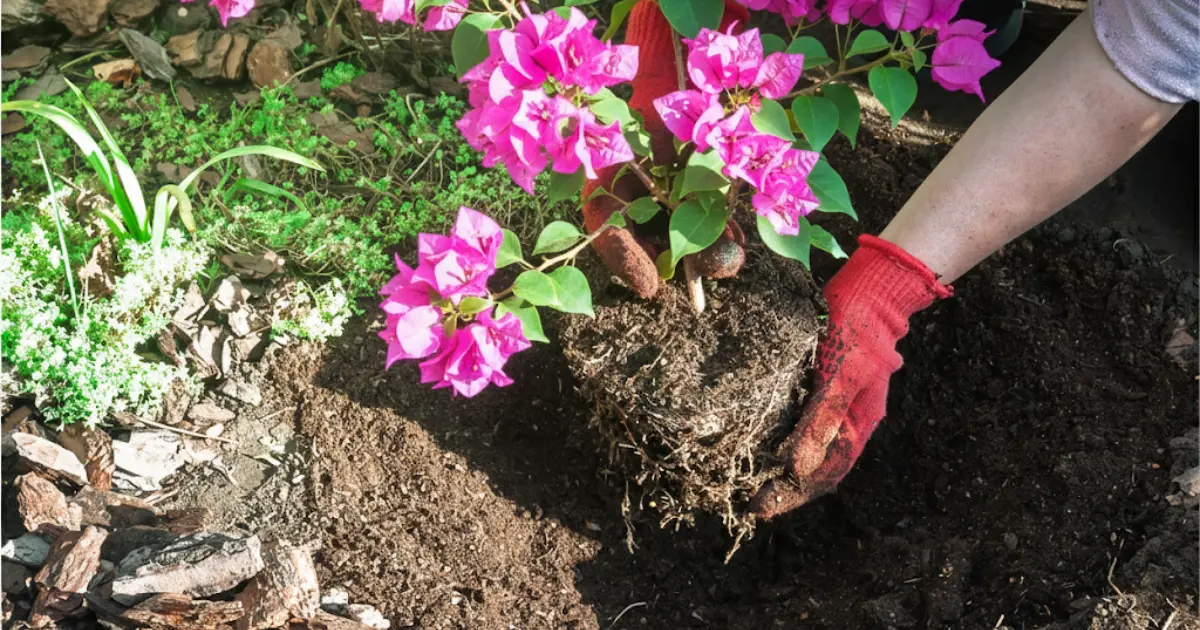
Best Time to Plant Bougainvillea: Timing for Vibrant Blooms
If you’re looking for a hardy tropical vine that delivers a riot of neon color, [...]
Feb
How to Propagate Purple Passion Plants (Gynura aurantiaca)
Have you ever been mesmerized by the neon-purple glow and fuzzy, velvet-like leaves of a [...]
Feb
Reviews
There are no reviews yet.