
Assorted Lithops Live Plant – 2 inch pot – Living Stone Succulent
Original price was: $43.00.$18.00Current price is: $18.00.
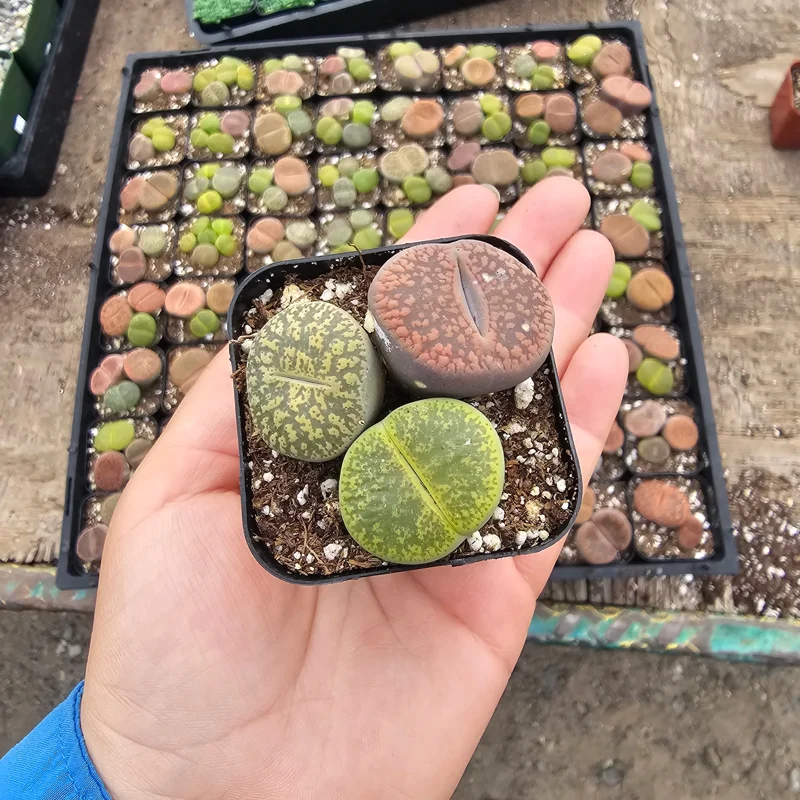
Bring home a unique Lithops live plant, also known as a living stone succulent, in a 2-inch pot. These fascinating succulents mimic pebbles, offering an intriguing addition to any indoor plant collection. Perfect for bright, sunny spots.
Estimated arrival
Apr 11
Apr 16 - Apr 18
Apr 21 - Apr 25

Reasonable Price
We offer reasonable price

Support 24/7
Contact us 24 hrs a day

100% Money Back
You've 30 days to Return

Payment Secure
100% secure payment
Overview
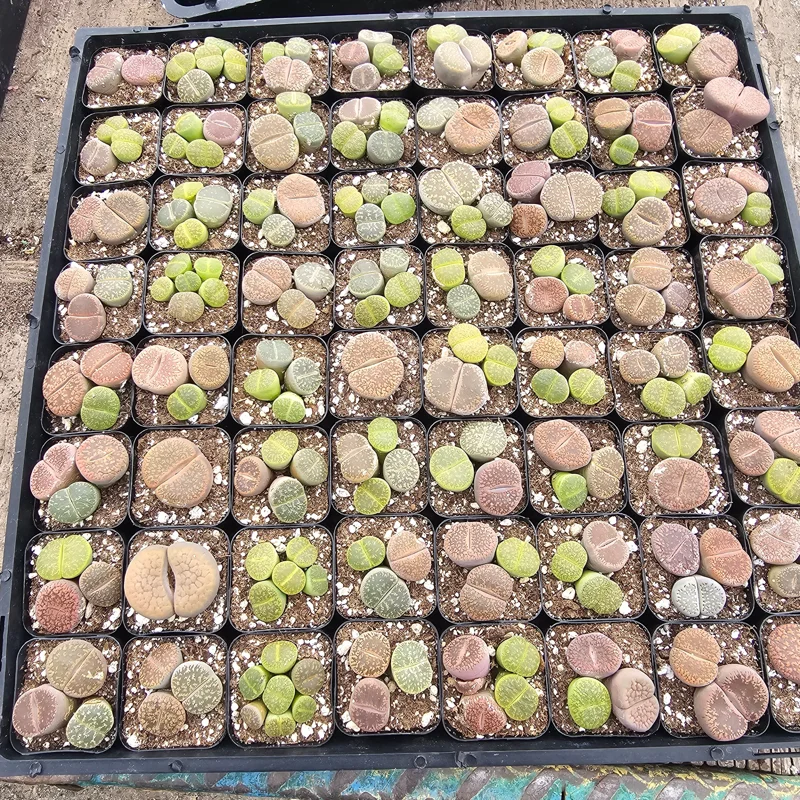
Introduce a touch of desert wonder to your home with an assorted Lithops live plant. Often referred to as “living stones,” these remarkable succulents are masters of camouflage, blending seamlessly with their rocky environments in their native South Africa. Each Lithops live plant is a unique specimen, presenting a variety of patterns and colors that mimic small pebbles or rocks. These fascinating plants are cherished by succulent enthusiasts and beginners alike for their unusual appearance and relatively low-maintenance care. They thrive on neglect, making them an ideal choice for busy individuals or those new to plant parenthood. Our assorted collection offers a delightful surprise with each order, ensuring you receive a distinct and captivating living stone to admire.
The name “Lithops” itself is derived from the Ancient Greek words “lithos” (stone) and “ops” (face), perfectly describing their stone-like appearance. These plants grow in pairs of fleshy, windowed leaves that allow light to penetrate and facilitate photosynthesis. As they grow, new leaves emerge from between the old ones, which gradually shrivel away. This natural growth cycle is part of the charm of owning a living stone succulent, providing a continuous display of nature’s ingenuity. They are perfect for small spaces, terrariums, or as part of a larger succulent arrangement, adding an exotic and sculptural element to any decor.
Key Benefits
Owning a Lithops live plant offers a multitude of benefits, from their unique aesthetic appeal to their ease of care, making them a rewarding choice for various plant lovers.
- Unique Aesthetic Appeal: Lithops are unlike most other plants, offering an intriguing, stone-like appearance that adds a distinctive sculptural element to any indoor space. Their camouflage makes them a fascinating conversation starter.
- Low Maintenance: These succulents are incredibly drought-tolerant and require minimal watering, making them perfect for busy individuals or those who tend to forget to water their plants. They thrive on neglect, simplifying your plant care routine.
- Compact Size: With their small stature, assorted Lithops are ideal for windowsills, desks, small apartments, or terrariums where space is limited. They don’t take up much room but offer immense visual interest.
- Collector’s Item: Due to their diverse patterns and colors, Lithops are highly sought after by succulent collectors. Each plant is unique, encouraging enthusiasts to grow a diverse collection of these captivating living stones.
- Drought Tolerant: Adapted to arid environments, living stone succulents can go long periods without water, requiring watering only a few times a year during their active growth phases. This resilience makes them very forgiving plants.
- Educational Value: Observing the growth cycle of Lithops, including the emergence of new leaves and the reabsorption of old ones, provides an excellent opportunity to learn about plant adaptations and natural processes.
- Air Purification: Like many houseplants, Lithops contribute to improved indoor air quality by absorbing carbon dioxide and releasing oxygen, albeit on a smaller scale due to their size.
Plant Care & Growing Tips
Caring for an assorted Lithops live plant is straightforward once you understand their unique needs, which differ from many other houseplants. The key to success is mimicking their natural desert environment, particularly regarding light and water. Lithops require abundant sunlight to thrive. Place your living stone succulent in a location where it receives at least 4-5 hours of direct sunlight daily, such as a south-facing window. If natural light isn’t sufficient, a grow light can be a beneficial supplement. Insufficient light can lead to etiolation, where the plant stretches and loses its compact, stone-like form.
Watering is the most critical aspect of Lithops care guide. Overwatering is the quickest way to kill these succulents. They have distinct growth cycles, and watering should align with these. Generally, water only when the old leaves have completely dried up and the new leaves are fully formed. During their dormant periods (typically summer and winter), watering should cease entirely. When you do water, soak the soil thoroughly but ensure excellent drainage to prevent root rot. A gritty, fast-draining soil mix is essential, ideally a specialized succulent or cactus mix with added perlite or pumice.
Lithops prefer warm temperatures, ideally between 65-80°F (18-27°C) during their active growth. They can tolerate cooler temperatures at night but should be protected from frost. Good air circulation is also important to prevent fungal issues. Fertilization is rarely needed for Lithops live plant. If you choose to fertilize, use a very diluted, low-nitrogen succulent fertilizer once a year during their active growing season. Repotting should only be done when the plant outgrows its container, using a pot with drainage holes and fresh gritty soil. With proper attention to light and a very conservative watering schedule, your indoor succulent will flourish.
Size & Details
Each Lithops live plant is supplied in a compact 2-inch nursery pot, perfectly sized for its current stage of growth. These plants are small, typically measuring between 0.5 to 1.5 inches in diameter, making them ideal for miniature gardens, terrariums, or as charming desk companions. The exact size and color patterns will vary as they are assorted, reflecting the natural diversity of these living stones. They are slow-growing succulents, developing new leaf pairs annually. When shipped, the plant will be carefully packed to ensure it arrives in optimal condition, ready to be placed in its new home. Expect a fully established plant with healthy roots in its original nursery pot.
Frequently Asked Questions
- Q: How big does this plant get? A: A Lithops live plant typically remains very small, usually growing to about 0.5 to 1.5 inches in diameter. They are known for their compact size, even when fully mature, making them perfect for small spaces and collectors.
- Q: Is this an indoor or outdoor plant? A: While they can be grown outdoors in very specific arid climates (USDA zones 9-11), the living stone succulent is primarily cultivated as an indoor plant in most regions due to its specific light and watering requirements.
- Q: How much sunlight does it need? A: Lithops require a significant amount of bright, direct sunlight, ideally 4-5 hours per day. A south-facing window is often best, or you can supplement with a grow light to ensure sufficient light for your indoor succulent.
- Q: Is this plant easy to care for? A: Yes, a Lithops live plant is considered easy to care for, provided you understand its unique needs, especially regarding watering. They thrive on neglect and are very forgiving of underwatering, but highly susceptible to overwatering.
- Q: Can I use regular potting soil for my Lithops? A: No, regular potting soil retains too much moisture. For proper Lithops care guide, you should use a very gritty, fast-draining succulent or cactus mix, often amended with extra perlite, pumice, or sand.
- Q: What condition will it arrive in? A: Your assorted Lithops will arrive as a healthy, live plant in its original nursery grow pot, carefully packaged to minimize soil disturbance and protect it during transit.
- Q: How often should I water my Lithops? A: Watering frequency is highly dependent on its growth cycle. Generally, water only when the old leaves have completely dried and new leaves are emerging, typically a few times a year. Avoid watering during summer and winter dormancy.
- Q: What is a “living stone succulent”? A: A living stone succulent is a common name for Lithops, referring to their remarkable ability to mimic the appearance of stones and pebbles in their natural habitat as a form of camouflage.
- Q: Will my Lithops flower? A: Yes, mature Lithops can produce small, daisy-like flowers, typically in late summer or fall, emerging from the fissure between the two leaves. The flower color can vary from white to yellow.
- Q: Is this plant pet-safe? A: Lithops are generally considered non-toxic to pets, making them a safe choice for households with cats and dogs. However, it’s always best to prevent pets from chewing on any houseplant.
| Option | 2In Pot |
|---|
Be the first to review “Assorted Lithops Live Plant – 2 inch pot – Living Stone Succulent”
-
USDA Hardiness Zone
USDA zones 9-11 (outdoors); year-round indoors -
Soil Type
Gritty, well-draining succulent/cactus mix -
Sunlight Exposure
Bright direct sunlight (4-5+ hours daily) -
Expected Planting Period
Year-round indoors
People Also Viewd
Sold 128 products
Original price was: $89.99.$64.99Current price is: $64.99.
Sold 128 products
Original price was: $159.99.$139.99Current price is: $139.99.
Sold 128 products
Original price was: $27.00.$24.00Current price is: $24.00.
Sold 126 products
Original price was: $3,536.00.$23.99Current price is: $23.99.

Sold 125 products
Original price was: $86.99.$66.99Current price is: $66.99.
Sold 116 products
Original price was: $27.99.$16.99Current price is: $16.99.
Flower Bulbs
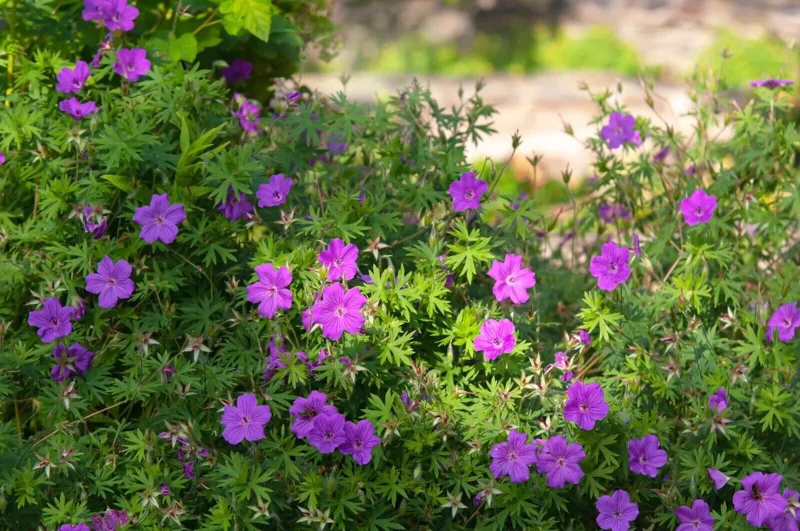
3 Cranesbill Wild Geranium Organic Maculatums Bare Roots | Wildflower for Outdoor Garden
Sold 114 products
Original price was: $21.99.$6.99Current price is: $6.99.
Sold 114 products
Original price was: $28.99.$17.99Current price is: $17.99.RELATED posts
5 Tips for Growing Sweet Potatoes to Get the Biggest Sweet Potato Harvest Ever
If you are a fan of sweet potatoes, then these tips for growing sweet potatoes [...]
Apr
Tamarillo Tree Guide: Flavor, Texture & How to Eat Tree Tomatoes
The humble tomato is a kitchen staple we all know and love, but it rarely [...]
Apr
5 Pro Tips to Grow Esperanza ‘Gold Star’ Indoors: A Golden Glow for Your Home
While most gardeners know this Texas Superstar – Esperanza ‘Gold Star’ as a rugged outdoor [...]
Apr
Mastering Esperanza Goldstar: Grow the Ultimate Yellow Bloom
Esperanza Goldstar is more than just a heat-tolerant shrub; for the American gardener battling the [...]
Apr

Yellow Dragon Fruit Plant Care: The Ultimate Guide for Healthy Growth
The yellow dragon fruit plant is a unique and rewarding addition to any home garden, [...]
Apr
How to Identify Bocking 14 Comfrey: 5 Simple Visual Signs
If you’re growing comfrey for mulch, compost, or animal feed, knowing exactly which variety you [...]
Mar
Grand Duke of Tuscany Jasmine: The Ultimate Guide to Growing a Fragrant Masterpiece
Have you ever caught a scent in the air so rich, creamy, and honey-sweet that [...]
Mar
How to Grow Wild Huckleberries: A Guide to “Purple Gold”
Have you ever spent a summer afternoon hiking through the Pacific Northwest or the Rocky [...]
Mar
Reviews
There are no reviews yet.