
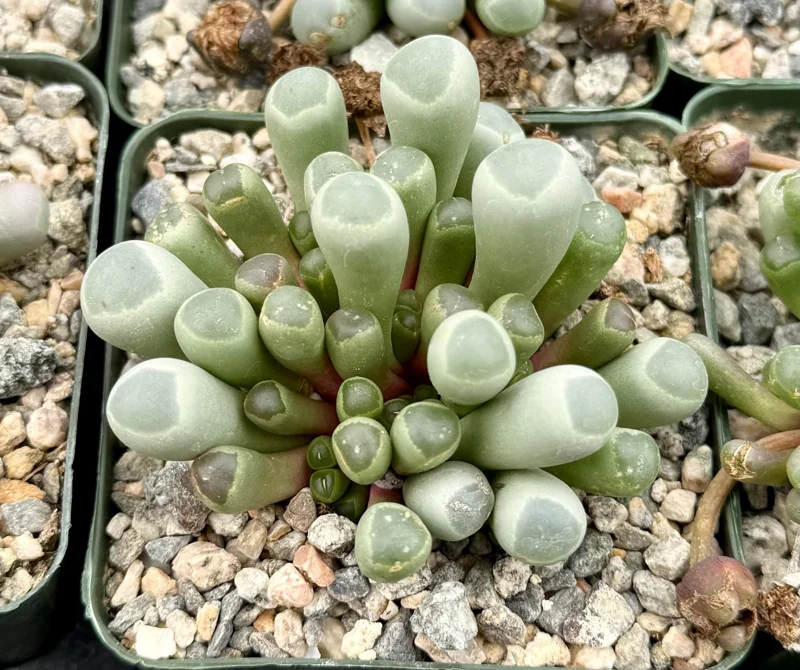
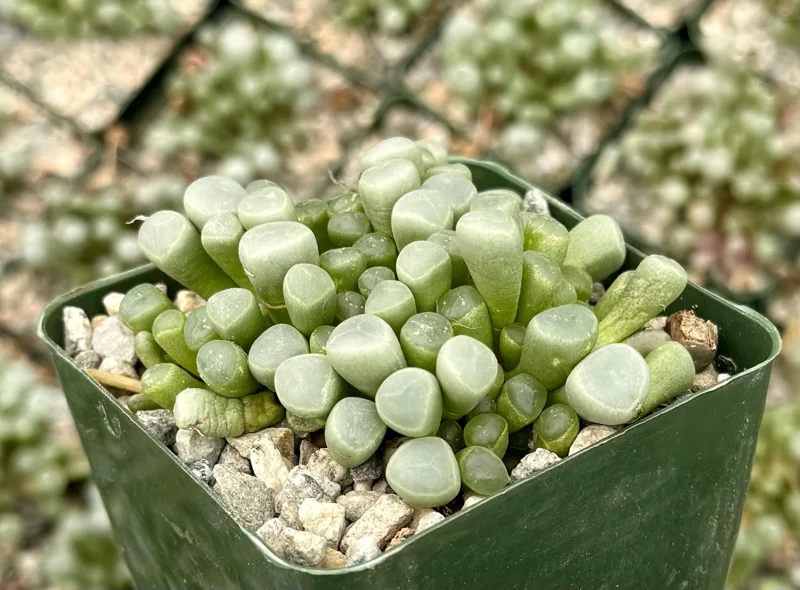
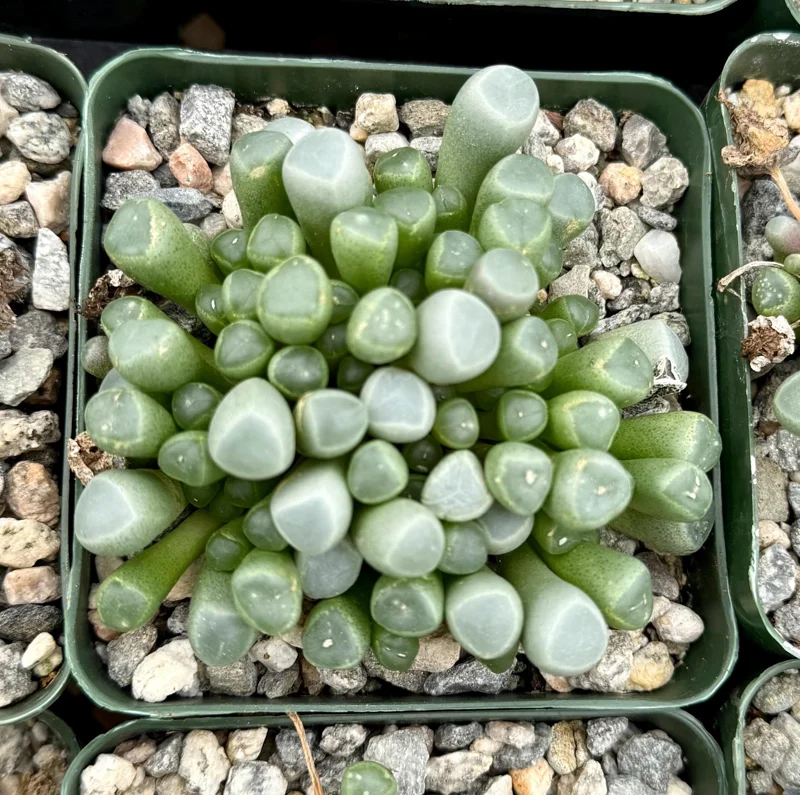
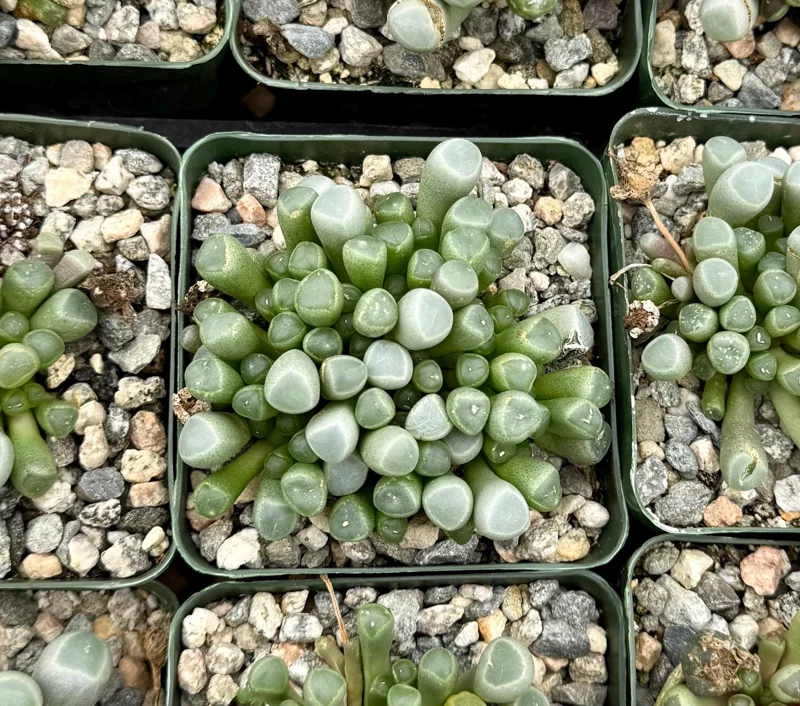
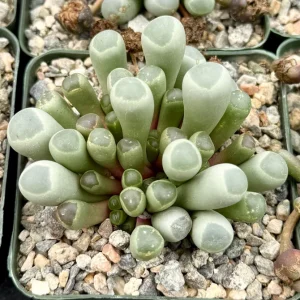
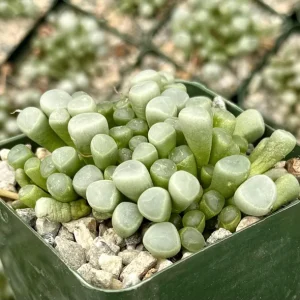
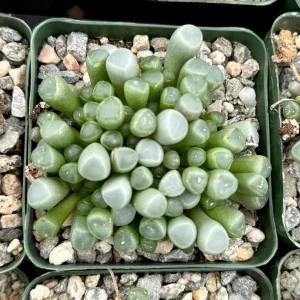
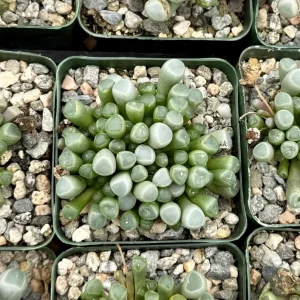
Baby Toe Succulent Live Plant – Fenestraria Rhopalophylla – 2 Inch or 4 Inch Pot
Original price was: $52.99.$27.99Current price is: $27.99.
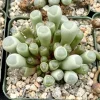
Add a touch of whimsy to your plant collection with the unique baby toe succulent. This fenestraria rhopalophylla features distinctive cylindrical leaves with translucent tips, resembling tiny toes. An easy care succulent perfect for bright indoor spaces, it’s a delightful live succulent plant for any enthusiast.
Estimated arrival
Apr 08
Apr 13 - Apr 15
Apr 18 - Apr 22

Reasonable Price
We offer reasonable price

Support 24/7
Contact us 24 hrs a day

100% Money Back
You've 30 days to Return

Payment Secure
100% secure payment
Overview
Introduce a fascinating conversation starter to your home with the baby toe succulent, scientifically known as Fenestraria rhopalophylla. This unique and charming live succulent plant is celebrated for its distinctive cylindrical leaves that truly resemble tiny green toes, making it a delightful addition to any plant collection. Native to the arid regions of South Africa and Namibia, this succulent has evolved a remarkable adaptation: translucent ‘windows’ at the tips of its leaves. These natural skylights allow sunlight to penetrate deep into the plant’s tissue, optimizing photosynthesis in its natural, harsh environment. The fenestraria rhopalophylla forms dense clusters of upright leaves, creating a compact and visually appealing display. While primarily grown for its unique foliage, mature plants can produce delicate daisy-like flowers in shades of white or yellow, typically blooming during the cooler months of fall or winter. This particular succulent is an easy care succulent, making it an excellent choice for both seasoned collectors and those new to the world of succulents.
The common name ‘Baby Toe’ perfectly captures the whimsical appearance of this plant, which brings a touch of playful nature indoors. Its compact size makes it ideal for windowsills, desks, or terrariums, where its unusual form can be admired up close. As a live succulent plant, it offers not only aesthetic appeal but also the satisfaction of nurturing a resilient and intriguing species. Whether you’re looking to expand your existing succulent garden or seeking a low-maintenance yet captivating new plant, the baby toe succulent is sure to enchant with its unique charm and resilient nature.
Key Benefits
The baby toe succulent offers a variety of benefits, making it a desirable choice for plant lovers. Its unique appearance and straightforward care requirements contribute to its popularity as a houseplant. This fenestraria rhopalophylla provides both visual interest and the joy of a thriving, low-maintenance green companion.
- Unique Aesthetic Appeal: The most striking feature of this succulent is its ‘toe-like’ leaves with translucent tips, which create a captivating and unusual visual texture. It’s a guaranteed conversation starter and a standout piece in any succulent arrangement or as a solo desk plant.
- Low Maintenance & Easy Care: As an easy care succulent, the baby toe succulent requires minimal watering and thrives on neglect, making it perfect for busy individuals or beginner plant parents. Its robust nature forgives occasional oversight, ensuring continued beauty with little effort.
- Adaptable to Bright Indoor Spaces: This plant flourishes in bright, indirect light, making it well-suited for sunny windowsills or well-lit rooms. It brings a touch of desert elegance to indoor environments without demanding excessive specialized lighting setups.
- Compact Growth Habit: The fenestraria rhopalophylla maintains a small, clustered form, making it ideal for small spaces, urban apartments, or office desks. Its compact size allows for versatile placement and doesn’t overwhelm smaller areas.
- Drought Tolerant: Thanks to its succulent nature, the Baby Toe stores water in its leaves, allowing it to withstand periods of drought. This resilience means less frequent watering and greater peace of mind for plant owners.
- Air Purifying Properties: Like many houseplants, this live succulent plant contributes to improved indoor air quality by absorbing certain toxins and releasing oxygen, promoting a healthier living or working environment.
Plant Care & Growing Tips
Caring for your baby toe succulent is relatively straightforward, making it an excellent choice for both novice and experienced plant enthusiasts. The key to a thriving fenestraria rhopalophylla lies in mimicking its native arid environment. Provide plenty of bright, indirect light, ideally from a south-facing window, but protect it from intense, scorching afternoon sun, which can cause sunburn. While it can tolerate some direct sun, too much can be detrimental. Good air circulation is also beneficial for preventing fungal issues.
When it comes to watering, less is definitely more. This easy care succulent is highly drought-tolerant. Allow the soil to dry out completely between waterings, then water thoroughly until water drains from the bottom of the pot. Overwatering is the most common cause of succulent demise, leading to root rot. During its dormant period in summer, reduce watering even further. A well-draining sandy or cactus soil mix is crucial for healthy growth, ensuring that excess moisture never sits around the roots. You can amend regular potting soil with perlite or coarse sand to improve drainage.
The baby toe succulent prefers warm temperatures, ideally between 65-80°F (18-27°C). It is not frost-tolerant and should be protected from temperatures below 40°F (4°C). If grown outdoors in suitable climates, bring it indoors before the first frost. Fertilize sparingly, if at all, during the growing season (fall to spring) with a diluted, low-nitrogen succulent fertilizer. Repot only when the plant has outgrown its container, typically every 2-3 years, using fresh, well-draining soil. Propagation is possible through offsets or seeds, making it an enjoyable process to multiply your collection of this delightful live succulent plant.
Size & Details
The baby toe succulent (fenestraria rhopalophylla) is a compact and charming plant, ideal for small spaces. When mature, it typically forms dense clusters of upright ‘toe-like’ leaves, reaching a height of approximately 2-4 inches (5-10 cm) and spreading to a similar width. This listing offers the plant in either a 2 inch pot or a 4 inch pot, providing options suitable for immediate display or for those wishing to allow for more growth. The plants are shipped as established, rooted specimens in their nursery pots, ready to be placed in your chosen location or transplanted into a decorative container.
Its slow to moderate growth rate means it will maintain its compact form for an extended period, requiring minimal repotting. Expect the plant to arrive healthy and well-packaged, ready to thrive in its new home. The distinctive appearance of the baby toe succulent, with its unique leaf structure, makes it a perfect focal point for miniature gardens, terrariums, or as a charming addition to a succulent collection. Regardless of the pot size chosen, you’ll receive a vibrant and healthy live succulent plant, ready to bring its unique beauty to your space.
Frequently Asked Questions
- Q: How big does this plant get? A: The baby toe succulent typically grows to a compact size, reaching about 2-4 inches (5-10 cm) in height and spread, forming dense clusters of leaves. It’s a perfect desk-friendly size.
- Q: What size pot does it come in? A: This live succulent plant is available in either a 2 inch pot or a 4 inch pot, giving you options for starting or expanding your collection.
- Q: Is this an indoor or outdoor plant? A: The fenestraria rhopalophylla is best suited as an indoor plant in most climates due to its sensitivity to cold. It can be grown outdoors in USDA zones 9-11, provided it has protection from harsh direct sun and frost.
- Q: How much sunlight does it need? A: This easy care succulent thrives in bright, indirect light. A south-facing window is ideal, but ensure it’s protected from intense, direct afternoon sun which can scorch its delicate leaves.
- Q: Is this plant easy to care for? A: Yes, the baby toe succulent is considered an easy care succulent, making it suitable for beginners. Its primary needs are bright light and infrequent watering.
- Q: What condition will it arrive in? A: Your live succulent plant will arrive healthy and well-packaged in its nursery pot, ready for you to enjoy. We take great care in preparing plants for shipment to ensure their safe arrival.
- Q: How often should I water my Baby Toe Succulent? A: Water sparingly. Allow the soil to dry out completely between waterings. Typically, once every 2-4 weeks is sufficient, but adjust based on your home’s humidity and light conditions. Overwatering is the biggest risk.
- Q: Does the Baby Toe Succulent flower? A: Yes, mature fenestraria rhopalophylla plants can produce small, daisy-like flowers, usually white or yellow, during the fall or winter months.
- Q: What kind of soil is best for this plant? A: A well-draining soil mix is crucial. A specialized cactus and succulent potting mix or a blend of regular potting soil with perlite or coarse sand for added drainage is recommended for your baby toe succulent.
- Q: Is the Baby Toe Succulent pet-safe? A: While generally considered non-toxic, it’s always best to keep plants out of reach of pets to prevent any potential stomach upset from ingestion.
| Size | 4" |
|---|
Be the first to review “Baby Toe Succulent Live Plant – Fenestraria Rhopalophylla – 2 Inch or 4 Inch Pot”
-
USDA Hardiness Zone
USDA zones 9-11 (outdoors); year-round indoors -
Soil Type
Well-draining sandy or cactus soil mix -
Sunlight Exposure
Bright indirect light; tolerates some direct sun -
Expected Planting Period
Year-round indoors; spring to early summer outdoors in suitable zones
People Also Viewd


Sold 128 products
Original price was: $89.99.$64.99Current price is: $64.99.

Sold 128 products
Original price was: $27.00.$24.00Current price is: $24.00.
Sold 127 products
Original price was: $159.99.$139.99Current price is: $139.99.

Sold 126 products
Original price was: $3,536.00.$23.99Current price is: $23.99.

Sold 125 products
Original price was: $86.99.$66.99Current price is: $66.99.
Sold 116 products
Original price was: $27.99.$16.99Current price is: $16.99.

Flower Bulbs
3 Cranesbill Wild Geranium Organic Maculatums Bare Roots | Wildflower for Outdoor Garden
Sold 114 products
Original price was: $21.99.$6.99Current price is: $6.99.

Sold 114 products
Original price was: $28.99.$17.99Current price is: $17.99.RELATED posts
Mastering Esperanza Goldstar: Grow the Ultimate Yellow Bloom
Esperanza Goldstar is more than just a heat-tolerant shrub; for the American gardener battling the [...]
Apr
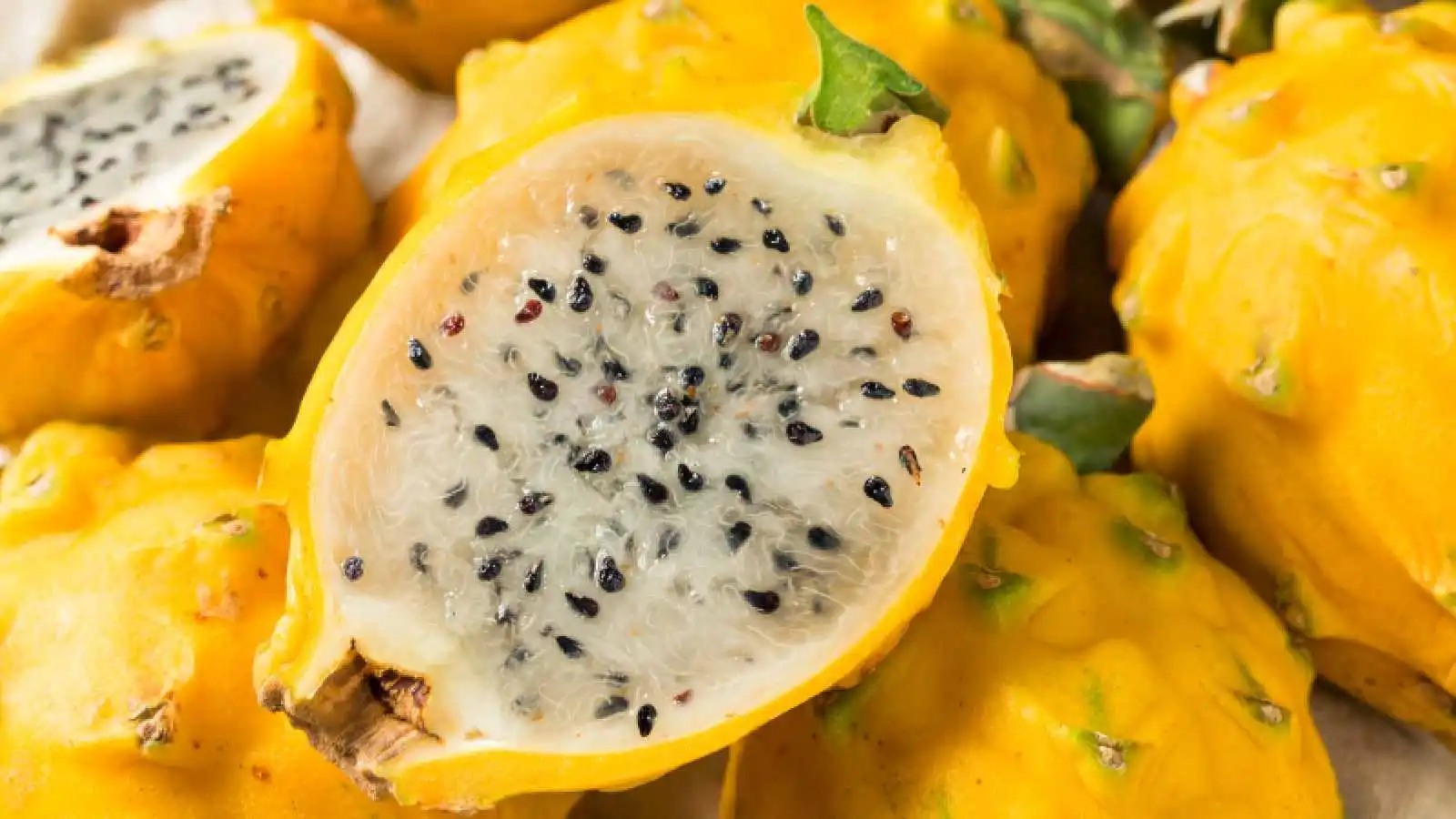
Yellow Dragon Fruit Plant Care: The Ultimate Guide for Healthy Growth
The yellow dragon fruit plant is a unique and rewarding addition to any home garden, [...]
Apr
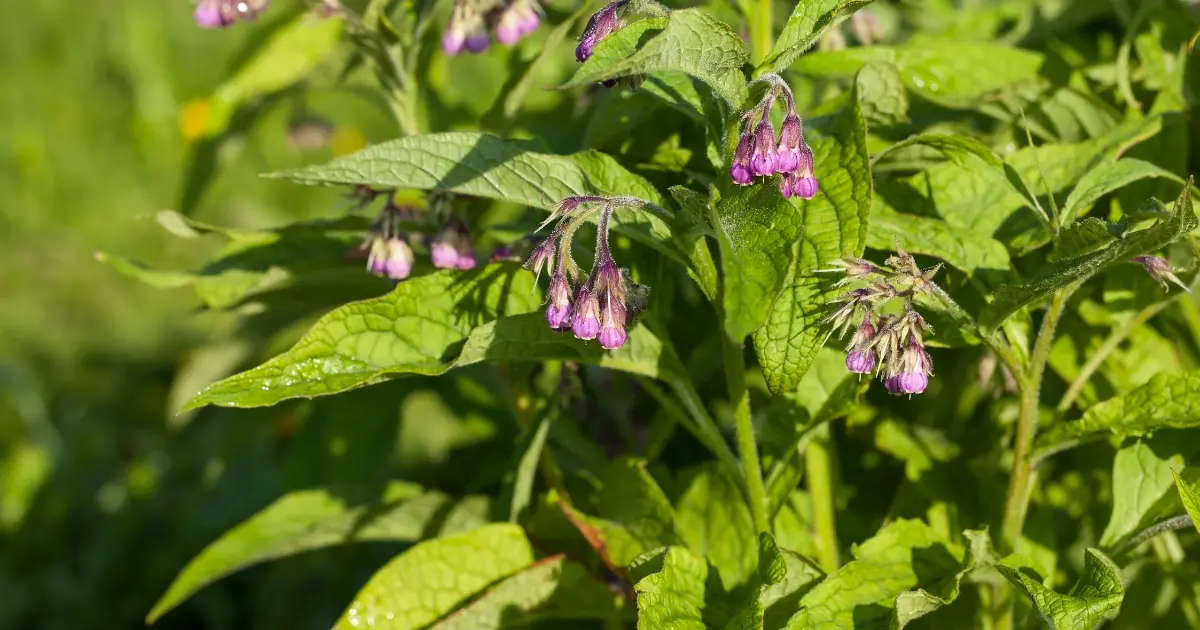
How to Identify Bocking 14 Comfrey: 5 Simple Visual Signs
If you’re growing comfrey for mulch, compost, or animal feed, knowing exactly which variety you [...]
Mar
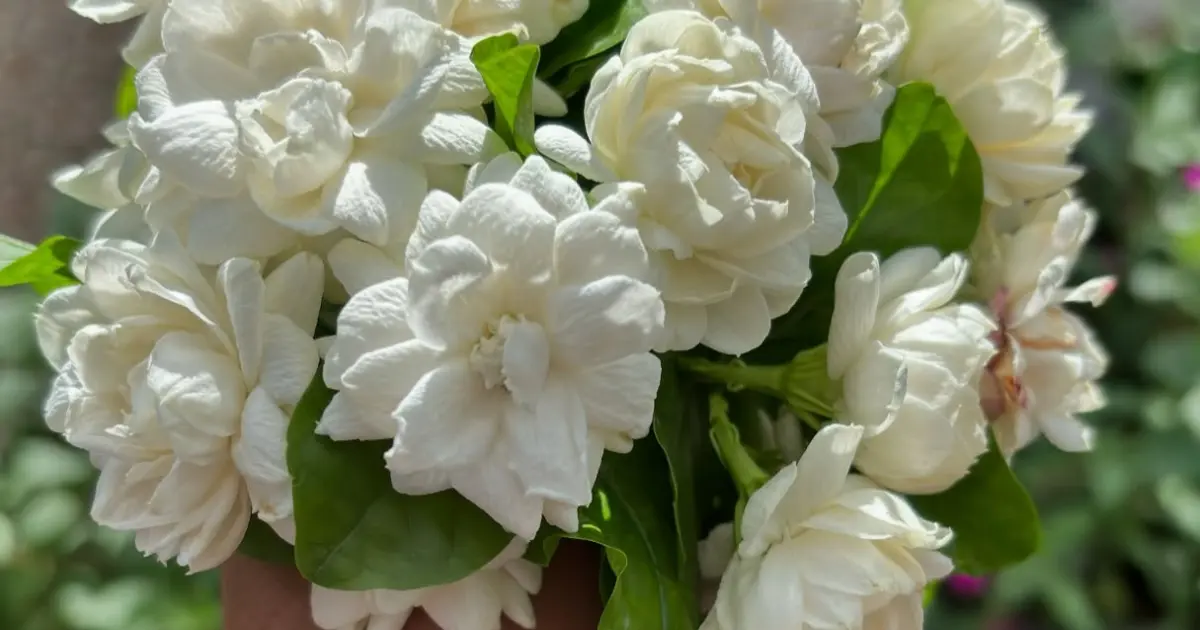
Grand Duke of Tuscany Jasmine: The Ultimate Guide to Growing a Fragrant Masterpiece
Have you ever caught a scent in the air so rich, creamy, and honey-sweet that [...]
Mar
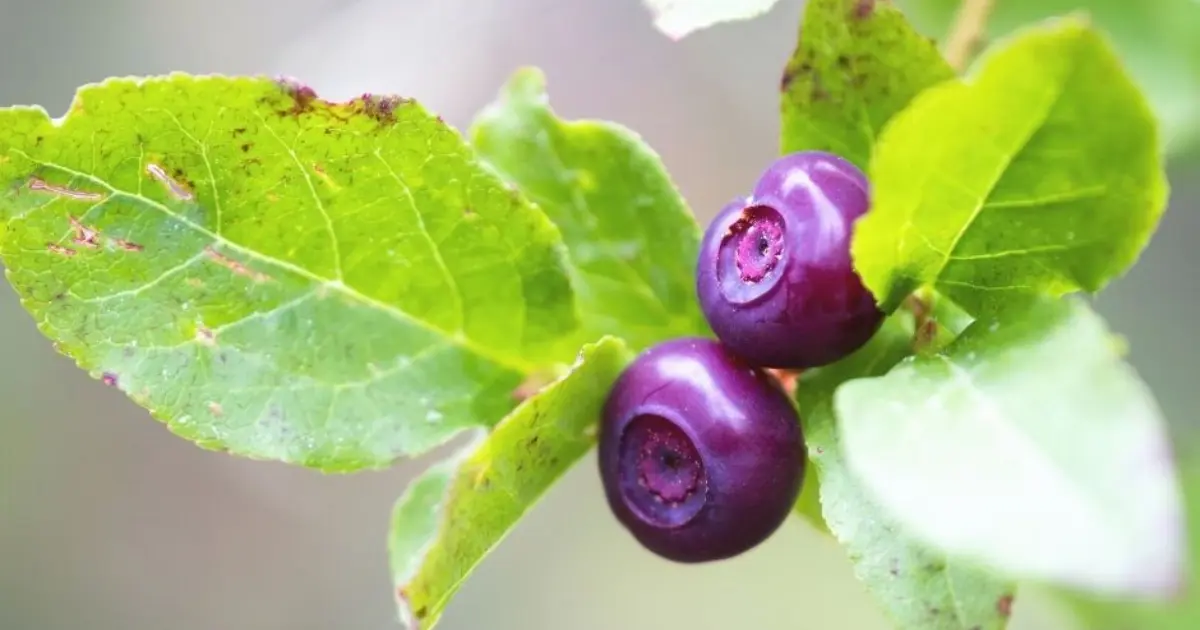
How to Grow Wild Huckleberries: A Guide to “Purple Gold”
Have you ever spent a summer afternoon hiking through the Pacific Northwest or the Rocky [...]
Mar
5 Best Shade-Loving Perennials for a Lush, Vibrant Garden
The world of gardening often shines a spotlight on sun-drenched blossoms, but there is a [...]
Mar

7 Common Curry Leaf Plant Problems: Easy Fixes for a Thriving Plant
Is your curry leaf plant looking a bit sad lately? Maybe you woke up to [...]
Mar
Best Time to Plant Bougainvillea: Timing for Vibrant Blooms
If you’re looking for a hardy tropical vine that delivers a riot of neon color, [...]
Feb
Reviews
There are no reviews yet.