
Baby Toes Succulent Live Plant – Fenestraria rhopalophylla – Rare Indoor/Outdoor
Price range: $13.48 through $23.98
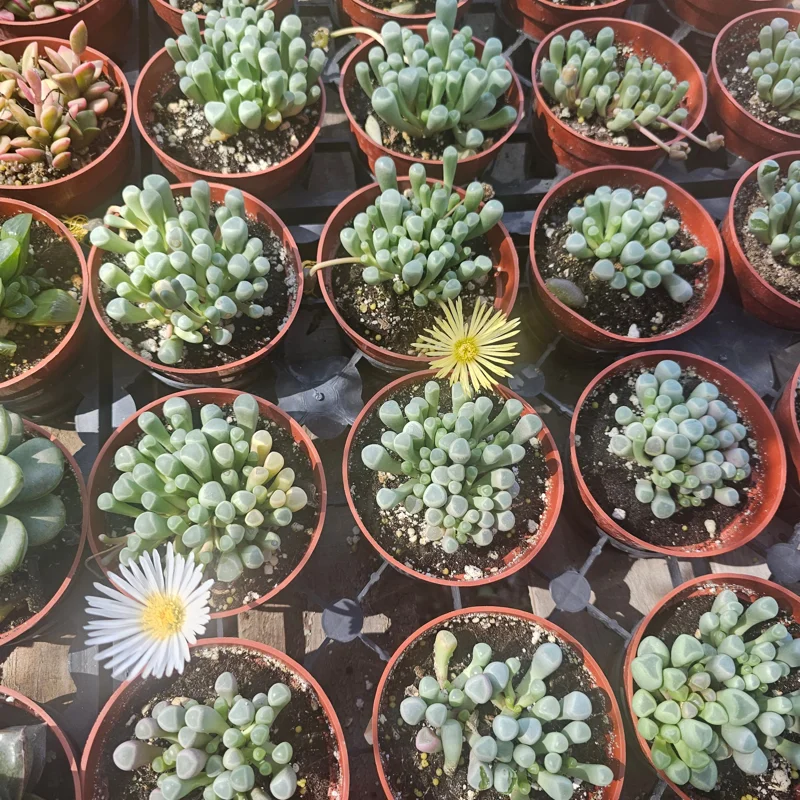
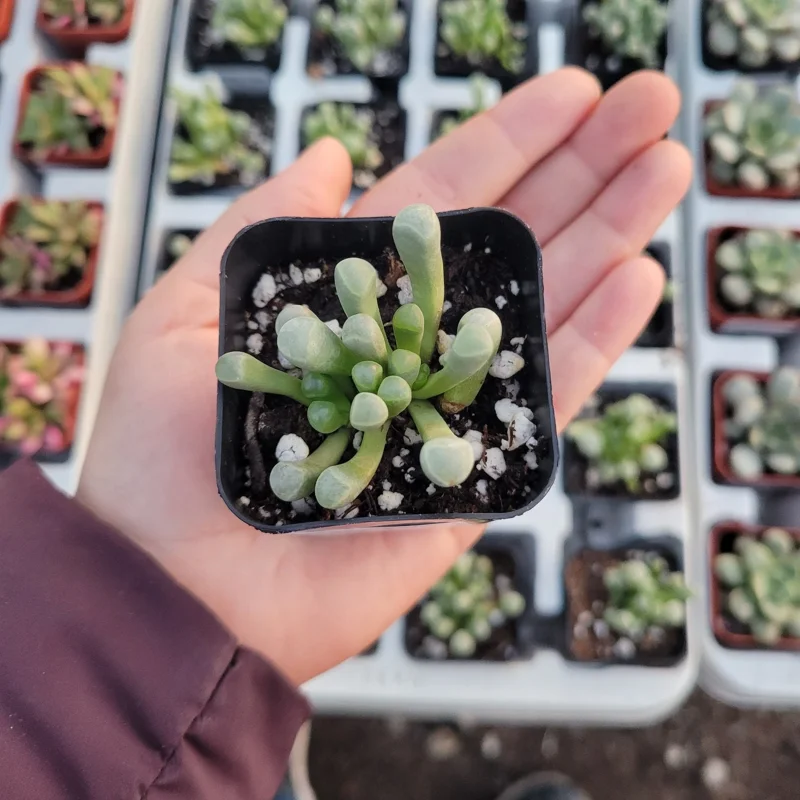
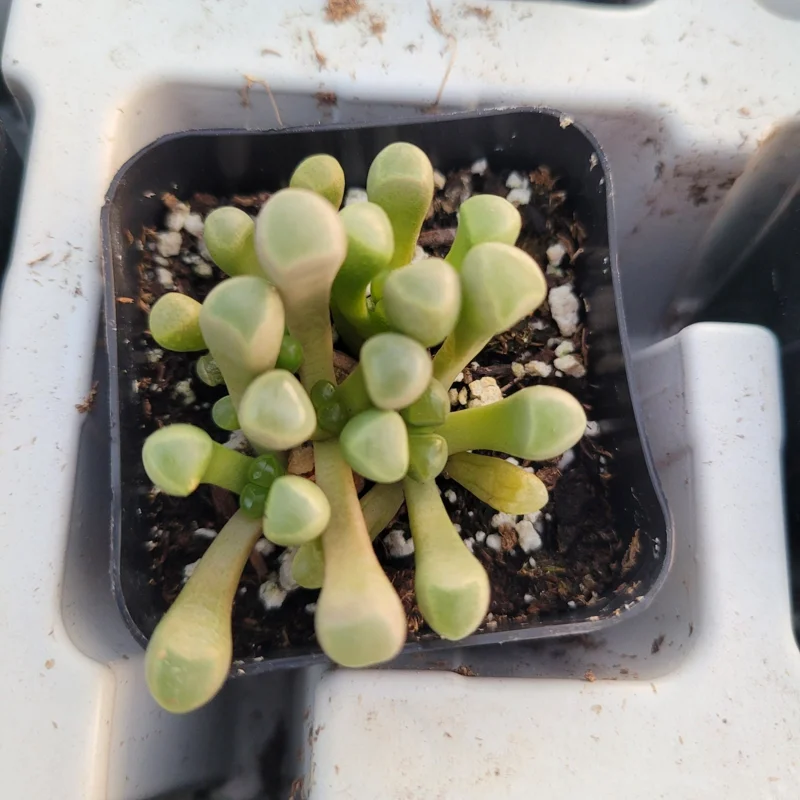
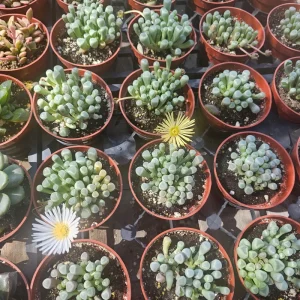
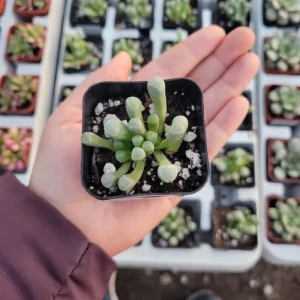
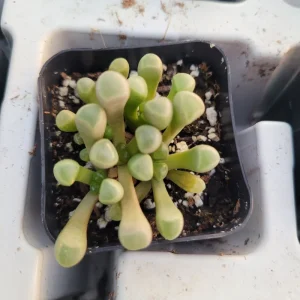
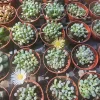
Add a unique touch to your plant collection with the adorable Baby Toes succulent (Fenestraria rhopalophylla). This rare succulent care is surprisingly easy, making it an ideal succulent houseplant for both beginners and experienced enthusiasts. Its distinctive tube-like leaves resemble tiny toes, offering a charming aesthetic for indoor displays or outdoor rockeries.
Estimated arrival
Apr 11
Apr 16 - Apr 18
Apr 21 - Apr 25

Reasonable Price
We offer reasonable price

Support 24/7
Contact us 24 hrs a day

100% Money Back
You've 30 days to Return

Payment Secure
100% secure payment
Overview
Introduce an enchanting and unique specimen to your botanical collection with the Baby Toes succulent, scientifically known as Fenestraria rhopalophylla. This delightful live plant is famed for its distinctive tubular leaves, which bear a striking resemblance to tiny, plump baby toes peeking out from the soil. Native to the arid landscapes of Namaqualand in Namibia and South Africa, this rare succulent thrives in conditions that mimic its natural habitat. Its appealing form and relatively straightforward care make it a sought-after addition for both novice and seasoned plant enthusiasts. Whether you’re looking to enhance your indoor plant display or add a touch of whimsy to an outdoor succulent garden, the Baby Toes succulent offers a captivating visual appeal and a rewarding growing experience.
Key Benefits
The Baby Toes succulent offers a range of benefits that make it a fantastic choice for any plant lover. Its unique appearance and low-maintenance nature contribute to its widespread appeal, making it an excellent investment for your green space.
- Unique Aesthetic Appeal: The most striking feature of Fenestraria rhopalophylla is its distinctive tubular leaves, which resemble tiny, plump baby toes. This unusual form provides an instant conversation starter and a whimsical touch to any plant arrangement, setting it apart from more common succulents.
- Low Maintenance & Easy Care: This succulent is renowned for being incredibly easy to grow and care for, making it perfect for busy individuals or beginner plant parents. It thrives on neglect, requiring minimal watering and attention once established. Understanding rare succulent care for this species means primarily ensuring proper drainage and adequate light.
- Versatile for Indoor & Outdoor Growth: Whether you live in an apartment or have a spacious garden, the Baby Toes succulent can flourish. It adapts well to both indoor potted environments, provided it receives sufficient light, and outdoor rock gardens in suitable climates. This versatility makes it a flexible choice for various living situations.
- Produces Charming Flowers: As the plant matures, it produces delicate white or yellow daisy-like flowers. These blooms emerge from the center of the ‘toes’ and add another layer of beauty to this already captivating plant, enhancing its ornamental value.
- Drought Tolerant: Hailing from arid regions, Fenestraria rhopalophylla is highly drought-tolerant. This characteristic means it can withstand periods without water, reducing the frequency of watering and making it a resilient plant choice, especially for those who might forget an occasional watering.
- Compact Size: The compact growth habit of the Baby Toes succulent makes it an excellent choice for small spaces, windowsills, or as part of a larger succulent arrangement. It won’t outgrow its container quickly, making it a manageable and long-lasting addition to your collection.
Plant Care & Growing Tips
Caring for your Baby Toes succulent, also known as Fenestraria rhopalophylla, is straightforward, particularly if you adhere to its natural desert-like preferences. Providing the right environment will ensure a healthy and thriving plant. Proper rare succulent care focuses on light, water, and soil.
For sunlight, this succulent thrives in full sun to partial shade. When grown outdoors, aim for at least 6 hours of direct sunlight, especially in the morning. If grown indoors, place your plant in a south-facing window where it can receive bright, direct light. Supplementing with a grow light may be beneficial if natural light is insufficient. Adequate light is crucial for maintaining its compact form and vibrant color.
Watering is perhaps the most critical aspect of caring for this plant. Baby Toes succulent are highly susceptible to overwatering, which can lead to root rot. Always allow the soil to dry out completely between waterings. When you do water, do so thoroughly until water drains from the bottom of the pot, then allow it to dry out again. Reduce watering significantly during its dormant period in winter. For soil, use a well-draining succulent or cactus mix. This type of soil prevents water from sitting around the roots, mimicking its native sandy, rocky habitat. A pot with a drainage hole is absolutely essential to prevent moisture accumulation. The ideal temperature range for Fenestraria rhopalophylla is between 60°F and 80°F (15°C to 27°C). It can tolerate slightly cooler temperatures but should be protected from frost. Fertilize sparingly; once a month during its active growing season (spring and summer) with a balanced, diluted succulent fertilizer is sufficient. Avoid fertilizing during fall and winter. When considering an easy care succulent, this plant truly fits the bill.
Size & Details
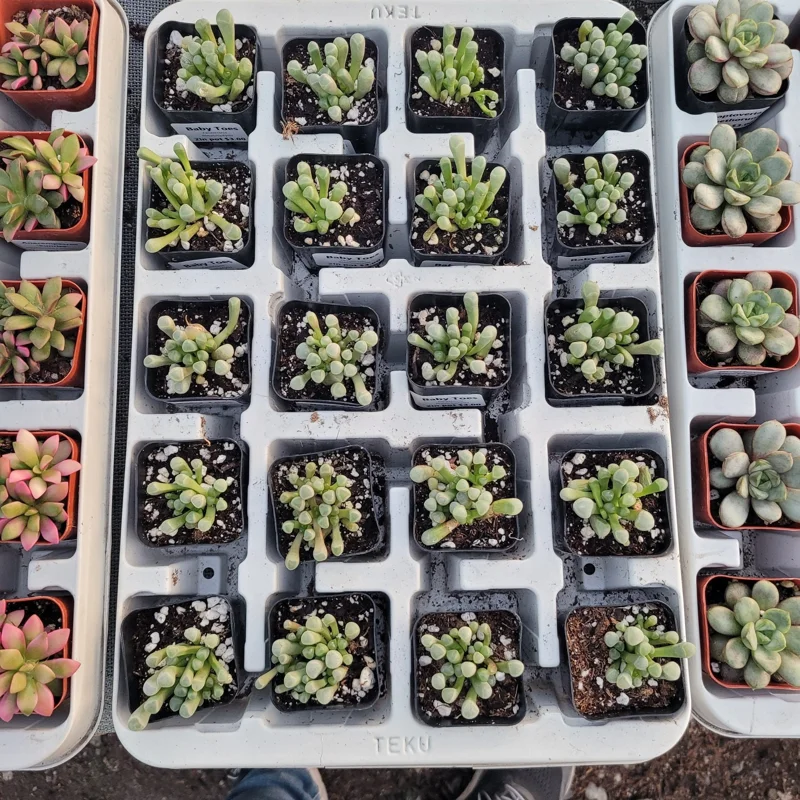
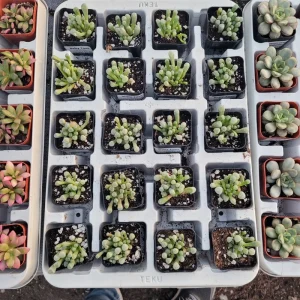
The Baby Toes succulent (Fenestraria rhopalophylla) is a small, slow-growing succulent that typically forms dense clusters of its unique tubular leaves. While exact dimensions can vary based on growing conditions and age, a mature plant usually reaches a height of 2-4 inches and can spread to about 6-8 inches wide over time, forming an attractive mat. This particular live plant is shipped in a nursery pot, ready for you to transplant into your preferred decorative container or integrate into your garden. Its compact nature makes it ideal for small pots, terrariums, or as a groundcover in arid landscapes. Expect the plant to arrive well-rooted and healthy, though specific size may vary slightly as with all live specimens. The distinctive ‘windows’ at the tips of its leaves, which allow light to penetrate for photosynthesis, are a fascinating detail of this plant.
Frequently Asked Questions
- Q: How big does this plant get? A: The Baby Toes succulent typically grows to be about 2-4 inches tall and can spread up to 6-8 inches wide, forming a compact cluster. Its size makes it perfect for small spaces or succulent arrangements.
- Q: Is this an indoor or outdoor plant? A: Fenestraria rhopalophylla can thrive both indoors and outdoors. If grown indoors, ensure it receives ample bright, direct sunlight. Outdoors, it prefers full sun to partial shade in well-drained soil and a warm climate.
- Q: How much sunlight does it need? A: This succulent requires plenty of light. Provide at least 6 hours of direct sunlight daily. Indoors, a south-facing window is ideal, or consider using a grow light if natural light is limited to ensure your succulent houseplant flourishes.
- Q: Is this plant easy to care for? A: Yes, the Baby Toes succulent is considered an easy care succulent, making it suitable for beginners. Its primary needs are bright light and very infrequent watering, with a focus on well-draining soil to prevent root rot.
- Q: What condition will it arrive in? A: Your live plant will arrive carefully packaged in a nursery pot, with roots established. While soil may shift slightly during transit, the plant is prepared to withstand shipping and be ready for its new home.
- Q: When is the best time to plant or repot this succulent? A: The best time to plant or repot your Baby Toes succulent is during its active growing season, typically spring or early summer. This allows the plant to establish itself quickly in its new environment.
- Q: How often should I water my Baby Toes succulent? A: Water only when the soil is completely dry to the touch, which could be every 2-4 weeks depending on your climate and indoor conditions. It’s crucial to err on the side of underwatering rather than overwatering for this rare succulent care.
- Q: Will it survive winter in my zone? A: Fenestraria rhopalophylla is not frost-hardy. If you live in a region with cold winters (below 30°F or -1°C), it’s best to grow it in a pot that can be brought indoors or provide adequate winter protection.
- Q: Does this plant bloom? A: Yes, mature Baby Toes succulent plants produce charming white or yellow daisy-like flowers, typically in late fall or early winter, adding an extra layer of beauty to your plant.
- Q: What kind of soil is best for this succulent? A: A well-draining cactus or succulent potting mix is essential. You can also create your own by mixing potting soil with perlite, pumice, or coarse sand to improve drainage.
| Option | 2In Pot, 4In Pot |
|---|
Be the first to review “Baby Toes Succulent Live Plant – Fenestraria rhopalophylla – Rare Indoor/Outdoor”
-
USDA Hardiness Zone
USDA zones 9-11 (can be grown indoors year-round in all zones) -
Soil Type
Well-draining succulent or cactus mix -
Sunlight Exposure
Full sun to partial shade (bright direct light indoors) -
Expected Planting Period
Year-round indoors; spring to early summer outdoors
People Also Viewd
Sold 128 products
Original price was: $89.99.$64.99Current price is: $64.99.
Sold 128 products
Original price was: $159.99.$139.99Current price is: $139.99.
Sold 128 products
Original price was: $27.00.$24.00Current price is: $24.00.

Sold 126 products
Original price was: $3,536.00.$23.99Current price is: $23.99.

Sold 125 products
Original price was: $86.99.$66.99Current price is: $66.99.
Sold 116 products
Original price was: $27.99.$16.99Current price is: $16.99.
Flower Bulbs
3 Cranesbill Wild Geranium Organic Maculatums Bare Roots | Wildflower for Outdoor Garden
Sold 114 products
Original price was: $21.99.$6.99Current price is: $6.99.
Sold 114 products
Original price was: $28.99.$17.99Current price is: $17.99.RELATED posts

5 Tips for Growing Sweet Potatoes to Get the Biggest Sweet Potato Harvest Ever
If you are a fan of sweet potatoes, then these tips for growing sweet potatoes [...]
Apr
Tamarillo Tree Guide: Flavor, Texture & How to Eat Tree Tomatoes
The humble tomato is a kitchen staple we all know and love, but it rarely [...]
Apr
5 Pro Tips to Grow Esperanza ‘Gold Star’ Indoors: A Golden Glow for Your Home
While most gardeners know this Texas Superstar – Esperanza ‘Gold Star’ as a rugged outdoor [...]
Apr
Mastering Esperanza Goldstar: Grow the Ultimate Yellow Bloom
Esperanza Goldstar is more than just a heat-tolerant shrub; for the American gardener battling the [...]
Apr

Yellow Dragon Fruit Plant Care: The Ultimate Guide for Healthy Growth
The yellow dragon fruit plant is a unique and rewarding addition to any home garden, [...]
Apr
How to Identify Bocking 14 Comfrey: 5 Simple Visual Signs
If you’re growing comfrey for mulch, compost, or animal feed, knowing exactly which variety you [...]
Mar
Grand Duke of Tuscany Jasmine: The Ultimate Guide to Growing a Fragrant Masterpiece
Have you ever caught a scent in the air so rich, creamy, and honey-sweet that [...]
Mar
How to Grow Wild Huckleberries: A Guide to “Purple Gold”
Have you ever spent a summer afternoon hiking through the Pacific Northwest or the Rocky [...]
Mar
Reviews
There are no reviews yet.