
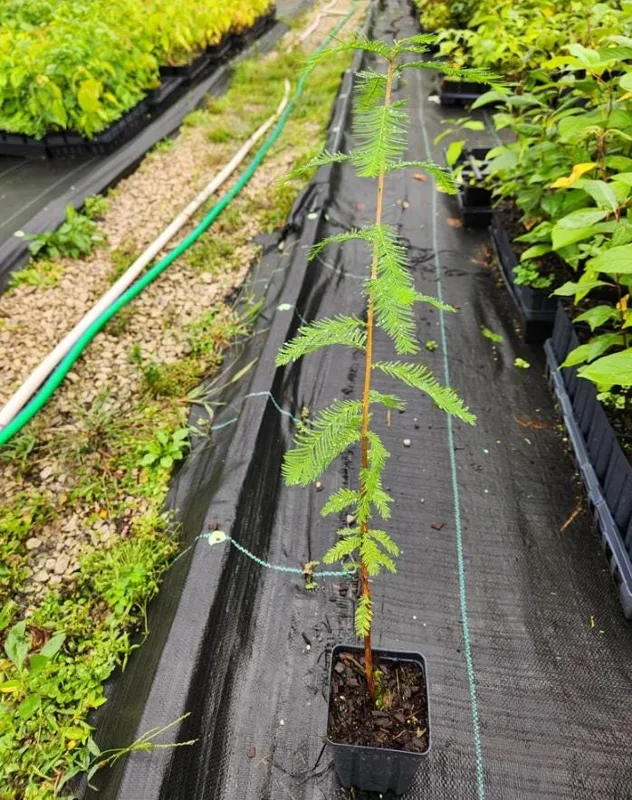
Bald Cypress Tree Live Plant, Taxodium Distichum, 6-10 Inch Tall, 4 Inch Pot, Outdoor
Original price was: $42.99.$27.99Current price is: $27.99.
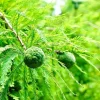
Bring the beauty of a bald cypress live plant to your garden. This Taxodium Distichum tree is a stunning deciduous conifer, arriving 6-10 inches tall in a 4-inch pot. Known for its feathery foliage and adaptability to various soil conditions, it’s a superb choice for landscaping.
Estimated arrival
Apr 03
Apr 08 - Apr 10
Apr 13 - Apr 17

Reasonable Price
We offer reasonable price

Support 24/7
Contact us 24 hrs a day

100% Money Back
You've 30 days to Return

Payment Secure
100% secure payment
Overview
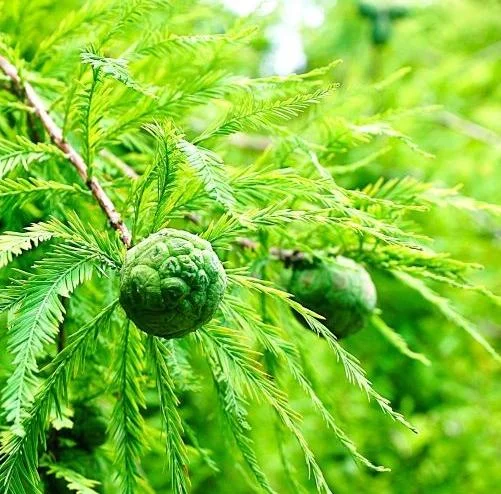
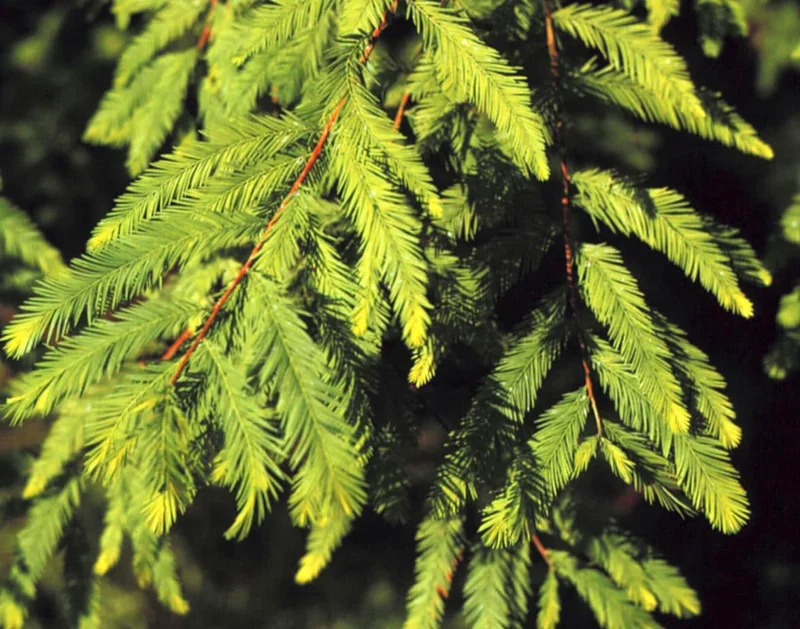
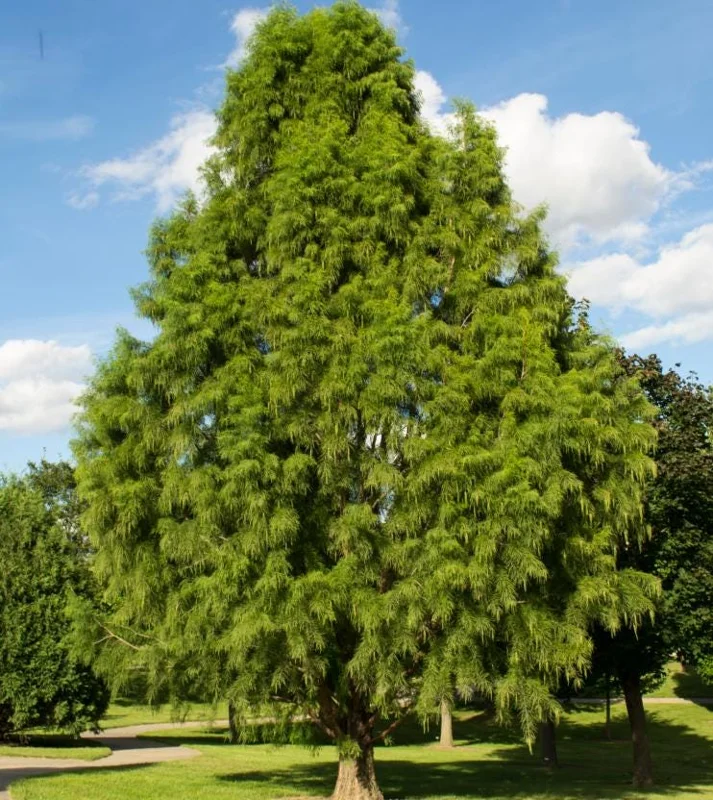
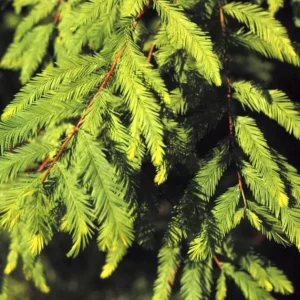
The bald cypress live plant (Taxodium distichum) is a magnificent deciduous conifer native to the southeastern United States. Renowned for its unique feathery, needle-like foliage that turns a striking coppery-orange in fall before shedding, this tree offers year-round visual interest. Unlike most conifers, the bald cypress loses its needles in winter, hence the name “bald.” It’s a long-lived species, often reaching impressive heights and developing a broad, stately crown. This particular offering provides a young Taxodium Distichum tree, typically 6 to 10 inches tall and rooted in a 4-inch pot, ready for planting and establishment in your garden.
Known for its remarkable adaptability, the bald cypress live plant thrives in a wide range of conditions, from consistently wet soils to more typical garden settings. Its iconic “knees” – woody protrusions that emerge from the roots – are a distinctive feature often seen when the tree grows in marshy or waterlogged areas, aiding in gas exchange. Whether you’re looking to create a riparian landscape, add a specimen tree, or enhance your backyard, the bald cypress is a resilient and beautiful choice for many environments.
Key Benefits
Adding a bald cypress live plant to your landscape offers numerous advantages, from its aesthetic appeal to its ecological benefits:
- Stunning Seasonal Color: Enjoy vibrant green foliage in spring and summer, transitioning to a breathtaking coppery-orange in the fall, providing dramatic seasonal interest before the needles drop.
- Adaptable & Resilient: This tree is incredibly versatile, thriving in diverse soil types, including clay, loam, and sand, and tolerating both acidic and slightly alkaline conditions. It’s particularly well-suited for wet areas but also performs excellently in average garden soils.
- Unique Features: Develops distinctive “knees” (pneumatophores) when grown in wet conditions, adding a unique architectural element to your landscape. The reddish-brown, fibrous bark is also highly attractive.
- Long Lifespan: A truly long-lived species, a Taxodium Distichum tree can grace your property for centuries, becoming a legacy plant for future generations.
- Wildlife Habitat: Provides excellent shelter and nesting sites for various bird species, and its seeds are a food source for waterfowl and other wildlife.
- Low Maintenance: Once established, the bald cypress live plant is relatively low-maintenance, requiring minimal care and resisting many common pests and diseases.
- Erosion Control: Its extensive root system makes it an excellent choice for stabilizing soil along waterways and in areas prone to erosion.
Plant Care & Growing Tips
Caring for your bald cypress live plant is straightforward, thanks to its robust nature. While it’s known for thriving in wet environments, it’s equally happy in standard garden conditions. For optimal growth, plant your bald cypress in a location that receives full sun, meaning at least 6 hours of direct sunlight daily. This ensures vigorous growth and the best fall color. The tree is adaptable to a wide range of soil types, including clay, loam, and sand, and can tolerate both acidic and slightly alkaline pH levels. While it famously thrives in wet, poorly drained, or even standing water, it also grows well in normal garden soil, making it a versatile choice for many landscapes.
Watering is crucial during the establishment phase. Keep the soil consistently moist for the first year after planting. Once established, the Taxodium Distichum tree is quite drought-tolerant, though it will appreciate supplemental watering during extended dry periods, especially if not planted in a naturally wet area. Fertilization is generally not required for mature trees in good soil, but young plants can benefit from a balanced, slow-release fertilizer in early spring. The bald cypress is hardy in USDA Zones 4 to 10, tolerating temperatures from -20°F to 100°F. During winter months, do not be alarmed as the tree naturally sheds its leaves and appears dormant, a characteristic of this beautiful deciduous conifer. Pruning is typically minimal, focusing on removing any dead, damaged, or crossing branches to maintain a strong structure.
Size & Details
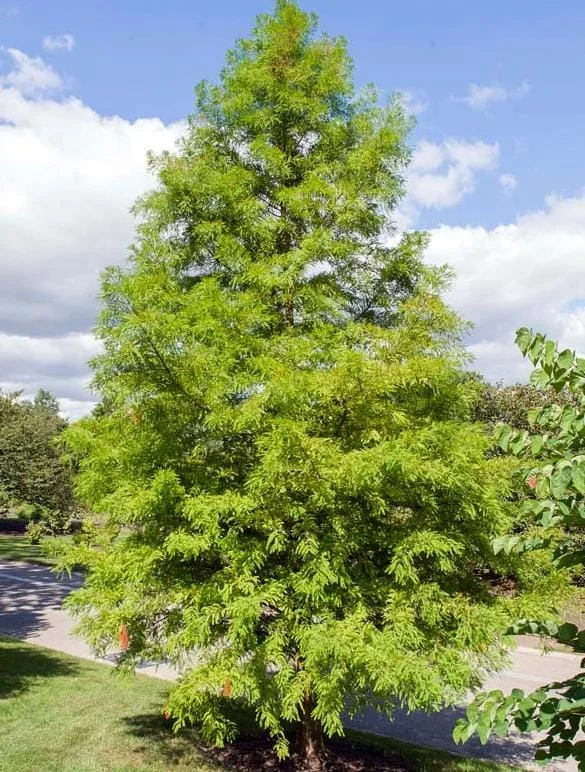
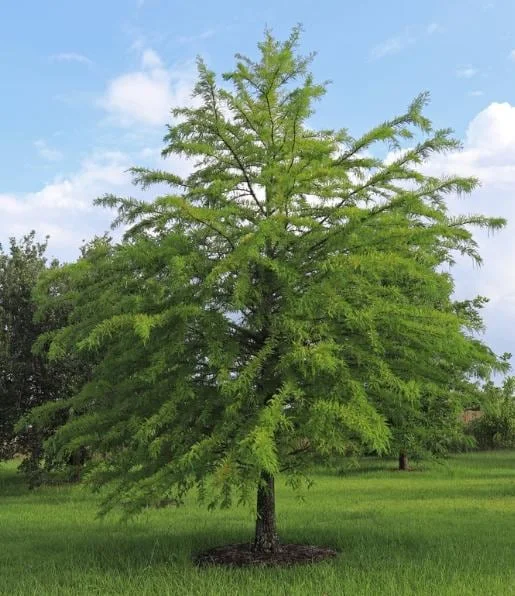
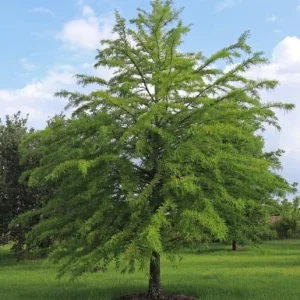
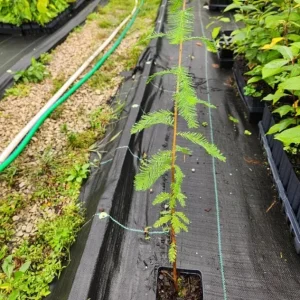
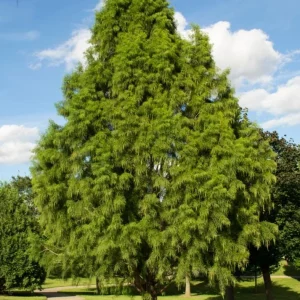
This offering is for a young bald cypress live plant, measuring approximately 6 to 10 inches in height. It is supplied in a 4-inch nursery pot, providing a healthy root system ready for transplanting into your garden. The bald cypress is a vigorous grower, especially in optimal conditions, and can quickly establish itself. While its growth rate varies depending on factors like soil, water, and sunlight, young trees can add 1 to 2 feet in height annually. In its mature form, a bald cypress garden tree can reach heights of 50 to 70 feet with a spread of 20 to 30 feet, developing a strong, pyramidal shape that rounds out with age. Expect this tree to ship as a healthy, actively growing plant during warmer months, or in its natural dormant state during winter. Ensure to check for any state-specific shipping restrictions before ordering.
Frequently Asked Questions
- Q: How big will this bald cypress live plant get? A: This young plant is 6-10 inches tall. A mature bald cypress live plant can reach 50-70 feet tall with a spread of 20-30 feet, becoming a significant landscape feature over many years.
- Q: Is this an indoor or outdoor plant? A: The Taxodium Distichum tree is an outdoor plant, best suited for gardens and landscapes where it can grow to its full potential. It requires full sun and space to thrive.
- Q: How much sunlight does a bald cypress need? A: For best growth and fall color, a bald cypress requires full sun, meaning at least 6 or more hours of direct sunlight daily.
- Q: Is this plant easy to care for? A: Yes, once established, the bald cypress is a relatively low-maintenance and highly adaptable tree, making it suitable for gardeners of varying experience levels. Its resilience and tolerance for diverse conditions simplify its care.
- Q: What condition will it arrive in? A: Your bald cypress live plant will arrive well-rooted in a 4-inch pot. During winter, it will be dormant and without leaves, which is a natural part of its life cycle.
- Q: When is the best time to plant a bald cypress? A: Spring or early fall are generally the best times to plant a bald cypress, allowing the roots to establish before extreme temperatures.
- Q: What type of soil does a bald cypress prefer? A: This bald cypress garden tree is highly adaptable and thrives in a wide range of soils, including clay, loam, and sand. It can tolerate both wet, boggy conditions and normal garden soil.
- Q: Will it survive winter in my zone? A: Yes, the bald cypress is very cold hardy, suitable for USDA Zones 4 to 10, and can tolerate temperatures down to -20 degrees Fahrenheit.
- Q: Does the bald cypress lose its leaves in winter? A: Yes, the bald cypress is a deciduous conifer, meaning it sheds its needles in the fall after they turn a beautiful coppery-orange color. This is a normal and healthy process for the bald cypress live plant.
- Q: What are the “knees” of a bald cypress? A: The “knees” are woody protrusions that grow upwards from the roots, typically seen when the tree is in wet or waterlogged conditions. Their exact function is debated, but they are thought to assist with gas exchange for the roots.
Be the first to review “Bald Cypress Tree Live Plant, Taxodium Distichum, 6-10 Inch Tall, 4 Inch Pot, Outdoor”
-
USDA Hardiness Zone
USDA Zones 4 to 10 -
Soil Type
Adaptable to clay, loam, sand; acidic to slightly alkaline; thrives in wet or normal garden soil -
Sunlight Exposure
Full sun (6+ hours of direct sunlight daily) -
Expected Planting Period
Spring to fall
People Also Viewd


Sold 128 products
Original price was: $89.99.$64.99Current price is: $64.99.

Sold 128 products
Original price was: $27.00.$24.00Current price is: $24.00.

Sold 126 products
Original price was: $3,536.00.$23.99Current price is: $23.99.

Sold 125 products
Original price was: $86.99.$66.99Current price is: $66.99.
Sold 116 products
Original price was: $27.99.$16.99Current price is: $16.99.

Flower Bulbs
3 Cranesbill Wild Geranium Organic Maculatums Bare Roots | Wildflower for Outdoor Garden
Sold 114 products
Original price was: $21.99.$6.99Current price is: $6.99.

Sold 114 products
Original price was: $28.99.$17.99Current price is: $17.99.

Sold 109 products
Original price was: $63.99.$28.99Current price is: $28.99.RELATED posts
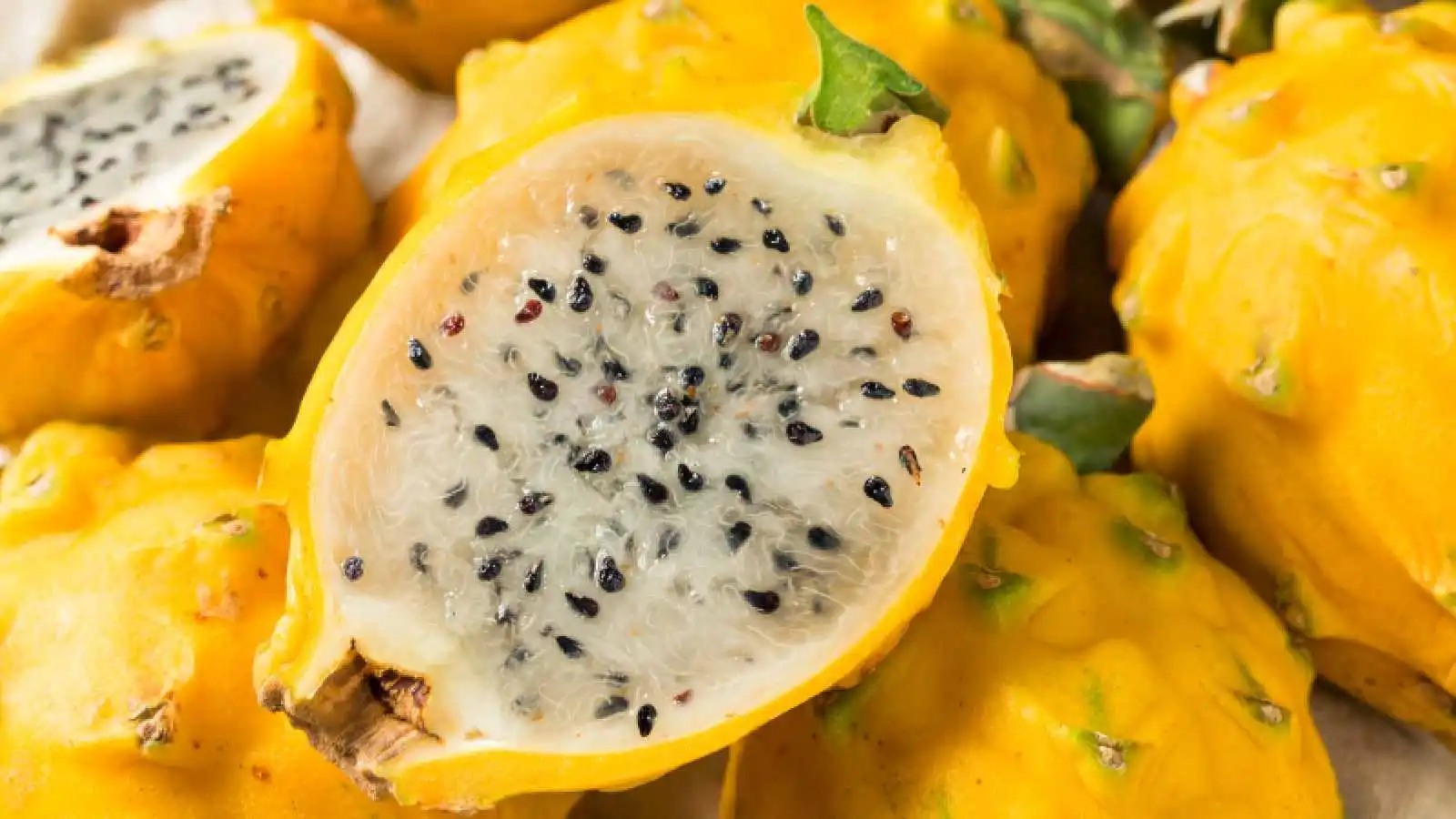
Yellow Dragon Fruit Plant Care: The Ultimate Guide for Healthy Growth
The yellow dragon fruit plant is a unique and rewarding addition to any home garden, [...]
Apr
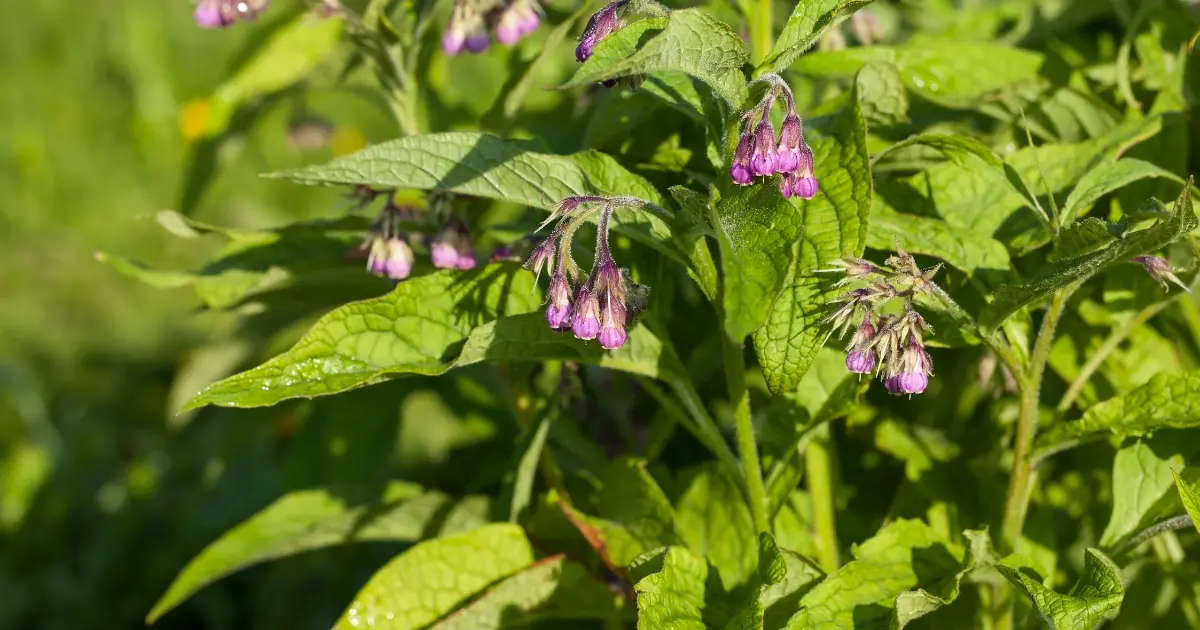
How to Identify Bocking 14 Comfrey: 5 Simple Visual Signs
If you’re growing comfrey for mulch, compost, or animal feed, knowing exactly which variety you [...]
Mar
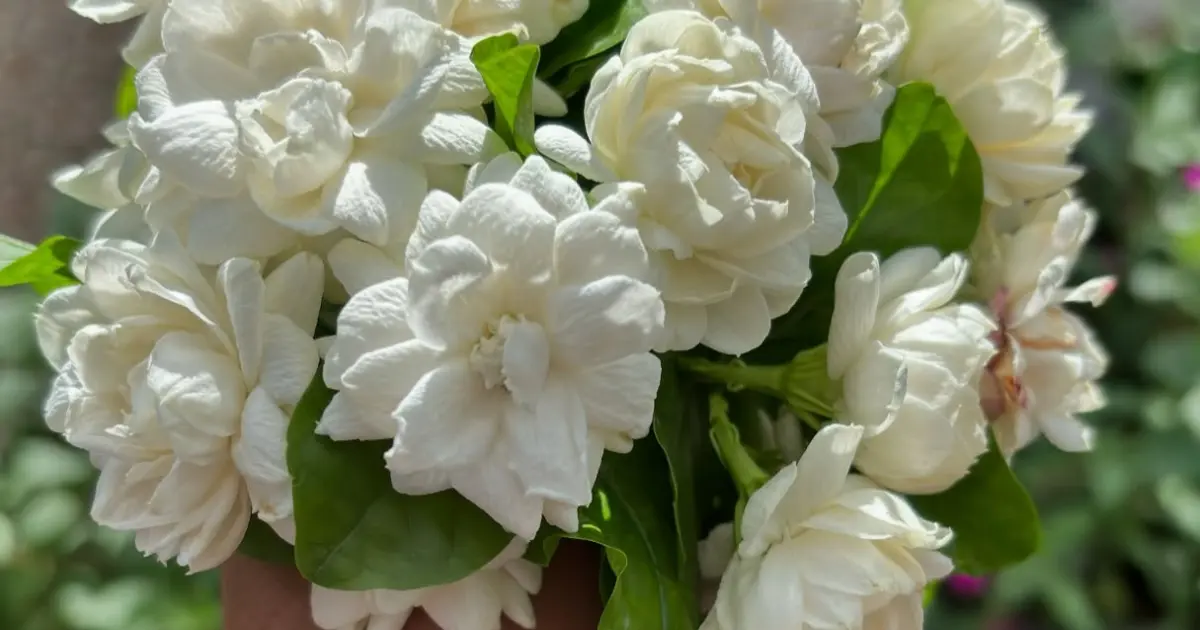
Grand Duke of Tuscany Jasmine: The Ultimate Guide to Growing a Fragrant Masterpiece
Have you ever caught a scent in the air so rich, creamy, and honey-sweet that [...]
Mar
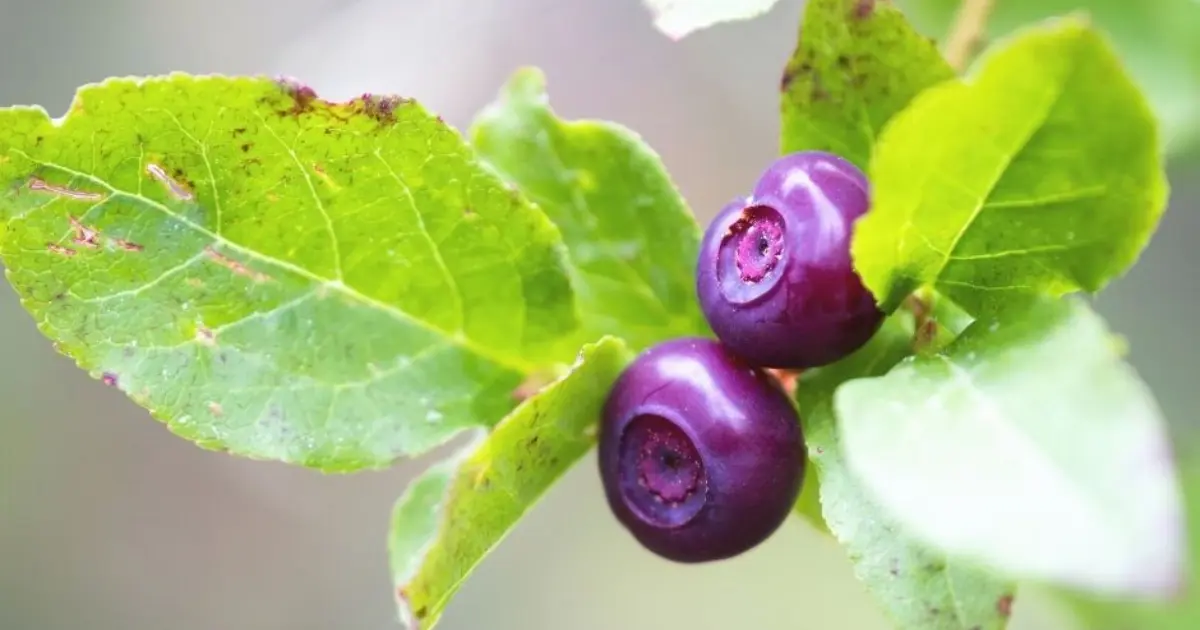
How to Grow Wild Huckleberries: A Guide to “Purple Gold”
Have you ever spent a summer afternoon hiking through the Pacific Northwest or the Rocky [...]
Mar
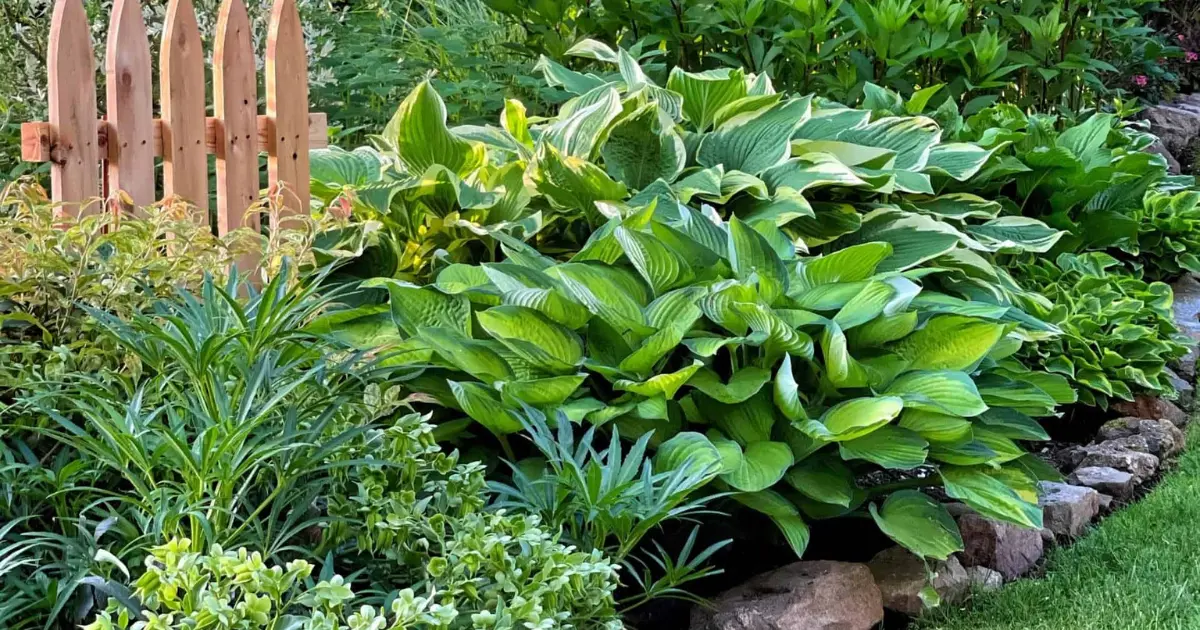
5 Best Shade-Loving Perennials for a Lush, Vibrant Garden
The world of gardening often shines a spotlight on sun-drenched blossoms, but there is a [...]
Mar
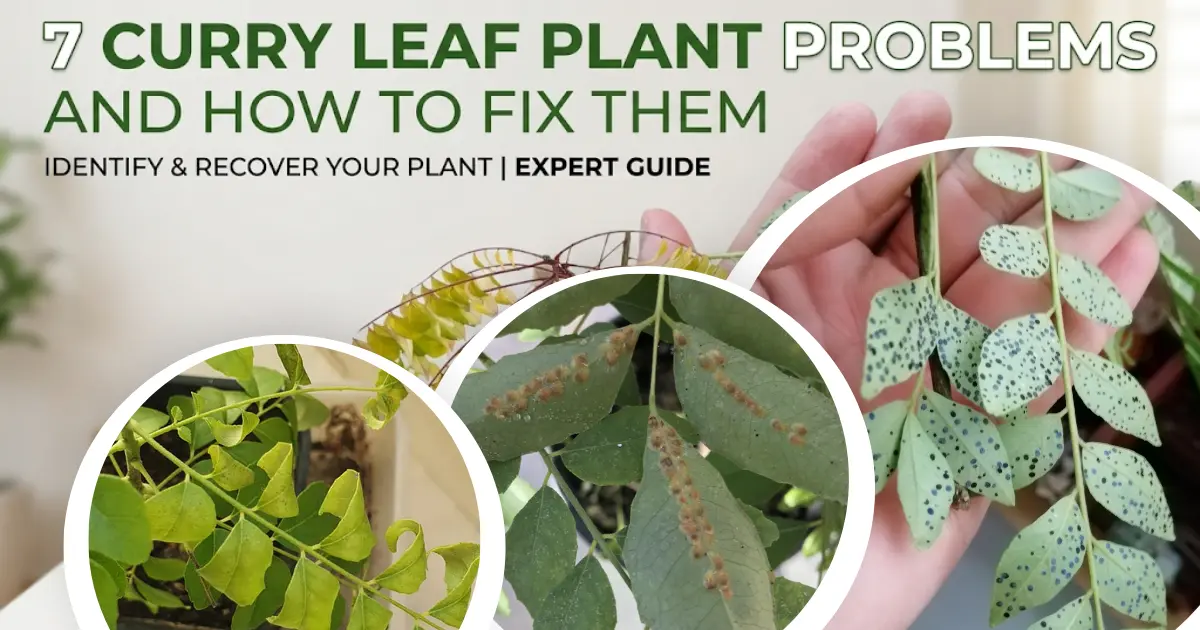
7 Common Curry Leaf Plant Problems: Easy Fixes for a Thriving Plant
Is your curry leaf plant looking a bit sad lately? Maybe you woke up to [...]
Mar
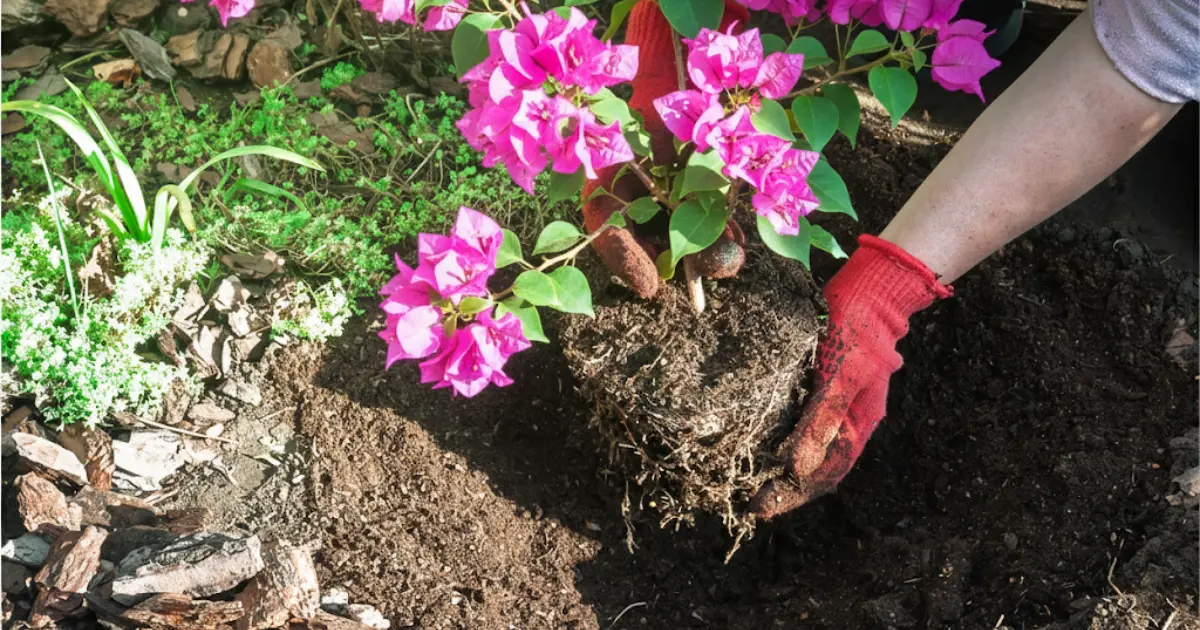
Best Time to Plant Bougainvillea: Timing for Vibrant Blooms
If you’re looking for a hardy tropical vine that delivers a riot of neon color, [...]
Feb
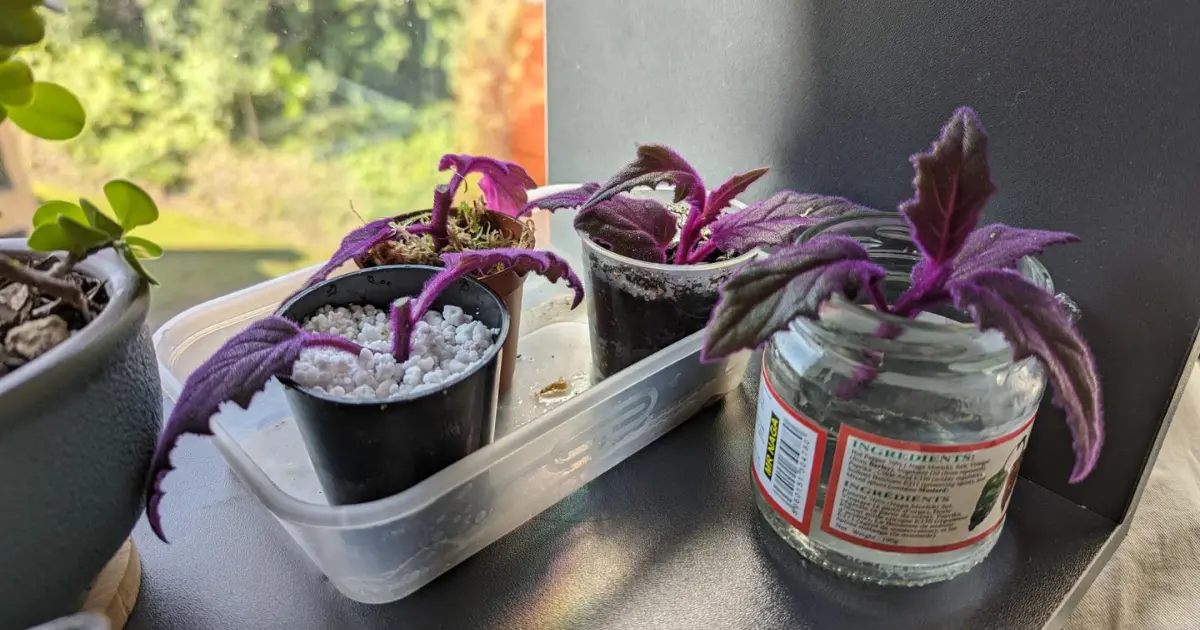
How to Propagate Purple Passion Plants (Gynura aurantiaca)
Have you ever been mesmerized by the neon-purple glow and fuzzy, velvet-like leaves of a [...]
Feb
Reviews
There are no reviews yet.