
Bay Laurel Live Plant – Laurus Nobilis – 5-7 Inches Tall – Culinary Herb
Original price was: $38.26.$23.26Current price is: $23.26.
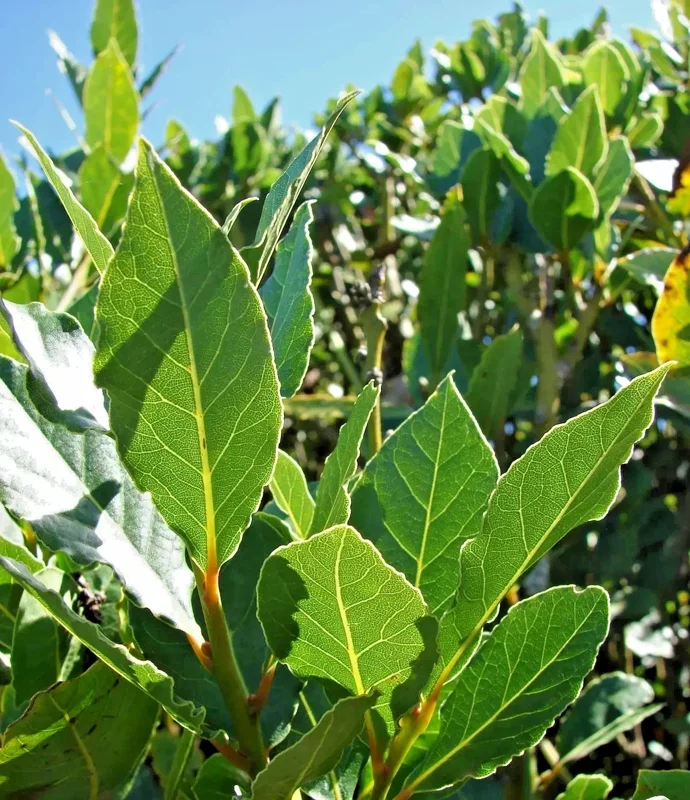
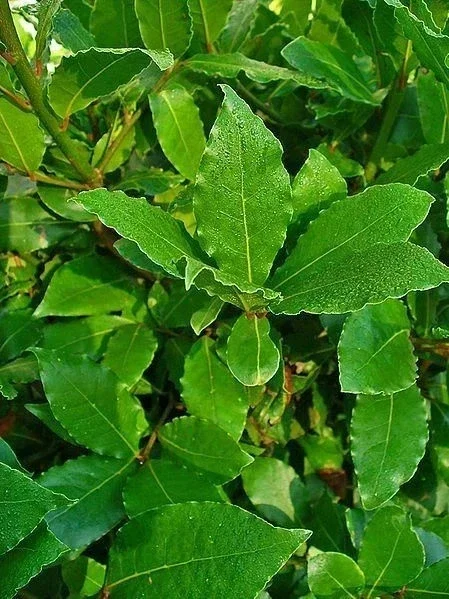
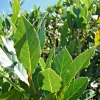
Bring the taste of fresh herbs to your kitchen with this bay laurel live plant. Standing 5-7 inches tall, this culinary bay leaf plant (Laurus nobilis) is perfect for indoor or outdoor cultivation, offering fragrant, edible leaves for all your cooking needs. Enjoy the beauty and utility of this edible evergreen plant.
Estimated arrival
Apr 07
Apr 12 - Apr 14
Apr 17 - Apr 21

Reasonable Price
We offer reasonable price

Support 24/7
Contact us 24 hrs a day

100% Money Back
You've 30 days to Return

Payment Secure
100% secure payment
Overview
Discover the joy of growing your own herbs with this exquisite bay laurel live plant. Known botanically as Laurus nobilis, this particular specimen measures between 5 and 7 inches tall, making it an ideal size for starting your culinary garden. The bay laurel is a classic evergreen shrub or small tree, cherished for its aromatic leaves which are a staple in many cuisines worldwide. This bay laurel live plant brings not only a touch of Mediterranean elegance to your home or garden but also a continuous supply of fresh, flavorful leaves. Whether you’re a seasoned chef or a home cook, having a live bay laurel plant means you’ll always have the freshest ingredients at your fingertips, enhancing stews, soups, and sauces with its distinct, slightly sweet, and peppery notes.
The Laurus nobilis is not just a culinary powerhouse; it’s also a beautiful ornamental plant. Its glossy, dark green foliage adds structure and year-round interest to any space. This young plant is a fantastic way to introduce a versatile and rewarding herb into your collection, promising both aesthetic appeal and practical use. It’s a robust and relatively easy-to-care-for plant, perfect for enthusiasts looking to expand their edible garden.
Key Benefits
Cultivating a bay laurel plant offers numerous advantages, from culinary convenience to decorative charm. Here are some of the key benefits:
- Fresh Culinary Bay Leaf Supply: Enjoy a constant source of fresh, aromatic bay leaves for your cooking. Unlike dried leaves, fresh bay leaves impart a more subtle and complex flavor to dishes, elevating your culinary creations. This ensures you always have the best ingredients on hand.
- Attractive Evergreen Foliage: The glossy, deep green leaves of Laurus nobilis provide year-round beauty, making it an excellent decorative addition to patios, kitchens, or garden beds. Its upright growth habit adds a touch of classic sophistication.
- Aromatic & Fragrant: The leaves release a pleasant, distinctive aroma when crushed, which can naturally freshen your living spaces. This inherent fragrance also contributes to the plant’s appeal as an ornamental.
- Versatile Growing Conditions: This bay laurel live plant can thrive both indoors in a sunny spot or outdoors in suitable climates, offering flexibility in where you choose to grow it. It adapts well to container living.
- Low Maintenance Herb: Once established, the bay laurel is relatively easy to care for, requiring moderate watering and occasional feeding, making it suitable for gardeners of all experience levels. It’s a forgiving edible evergreen plant.
- Air Purification: Like many plants, the bay laurel contributes to better air quality by absorbing carbon dioxide and releasing oxygen, creating a healthier environment.
- Pest Resistant: The natural oils in bay laurel leaves act as a deterrent to some common garden pests, helping to keep your plant healthy with minimal intervention.
Plant Care & Growing Tips
Caring for your bay laurel live plant is straightforward, ensuring a healthy and productive herb for years to come. For optimal growth, provide your Laurus nobilis with plenty of sunlight. It prefers full sun to partial shade, ideally receiving at least 6 hours of direct sunlight per day. If growing indoors, place it near a south-facing window or provide supplemental grow lights. Proper light exposure is crucial for developing strong foliage and the rich flavor of the culinary bay leaf.
Watering should be consistent but not excessive. Allow the top inch or two of soil to dry out between waterings. Overwatering can lead to root rot, which is detrimental to the plant’s health. Ensure your pot has adequate drainage holes. Bay laurel prefers a well-draining soil mix; a standard potting mix amended with perlite or sand works well. In terms of climate, the bay laurel live plant is hardy in USDA zones 8-10. In colder regions, it’s best grown in containers and brought indoors before the first frost. Protect it from extreme cold temperatures, especially when young.
Fertilize your Laurus nobilis every 2-4 weeks during the active growing season (spring and summer) with a balanced liquid fertilizer diluted to half strength. Reduce feeding in fall and winter. Pruning can be done to maintain shape and size, and to encourage bushier growth. Regular harvesting of leaves also acts as a form of pruning, promoting new growth. Keep an eye out for common pests like scale insects or mealybugs; treat them promptly with insecticidal soap if detected. Learning how to grow bay laurel successfully involves understanding these basic needs, ensuring a thriving and productive plant.
Size & Details
This offering is for one bay laurel live plant (Laurus nobilis) that stands approximately 5-7 inches tall from the base of the plant to the tip of its tallest leaf. It is typically shipped as a well-rooted seedling or plant plug, ready for transplanting into a slightly larger pot or directly into your garden if the climate permits. The plant is expected to have a medium growth rate, gradually increasing in size each year. While this young plant is compact, a mature bay laurel can eventually reach heights of 10-20 feet and a width of 5-15 feet if planted in the ground and left unpruned. When grown in a container, its size can be easily managed through regular pruning. The edible evergreen plant arrives in a healthy, vibrant condition, ready to establish itself in its new home. It will begin producing harvestable leaves shortly after settling in.
Frequently Asked Questions
- Q: How big does this plant get? A: This particular Bay Laurel live plant is 5-7 inches tall. When mature, if planted in the ground and unpruned, it can grow up to 10-20 feet tall and 5-15 feet wide. Its size can be controlled with regular pruning, especially when grown in a pot.
- Q: What size pot does it come in? A: The plant is typically shipped as a well-rooted seedling or plant plug, ready for you to pot it into a 4-6 inch container upon arrival.
- Q: Is this an indoor or outdoor plant? A: The bay laurel live plant is versatile and can be grown both indoors and outdoors. In colder climates (below USDA Zone 8), it should be brought indoors during winter.
- Q: How much sunlight does it need? A: Laurus nobilis thrives in full sun to partial shade, requiring at least 6 hours of direct sunlight daily for best growth and flavor development of the culinary bay leaf.
- Q: Is this plant easy to care for? A: Yes, once established, the bay laurel is considered a low-maintenance plant. It requires consistent watering but tolerates some drought and is not overly demanding with fertilization. Learning to grow bay laurel is a rewarding experience for beginners and experts alike.
- Q: Can I use bay laurel in cooking? A: Absolutely! The leaves of this Laurus nobilis are the classic culinary bay leaf, perfect for flavoring soups, stews, sauces, and roasts. It’s truly an edible evergreen plant.
- Q: What condition will it arrive in? A: Your bay laurel plant will arrive healthy, well-packaged, and ready for planting, ensuring it survives transit and is ready to thrive in your care.
- Q: When is the best time to plant? A: You can plant this bay laurel any time of year if growing indoors. If planting outdoors, spring or early summer after the last frost is ideal to allow it to establish before winter.
- Q: Will it survive winter in my zone? A: The bay laurel is hardy in USDA Zones 8-10. If you live in a colder zone, you will need to protect it from frost by bringing it indoors or providing adequate winter protection.
- Q: Is this plant pet-safe? A: While bay laurel is edible for humans, it can be toxic to pets if ingested in large quantities. It’s advisable to keep it out of reach of curious pets.
Be the first to review “Bay Laurel Live Plant – Laurus Nobilis – 5-7 Inches Tall – Culinary Herb”
-
USDA Hardiness Zone
USDA Zones 8-10 (can be grown indoors in colder zones) -
Soil Type
Well-draining loam or standard potting mix -
Sunlight Exposure
Full sun to partial shade -
Expected Planting Period
Year-round indoors; spring to early summer outdoors
People Also Viewd


Sold 128 products
Original price was: $89.99.$64.99Current price is: $64.99.

Sold 128 products
Original price was: $27.00.$24.00Current price is: $24.00.
Sold 127 products
Original price was: $159.99.$139.99Current price is: $139.99.

Sold 126 products
Original price was: $3,536.00.$23.99Current price is: $23.99.

Sold 125 products
Original price was: $86.99.$66.99Current price is: $66.99.
Sold 116 products
Original price was: $27.99.$16.99Current price is: $16.99.

Flower Bulbs
3 Cranesbill Wild Geranium Organic Maculatums Bare Roots | Wildflower for Outdoor Garden
Sold 114 products
Original price was: $21.99.$6.99Current price is: $6.99.

Sold 114 products
Original price was: $28.99.$17.99Current price is: $17.99.RELATED posts
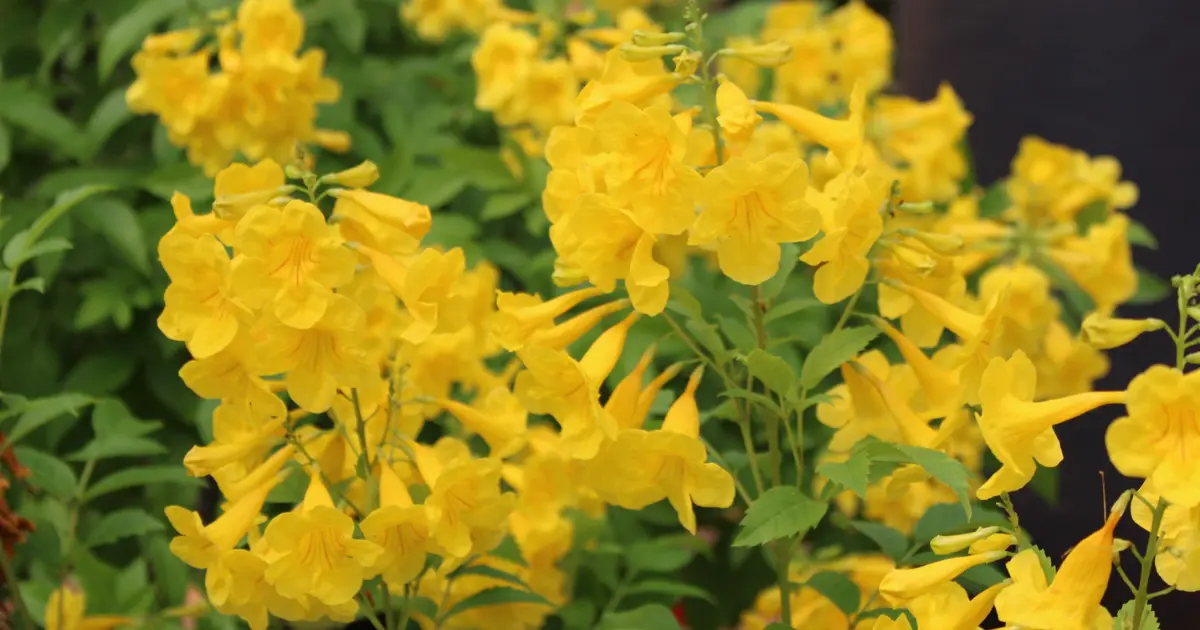
Mastering Esperanza Goldstar: Grow the Ultimate Yellow Bloom
Esperanza Goldstar is more than just a heat-tolerant shrub; for the American gardener battling the [...]
Apr
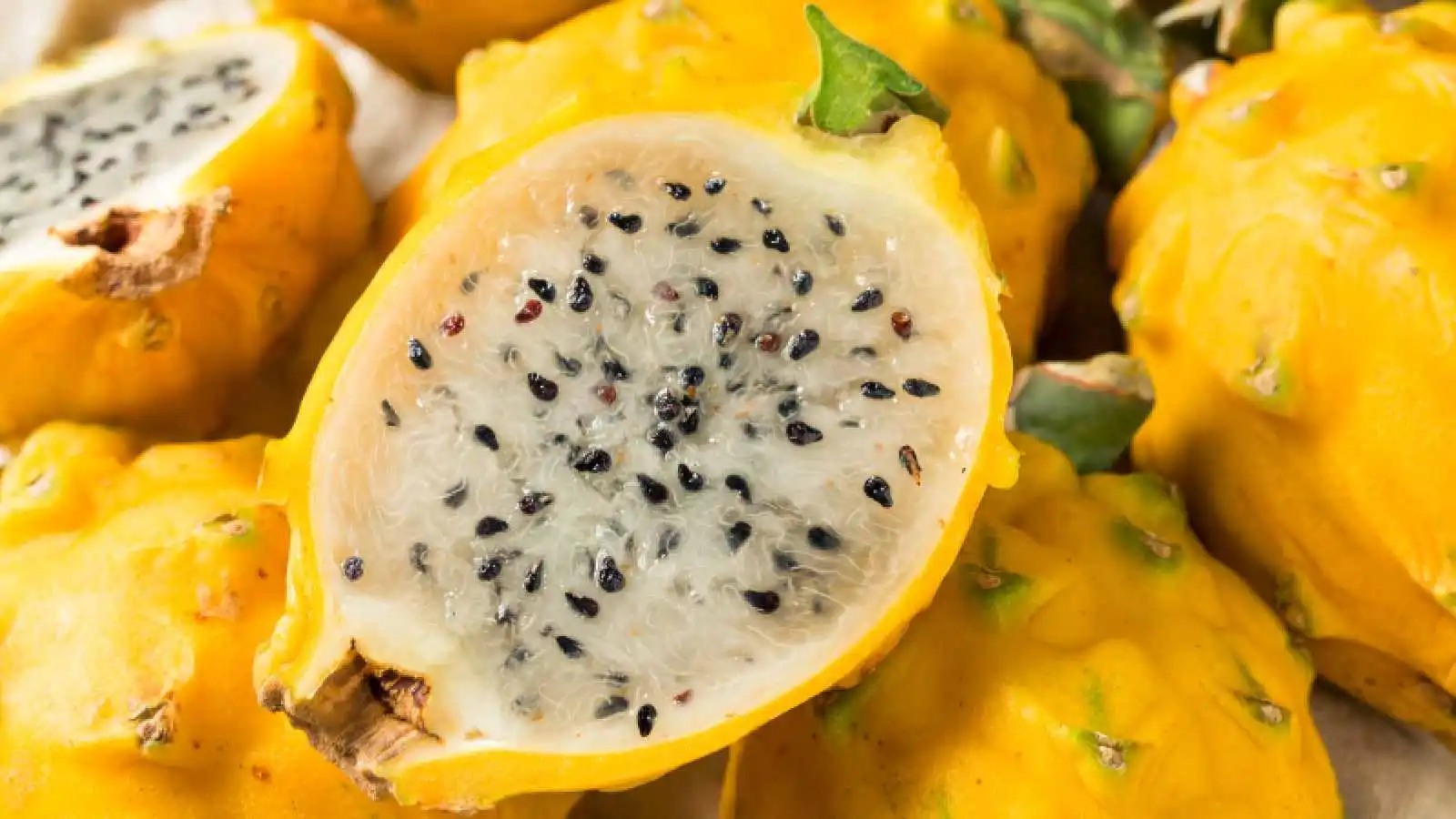
Yellow Dragon Fruit Plant Care: The Ultimate Guide for Healthy Growth
The yellow dragon fruit plant is a unique and rewarding addition to any home garden, [...]
Apr
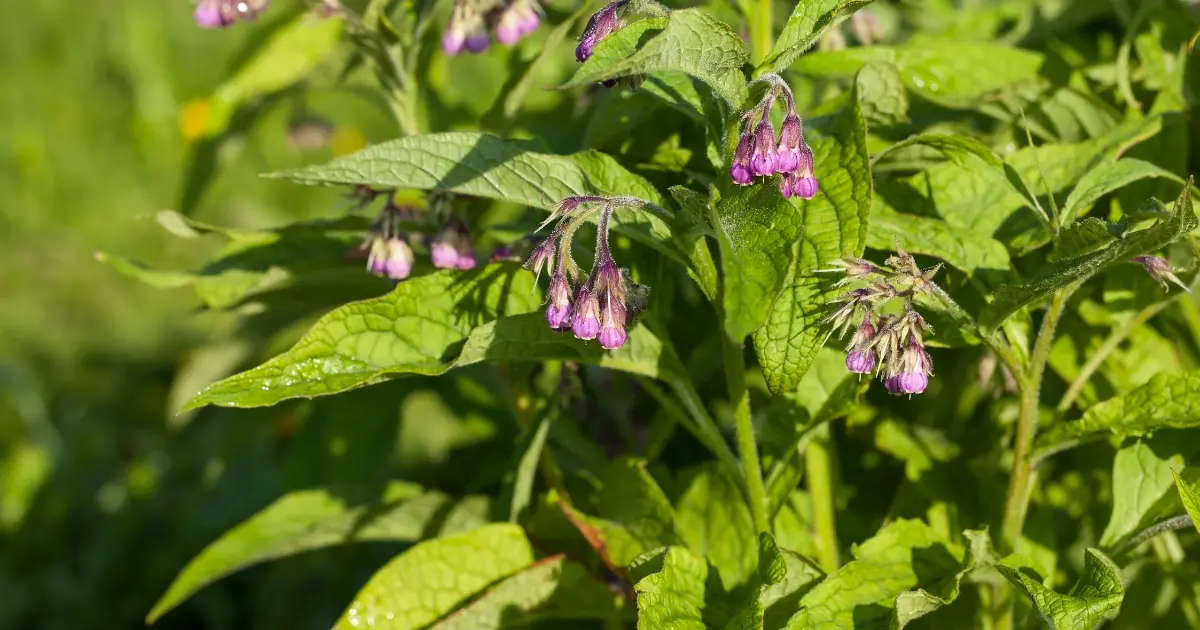
How to Identify Bocking 14 Comfrey: 5 Simple Visual Signs
If you’re growing comfrey for mulch, compost, or animal feed, knowing exactly which variety you [...]
Mar
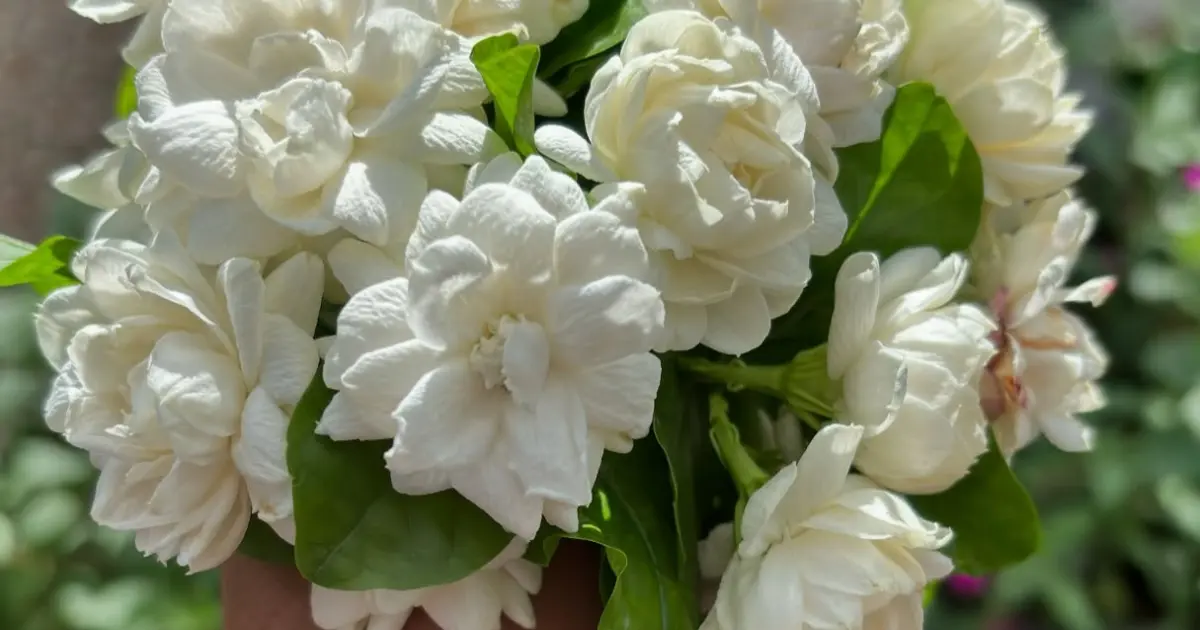
Grand Duke of Tuscany Jasmine: The Ultimate Guide to Growing a Fragrant Masterpiece
Have you ever caught a scent in the air so rich, creamy, and honey-sweet that [...]
Mar
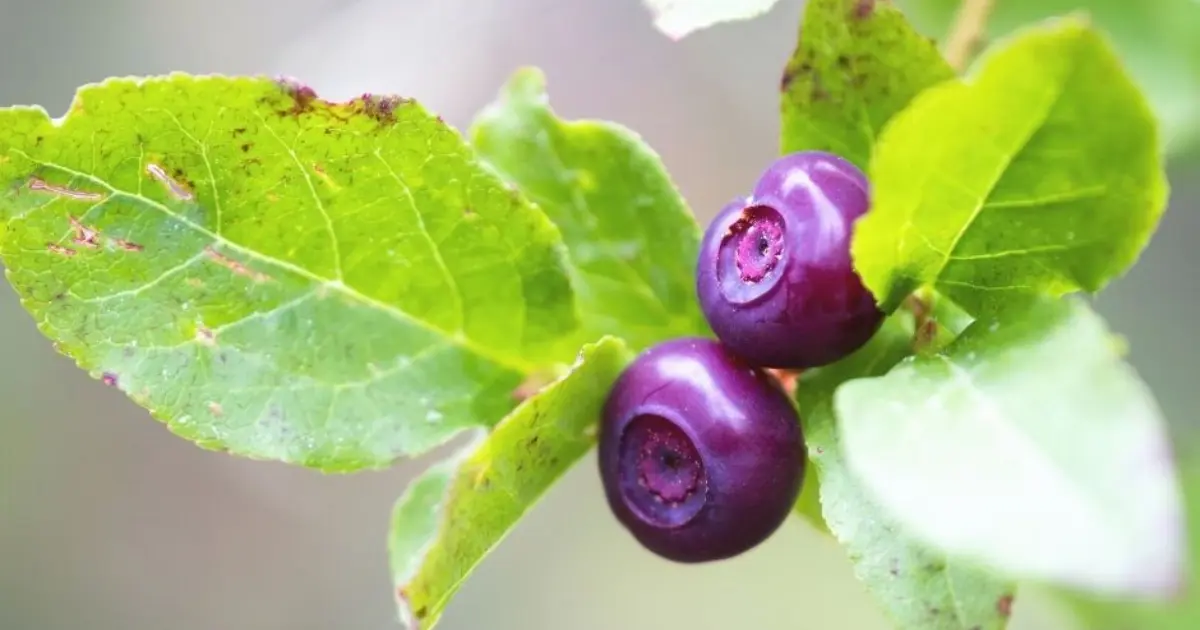
How to Grow Wild Huckleberries: A Guide to “Purple Gold”
Have you ever spent a summer afternoon hiking through the Pacific Northwest or the Rocky [...]
Mar
5 Best Shade-Loving Perennials for a Lush, Vibrant Garden
The world of gardening often shines a spotlight on sun-drenched blossoms, but there is a [...]
Mar

7 Common Curry Leaf Plant Problems: Easy Fixes for a Thriving Plant
Is your curry leaf plant looking a bit sad lately? Maybe you woke up to [...]
Mar
Best Time to Plant Bougainvillea: Timing for Vibrant Blooms
If you’re looking for a hardy tropical vine that delivers a riot of neon color, [...]
Feb
Reviews
There are no reviews yet.